Weld Overlay Cladding Process: Advanced Corrosion Protection and Asset Life Extension Solutions

Contact me immediately if you encounter problems!

All Categories

Get a Free Quote

Our representative will contact you soon.
Email
Mobile/WhatsApp
Name
Company Name
Message
0/1000

Get a Free Quote

Our representative will contact you soon.
Email
Mobile/WhatsApp
Name
Company Name
Message
0/1000

weld overlay cladding process

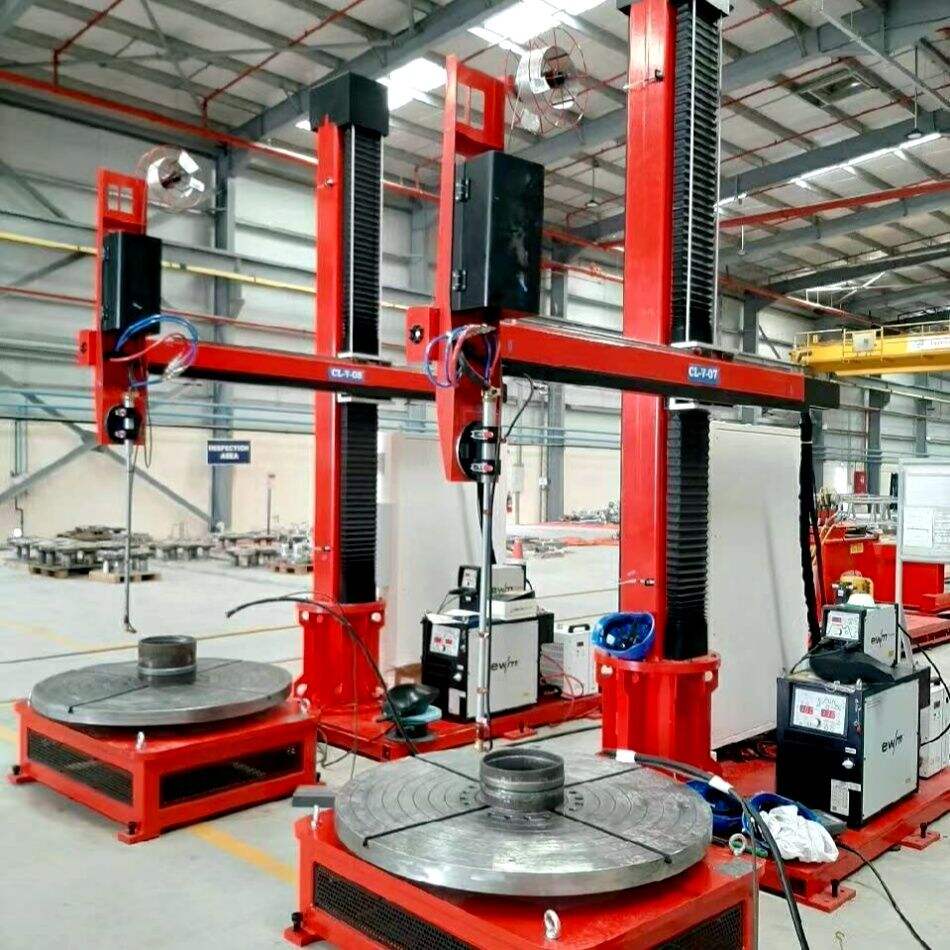
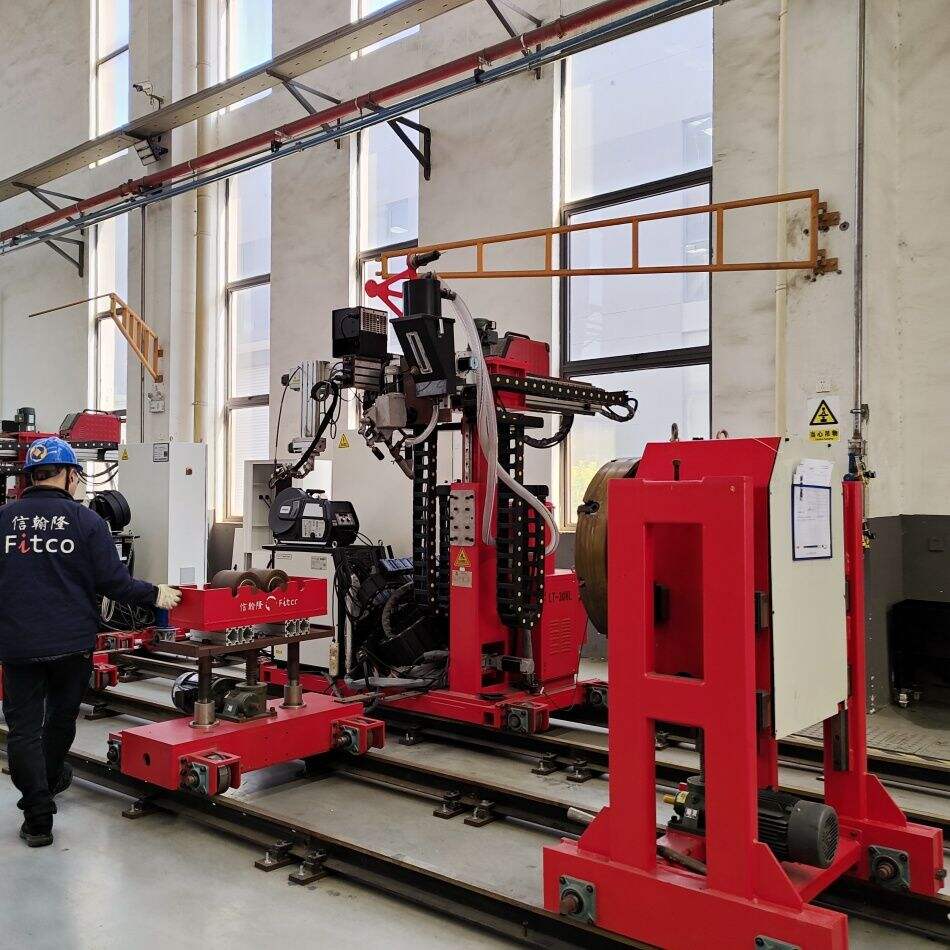
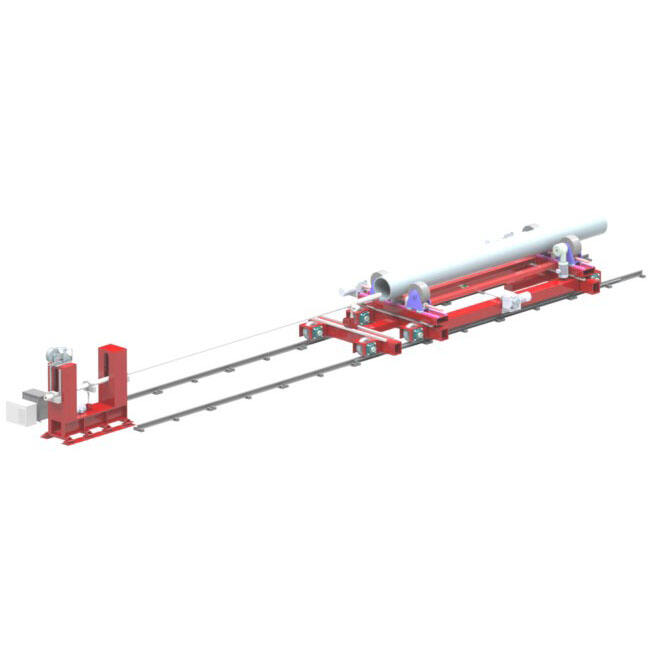
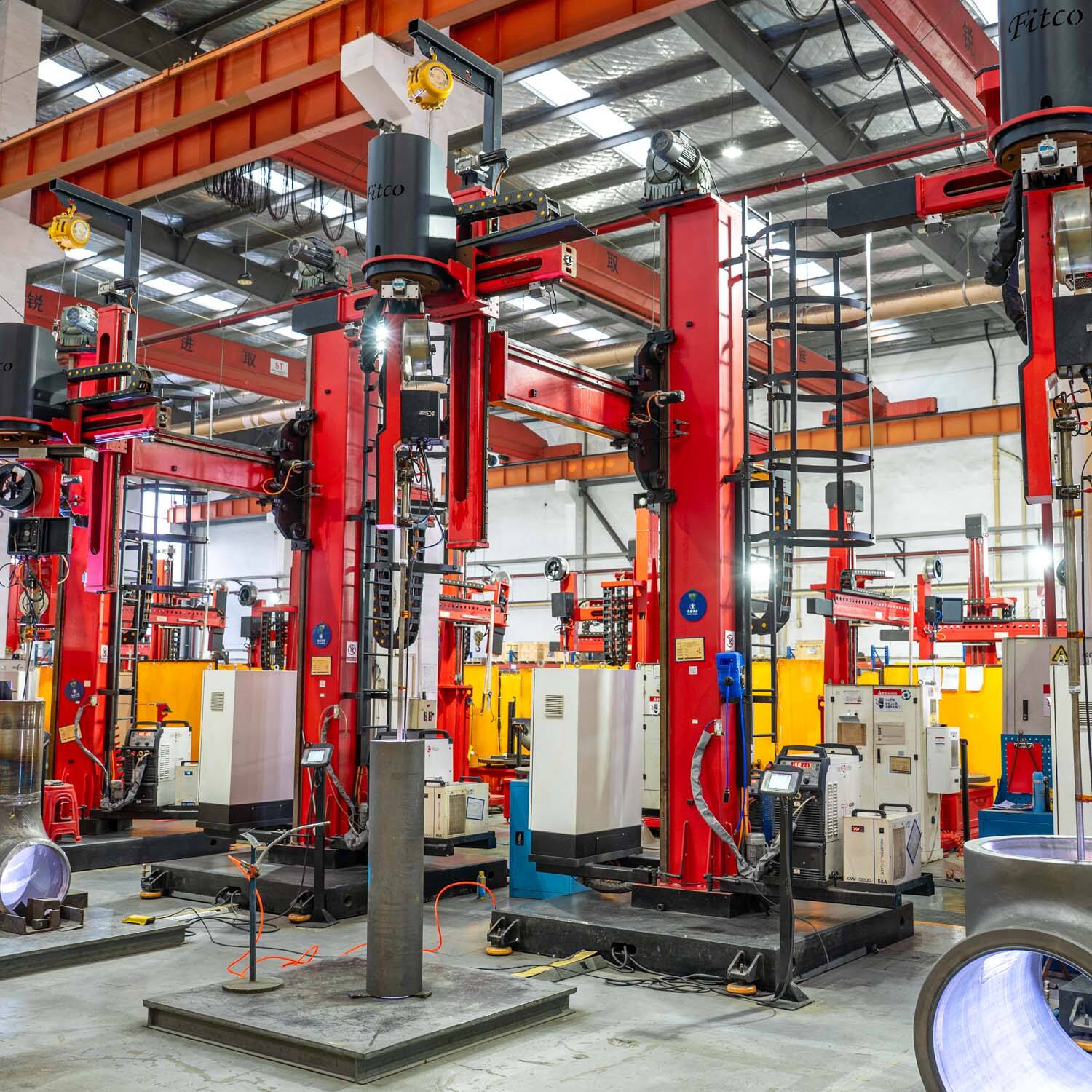
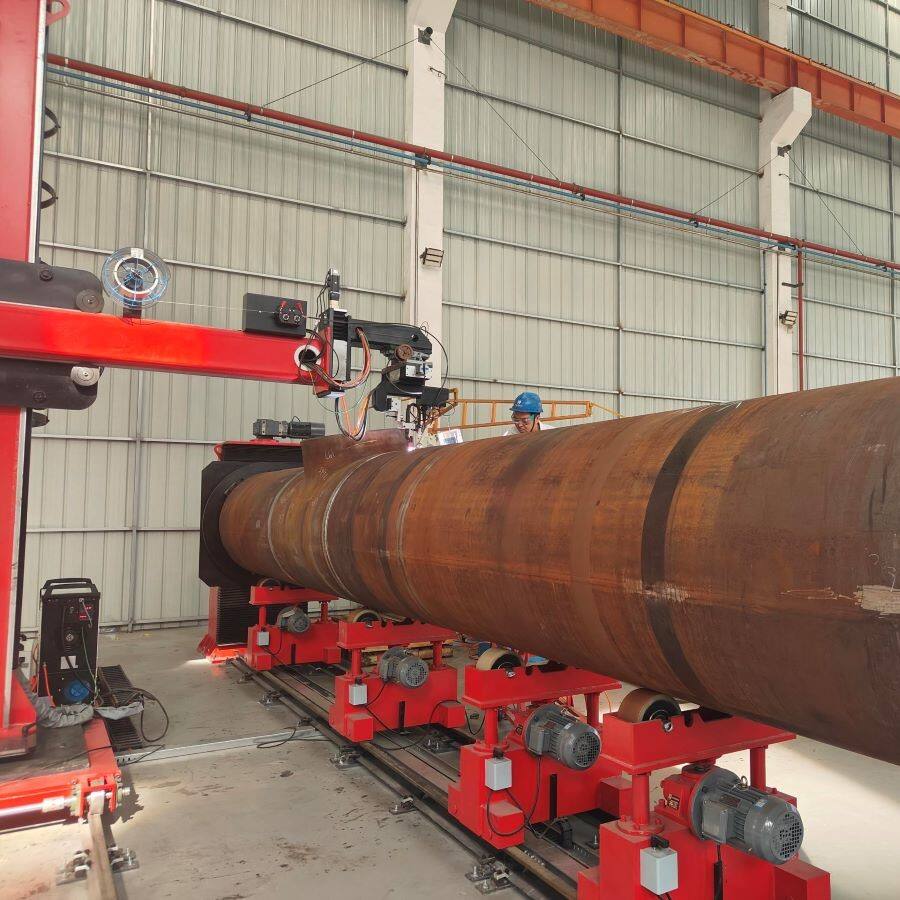
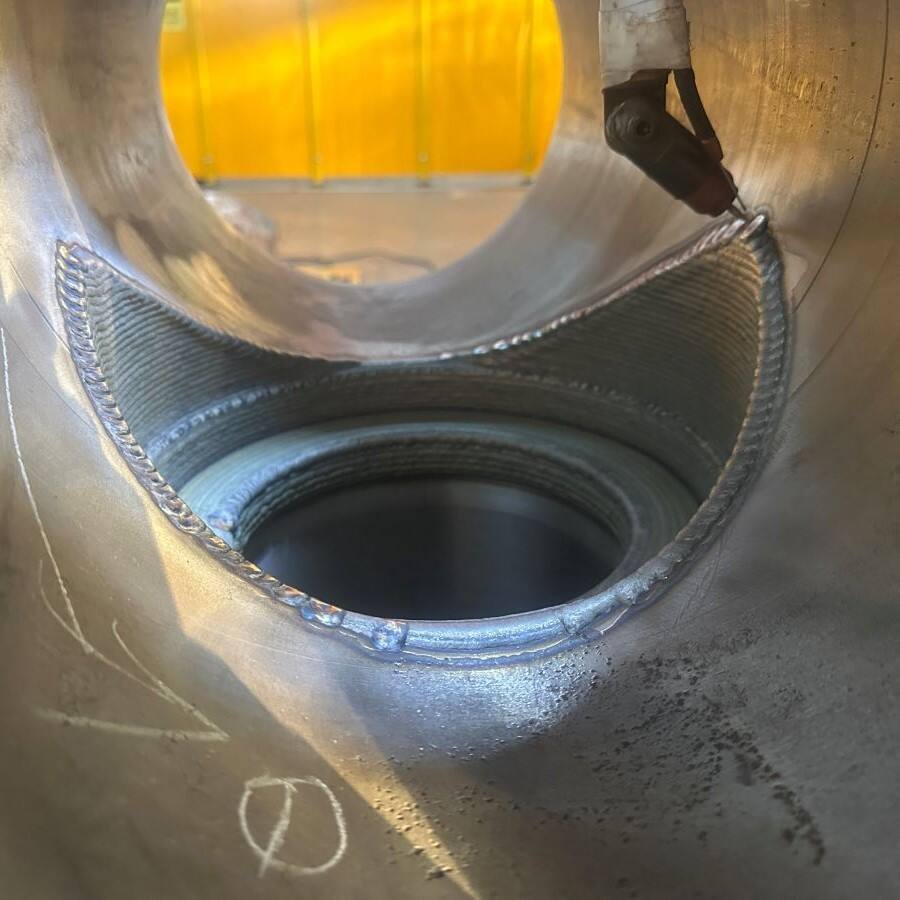
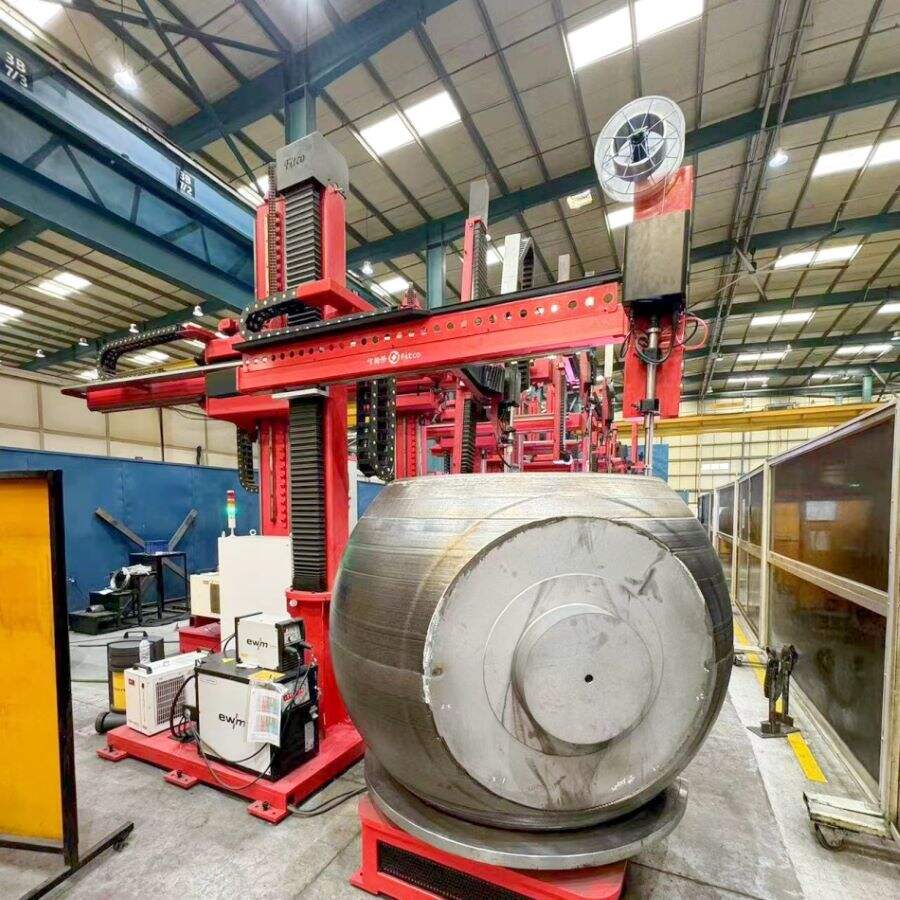
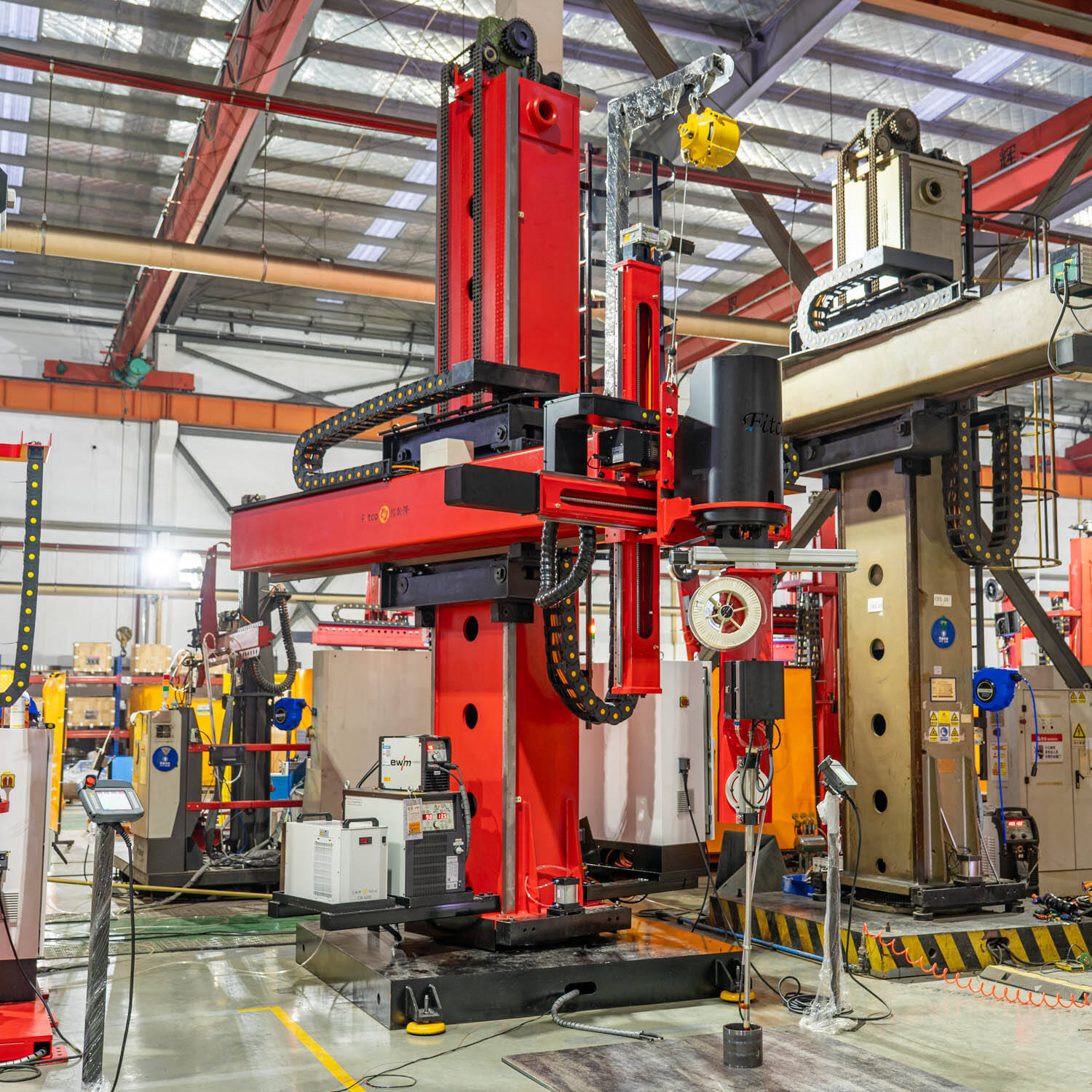
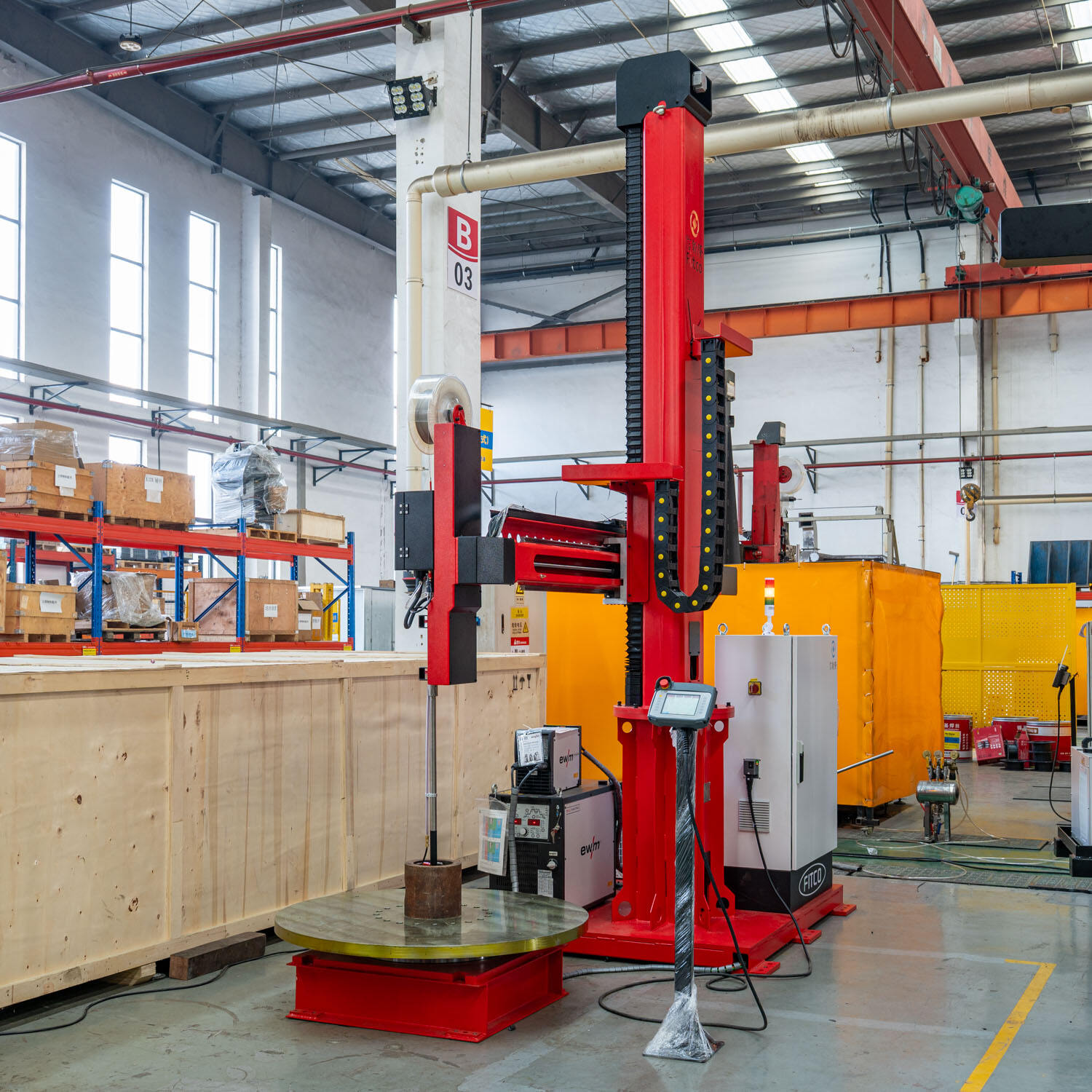
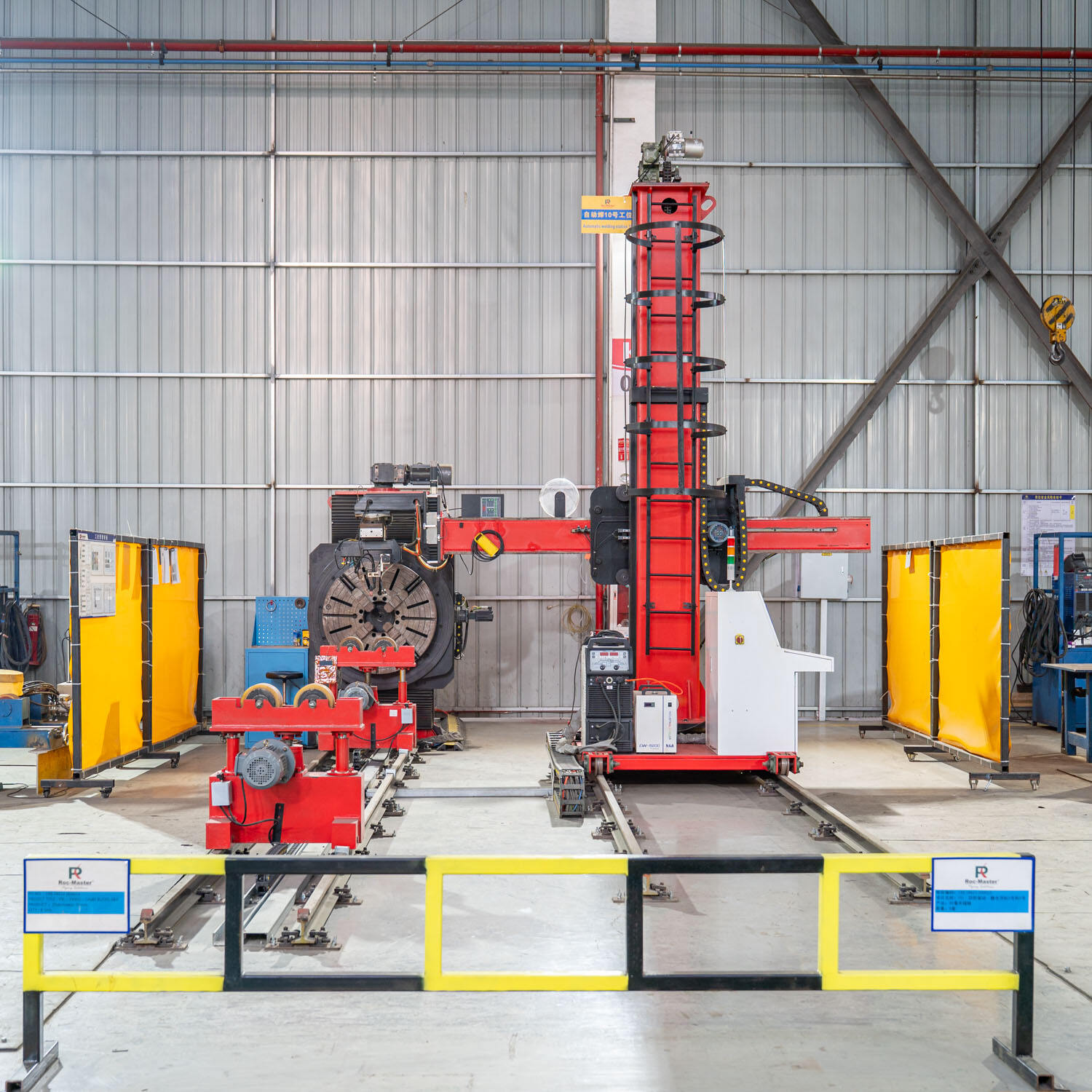
The weld overlay cladding process represents a sophisticated metallurgical technique that applies protective layers onto base materials through controlled welding operations. This advanced manufacturing method involves depositing corrosion-resistant or wear-resistant alloys onto substrates using various welding technologies including submerged arc welding, gas tungsten arc welding, and plasma arc welding. The weld overlay cladding process fundamentally transforms ordinary carbon steel components into high-performance materials capable of withstanding extreme environmental conditions. During implementation, technicians carefully select appropriate filler materials based on specific service requirements, ensuring optimal bonding between the overlay and substrate. The process begins with meticulous surface preparation, followed by precise parameter control during welding to achieve desired metallurgical properties. Temperature management remains critical throughout the weld overlay cladding process to prevent dilution and maintain chemical composition integrity. Multiple pass techniques allow for building up substantial thickness while controlling heat input and residual stresses. Quality control measures include non-destructive testing, chemical analysis, and mechanical property verification to ensure compliance with industry standards. The weld overlay cladding process finds extensive application across petroleum refining, chemical processing, power generation, and marine industries where component longevity directly impacts operational efficiency. Modern automation systems enable consistent results and improved productivity in commercial applications. Post-weld heat treatment may be incorporated to optimize microstructure and relieve stresses. The versatility of this technique allows for customization based on specific operational challenges, making it an invaluable solution for extending equipment service life while maintaining structural integrity of the underlying base material.

New Products

The weld overlay cladding process delivers exceptional cost-effectiveness by extending equipment lifespan without requiring complete component replacement. Companies save substantial capital expenditures by applying protective layers to existing infrastructure rather than purchasing entirely new corrosion-resistant equipment. This approach reduces material costs significantly since only surface areas require premium alloys while maintaining structural strength through conventional base metals. Manufacturing flexibility represents another major advantage, as the weld overlay cladding process accommodates various component geometries and sizes. Technicians can apply protective coatings to complex shapes, internal surfaces, and large-scale structures that would be impractical to manufacture from solid corrosion-resistant materials. The process enables selective protection, allowing engineers to target specific areas experiencing the most severe service conditions. Quality and reliability improve dramatically through the weld overlay cladding process implementation. The metallurgical bond achieved between overlay and substrate creates a permanent, integral protective system that outperforms many mechanical attachment methods. This fusion eliminates concerns about coating delamination or separation under thermal cycling conditions. Maintenance requirements decrease substantially as overlaid components resist corrosion, erosion, and wear more effectively than untreated surfaces. Downtime reduction becomes a significant operational benefit since the weld overlay cladding process can often be performed on-site during scheduled maintenance windows. This eliminates transportation costs and reduces equipment unavailability periods. Environmental benefits emerge through extended component life cycles, reducing waste generation and resource consumption. The process supports sustainability initiatives by maximizing existing asset utilization rather than promoting premature replacement. Performance customization allows engineers to select specific overlay materials optimized for particular service environments. Whether addressing high-temperature oxidation, chemical attack, or abrasive wear, the weld overlay cladding process provides tailored solutions. Risk mitigation improves as overlaid components demonstrate predictable performance characteristics backed by extensive industry experience and proven track records across diverse applications.

Practical Tips

The Role of overlay cladding in Refurbishing Heavy Machinery

16

Mar

The Role of overlay cladding in Refurbishing Heavy Machinery

Heavy machinery operates under extreme conditions, facing constant wear from abrasion, corrosion, and mechanical stress that gradually degrades critical components. When expensive equipment begins showing signs of deterioration, manufacturers and ope...
View More
How Do TIG Overlay Cladding Machines Improve Surface Durability?

22

Dec

How Do TIG Overlay Cladding Machines Improve Surface Durability?

Industrial surface protection has evolved significantly with the advent of advanced welding technologies, particularly in applications requiring exceptional durability and precision. TIG overlay cladding machines represent a revolutionary approach to...
View More
Inside an igbt inverter welder: How the High-Frequency Switching Works

16

Mar

Inside an igbt inverter welder: How the High-Frequency Switching Works

The high-frequency switching mechanism within an igbt inverter welder represents one of the most significant technological advances in modern welding equipment. This sophisticated power conversion process transforms standard AC mains power into preci...
View More
Which Materials Weld Best with Longitudinal TIG Equipment?

13

Jan

Which Materials Weld Best with Longitudinal TIG Equipment?

Manufacturing industries increasingly rely on advanced welding technologies to achieve superior joint quality and production efficiency. Among the various welding methods available, longitudinal TIG equipment has emerged as a critical solution for ap...
View More

Get a Free Quote

Our representative will contact you soon.
Email
Mobile/WhatsApp
Name
Company Name
Message
0/1000

weld overlay cladding process

Superior Corrosion Protection Through Metallurgical Bonding

Superior Corrosion Protection Through Metallurgical Bonding

The weld overlay cladding process creates an unbreakable metallurgical bond between the protective overlay and base material, establishing a permanent barrier against corrosive environments. Unlike surface treatments or mechanical coatings that may fail through delamination or disbondment, the fusion zone created during the welding operation ensures complete integration of the protective layer with the substrate. This metallurgical continuity eliminates potential failure points where corrosive media could penetrate and attack the underlying base metal. The bonding mechanism occurs at the molecular level as the heat from welding causes intermixing of the overlay and base materials, creating a transition zone with gradually changing chemical composition. This graduated interface distributes stresses more effectively than abrupt material transitions, enhancing overall system durability. Chemical compatibility between overlay and substrate materials is carefully engineered to prevent galvanic corrosion while maintaining structural integrity under service loads. The weld overlay cladding process allows for precise control of dilution levels, ensuring that the final overlay composition meets specified requirements for corrosion resistance. Advanced welding parameters and techniques minimize heat-affected zone formation in the base material while optimizing overlay properties. Quality assurance measures include bend testing, corrosion testing, and metallographic examination to verify proper fusion and chemical composition throughout the overlay thickness. Long-term performance data demonstrates that properly applied weld overlay systems can provide decades of reliable service in aggressive chemical environments where conventional materials would fail rapidly. The permanent nature of the metallurgical bond means that overlaid components maintain their protective capabilities even under thermal cycling, mechanical stress, and chemical attack conditions that would compromise other protection methods.
Cost-Effective Asset Life Extension Strategy

Cost-Effective Asset Life Extension Strategy

The weld overlay cladding process represents the most economical approach to upgrading existing equipment for enhanced corrosion and wear resistance without the substantial capital investment required for complete replacement. By applying protective layers only where needed, companies can achieve the performance benefits of expensive corrosion-resistant alloys while maintaining cost-effective carbon steel or low-alloy substrates for structural support. This selective approach reduces material costs by up to 70 percent compared to solid construction using premium alloys. The process enables equipment owners to extend asset lifecycles significantly, often doubling or tripling service life expectations through strategic overlay application. Return on investment calculations consistently demonstrate favorable payback periods, typically ranging from one to three years depending on application severity and overlay thickness requirements. Manufacturing efficiency improves as the weld overlay cladding process can be integrated into new construction workflows or applied to existing equipment during maintenance shutdowns. This flexibility allows for proactive upgrades before corrosion damage occurs, preventing costly emergency repairs and unplanned downtime. The technique accommodates complex geometries and configurations that would be extremely expensive or impossible to fabricate from solid corrosion-resistant materials. Large vessels, piping systems, and structural components benefit from localized protection where service conditions demand superior performance. Quality control measures ensure consistent results and predictable performance, reducing the risk of premature failures that could lead to significant operational losses. The process supports lean manufacturing principles by optimizing material utilization and minimizing waste generation. Inventory management becomes more efficient as companies can stock versatile base materials and apply specialized overlays as needed rather than maintaining extensive inventories of expensive specialty alloys for various applications.
Versatile Application Across Multiple Industries

Versatile Application Across Multiple Industries

The weld overlay cladding process demonstrates remarkable adaptability across diverse industrial sectors, providing tailored solutions for unique operational challenges in petroleum refining, chemical processing, power generation, marine environments, and manufacturing industries. This versatility stems from the ability to select overlay materials specifically matched to service conditions, whether addressing high-temperature oxidation, chemical corrosion, erosive wear, or combinations of these degradation mechanisms. In petroleum refining applications, the process enables safe handling of sour crude oil, hydrogen sulfide environments, and high-temperature catalytic processes by applying specialized stainless steel and nickel-based overlays. Chemical processing facilities benefit from overlay systems designed to resist specific corrosive media including acids, caustics, and organic solvents. The marine industry utilizes the weld overlay cladding process for seawater-resistant components, offshore platform structures, and shipbuilding applications where saltwater corrosion presents ongoing challenges. Power generation facilities employ overlay technology for boiler tubes, turbine components, and cooling system infrastructure exposed to aggressive operating conditions. The process accommodates various component sizes from small fittings to large pressure vessels spanning multiple meters in diameter. Geometric complexity presents no significant limitations as skilled technicians can apply overlays to internal surfaces, complex contours, and confined spaces using appropriate welding techniques and equipment configurations. Material selection flexibility allows engineers to specify overlay compositions optimized for specific temperature ranges, chemical exposures, and mechanical stress levels. Advanced overlay alloys including duplex stainless steels, super-austenitic grades, and nickel-based superalloys expand application possibilities into the most demanding service environments. Quality standards compliance ensures that overlaid components meet stringent industry requirements including ASME, API, and NACE specifications. The process supports both new construction and rehabilitation projects, providing economic solutions for equipment upgrade programs and life extension initiatives across multiple industrial sectors.

Get a Free Quote

Our representative will contact you soon.
Email
Mobile/WhatsApp
Name
Company Name
Message
0/1000