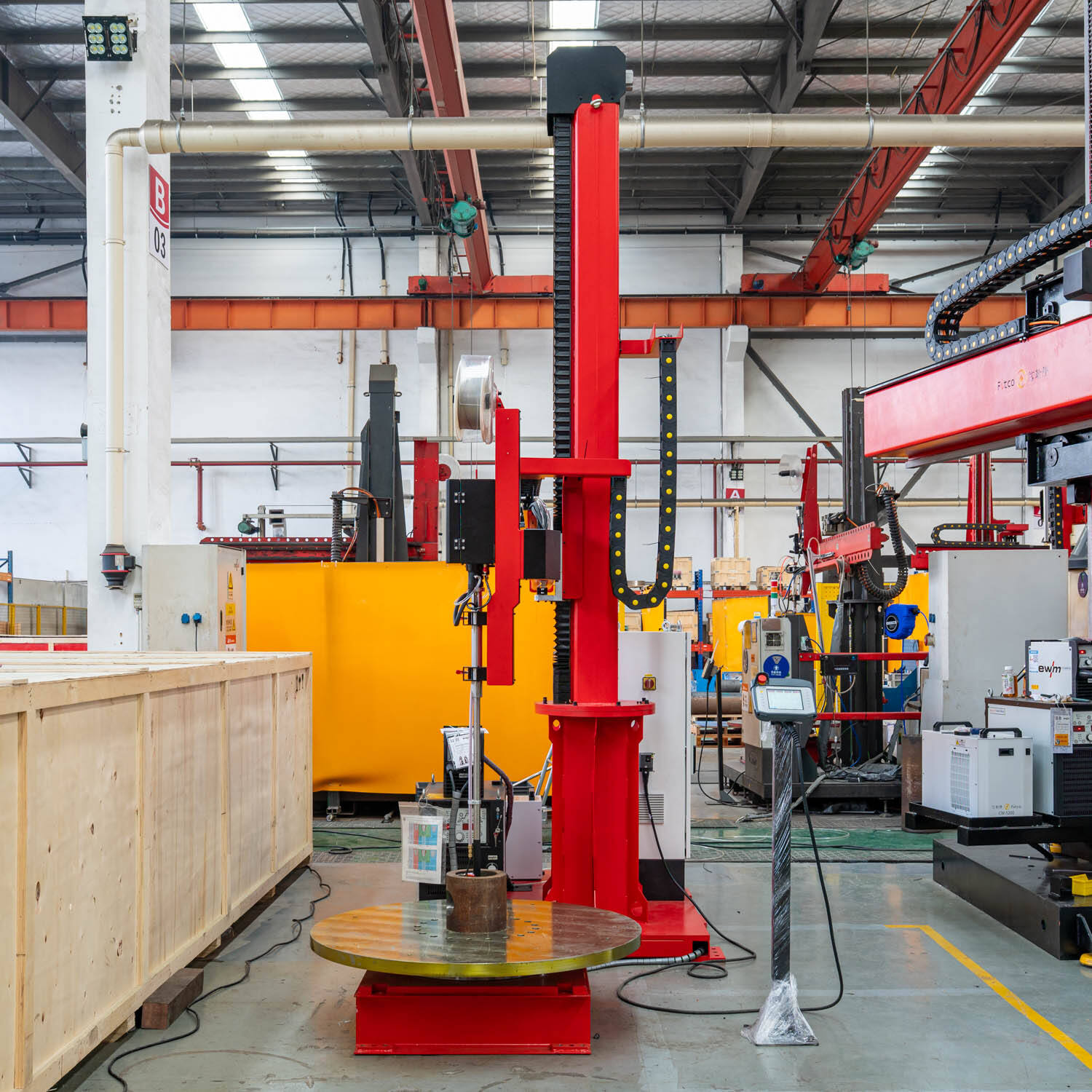
Professional Pipe Cladding Machine Solutions - Advanced Industrial Equipment for Superior Pipe Protection

Contact me immediately if you encounter problems!

All Categories

Get a Free Quote

Our representative will contact you soon.
Email
Mobile/WhatsApp
Name
Company Name
Message
0/1000

Get a Free Quote

Our representative will contact you soon.
Email
Mobile/WhatsApp
Name
Company Name
Message
0/1000

pipe cladding machine

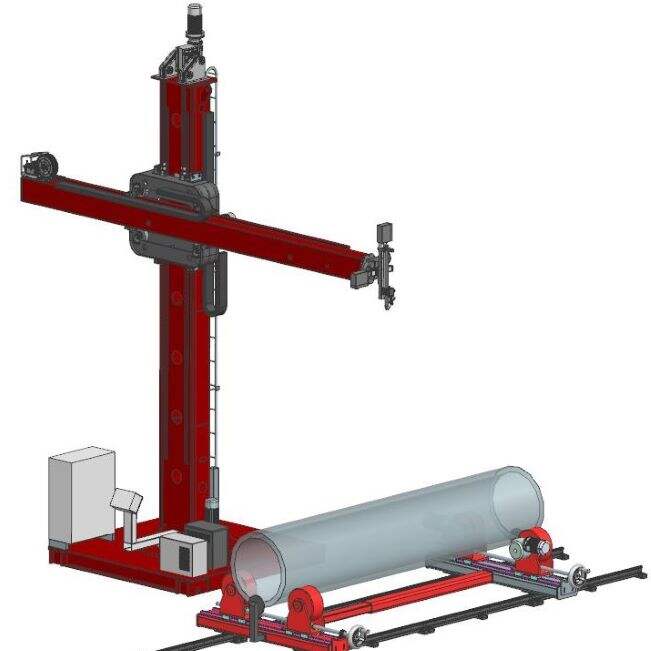
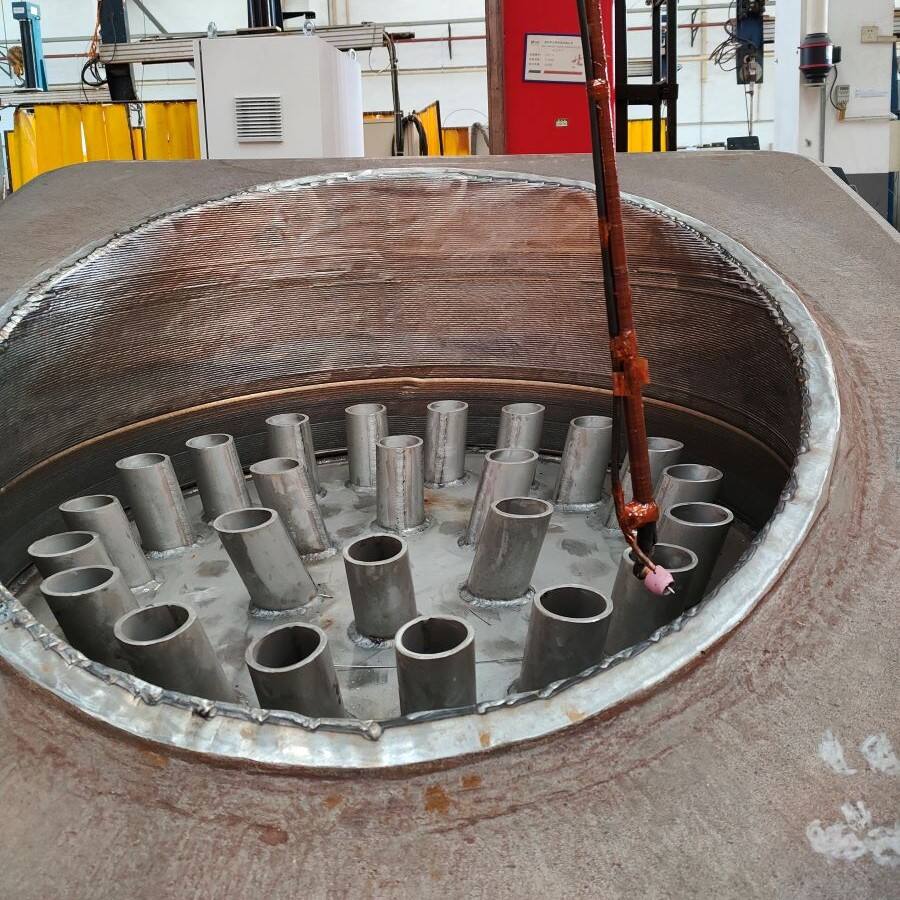
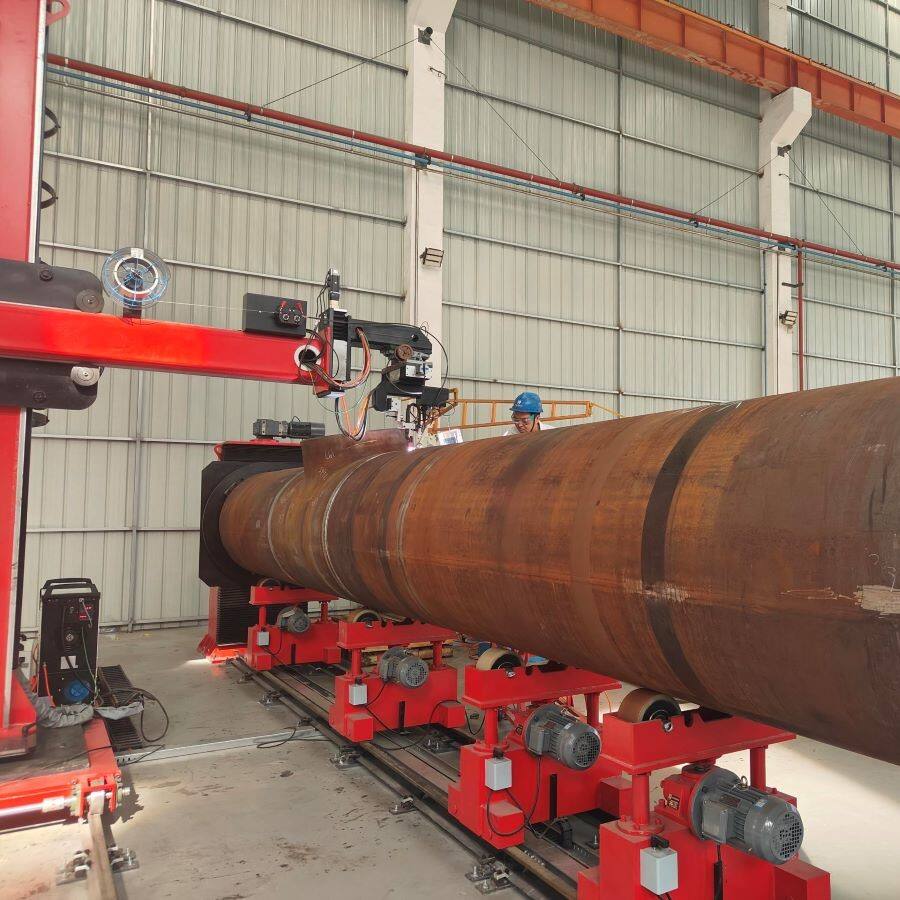
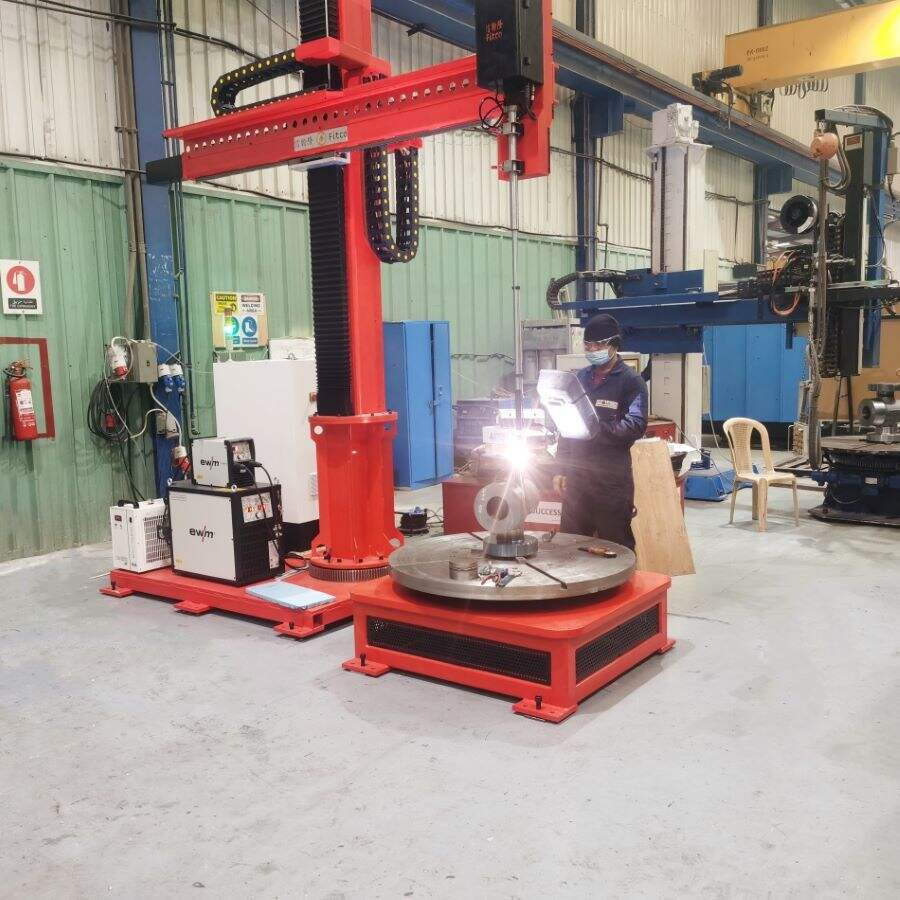
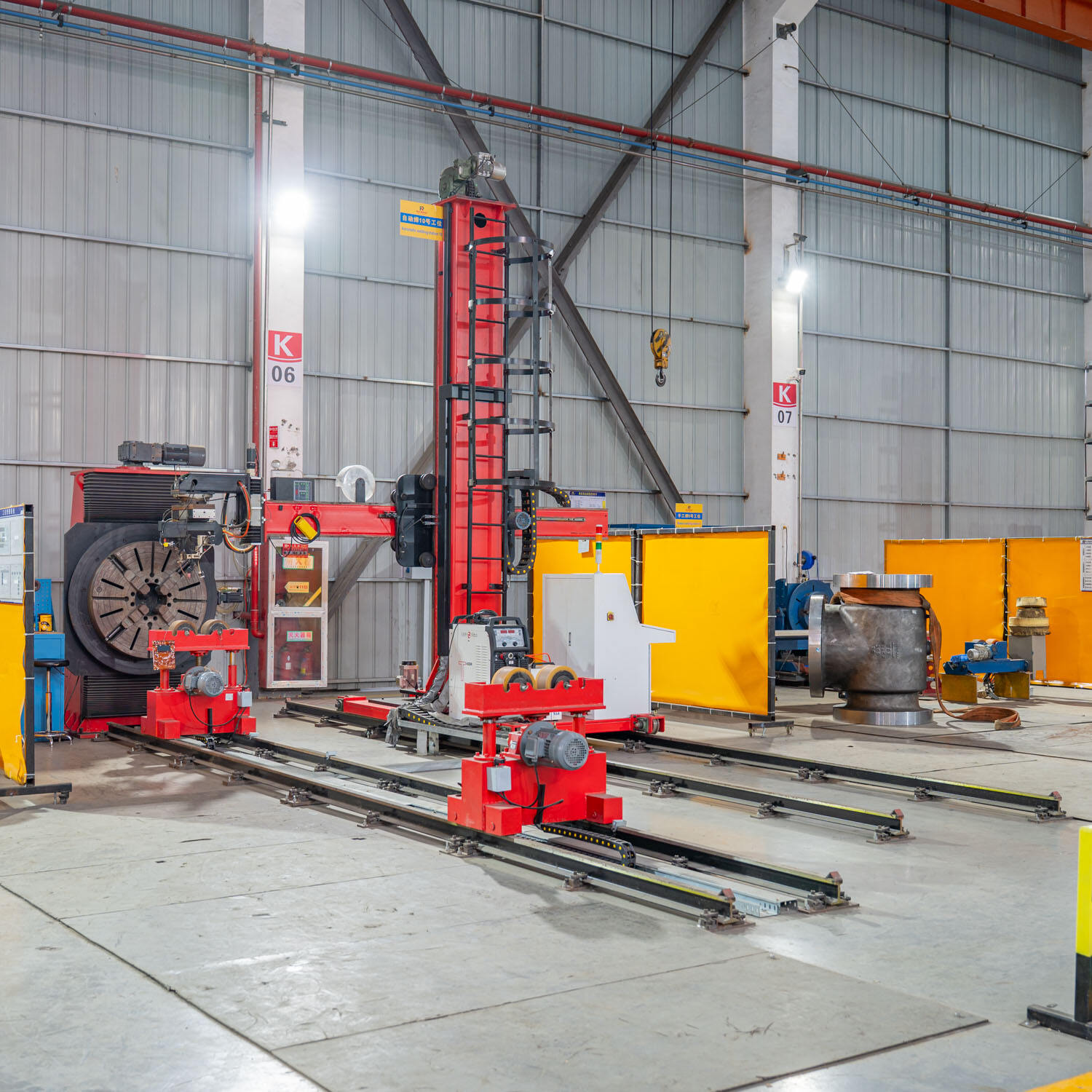
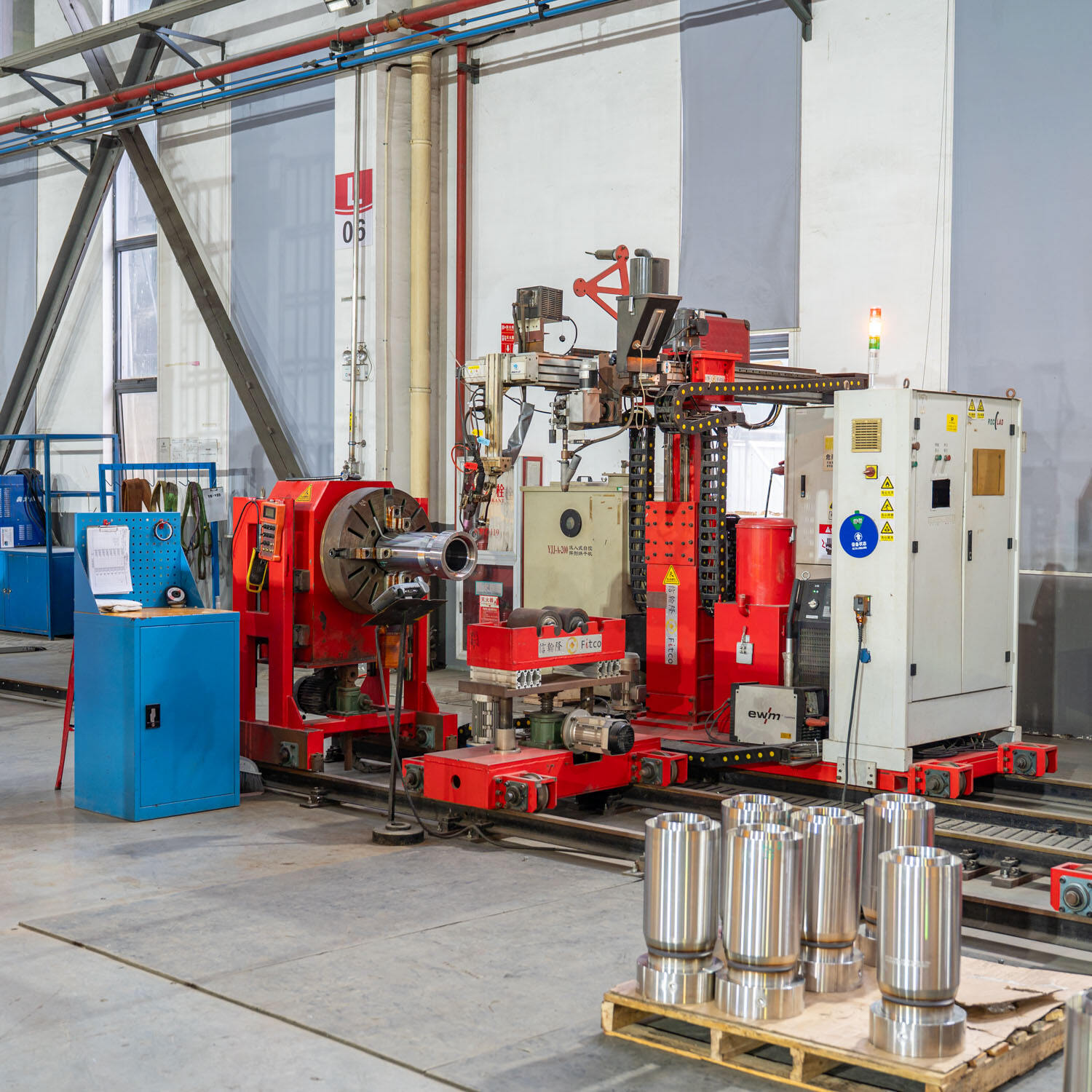
A pipe cladding machine represents a sophisticated industrial equipment designed to apply protective coatings and cladding materials to various types of pipes and cylindrical structures. This specialized machinery operates through advanced automation systems that ensure precise application of protective layers, including thermal insulation, corrosion-resistant coatings, and weatherproofing materials. The pipe cladding machine incorporates cutting-edge technology to deliver consistent results across different pipe dimensions and materials, making it an essential tool for industries requiring high-quality pipe protection solutions. The primary function of this equipment involves wrapping, bonding, and securing cladding materials around pipes with exceptional accuracy and speed. Modern pipe cladding machines feature programmable control systems that allow operators to customize application parameters based on specific project requirements. These machines can handle various pipe sizes, from small-diameter tubes to large industrial pipelines, accommodating different materials such as steel, aluminum, copper, and composite pipes. The technological features include servo-driven positioning systems, temperature-controlled heating elements, and precision tensioning mechanisms that ensure optimal cladding adhesion. Advanced models incorporate real-time monitoring capabilities, quality control sensors, and automated defect detection systems. The applications span multiple industries including oil and gas, chemical processing, power generation, HVAC systems, and marine engineering. Construction companies utilize pipe cladding machines for building infrastructure projects, while manufacturing facilities employ them for equipment protection and energy efficiency improvements. The versatility of these machines extends to specialized applications such as subsea pipeline preparation, nuclear facility maintenance, and aerospace component manufacturing. Environmental protection represents another crucial application area, where pipe cladding machines help create barriers against corrosive substances and extreme weather conditions, significantly extending pipeline service life and reducing maintenance costs.

New Product Releases

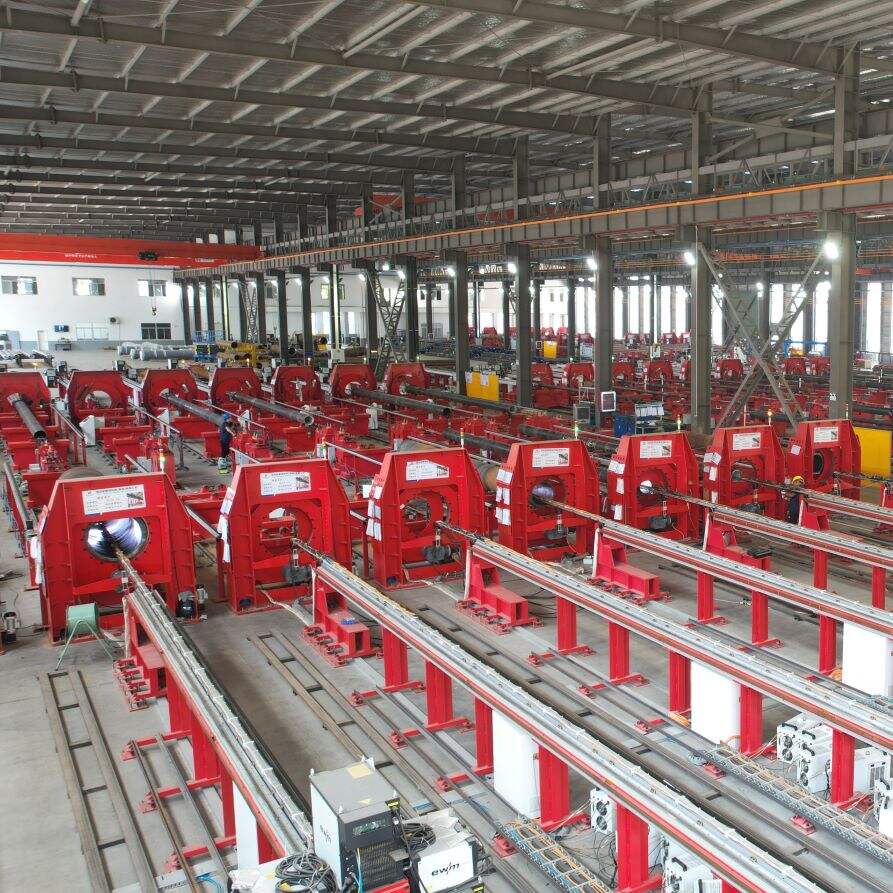
The pipe cladding machine delivers exceptional cost-effectiveness by dramatically reducing labor requirements and material waste compared to manual cladding processes. Companies experience significant savings through faster project completion times and improved resource utilization, as automated systems work continuously without breaks or inconsistencies. Quality enhancement stands as a primary advantage, with machines producing uniform cladding thickness and eliminating human error factors that often compromise manual applications. The consistent results ensure long-term durability of protected pipes, reducing future replacement and repair expenses. Productivity improvements become immediately apparent as pipe cladding machines process multiple units simultaneously while maintaining superior quality standards. The equipment handles complex geometries and varying pipe sizes effortlessly, adapting to different project specifications without requiring extensive reconfiguration. Safety benefits emerge through reduced worker exposure to hazardous materials and repetitive strain injuries associated with manual cladding operations. Automated systems minimize workplace accidents and create safer working environments for technical personnel. Versatility represents another compelling advantage, as modern pipe cladding machines accommodate diverse materials including fiberglass, foam insulation, metal sheeting, and specialized protective coatings. This flexibility allows companies to serve multiple market segments without investing in separate equipment for each application type. Environmental benefits include reduced material consumption through precise application control and minimized waste generation during the cladding process. Energy efficiency improvements result from optimized heating systems and intelligent power management features that reduce operational costs. The pipe cladding machine provides superior consistency in adhesive application and curing processes, ensuring reliable bonding between pipes and protective materials. Advanced monitoring capabilities enable real-time quality assessment and immediate correction of any deviations from specified parameters. Maintenance simplicity reduces downtime and operational interruptions, with modular designs facilitating quick component replacement and routine servicing. Training requirements remain minimal due to intuitive control interfaces and automated operation sequences, enabling companies to quickly integrate new equipment into existing workflows. Long-term reliability ensures consistent return on investment through extended equipment lifespan and minimal repair requirements.

Practical Tips

Understanding the Duty Cycle of Your Heavy-Duty arc welding machine

16

Mar

Understanding the Duty Cycle of Your Heavy-Duty arc welding machine

The duty cycle of an arc welding machine represents one of the most critical specifications that determines its operational capabilities and longevity in heavy-duty industrial applications. This measurement defines how long your arc welding machine c...
View More
How Does MIG Welding Equipment Enhance Efficiency in Large-Scale Work?

27

Nov

How Does MIG Welding Equipment Enhance Efficiency in Large-Scale Work?

In today's competitive manufacturing landscape, industrial operations demand maximum productivity while maintaining superior quality standards. MIG welding equipment has emerged as a cornerstone technology for large-scale fabrication projects, revolu...
View More
How Do TIG Overlay Cladding Machines Improve Surface Durability?

22

Dec

How Do TIG Overlay Cladding Machines Improve Surface Durability?

Industrial surface protection has evolved significantly with the advent of advanced welding technologies, particularly in applications requiring exceptional durability and precision. TIG overlay cladding machines represent a revolutionary approach to...
View More
Which Industries Benefit Most from Using a TIG Welder?

13

Jan

Which Industries Benefit Most from Using a TIG Welder?

TIG welding technology has revolutionized manufacturing and fabrication processes across numerous industries, offering unparalleled precision and quality in metal joining applications. The versatility of a TIG welder makes it an indispensable tool fo...
View More

Get a Free Quote

Our representative will contact you soon.
Email
Mobile/WhatsApp
Name
Company Name
Message
0/1000

pipe cladding machine

Advanced Automation Technology for Superior Precision

Advanced Automation Technology for Superior Precision

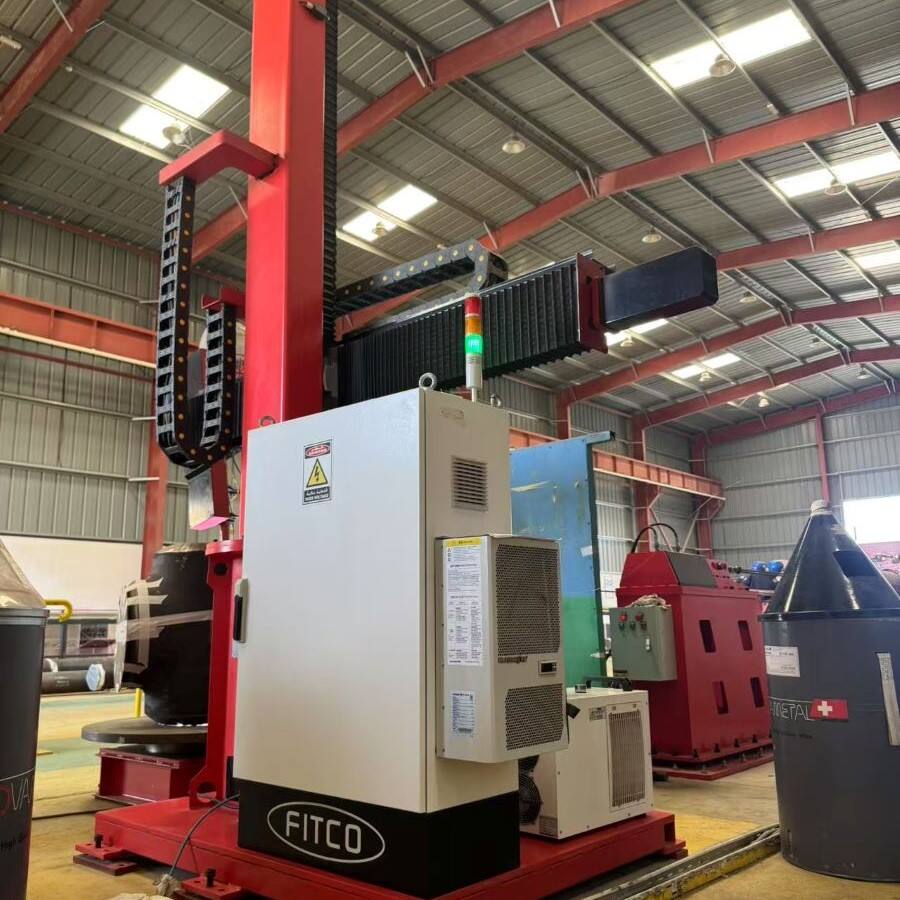
The pipe cladding machine incorporates state-of-the-art automation technology that revolutionizes how protective coatings are applied to industrial pipes and cylindrical structures. This sophisticated system utilizes servo-controlled motors and precision positioning mechanisms to achieve unmatched accuracy in material placement and thickness control. The automated technology eliminates variations commonly associated with manual processes, ensuring every pipe receives identical treatment regardless of operator skill levels or working conditions. Programmable logic controllers enable operators to store multiple application profiles, allowing quick transitions between different pipe specifications and cladding requirements without lengthy setup procedures. The precision achieved through advanced automation translates directly into improved product quality and enhanced durability of protected pipes. Real-time feedback systems continuously monitor application parameters, making instantaneous adjustments to maintain optimal conditions throughout the entire process. This technology reduces material consumption by eliminating over-application while ensuring complete coverage of all pipe surfaces. Temperature control systems maintain ideal conditions for adhesive curing and material bonding, resulting in superior long-term performance of cladding installations. The automation technology adapts seamlessly to various pipe materials and sizes, from small-diameter tubing to large industrial pipelines, without compromising application quality. Operators benefit from simplified controls and intuitive interfaces that reduce training time and minimize operational errors. The system's ability to maintain consistent speeds and pressures throughout extended production runs ensures uniform results across entire project batches. Quality assurance features include automated defect detection and rejection systems that identify and address irregularities before they become costly problems. This advanced automation technology significantly reduces labor costs while improving overall productivity and product reliability, making the pipe cladding machine an invaluable investment for companies seeking to enhance their operational efficiency and product quality standards.
Exceptional Versatility Across Multiple Industries and Applications

Exceptional Versatility Across Multiple Industries and Applications

The pipe cladding machine demonstrates remarkable versatility that makes it indispensable across diverse industries and applications, from oil and gas infrastructure to specialized manufacturing processes. This adaptability stems from innovative design features that accommodate various pipe materials, sizes, and protective coating requirements without requiring extensive modifications or additional equipment investments. The machine handles steel pipes for industrial applications, aluminum tubes for aerospace components, copper piping for HVAC systems, and composite materials for specialized chemical processing environments. Cladding material compatibility extends to thermal insulation, corrosion-resistant coatings, fire-retardant materials, and specialized protective films designed for extreme environmental conditions. Industries benefit from this versatility through reduced equipment costs and simplified inventory management, as a single machine can serve multiple production requirements. The oil and gas sector utilizes pipe cladding machines for offshore pipeline protection, where saltwater corrosion resistance becomes critical for operational longevity. Chemical processing facilities rely on specialized cladding applications that protect pipes from aggressive chemicals and extreme temperatures. Power generation companies employ these machines for steam pipe insulation and protection systems that maintain energy efficiency while ensuring safety compliance. Marine applications demand specialized coatings that withstand constant moisture exposure and salt spray conditions, requirements easily met through versatile machine capabilities. Construction projects benefit from rapid application of protective materials to building infrastructure, reducing project timelines while enhancing structural durability. The machine's ability to switch between different application modes enables contractors to serve diverse client needs without maintaining multiple specialized equipment sets. Customization options allow users to configure machines for specific regional requirements, environmental conditions, or industry standards. This exceptional versatility ensures that investments in pipe cladding machines provide long-term value through expanded market opportunities and enhanced competitive advantages in multiple industry sectors.
Enhanced Safety Features and Environmental Protection Benefits

Enhanced Safety Features and Environmental Protection Benefits

The pipe cladding machine prioritizes safety through comprehensive protective features and environmental safeguards that create safer working conditions while minimizing ecological impact. These safety enhancements address traditional concerns associated with manual cladding processes, including exposure to hazardous materials, repetitive motion injuries, and workplace accidents. Enclosed application chambers prevent worker contact with adhesives, solvents, and coating materials that may pose health risks during extended exposure periods. Automated material handling systems eliminate manual lifting and positioning of heavy pipes, reducing back injuries and strain-related workplace incidents. Emergency stop mechanisms and safety interlocks ensure immediate equipment shutdown when potential hazards are detected, protecting both operators and equipment from damage. Ventilation systems capture and filter airborne particles and fumes, maintaining clean air quality in work environments and preventing respiratory health issues. The machine's environmental protection benefits extend beyond worker safety to include significant reductions in material waste and energy consumption. Precise application control minimizes excess material usage while ensuring complete coverage, reducing both costs and environmental impact from waste disposal. Energy-efficient heating systems and optimized curing processes reduce power consumption compared to traditional methods, supporting sustainability initiatives and reducing operational expenses. Sealed application systems prevent material spillage and contamination of surrounding areas, eliminating costly cleanup procedures and environmental remediation requirements. The reduced need for manual labor decreases overall project carbon footprints while maintaining superior quality standards. Compliance with environmental regulations becomes simplified through automated monitoring and documentation systems that track material usage and emission levels. These safety and environmental features make pipe cladding machines attractive investments for companies committed to worker welfare and environmental responsibility. The combination of enhanced safety protocols and environmental protection measures ensures that organizations can achieve production goals while maintaining exemplary safety records and environmental stewardship standards.

Get a Free Quote

Our representative will contact you soon.
Email
Mobile/WhatsApp
Name
Company Name
Message
0/1000