
 EN
EN
 AR
AR BG
BG HR
HR CS
CS DA
DA NL
NL FI
FI FR
FR DE
DE EL
EL HI
HI IT
IT JA
JA KO
KO NO
NO PL
PL PT
PT RO
RO RU
RU ES
ES SV
SV TL
TL IW
IW ID
ID LT
LT UK
UK SQ
SQ HU
HU TH
TH TR
TR FA
FA AF
AF CY
CY MK
MK LA
LA MN
MN KK
KK UZ
UZ KY
KY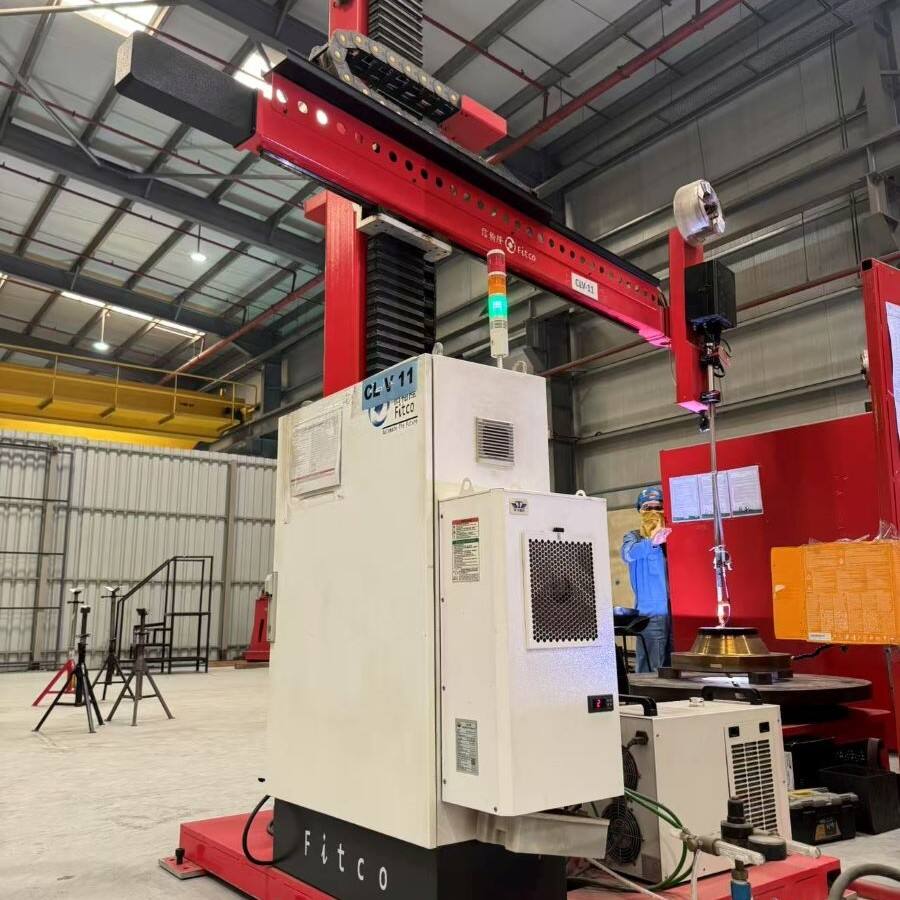
בחירת הנכון מפעיל הלווה קשת דורש הבנה של ההבדלים היסודיים בין מודלים המותאמים למשתמשים עצמאיים (DIY) לבין ציוד מקצועי. האם אתם חובבים שעובדים על פרויקטים ביתיים מזדמנים או יצרנים מקצועיים שמטפלים בדרישות ייצור יומיומיות – הלחצן האלקטרודי שהינכם בוחרים חייב להתאים לדפוסי השימוש הספציפיים שלכם, לדרישות מחזור העבודה (duty cycle) ולציפיות מהפלט. ההבחנה בין ציוד לצריכה פרטית וציוד מקצועי משתרעת הרבה מעבר לתוויות המחירים – היא כוללת את איכות הבנייה, את יכולות הניהול התרמי, את יציבות החשמל ואת האמינות לטווח הארוך תחת עומס פעילות מתמשך.
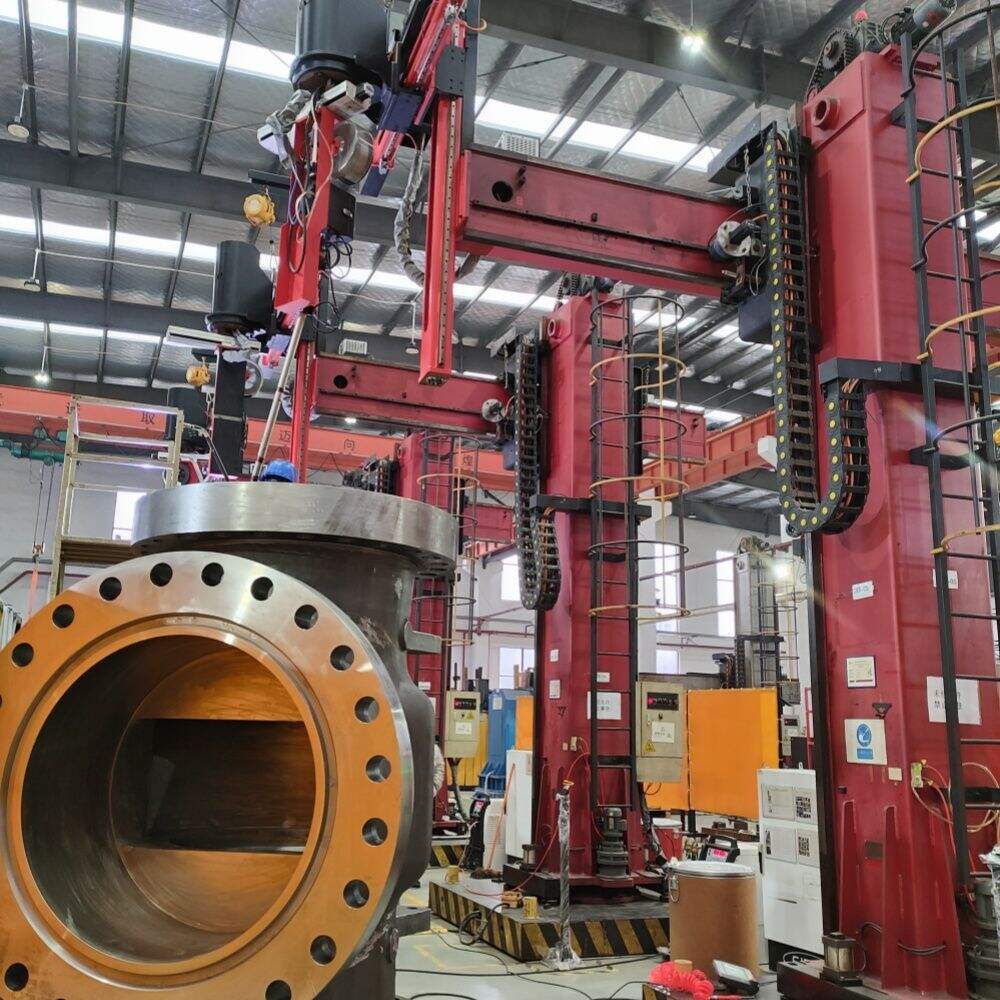
ההחלטה בין ציוד לביצוע עצמאי (DIY) לציוד מקצועי משפיעה באופן מהותי על תוצאות הלחיצה שלכם, על זמני ההשלמה של הפרויקטים ועל העלות הכוללת בעלות והפעלה. מסגרת חשמלית לביצוע עצמי (DIY) עשויה להיות מספיקה לתיקונים שבועיים ולעבודות ייצור קלות, אך היא תיכשל במהרה בתנאי פעילות רציפה או בעת עבודה בחומרים עבים יותר. מסגרות מקצועיות מספקות מאפייני קשת יציבים, פיזור חום מעולה ומחזור עבודה ממושך שמאפשר יעילות מתמשכת. הבנת ההבדלים הללו עוזרת לכם להימנע מהטעות היקרה של רכישת ציוד אשר או שמעל לרמת הצרכים שלכם, או שחסרה לו יכולת קריטית כאשר דרישות הפעולה גוברות.
דרישות מחזור עבודה וניהול תרמי
הבנת דירוגי מחזור העבודה
מחזור העבודה מייצג את האחוז של תקופת עשר דקות שבה ניתן להפעיל מכונת לحام קשת בזרם מוגדר ללא חימום יתר. דגמים לשימוש ביתי (DIY) נוטים לתכונות מחזורי עבודה בשיעור של עשרים עד ארבעים אחוז מהפלט המרבי שלהם, כלומר הם דורשים פרקי enfriamiento משמעותיים בין מעברי הלحام. ציוד לحام קשת מקצועי מספק בדרך כלל מחזורי עבודה של שישים עד מאה אחוז בזרם הנקוב, מה שמאפשר פעילות רציפה לאורך משימות עבודה מלאות. مواصفה זו קובעת באופן ישיר את התפוקה האישית שלכם ואת היכולת של המכונה לתמוך shedule הלحام האמיתי שלכם.
מערכות ניהול חום מפרידות בין ציוד חובבני למכונות תעשייתיות. יחידות מזקקות קשת בדרגת הצרכן נוטות להסתמך על מערכות קירור עם מאוורר אחד, יחד עם מתג cutoff תרמי בסיסי שמבטל את הפעולה של המכונה כאשר הטמפרטורות הפנימיות מגיעות לסף קריטי. דגמים מקצועיים כוללים ארכיטקטורות קירור מתקדמות עם מספר מאווררים, פלטות בידוד חום הממוקמות באסטרטגיה סביב רכיבי הכוח, ומעגלי ניטור תרמי מתקדמים שמשמרים טמפרטורת פעולה אופטימלית גם במהלך ישיבות רכישת זרם ממושכות. ההבדלים ההנדסיים הללו מתבטאים באופן ישיר באחידות הפעולה ובאורך חיים של הציוד.
הגנה תרמית וזמן שחזור
כאשר מזקק קשת עשה-בעצמך נכנס להשבתה תרמית, זמן ההתאוששות יכול להימשך מחמש עשרה עד שלושים דקות, תלוי בטמפרטורת הסביבה ובחוזק השימוש הקודם. עצירת העבודה הזו משפיעה ישירות על לוחות הזמנים לסיום הפרויקטים ונהיית בעיה מיוחדת כאשר עובדים על תיקונים או ריצות ייצור שקשורים בזמן. ציוד מקצועי שומר על זמינות تشغולית באמצעות פיזור תרמי מעולה שמניע את היווצרות מצבים של השבתה, ובמקרה שמעגלי ההגנה כן מופעלים, ההתאוששות מתרחשת בתוך דקות במקום לדרוש תקופות enfriamiento ממושכות.
איכות הרכיבים הפנימיים משפיעה גם על מאפייני הביצוע התרמיים. מכונות מלחמה קשתית ברמה נמוכה משתמשות ברכיבים אלקטרוניים באיכות נמוכה עם שולי סובלנות תרמית מינימליים, בעוד שיחידות מקצועיות כוללות רכיבים לפי مواصفות צבאיות או רכיבים לתעשייה המדורגים לפעילות ממושכת בטמפרטורות גבוהות. הבדל האיכות הזה משפיע לא רק על הביצועים המיידיים אלא גם על האמינות לטווח הארוך ודרישות התיקון והתחזוקה. ציוד מקצועי שומר על פרמטרי פלט יציבים גם כאשר הטמפרטורות הפנימיות עולות במהלך פעילות ממושכת, בעוד שדגמים לצרכן עלולים להפגין חוסר יציבות בקשת המלחה ותנודות מתח ככל שמעומס החום גדל.
יציבות אספקת ההספק ואיכות הקשת
טכנולוגיית הממיר ועקביות הפלט
טכנולוגיית מלחמת קשת מודרנית מסתמכת על מעגלי מתמר הממירים את כוח השורה הנכנס לאותות מתחלפים בתדר גבוה לפני שהופכים לזרם מלחמה. המורכבות של עיצוב המתמר הזה קובעת את יציבות הקשת, במיוחד כאשר מתח הקלט משתנה או בעת עבודה ממגנרטורים או מקבלי חשמל מרוחקים. דגמים לבנייה עצמית משתמשים בטופולוגיות מתמר בסיסיות עם תקינות מוגבלת לשינויי מתח קלט, מה שגורם להסטת הקשת, לעליית הזרקורים ולחדירה לא עקבית כאשר תנאי החשמל סוטים מהדרישות האידיאליות.
ציוד ברמה מקצועית כולל מעגלי תיקון גורם הספק מתקדמים, טווחי סבילות רחבים למתח הכניסה ומערכות בקרת משוב מתוחכמות שמשמרות מאפייני קשת עקביים ללא קשר לשינויי המתח באספקה. מכונות אלו מספקות ביצועי ריתוך יציבים בין אם הן פועלות מהחשמל הנקי של המפעל, ממחוללים ניידים או מאתרים עם תשתית חשמלית לא אמינה. מעגל הבקרה עוקב באופן רציף אחר פרמטרי הפלט ומבצע התאמות בזמן אמת שנמדדות במיקרושניות, תוך שמירה על משלוח הזרם המדויק שיוצר מראה עקבי של השורה וה свойויות המכאניות שלה.
הצתת קשת ובקרת התגובה
התנהגות ההתחלה של הקשת מבדילה בין ציוד מקצועי לצריכה. יחידות לحام קשת בדרגה נמוכה דורשות לעתים קרובות מספר הפעלות כדי להקים קשת יציבה, במיוחד כשמשתמשים באלקטרודות בקוטר קטן או עובדים עם חומרים בסיסיים מזוהמים. מכונות מקצועיות כוללות פונקציות התחלה חמה, בקרת כוח הקשת ומערכות הצתה מותאמות שמקימות באופן מהימן קשת כבר בהפעלה הראשונה, על פני טווח רחב של סוגי אלקטרודות ומצבים של המשטח. תגובתיות זו מפחיתה את בזבוז האלקטרודות, ממזערת זיהום המשטח מהפעלות חוזרות ונשנות, ושיפרה את יעילות הלحام הכוללת.
בקרת הקשת הדינמית מייצגת הבחנה קריטית נוספת בביצועים. כאשר המרחק בין האלקטרודה לחומר הנלוה משתנה במהלך הלحام — תופעה בלתי נמנעת בפעולות ידניות — מפעיל הלווה קשת חייב להתאים את הפלט כדי לשמור על אורך קשת יציב וכניסת חום עקבייה. ציוד מקצועי מגיב לשינויים אלו תוך מילישניות, ומשמר מאפייני קשת חלקים ומונע הדבקה או התפזרות מוגזמת שמאפיינות מכונות בסיסיות. רמת הבקרה המתקדמת הזו הופכת חשובה במיוחד בעת ביצוע ריתוך במיקום, עבודה מעל הראש, או ביצוע מעברים אנכיים כלפי מעלה, שבהם אתגרי הניהול של האלקטרודה גדלים באופן משמעותי.
איכות הבנייה ועמידות הרכיבים
עיצוב הקופסה החיצונית והגנה סביבתית
הבנייה הפיזית של מזקק קשת חשמלית חושפת רבות על סביבת השירות המיועדת לו והתקופה המתוכננת לחיים שלו. דגמים לשימוש ביתי (DIY) נוטים לכלול מעטפות פלסטיות קלות שנועדו בעיקר לנוחות הניידות ולצמצום עלויות. מעטפות אלו מספקות הגנה מינימלית מפני אבק מהחדר, חלקיקים מתכתיים וחדירת לחות, אשר מאפיינים את סביבות הייצור במציאות. ציוד מקצועי משתמש במעטפות פלדה בעובי רב עם סיום של טיפוס אבקה, לוחות עם אטמים (גסקטים) ומערכות סינון אוויר לכניסה שמניעות זיהום של רכיבי אלקטרוניקה ורכיבי כוח פנימיים.
דירוגי הגנת הסביבה מציינים את רמת החסימה מפני אבק ורطיבות. ציוד לרתכת קשת לצרכנים נדיר שמקבל דירוג IP רשמי, או שמאפשר התנגדות בסיסית לרסיסים ללא אימות בדיקות מחמירות. מכונות תעשייתיות משיגות בדרך כלל דירוג IP23 או גבוה יותר, המצביע על הגנה מאושרת בבדיקות מפני חלקיקים מוצקים גדולים מ-12 מילימטרים וזרמי מים מזווית של עד 60 מעלות מהאנך. רמת ההגנה הזו מבטיחה תפקוד אמין באתר בנייה, במרחבי תחזוקה ובאתרי ייצור חיצוניים, שבהם תנאי הסביבה מאתגרים את עמידות הציוד.
איכות הרכיבים הפנימיים ותקופת השירות
הרכיבים האלקטרוניים שבתוך מתקן לרתכת קשת קובעים הן את עקביות הביצועים והן את משך החיים הפעלי. מכונות ברמה נמוכה משתמשות בקבלים, טרנזיסטורים ומשנות שמתאימים לרמה סטנדרטית שנבחרו בעיקר לשם יעילות עלות. רכיבים אלו פועלים כראוי תחת שימוש קל ובין-זמני, אך מתדרדרים במהירות כאשר הם נתונים למחזור חום ולעומסים זרם ממושכים הס Typical עבור יישומים מקצועיים. כשל רכיבים בציוד לצריכה פרטית גורם לעתים קרובות להחלפת המכונה בשל אי-מעשיות של איתור והחלפת רכיבים בודדים.
מכונות ריתוך קשת מקצועיות משלבות רכיבים ברמה תעשייתית עם דירוגי מתח גבוהים משמעותית, יכולות טיפול בזרם וסבילות תרמית. מוליכים למחצה להספק ביחידות אלו פועלים בדרך כלל בחמישים עד שישים אחוז מהדירוגים המרביים שלהם במהלך ריתוך רגיל, ומספקים הפחתה משמעותית המאריכה את חיי השירות. קבלים משתמשים באלקטרוליטים בטמפרטורה גבוהה ובמבנה מחוזק העומד בפני שנים של עומס תרמי. איכות רכיבים זו מתורגמת למכונות המספקות ביצועים עקביים לאורך אלפי שעות פעולה ונשארות ניתנות לתיקון כלכלי כאשר נדרשת תחזוקה.
תכונות בקרה והסתגלות تشغילית
טווח התאמות הפרמטרים והדיוק
טווח הפלט הזמין ודقة ההגדרה קובעים את הגמישות של מכונת הלחיצה באורק במשימות ובחומרים שונים. דגמים למשתמשים פרטיים מציעים בדרך כלל טווחי התאמות זרם מוגבלים, הממוקדים בגודלי אלקטרודות נפוצים ויישומים בפלדה רכה. ציוד מקצועי מספק טווחי אמפרז מורחבים, החל מחמישה אמפר ל trabajות עדינות ועד לדרוג מקסימלי העולה על ארבע מאות אמפר ליצירת מבנים כבדים. גמישות הטווח הזו מאפשרת למכונה אחת לטפל במגוון פרויקטים ללא צורך ביחידות מיוחדות מרובות.
דיוק ההגדרה הוא קריטי במיוחד בעת עבודה בחומרים מיוחדים או בעת מילוי דרישות רתומות של הלחמה. יחידות חשמל ביתיים ללהט יחסית מספקות התאמות מדורגות עם צעדים גסים יחסית, מה שמקשה על התאמה עדינה. מכונות מקצועיות מציעות התאמה רציפה או בקרה עם צעדים עדינים המאפשרים אופטימיזציה מדויקת של הפרמטרים ליישומים ספציפיים. תצוגות דיגיטליות ביחידות מתקדמות מציגות את ערכי הפלט המדויקים ולא רק את המיקום التقريبي על הסקלה, מה שמאפשר למלא דרישות תיעוד ומבטיח הגדרות חוזרות עבור סצנות הלחמה בתהליך ייצור.
פונקציות בקרה ספציפיות לתהליך
תכונות בקרה מתקדמות מפרידות בין ציוד מקצועי רב-תכליתי למכונות חובבניות חד-תכלית. בקרת כוח הקשת (Arc force control) מותאמת את מאפייני הפלט כאשר המרחק בין האלקטרודה לפריט יורד, ובכך מונעת הדבקת אלקטרודה במהלך ההפעלה. התחלתי חם (Hot start) מספק דחף זמני של זרם בעת תחילת הקשת כדי להבטיח הצתה אמינה. פונקציות ניגוד להדבקה (Anti-stick) מזהות מצבים של קיפאון אלקטרודה ומבטלות אוטומטית את הזנת החשמל כדי למנוע התכה של האלקטרודה לתוך הפריט. תכונות אלו, אשר לרוב נעדרות או בסיסיות בדלי-איי (DIY) דגמי מחברות קשת, משפרות באופן משמעותי את נוחות הפעולה ואת עקביות איכות החיבור.
ציוד מקצועי לעתים קרובות כולל פונקציות פולס, טיימרים לנקודות ספציפיות ובקרים לתהליך תכנותי שמאפשרים טכניקות מיוחדות ותפעול אוטומטי. אחסון בזיכרון מאפשר למשתמשים לשמור קבוצות פרמטרים מותאמות מראש עבור משימות חוזרות, מה שמבטיח הגדרה עקבית ומצריך פחות מיומנות לביצוע עבודות יומיומיות. אם כי תכונות מתקדמות אלו עולמות את הדרישות של חובבים, הן מספקות ערך משמעותי בסביבות מקצועיות שבהן יעילות, שחזור תהליכים ואישור איכות יוצרים יתרון תחרותי ותומכים בדרישות לאישורים.
קריטריונים מעשיים לבחירת הציוד בהתאם ליישום
התאמת יכולת הציוד לדפוסי השימוש
הערכה כנה של תדירות הלחיצה האמיתית שלכם וסוגי הפרויקטים מדריכה את בחירת מכונת הלחיצה המתאימה. אם הלחיצה שלכם כוללת תיקונים בודדים, פרויקטים בסופי שבוע או ייצור חובבני קל שכולל פחות מעשר שעות בחודש, מכונה איכותית למשתמשים לא חיבורים (DIY) עם מחזור עבודה של שלושים אחוז ב-150 אמפר סבירה לענות על הצרכים שלכם. דפוס השימוש הזה מאפשר זמן התקררות מספיק בין פעולות, ולא מעריך את הציוד ללחץ תרמי שגורם לתקלות מוקדמות במכונות ברמה צרכנית.
יישומים מקצועיים דורשים ציוד שמתאים למציאות הפעולה היומית. אם אתם מלחצים מספר שעות רצופות, עובדים עם חומרים עבים יותר מ-6.35 מ"מ פלדה, או זקוקים לביצוע עקבי עבור עבודות לקוחות או ללוחות זמנים של ייצור, אז مواصفות של מחבר קשת מקצועיות הופכות הכרחיות ולא אופציונליות. ההשקעה הנוספת בקיבולת מחזור עבודה, בניהול תרמי ובאיכות הרכיבים מביאה תמורה באמצעות הפחתת עצירות, תוצאות עקביות ואריכות חיים של הציוד שיכולה להימשך עשורים רבים בתנאי תחזוקה מתאימה.
שיקולי עלות מחזור החיים הכוללת
מחיר הרכישה מייצג רק רכיב אחד בעלויות האמתיות של הציוד. מסגרת קשת חשמלית בד"י (DIY) במחיר של שלוש מאות דולר עשויה להיראות זולה בהשוואה למסגרת מקצוענית שמחירה שני אלפים דולר, אך עלויות הבעלות הכוללות מספרות סיפור שונה. ציוד לצריכה פרטית דורש בדרך כלל החלפה כל שנתיים עד חמש שנים בשימוש מתון, בעוד שציוד מקצועי מספק לרוב שירות של חמש-עשרה עד עשרים וחמש שנים. כאשר מחלקים את העלות על פני תקופת השירות האמיתית, הציוד המקצועי לעתים קרובות עולה פחות לדקה של פעילות, ובנוסף הוא מספק ביצועים מעולים לאורך כל תקופת חייו.
העלויות הפעולתיות נבדלות גם הן באופן משמעותי בין מחלקות הציוד. מכונות ריתוך קשת מקצועיות מספקות בדרך כלל שיפור טוב יותר בגורם ההספק ויעילות חשמלית גבוהה יותר, מה שמפחית את צריכת האנרגיה לכל ריתוך. היכולת שלהן להשתמש בחומרים נצרכים בצורה יעילה יותר באמצעות מאפייני קשת עקביים מפחיתה את בזבוז האלקטרודות ומשפרת את קצב השיקוע. עלויות עצירת העבודה עקב החזרה תרמית, ביצועים לא עקביים או כשלים בציוד עלולים לעלות בהרבה מערכות הראשוניות שנחסכו ברכישת ציוד דרגה נמוכה יותר. גורמים אלו הופכים למשמעותיים במיוחד ביישומים מסחריים, שבהם הזמן קשור ישירות ליצירת הכנסות.
שאלה נפוצה
באיזו קיבולת אמפרים עליי לחפש בריתך קשת לשימוש במעבדת ביתית לעומת ייצור מקצועי?
לשימושים במרחבי עבודה ביתיים שמתמקדים בתיקון רכב, ייצור קל ותחזוקה כללית, מלחצת קשת עם עוצמה של 140–180 אמפר מתמודדת עם רוב המשימות, כולל לحام של לוחות פלדה בעובי עד רבע אינץ'. סביבות ייצור מקצועיות דורשות בדרך כלל עוצמה של 200–300 אמפר כדי להתמודד עם עבודות פלדה מבנית, חומרים עבים יותר ודרישות ייצור רציף. התחשבות המרכזית עוברת מעבר לעוצמה המקסימלית אל מחזור העבודה (Duty Cycle) בזרם הפעלה הרגיל שלכם — ודאו שהמכונה יכולה לתמוך בעוצמת הזרם האמיתית שבה אתם עובדים לאורך זמן הנדרש על ידי הפרויקטים שלכם, ללא עצירה אוטומטית עקב חימום יתר.
מהי החשיבות של גמישות בהספק הקלט בעת השוואת דגמים של מלחצות קשת לשימוש בדיהי-איי (DIY) ולשימוש מקצועי?
גמישות בזנת החשמל הופכת קריטית אם עובדים במיקומים מגוונים או מחשמל ממחולל. ציוד מקצועני לרתכת קשת בדרך כלל מקבל טווח מתח כניסה של 180–260 וולט, ומשמר יציבות פלט גם כאשר יש תנודות במתח המסופק, כפי שקרות לעיתים קרובות באתר בנייה או בעת שימוש בכבלים ניפוץ. דגמים לביצוע עצמי (DIY) דורשים בדרך כלל חשמל יחסית 'נקי' בתוך טווח מצבי מתח צר, ויכולים לפעול באופן לקוי או להיפגע אם יופעלו מהמחולל או מספק חשמל פגום. אם מתוכננים לעבוד מחוץ למערכת חשמל מיועדת במעבדה, יש להשקיע בציוד בעל סבילות רחבה למתח כניסה ותאימות למחוללים.
האם מקצוען רתיכה בקשת ברמה מקצוענית יכול להצדיק את עלותו עבור אדם שעובר מעיסוק כחובב לעיסוק חלקית-מקצועי?
המעבר מהobby לעבודה מקצועית מהווה את הזמן האידיאלי להשקעה בציוד מקצועי. כאשר אתם מקבלים עבודות מלקוחות או מתחילים לזכות בהכנסות מהלחמה, אמינות הציוד והעקביות של הפלט משפיעים ישירות על המוניטין שלכם ועל הרווחיות. מסגרת חשמלית מקצועית מאפסת את מגבלות הביצועים והגבלות החום שמעכבות את הפקודה עם ציוד לצריכה פרטית. ההשקעה מתאוששת בדרך כלל בתוך השנה הראשונה של פעילות מקצועית, בזכות יעילות מוגברת, הפסקות עבודה מופחתות והיכולת לקבל פרויקטים דרמטיים יותר שלא ניתן לבצע באופן אמין עם ציוד לביצוע עצמי. בנוסף, ציוד מקצועי שומר על ערך שוק נותר גבוה בהשוואה למודלים לצריכה פרטית, במקרה של שדרוג עתידי או שינוי כיוון.
אילו הבדלים באחריות ובטיפוח צפויים בין ציוד מסגרת חשמלית לביצוע עצמי לבין ציוד מקצועית?
דגמים של מזקקים קשת עצמאיים (DIY) כוללים בדרך כלל אחריות מוגבלת של שנה אחת שמכסה פגמים ייצור, אך לא כולל פריטי בלאי ופגמים שנגרמו вслед לשימוש יתר מעבר למחזור העבודה המרשה. התמיכה נמצאת לרוב בצורת משאבים מקוונים ותמיכה טלפונית מוגבלת. ציוד מקצועי כולל בדרך כלל אחריות של שלוש עד חמש שנים עם כיסוי מקיף יותר, כולל חלקים מסוימים היכולים להישחק. יצרני מכונות מקצועיות מפעילים בדרך כלל מרכזי שירות במפעל או רשתות תיקון מורשות עם זמינות של חלקים אמתיים ותמיכה טכנית מאנשי מקצוע המוכירים יישומים תעשייתיים. תשתית התמיכה הזו הופכת לחשובה במיוחד כאשר עליית זמן השבתה משפיעה ישירות על פעולות העסק, והחזרה מהירה של הציוד היא הכרח ולא רק נוחות.
תוכן העניינים
- דרישות מחזור עבודה וניהול תרמי
- יציבות אספקת ההספק ואיכות הקשת
- איכות הבנייה ועמידות הרכיבים
- תכונות בקרה והסתגלות تشغילית
- קריטריונים מעשיים לבחירת הציוד בהתאם ליישום
-
שאלה נפוצה
- באיזו קיבולת אמפרים עליי לחפש בריתך קשת לשימוש במעבדת ביתית לעומת ייצור מקצועי?
- מהי החשיבות של גמישות בהספק הקלט בעת השוואת דגמים של מלחצות קשת לשימוש בדיהי-איי (DIY) ולשימוש מקצועי?
- האם מקצוען רתיכה בקשת ברמה מקצוענית יכול להצדיק את עלותו עבור אדם שעובר מעיסוק כחובב לעיסוק חלקית-מקצועי?
- אילו הבדלים באחריות ובטיפוח צפויים בין ציוד מסגרת חשמלית לביצוע עצמי לבין ציוד מקצועית?