
 EN
EN
 AR
AR BG
BG HR
HR CS
CS DA
DA NL
NL FI
FI FR
FR DE
DE EL
EL HI
HI IT
IT JA
JA KO
KO NO
NO PL
PL PT
PT RO
RO RU
RU ES
ES SV
SV TL
TL IW
IW ID
ID LT
LT UK
UK SQ
SQ HU
HU TH
TH TR
TR FA
FA AF
AF CY
CY MK
MK LA
LA MN
MN KK
KK UZ
UZ KY
KY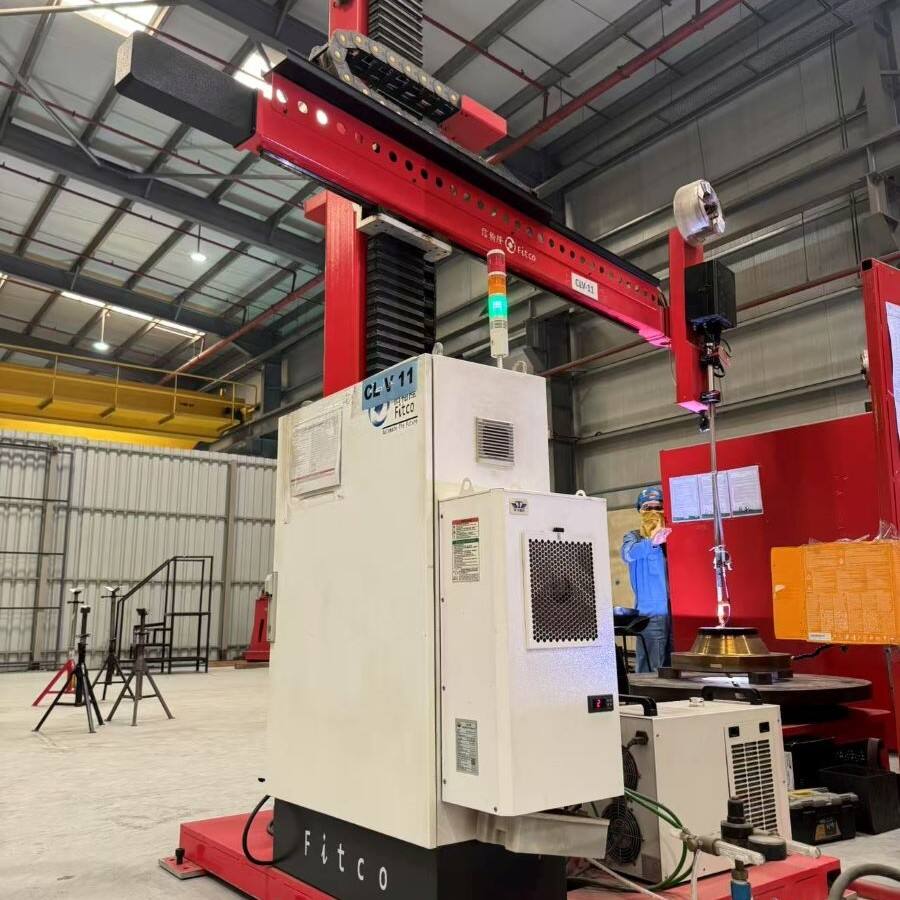
When manufacturing operations evaluate welding technologies for production environments, cost-effectiveness becomes the decisive factor that shapes capital investment decisions and long-term operational planning. The comparison between traditional arc welder systems and modern MIG welding equipment extends far beyond initial purchase price, encompassing consumable expenses, labor productivity, equipment maintenance requirements, and overall production throughput. For industrial operations seeking to optimize their welding processes while controlling costs, understanding the comprehensive economic profile of each technology provides the foundation for strategic decision-making that aligns technical capability with financial performance objectives.
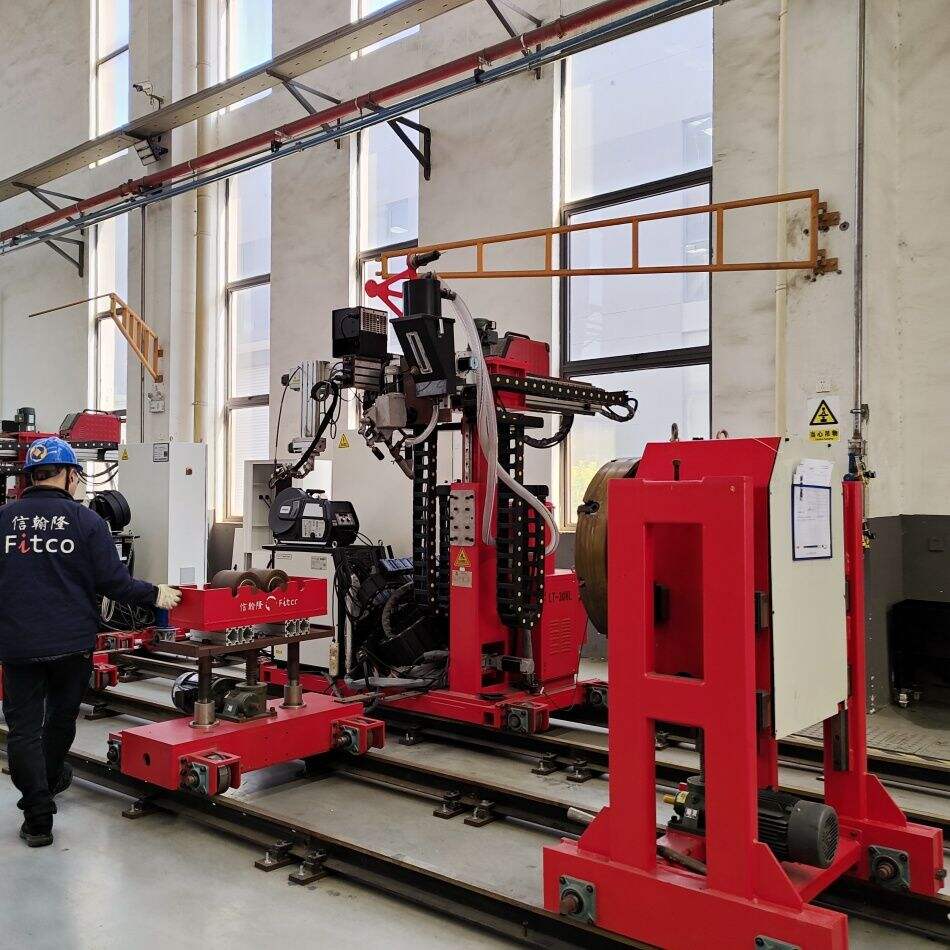
The cost-effectiveness question between arc welder and MIG technologies cannot be answered with a simple universal recommendation, as the optimal choice depends heavily on specific production requirements, material specifications, operator skill levels, and manufacturing volume. Traditional stick welding using an arc welder offers lower equipment costs and simpler operation in certain contexts, while MIG welding delivers superior speed and consistency that can dramatically reduce per-unit production costs in high-volume applications. This comprehensive analysis examines the total cost of ownership for both processes, evaluating initial capital investment, ongoing consumable expenses, labor productivity factors, maintenance requirements, and the hidden costs that significantly impact real-world profitability in industrial welding operations.
Initial Capital Investment and Equipment Cost Analysis
Arc Welder Equipment Pricing Structure
The entry cost for an arc welder remains substantially lower than comparable MIG equipment, making stick welding an accessible option for small fabrication shops, maintenance operations, and businesses with limited capital budgets. Basic arc welder units suitable for light industrial applications typically range from three hundred to one thousand dollars, while professional-grade machines with advanced inverter technology and extended duty cycles cost between one thousand five hundred and four thousand dollars. This equipment simplicity translates directly to reduced upfront investment, as arc welder systems require no wire feeding mechanisms, no shielding gas delivery systems, and minimal auxiliary equipment beyond electrode holders and ground clamps.
The portability advantage of arc welder technology further reduces infrastructure costs, particularly for field service operations and construction applications where welding must occur at multiple locations. Unlike MIG systems that require gas cylinder transportation and wire spool management, an arc welder can operate with nothing more than a power source and a supply of electrodes, eliminating the need for specialized transport equipment or permanent installation facilities. For operations requiring welding in remote locations, outdoor environments, or constantly changing work sites, this equipment simplicity represents a significant hidden cost advantage that extends beyond the initial purchase price to encompass logistics, setup time, and operational flexibility.
MIG Welding System Investment Requirements
MIG welding equipment demands higher initial capital investment due to the technological complexity of wire feeding systems, gas regulation equipment, and integrated control electronics. Entry-level MIG machines suitable for industrial applications typically start around one thousand five hundred dollars, while production-grade systems with pulse capabilities, synergic controls, and extended duty cycles range from three thousand to ten thousand dollars or more. This equipment investment must be evaluated against the productivity advantages that MIG technology delivers, as the higher upfront cost can be rapidly amortized through increased welding speed, reduced consumable waste, and lower labor requirements in production environments.
Beyond the welding power source itself, MIG operations require supporting infrastructure that adds to total capital investment. Shielding gas delivery systems including regulators, hoses, and cylinder rental or ownership costs represent ongoing expenses that arc welder systems avoid entirely. Wire feeding systems require periodic replacement of drive rolls, liners, and contact tips, while the gun assemblies themselves constitute wear components that need replacement after extended use. For operations planning MIG implementation, realistic budget planning must account for these auxiliary costs alongside the primary equipment investment, though the productivity gains in high-volume applications typically justify the expanded capital allocation within relatively short payback periods.
Facility Infrastructure and Installation Costs
The infrastructure requirements for each welding process significantly impact total implementation costs, particularly for operations establishing new welding capabilities or expanding existing facilities. An arc welder demands minimal facility preparation beyond adequate electrical supply and proper ventilation for fume extraction, allowing rapid deployment with limited construction or modification expense. The self-contained nature of stick welding equipment means that production can begin immediately upon delivery, with no complex installation procedures, gas line routing, or specialized mounting requirements that would extend project timelines or increase capital deployment.
MIG welding installations require more substantial facility preparation, particularly in production environments where multiple welding stations operate simultaneously. Gas distribution systems must be installed to deliver shielding gas from central storage to individual welding positions, requiring pipe routing, manifold installation, and proper ventilation engineering. Wire storage areas must maintain appropriate environmental conditions to prevent moisture contamination, while the stationary nature of most MIG equipment necessitates dedicated floor space with proper power distribution and fume extraction infrastructure. These facility costs can represent significant capital requirements for new installations, though operations transitioning from arc welder to MIG technology in existing buildings may be able to leverage current infrastructure with minimal modification expense.
Consumable Expenses and Material Cost Comparison
Electrode Costs and Consumption Rates in Arc Welding
The consumable cost structure for arc welder operations centers on electrode expense, which varies significantly based on electrode type, diameter, coating formulation, and welding position requirements. General-purpose electrodes for mild steel applications typically cost between fifteen and forty dollars per ten-pound package, with specialty electrodes for stainless steel, cast iron, or hardfacing applications commanding premium prices that can exceed one hundred dollars per package. The actual cost per weld depends heavily on operator technique, as inefficient practices that waste stub ends or require frequent electrode changes increase consumable consumption without adding productive value to the manufacturing process.
Arc welder electrode efficiency ranges between fifty and seventy percent in typical production environments, meaning that substantial material is lost to stub ends, slag formation, and spatter. This inherent waste factor must be incorporated into accurate cost modeling, as the actual deposited weld metal represents only a portion of the purchased electrode weight. For operations welding materials that require expensive specialty electrodes, this consumption pattern can significantly impact per-unit production costs, potentially offsetting the lower equipment investment that makes arc welder technology attractive for certain applications. Accurate tracking of electrode consumption relative to production output provides the data foundation for meaningful cost comparison between alternative welding processes.
MIG Wire and Shielding Gas Expense Analysis
MIG consumable costs divide between wire electrode expenses and shielding gas consumption, with both elements contributing to total per-weld material costs. Mild steel MIG wire typically costs between one hundred fifty and three hundred dollars per four hundred forty pound spool, translating to approximately thirty-five to seventy cents per pound of wire depending on quality grade and purchase volume. This cost structure delivers better material utilization than arc welder electrodes, as MIG wire achieves deposition efficiency between ninety and ninety-five percent with minimal waste from stub ends or slag formation, meaning that nearly all purchased material contributes directly to completed welds.
Shielding gas represents a significant ongoing expense unique to MIG operations, with costs varying based on gas composition, cylinder size, and whether operations purchase or lease gas supplies. Standard seventy-five percent argon and twenty-five percent carbon dioxide mixtures commonly used for steel welding cost between fifty and one hundred fifty dollars per large cylinder depending on regional pricing and supplier agreements. Gas consumption rates depend on flow settings, arc time percentage, and operator technique, but typical industrial applications consume between twenty and thirty cubic feet per hour of welding time. For high-volume production environments, annual gas costs can reach several thousand dollars per welding station, representing a substantial ongoing expense that arc welder operations avoid entirely through self-shielded electrode technology.
Hidden Consumable Costs and Replacement Parts
Beyond primary consumables, both welding processes incur ongoing expenses for replacement parts, maintenance supplies, and auxiliary materials that impact total cost of ownership. Arc welder operations require periodic replacement of electrode holders, ground clamps, and welding cables that degrade through normal use and environmental exposure. These components typically cost between twenty and one hundred fifty dollars each depending on quality and amperage rating, with replacement intervals ranging from several months to multiple years based on operational intensity and maintenance practices. Proper care including regular cleaning, connection inspection, and damage prevention extends component life and reduces these incremental costs.
MIG systems demand more frequent replacement of wear components including contact tips, nozzles, liners, and drive rolls that experience continuous mechanical stress during wire feeding operations. Contact tips require replacement after eight to forty hours of arc time depending on wire type and welding parameters, costing between one and five dollars per tip. Nozzles accumulate spatter and require replacement or cleaning every few days in production environments, while gun liners need periodic replacement to maintain smooth wire feeding and prevent quality issues. When aggregated across multiple welding stations operating multiple shifts, these seemingly minor expenses accumulate to represent meaningful cost factors that accurate economic analysis must incorporate into total process comparison.
Labor Productivity and Operational Efficiency Factors
Welding Speed and Deposition Rate Comparison
The fundamental productivity difference between arc welder and MIG processes stems from their inherent deposition rates and operational characteristics, with MIG welding delivering substantially higher metal deposition under optimal conditions. Typical arc welder deposition rates range from one to five pounds per hour depending on electrode diameter, amperage settings, and operator technique, while skilled welders must frequently pause to change electrodes, chip slag, and reposition for continued welding. This interrupted workflow pattern reduces actual arc time to approximately twenty to thirty percent of total work hours in many production environments, meaning that significant labor cost is consumed in non-productive activities.
MIG welding technology achieves deposition rates between three and fifteen pounds per hour with continuous wire feeding that eliminates electrode changes and maintains steady production flow. The continuous process allows operators to sustain longer uninterrupted welding periods, increasing actual arc time to forty to sixty percent of total work hours in well-organized production environments. For manufacturing operations with repetitive welding tasks and consistent joint configurations, this productivity advantage translates directly to reduced labor hours per completed unit, potentially offsetting higher equipment and consumable costs through dramatically improved throughput. Operations producing fifty or more similar weldments monthly typically realize substantial labor cost reductions by implementing MIG technology, while lower-volume job shops may find arc welder processes more economically rational given their production patterns.
Operator Skill Requirements and Training Costs
The learning curve and skill development requirements for each welding process significantly impact labor costs, particularly for operations experiencing workforce turnover or expansion. Arc welder operation demands considerable manual dexterity, hand-eye coordination, and technique refinement to produce consistent quality welds across varying positions and joint configurations. Training competent stick welders typically requires three to six months of supervised practice, with true proficiency developing over one to two years of regular production experience. This extended skill development period represents substantial training investment, though once acquired, arc welder skills translate broadly across multiple applications and material types.
MIG welding offers faster operator training and earlier productivity in production environments, particularly for repetitive tasks with consistent joint geometry and material specifications. Basic MIG operation can be taught in days or weeks for simple applications, allowing new operators to achieve acceptable quality more quickly than with arc welder processes. However, this accessibility advantage applies primarily to ideal conditions with clean materials, proper positioning, and straightforward joint configurations. For challenging applications including out-of-position welding, thick materials, or field conditions, MIG operation requires substantial skill development comparable to stick welding proficiency. Operations evaluating cost-effectiveness must consider their specific application requirements when assessing training costs and skill availability in their labor market.
Rework Rates and Quality Consistency Impact
Quality consistency directly impacts operational costs through rework requirements, inspection expenses, and potential warranty claims that erode profitability. Arc welder processes exhibit higher quality variability due to their manual nature and sensitivity to operator technique, environmental conditions, and consumable quality. Typical industrial arc welder operations experience defect rates between two and eight percent depending on application complexity and operator skill levels, requiring inspection protocols, quality controls, and rework procedures that add labor cost and extend production timelines. The slag removal requirement after each pass creates additional opportunities for trapped inclusions if cleaning is inadequate, further increasing quality risk in multi-pass applications.
MIG welding delivers superior consistency when properly implemented, with defect rates often below two percent in controlled production environments using skilled operators and appropriate quality systems. The continuous process and elimination of slag dramatically reduce inclusion risks, while modern equipment with digital controls maintains stable arc characteristics that minimize human variability. For operations serving industries with stringent quality requirements including pressure vessel fabrication, structural steel construction, or aerospace component manufacturing, this consistency advantage represents significant value through reduced inspection costs, lower rework rates, and decreased warranty exposure. The quality premium that MIG technology delivers must be quantified and incorporated into comprehensive cost-effectiveness analysis alongside direct material and labor expenses.
Maintenance Requirements and Long-Term Ownership Costs
Arc Welder Maintenance Demands and Service Costs
The mechanical simplicity of arc welder equipment translates to minimal maintenance requirements and low ongoing service costs, particularly for basic transformer-based machines without complex electronics or moving parts. Routine maintenance consists primarily of connection cleaning, cable inspection, and occasional replacement of worn components including holders and ground clamps. Many arc welder units operate reliably for decades with minimal intervention beyond basic cleaning and connection maintenance, making them exceptionally cost-effective for operations with limited maintenance resources or technical expertise. This durability and serviceability advantage particularly benefits small fabrication shops, construction contractors, and maintenance operations where equipment downtime creates immediate project delays and revenue loss.
Modern inverter-based arc welder systems incorporate sophisticated electronics that improve performance and portability but introduce additional maintenance considerations and potential failure modes. These advanced machines require proper cooling system maintenance, periodic inspection of electronic components for dust accumulation or heat damage, and occasional software updates to maintain optimal performance. When failures occur, repair costs can be substantial due to specialized electronic components and the technical expertise required for diagnosis and correction. Operations evaluating arc welder technology should consider the maintenance profile differences between traditional transformer machines and modern inverter units, selecting equipment that aligns with their technical capabilities and maintenance infrastructure to minimize long-term ownership costs.
MIG System Maintenance and Component Replacement
MIG welding equipment demands more frequent maintenance attention due to the mechanical complexity of wire feeding systems and the precision required for consistent performance. Drive roll assemblies require periodic cleaning and adjustment to maintain proper wire feeding tension, while liner replacement becomes necessary when wire feeding becomes erratic or inconsistent. Contact tip replacement represents the most frequent maintenance task, with production environments requiring daily or weekly tip changes to prevent arc instability and quality issues. The welding gun assembly itself constitutes a wear component requiring complete replacement after several months to a few years depending on operational intensity and duty cycle.
The shielding gas delivery system introduces additional maintenance requirements including regulator inspection, hose condition assessment, and leak detection procedures that ensure proper gas flow and prevent costly waste. Many operations implement preventive maintenance schedules with weekly equipment inspections, monthly component cleaning, and quarterly comprehensive service procedures that maintain optimal performance and prevent unexpected downtime. While this maintenance burden exceeds arc welder requirements, the productivity advantages that MIG technology delivers typically justify the additional service attention in production environments. Operations must allocate appropriate maintenance resources including trained technicians, spare parts inventory, and scheduled downtime to realize the full cost-effectiveness potential of MIG welding systems.
Equipment Lifecycle and Replacement Planning
Long-term cost-effectiveness analysis must incorporate equipment lifecycle considerations, including expected service life, technological obsolescence, and replacement timing that impacts capital planning and operational continuity. Traditional arc welder equipment often delivers twenty to thirty years of reliable service with minimal intervention, allowing extended depreciation schedules and maximizing return on initial capital investment. This exceptional longevity makes arc welder technology particularly attractive for operations with limited production volumes where equipment utilization remains modest and rapid amortization proves difficult. The simple technology also means that replacement parts remain available indefinitely and repair expertise exists broadly across the welding industry.
MIG welding systems typically offer ten to fifteen year service lives before major component replacement or complete equipment renewal becomes necessary, requiring more frequent capital reinvestment to maintain production capabilities. However, the accelerated technological development in MIG equipment means that replacement cycles often align with meaningful capability improvements including better arc control, enhanced user interfaces, and superior energy efficiency that deliver tangible operational benefits. Operations implementing proper preventive maintenance and operating equipment within rated duty cycles maximize service life and return on investment, while neglected systems may require premature replacement at substantial cost. Accurate lifecycle modeling incorporating realistic service life estimates, anticipated replacement costs, and technological advancement considerations provides the foundation for meaningful long-term cost comparison between alternative welding processes.
Application-Specific Cost Effectiveness Scenarios
High-Volume Production Environment Analysis
In manufacturing operations producing fifty or more similar weldments daily, MIG welding consistently demonstrates superior cost-effectiveness despite higher equipment and consumable costs. The continuous welding capability dramatically reduces cycle time per unit, allowing single operators to complete substantially more work within a standard shift compared to arc welder processes. This productivity advantage compounds when multiple welding stations operate simultaneously, as the reduced labor hours per unit translate directly to lower total manufacturing cost even accounting for the premium equipment investment and ongoing consumable expenses that MIG technology demands.
The quality consistency that MIG welding delivers in production environments further enhances cost-effectiveness through reduced inspection requirements, minimal rework rates, and decreased scrap losses. Operations can implement streamlined quality protocols with periodic sampling rather than comprehensive inspection, reducing quality labor costs while maintaining confidence in product conformance. The elimination of slag removal steps accelerates workflow and prevents the inclusion defects that plague multi-pass arc welder applications, delivering additional time savings that accumulate to meaningful cost advantages over extended production runs. For manufacturers pursuing lean production principles and just-in-time manufacturing strategies, the process reliability and throughput consistency that MIG technology enables represents substantial value beyond direct cost metrics.
Low-Volume and Custom Fabrication Contexts
Custom fabrication shops and job-oriented operations serving diverse customer requirements often find arc welder technology more cost-effective due to its versatility, portability, and lower fixed costs. When daily production involves fewer than twenty weldments with varying materials, joint configurations, and specification requirements, the setup time and equipment complexity of MIG systems can actually reduce overall efficiency compared to the grab-and-go simplicity of stick welding. The arc welder excels in applications requiring frequent position changes, outdoor operation, or work on materials with surface contamination where MIG welding would struggle or require extensive preparation that consumes the productivity advantage.
The capital efficiency of arc welder equipment allows small fabrication businesses to allocate financial resources across broader capability ranges rather than concentrating investment in specialized high-production welding systems. A fabrication shop might maintain multiple arc welder machines at different locations within their facility at lower total cost than a single high-end MIG system, providing operational flexibility that serves their diverse project requirements more effectively. For operations where welding represents one component of complex fabrication processes including cutting, forming, machining, and assembly, the lower fixed costs and minimal infrastructure requirements of arc welder technology deliver superior overall economic performance aligned with actual business requirements rather than theoretical welding efficiency metrics.
Field Service and Construction Application Considerations
Field welding applications including structural steel erection, pipeline construction, equipment repair, and maintenance operations strongly favor arc welder technology due to portability requirements, environmental challenges, and the practical limitations of MIG equipment in uncontrolled conditions. The ability to operate an arc welder with nothing more than a power source and electrode supply eliminates the logistical complexity of transporting gas cylinders, protecting wire spools from contamination, and maintaining proper equipment orientation for reliable wire feeding. Wind conditions that would render MIG welding impossible pose minimal challenge for stick welding with appropriate electrode selection, while the robust nature of arc welder equipment withstands the mechanical abuse inherent in construction environments.
The all-position capability and surface tolerance of arc welder processes prove essential in field applications where joint access, work positioning, and material condition rarely match ideal fabrication shop circumstances. While MIG welding offers superior deposition rates in controlled environments, field conditions frequently prevent realization of this theoretical advantage due to setup limitations, environmental interference, and material preparation challenges. Operations conducting honest cost analysis that incorporates mobilization time, equipment protection requirements, consumable waste from environmental factors, and realistic productivity under actual field conditions typically conclude that arc welder technology delivers superior cost-effectiveness for construction and field service applications despite lower deposition rates under laboratory conditions.
FAQ
Which welding process has lower total operating costs for a small fabrication shop?
For small fabrication shops producing fewer than twenty weldments daily with diverse material types and joint configurations, arc welder technology typically delivers lower total operating costs due to minimal equipment investment, simple infrastructure requirements, and operational flexibility that serves varied customer requirements efficiently. The higher per-unit labor costs of stick welding are offset by lower fixed expenses, minimal maintenance requirements, and elimination of shielding gas costs that make MIG welding expensive at lower production volumes. However, shops specializing in repetitive production of similar components may justify MIG investment if production volume exceeds thirty to fifty units daily and material specifications align with MIG capabilities.
How quickly does increased MIG productivity offset higher equipment costs?
In production environments welding fifty or more similar units daily, MIG equipment costs typically amortize within six to eighteen months through reduced labor hours per unit, with ongoing cost advantages accumulating indefinitely thereafter. The payback period depends heavily on specific application factors including weldment complexity, operator skill levels, and production consistency, with highly repetitive tasks showing faster returns than variable job-shop environments. Operations should conduct detailed time studies comparing actual production rates between processes using their specific weldments and realistic operating conditions rather than relying on theoretical deposition rate comparisons that may not reflect real-world performance under their particular circumstances.
Does arc welder or MIG technology require less operator training investment?
MIG welding allows faster initial operator training for simple repetitive tasks in controlled production environments, often achieving acceptable quality within weeks compared to months required for basic arc welder competency. However, achieving true proficiency for challenging applications including out-of-position welding, thick materials, or variable conditions requires comparable skill development time for both processes. Operations with high workforce turnover producing simple weldments may realize training cost advantages with MIG technology, while those requiring versatile operators capable of handling diverse applications often find that arc welder skills provide broader capability despite longer initial learning curves.
What hidden costs most significantly impact welding process economics?
Quality-related costs including rework labor, scrap material, and warranty claims often exceed direct consumable expenses in their economic impact, making process consistency and defect prevention critical factors in true cost-effectiveness analysis. Additionally, actual arc time percentages dramatically affect labor productivity, with non-productive activities including material handling, electrode changes, and slag removal consuming substantial portions of operator hours that simplistic deposition rate comparisons overlook. Operations pursuing accurate cost modeling should implement detailed time studies tracking productive versus non-productive hours, comprehensive quality metrics measuring first-pass success rates, and total cost of ownership calculations incorporating equipment lifecycle, maintenance requirements, and infrastructure expenses beyond initial purchase prices to support economically rational technology decisions.
Table of Contents
- Initial Capital Investment and Equipment Cost Analysis
- Consumable Expenses and Material Cost Comparison
- Labor Productivity and Operational Efficiency Factors
- Maintenance Requirements and Long-Term Ownership Costs
- Application-Specific Cost Effectiveness Scenarios
-
FAQ
- Which welding process has lower total operating costs for a small fabrication shop?
- How quickly does increased MIG productivity offset higher equipment costs?
- Does arc welder or MIG technology require less operator training investment?
- What hidden costs most significantly impact welding process economics?