
 EN
EN
 AR
AR BG
BG HR
HR CS
CS DA
DA NL
NL FI
FI FR
FR DE
DE EL
EL HI
HI IT
IT JA
JA KO
KO NO
NO PL
PL PT
PT RO
RO RU
RU ES
ES SV
SV TL
TL IW
IW ID
ID LT
LT UK
UK SQ
SQ HU
HU TH
TH TR
TR FA
FA AF
AF CY
CY MK
MK LA
LA MN
MN KK
KK UZ
UZ KY
KY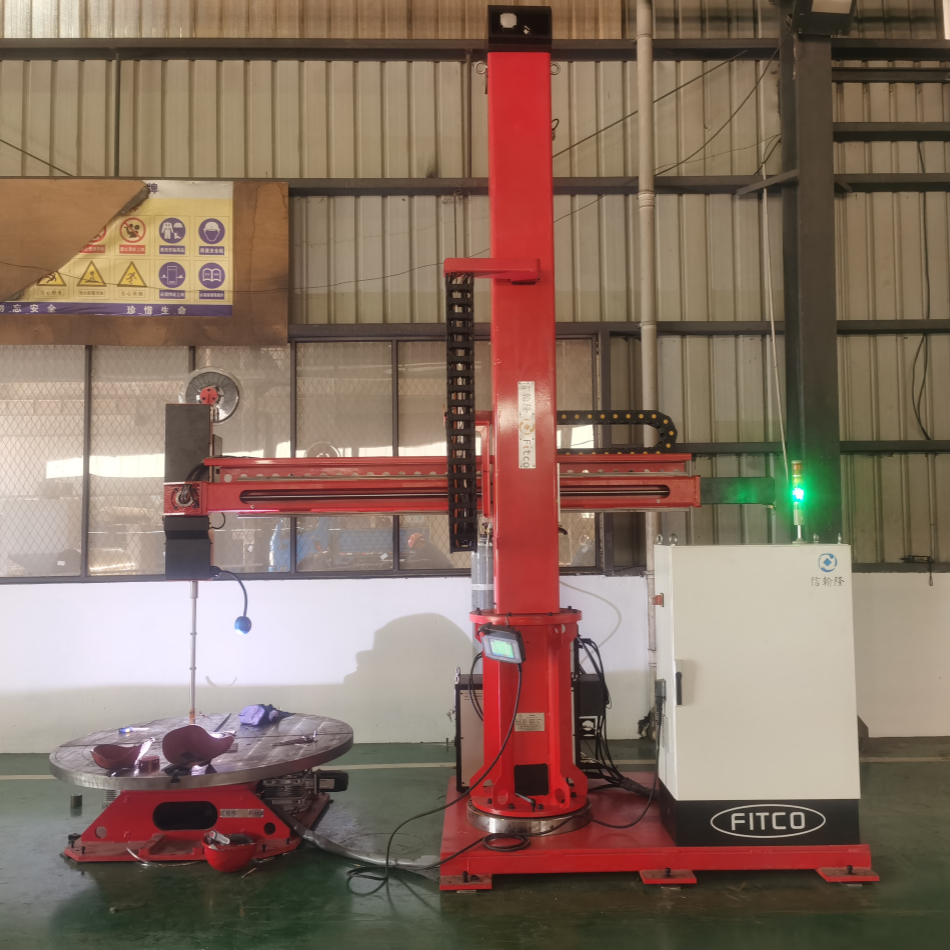
Pipeline integrity is one of the most critical concerns in the oil and gas industry, and the welding method used directly determines how well that integrity holds over decades of operation. automatic welding has become the preferred standard for pipeline construction and maintenance precisely because it eliminates the variability that manual processes introduce. When a single faulty weld can lead to catastrophic leaks, environmental damage, and costly shutdowns, relying on automatic welding is not a luxury — it is a fundamental requirement.
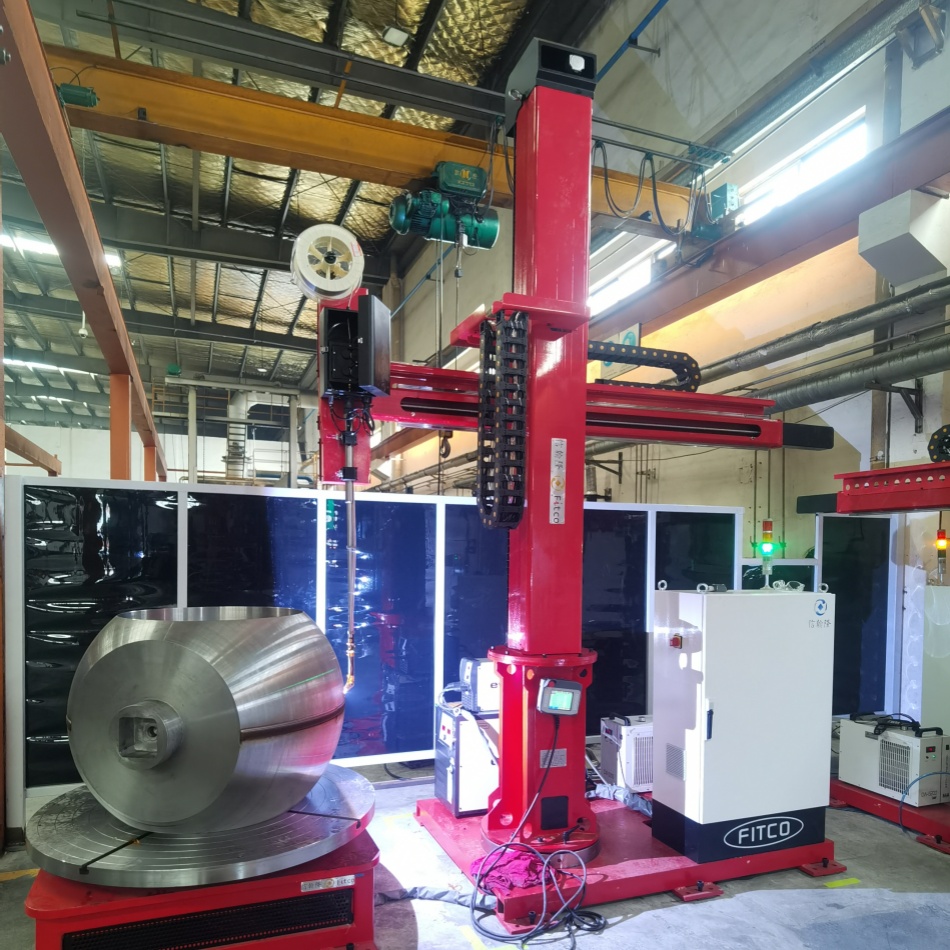
Across every segment of pipeline infrastructure — from offshore platforms to cross-country transmission lines — automatic welding delivers the precision, repeatability, and traceability that modern pipeline standards demand. This article examines why automatic welding is essential, how it directly protects pipeline integrity, and what specific advantages it brings to engineers, project managers, and quality assurance teams working in demanding industrial environments.
Consistency and Quality Control in Every Weld
Eliminating Human Variation Through Automatic Welding
One of the most powerful reasons automatic welding is essential for pipeline integrity is its ability to produce consistent, repeatable welds regardless of environmental conditions or operator fatigue. In manual welding, subtle changes in hand speed, arc angle, and heat input can create inconsistencies that weaken the joint. Automatic welding eliminates these variables by executing pre-programmed parameters with mechanical precision every single time. This consistency is particularly critical for high-pressure pipelines carrying natural gas, crude oil, or hazardous chemicals where weld failure is simply not an option.
Automatic welding systems monitor and adjust heat input, travel speed, and wire feed in real time, ensuring that every weld joint meets the exact specifications required by international pipeline standards such as API 1104 and ASME B31.8. The result is a weld profile that is uniform across its entire circumference, dramatically reducing the risk of porosity, incomplete fusion, or undercut defects. When automatic welding is applied consistently across a pipeline project, the overall rate of weld repairs and rejections drops significantly, saving time and cost at every stage.
Traceability and Data Logging With Automatic Welding
Modern automatic welding equipment captures detailed process data for every weld made, including voltage, amperage, travel speed, and wire feed rate. This data logging capability creates a complete audit trail that supports quality assurance reviews and regulatory inspections. Pipeline operators can verify that each joint was completed within approved parameters, providing documented proof of compliance. This level of traceability is difficult to achieve with manual welding and is one of the core reasons automatic welding has become indispensable on major pipeline projects worldwide.
Speed, Efficiency, and Project Timeline Advantages
How Automatic Welding Accelerates Pipeline Construction
Pipeline projects operate under tight deadlines and strict budget constraints. Automatic welding contributes directly to meeting those targets by enabling higher deposition rates and continuous operation without the breaks required by manual welders. A well-configured automatic welding system can complete multiple passes on a pipe joint in a fraction of the time needed by a manual process, without sacrificing weld quality. This speed advantage compounds across hundreds or thousands of joints in a large-scale pipeline project, resulting in measurable schedule savings and reduced labor costs.
Automatic welding also allows simultaneous multi-torch operations on large-diameter pipes, further compressing cycle time per joint. In remote or challenging locations where mobilizing skilled manual welders is expensive and logistically complex, automatic welding systems reduce the number of personnel required on site. Fewer personnel mean lower accommodation costs, reduced safety exposure, and simplified logistics — all of which contribute to a more efficient and controlled construction program. The productivity gains from automatic welding directly translate into better project economics without compromising structural integrity.
Reducing Rework and Inspection Failures
Every weld that fails non-destructive testing requires cutting out, re-welding, and re-inspecting — a process that consumes significant time and resources. Automatic welding dramatically reduces this rework rate by maintaining tight process control from start to finish. Projects that have transitioned from manual to automatic welding consistently report lower defect rates during radiographic and ultrasonic testing. This improvement in first-pass acceptance rates keeps the pipeline construction schedule on track and reduces the cascading delays that weld failures can trigger in an integrated project environment.
Safety, Compliance, and Long-Term Pipeline Integrity
Meeting Stringent Safety Standards With Automatic Welding
Pipeline safety regulations around the world are becoming increasingly stringent, and automatic welding provides the documented precision needed to satisfy those requirements. Regulatory bodies and pipeline operators require that every weld in a critical system be completed using a qualified welding procedure specification, and automatic welding systems are well suited to executing those procedures with minimal deviation. Because automatic welding controls all key variables mechanically, the risk of human error compromising a qualified procedure is significantly reduced. This alignment between process control and regulatory compliance is a core reason why automatic welding is essential in the pipeline sector.
In high-consequence areas such as river crossings, populated zones, or environmentally sensitive regions, the safety stakes for pipeline integrity are even higher. Automatic welding provides the reliability and documentation required to demonstrate due diligence to regulators, insurers, and the public. Operators that adopt automatic welding as a standard practice position themselves to pass audits, obtain permits, and maintain operating licenses more effectively than those relying solely on manual methods. The long-term cost of a pipeline incident far exceeds any investment in automatic welding technology.
Protecting Long-Term Structural Performance
Pipeline systems are designed to operate for twenty, thirty, or even fifty years. The welds made during initial construction must maintain their structural integrity across decades of pressure cycling, thermal expansion, soil movement, and corrosion exposure. Automatic welding produces joints with consistent microstructure, controlled heat-affected zones, and minimal residual stress — all factors that directly influence how a weld performs over its service life. Investing in automatic welding during construction is an investment in long-term pipeline reliability, reducing the likelihood of costly integrity digs, repairs, or full section replacements years down the line.
FAQ
What types of pipelines benefit most from automatic welding?
Automatic welding is most beneficial for high-pressure transmission pipelines carrying oil, natural gas, or refined products, as well as offshore subsea pipelines and any pipeline passing through high-consequence areas. Large-diameter, long-distance pipelines gain the greatest efficiency and quality advantages from automatic welding because the volume of welds is high and the consequences of failure are severe. However, even smaller distribution pipelines benefit from the consistency and traceability that automatic welding delivers.
How does automatic welding compare to manual welding for pipeline work?
Automatic welding consistently outperforms manual welding in terms of repeatability, defect rates, and documentation. Manual welding depends on the skill and condition of individual welders, which introduces variability that automatic welding eliminates. While highly skilled manual welders can produce excellent results, they cannot match the speed, consistency, and data traceability of automatic welding over a large number of joints. For critical pipeline applications, automatic welding is the superior choice when both quality and productivity are priorities.
Is automatic welding suitable for all pipeline materials?
Automatic welding is suitable for a wide range of pipeline materials, including carbon steel, stainless steel, chrome-moly alloys, and duplex stainless steel commonly used in oil and gas applications. The welding parameters and torch configuration of an automatic welding system can be adjusted to accommodate different material grades and wall thicknesses. This flexibility makes automatic welding a practical solution across diverse pipeline projects, from standard carbon steel transmission lines to demanding high-alloy systems in corrosive or high-temperature service environments.