
 EN
EN
 AR
AR BG
BG HR
HR CS
CS DA
DA NL
NL FI
FI FR
FR DE
DE EL
EL HI
HI IT
IT JA
JA KO
KO NO
NO PL
PL PT
PT RO
RO RU
RU ES
ES SV
SV TL
TL IW
IW ID
ID LT
LT UK
UK SQ
SQ HU
HU TH
TH TR
TR FA
FA AF
AF CY
CY MK
MK LA
LA MN
MN KK
KK UZ
UZ KY
KY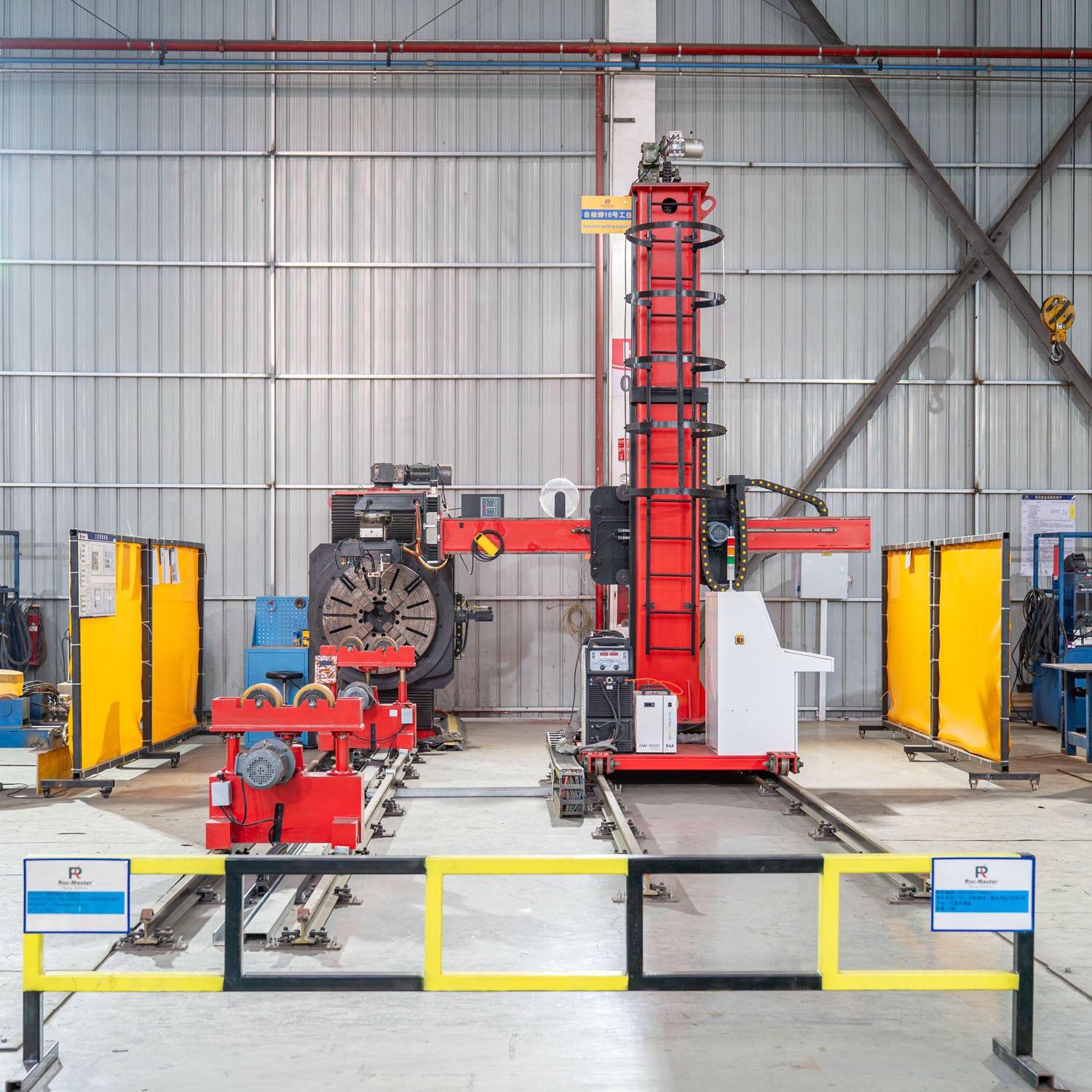
The seam welder has become indispensable in modern thin-gauge sheet metal production, delivering precision, consistency, and reliability that manual welding cannot match. As manufacturers demand tighter tolerances and faster production cycles, a seam welder offers the automation and repeatability required to meet these challenging specifications. Understanding the role of a seam welder in thin-gauge operations is critical for production managers, engineers, and fabricators who seek to optimize their manufacturing processes and maintain competitive advantage in an increasingly demanding market.
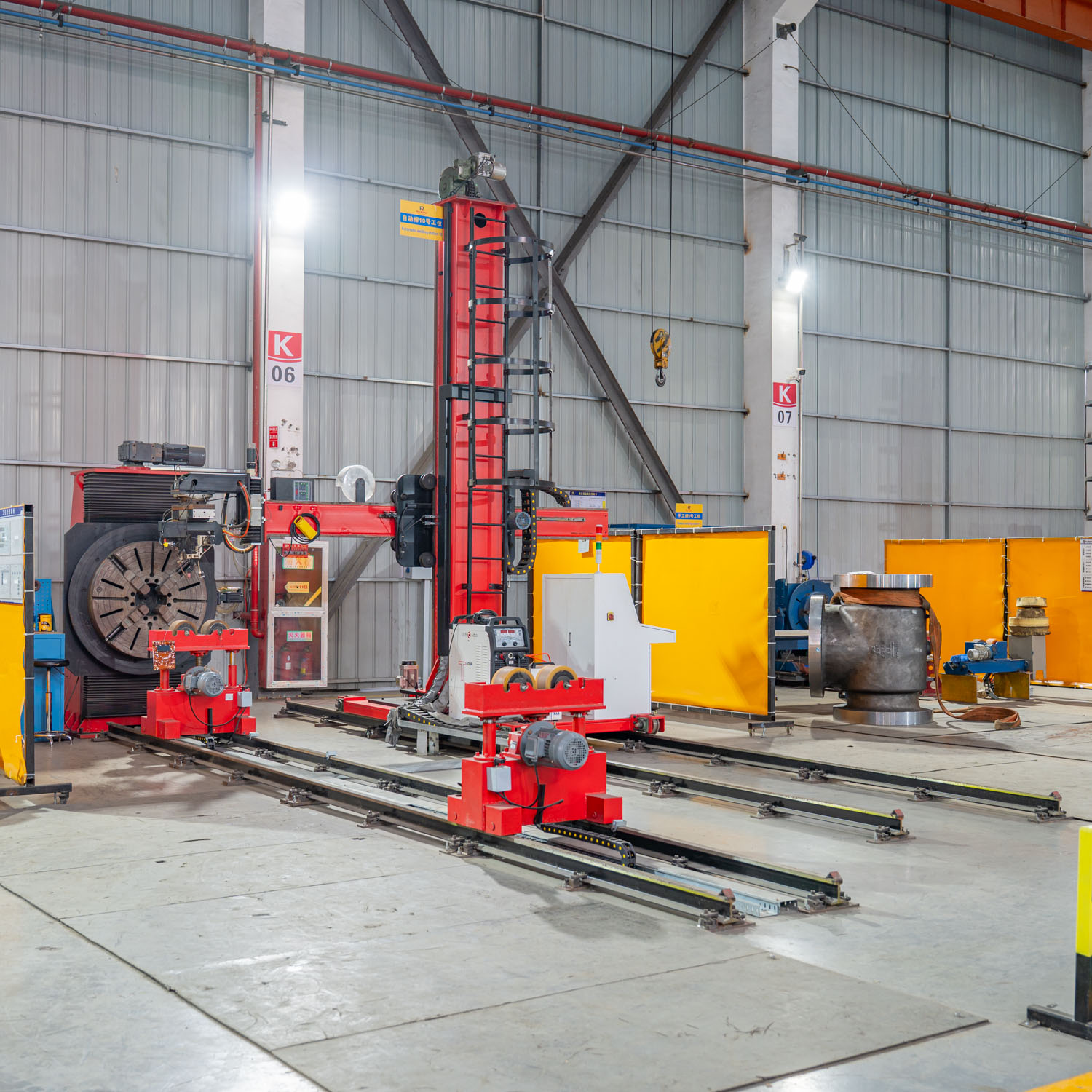
Thin-gauge sheet metal production presents unique challenges that a seam welder is specifically designed to address. Materials ranging from 0.5 to 3 millimeters in thickness require controlled heat input, precise edge alignment, and consistent weld penetration to prevent defects such as burn-through, porosity, or weak joints. A seam welder automates these critical functions, ensuring that every weld bead meets specification while dramatically reducing scrap rates and rework costs. This technological advancement has transformed how manufacturers approach quality control and production efficiency in fabrication operations across industries.
Core Functions of a Seam Welder in Production
Automated Seam Tracking and Alignment
A seam welder employs automated tracking systems that maintain precise electrode alignment along the joint throughout the entire welding cycle. For thin-gauge materials, this capability is critical because even minor misalignment can compromise weld quality or cause material distortion. The seam welder continuously monitors the joint position and adjusts electrode movement in real time, ensuring consistent penetration and bead width. This level of precision is virtually impossible to achieve manually, making a seam welder essential for high-volume production where quality variance must be minimized and downtime eliminated.
Heat Control and Weld Parameter Management
Managing heat input is the primary technical challenge in thin-gauge welding, and a seam welder excels at this function through programmable control systems. The equipment automatically regulates current, voltage, and travel speed based on material thickness and joint configuration, preventing heat-induced defects that commonly occur with thin materials. A seam welder reduces the risk of burn-through, warping, and metallurgical degradation by maintaining optimal thermal input throughout each weld. These automated parameters are stored and repeatable, allowing operators to produce identical welds across multiple shifts and production runs without deviation.
Quality and Productivity Advantages of Seam Welder Technology
Defect Reduction and Consistency
In thin-gauge sheet metal production, a seam welder dramatically reduces common welding defects by eliminating human variables from the process. Porosity, cold joints, incomplete fusion, and lack of penetration become significantly less frequent when a seam welder maintains consistent parameters and alignment throughout every cycle. The consistency achieved by a seam welder translates directly to improved first-pass quality rates, reduced inspection costs, and lower scrap volumes. For manufacturers processing thousands of components annually, this reliability compounds into substantial cost savings and enhanced customer satisfaction through superior product quality.
Production Speed and Throughput Optimization
A seam welder operates at speeds that exceed manual welding capability while maintaining superior quality, directly increasing production throughput and reducing labor requirements. The automation provided by a seam welder allows manufacturers to process more components per shift, reduces idle time between cycles, and enables shift-based production scaling without proportional labor increases. Because a seam welder operates continuously without fatigue, performance degradation, or quality variance, manufacturers can confidently schedule production and meet customer delivery commitments. This predictability and speed make a seam welder a strategic investment that improves both efficiency and profitability in thin-gauge fabrication operations.
Implementation Considerations for Thin-Gauge Operations
Equipment Selection and Integration
Choosing the right seam welder for thin-gauge applications requires careful evaluation of material specifications, joint geometry, and production volume. A seam welder designed for thin materials must feature low-amperage capability, fast response time, and precise control resolution to accommodate the narrow tolerance windows inherent in thin-gauge work. Integration with existing production infrastructure, such as material handling systems and quality control tools, ensures that a seam welder becomes part of a cohesive manufacturing ecosystem. Manufacturers should evaluate whether a seam welder technology matches their specific product mix, as seam welder specifications vary significantly across equipment classes and welding methods.
Operator Training and Process Development
Successfully deploying a seam welder requires that operators and engineers develop process expertise, including parameter optimization, troubleshooting, and maintenance protocols. Training programs must cover how to program a seam welder, interpret quality data, and respond to equipment alerts or parameter deviations. Process development for a seam welder involves conducting test runs on representative materials, validating weld quality through destructive and non-destructive testing, and establishing standard operating procedures. Investment in personnel development ensures that a seam welder delivers its full potential and that manufacturers gain competitive advantage through continuous process improvement and technical capability.
FAQ
What makes a seam welder superior to manual welding for thin-gauge materials?
A seam welder maintains absolute consistency in heat input, electrode alignment, and travel speed, which is essential for thin-gauge materials where small variations cause defects like burn-through or porosity. Manual welders cannot replicate this precision across high volumes, resulting in higher scrap rates and rework costs. The seam welder also eliminates operator fatigue and skill variance, ensuring that every weld meets specification regardless of shift or production volume.
How does a seam welder handle different material thicknesses and joint configurations?
A seam welder uses programmable parameters and automated tracking systems that adapt to various material thicknesses, geometries, and surface conditions. Operators can store multiple welding profiles and recall them instantly, allowing a seam welder to transition between different product specifications without extensive setup time. Advanced seam welder systems include sensors that detect material properties and automatically adjust parameters, adding flexibility to production operations.
What is the typical return on investment for implementing a seam welder in thin-gauge production?
Return on investment for a seam welder typically occurs within 12 to 24 months through reduced scrap rates, lower labor costs, increased production speed, and improved product quality. Manufacturers operating high-volume thin-gauge production schedules often see faster payback because the seam welder's efficiency gains compound rapidly. Additional benefits including reduced rework, improved customer satisfaction, and enhanced production predictability extend the financial value beyond simple cost calculations.