
 EN
EN
 AR
AR BG
BG HR
HR CS
CS DA
DA NL
NL FI
FI FR
FR DE
DE EL
EL HI
HI IT
IT JA
JA KO
KO NO
NO PL
PL PT
PT RO
RO RU
RU ES
ES SV
SV TL
TL IW
IW ID
ID LT
LT UK
UK SQ
SQ HU
HU TH
TH TR
TR FA
FA AF
AF CY
CY MK
MK LA
LA MN
MN KK
KK UZ
UZ KY
KY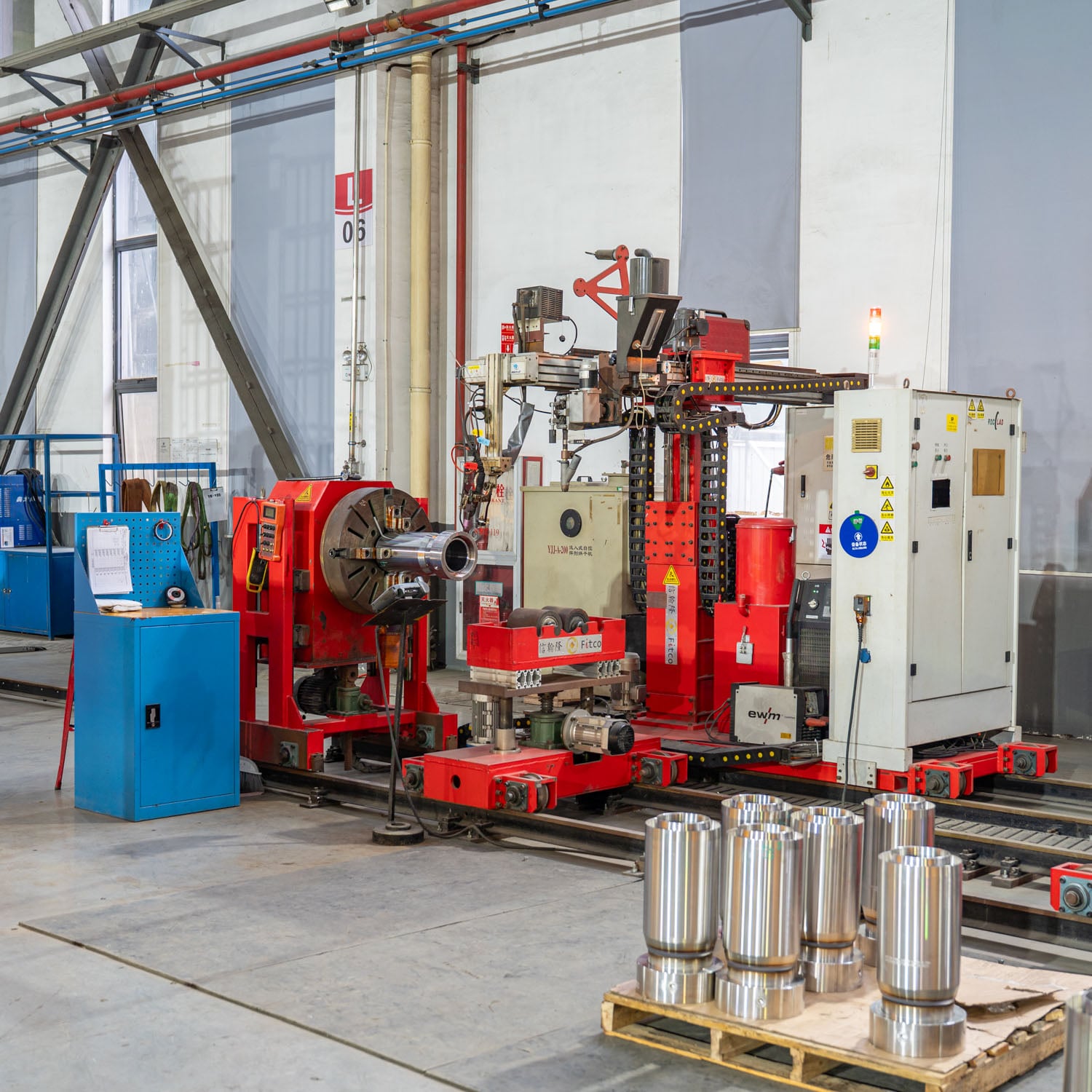
The seam welder has become an indispensable tool in modern HVAC and ducting manufacturing, fundamentally transforming how professionals fabricate reliable ductwork systems. As industries demand faster production cycles and higher quality standards, the seam welder delivers consistent, uniform welds that meet stringent regulatory requirements and performance specifications. Understanding the role of seam welder technology in HVAC applications helps facility managers, contractors, and manufacturers optimize their operations and achieve superior results in heating, ventilation, and air conditioning projects.
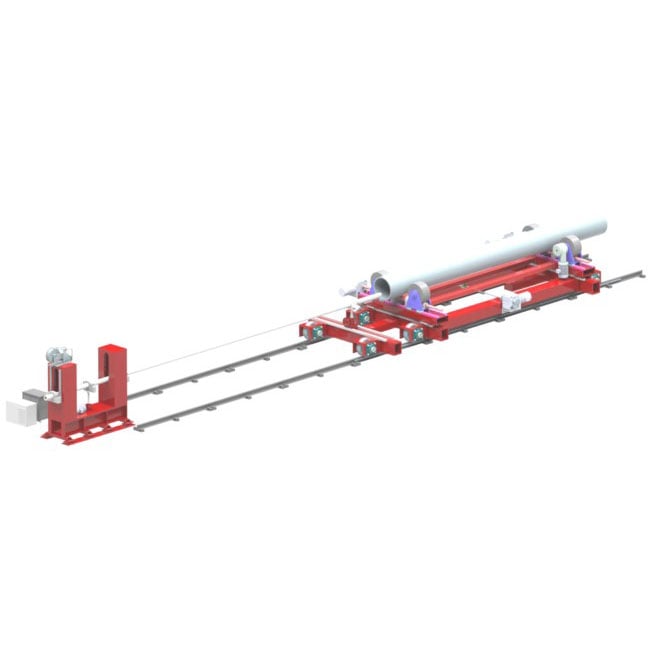
The seam welder represents a significant advancement in automation and precision within the ducting industry. Unlike manual welding methods, a seam welder provides repeatable, controlled weld penetration and appearance across every inch of ductwork, eliminating weak joints that could lead to air leaks, pressure loss, or structural failure. This technology directly addresses the industry's need for faster throughput, reduced labor costs, and compliance with industry standards such as SMACNA and ASHRAE specifications.
The Essential Role of Seam Welder Technology in Ductwork Fabrication
Precision and Consistency in Every Weld
A seam welder operates on principles of automated arc progression along the seam length, ensuring that weld bead geometry remains uniform from start to finish. This consistency is critical in HVAC ductwork, where any variation in weld quality can compromise air tightness and system performance. The seam welder eliminates human variables that traditional welders introduce, such as hand speed variations, inconsistent torch angles, or fatigue-related defects. When a seam welder completes a joint on rectangular or spiral ductwork, the weld profile remains constant, reducing rework, leak detection, and field rejection rates.
Meeting Industry Standards and Compliance
HVAC contractors and manufacturers must comply with SMACNA (Sheet Metal and Air Conditioning Contractors' National Association) standards and ASHRAE guidelines that specify weld quality, appearance, and penetration requirements. A seam welder inherently supports these compliance demands by producing welds that meet visual inspection criteria and pressure testing protocols. The seam welder technology ensures that every ductwork section can withstand pressure differentials and thermal cycling without failure, protecting building occupants and extending system lifespan. Adopting a seam welder strengthens a manufacturer's quality assurance program and reduces liability exposure from poor workmanship.
Applications of Seam Welder in HVAC Ductwork Manufacturing
Rectangular Duct Production and High-Volume Output
Rectangular ductwork remains the dominant format in commercial HVAC systems, and the seam welder excels at joining the lengthwise seams of sheet metal panels into finished ducts. A seam welder can process hundreds of linear feet per shift, dramatically outpacing manual welders while maintaining superior bead consistency. Large fabrication shops deploy multiple seam welder stations to create assembly-line efficiency, where workers position pre-formed duct sections while the seam welder performs automated longitudinal seams. This high-volume capability makes seam welder adoption especially valuable for manufacturers serving commercial construction, industrial facilities, and retrofitting projects that demand rapid turnaround.
Spiral and Round Duct Seam Welding
Although rectangular ducts dominate, spiral and round ducts serve specific applications in industrial exhaust systems, clean-room environments, and utility installations. The seam welder adapts to these geometries through rotational fixtures and programmed arc trajectories that follow the helical or longitudinal seams of curved ductwork. A seam welder on spiral duct applications ensures that the continuous spiral seam maintains structural integrity under vibration and pressure cycling. This versatility makes seam welder investment appealing to mid-size and large fabrication facilities that serve diverse HVAC market segments.
Flexible Duct Reinforcement and Specialty Applications
While traditional flexible ducts rely on stapled or crimped connections, some specialized HVAC applications require reinforced metal spiral wire wrapped in a seamless metal outer layer. The seam welder joins these outer metal spirals with precision that prevents unraveling, vibration failure, or contamination ingress. Additionally, a seam welder participates in fabricating complex fittings, transition pieces, and air handling unit enclosures where metal-to-metal joints demand high reliability and visual consistency. These specialty applications expand the seam welder's relevance across the broader HVAC ecosystem.
Operational Benefits and Business Impact of Seam Welder Deployment
Labor Efficiency and Workforce Optimization
Labor shortage and rising wages affect HVAC manufacturing profitability, making a seam welder attractive as a force multiplier for fabrication teams. A seam welder eliminates the need for multiple highly trained manual welders to achieve high-quality throughput, instead requiring operators who load materials and monitor process parameters. Manufacturers deploying a seam welder report 30 to 50 percent reductions in direct labor hours per duct foot compared to full manual welding. This efficiency gain allows shops to redirect skilled labor toward high-complexity custom work or quality inspection roles, improving workplace job satisfaction and reducing turnover.
Quality Assurance and Rework Reduction
Field failures, leak detection, and pressure test rejections cost HVAC manufacturers thousands of dollars annually. A seam welder dramatically reduces these costs by eliminating weld defects such as cold joints, incomplete penetration, and porosity that manual welders occasionally produce under time pressure. With consistent weld quality from the seam welder, manufacturers pass internal and external pressure testing on the first attempt, avoiding costly rework, customer callbacks, and warranty claims. The seam welder transforms quality from a compliance burden into a competitive advantage.
Production Scalability and Market Responsiveness
Commercial construction cycles create seasonal demand spikes for HVAC ductwork. A seam welder enables manufacturers to scale production quickly without proportionally increasing skilled labor hires, which is logistically challenging during peak seasons. When demand drops, the seam welder maintains consistent, economical production rates with reduced overtime pressure on manual welders. This scalability allows mid-market fabricators to compete with larger competitors on delivery speed and pricing, expanding market share and revenue stability.
FAQ
What makes a seam welder superior to manual welding for HVAC ductwork?
A seam welder delivers automated precision that eliminates hand-speed variation, torch angle inconsistency, and fatigue-related defects inherent in manual welding. The seam welder produces uniform bead profiles, ensures compliance with industry standards, and reduces rework rates by 60 to 80 percent. While skilled manual welders remain valuable for custom or repair work, the seam welder excels at high-volume production where consistency and speed directly impact profitability and customer satisfaction.
How does a seam welder improve compliance with SMACNA and ASHRAE standards?
A seam welder achieves consistent weld penetration, bead geometry, and appearance that align with visual inspection and pressure testing requirements specified in SMACNA guidelines and ASHRAE standards. The seam welder eliminates subjective judgment and ensures every joint meets minimum strength and air-tightness criteria. By standardizing weld quality across all ductwork sections, a seam welder reduces inspection variability and strengthens a manufacturer's documentation trail for regulatory compliance and liability protection.
What types of ductwork can be welded using seam welder technology?
A seam welder handles rectangular ducts, spiral ducts, round ducts, and specialized fittings with programmed torch trajectories and rotational fixtures. The seam welder adapts to various gauges, materials (galvanized, stainless, aluminum), and seam geometries through customizable setups and control software. Manufacturers can deploy a seam welder across diverse product lines, from standard commercial ductwork to custom industrial exhaust systems, maximizing return on investment and operational flexibility.