
 EN
EN
 AR
AR BG
BG HR
HR CS
CS DA
DA NL
NL FI
FI FR
FR DE
DE EL
EL HI
HI IT
IT JA
JA KO
KO NO
NO PL
PL PT
PT RO
RO RU
RU ES
ES SV
SV TL
TL IW
IW ID
ID LT
LT UK
UK SQ
SQ HU
HU TH
TH TR
TR FA
FA AF
AF CY
CY MK
MK LA
LA MN
MN KK
KK UZ
UZ KY
KY
Modern infrastructure development relies heavily on advanced welding technologies that ensure long-lasting, reliable connections in critical applications. The butt fusion welding machine has emerged as an indispensable tool in creating seamless joints for pipelines, structural components, and various industrial installations that form the backbone of contemporary infrastructure systems.
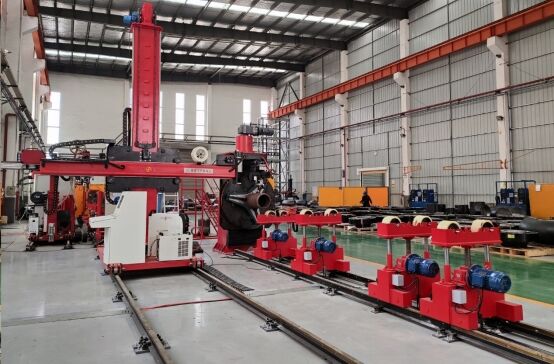
The strategic importance of butt fusion welding technology extends beyond simple joining processes, fundamentally transforming how engineers approach infrastructure projects. From municipal water distribution networks to industrial gas pipelines, the precision and reliability offered by modern butt fusion welding machine systems enable infrastructure developers to meet increasingly stringent safety standards while reducing long-term maintenance costs.
Foundation of Infrastructure Integrity Through Fusion Welding
Structural Reliability in Critical Applications
The butt fusion welding machine creates molecularly bonded joints that often exceed the strength of the base materials themselves. This characteristic makes it particularly valuable in infrastructure applications where joint failure could result in catastrophic consequences. Water treatment facilities, for instance, depend on these welded connections to maintain system integrity under varying pressure conditions and environmental stresses.
Infrastructure engineers increasingly specify butt fusion welding for projects requiring long-term durability without frequent maintenance interventions. The fusion process eliminates the weak points typically associated with mechanical connections, creating a continuous material structure that distributes stress more effectively across the entire system.
Modern butt fusion welding machine technology incorporates sophisticated temperature and pressure control systems that ensure consistent joint quality regardless of environmental conditions. This reliability factor has made fusion welding the preferred method for critical infrastructure components that must operate continuously for decades without failure.
Economic Impact on Infrastructure Development
The adoption of advanced butt fusion welding machine systems significantly reduces the total cost of infrastructure ownership through decreased maintenance requirements and extended service life. Initial investment in quality fusion welding equipment often pays for itself within the first few years of operation through reduced labor costs and elimination of recurring joint repairs.
Infrastructure projects utilizing butt fusion welding typically achieve faster completion times compared to traditional joining methods. The speed and precision of modern fusion welding machines allow construction teams to maintain aggressive project schedules while ensuring superior joint quality, directly impacting project profitability and timeline adherence.
Long-term economic benefits extend to operational phases where fusion-welded infrastructure systems demonstrate superior performance metrics. Reduced leakage rates in pipeline systems, lower failure frequencies in structural applications, and minimal maintenance interventions contribute to substantially lower lifecycle costs for infrastructure owners.
Technical Capabilities Enabling Modern Infrastructure
Precision Control Systems
Contemporary butt fusion welding machine designs incorporate advanced process control technologies that monitor and adjust welding parameters in real-time. These systems ensure optimal fusion conditions across varying material thicknesses and compositions, enabling infrastructure applications that were previously impractical with conventional welding methods.
The precision offered by modern fusion welding equipment allows engineers to specify tighter tolerances in infrastructure design, leading to more efficient material usage and improved structural performance. Automated parameter adjustment capabilities ensure consistent weld quality even when less experienced operators perform the welding operations.
Data logging capabilities integrated into advanced butt fusion welding machine systems provide documentation necessary for infrastructure certification and quality assurance programs. This traceability aspect has become increasingly important as infrastructure projects face more rigorous inspection and compliance requirements.
Material Compatibility and Versatility
The versatility of butt fusion welding technology enables its application across diverse infrastructure materials, from high-density polyethylene pipes to specialized composite materials used in modern construction. This broad compatibility allows infrastructure developers to standardize on fusion welding processes across multiple project phases and material types.
Modern butt fusion welding machine capabilities extend to exotic materials and specialized alloys increasingly specified for infrastructure applications requiring enhanced corrosion resistance or specific mechanical properties. The ability to reliably join these advanced materials expands design possibilities for infrastructure engineers facing challenging environmental conditions.
Temperature-sensitive materials commonly used in infrastructure applications benefit from the controlled heat input characteristics of fusion welding processes. The precise thermal management available with contemporary butt fusion welding machine systems prevents material degradation while achieving optimal joint properties.
Integration with Smart Infrastructure Systems
Digital Monitoring and Predictive Maintenance
The role of butt fusion welding machine technology extends into the digital transformation of infrastructure systems through integration with smart monitoring networks. Fusion-welded joints equipped with embedded sensors provide real-time performance data that enables predictive maintenance strategies and early detection of potential issues.
Infrastructure management systems increasingly rely on data from fusion-welded connections to optimize operational parameters and extend system life. The consistent joint properties achieved through precision fusion welding provide a reliable baseline for monitoring algorithms and predictive models used in smart infrastructure applications.
Remote monitoring capabilities integrated with modern infrastructure systems depend on the reliability of fusion-welded connections to maintain communication and power distribution to sensor networks. The long-term stability of these joints ensures continuous data collection necessary for effective infrastructure management.
Automation and Quality Assurance
Automated butt fusion welding machine systems contribute to infrastructure quality through reduced human variability in critical joining operations. Robotic welding systems programmed with optimized fusion parameters ensure consistent results across large infrastructure projects where manual welding would introduce quality variations.
Quality assurance protocols for modern infrastructure projects increasingly specify automated fusion welding to meet strict certification requirements. The repeatable nature of machine-controlled fusion processes provides the documentation and consistency necessary for infrastructure projects subject to regulatory oversight.
Integration of artificial intelligence and machine learning capabilities into advanced butt fusion welding machine systems enables continuous process optimization based on accumulated performance data. This evolution toward intelligent welding systems supports the development of increasingly sophisticated infrastructure networks.
Environmental and Sustainability Considerations
Resource Efficiency and Waste Reduction
The precision and reliability of butt fusion welding machine operations contribute significantly to sustainable infrastructure development through reduced material waste and elimination of consumable welding materials. Fusion welding processes typically achieve higher material utilization rates compared to traditional joining methods that require additional filler materials or fasteners.
Environmental impact assessment for infrastructure projects increasingly favors fusion welding technology due to its minimal consumable requirements and reduced maintenance interventions over the system lifecycle. The longevity of fusion-welded joints reduces the frequency of repair operations that would otherwise generate additional environmental disruption.
Energy efficiency improvements in modern butt fusion welding machine designs support sustainability goals for infrastructure development projects. Advanced heating systems and optimized thermal management reduce energy consumption while maintaining superior welding performance, contributing to reduced carbon footprints for infrastructure construction activities.
Lifecycle Performance and Durability
The extended service life achieved through proper butt fusion welding machine application directly supports sustainable infrastructure development by reducing replacement frequency and associated resource consumption. Infrastructure systems with fusion-welded components typically operate efficiently for decades beyond the service life of systems using conventional joining methods.
Corrosion resistance characteristics of fusion-welded joints eliminate the need for protective coatings and treatments that would otherwise require periodic renewal throughout the infrastructure lifecycle. This reduction in maintenance chemicals and surface treatments contributes to improved environmental performance of infrastructure systems.
The ability of fusion-welded infrastructure to maintain performance under varying environmental conditions reduces the need for oversizing and redundant systems. This efficiency enables more sustainable resource utilization while maintaining required performance standards for critical infrastructure applications.
Future Infrastructure Applications and Development
Emerging Technology Integration
The evolving role of butt fusion welding machine technology includes integration with emerging infrastructure technologies such as renewable energy distribution systems and electric vehicle charging networks. The reliability and precision of fusion welding prove essential for these applications where electrical and mechanical performance requirements continue to increase.
Advanced materials being developed for next-generation infrastructure applications often require the precise thermal control and contamination-free environment provided by modern fusion welding processes. The adaptability of butt fusion welding machine systems positions them as enabling technology for infrastructure innovations currently under development.
Integration opportunities with additive manufacturing and modular construction techniques expand the potential applications for fusion welding in infrastructure development. The ability to create strong, reliable joints between prefabricated components supports more efficient construction methodologies while maintaining structural integrity requirements.
Regulatory and Standards Evolution
Infrastructure development standards continue evolving toward more stringent performance requirements that favor the precision and reliability of butt fusion welding machine applications. New regulations increasingly specify fusion welding for critical applications where joint failure could impact public safety or environmental protection.
International harmonization of infrastructure standards creates opportunities for standardized fusion welding specifications across global infrastructure projects. The consistency and documentation capabilities of modern butt fusion welding machine systems support compliance with evolving international standards and certification requirements.
Climate resilience requirements for infrastructure systems increasingly specify welding technologies capable of maintaining performance under extreme environmental conditions. The thermal cycling resistance and joint stability achieved through proper fusion welding make it the preferred choice for infrastructure designed to withstand climate change impacts.
FAQ
What makes butt fusion welding essential for modern infrastructure projects?
Butt fusion welding creates molecularly bonded joints that often exceed the strength of base materials, making them crucial for infrastructure requiring long-term reliability without frequent maintenance. The process eliminates weak points associated with mechanical connections while providing consistent quality through automated control systems, which is essential for meeting modern infrastructure safety and durability standards.
How does butt fusion welding technology impact infrastructure project costs?
While initial investment in quality butt fusion welding machine systems may be higher, the technology significantly reduces total infrastructure ownership costs through decreased maintenance requirements, faster installation times, and extended service life. Projects typically see return on investment within the first few years through reduced labor costs and elimination of recurring joint repairs.
Can butt fusion welding handle the diverse materials used in modern infrastructure?
Modern butt fusion welding machine systems demonstrate excellent versatility across infrastructure materials, from standard polyethylene pipes to specialized composites and exotic alloys. Advanced temperature control and automated parameter adjustment enable reliable joining of diverse materials while maintaining optimal joint properties, supporting the material diversity required in contemporary infrastructure applications.
How does fusion welding contribute to sustainable infrastructure development?
Butt fusion welding machine technology supports sustainability through reduced material waste, elimination of consumable welding materials, and extended infrastructure service life that reduces replacement frequency. The precision and reliability of fusion welding also minimize maintenance interventions over the system lifecycle, reducing environmental disruption and resource consumption associated with infrastructure operation and maintenance activities.
Table of Contents
- Foundation of Infrastructure Integrity Through Fusion Welding
- Technical Capabilities Enabling Modern Infrastructure
- Integration with Smart Infrastructure Systems
- Environmental and Sustainability Considerations
- Future Infrastructure Applications and Development
-
FAQ
- What makes butt fusion welding essential for modern infrastructure projects?
- How does butt fusion welding technology impact infrastructure project costs?
- Can butt fusion welding handle the diverse materials used in modern infrastructure?
- How does fusion welding contribute to sustainable infrastructure development?