
 EN
EN
 AR
AR BG
BG HR
HR CS
CS DA
DA NL
NL FI
FI FR
FR DE
DE EL
EL HI
HI IT
IT JA
JA KO
KO NO
NO PL
PL PT
PT RO
RO RU
RU ES
ES SV
SV TL
TL IW
IW ID
ID LT
LT UK
UK SQ
SQ HU
HU TH
TH TR
TR FA
FA AF
AF CY
CY MK
MK LA
LA MN
MN KK
KK UZ
UZ KY
KY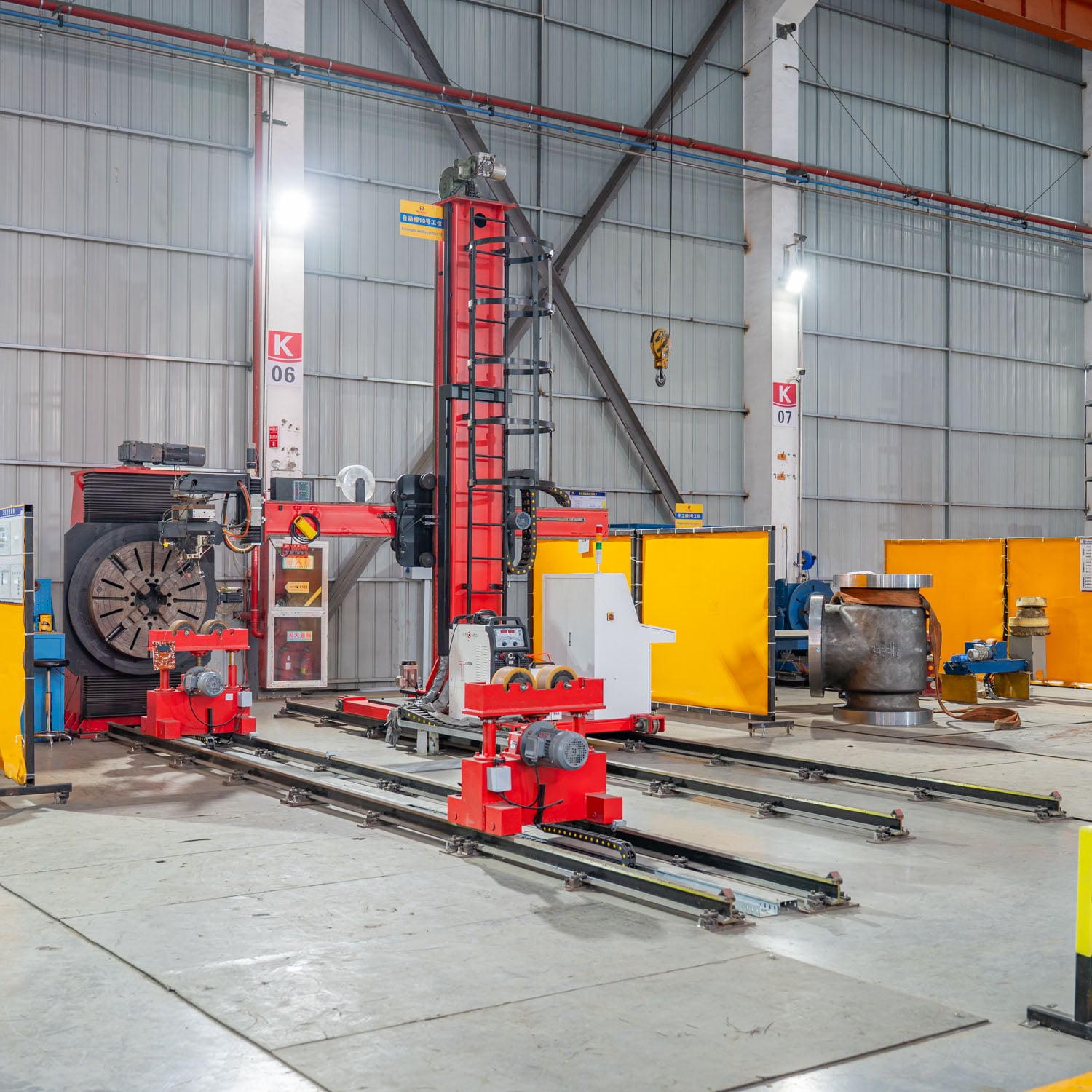
Overlay cladding has become an essential strategy for industries seeking to maximize the operational lifespan of critical industrial parts. This proven technique involves depositing a protective layer of material onto the surface of existing components, creating a barrier against corrosion, wear, and thermal stress. By implementing overlay cladding correctly, manufacturers can dramatically reduce replacement costs, minimize downtime, and improve overall equipment reliability in demanding industrial environments.
The effectiveness of overlay cladding lies in its ability to combine the structural integrity of a base material with the superior surface properties of a specialized cladding material. When properly executed, overlay cladding extends service life while preserving the mechanical characteristics of the original component. Understanding the core techniques, material selection criteria, and application methods is crucial for engineers and procurement specialists tasked with optimizing equipment performance and controlling lifecycle costs.
Core Overlay Cladding Techniques and Methods
Tungsten Inert Gas Welding for Overlay Cladding
Tungsten inert gas welding stands as one of the most precise and widely adopted overlay cladding techniques in industrial applications. This method uses a non-consumable tungsten electrode and an inert gas shield to deposit cladding material with exceptional control over thickness, composition, and microstructure. The precision inherent in overlay cladding via TIG welding makes it ideal for critical components where uniformity and bond strength are non-negotiable, such as oil and gas pipelines, hydraulic cylinders, and aerospace engine parts.
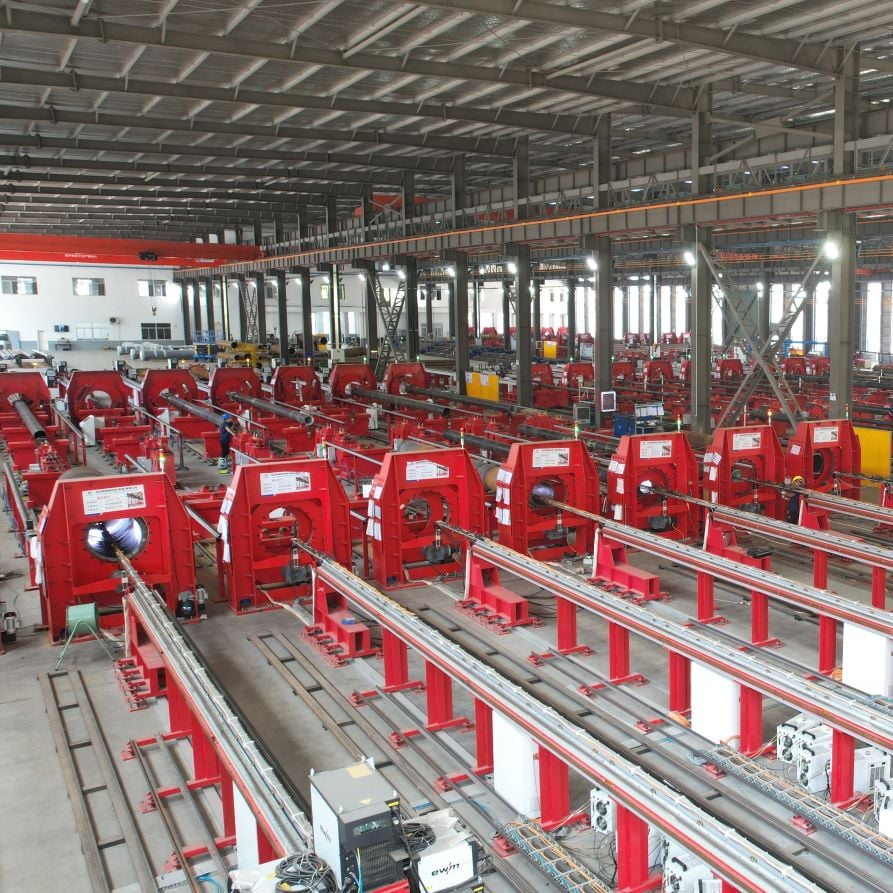
TIG-based overlay cladding delivers several technical advantages that justify its widespread adoption. The process generates minimal heat distortion, reduces dilution between the base and cladding material, and allows operators to achieve consistent layer thickness across complex geometries. For pipes and cylindrical parts, TIG overlay cladding can be performed with automated positioning equipment that rotates the component, ensuring uniform coverage and reproducible quality across the entire surface.
Multi-Layer Deposition Strategies
Effective overlay cladding often requires multiple passes rather than a single application. Multi-layer overlay cladding allows engineers to build up protective thickness gradually, managing heat input and metallurgical properties at each stage. The first layer, known as the bond coat in overlay cladding applications, creates a metallurgical bond with the base material. Subsequent overlay cladding layers are then deposited on top, each selected for specific properties such as corrosion resistance, wear hardness, or thermal fatigue protection.
The sequence and material composition of each overlay cladding layer are carefully engineered to prevent cracking, ensure proper fusion, and optimize the final material properties. For instance, in marine applications, overlay cladding may involve a nickel-based bond layer followed by stainless steel capping layers to combat both corrosion and mechanical wear. This layered approach to overlay cladding provides flexibility in tailoring surface properties to match specific service conditions.
Material Selection and Design Considerations
Choosing the Right Cladding Material for Overlay Applications
Material selection is the foundation of successful overlay cladding performance. The cladding material must be compatible with the base substrate, possess superior corrosion or wear resistance compared to the base material, and maintain metallurgical integrity during and after overlay cladding deposition. Common overlay cladding materials include austenitic stainless steels for general corrosion protection, nickel-based alloys for extreme temperature environments, and cobalt-based materials for severe abrasion resistance.
Each overlay cladding material choice carries distinct implications for process parameters, cost, and final performance. Austenitic materials offer good weldability and cost-effectiveness for overlay cladding of pipes and vessels. Nickel-based overlay cladding provides superior high-temperature and corrosion resistance, making it essential in petrochemical refineries. Overlay cladding specialists must evaluate the specific service environment—chemical exposure, temperature range, mechanical loading, and erosion potential—before selecting materials to ensure the overlay cladding investment delivers measurable value.
Thickness and Coverage Planning
Determining optimal overlay cladding thickness requires balancing protection requirements against cost and processing time. Overlay cladding thickness typically ranges from 1.5 millimeters to 5 millimeters, depending on the severity of the service environment and the expected lifespan extension target. Thicker overlay cladding provides more material to absorb corrosion or wear but increases processing costs and introduces greater thermal stress to the base component.
Comprehensive coverage planning ensures that overlay cladding protects all vulnerable surfaces without creating thermal or mechanical stress concentrations. High-risk zones, such as internal pipe surfaces exposed to corrosive fluids or external surfaces subject to erosion, demand full overlay cladding coverage. Lower-stress regions may receive partial overlay cladding to reduce costs while maintaining reliability. Proper planning of overlay cladding coverage geometry prevents premature failure at unprotected boundaries.
Performance Benefits and Industrial Applications
Extending Service Life Through Overlay Cladding
The primary objective of overlay cladding is to extend service life by protecting the base material from environmental degradation. In oil and gas applications, subsea pipeline overlay cladding can extend component life by ten to twenty years or more by preventing corrosion-induced wall thinning. Overlay cladding in refinery equipment protects against chemical attack, high-temperature creep, and mechanical wear, allowing plants to operate longer between costly replacements.
Quantifiable benefits of overlay cladding extend beyond mere lifespan extension. By restoring worn or corroded components through overlay cladding rather than replacement, operators reduce capital expenditure, avoid production interruptions, and maintain equipment continuity. Overlay cladding of critical rotating equipment, such as compressor shafts or pump impellers, restores dimensional accuracy and dynamic balance, recovering performance characteristics to near-new condition.
Cost-Effectiveness and Return on Investment
Overlay cladding represents a cost-effective alternative to full component replacement in many scenarios. The total cost of overlay cladding—materials, labor, and equipment downtime—is typically 30 to 60 percent of the cost to purchase and install a new component. For mission-critical equipment operating in hazardous or remote locations, the logistical advantages of overlay cladding are equally valuable. Scheduling overlay cladding during planned maintenance windows avoids emergency replacements and the associated production losses.
Return on investment from overlay cladding accelerates when components operate in severe service environments where premature failure is otherwise inevitable. Overlay cladding applied proactively to new equipment before first use can extend initial service life expectations by 50 percent or more. This preventive approach to overlay cladding reduces unplanned shutdowns, improves safety records, and delivers measurable financial returns across multiple equipment lifecycles.
Best Practices for Successful Overlay Cladding Implementation
Surface Preparation and Quality Control
Success in overlay cladding begins with meticulous surface preparation. The base material must be cleaned to remove oils, oxides, and contaminants that would compromise bond strength in overlay cladding operations. Grit blasting, wire brushing, and chemical cleaning are standard pre-overlay cladding steps that ensure proper metallurgical fusion between the base and cladding materials. Without adequate surface preparation, even correctly executed overlay cladding will fail prematurely.
Quality control throughout overlay cladding application is equally critical. Non-destructive testing methods, such as radiography, ultrasonic examination, and dye penetrant testing, verify that overlay cladding thickness, composition, and bond quality meet specifications. Hardness testing and microstructural examination confirm that overlay cladding has achieved the intended material properties. Comprehensive quality documentation provides traceability and confidence that the overlay cladding meets regulatory and operational requirements.
Process Control and Operator Expertise
Overlay cladding process parameters must be precisely controlled to achieve consistent results. Heat input, travel speed, wire feed rate, and shielding gas composition all influence the quality and properties of overlay cladding deposits. Automated equipment, such as TIG welding positioners, improves overlay cladding consistency by removing variability associated with manual positioning and torch angle control. Operators performing overlay cladding must be trained and certified to understand how parameter adjustments affect deposit characteristics and final service performance.
Continuous monitoring of overlay cladding parameters during application prevents defects and ensures compliance with engineering specifications. Data logging systems record temperature profiles, arc characteristics, and travel parameters throughout overlay cladding operations, creating evidence of process control. This documentation supports quality assurance, facilitates root cause analysis if issues arise, and demonstrates adherence to industry standards and customer requirements for overlay cladding work.
FAQ
What is the typical lifespan extension achieved through overlay cladding?
The lifespan extension from overlay cladding varies based on the base material condition, cladding material selection, service environment severity, and thickness applied. In corrosion-dominated applications, overlay cladding commonly extends service life by 10 to 20 years. In wear-intensive applications, overlay cladding can restore components to near-original functionality. The key factor is matching the overlay cladding material and thickness to the specific degradation mechanism occurring in your operating environment.
Can overlay cladding be applied to components already in service?
Yes, overlay cladding is frequently applied to equipment already in operation, either during scheduled maintenance shutdowns or as an emergency repair to failing components. The component is removed from service, cleaned, inspected, and then overlay cladding is applied using established procedures. This capability makes overlay cladding a valuable strategy for extending the life of aging equipment without requiring replacement, thereby preserving capital and avoiding supply chain delays.
Which industries benefit most from overlay cladding solutions?
Oil and gas production and refining are the largest sectors using overlay cladding for pipeline protection, pressure vessel reinforcement, and equipment restoration. Marine and offshore industries employ overlay cladding extensively to combat saltwater corrosion. Chemical processing, power generation, and water treatment plants also rely on overlay cladding to protect equipment against process fluid attack. Any industry operating equipment in severe corrosive or erosive environments stands to gain substantial benefits from overlay cladding technology.