
 EN
EN
 AR
AR BG
BG HR
HR CS
CS DA
DA NL
NL FI
FI FR
FR DE
DE EL
EL HI
HI IT
IT JA
JA KO
KO NO
NO PL
PL PT
PT RO
RO RU
RU ES
ES SV
SV TL
TL IW
IW ID
ID LT
LT UK
UK SQ
SQ HU
HU TH
TH TR
TR FA
FA AF
AF CY
CY MK
MK LA
LA MN
MN KK
KK UZ
UZ KY
KY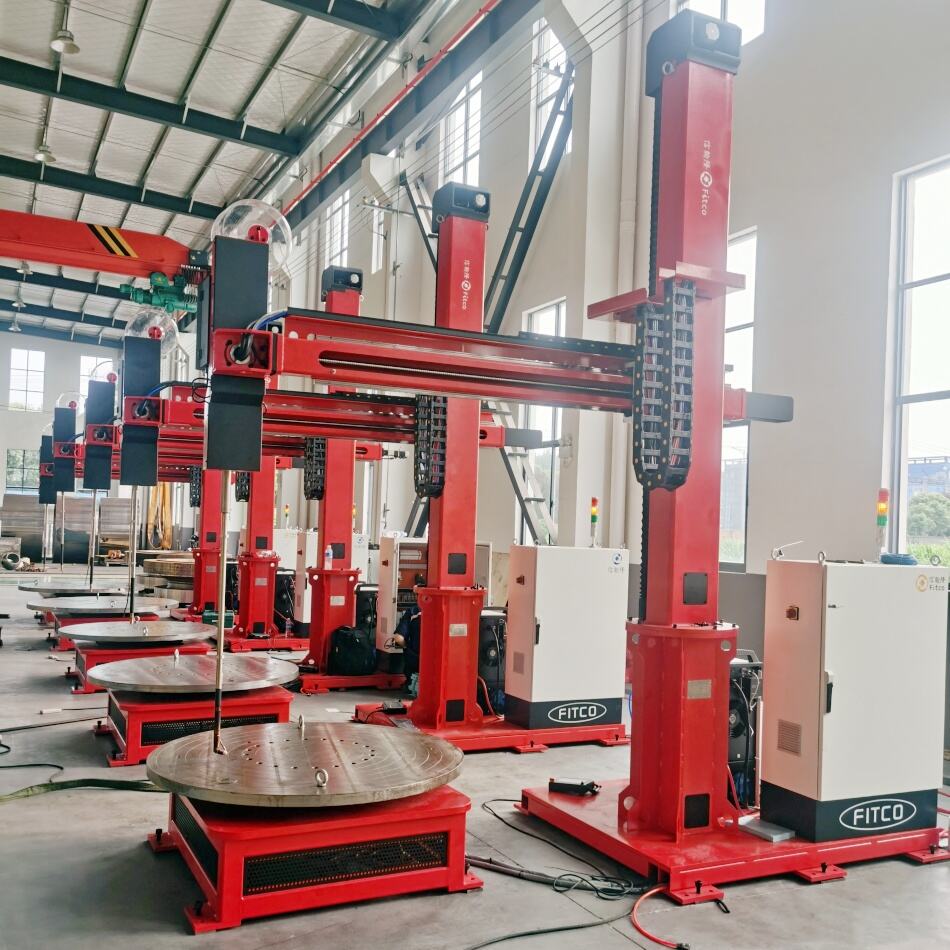
Plasma arc welding represents a sophisticated fusion process that delivers exceptional precision and control in joining metallic components across critical industrial applications. This advanced welding technology harnesses the extreme temperatures of ionized gas to create highly concentrated, stable arcs capable of producing narrow, deep welds with minimal heat-affected zones. As manufacturing demands continue to escalate for higher quality joints in aerospace, automotive, and precision engineering sectors, plasma arc welding has emerged as a preferred solution where conventional methods fall short. Understanding the fundamental principles, operational characteristics, and strategic advantages of this high-energy process is essential for engineers, fabricators, and technical decision-makers seeking to optimize their welding operations and achieve superior metallurgical outcomes.
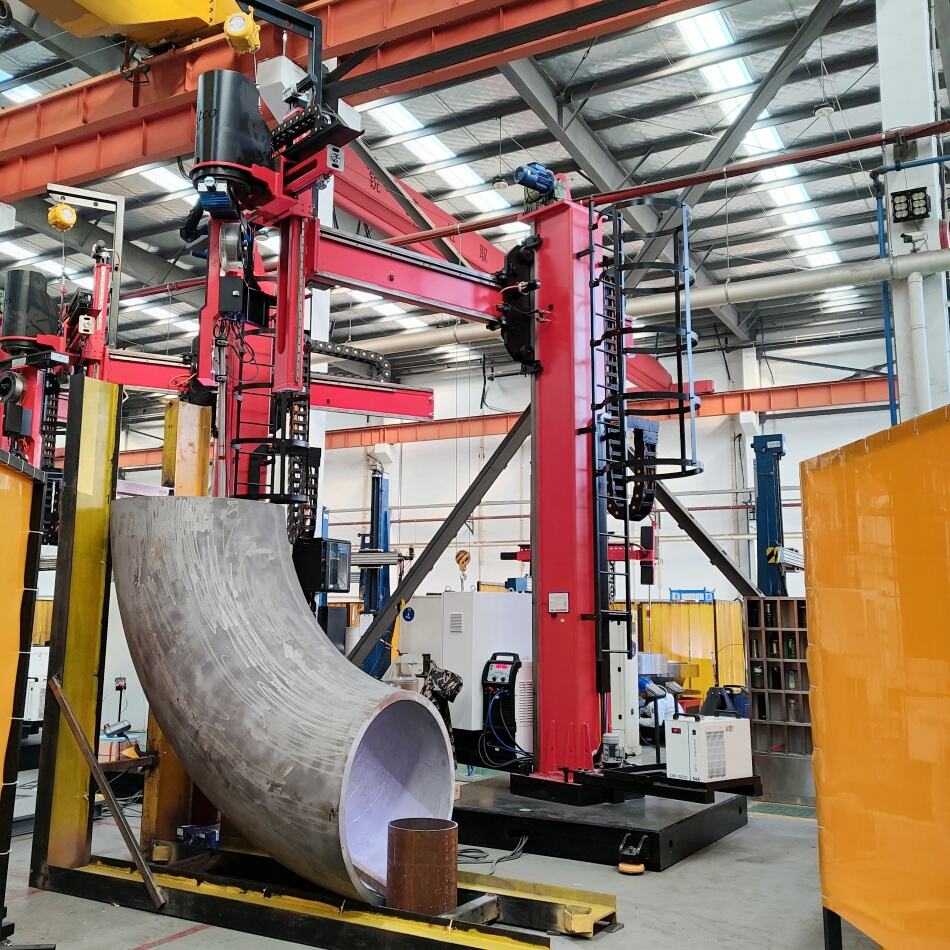
The evolution from traditional arc welding techniques to plasma arc welding marks a significant technological advancement in fusion joining processes. By constricting the arc column through a precision-engineered nozzle and introducing a plasma gas flow, this method achieves temperatures exceeding 28,000 degrees Fahrenheit while maintaining exceptional directional control. The result is a welding process that combines the metallurgical benefits of tungsten inert gas welding with dramatically enhanced penetration capabilities, faster travel speeds, and reduced distortion in thin-section materials. This introduction explores the core mechanisms that distinguish plasma arc welding from conventional processes, examines its operational modes, and identifies the specific industrial contexts where its high-energy precision delivers measurable competitive advantages.
Fundamental Principles Behind Plasma Arc Welding Technology
The Physics of Plasma Generation and Arc Constriction
At the heart of plasma arc welding lies the creation of a highly ionized gas column that serves as the primary heat transfer medium. Unlike conventional arc welding where the arc spreads freely between electrode and workpiece, plasma arc welding employs a water-cooled copper nozzle that constricts the arc plasma, dramatically increasing its energy density and temperature. This constriction effect forces the ionized gas through a precisely dimensioned orifice, accelerating the plasma stream to velocities that can exceed 20,000 feet per minute. The resulting plasma jet maintains a remarkably stable, focused configuration that delivers consistent energy input even at extended arc lengths, a characteristic that fundamentally distinguishes this process from traditional welding methods.
The arc constriction mechanism in plasma arc welding creates two distinct operational zones that contribute to the process's unique capabilities. The primary arc forms between the tungsten electrode and the constricting nozzle, establishing the initial ionization that generates the plasma. A secondary arc then transfers from the electrode through the plasma column to the workpiece, delivering the fusion energy required for joining. This dual-arc configuration provides remarkable operational flexibility, allowing the process to function in either transferred arc mode for conductive materials or non-transferred mode for applications involving non-conductive substrates or thermal spraying operations. The precise control over these arc characteristics enables operators to fine-tune heat input with exceptional accuracy.
Gas Flow Dynamics and Thermal Management
The gas system architecture in plasma arc welding involves carefully orchestrated flows that serve multiple critical functions beyond simple arc shielding. The plasma gas, typically argon or argon-hydrogen mixtures, flows through the constricting nozzle to form the ionized plasma column that carries the welding current. Simultaneously, a secondary shielding gas, often pure argon or argon-helium blends, flows through an outer nozzle to protect the molten weld pool and heated base material from atmospheric contamination. This dual-gas configuration allows independent optimization of plasma characteristics and weld pool protection, providing operational versatility unavailable in single-gas welding processes. The interaction between these gas flows significantly influences arc stability, penetration depth, and overall weld quality.
Thermal management in plasma arc welding equipment requires sophisticated cooling systems to maintain dimensional stability of the torch components under extreme operating conditions. The constricting nozzle experiences intense thermal loads from the confined plasma column, necessitating continuous water circulation to prevent overheating and maintain the precise orifice geometry essential for consistent arc performance. Modern plasma arc welding systems incorporate advanced cooling circuits with flow monitoring and temperature sensing to ensure reliable operation during extended welding cycles. This thermal control extends equipment service life and maintains the tight tolerances required for producing repeatable, high-quality welds across production runs. Proper thermal management directly impacts both process reliability and economic viability in industrial applications.
Electrode Configuration and Material Selection
The electrode assembly in plasma arc welding systems utilizes tungsten or tungsten alloys similar to those employed in gas tungsten arc welding, but with critical design differences that accommodate the unique thermal environment created by plasma constriction. The electrode typically features a sharper tip geometry to concentrate current density and facilitate stable arc initiation within the confined nozzle space. Thoriated tungsten electrodes, while historically common, have largely been replaced by ceriated, lanthanated, or pure tungsten alternatives due to health and environmental considerations. The electrode must maintain dimensional stability under the elevated current densities characteristic of plasma arc welding while resisting erosion from the high-velocity plasma stream that flows past its surface during operation.
Electrode positioning relative to the constricting nozzle represents a critical adjustment parameter that directly influences plasma arc welding performance characteristics. The electrode setback distance, measured from the electrode tip to the nozzle exit plane, governs plasma jet characteristics including temperature distribution, arc stiffness, and penetration depth. Shorter setback distances produce stiffer, more concentrated plasma jets suitable for keyhole welding in thicker sections, while longer setbacks generate broader plasma columns appropriate for melt-in welding of thinner materials. This geometric relationship between electrode and nozzle creates a highly adjustable process window that skilled operators leverage to optimize welding parameters for specific joint configurations and material thicknesses. Understanding these relationships is fundamental to achieving consistent results across diverse applications.
Operational Modes and Process Variations
Keyhole Versus Melt-In Welding Techniques
Plasma arc welding operates in two fundamentally different modes that address distinct thickness ranges and joint design requirements. Keyhole mode, also called penetration mode, employs high plasma gas flow rates and elevated current levels to create a small hole through the material thickness that is maintained by the plasma jet force. As the torch advances, molten metal flows around the keyhole and solidifies behind it, producing a full-penetration weld in a single pass on materials up to one-quarter inch thick without requiring edge preparation or filler metal addition. This technique offers exceptional productivity advantages in moderate-thickness applications where conventional processes would require multiple passes or elaborate joint preparation. The keyhole must remain stable throughout the welding operation to ensure complete fusion and avoid defects.
Melt-in mode plasma arc welding functions similarly to conventional gas tungsten arc welding but with the enhanced arc stability and directional control provided by plasma constriction. This operational mode proves ideal for joining thin-gauge materials ranging from 0.015 to 0.125 inches thick, where the concentrated heat input and stable arc characteristics minimize distortion while producing consistent, high-quality fusion. Melt-in plasma arc welding utilizes lower plasma gas flow rates and reduced current levels compared to keyhole mode, creating a more conventional weld pool without through-thickness penetration. The enhanced arc stiffness and reduced sensitivity to arc length variations make this mode particularly valuable for mechanized applications requiring extended torch-to-work distances or welding over irregular surface contours that would challenge conventional arc welding processes.
Transferred and Non-Transferred Arc Configurations
The transferred arc configuration represents the standard operating mode for plasma arc welding of electrically conductive materials, where the arc transfers from the electrode through the plasma column to the grounded workpiece. This arrangement delivers the maximum energy density and heating efficiency required for fusion welding applications, as the entire arc energy concentrates on the joint area. Transferred arc plasma arc welding produces the characteristic deep, narrow fusion zones that define the process's signature penetration profile. The workpiece acts as the anode in this circuit, completing the electrical path and enabling precise control over heat input through adjustment of welding current, travel speed, and plasma gas parameters. This mode dominates production welding applications across aerospace, automotive, and pressure vessel fabrication sectors.
Non-transferred arc mode confines the arc entirely between the electrode and the constricting nozzle, with the plasma jet emerging as a high-temperature gas stream without requiring workpiece electrical conductivity. While less commonly employed for traditional fusion welding, this configuration finds specialized applications in thermal cutting, surface treatment, and coating processes where substrate conductivity may be absent or variable. The non-transferred plasma jet delivers lower energy density compared to transferred arc operation but offers operational flexibility for non-metallic materials and complex geometries. Some advanced plasma arc welding systems incorporate switching capability between transferred and non-transferred modes, expanding process versatility to address diverse manufacturing requirements within a single equipment platform. Understanding the appropriate application context for each arc configuration optimizes process selection and equipment utilization.
Pulsed Current and Variable Polarity Operations
Modern plasma arc welding power sources incorporate sophisticated current control capabilities including pulsed output and variable polarity functions that extend process versatility beyond constant current direct current operation. Pulsed plasma arc welding alternates between high peak current levels that promote penetration and lower background current levels that maintain arc stability while allowing the weld pool to solidify partially between pulses. This thermal cycling reduces overall heat input, minimizes distortion in thin sections, and enables positional welding in orientations where molten metal control presents challenges. The pulse frequency, peak current, background current, and duty cycle become additional process variables that skilled operators manipulate to optimize metallurgical outcomes for specific material systems and joint configurations.
Variable polarity plasma arc welding employs alternating current or square-wave output to provide oxide cleaning action when joining reactive metals like aluminum and magnesium alloys. During the electrode-negative portion of the cycle, electron bombardment of the workpiece surface disrupts tenacious oxide films that would otherwise prevent proper fusion. The electrode-positive portion contributes fusion energy while the plasma constriction maintains arc stability despite the polarity reversal. This capability allows plasma arc welding to address material systems that traditionally required specialized cleaning procedures or alternative welding processes. The balance between electrode-negative and electrode-positive time controls oxide cleaning intensity versus heat input, providing another dimension of process control. These advanced current modulation techniques demonstrate the technological sophistication that distinguishes contemporary plasma arc welding from conventional arc processes.
Material Compatibility and Metallurgical Considerations
Ferrous Alloys and Stainless Steel Applications
Plasma arc welding demonstrates exceptional performance across the full spectrum of ferrous materials, from low-carbon steels through high-alloy stainless grades and specialty nickel-based superalloys. The concentrated heat input and rapid solidification rates characteristic of plasma arc welding produce fine-grained fusion zones with minimal grain growth in the heat-affected zone, resulting in mechanical properties that often equal or exceed those of the base material. Stainless steel fabrication particularly benefits from the reduced heat input compared to conventional processes, as lower thermal cycles minimize carbide precipitation, reduce distortion, and preserve corrosion resistance in sensitive alloy systems. The narrow fusion zone and steep thermal gradients enable precision joining of thin-walled stainless components in pharmaceutical, food processing, and semiconductor equipment where cleanliness and corrosion resistance are paramount.
The metallurgical advantages of plasma arc welding become especially apparent when joining dissimilar ferrous alloys or transitioning between significantly different section thicknesses. The precise control over heat input distribution allows operators to direct energy preferentially toward the heavier section or higher-melting-point material, promoting balanced fusion and reducing the risk of incomplete penetration or lack-of-fusion defects. Duplex stainless steels, which require careful thermal management to maintain optimal austenite-ferrite balance, respond favorably to the rapid heating and cooling cycles inherent in plasma arc welding. The process minimizes residence time in temperature ranges where detrimental phase transformations occur, preserving the corrosion resistance and mechanical properties that justify specification of these premium alloy systems. This metallurgical control translates directly to improved service performance in demanding corrosive environments.
Non-Ferrous Metals and Reactive Alloys
Aluminum and magnesium alloys present unique challenges due to their high thermal conductivity, low melting points, and tenacious surface oxides, yet plasma arc welding addresses these difficulties through its combination of concentrated heat input and effective arc constriction. The stable plasma column maintains consistent energy delivery even through the thermal fluctuations that occur as the arc interacts with aluminum's high reflectivity and rapid heat dissipation. Variable polarity operation provides the oxide cleaning action necessary for sound fusion while the narrow heat-affected zone minimizes strength loss in precipitation-hardened alloys. Aerospace structural fabrication increasingly relies on plasma arc welding for joining thin-gauge aluminum components where dimensional precision and mechanical property retention justify the process investment compared to conventional gas tungsten arc welding.
Titanium and its alloys, widely specified in aerospace, medical implant, and chemical processing applications, benefit substantially from the inert atmosphere control and reduced contamination risk inherent in plasma arc welding systems. The dual shielding gas arrangement provides robust protection against oxygen and nitrogen pickup during the critical high-temperature phase of the welding thermal cycle, preserving ductility and corrosion resistance in the completed joint. The concentrated arc and reduced weld pool size limit atmospheric exposure time while the rapid solidification minimizes grain coarsening that could compromise mechanical properties. Plasma arc welding has become the preferred process for joining titanium tubing and thin-section components in aerospace hydraulic systems and airframe structures where weight reduction and reliability are equally critical design drivers. The metallurgical benefits directly support certification requirements in these safety-critical applications.
Heat Input Control and Distortion Management
The fundamental advantage of plasma arc welding in managing heat input stems from its ability to deliver high energy density within a precisely controlled spatial distribution. The constricted arc concentrates thermal energy into a smaller area compared to conventional processes operating at equivalent current levels, enabling faster travel speeds that reduce total heat input per unit length of weld. This thermal efficiency proves particularly valuable when joining thin-section materials or thermally sensitive assemblies where excessive heat input causes unacceptable distortion, metallurgical degradation, or dimensional instability. The steep thermal gradients characteristic of plasma arc welding confine the heat-affected zone to a narrow band adjacent to the fusion boundary, preserving base material properties and mechanical performance across a broader proportion of the component cross-section.
Distortion control in precision fabrication represents a critical economic consideration, as excessive warpage necessitates costly post-weld straightening operations or results in scrap when dimensional tolerances cannot be recovered. Plasma arc welding minimizes distortion through multiple complementary mechanisms including reduced total heat input, balanced thermal distribution, and rapid solidification that limits the time available for thermally induced movement. The process enables welding sequences that progressively build balanced thermal fields, avoiding the accumulation of residual stresses that drive distortion. In automated applications, plasma arc welding's stability at extended arc lengths permits fixture designs that provide rigid constraint during the welding thermal cycle, mechanically resisting distortion forces. These capabilities make plasma arc welding the process of choice for components requiring tight dimensional control such as aerospace bellows, precision instrument housings, and thin-walled pressure vessels where post-weld correction is impractical or impossible.
Equipment Systems and Operational Requirements
Power Source Specifications and Control Capabilities
Contemporary plasma arc welding power sources represent sophisticated electronic systems that provide precise current regulation, advanced output waveform control, and integrated sequencing capabilities essential for consistent, repeatable welding performance. Modern inverter-based designs deliver high-frequency, high-efficiency power conversion with exceptional dynamic response characteristics that maintain stable arc conditions through rapid changes in arc length or workpiece position. Output current capacity typically ranges from 5 to 500 amperes depending on application requirements, with advanced models offering resolution of 0.1 ampere for ultra-precision welding of miniature components. The power source must coordinate multiple functions including pilot arc ignition, main arc transfer, plasma gas solenoid activation, and shielding gas flow control through programmable logic that executes complex start-up and shut-down sequences reliably across thousands of operational cycles.
Digital control interfaces on advanced plasma arc welding systems enable operators to store complete welding procedures as numbered programs that recall all relevant parameters with a single selection, ensuring consistency across production batches and facilitating rapid changeovers between different product configurations. Real-time arc monitoring capabilities track voltage and current characteristics, detecting anomalies that may indicate consumable wear, contamination, or impending defects. These systems generate data logs that support statistical process control initiatives and quality management system requirements common in aerospace and medical device manufacturing environments. The integration of power source intelligence with robotic motion controllers or mechanized travel systems creates comprehensive welding cells capable of executing complex joint geometries with minimal operator intervention, leveraging the inherent stability and repeatability advantages of plasma arc welding to achieve production efficiencies unattainable with manual processes.
Torch Design and Consumable Component Management
The plasma arc welding torch assembly represents a precision-engineered system incorporating water cooling passages, gas distribution channels, electrical connections, and the critical electrode-nozzle geometry that defines plasma characteristics. Manual torch designs prioritize ergonomics and operator comfort for extended welding periods, while machine torches emphasize thermal capacity and dimensional stability for automated high-duty-cycle applications. The consumable components, primarily the tungsten electrode and copper constricting nozzle, require periodic replacement as erosion gradually degrades performance. Nozzle orifice enlargement from arc erosion reduces plasma constriction, diminishing penetration capability and arc stability. Systematic consumable management programs track component service life and implement replacement schedules that prevent quality degradation, an essential practice in production environments where consistency drives profitability.
Advanced plasma arc welding torch configurations incorporate quick-change consumable systems that minimize downtime during component replacement, modular gas lenses that optimize shielding effectiveness, and integrated sensors that monitor critical operating parameters. Some designs feature automatic wire feed integration for applications requiring filler metal addition, expanding process versatility to accommodate joint configurations beyond the autogenous capabilities of basic keyhole welding. Torch manufacturers offer extensive accessory catalogs including various nozzle orifice diameters, electrode tip geometries, and gas lens configurations that enable operators to optimize plasma characteristics for specific material thicknesses and joint designs. Understanding the relationship between torch configuration and welding performance allows skilled technicians to extract maximum capability from plasma arc welding equipment investments, adapting standard platforms to address diverse manufacturing requirements without requiring entirely new capital equipment.
Auxiliary Systems and Infrastructure Requirements
Successful plasma arc welding implementation requires supporting infrastructure beyond the power source and torch assembly. High-purity gas supply systems with appropriate pressure regulation, filtration, and flow measurement ensure consistent plasma and shielding gas delivery critical to process stability. Argon, the most common plasma gas, must meet minimum purity specifications typically exceeding 99.995 percent to prevent arc instability and electrode contamination. Hydrogen additions to the plasma gas enhance heat input and penetration in some applications but require careful handling procedures and compatible materials throughout the gas delivery system. Helium finds application in shielding gas mixtures where its superior thermal conductivity improves wetting and bead profile on aluminum and copper alloys. Gas management systems often incorporate manifolds, flowmeters, and solenoid valves that enable remote adjustment of gas parameters from the power source interface.
Cooling water systems provide the thermal management essential for continuous plasma arc welding operation, circulating coolant through the torch and power source components at flow rates typically ranging from 0.5 to 2.0 gallons per minute depending on operating current levels. These systems must maintain water quality within specified conductivity and pH ranges to prevent scale formation and corrosion that compromise cooling efficiency and component service life. Many facilities implement closed-loop recirculating chillers that eliminate water consumption while providing consistent temperature control. Safety interlocks monitor coolant flow and temperature, shutting down welding operation if parameters exceed safe limits. The total infrastructure investment, including gases, cooling systems, and ventilation to manage ozone and metal fume generation, represents a significant consideration in plasma arc welding adoption decisions. Proper system design and maintenance practices ensure reliable operation and acceptable total cost of ownership across equipment service life.
Industrial Applications and Strategic Implementation
Aerospace and Aviation Component Fabrication
The aerospace industry represents the largest and most demanding application sector for plasma arc welding, where the process's combination of precision, repeatability, and metallurgical excellence aligns perfectly with stringent certification requirements and zero-defect quality expectations. Aircraft engine components including combustor liners, turbine shrouds, and fuel system components rely on plasma arc welding to achieve the thin-wall fusion joints that enable weight reduction without compromising structural integrity. The process excels at joining the nickel-based superalloys and titanium alloys that dominate high-temperature aerospace applications, producing fusion zones with mechanical properties that satisfy both static strength and fatigue resistance requirements. Automated plasma arc welding cells equipped with sophisticated motion control and real-time monitoring generate the documentation trails required for aerospace quality assurance protocols.
Airframe fabrication increasingly incorporates plasma arc welding for joining aluminum and titanium structural elements where traditional riveted construction adds weight and creates stress concentration points that compromise fatigue performance. The narrow heat-affected zones and minimal distortion characteristic of plasma arc welding preserve the dimensional accuracy essential for aerodynamic surfaces and precision-fit assemblies. Orbital plasma arc welding systems execute circumferential tube joints in hydraulic and pneumatic systems with full-penetration keyhole technique, eliminating the backing rings and multiple passes required by conventional processes. These applications demonstrate how plasma arc welding technology enables design approaches that fundamentally improve aircraft performance through weight reduction and enhanced structural efficiency, justifying the process investment through operational cost savings across vehicle service life.
Precision Instrumentation and Medical Device Manufacturing
Medical device and precision instrument fabrication demands cleanliness, dimensional accuracy, and metallurgical consistency that position plasma arc welding as the preferred joining process for critical applications. Surgical instrument manufacturing leverages micro-plasma arc welding systems capable of producing fusion joints in components with wall thicknesses measured in thousandths of an inch, creating hermetic seals in implantable devices where any contamination or porosity could compromise patient safety. Stainless steel and titanium components for orthopedic implants, cardiovascular devices, and diagnostic equipment require fusion processes that maintain corrosion resistance and biocompatibility, objectives readily achieved through the controlled thermal cycles and inert atmosphere protection inherent in plasma arc welding. The process generates minimal spatter and post-weld cleanup requirements, reducing contamination risk in cleanroom manufacturing environments.
Analytical instrumentation and semiconductor process equipment applications value plasma arc welding for its ability to create high-integrity joints in thin-walled tubing and pressure vessels fabricated from corrosion-resistant alloys. Gas chromatography systems, mass spectrometer components, and chemical vapor deposition reactor chambers require leak-tight welded construction that withstands corrosive process chemistries and ultra-high vacuum service conditions. The autogenous keyhole capability of plasma arc welding eliminates filler metal addition that could introduce contamination, while the narrow fusion zone minimizes grain growth that might create corrosion or mechanical property concerns. These precision applications demonstrate how plasma arc welding technology supports advanced manufacturing sectors where quality requirements far exceed conventional industrial standards, creating competitive advantages for companies that master the process's subtleties and operational discipline.
Automotive and Transportation Industry Adoption
Automotive manufacturing has progressively adopted plasma arc welding for applications where conventional resistance spot welding cannot achieve required strength, corrosion resistance, or aesthetic appearance standards. Exhaust system fabrication employs plasma arc welding to join stainless steel components with leak-tight, corrosion-resistant seams that withstand thermal cycling and vibration throughout vehicle service life. The process produces visually appealing welds with minimal discoloration and spatter, reducing post-weld finishing requirements on visible components. Fuel system assemblies including tanks, filler tubes, and vapor recovery components utilize plasma arc welding to create hermetic joints that prevent evaporative emissions while meeting crash safety standards. The automotive industry's relentless focus on cost reduction and cycle time optimization drives automation of plasma arc welding processes, with robotic cells executing complex joint geometries at speeds that justify capital investment through labor savings and quality improvement.
Electric vehicle battery enclosures represent an emerging high-volume application for plasma arc welding technology, where aluminum construction for weight reduction requires joining processes capable of producing high-integrity, corrosion-resistant seams that protect sensitive battery cells throughout vehicle life. The combination of variable polarity operation for oxide cleaning and precise heat input control for distortion management makes plasma arc welding uniquely suited to these thin-wall aluminum assemblies. Rail transportation and heavy truck manufacturing similarly leverage plasma arc welding for joining stainless steel structural components, fuel tanks, and decorative trim elements where appearance and longevity justify process selection. These transportation sector applications demonstrate how plasma arc welding technology continues expanding beyond its traditional aerospace roots into mainstream manufacturing environments as equipment costs decline and process knowledge becomes more widely distributed across the industrial base.
FAQ
What materials can be welded using plasma arc welding?
Plasma arc welding successfully joins virtually all fusion-weldable metals including carbon steels, stainless steels, nickel alloys, titanium, aluminum, magnesium, copper, and their respective alloy systems. The process works particularly well with reactive metals that benefit from superior inert gas shielding and with thin-section materials where precise heat input control minimizes distortion. Dissimilar metal combinations are feasible when metallurgical compatibility allows fusion without detrimental intermetallic formation. Material thickness capability ranges from 0.015 inches in melt-in mode through approximately 0.375 inches in single-pass keyhole mode, with thicker sections requiring multiple passes or alternative processes. Surface condition requirements are less stringent than some competing processes, though reasonable cleanliness remains important for consistent quality.
How does plasma arc welding compare to TIG welding in terms of cost and productivity?
Plasma arc welding equipment represents a higher initial capital investment compared to conventional gas tungsten arc welding systems, typically costing two to three times more due to the additional complexity of plasma gas systems, precision nozzle components, and sophisticated power source controls. However, productivity advantages often justify this premium in production environments through faster travel speeds, reduced distortion requiring less post-weld correction, and single-pass capability on thicknesses that would demand multiple TIG passes. Operating costs reflect higher consumable expenses as nozzles require more frequent replacement than simple TIG gas cups, and dual gas consumption exceeds single-gas TIG systems. The economic decision favors plasma arc welding when production volumes justify automation, when material characteristics like high reflectivity challenge conventional TIG, or when quality requirements demand the superior consistency and repeatability that plasma constriction provides.
What are common defects in plasma arc welding and how are they prevented?
The most characteristic defect in keyhole mode plasma arc welding involves incomplete keyhole closure resulting in linear porosity or lack of fusion along the weld centerline, typically caused by excessive travel speed, insufficient current, or inadequate plasma gas flow. Prevention requires careful parameter optimization and travel speed control to maintain stable keyhole formation. Tungsten contamination can occur if excessive current causes electrode erosion or if workpiece contact damages the electrode tip, addressed through proper electrode selection and setup procedures. Undercutting may develop if plasma gas flow is too high or arc voltage excessive, resolved by parameter adjustment. Porosity from atmospheric contamination affects plasma arc welding similarly to TIG processes, requiring adequate shielding gas coverage and clean base material. Consistent consumable maintenance including timely nozzle replacement prevents arc wander and instability that compromise quality. Most defects respond to systematic process control and operator training rather than representing inherent plasma arc welding limitations.
Is plasma arc welding suitable for small-scale or job shop environments?
While plasma arc welding originated in high-volume aerospace production, the technology has become increasingly accessible to small fabricators and job shops as equipment costs have declined and compact systems have entered the market. Small shops benefit most when their work involves materials or thicknesses where plasma capabilities provide clear advantages over conventional TIG welding, such as thin stainless steel, titanium components, or applications requiring superior cosmetic appearance with minimal post-weld finishing. The learning curve for plasma arc welding is steeper than conventional processes, requiring investment in operator training to achieve consistent results. Job shops with diverse low-volume work may find the setup time and consumable costs challenging compared to more versatile TIG equipment. However, shops specializing in precision work, exotic materials, or serving aerospace and medical markets often find plasma arc welding essential for meeting customer quality expectations and differentiating their capabilities in competitive regional markets. The decision depends on alignment between shop specialization and plasma arc welding's characteristic strengths.