
 EN
 AR
 BG
 HR
 CS
 DA
 NL
 FI
 FR
 DE
 EL
 HI
 IT
 JA
 KO
 NO
 PL
 PT
 RO
 RU
 ES
 SV
 TL
 IW
 ID
 LT
 UK
 SQ
 HU
 TH
 TR
 FA
 AF
 CY
 MK
 LA
 MN
 KK
 UZ
 KY
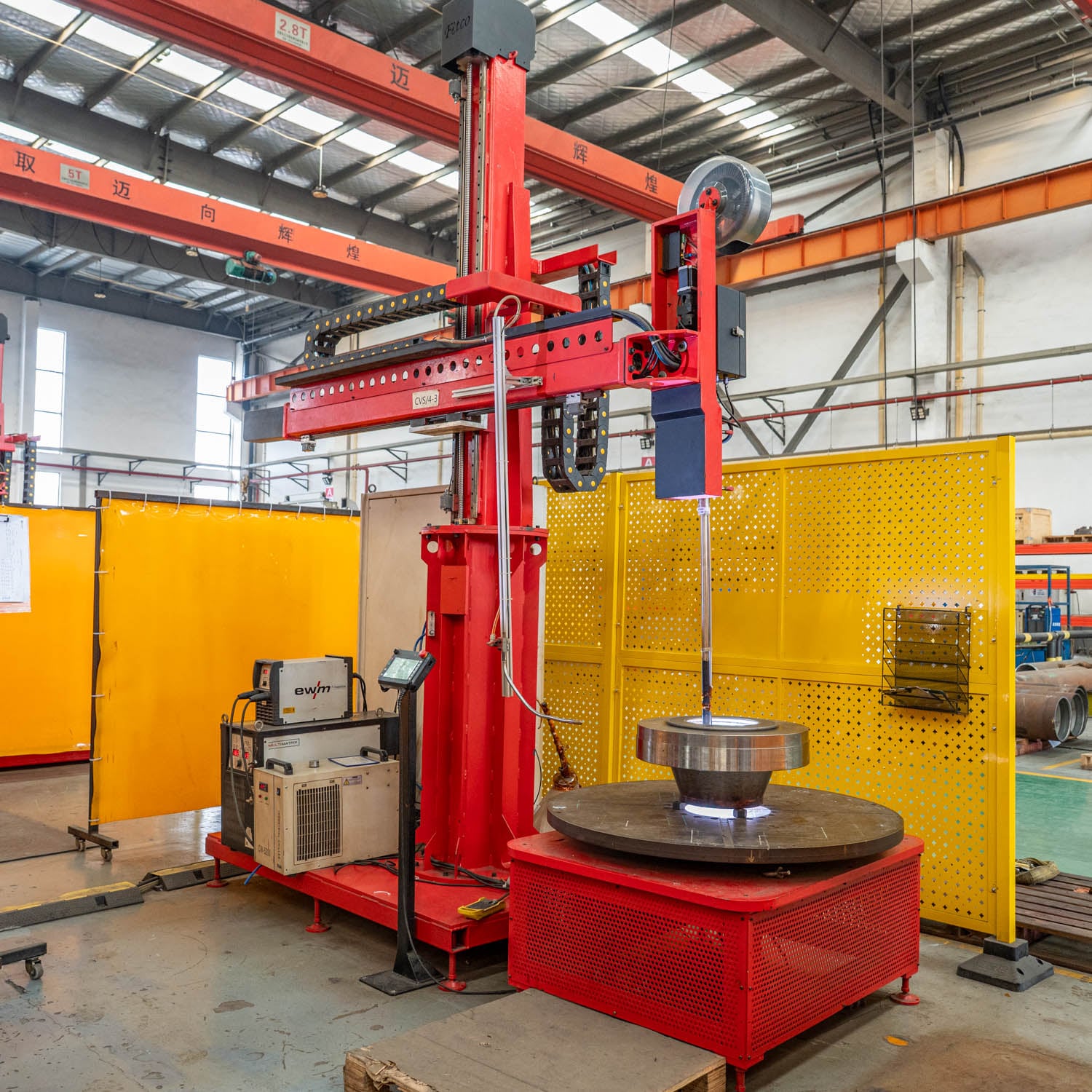
Selecting between floor-mounted and benchtop welding positioners represents one of the most significant decisions in fabrication shop planning. Both types of welding positioners serve the critical function of rotating and tilting workpieces to optimize weld quality, reduce operator fatigue, and accelerate production cycles. However, the choice between these two categories of welding positioners directly impacts your capital investment, production capacity, floor space utilization, and long-term operational efficiency. Understanding the fundamental differences, operational advantages, and application suitability of each welding positioners type is essential before committing resources to equipment acquisition.
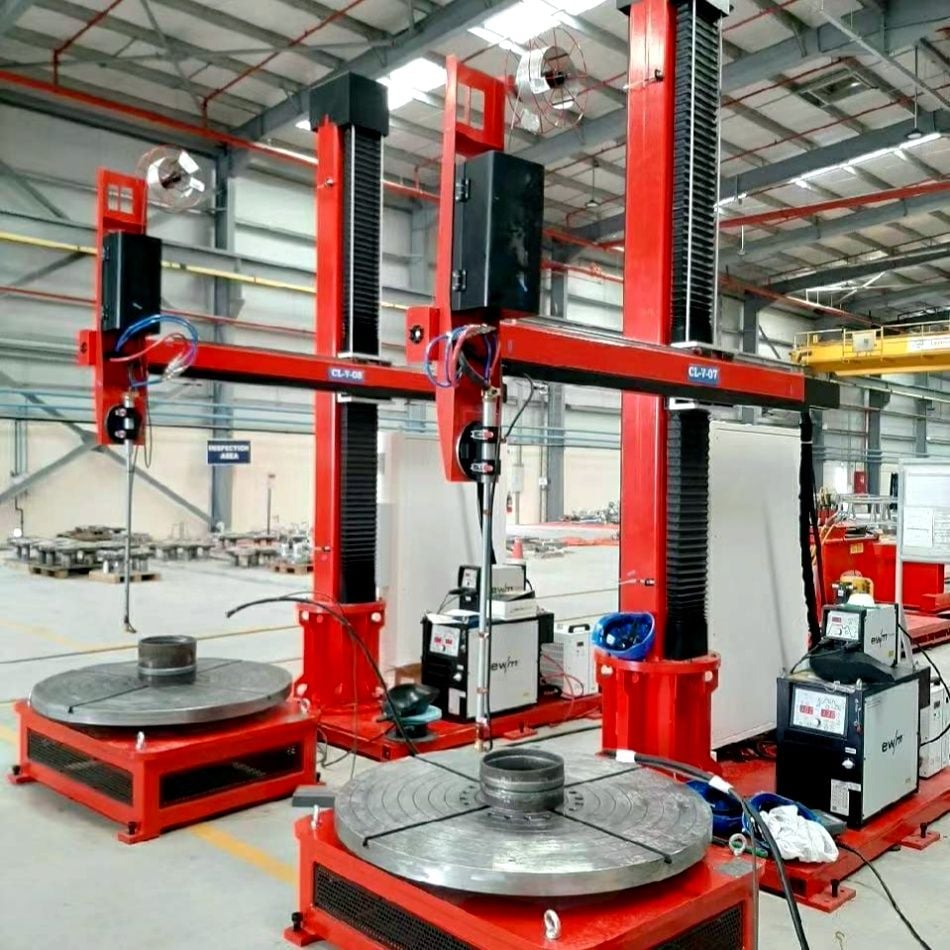
The decision between floor-mounted and benchtop welding positioners depends on multiple interconnected variables including workpiece size and weight, production volume, available facility space, budget constraints, and operational flexibility requirements. Organizations frequently discover that hybrid approaches or phased implementation strategies provide the optimal balance between immediate capability and future scalability. This comprehensive guide examines the structural, functional, and economic dimensions of both welding positioners categories to enable informed decision-making aligned with your specific fabrication requirements.
Understanding Floor-Mounted Welding Positioners
Design and Structural Characteristics
Floor-mounted welding positioners establish a permanent installation anchored directly to the production floor, typically requiring foundation reinforcement, electrical infrastructure upgrades, and professional installation services. These welding positioners incorporate robust steel frames capable of supporting substantially heavier workpieces, often ranging from several hundred to over three thousand pounds depending on the specific model and manufacturer specifications. The structural rigidity of floor-mounted welding positioners enables precise positioning even under dynamic welding loads, minimizing deflection and ensuring consistent weld bead geometry across sequential production runs.
Operational Capabilities and Advantages
Floor-mounted welding positioners deliver superior load capacity, extended positioning ranges, and unlimited operational cycles without thermal limitations or cooling periods. These welding positioners accommodate complex workpiece geometries, enable simultaneous access from multiple welding stations, and support integration with robotic welding systems and automated material handling equipment. The heavy-duty construction of floor-mounted welding positioners justifies the higher initial capital investment through extended service life, minimal maintenance requirements, and compatibility with continuous production environments demanding maximum throughput and reliability.
Evaluating Benchtop Welding Positioners
Compact Design and Flexible Installation
Benchtop welding positioners mount directly onto existing work tables, welding benches, or modular work stations without requiring structural floor modifications or dedicated installation infrastructure. These welding positioners typically accommodate workpieces ranging from a few pounds to approximately five hundred pounds, positioning them ideally for small to medium-scale components and assembly operations. The flexible installation approach of benchtop welding positioners enables rapid deployment, relocation between production areas, and adaptation to changing manufacturing requirements without costly facility modifications or extended downtime.
Cost Efficiency and Space Optimization
Benchtop welding positioners require significantly lower capital expenditure compared to floor-mounted systems, making them particularly attractive for small fabrication shops, contract manufacturers, and organizations implementing phased equipment acquisition strategies. The reduced footprint of benchtop welding positioners preserves valuable floor space while maintaining positioning functionality, allowing flexible workspace utilization and equipment reconfiguration. These welding positioners often feature manual or semi-automatic controls, straightforward operation, and minimal training requirements, enabling rapid deployment across diverse production teams without extensive technical support infrastructure.
Selection Criteria and Decision Framework
Workpiece Characteristics and Production Requirements
Workpiece dimensions, weight specifications, and material properties fundamentally determine whether floor-mounted or benchtop welding positioners provide adequate functionality. Organizations fabricating large structural assemblies, pressure vessels, or heavy industrial components require the load capacity and positioning precision delivered by floor-mounted welding positioners. Conversely, shops specializing in lighter gauge components, sheet metal assemblies, or precision electrodes applications often achieve optimal efficiency using benchtop welding positioners configured with specialized fixtures and quick-change interfaces.
Production Volume and Facility Constraints
High-volume manufacturing environments typically justify floor-mounted welding positioners investment through extended operational hours, rapid cycle completion, and integration with comprehensive production systems. Facilities operating under space constraints, leased premises with limited modification authorization, or organizations requiring flexible equipment deployment frequently discover that multiple benchtop welding positioners provide superior operational adaptability. The decision between welding positioners categories should incorporate realistic production forecasts, anticipated product mix variations, and facility accessibility constraints to prevent undersized or oversized equipment acquisition.
Integration with Existing Welding Infrastructure
Compatibility with existing welding equipment, power supply infrastructure, and material handling systems significantly influences welding positioners selection logic. Floor-mounted welding positioners integrate seamlessly with advanced welding processes, automated material handling, and robotic systems prevalent in modern fabrication facilities. Benchtop welding positioners complement traditional welding stations, portable equipment configurations, and small-scale manufacturing environments where integration requirements remain minimal and customization flexibility is paramount.
FAQ
What is the typical price difference between floor-mounted and benchtop welding positioners?
Benchtop welding positioners generally range from three thousand to fifteen thousand dollars, while floor-mounted welding positioners typically cost between fifteen thousand and seventy-five thousand dollars or higher depending on load capacity, positioning range, and automation features. This substantial cost differential reflects design complexity, materials utilization, installation infrastructure requirements, and operational capability differences inherent in each welding positioners category. Organizations should evaluate total cost of ownership including installation, maintenance, and operational efficiency rather than focusing solely on initial equipment acquisition pricing.
Can benchtop welding positioners handle heavy workpieces effectively?
Standard benchtop welding positioners accommodate workpieces up to approximately five hundred pounds safely, though specialized heavy-duty benchtop models may handle slightly higher loads. However, precision positioning and operator safety become increasingly compromised as workpieces approach benchtop welding positioners' maximum rated capacity, particularly during dynamic welding operations involving directional force application. For workpieces consistently exceeding five hundred pounds or requiring sustained heavy-load positioning, floor-mounted welding positioners provide superior safety margins, positioning accuracy, and operational reliability.
How does facility space availability influence the choice between welding positioners types?
Limited facility space typically favors benchtop welding positioners due to their compact footprint and flexible deployment options across multiple work stations. Floor-mounted welding positioners demand dedicated floor space, structural access clearance, and surrounding work area for operator movement and material staging. Organizations should conduct detailed facility mapping identifying available space, traffic patterns, material flow requirements, and future expansion opportunities before committing to either welding positioners category, ensuring the selected system accommodates current operations while preserving future growth potential.