
 EN
EN
 AR
AR BG
BG HR
HR CS
CS DA
DA NL
NL FI
FI FR
FR DE
DE EL
EL HI
HI IT
IT JA
JA KO
KO NO
NO PL
PL PT
PT RO
RO RU
RU ES
ES SV
SV TL
TL IW
IW ID
ID LT
LT UK
UK SQ
SQ HU
HU TH
TH TR
TR FA
FA AF
AF CY
CY MK
MK LA
LA MN
MN KK
KK UZ
UZ KY
KY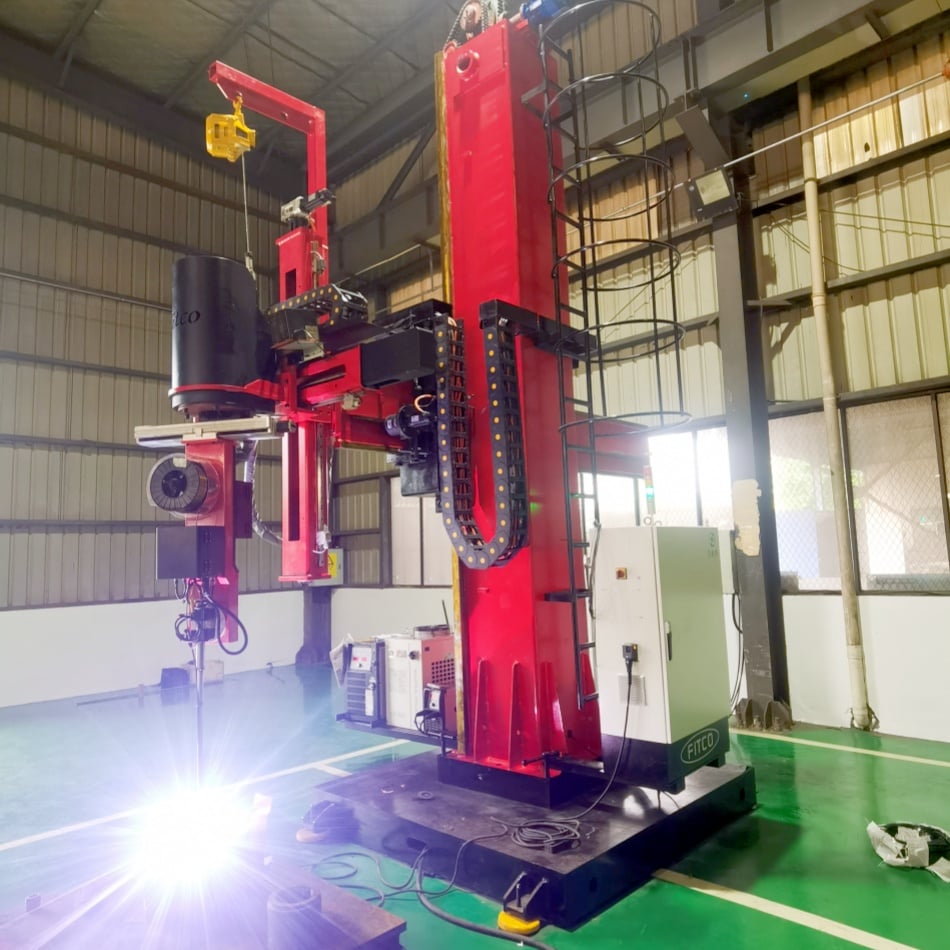
A professional welding station demands rigorous attention to both fireproofing and ventilation to protect workers, equipment, and facility assets. Every welding station generates intense heat, sparks, and hazardous fumes that create dual risks: fire hazards from extreme temperatures and respiratory dangers from airborne contaminants. Understanding and implementing proper fireproofing and ventilation requirements for a welding station is not merely a regulatory obligation but a critical operational practice that defines workplace safety standards. This guide explores the fundamental requirements, best practices, and practical implementation strategies for securing your welding station against fire risk while maintaining breathable, compliant air quality.
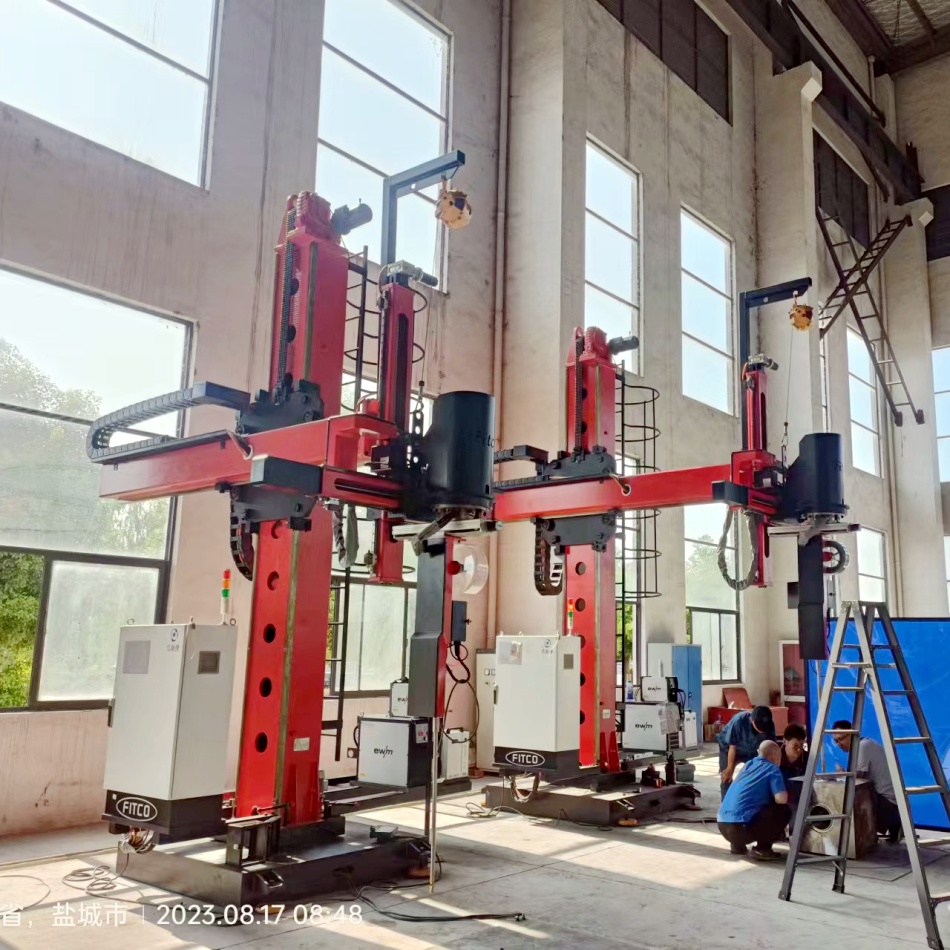
Operating a welding station without adequate fireproofing and ventilation infrastructure exposes your operation to regulatory penalties, worker injuries, equipment damage, and catastrophic facility losses. Professional welding stations operate under strict industry standards established by organizations like OSHA, NFPA, and AWS that mandate specific fire suppression systems, thermal barriers, and air handling protocols. The combination of flame-resistant construction, controlled air circulation, and monitored environmental conditions transforms a potentially hazardous welding station into a compliant, safe production environment where skilled workers can focus on quality output without compromise.
Fireproofing Requirements for a Welding Station
Fire-Resistant Materials and Structural Protection
Every welding station must incorporate fire-resistant materials into its structural design and surrounding environment. The welding station floor should be constructed from non-combustible materials such as concrete, steel, or ceramic tile that cannot ignite or accelerate fire spread. Walls adjacent to the welding station must be lined with fire-rated drywall, ceramic fiber panels, or dedicated welding station blankets that provide thermal barriers against sparks and radiant heat. Your welding station workbench and surrounding surfaces should be protected with fire-resistant covers, metal work tables, and reinforced fixtures that do not support combustion. Overhead structures above the welding station must maintain clearances from the work area and include fire-resistant insulation to prevent flame penetration into ceiling cavities.
Fire Suppression and Detection Systems
A professional welding station requires multiple layers of fire detection and suppression capability. Automatic fire extinguishing systems specifically designed for welding stations, such as dry powder or CO2 systems, must be installed within immediate reach of work areas. The welding station should have clearly marked, easily accessible Class D fire extinguishers rated for metal fires if aluminum, magnesium, or titanium alloys are welded. Smoke detectors and heat sensors positioned near and above the welding station provide early warning of developing fire conditions, allowing rapid operator response and emergency activation. Monthly inspection and certification of all fire suppression equipment connected to your welding station ensures system readiness and compliance with NFPA codes. Additionally, clear evacuation pathways and emergency lighting around the welding station enable swift worker exit during fire events.
Ventilation Requirements for a Welding Station
Fume Extraction and Air Quality Standards
Welding fumes contain toxic metals, gases, and particulates that accumulate in respiratory systems over prolonged exposure. Every welding station must maintain airflow velocities that capture welding fumes at the source before they disperse into the breathing zone. Local exhaust ventilation systems positioned directly above or beside the welding station work area should draw fumes at capture velocities of 100 to 200 feet per minute, depending on arc type, wire type, and spatial configuration. The ventilation system serving your welding station must include high-efficiency particulate air (HEPA) filters or equivalent capture media that removes at least 99.97 percent of particles larger than 0.3 microns. Flex ductwork connecting the welding station to extraction equipment should be smooth-bore aluminum or stainless steel, not ribbed plastic, to minimize fume buildup and fire risk.
General Ventilation and Environmental Control
Beyond localized fume extraction, every welding station requires adequate general ventilation to maintain overall air quality and prevent hazardous gas accumulation in the facility. The welding station area should receive make-up air through dedicated supply ducts or natural ventilation openings that compensate for extracted air, maintaining slight negative pressure within the welding zone. Carbon monoxide, nitrogen oxides, and ozone—byproducts of arc welding—must be diluted by continuous air exchange rates of at least 6 to 10 air changes per hour in the welding station environment. Humidity control in the welding station prevents moisture accumulation on equipment and reduces corrosion risk, while temperature stability between 50°F and 95°F optimizes electrode performance and worker comfort. Your welding station ventilation system should include manual or automated dampers that adjust airflow volume based on operational demand, improving energy efficiency without compromising air quality.
Integration of Safety Systems and Compliance Standards
Coordinated Fireproofing and Ventilation Design
Effective welding station safety emerges when fireproofing and ventilation systems operate as an integrated, coordinated framework rather than isolated components. Fire-resistant ductwork serving your welding station must be rated for the temperatures and flame exposure likely during incidents, typically requiring stainless steel or aluminum construction. Ventilation air intakes for the welding station should not recirculate extracted fumes or pull fresh air from adjacent combustible storage areas, which amplifies fire propagation risk. Regular maintenance schedules for both the welding station fireproofing systems and ventilation equipment ensure that accumulated dust, lint, and metal particles do not compromise either fire containment or air quality performance. Documentation of all modifications, repairs, and inspections performed on fireproofing and ventilation infrastructure at your welding station demonstrates regulatory compliance and supports insurance coverage validation.
Worker Training and Operational Protocols
Even the most advanced fireproofing and ventilation systems require human compliance and vigilance to function effectively. Every operator of a welding station must receive training on proper equipment shutdown, fire emergency procedures, and air quality monitoring expectations. Workers should inspect the welding station workspace before each shift, identifying blocked ventilation ports, damaged fire-resistant barriers, or equipment malfunctions that reduce safety margin. Personal protective equipment including respirators appropriate for the specific welding process and fume composition should be selected based on detailed air quality assessments of your welding station environment. Emergency drills conducted quarterly at the welding station facility maintain operator readiness and identify procedural gaps before actual incidents occur, reducing injury risk and operational disruption.
FAQ
What is the minimum clearance distance required around a welding station for fire safety?
Fire safety standards typically require a minimum clearance of 35 feet from the welding station to combustible materials, though this distance may be reduced to 10 to 15 feet if fire-resistant barriers and suppression systems are properly installed at the welding station. Specific clearance requirements depend on your facility's fire code classification, the types of materials welded at the welding station, and your installed fire protection systems. Consult your local fire marshal and NFPA guidelines applicable to your welding station to determine exact clearance obligations for your operation.
Can a single ventilation unit serve multiple welding stations simultaneously?
Yes, a single exhaust system can serve multiple welding stations if the combined airflow demand is calculated correctly and ductwork is sized to maintain proper capture velocities at each welding station. However, if one welding station ceases operation, fume backflow can occur at inactive welding stations, requiring dampers or check valves to prevent cross-contamination. Most professional operations prefer dedicated ventilation systems for each welding station to ensure independent air quality control and eliminate fume spillover risk between work areas.
How frequently should fireproofing materials at a welding station be replaced?
Fire-resistant materials at your welding station should be inspected annually and replaced when they show visible degradation, cracking, thinning, or areas where thermal protection has diminished. Welding station blankets and flexible protective covers typically require replacement every 3 to 5 years depending on usage intensity, though high-volume production environments may need more frequent renewal. Permanent installations such as fire-rated drywall and ceramic panels can last 10 to 20 years if properly maintained, though damage from equipment impact or thermal stress requires prompt replacement to preserve welding station fire containment capacity.