
 EN
EN
 AR
AR BG
BG HR
HR CS
CS DA
DA NL
NL FI
FI FR
FR DE
DE EL
EL HI
HI IT
IT JA
JA KO
KO NO
NO PL
PL PT
PT RO
RO RU
RU ES
ES SV
SV TL
TL IW
IW ID
ID LT
LT UK
UK SQ
SQ HU
HU TH
TH TR
TR FA
FA AF
AF CY
CY MK
MK LA
LA MN
MN KK
KK UZ
UZ KY
KY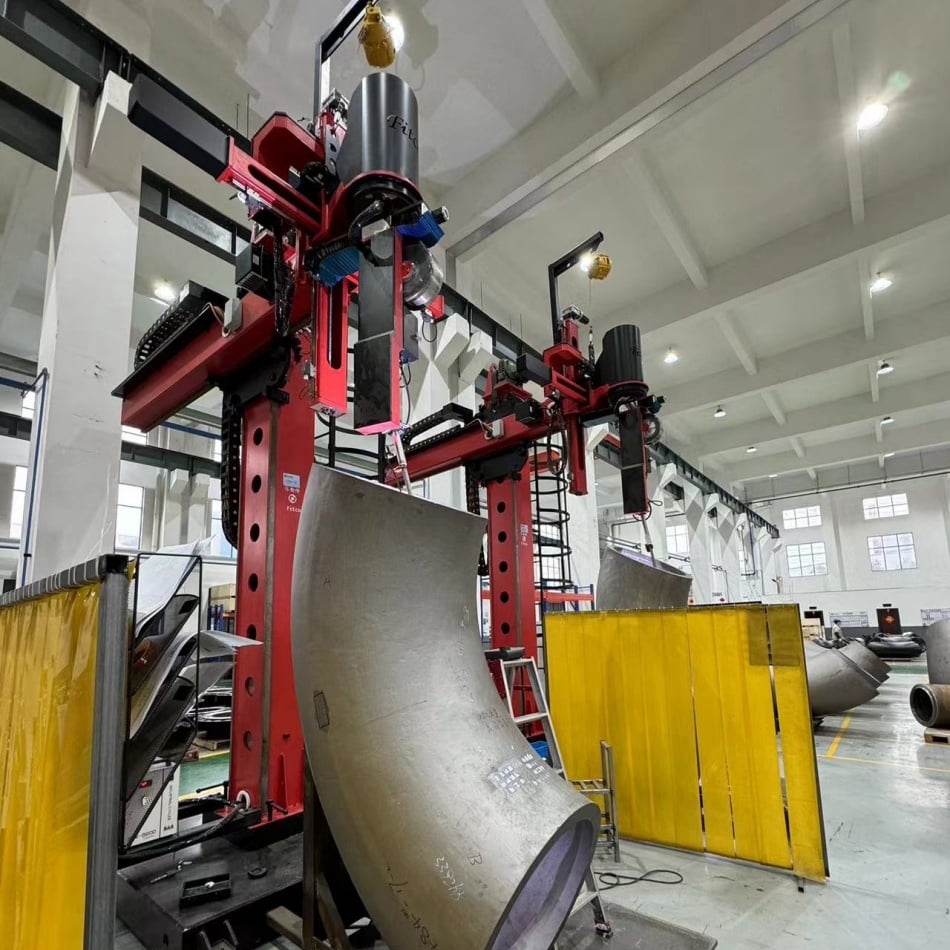
The modern welding station demands more than just quality equipment and skilled technicians. Ergonomic furniture has become essential to the success of any professional welding station, directly impacting worker productivity, safety, and long-term health outcomes. When operators spend eight or more hours daily at a welding station, the physical demands on their bodies accumulate rapidly. Poor seating, inadequate work surface heights, and misaligned tool storage create chronic strain that reduces precision, increases fatigue, and elevates injury risk. A well-designed welding station with ergonomic furniture addresses these challenges systematically, ensuring workers maintain proper posture while performing complex welding tasks.
The integration of ergonomic furniture into a welding station represents a strategic investment rather than an expense. Manufacturing facilities that prioritize ergonomic design at their welding stations report measurable improvements in output quality, reduced worker compensation claims, and enhanced employee retention. Every element of your welding station—from the operator chair to the welding torch holder positioning—influences the overall ergonomic environment. Understanding how furniture design principles apply specifically to welding operations helps facility managers and shop owners create work environments where precision and comfort align perfectly.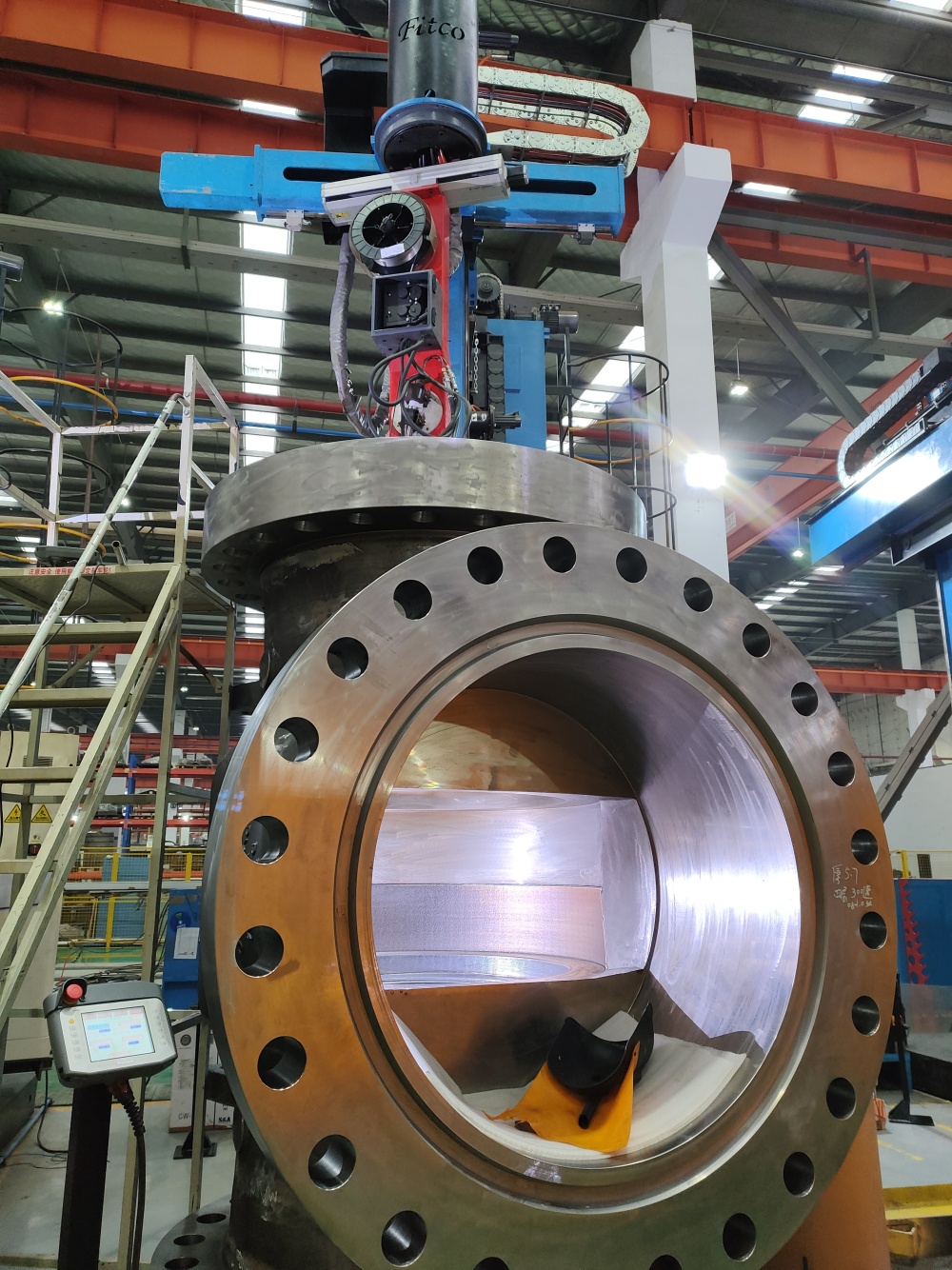
Core Ergonomic Components for the Welding Station
Seating Solutions in the Modern Welding Station
The operator chair represents the foundation of any ergonomic welding station. Traditional fixed-height chairs fail in modern welding stations because they do not accommodate the dynamic nature of welding work. A properly designed welding station requires an adjustable seating solution that allows operators to modify height, backrest angle, and armrest position throughout their shift. The ideal welding station chair should support the lumbar spine naturally, distribute weight evenly across the seat, and permit easy lateral movement for accessing different welding positions.
Height adjustability becomes critical when a welding station serves multiple operators or when work tasks vary. An operator performing overhead welding has different postural needs than one executing flat-position seams. A quality welding station chair enables quick adaptation without compromising spinal alignment. Footrests integral to the welding station seating system also prevent dangling legs, which cause circulation problems and instability. Premium welding station furniture includes chairs with memory foam padding, breathable mesh backing, and swivel mechanisms that enhance comfort during extended shifts.
Work Surface Height and Accessibility in the Welding Station
The work table height directly determines whether operators at your welding station maintain neutral wrist and shoulder positions. An improperly sized welding station table forces workers to bend forward or raise arms excessively, creating cumulative strain injuries. Industry standards suggest that the primary work surface of a welding station should position the workpiece at approximately elbow height for seated operators. This principle applies across different welding station configurations, whether the setup emphasizes tig welding, mig welding, or stick welding techniques.
Adjustable-height welding station tables offer flexibility that fixed surfaces cannot match. When a welding station incorporates motorized or manual height adjustment, operators can optimize positioning for each unique workpiece size and weld type. Mobile welding station carts with integrated work surfaces allow quick repositioning without moving heavy equipment. Storage compartments integrated into the welding station structure keep frequently used tools within arm's reach, preventing the repetitive reaching and twisting that causes occupational injury.
Specialized Furniture Elements That Define a Productive Welding Station
Torch Holders and Tool Positioning in the Welding Station
A well-organized welding station minimizes the physical effort required to access essential tools and position the welding torch. Magnetic torch holders mounted on the welding station frame maintain the torch in predictable locations, reducing search time and fumbling. The positioning of the torch holder relative to the operator at the welding station should allow retrieval without excessive reaching or bending. When a welding station is designed with tool positioning in mind, operators can focus attention on weld quality rather than physical strain.
Cable management becomes increasingly important as the welding station grows more complex. Properly routed cables and hoses across the welding station prevent tripping hazards and eliminate the tension created by dragging cables across work surfaces. Pneumatic and hydraulic lines integral to the welding station equipment should be suspended or guided along the frame structure. This attention to detail transforms an average welding station into one where safety and efficiency reinforce each other continuously.
Lighting and Visibility Features of the Modern Welding Station
Adequate illumination is an often-overlooked ergonomic component of the welding station. Poor lighting forces operators to lean closer to their work, creating neck and shoulder strain that persists long after the shift ends. A comprehensive welding station design includes adjustable task lighting positioned to eliminate shadows and glare without creating eye strain. Integrated LED arrays around the welding station work area ensure consistent visibility while generating minimal heat that would interfere with welding processes.
The modern welding station benefits from directional lighting that can be adjusted as the operator changes work positions. Flexible gooseneck lamps mounted to the welding station structure allow operators to direct light precisely where needed. This simple addition to the welding station dramatically improves visibility of weld seams, reduces operator fatigue, and contributes to higher weld quality and consistency across production batches.
Implementation Strategy for Your Industrial Welding Station
Assessing Current Conditions at Existing Welding Station Operations
Before purchasing new ergonomic furniture for your welding station, conduct a detailed assessment of current working conditions. Observe operators throughout their shift to identify pain points and postural compromises common in your welding station environment. A systematic evaluation of your welding station should document chair usage, work surface height adequacy, tool accessibility, and lighting effectiveness. This baseline information helps prioritize which elements of your welding station require immediate attention and which can be addressed in subsequent phases.
Involving operators in the assessment process yields valuable insights that engineers and managers might otherwise overlook. Workers using the welding station daily understand the subtle discomforts that accumulate over time. When you incorporate operator feedback into decisions about your welding station furniture, adoption rates increase and the resulting environment better serves actual workflow patterns. Many facilities discover that relatively inexpensive adjustments to their welding station arrangement yield substantial improvements in comfort and productivity.
Phased Implementation and Budget Optimization for Your Welding Station
Most operations implement ergonomic improvements to their welding station through phased approaches that spread investment across multiple budget cycles. Beginning with high-impact, relatively low-cost improvements—such as adding footrests or adjusting existing furniture height—demonstrates commitment while managing financial constraints. Advanced components like motorized height-adjustable tables or integrated lighting systems can be introduced as budget allows. This measured approach to welding station ergonomics prevents overwhelming capital expenditure while establishing measurable improvements that justify continued investment.
Calculate the return on investment by tracking productivity metrics, injury frequency, and worker turnover before and after welding station improvements. Many organizations discover that ergonomic enhancements to their welding station pay for themselves within twelve to eighteen months through reduced healthcare costs and improved output efficiency. Documenting these benefits builds internal support for continued investment in ergonomic furniture for future welding station installations.
FAQ
What specific chair features matter most for an operator at a welding station?
The most critical chair features for a welding station operator include lumbar support adjustment, seat height range that accommodates different workpiece sizes, and armrests that position arms at ninety degrees. A welding station chair should also include a swivel mechanism for easy repositioning and ideally offer tilt-lock functionality to maintain posture during concentrated work. Materials should withstand heat exposure and occasional sparks common in active welding station environments without degrading or creating safety hazards.
How does work surface height affect long-term operator health at a welding station?
Incorrect work surface height at a welding station creates repetitive strain injuries in the wrists, shoulders, and neck that develop gradually over months and years. When a welding station table positions work too low, operators develop forward head posture and excessive shoulder elevation. Conversely, overly high work surfaces at a welding station force operators to extend arms excessively and raise shoulders unnaturally. The optimal welding station surface height aligns the workpiece at approximately elbow height, allowing neutral arm positioning and efficient force application during welding operations.
Can existing welding station equipment be retrofitted with ergonomic furniture solutions?
Yes, most existing welding station setups can be enhanced with ergonomic furniture additions and modifications. Adjustable mounting brackets allow existing equipment to be repositioned to better work surface heights at your welding station. Adding auxiliary work tables, improving lighting, and upgrading seating are retrofit-compatible improvements that significantly enhance any welding station environment. However, completely rebuilding an older welding station may be more cost-effective than attempting to retrofit a design fundamentally misaligned with ergonomic principles, particularly if the welding station structure itself limits positioning flexibility.