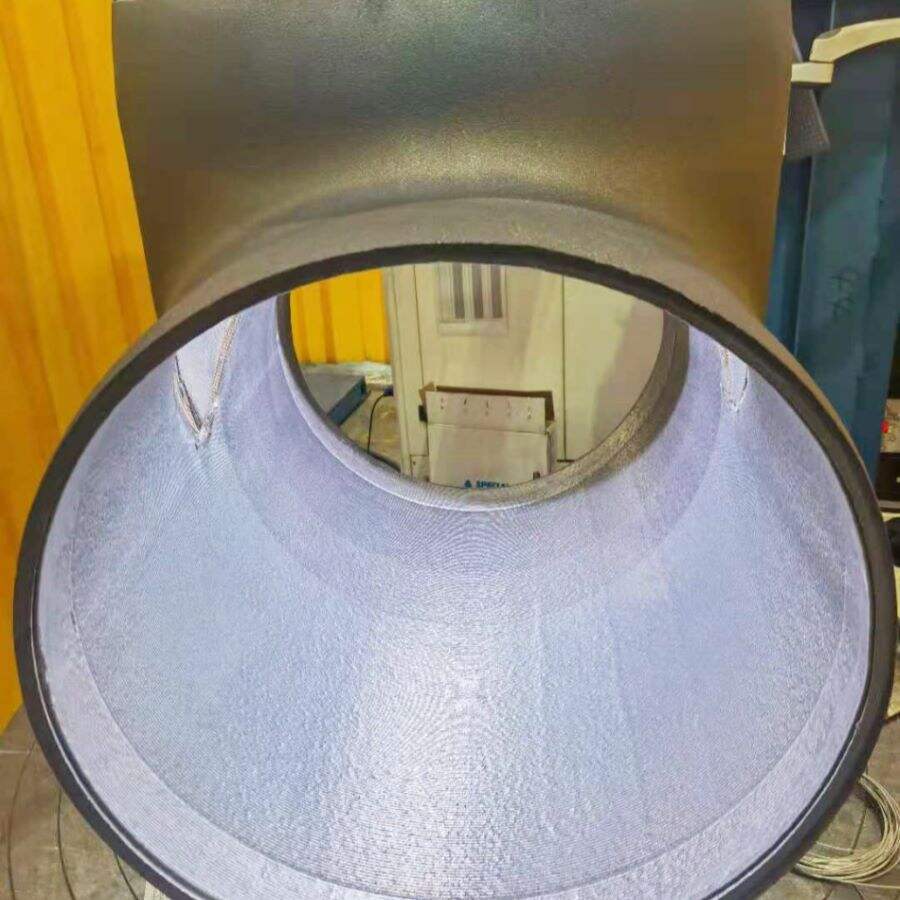
Professional IGBT Inverter Welding Machine - Advanced Multi-Process Welders with Superior Efficiency

Contact me immediately if you encounter problems!

All Categories

Get a Free Quote

Our representative will contact you soon.
Email
Mobile/WhatsApp
Name
Company Name
Message
0/1000

Get a Free Quote

Our representative will contact you soon.
Email
Mobile/WhatsApp
Name
Company Name
Message
0/1000

igbt inverter welding machine

The IGBT inverter welding machine represents a revolutionary advancement in modern welding technology, combining sophisticated power electronics with user-friendly operation. IGBT, which stands for Insulated Gate Bipolar Transistor, serves as the core switching component that enables precise control over electrical current and voltage. This advanced semiconductor technology transforms standard AC power into controlled DC output, delivering superior welding performance across various applications. The IGBT inverter welding machine operates by converting incoming alternating current through high-frequency switching circuits, resulting in stable arc characteristics and consistent weld quality. These machines typically feature digital control systems that allow operators to adjust welding parameters with exceptional precision, including current settings, arc force, and hot start functions. The compact design of IGBT inverter welding machines makes them highly portable compared to traditional transformer-based welders, while their lightweight construction facilitates easy transportation between job sites. Most models support multiple welding processes including stick welding, TIG welding, and MIG welding capabilities. The microprocessor-controlled systems within these machines provide real-time monitoring and automatic compensation for voltage fluctuations, ensuring consistent performance regardless of power supply variations. Advanced models incorporate features such as anti-stick technology, which prevents electrode adherence to the workpiece, and automatic current adjustment based on arc length changes. The IGBT inverter welding machine delivers exceptional energy efficiency, typically consuming 30-50% less power than conventional welding equipment while maintaining superior output quality. These machines can handle various electrode types and diameters, making them versatile solutions for both professional fabricators and hobbyist welders seeking reliable, high-performance welding capabilities.

Popular Products

The IGBT inverter welding machine delivers numerous practical benefits that make it an exceptional choice for welders across all skill levels and applications. Energy efficiency stands out as the primary advantage, with these machines consuming significantly less electricity while producing superior welding results. Users can expect reduced operating costs through lower power consumption, which translates directly to savings on electricity bills. The lightweight and compact design makes transportation effortless, allowing welders to easily move equipment between different work locations without requiring additional lifting equipment or multiple personnel. This portability advantage becomes particularly valuable for field welding operations, construction sites, and repair work where mobility is essential. The IGBT inverter welding machine produces exceptionally stable arcs that remain consistent throughout the welding process, resulting in cleaner, stronger welds with minimal spatter formation. This arc stability reduces the time spent on post-weld cleanup and grinding, improving overall productivity and work quality. Digital control systems provide precise parameter adjustment capabilities, allowing operators to fine-tune settings for optimal performance with different materials and thicknesses. The wide input voltage range tolerance means these machines can operate effectively even when connected to generators or unstable power supplies, making them ideal for remote locations or areas with inconsistent electrical infrastructure. Fast response times enable smooth arc initiation and superior control during welding operations, reducing the skill threshold required for achieving professional-quality results. The hot start feature ensures reliable arc initiation even with challenging electrodes, while arc force control maintains consistent penetration throughout the weld. These machines generate less heat during operation, creating more comfortable working conditions and extending component lifespan through reduced thermal stress. Maintenance requirements are minimal due to fewer moving parts compared to traditional welding equipment, resulting in lower long-term ownership costs and increased reliability. The broad compatibility with various electrode types and welding processes provides versatility that eliminates the need for multiple specialized machines.

Latest News

Top 5 Maintenance Tips to Extend the Life of Your welding machine

16

Mar

Top 5 Maintenance Tips to Extend the Life of Your welding machine

Proper maintenance is the cornerstone of maximizing your welding machine investment and ensuring consistent, high-quality welding performance throughout its operational lifespan. Industrial welding operations rely heavily on equipment reliability, an...
View More
The Role of overlay cladding in Refurbishing Heavy Machinery

16

Mar

The Role of overlay cladding in Refurbishing Heavy Machinery

Heavy machinery operates under extreme conditions, facing constant wear from abrasion, corrosion, and mechanical stress that gradually degrades critical components. When expensive equipment begins showing signs of deterioration, manufacturers and ope...
View More
Why igbt inverter welder Technology is the Industry Standard in 2026

16

Mar

Why igbt inverter welder Technology is the Industry Standard in 2026

The welding industry has undergone a transformative evolution, with igbt inverter welder technology emerging as the definitive standard for professional and industrial applications in 2026. This revolutionary advancement represents a fundamental shif...
View More
Why Are Pressure-Vessel Plants Using Circumferential TIG Systems?

13

Jan

Why Are Pressure-Vessel Plants Using Circumferential TIG Systems?

The pressure vessel manufacturing industry has witnessed a significant shift toward advanced welding technologies, with circumferential TIG systems emerging as the preferred solution for critical applications. These sophisticated welding systems deli...
View More

Get a Free Quote

Our representative will contact you soon.
Email
Mobile/WhatsApp
Name
Company Name
Message
0/1000

igbt inverter welding machine

Advanced IGBT Technology for Superior Performance

Advanced IGBT Technology for Superior Performance

The heart of every IGBT inverter welding machine lies in its sophisticated Insulated Gate Bipolar Transistor technology, which revolutionizes how electrical power is converted and controlled during welding operations. This cutting-edge semiconductor technology combines the best characteristics of both MOSFET and bipolar junction transistors, creating a switching device that operates at extremely high frequencies while maintaining exceptional efficiency and reliability. The IGBT components within these welding machines can switch electrical current on and off thousands of times per second, enabling precise control over the welding arc and resulting in superior weld quality that surpasses traditional transformer-based systems. This high-frequency switching capability allows the IGBT inverter welding machine to maintain consistent arc characteristics regardless of fluctuations in input voltage or changes in arc length during welding operations. The technology enables real-time adjustment of welding parameters, automatically compensating for variations in electrode consumption and workpiece positioning to maintain optimal welding conditions throughout the entire process. Users benefit from remarkably stable arc initiation and maintenance, which translates to cleaner starts, reduced spatter, and more controlled weld pools. The IGBT technology also enables the implementation of advanced features such as pulse welding modes, which alternate between high and low current levels to provide better control over heat input and penetration depth. This capability proves particularly valuable when welding thin materials or when precise heat management is critical to prevent warping or burn-through. The fast switching speeds of IGBT components allow for rapid response to changing welding conditions, ensuring that arc force and current levels adjust instantaneously to maintain consistent weld quality. Additionally, the technology enables soft-start capabilities that gradually ramp up current to prevent excessive spatter during arc initiation, while also providing smooth arc extinction to minimize crater formation at weld termination points.
Exceptional Energy Efficiency and Cost Savings

Exceptional Energy Efficiency and Cost Savings

One of the most compelling advantages of the IGBT inverter welding machine is its remarkable energy efficiency, which delivers substantial cost savings and environmental benefits compared to conventional welding equipment. These machines achieve power efficiency ratings of 85-95%, significantly outperforming traditional transformer-based welders that typically operate at 60-70% efficiency levels. This dramatic improvement in energy utilization means that more of the electrical power consumed is converted into useful welding energy rather than being lost as heat, resulting in lower electricity costs and reduced environmental impact. The high-frequency switching operation of the IGBT inverter welding machine allows for much smaller transformers and reactive components, which reduces overall power consumption while maintaining the same welding output capabilities. Users can expect to see reductions of 30-50% in their electricity consumption when switching from conventional welding equipment, with the exact savings depending on usage patterns and welding applications. The improved efficiency also means that these machines generate less waste heat during operation, creating more comfortable working environments and reducing the need for additional ventilation or cooling systems in welding shops. The power factor correction circuits built into most IGBT inverter welding machines help optimize the relationship between active and reactive power consumption, further reducing electrical costs and minimizing strain on electrical distribution systems. This feature becomes particularly valuable in commercial and industrial settings where power factor penalties can significantly impact operating expenses. The ability to operate effectively across a wide range of input voltages means that these machines can maintain their efficiency advantages even when connected to generators or in areas with unstable power supplies, ensuring consistent performance and cost savings regardless of the electrical environment. The reduced heat generation also contributes to longer component life and reduced maintenance requirements, further enhancing the total cost of ownership benefits of IGBT inverter welding machines.
Versatile Multi-Process Welding Capabilities

Versatile Multi-Process Welding Capabilities

The IGBT inverter welding machine excels in providing comprehensive multi-process welding capabilities that eliminate the need for multiple specialized machines, making it an invaluable asset for diverse welding applications. These versatile machines typically support stick welding, TIG welding, and often MIG welding processes, allowing operators to tackle virtually any welding project with a single piece of equipment. The advanced digital control systems enable precise parameter adjustment for each welding process, with dedicated settings and programs optimized for different applications and materials. For stick welding operations, the IGBT inverter welding machine delivers exceptional arc characteristics across a wide range of electrode types and sizes, from basic mild steel electrodes to specialized stainless steel, cast iron, and hardfacing electrodes. The machines provide adjustable arc force control that helps maintain consistent arc length and penetration, even when using challenging electrodes or welding in difficult positions. TIG welding capabilities include both AC and DC output options, with high-frequency arc starting and precise current control that enables superior weld quality on aluminum, stainless steel, and exotic alloys. The pulse TIG function available on many models allows for better heat control and improved weld appearance, particularly beneficial when welding thin materials or when aesthetic considerations are important. MIG welding support includes both constant voltage and synergic control modes, with wire feed speed synchronization that ensures optimal arc characteristics across different wire types and diameters. The ability to switch between welding processes quickly and efficiently makes these machines ideal for fabrication shops, maintenance operations, and field service applications where different welding requirements may arise within the same project. Memory functions allow operators to store frequently used parameter settings for different processes and materials, enabling quick setup and consistent results across multiple welding sessions. The broad input voltage tolerance ensures that multi-process capabilities remain available regardless of power supply conditions, making these machines reliable solutions for diverse working environments and applications.

Get a Free Quote

Our representative will contact you soon.
Email
Mobile/WhatsApp
Name
Company Name
Message
0/1000