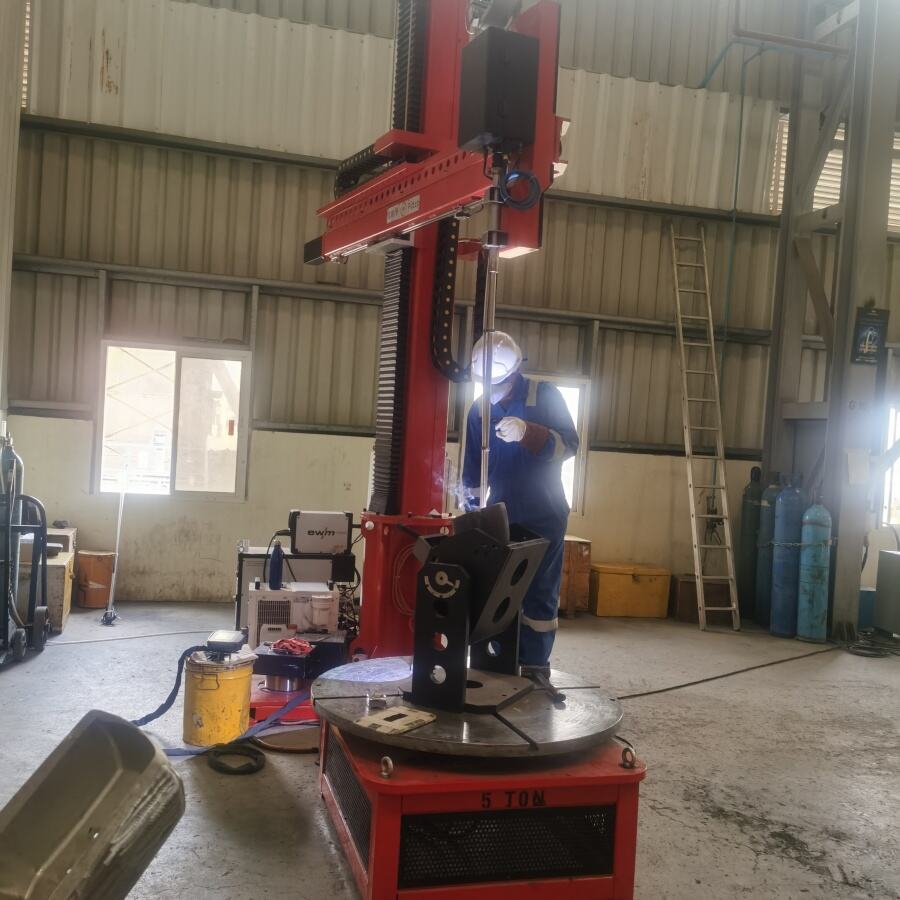
Professional TIG Welding Automatic Machine - Precision Automated Welding Solutions

Contact me immediately if you encounter problems!

All Categories

Get a Free Quote

Our representative will contact you soon.
Email
Mobile/WhatsApp
Name
Company Name
Message
0/1000

Get a Free Quote

Our representative will contact you soon.
Email
Mobile/WhatsApp
Name
Company Name
Message
0/1000

tig welding automatic machine

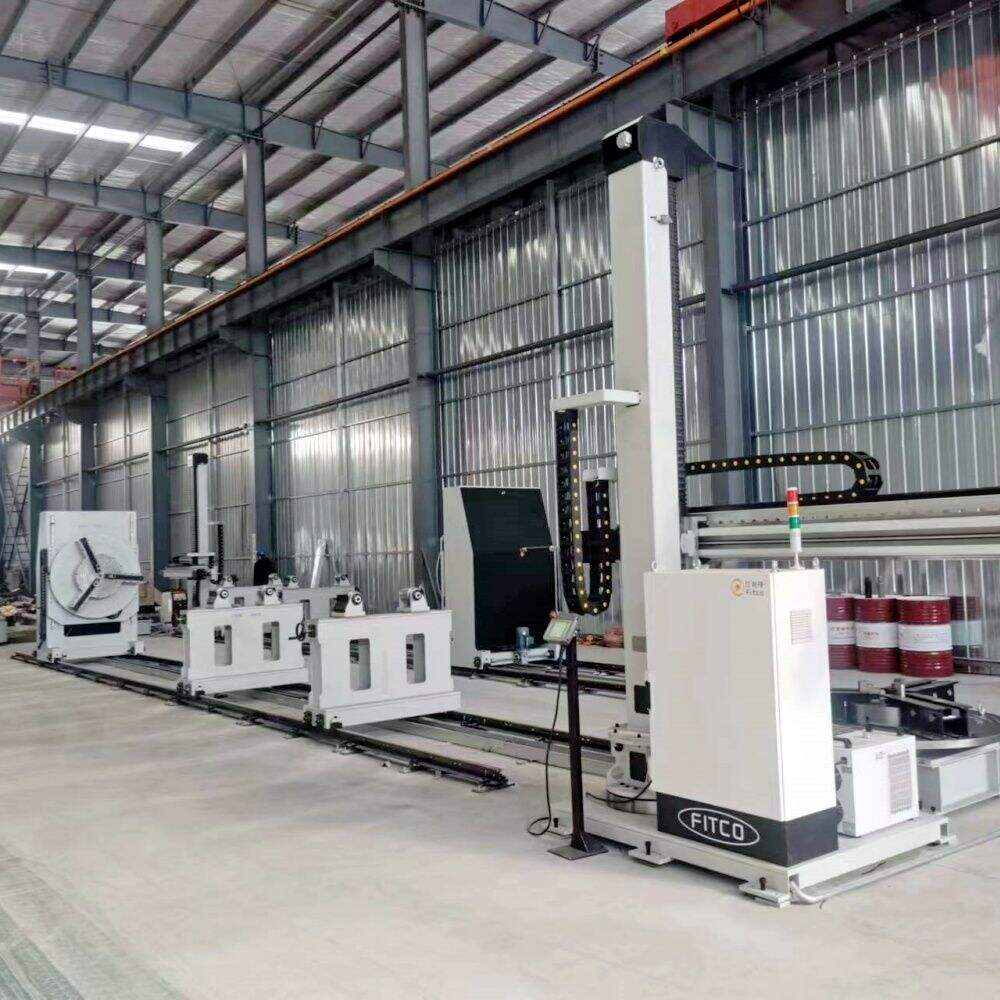
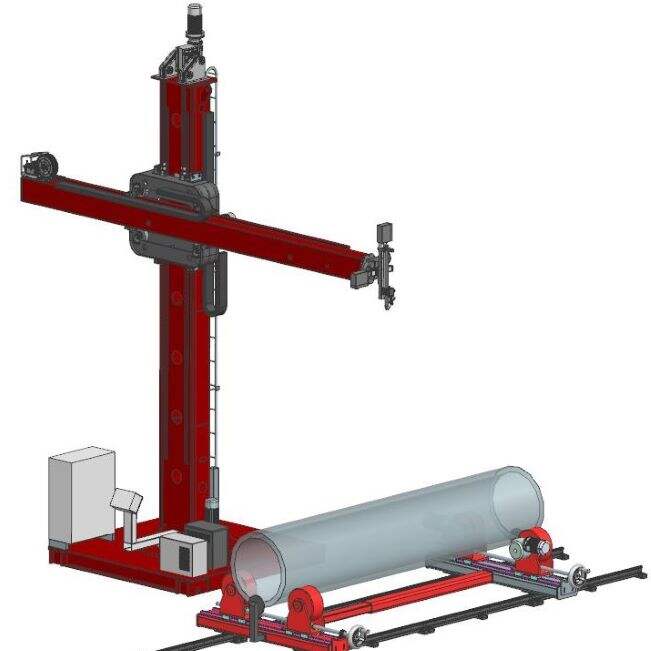
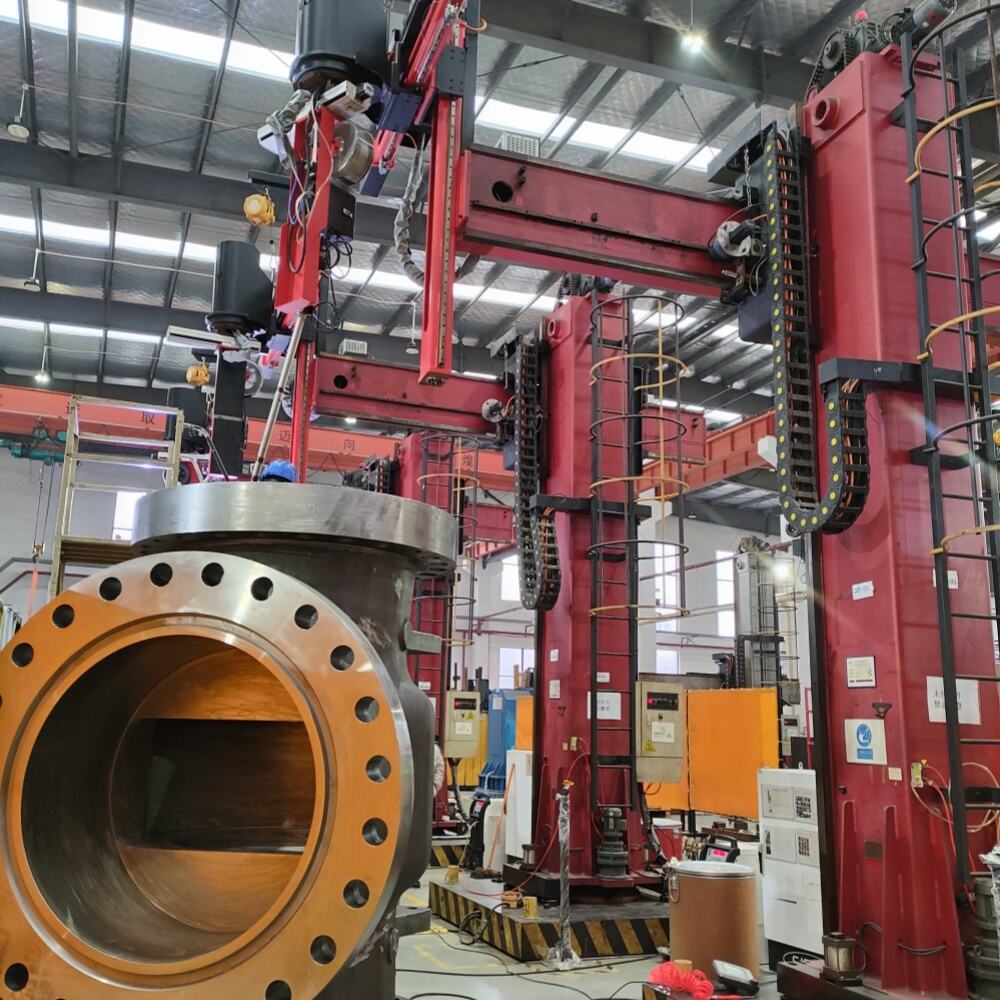
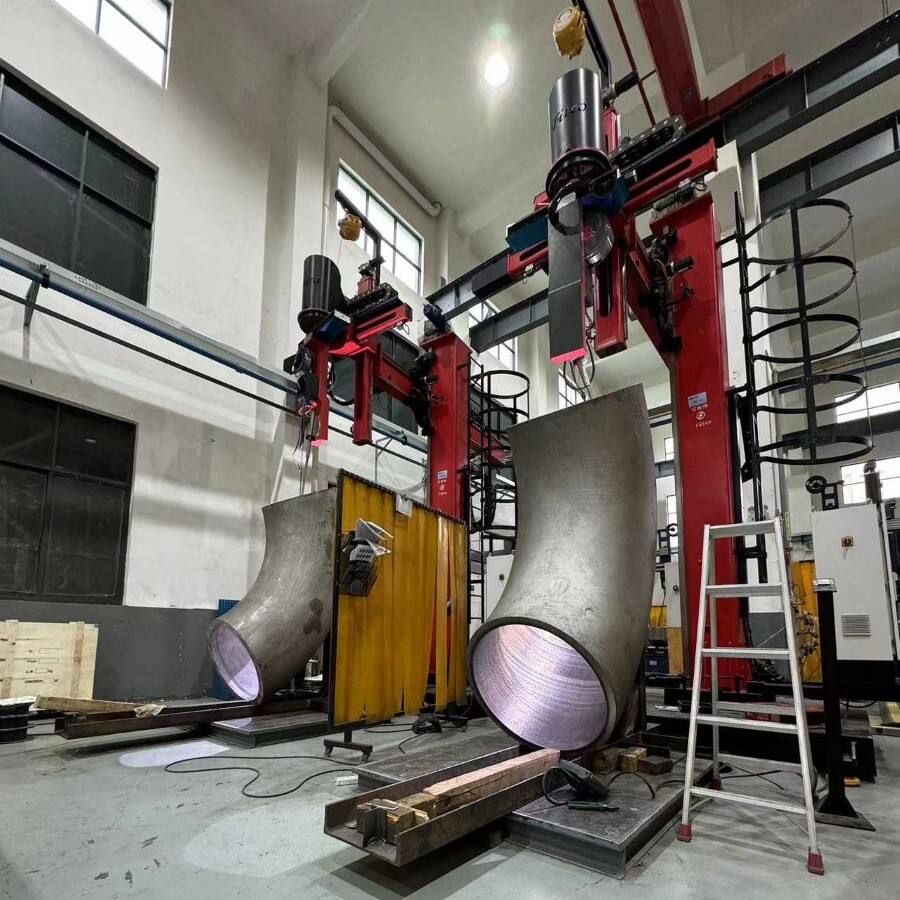
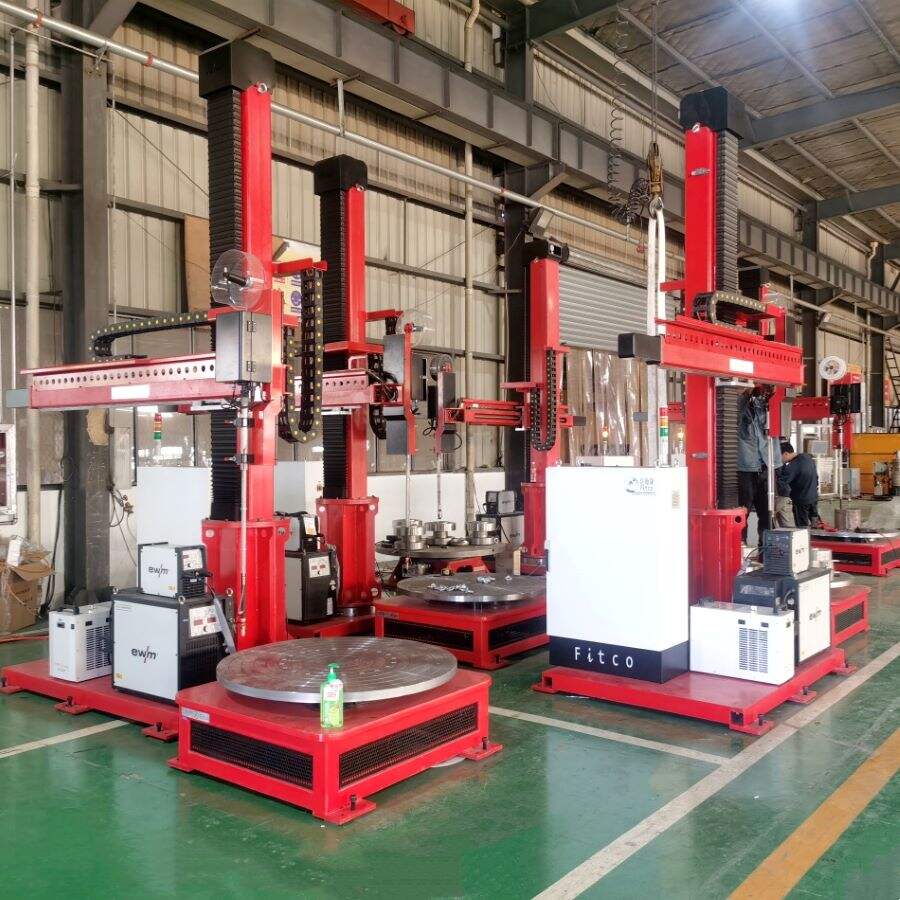
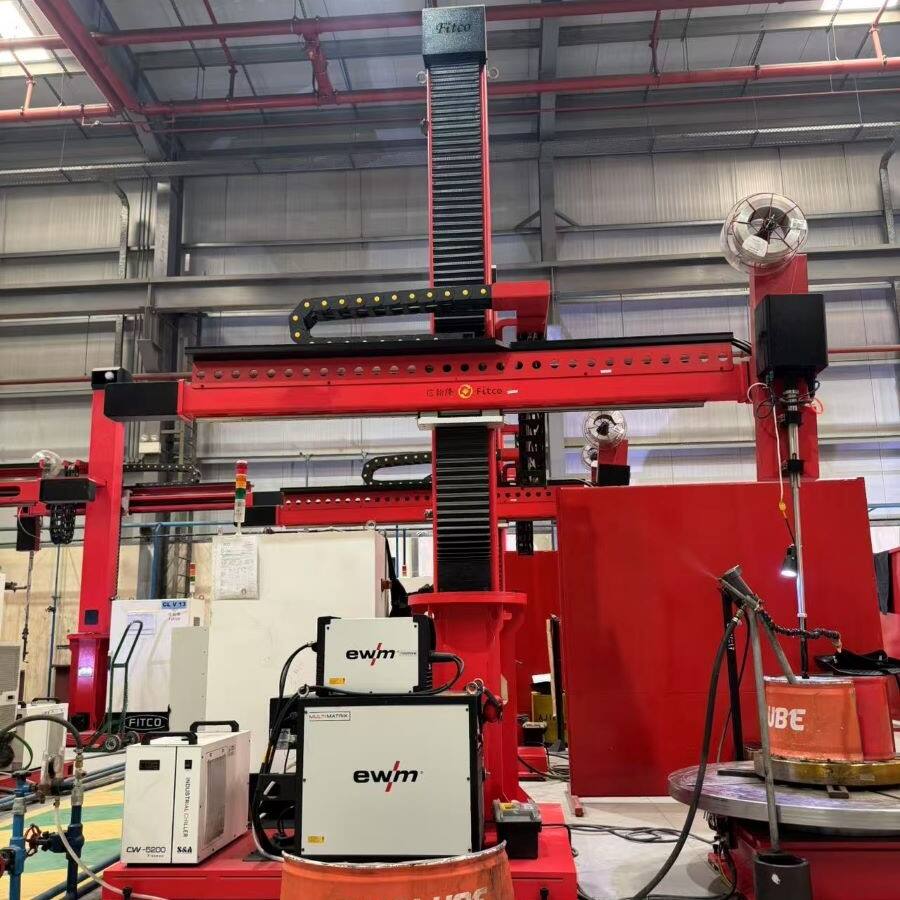
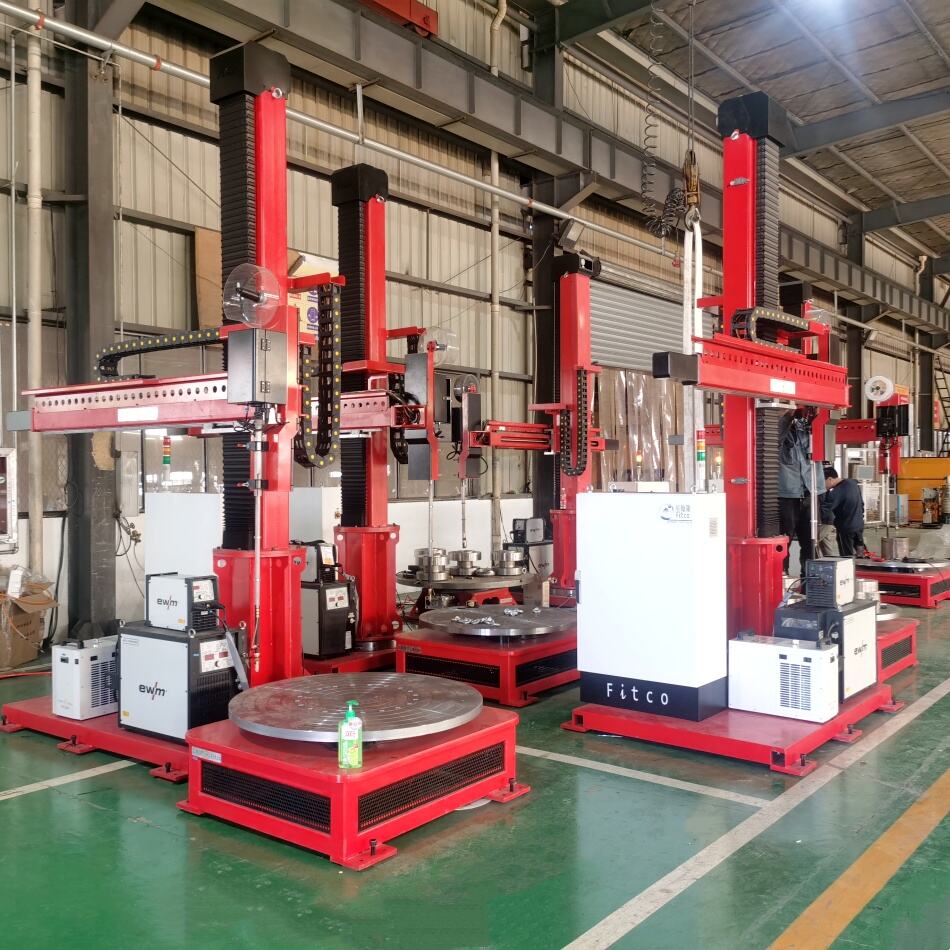
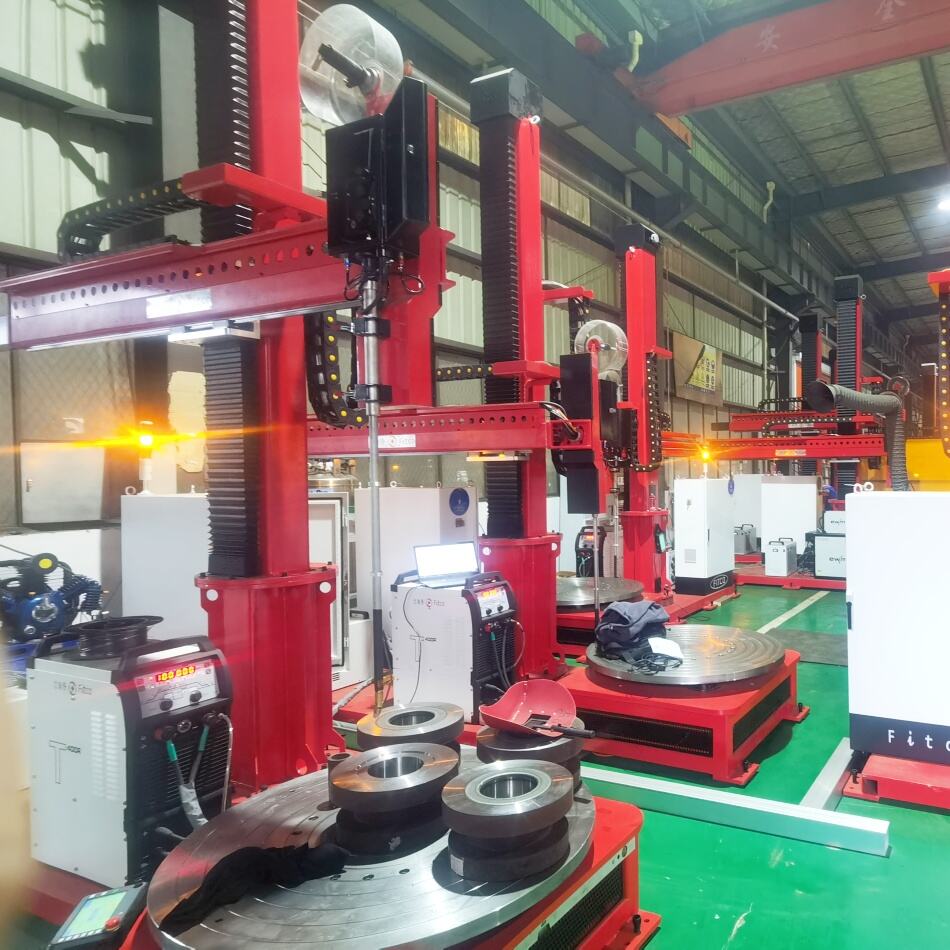
The tig welding automatic machine represents a significant advancement in modern welding technology, combining precision engineering with automated capabilities to deliver superior welding results. This sophisticated equipment utilizes Tungsten Inert Gas (TIG) welding processes within an automated framework, enabling operators to achieve consistent, high-quality welds with minimal manual intervention. The tig welding automatic machine incorporates advanced control systems that manage critical welding parameters including current, voltage, travel speed, and gas flow rates. These machines feature programmable logic controllers that store welding sequences and parameters, allowing for repeatable results across multiple production runs. The technological architecture includes servo-driven positioning systems that ensure precise torch movement and consistent arc positioning throughout the welding process. Modern tig welding automatic machine units integrate sophisticated sensors that monitor weld pool characteristics, joint geometry, and penetration depth in real-time. The equipment typically includes rotating fixtures or manipulators that position workpieces optimally for welding access while maintaining proper joint alignment. Advanced models incorporate adaptive control systems that automatically adjust welding parameters based on feedback from monitoring sensors. The main functions encompass automated torch positioning, real-time parameter adjustment, multi-pass welding capabilities, and comprehensive quality monitoring. These machines excel in applications requiring exceptional weld quality, including aerospace components, pressure vessels, pharmaceutical equipment, and precision instrumentation. The tig welding automatic machine proves particularly valuable for repetitive welding tasks where consistency and quality are paramount. Industries such as nuclear power, medical device manufacturing, and high-performance automotive applications rely heavily on these automated systems. The technology supports various materials including stainless steel, aluminum, titanium, and exotic alloys, making it versatile across diverse manufacturing sectors. Integration capabilities allow seamless connection with existing production lines and quality management systems.

New Product Releases

The tig welding automatic machine delivers transformative benefits that revolutionize welding operations across manufacturing environments. Precision stands as the primary advantage, with these systems achieving weld tolerances that exceed manual welding capabilities by significant margins. The automated torch control eliminates human hand tremor and positioning inconsistencies, resulting in uniform bead profiles and predictable penetration patterns. Productivity gains represent another crucial benefit, as the tig welding automatic machine operates continuously without fatigue, breaks, or performance degradation that affects human welders. These systems maintain consistent welding speeds and reduce cycle times through optimized parameter management and seamless multi-pass operations. Quality improvements become immediately apparent when implementing automated TIG welding technology. The machine eliminates common defects associated with manual welding, including porosity, lack of fusion, and irregular bead appearance. Consistent heat input control prevents distortion and ensures proper metallurgical properties throughout the weld zone. The tig welding automatic machine provides comprehensive documentation and traceability features that support quality assurance programs and regulatory compliance requirements. Cost reduction emerges through multiple channels when utilizing automated welding systems. Reduced rework rates, minimized material waste, and decreased inspection requirements contribute to overall project savings. The elimination of costly repairs and rejected components provides substantial long-term value. Labor optimization represents a significant operational advantage, allowing skilled welders to focus on complex tasks while the tig welding automatic machine handles repetitive production work. This strategic resource allocation improves overall workforce efficiency and job satisfaction. Safety improvements create additional value through reduced operator exposure to welding hazards, including intense UV radiation, toxic fumes, and ergonomic stress. The enclosed or semi-enclosed nature of many automated systems provides enhanced protection. Flexibility in programming allows the tig welding automatic machine to accommodate various joint configurations, material types, and thickness ranges without extensive retooling. This adaptability supports lean manufacturing principles and rapid production changes. Integration capabilities enable seamless connection with existing manufacturing execution systems, providing real-time production monitoring and data collection for continuous improvement initiatives.

Practical Tips

Common welding machine Faults and How to Troubleshoot Them

16

Mar

Common welding machine Faults and How to Troubleshoot Them

Welding machine malfunctions can halt production lines, compromise weld quality, and create costly downtime in industrial operations. Understanding common faults and their troubleshooting methods is essential for maintaining consistent welding perfor...
View More
Can MIG Welding Equipment Increase Precision in Automotive Repairs?

27

Nov

Can MIG Welding Equipment Increase Precision in Automotive Repairs?

The automotive repair industry demands exceptional precision and quality, especially when working on critical structural components and body panels. Modern repair shops are increasingly turning to advanced welding technologies to meet these stringent...
View More
How Can a TIG Welder Deliver Cleaner Industrial Welds?

22

Dec

How Can a TIG Welder Deliver Cleaner Industrial Welds?

Industrial welding operations demand precision, reliability, and exceptional quality standards that can make or break critical infrastructure projects. Among the various welding technologies available today, tungsten inert gas welding stands out as a...
View More
Why Are Pressure-Vessel Plants Using Circumferential TIG Systems?

13

Jan

Why Are Pressure-Vessel Plants Using Circumferential TIG Systems?

The pressure vessel manufacturing industry has witnessed a significant shift toward advanced welding technologies, with circumferential TIG systems emerging as the preferred solution for critical applications. These sophisticated welding systems deli...
View More

Get a Free Quote

Our representative will contact you soon.
Email
Mobile/WhatsApp
Name
Company Name
Message
0/1000

tig welding automatic machine

Advanced Arc Control Technology

Advanced Arc Control Technology

The sophisticated arc control technology integrated within the tig welding automatic machine represents a quantum leap in welding precision and consistency. This advanced system employs real-time monitoring and adjustment capabilities that continuously optimize welding parameters throughout the entire process. The technology utilizes high-frequency sensors that detect minute variations in arc characteristics, including voltage fluctuations, current density changes, and plasma column stability. These sensors feed data to sophisticated control algorithms that make instantaneous adjustments to maintain optimal welding conditions. The arc control system manages tungsten electrode positioning with micrometer precision, ensuring consistent arc length and optimal heat input distribution. Advanced pulse control features allow the tig welding automatic machine to alternate between peak and background currents, providing superior control over heat input and weld pool formation. This pulsing capability proves particularly beneficial when welding thin materials or dissimilar metals, where thermal management becomes critical. The technology incorporates adaptive voltage regulation that compensates for changes in electrode wear, workpiece positioning, and joint fit-up variations. This automatic compensation eliminates the need for frequent manual adjustments and maintains weld quality throughout extended production runs. The arc control system also features advanced gas flow management that optimizes shielding gas coverage based on welding position, joint geometry, and material requirements. Variable gas flow rates and specialized gas mixing capabilities ensure optimal protection of the weld zone and tungsten electrode. The intelligent control system stores welding procedures in memory banks, allowing operators to recall proven parameters for specific applications instantly. This feature significantly reduces setup time and eliminates parameter selection errors. The tig welding automatic machine incorporates fault detection algorithms that identify potential problems before they affect weld quality, including electrode contamination, gas flow interruptions, and electrical system anomalies. These predictive capabilities minimize downtime and prevent costly rework situations. The arc control technology supports both AC and DC welding modes, with specialized algorithms optimized for aluminum welding applications that require precise balance control and cleaning action management.
Precision Motion Control Systems

Precision Motion Control Systems

The precision motion control systems embedded in the tig welding automatic machine deliver unparalleled accuracy in torch positioning and workpiece manipulation, establishing new standards for automated welding applications. These sophisticated mechanical systems employ servo-driven actuators that provide precise control over all axes of movement, including linear positioning, rotational movement, and angular adjustments. The motion control architecture utilizes high-resolution encoders that provide position feedback with sub-millimeter accuracy, ensuring consistent torch-to-work distances and optimal joint tracking capabilities. The tig welding automatic machine incorporates multi-axis coordination that synchronizes torch movement with workpiece rotation or linear travel, enabling complex welding patterns and three-dimensional joint configurations. Advanced interpolation algorithms calculate optimal path trajectories that minimize travel time while maintaining smooth, continuous motion profiles. The system features programmable acceleration and deceleration curves that prevent sudden movements that could disturb the weld pool or cause arc instability. Specialized oscillation capabilities allow the torch to weave across joint faces, providing improved sidewall fusion and enhanced gap bridging performance. The motion control system includes adaptive speed control that automatically adjusts travel rates based on joint geometry, material thickness, and welding position requirements. This intelligent speed management optimizes productivity while maintaining consistent weld quality across varying conditions. The tig welding automatic machine utilizes precision linear guides and ball screws that maintain positioning accuracy throughout millions of operating cycles. These mechanical components undergo rigorous quality control and precision manufacturing processes to ensure long-term reliability and consistent performance. The system incorporates collision detection and avoidance algorithms that protect equipment and workpieces from damage during automated operation. Advanced teach pendant interfaces allow operators to program complex welding sequences through intuitive point-and-click methods, eliminating the need for complex programming languages. The motion control system supports both coordinate-based programming and learn-by-demonstration techniques, accommodating various skill levels and application requirements. Integrated vibration dampening systems minimize external disturbances that could affect weld quality, while precision mounting systems ensure stable operation in demanding industrial environments. The tig welding automatic machine features modular motion control architectures that allow customization for specific applications, from simple linear welding to complex orbital and circumferential operations.
Intelligent Quality Monitoring Integration

Intelligent Quality Monitoring Integration

The intelligent quality monitoring integration within the tig welding automatic machine provides comprehensive real-time assessment and documentation capabilities that transform welding quality assurance processes. This advanced monitoring system employs multiple sensing technologies that continuously evaluate weld formation, penetration characteristics, and overall joint integrity throughout the welding process. High-resolution cameras equipped with specialized filters capture detailed images of the weld pool, allowing sophisticated image processing algorithms to analyze bead profile, width consistency, and surface characteristics. These visual monitoring systems detect defects such as porosity, undercutting, and irregular bead formation in real-time, enabling immediate corrective action. The tig welding automatic machine incorporates acoustic emission sensors that monitor the distinctive sound signatures associated with proper arc behavior and weld formation. These sensors can detect gas entrapment, lack of fusion, and other subsurface defects that may not be visible through conventional monitoring methods. Advanced signal processing algorithms analyze acoustic patterns and compare them against established baselines for specific welding procedures and materials. Thermal monitoring systems utilize infrared sensors to track heat distribution patterns and cooling rates, ensuring proper thermal cycles and preventing heat-affected zone problems. The intelligent monitoring system includes penetration sensors that verify complete joint fusion and proper root formation, particularly critical for pressure vessel and pipeline applications. These sensors provide immediate feedback on weld penetration adequacy, preventing costly repairs and ensuring structural integrity. The tig welding automatic machine features comprehensive data logging capabilities that record all welding parameters, monitoring results, and quality metrics for each completed weld. This documentation supports traceability requirements and provides valuable data for process optimization and continuous improvement initiatives. Statistical process control algorithms analyze historical welding data to identify trends, predict potential quality issues, and recommend parameter adjustments. The system generates detailed quality reports that include graphical representations of welding parameters, defect locations, and compliance status relative to specified standards. Integration with enterprise resource planning systems allows seamless data transfer and automated quality documentation. The monitoring system includes configurable alarm thresholds that alert operators to potential quality issues before they result in defective welds. The tig welding automatic machine supports various inspection standards and automatically formats quality documentation to meet specific customer or regulatory requirements. Advanced machine learning capabilities enable the system to continuously improve defect detection accuracy and reduce false alarm rates through experience-based algorithm refinement.

Get a Free Quote

Our representative will contact you soon.
Email
Mobile/WhatsApp
Name
Company Name
Message
0/1000