Professional MIG Pipe Cladding Services - Advanced Corrosion Protection Solutions

Contact me immediately if you encounter problems!

All Categories

Get a Free Quote

Our representative will contact you soon.
Email
Mobile/WhatsApp
Name
Company Name
Message
0/1000

Get a Free Quote

Our representative will contact you soon.
Email
Mobile/WhatsApp
Name
Company Name
Message
0/1000

mig pipe cladding

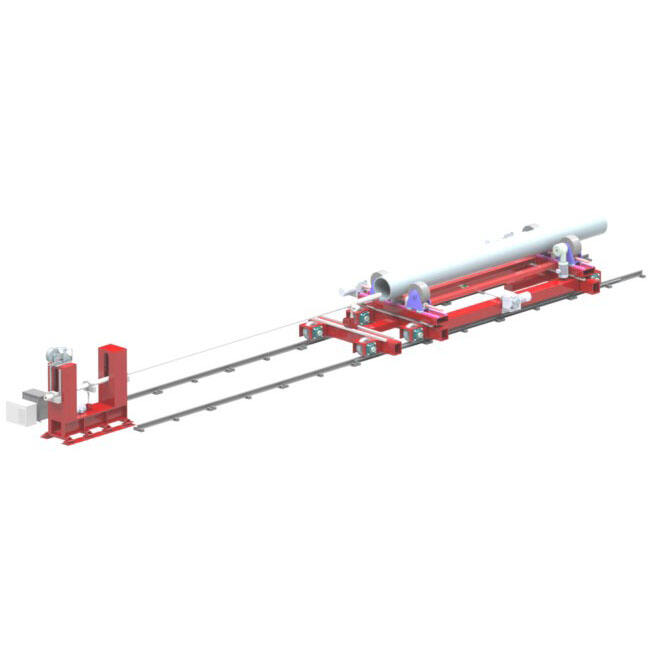
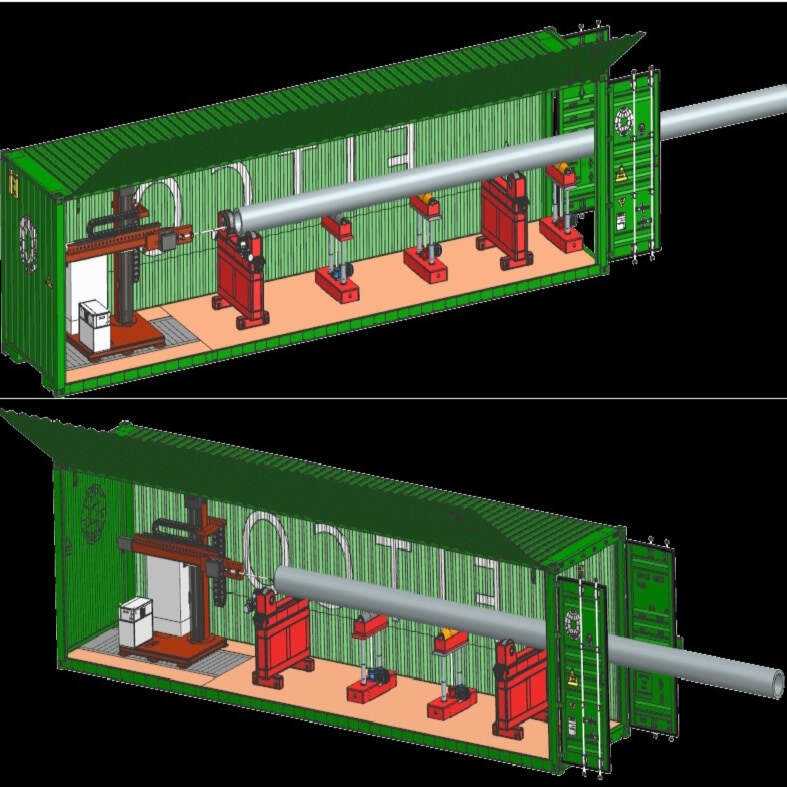
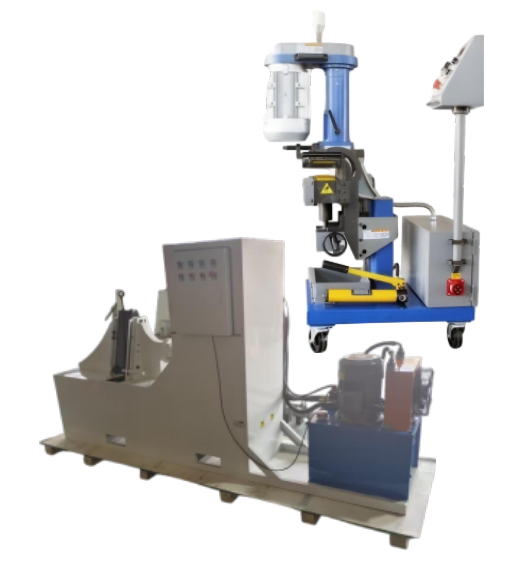
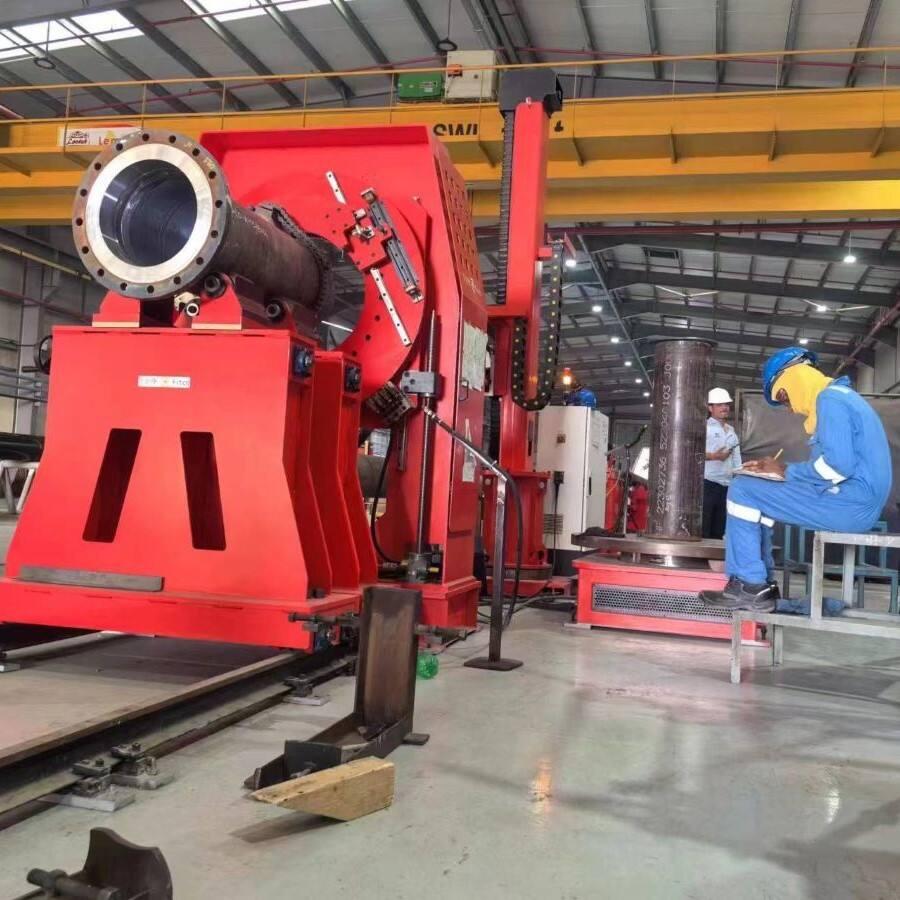
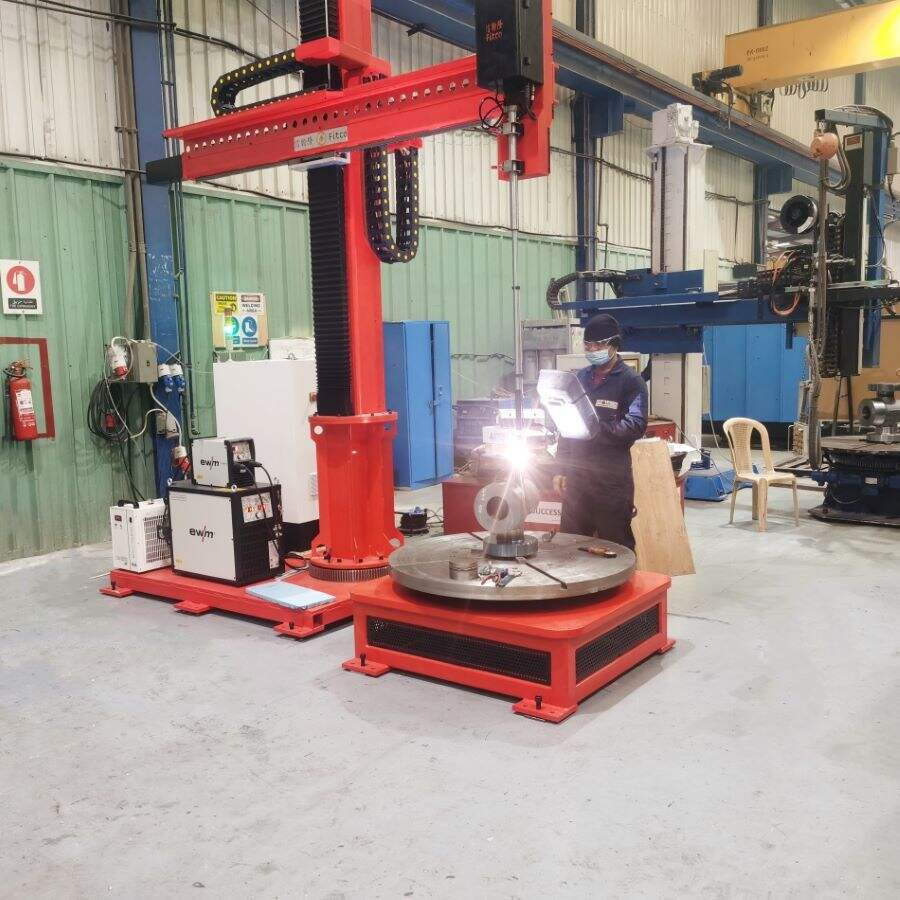
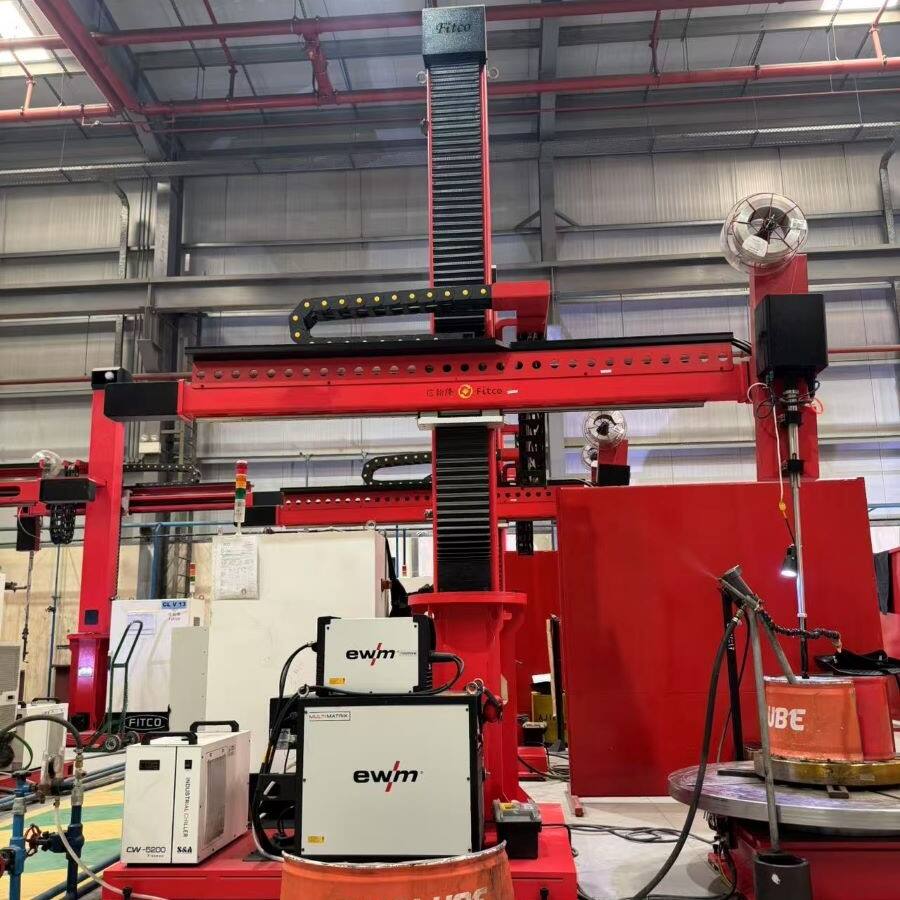
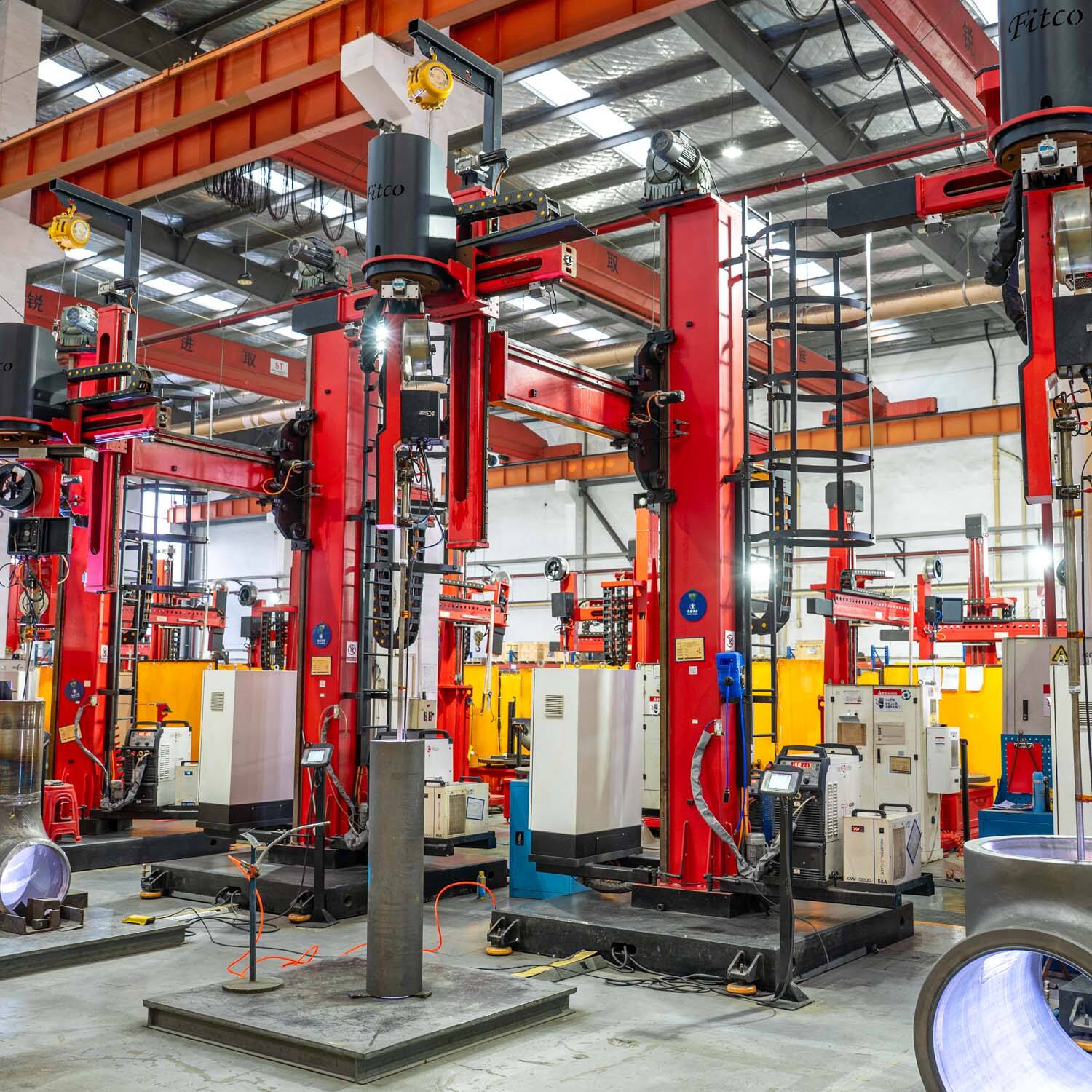
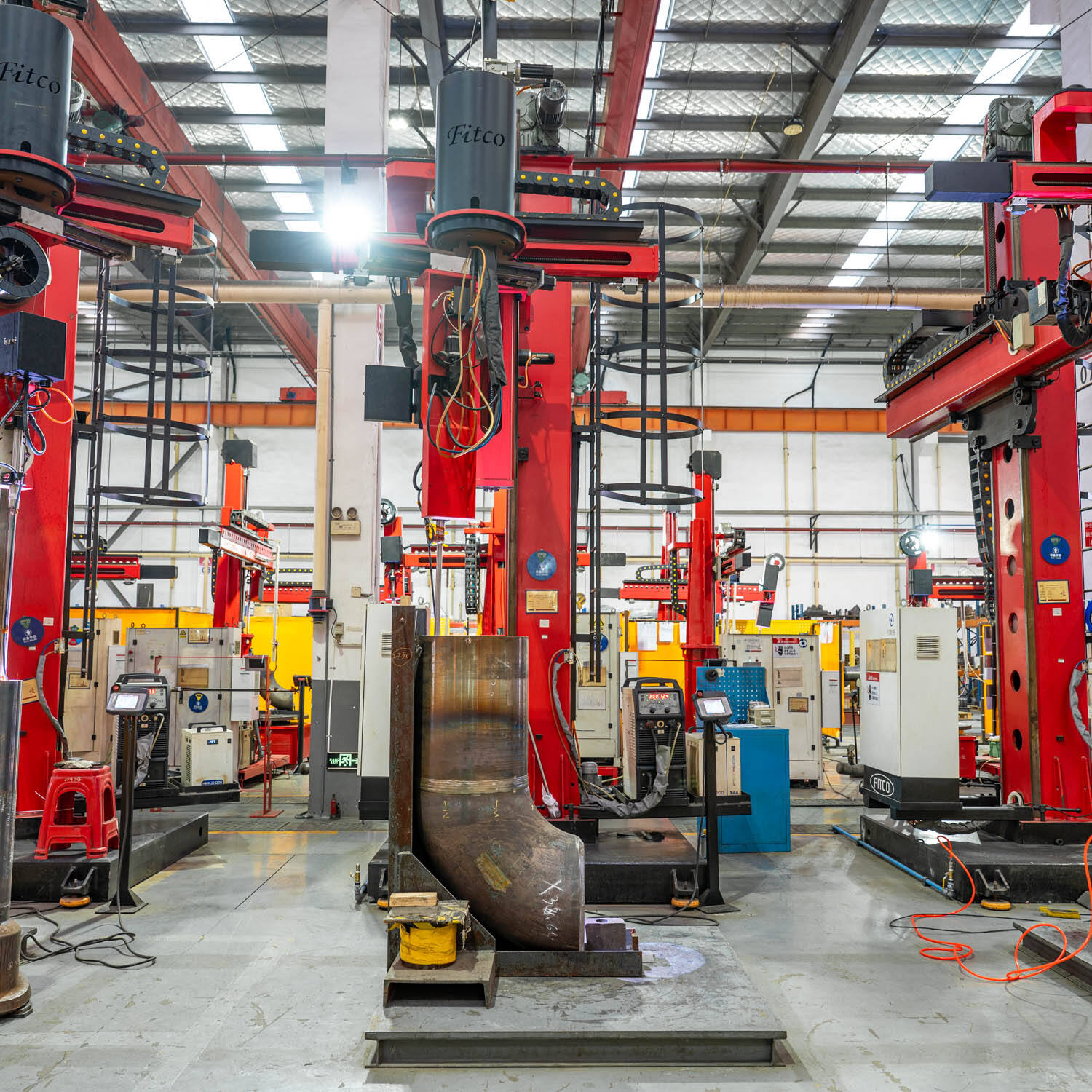
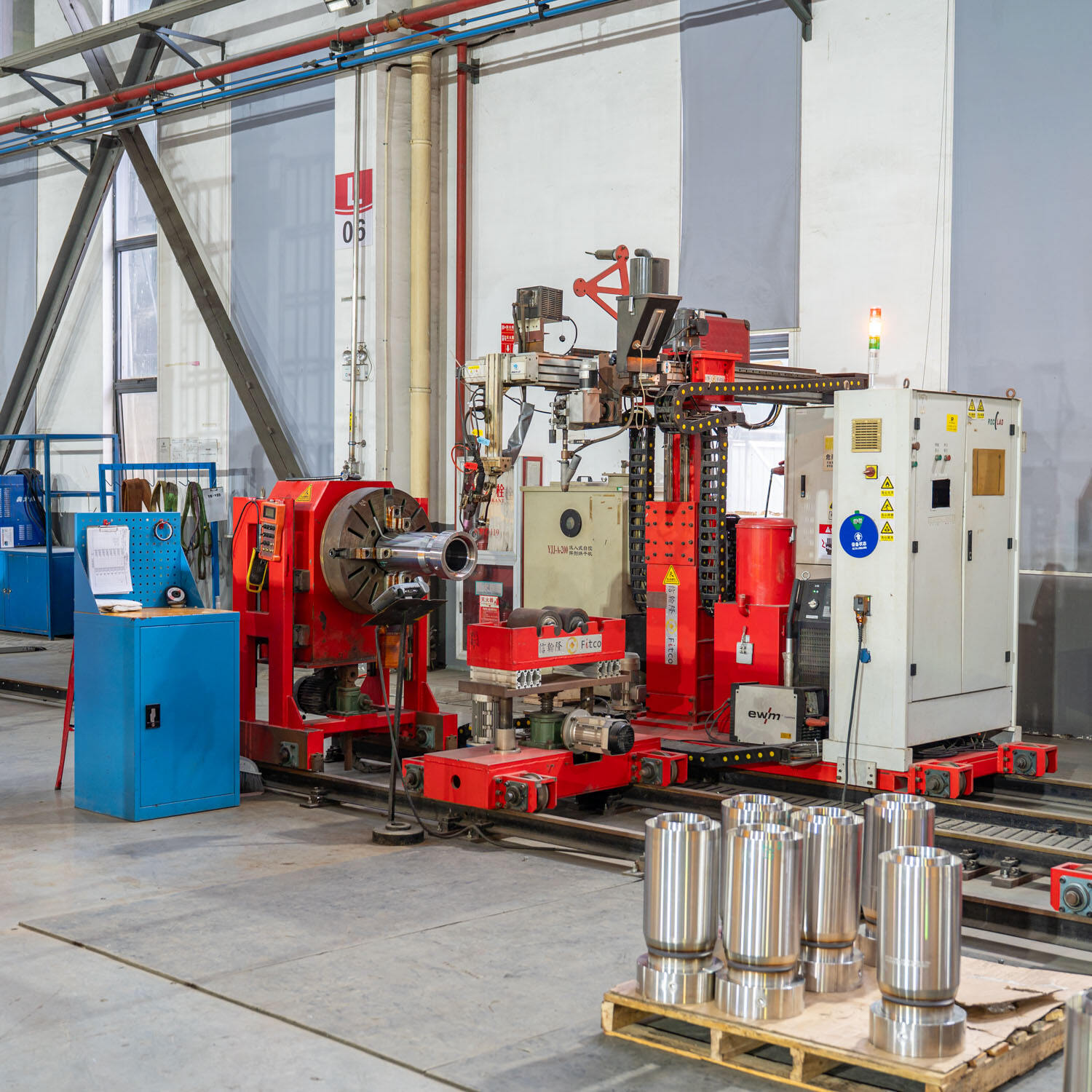
Mig pipe cladding represents a revolutionary advancement in industrial pipeline protection technology, offering comprehensive solutions for corrosion prevention and structural enhancement across diverse applications. This innovative system combines metal inert gas welding techniques with advanced cladding materials to create superior protective layers on pipe surfaces. The primary function of mig pipe cladding involves depositing corrosion-resistant alloys onto base metal substrates, effectively extending pipeline service life while maintaining operational integrity. The technological foundation relies on precise welding parameters, controlled atmosphere environments, and metallurgical bonding principles that ensure optimal adhesion between cladding and substrate materials. Modern mig pipe cladding systems incorporate automated welding equipment, sophisticated monitoring systems, and quality control protocols that guarantee consistent results across large-scale projects. Applications span multiple industries including oil and gas, petrochemical processing, water treatment, marine environments, and power generation facilities. The process begins with thorough substrate preparation, followed by systematic application of cladding materials using specialized mig welding equipment configured for cladding operations. Temperature control, travel speed, and wire feed rates are precisely calibrated to achieve optimal penetration and dilution characteristics. The resulting clad layer provides exceptional resistance to various corrosive media, including acids, alkalis, saltwater, and industrial chemicals. Quality assurance protocols include non-destructive testing methods such as ultrasonic examination, penetrant testing, and visual inspection to verify bond integrity and surface quality. Environmental considerations drive many mig pipe cladding applications, as the technology enables rehabilitation of existing pipelines rather than complete replacement, reducing material waste and environmental impact. The versatility of mig pipe cladding allows for customization based on specific service conditions, with material selection ranging from stainless steel alloys to specialized nickel-based compositions.

Popular Products

Mig pipe cladding delivers substantial cost savings compared to solid alloy pipe alternatives, making it an economically attractive solution for demanding applications. Organizations benefit from reduced material costs since only the surface layer requires expensive corrosion-resistant alloys, while the base pipe consists of standard carbon steel. Installation efficiency represents another significant advantage, as mig pipe cladding can be applied in field conditions using portable equipment, eliminating the need for complete pipeline replacement projects. The process minimizes downtime during maintenance operations, allowing continued production while protective measures are implemented. Quality consistency stands out as a major benefit, with modern mig pipe cladding systems delivering repeatable results through automated welding controls and real-time monitoring capabilities. Surface finish quality meets stringent industrial standards, providing smooth internal surfaces that optimize flow characteristics and reduce pressure losses. Maintenance requirements decrease substantially after mig pipe cladding application, as the protective layer resists common forms of corrosion and wear that typically affect unprotected pipelines. The technology offers exceptional design flexibility, accommodating various pipe diameters, wall thicknesses, and geometric configurations without compromising performance. Environmental benefits emerge from extended pipeline service life, reduced replacement frequency, and lower material consumption compared to traditional approaches. Worker safety improves through reduced exposure to hazardous environments during maintenance activities, as properly applied mig pipe cladding significantly extends intervals between required inspections. Performance reliability increases through enhanced resistance to thermal cycling, pressure fluctuations, and chemical attack that commonly challenge pipeline systems. The technology supports sustainable operations by enabling continued use of existing infrastructure while upgrading performance characteristics. Risk mitigation becomes achievable through improved leak prevention, reduced failure rates, and enhanced system integrity that protects against environmental incidents. Versatility in material selection allows optimization for specific service conditions, ensuring optimal performance across diverse operating environments and chemical exposures.

Latest News

Understanding the Duty Cycle of Your Heavy-Duty arc welding machine

16

Mar

Understanding the Duty Cycle of Your Heavy-Duty arc welding machine

The duty cycle of an arc welding machine represents one of the most critical specifications that determines its operational capabilities and longevity in heavy-duty industrial applications. This measurement defines how long your arc welding machine c...
View More
Why Are Pipe Cladding Machines Vital for Industrial Corrosion Protection?

27

Nov

Why Are Pipe Cladding Machines Vital for Industrial Corrosion Protection?

Industrial facilities worldwide face a constant battle against corrosion, with pipe systems serving as critical infrastructure that demands exceptional protection. The implementation of advanced welding technologies has revolutionized how industries ...
View More
Which Industries Benefit Most from Using a TIG Welder?

13

Jan

Which Industries Benefit Most from Using a TIG Welder?

TIG welding technology has revolutionized manufacturing and fabrication processes across numerous industries, offering unparalleled precision and quality in metal joining applications. The versatility of a TIG welder makes it an indispensable tool fo...
View More
Why Are Pressure-Vessel Plants Using Circumferential TIG Systems?

13

Jan

Why Are Pressure-Vessel Plants Using Circumferential TIG Systems?

The pressure vessel manufacturing industry has witnessed a significant shift toward advanced welding technologies, with circumferential TIG systems emerging as the preferred solution for critical applications. These sophisticated welding systems deli...
View More

Get a Free Quote

Our representative will contact you soon.
Email
Mobile/WhatsApp
Name
Company Name
Message
0/1000

mig pipe cladding

Superior Corrosion Resistance Technology

Superior Corrosion Resistance Technology

The exceptional corrosion resistance capabilities of mig pipe cladding stem from advanced metallurgical engineering that creates impermeable barriers against aggressive chemical environments. This protective technology employs precisely controlled welding parameters to deposit high-performance alloys onto base pipe surfaces, forming metallurgically bonded layers that resist degradation from acids, alkalis, saltwater, and industrial chemicals. The bonding mechanism ensures complete adhesion between cladding and substrate materials, eliminating potential failure points that compromise protective integrity. Material selection for mig pipe cladding encompasses a comprehensive range of corrosion-resistant alloys, including austenitic stainless steels, duplex stainless steels, nickel-based superalloys, and specialized compositions designed for specific chemical exposures. Each material offers unique properties tailored to particular service conditions, ensuring optimal performance across diverse applications. The cladding thickness can be precisely controlled to match corrosion allowances and service life requirements, providing economic optimization while maintaining protective effectiveness. Quality control protocols verify bond integrity through non-destructive testing methods, ensuring consistent protection across entire pipeline systems. The technology addresses common corrosion mechanisms including uniform corrosion, pitting corrosion, crevice corrosion, and stress corrosion cracking through appropriate material selection and application techniques. Long-term performance data demonstrates superior durability compared to alternative protection methods, with properly applied mig pipe cladding maintaining protective properties for decades under challenging service conditions. The process accommodates complex geometries and configurations, ensuring comprehensive protection of fittings, joints, and transition areas that represent potential weak points in pipeline systems. Temperature stability of clad layers enables operation across wide temperature ranges without degradation of protective properties, supporting applications in both high-temperature processing and cryogenic service conditions.
Advanced Manufacturing Precision and Quality Control

Advanced Manufacturing Precision and Quality Control

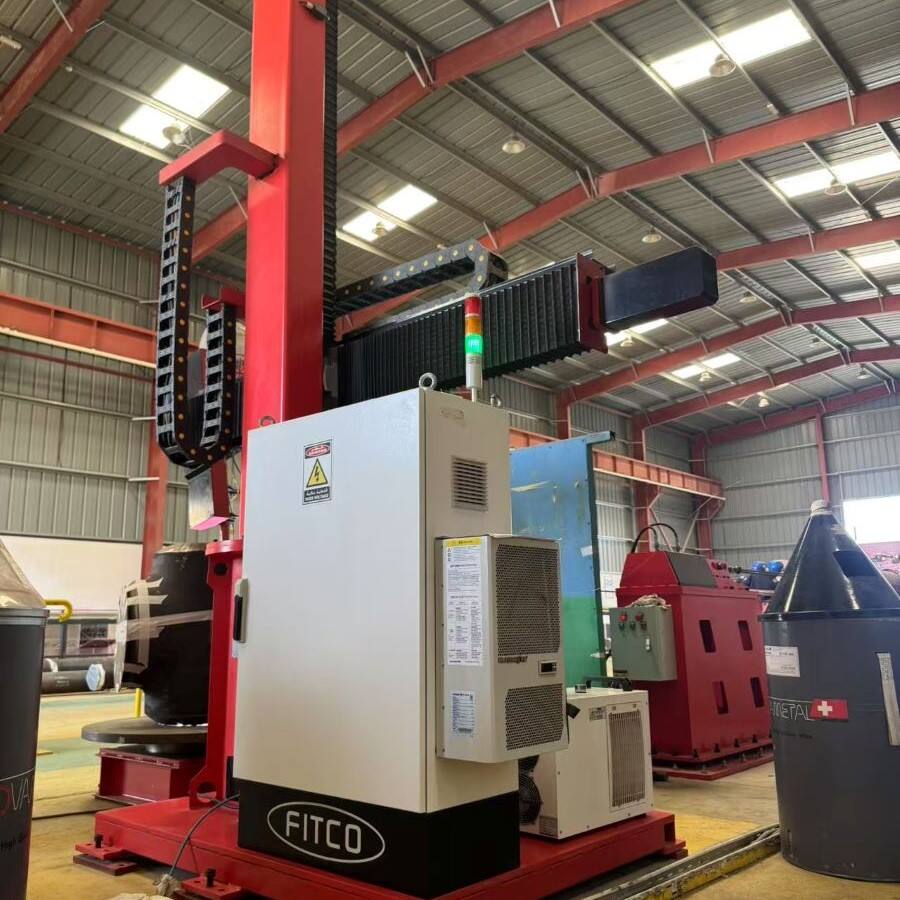
Mig pipe cladding achieves unprecedented manufacturing precision through sophisticated welding equipment and computerized control systems that ensure consistent quality across large-scale projects. The technology utilizes advanced power sources with precise current and voltage control, enabling optimal heat input management that prevents dilution while ensuring complete bonding between cladding and substrate materials. Automated wire feed systems maintain consistent deposition rates, eliminating variations that could compromise cladding integrity or surface finish quality. Travel speed control mechanisms ensure uniform layer thickness and optimal overlap patterns that create seamless protective surfaces. Real-time monitoring systems track critical welding parameters including arc voltage, current levels, travel speed, and shielding gas flow rates, providing immediate feedback for quality assurance purposes. Sophisticated positioning equipment enables precise manipulation of welding torches, ensuring optimal angles and distances that maximize bonding effectiveness while minimizing heat-affected zone dimensions. Quality control protocols incorporate multiple inspection techniques including visual examination, dimensional measurement, hardness testing, and metallographic analysis to verify compliance with industry standards and customer specifications. Advanced non-destructive testing methods such as ultrasonic thickness measurement and penetrant testing identify potential defects before they compromise system performance. Documentation systems maintain complete traceability of welding parameters, material certifications, and inspection results, supporting quality assurance requirements and regulatory compliance. The manufacturing process accommodates various pipe sizes and configurations, from small-diameter tubing to large-diameter transmission lines, without compromising quality standards. Skilled technicians operate under certified welding procedures that specify exact parameters for each application, ensuring reproducible results across different projects and locations. Continuous improvement programs incorporate feedback from field performance data to refine welding procedures and enhance quality standards, maintaining technological leadership in the mig pipe cladding industry.
Comprehensive Industrial Application Versatility

Comprehensive Industrial Application Versatility

The remarkable versatility of mig pipe cladding technology enables successful implementation across numerous industrial sectors, each presenting unique challenges and requirements that demonstrate the adaptability of this advanced protection method. Oil and gas operations utilize mig pipe cladding for flowlines, gathering systems, processing equipment, and offshore installations where corrosive hydrocarbons, saltwater, and hydrogen sulfide create demanding service conditions. The technology provides reliable protection against sour gas corrosion, CO2 corrosion, and chloride stress corrosion cracking that commonly affect production systems. Petrochemical facilities benefit from mig pipe cladding applications in process piping, heat exchanger tubes, and reactor components exposed to aggressive chemicals including sulfuric acid, hydrochloric acid, and various organic compounds. The precise control of cladding composition enables optimization for specific chemical exposures while maintaining mechanical properties required for pressure containment. Water treatment plants implement mig pipe cladding for potable water systems, wastewater processing equipment, and desalination facilities where chloride corrosion and microbiologically influenced corrosion pose significant challenges. Marine applications leverage the technology for seawater intake systems, ballast piping, and offshore platform infrastructure where saltwater exposure demands exceptional corrosion resistance. Power generation facilities utilize mig pipe cladding for steam lines, condensate systems, and cooling water circuits where high temperatures and corrosive media require specialized protection. Pulp and paper industries apply the technology to bleach plant piping and chemical handling systems where chlorine compounds and alkaline solutions create corrosive environments. Food processing operations benefit from sanitary-grade mig pipe cladding that meets hygiene standards while resisting cleaning chemicals and process fluids. Mining operations implement the technology for slurry transport systems, acid mine drainage handling, and mineral processing equipment where abrasive particles and corrosive solutions combine to challenge conventional materials. The technology supports both new construction projects and rehabilitation of existing systems, providing cost-effective solutions for asset life extension and performance enhancement across diverse industrial applications.

Get a Free Quote

Our representative will contact you soon.
Email
Mobile/WhatsApp
Name
Company Name
Message
0/1000