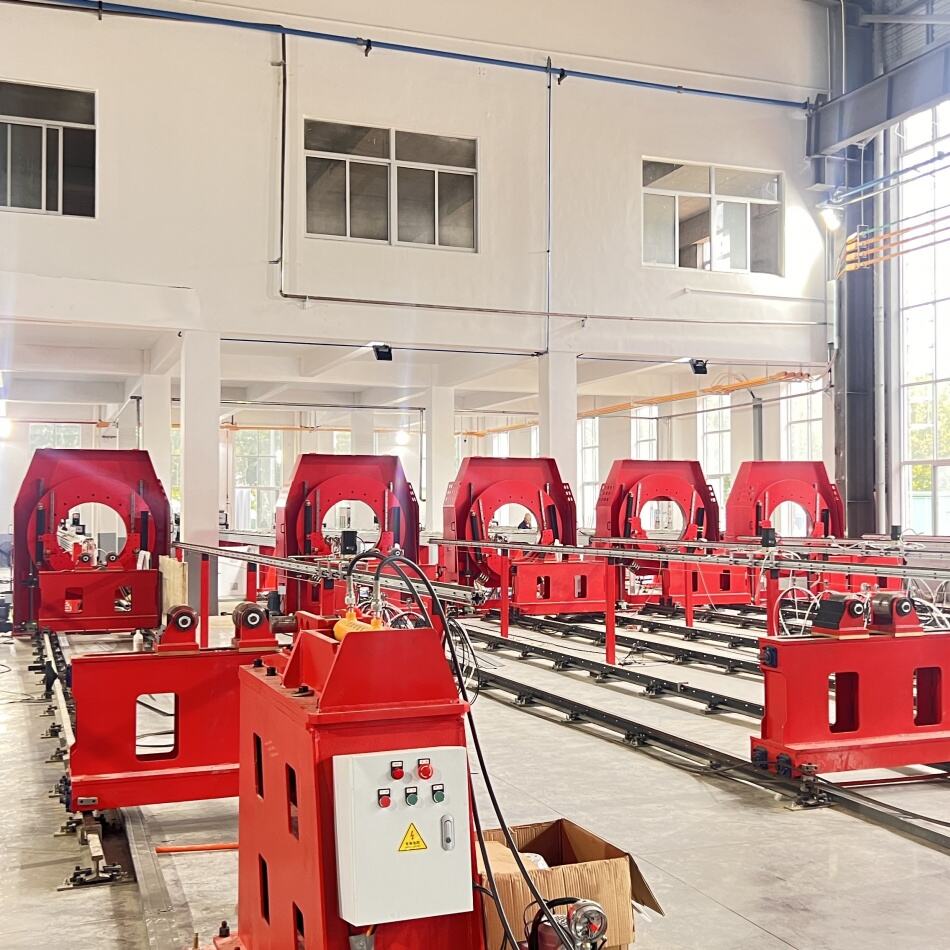
Överlägsen mångsidighet över flera materialtyper och applikationer
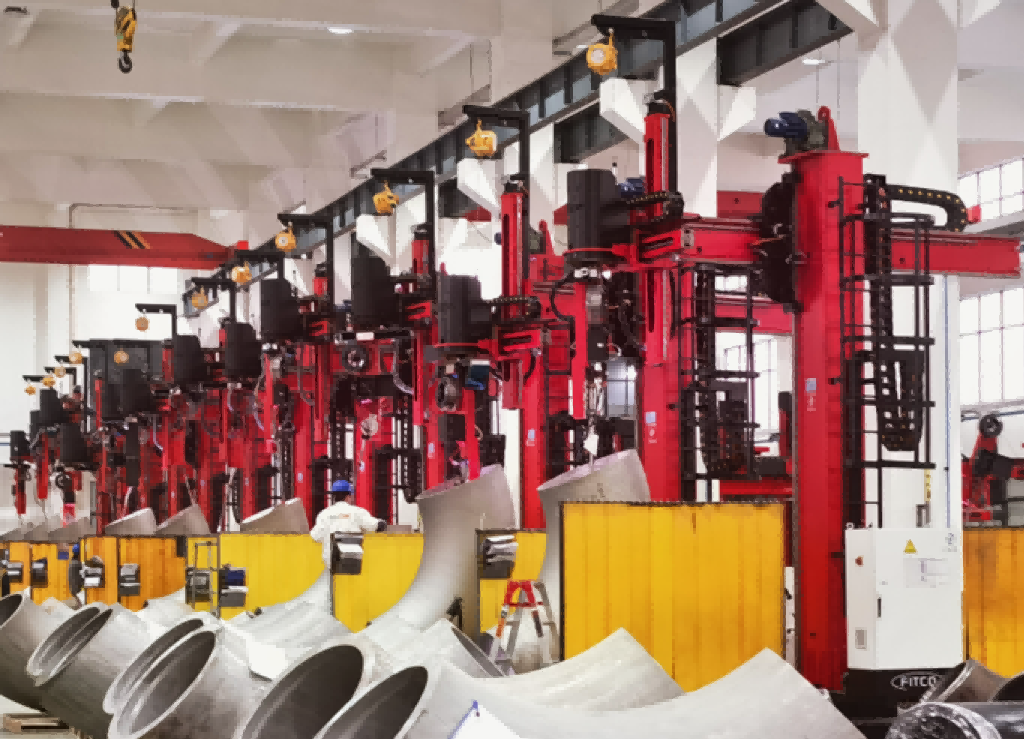
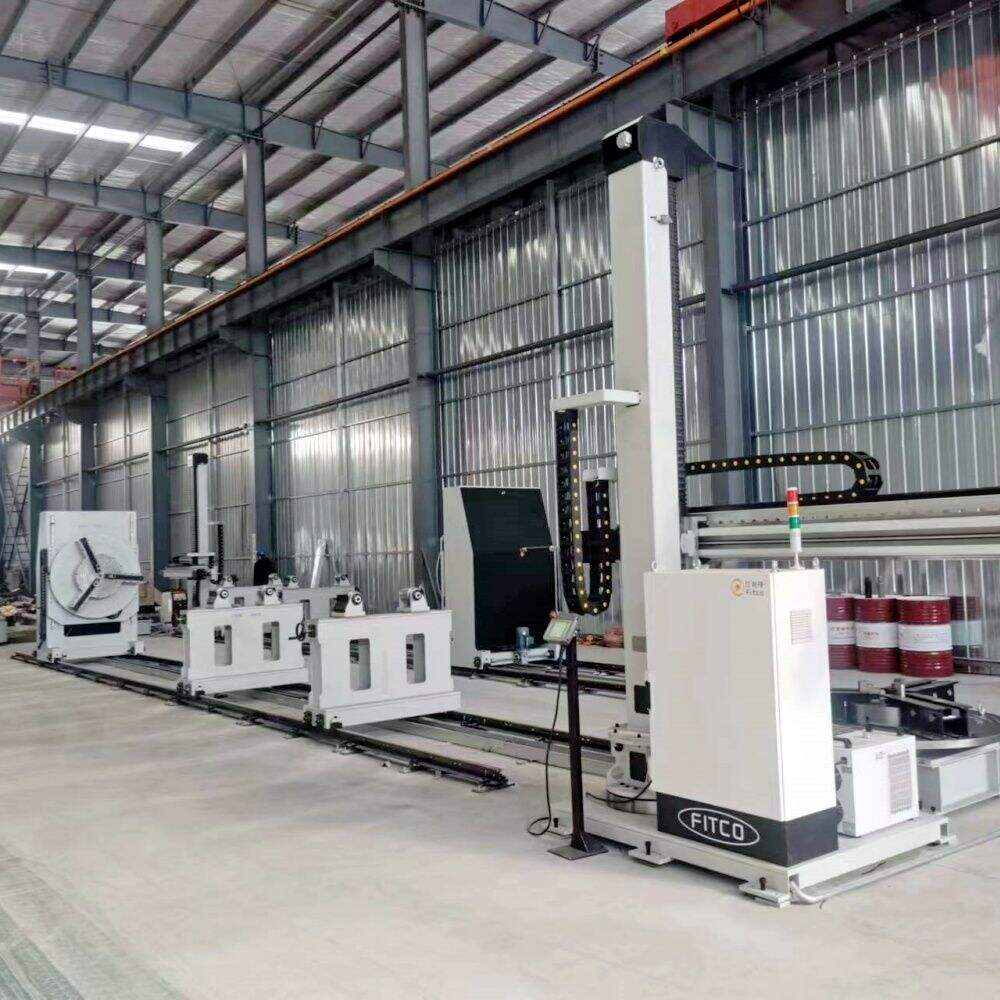
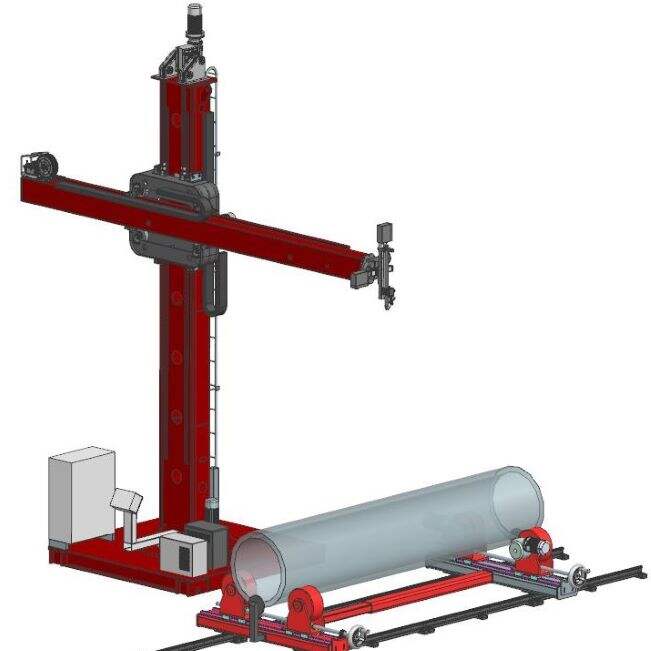
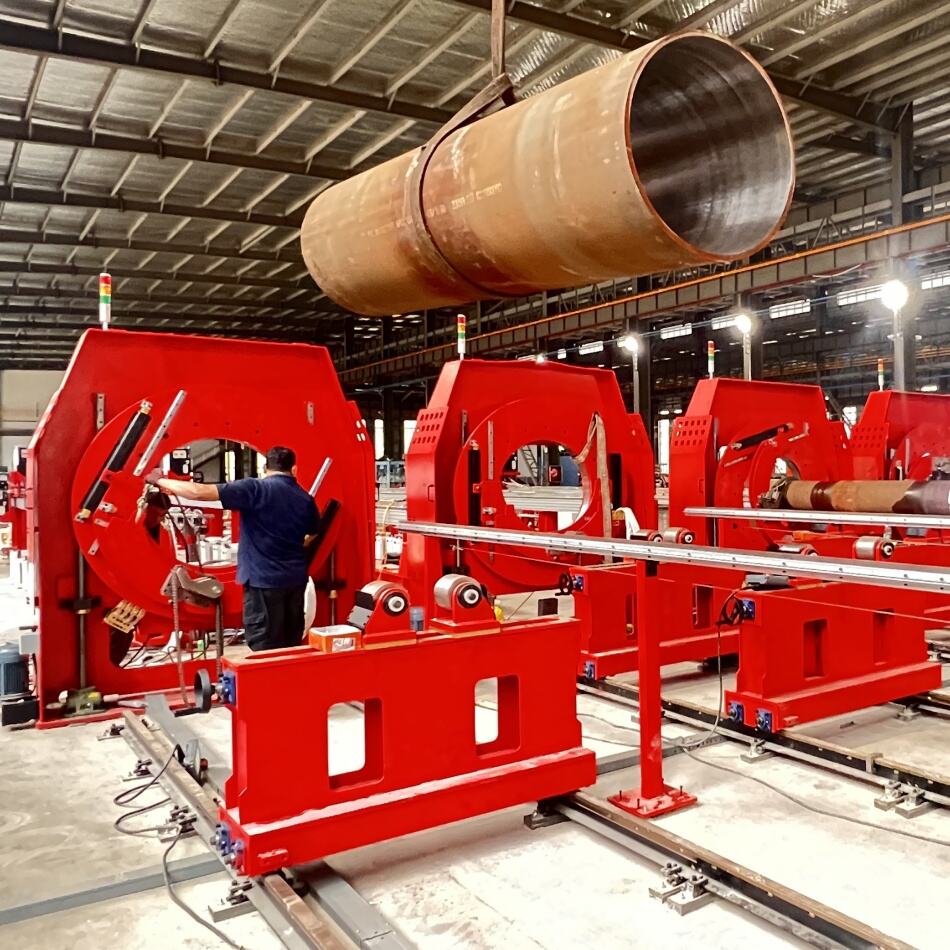
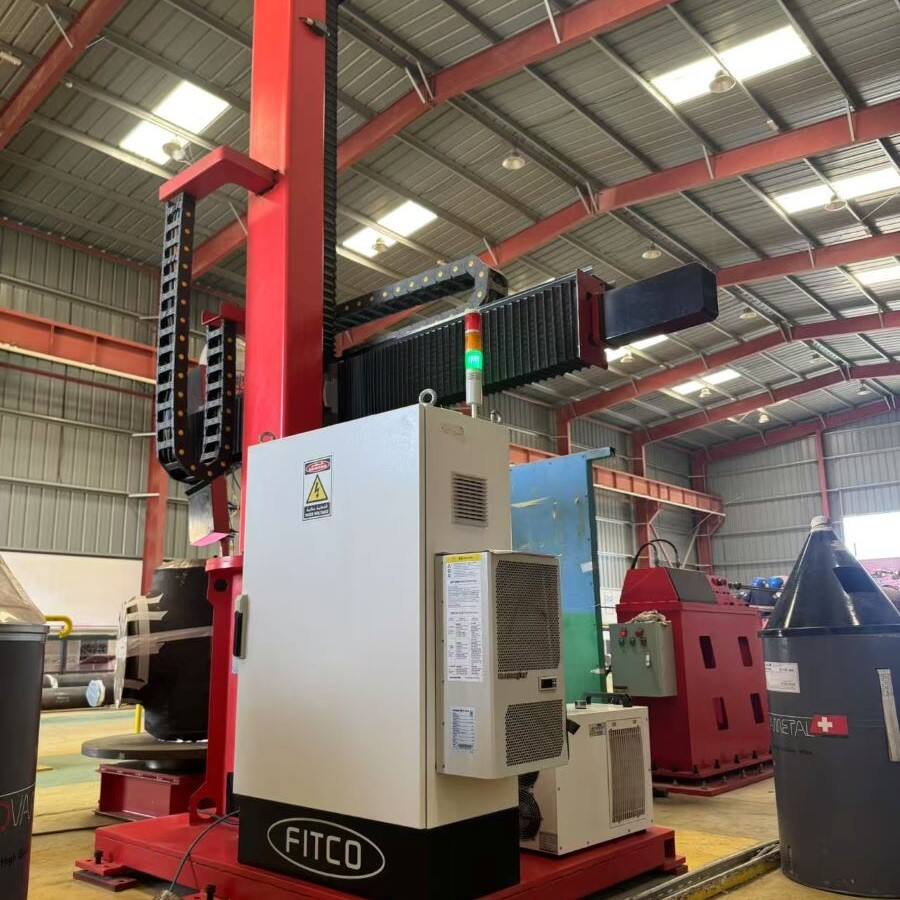
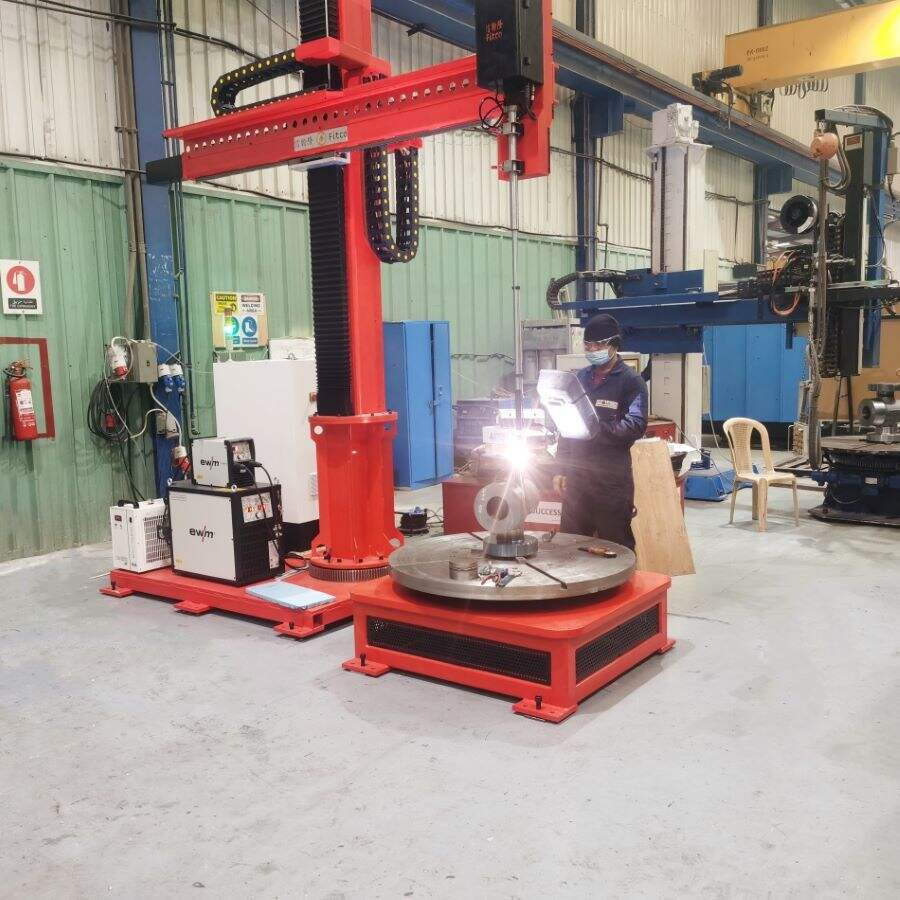
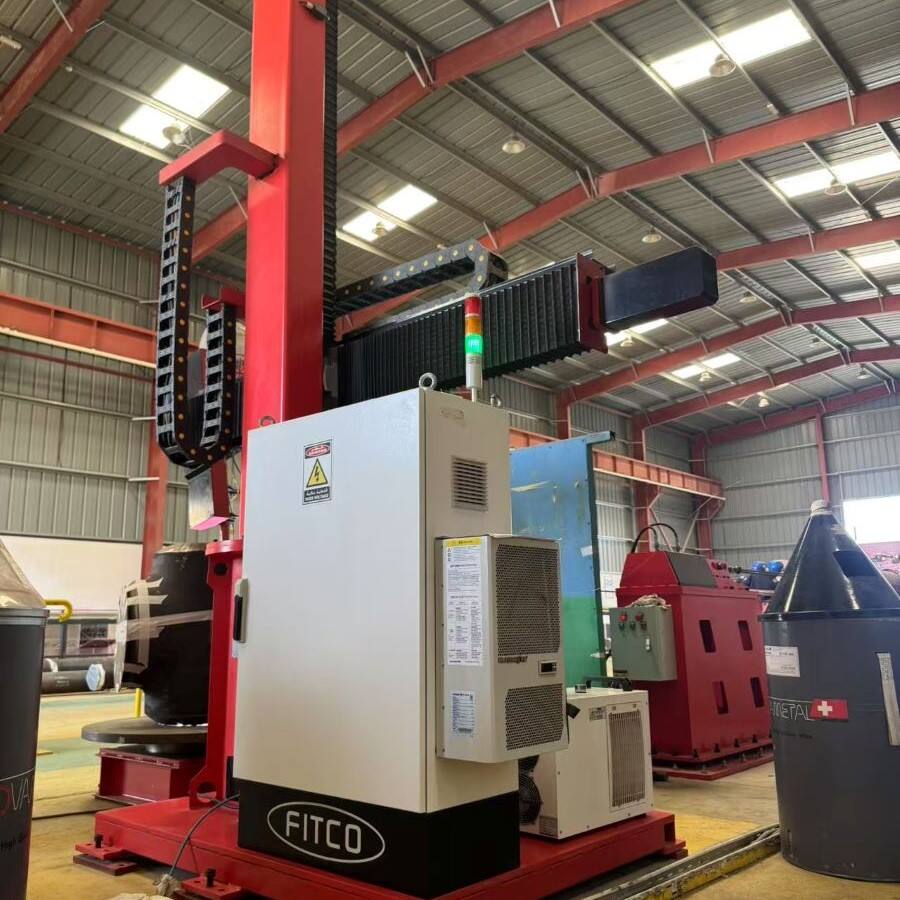
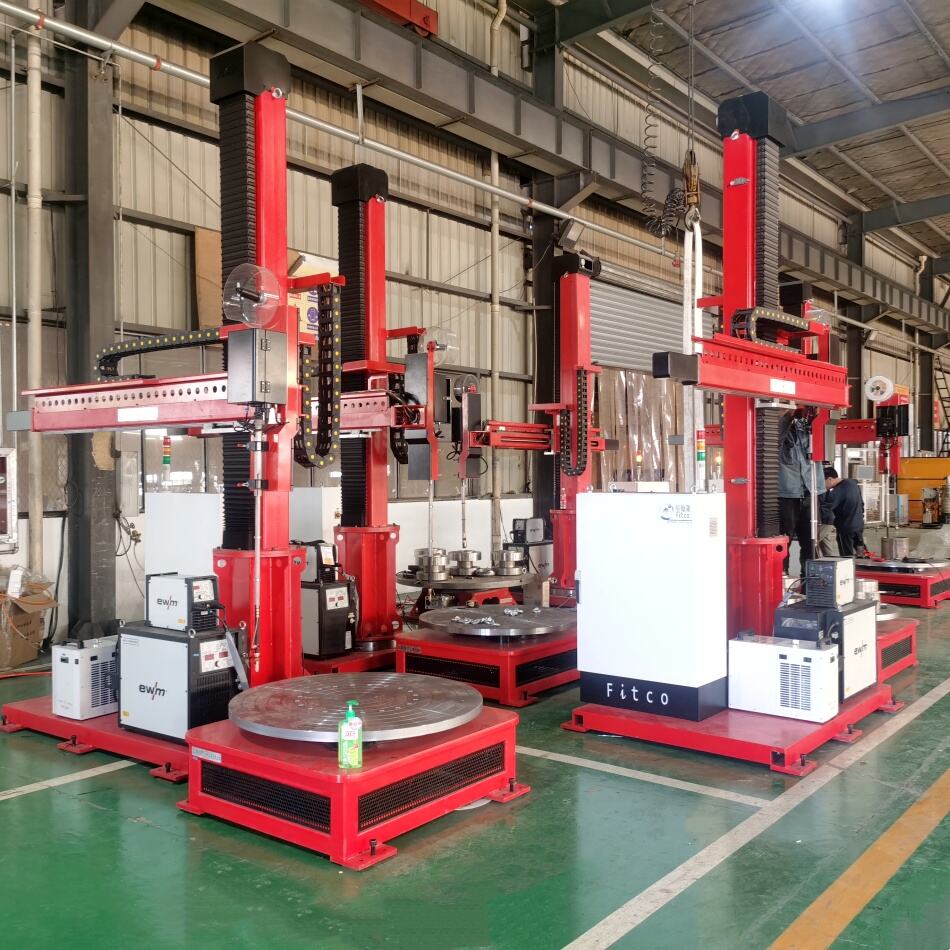
Den exceptionella mångsidigheten hos industriella MIG-svetsmaskiner gör det möjligt for professionella operatörer att hantera olika svetsutmaningar med en enda, omfattande lösning. Denna anpassningsförmåga sträcker sig över flera materialtyper, inklusive mild stål, rostfritt stål, aluminium, kopparlegeringar och olika specialmetaller som ofta förekommer i industriella tillverkningsmiljöer. Den industriella MIG-svetsmaskinen hanterar materialtjocklekar från tunna plåtapplikationer till tunga konstruktionskomponenter, vilket ger fullständig täckning för tillverkningskraven. Denna breda materialkompatibilitet eliminerar behovet av flera specialiserade svetssystem, vilket minskar utrustningskostnader och förenklar lagerhanteringen av svetsförbrukningsmaterial. Fördelen med mångsidighet blir särskilt värdefull i verkstäder för specialtillverkning och underhållsanläggningar där materialtyper och projektkrav varierar kraftigt. Industriella MIG-svetsmaskiner presterar utmärkt i flera svetspositioner, inklusive horisontell, vertikal, flat och takposition, vilket gör att operatörer kan slutföra komplexa monteringsuppgifter utan att behöva omplacera arbetsstyckena. Denna positionsmässiga flexibilitet minskar hanteringstiden och förbättrar arbetsplatsens säkerhet genom att minimera kraven på tung lyftning. Anpassningsförmågan sträcker sig även till olika fogkonfigurationer, från enkla stumpfogar till komplexa hörnfogar, urgrävningsfogar och stoppfogar som används i konstruktionsapplikationer. Moderna industriella MIG-svetsmaskiner är utrustade med justerbara trådmatningssystem som kan hantera olika tråddiametrar och sammansättningar, vilket optimerar avsättningshastigheten och svetskarakteristika för specifika applikationer. Gasystemets mångsidighet gör det möjligt för operatörer att använda olika skyddsgasblandningar – från ren argon vid aluminiumsvetsning till argon-CO₂-blandningar vid stålsvetsning – för att säkerställa optimal svetskvalitet över alla materialtyper. Denna anpassningsförmåga gör den industriella MIG-svetsmaskinen lämplig för ett brett spektrum av branscher, inklusive bilindustrin, skeppsbyggnad, byggindustrin, rörledningsinstallation och allmän tillverkning. Möjligheten att snabbt växla mellan olika svetslägen och parametrar förbättrar driftseffektiviteten i dynamiska produktionsmiljöer där projektkraven ofta ändras. Professionella svetsoperationer drar nytta av denna omfattande mångsidighet genom att bibehålla driftflexibilitet samtidigt som de uppnår konsekventa kvalitetsstandarder i alla applikationer, vilket stödjer affärstillväxt och kundnöjdhet.

 EN
EN
 AR
AR BG
BG HR
HR CS
CS DA
DA NL
NL FI
FI FR
FR DE
DE EL
EL HI
HI IT
IT JA
JA KO
KO NO
NO PL
PL PT
PT RO
RO RU
RU ES
ES SV
SV TL
TL IW
IW ID
ID LT
LT UK
UK SQ
SQ HU
HU TH
TH TR
TR FA
FA AF
AF CY
CY MK
MK LA
LA MN
MN KK
KK UZ
UZ KY
KY