Advanced Pipe Cladding System - Superior Corrosion Protection & Industrial Piping Solutions

Contact me immediately if you encounter problems!

All Categories

Get a Free Quote

Our representative will contact you soon.
Email
Mobile/WhatsApp
Name
Company Name
Message
0/1000

Get a Free Quote

Our representative will contact you soon.
Email
Mobile/WhatsApp
Name
Company Name
Message
0/1000

pipe cladding system

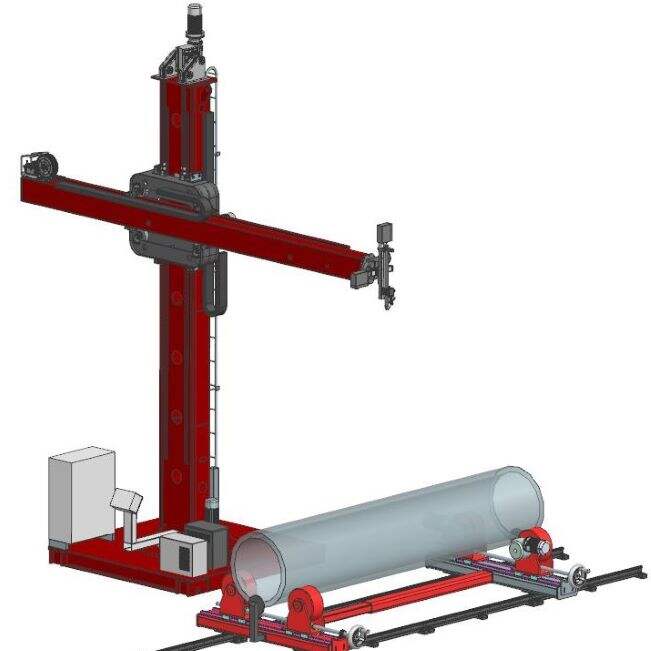
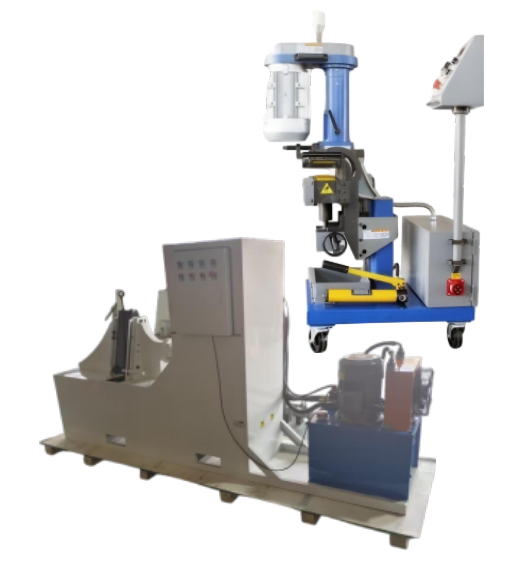
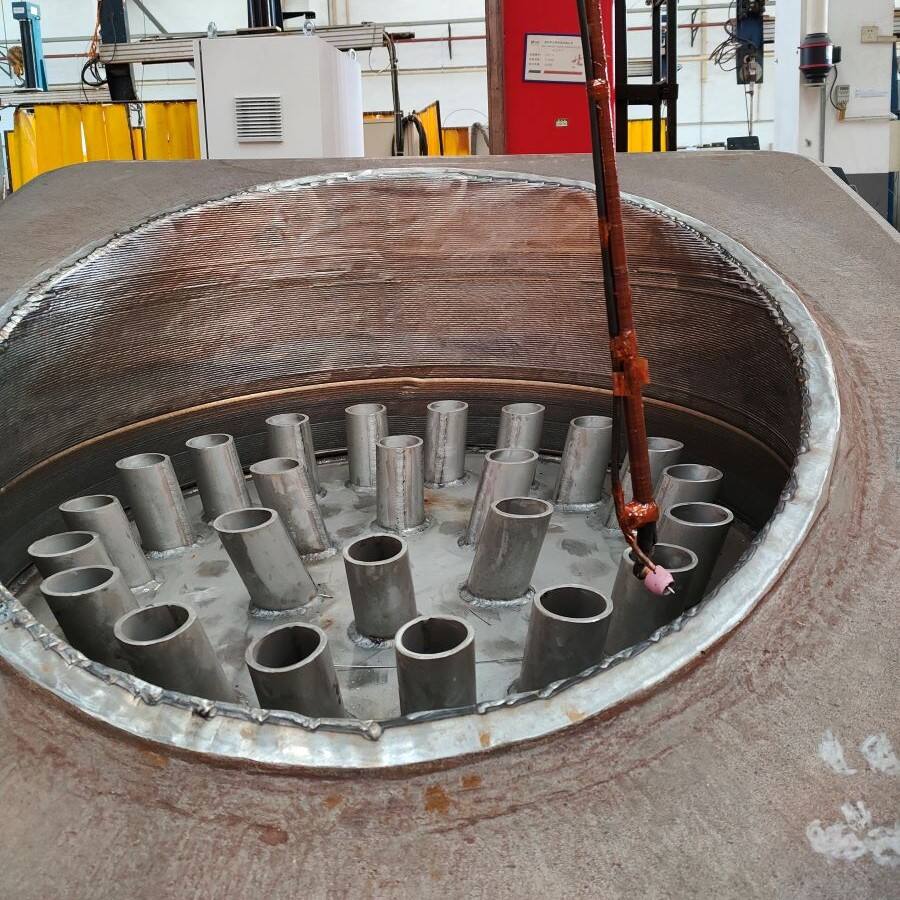
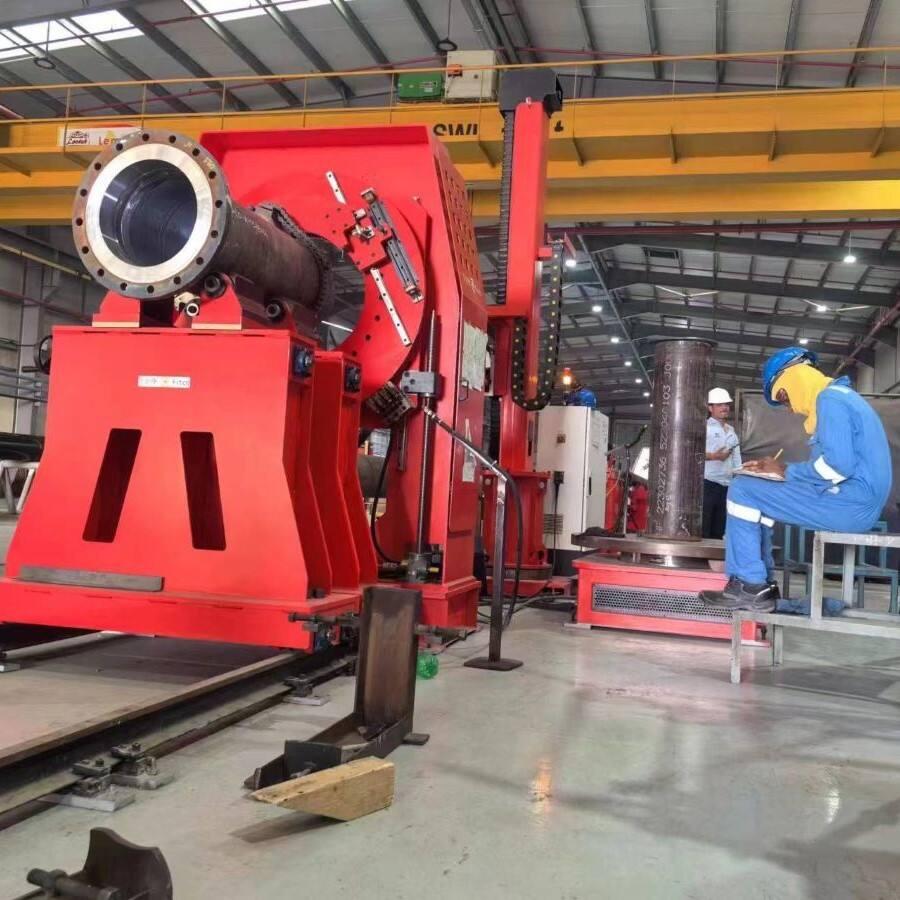
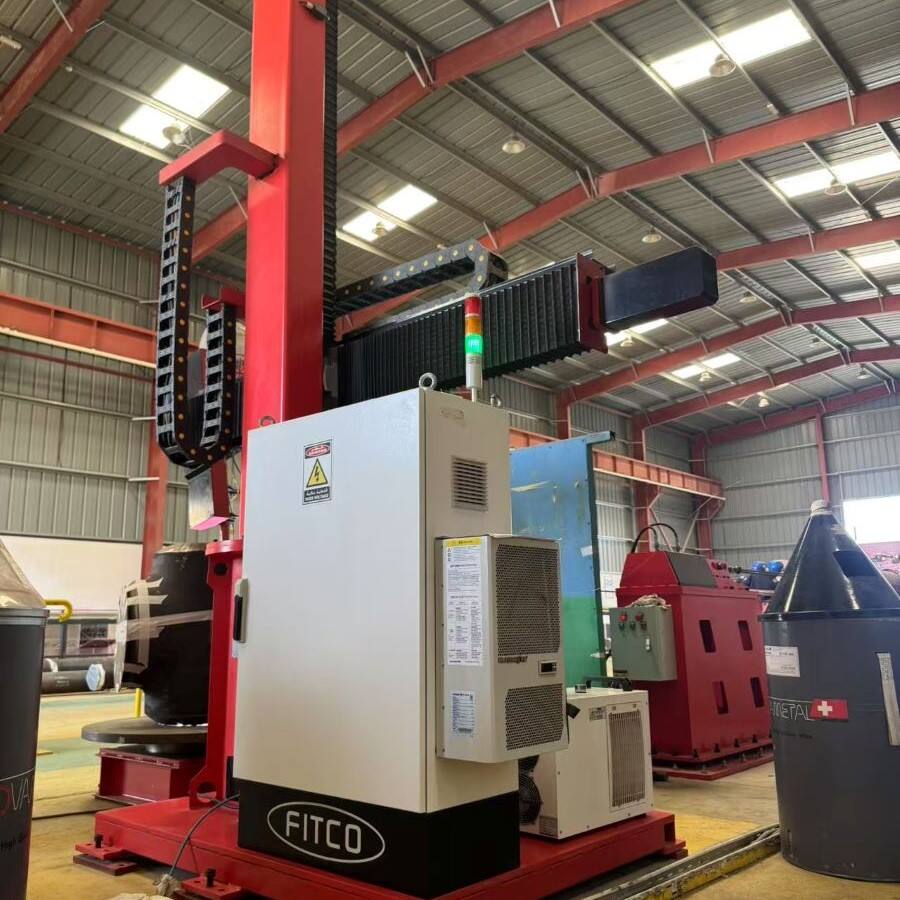
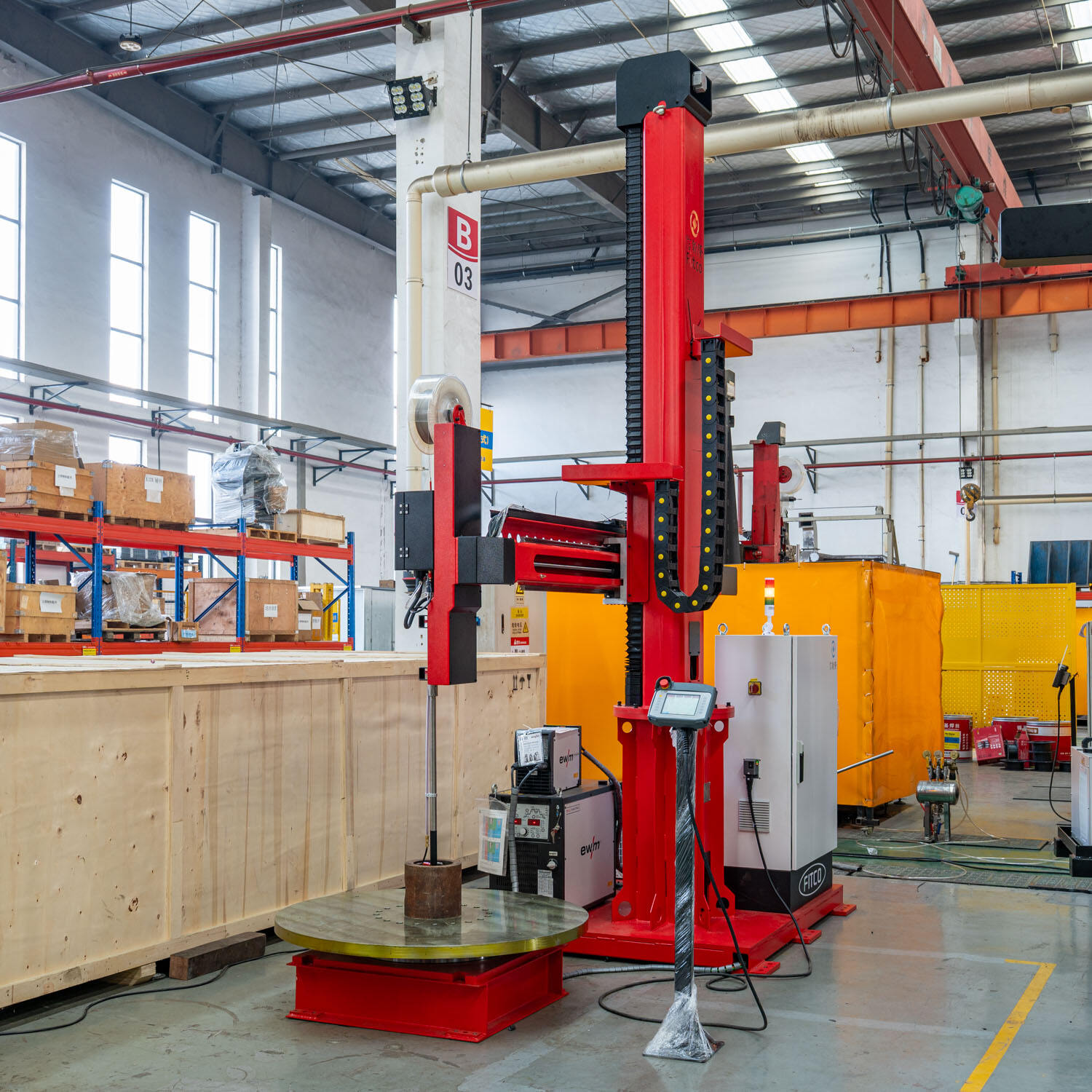
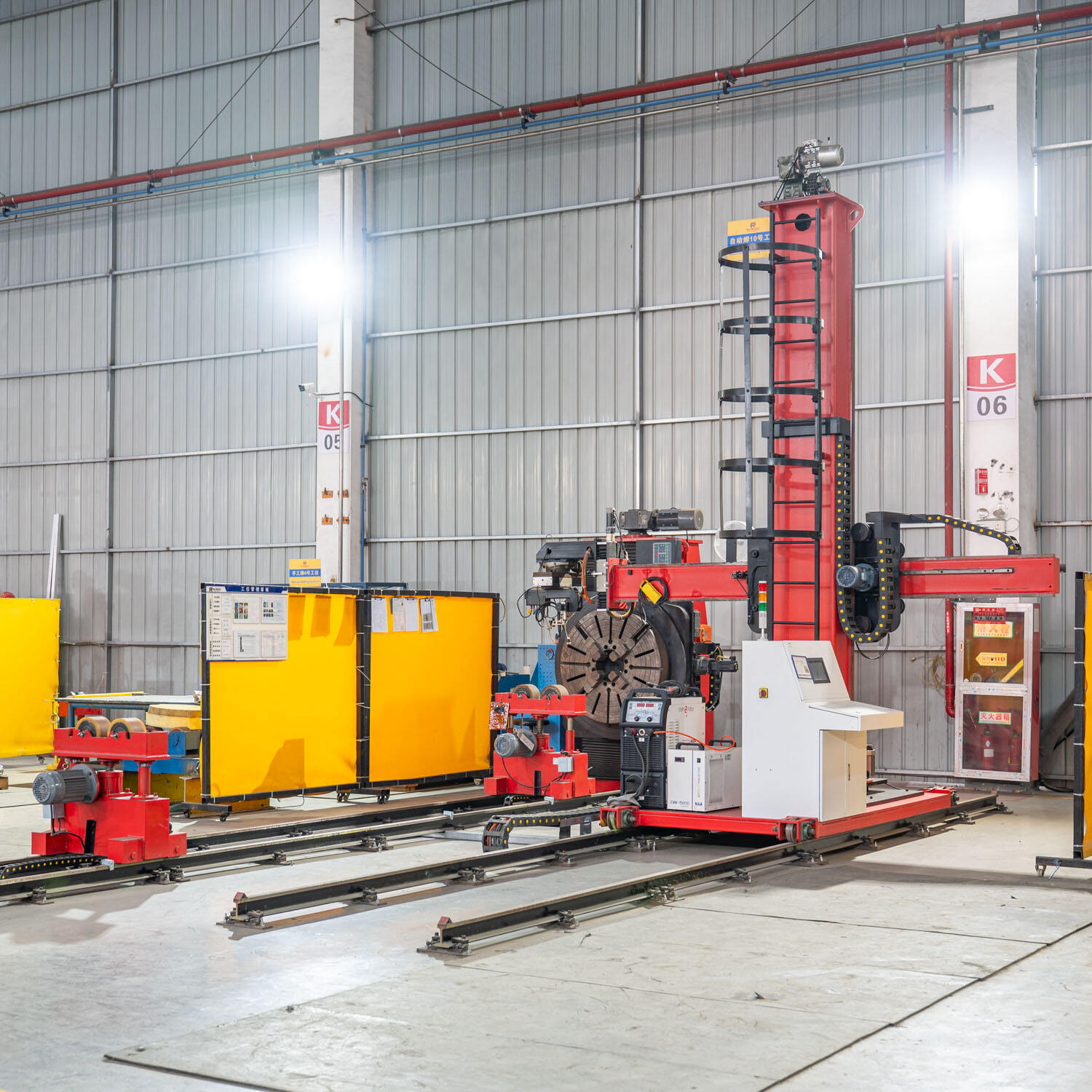
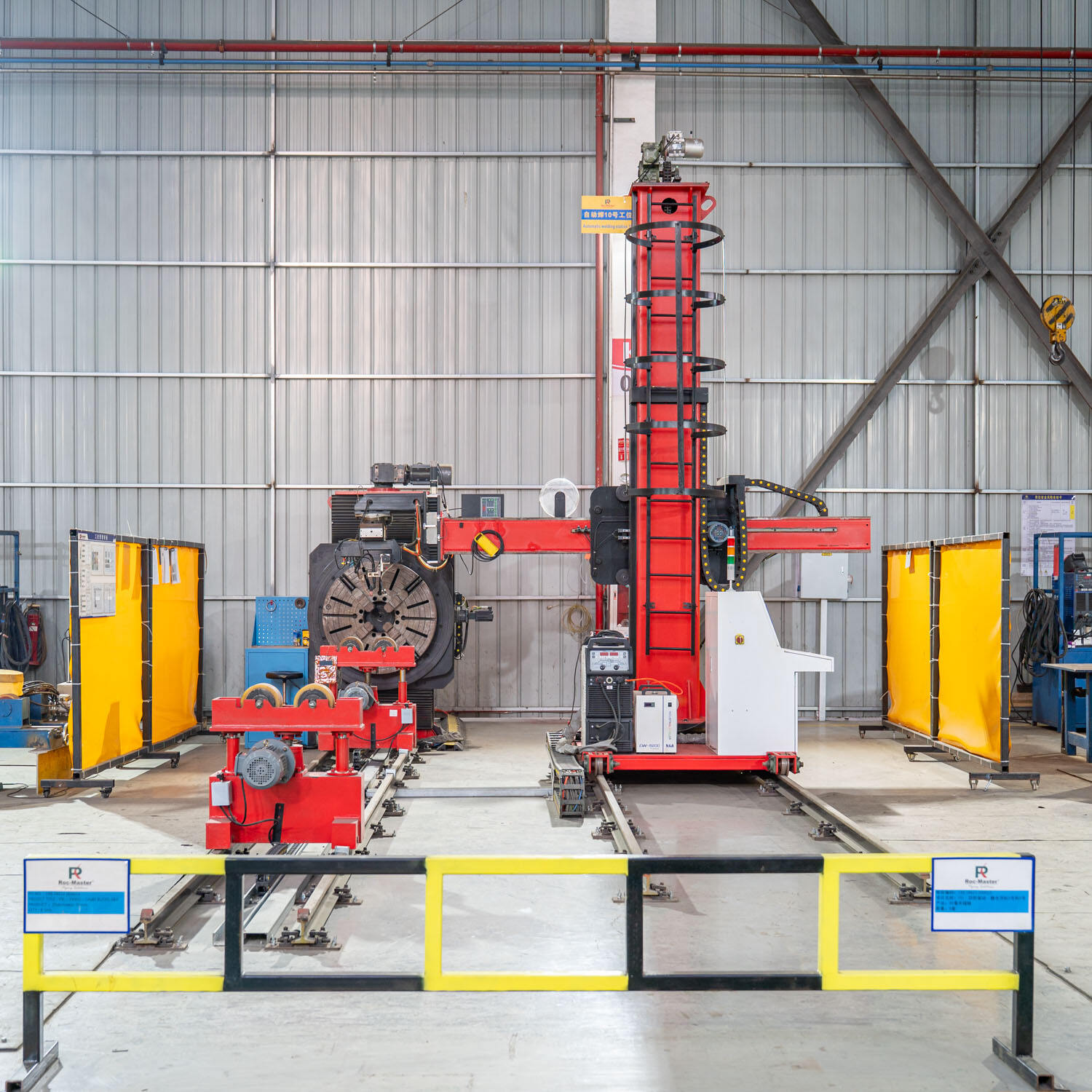
A pipe cladding system represents an advanced engineering solution designed to protect and enhance the performance of industrial piping infrastructure. This comprehensive protection method involves the application of specialized materials and coatings to pipe surfaces, creating a robust barrier against environmental hazards, corrosion, and operational stresses. The pipe cladding system serves as a critical component in modern industrial facilities, offering multi-layered protection that extends equipment lifespan and maintains operational efficiency. The primary function of a pipe cladding system centers on corrosion prevention, which remains one of the most significant challenges facing industrial piping networks. Through the strategic application of protective materials, these systems create an impermeable shield that prevents moisture, chemicals, and other corrosive agents from reaching the underlying pipe surface. This protective barrier significantly reduces maintenance requirements while ensuring consistent performance over extended periods. Technological features of modern pipe cladding systems include advanced material compositions that resist extreme temperatures, chemical exposure, and mechanical stress. These systems often incorporate multiple layers, each serving specific protective functions, from initial adhesion to final weather resistance. The cladding materials can include specialized polymers, metal alloys, and composite materials, each selected based on specific operational requirements and environmental conditions. Applications for pipe cladding systems span numerous industries, including petrochemical processing, power generation, water treatment, and manufacturing facilities. In petrochemical plants, these systems protect critical piping that carries corrosive chemicals and operates under high-pressure conditions. Power generation facilities utilize pipe cladding systems to protect steam lines and cooling systems from thermal cycling and environmental exposure. Water treatment plants rely on these protective systems to maintain the integrity of distribution networks and prevent contamination. The versatility of pipe cladding systems allows for customization based on specific operational parameters, ensuring optimal protection regardless of the application environment.

New Product Releases

The pipe cladding system delivers exceptional value through enhanced durability that significantly extends equipment lifespan. Traditional unprotected piping faces constant threats from corrosion, chemical exposure, and environmental degradation, leading to frequent replacements and costly downtime. With proper cladding implementation, facilities experience dramatically reduced replacement cycles, often extending pipe life by 200 to 300 percent compared to unprotected alternatives. This longevity translates directly into substantial cost savings for facility operators and maintenance teams. Cost-effectiveness represents another major advantage of implementing a comprehensive pipe cladding system. While the initial investment may seem significant, the long-term financial benefits far outweigh upfront costs. Reduced maintenance requirements mean fewer service interruptions, lower labor costs, and decreased material expenses. Facilities typically recover their investment within the first few years of operation through reduced maintenance needs and extended equipment life. The elimination of emergency repairs and unplanned shutdowns provides additional cost savings that continue throughout the system's operational life. Maintenance simplification stands as a crucial benefit that facility managers particularly appreciate. Protected pipes require minimal routine maintenance compared to traditional systems. The smooth, protective surface created by the pipe cladding system resists buildup of debris and contaminants, making cleaning procedures more efficient and less frequent. When maintenance is required, the protected surface allows for easier access and cleaning, reducing labor time and associated costs. This simplified maintenance approach enables facilities to allocate resources more effectively while maintaining optimal system performance. Performance reliability increases substantially with proper pipe cladding system implementation. Protected piping maintains consistent flow characteristics and pressure ratings throughout its extended service life. The barrier protection prevents internal surface degradation that typically leads to reduced efficiency and performance issues. Facilities experience fewer unexpected failures, reduced system downtime, and improved operational predictability. This reliability proves particularly valuable in critical applications where system failure could result in production losses or safety concerns. Environmental compliance becomes more manageable with advanced pipe cladding systems. The protective barrier prevents leaks and contamination that could violate environmental regulations. Facilities demonstrate their commitment to environmental stewardship while avoiding potential fines and regulatory complications. The enhanced containment capabilities support sustainable operations and responsible resource management practices.

Latest News

How Does MIG Welding Equipment Enhance Efficiency in Large-Scale Work?

27

Nov

How Does MIG Welding Equipment Enhance Efficiency in Large-Scale Work?

In today's competitive manufacturing landscape, industrial operations demand maximum productivity while maintaining superior quality standards. MIG welding equipment has emerged as a cornerstone technology for large-scale fabrication projects, revolu...
View More
How Do Pipe Cladding Machines Improve Welding Consistency and Quality?

27

Nov

How Do Pipe Cladding Machines Improve Welding Consistency and Quality?

Modern industrial welding operations demand exceptional precision and consistency, particularly in applications involving corrosion-resistant overlays and specialized pipe systems. Pipe cladding machines have emerged as revolutionary solutions that t...
View More
How to Calibrate Your mig welding equipment for Pulse Welding

16

Mar

How to Calibrate Your mig welding equipment for Pulse Welding

Calibrating mig welding equipment for pulse welding requires precise adjustments to achieve optimal arc characteristics and weld quality. This specialized process involves fine-tuning multiple parameters including pulse frequency, peak current, backg...
View More
How Can Longitudinal TIG Equipment Improve Weld Uniformity?

13

Jan

How Can Longitudinal TIG Equipment Improve Weld Uniformity?

Achieving consistent weld quality across extended seams remains one of the most challenging aspects of modern fabrication. Manufacturing industries demand precision welding solutions that deliver uniform penetration, minimal distortion, and reliable ...
View More

Get a Free Quote

Our representative will contact you soon.
Email
Mobile/WhatsApp
Name
Company Name
Message
0/1000

pipe cladding system

Superior Corrosion Resistance Technology

Superior Corrosion Resistance Technology

The pipe cladding system incorporates state-of-the-art corrosion resistance technology that provides unparalleled protection against the most aggressive industrial environments. This advanced protection utilizes multi-barrier defense mechanisms that create multiple layers of protection between corrosive agents and the underlying pipe material. The outer layer features specialized polymer compounds engineered to resist chemical attack from acids, bases, solvents, and other aggressive substances commonly found in industrial applications. These materials undergo rigorous testing to ensure they maintain their protective properties under extreme conditions, including temperature variations, pressure fluctuations, and continuous chemical exposure. The intermediate layers provide additional barriers that prevent any potential penetration from reaching the pipe surface, ensuring comprehensive protection even in the most demanding operational environments. The corrosion resistance technology extends beyond simple barrier protection by incorporating active protective elements that neutralize corrosive agents upon contact. This proactive approach prevents the accumulation of corrosive substances that could eventually compromise the protective system. The technology proves particularly valuable in environments where traditional protective methods fail, such as high-temperature chemical processing applications or marine environments with constant salt exposure. Facilities implementing this advanced corrosion resistance technology report significant reductions in pipe replacement rates, often eliminating corrosion-related failures entirely. The economic impact of this superior protection becomes evident through reduced maintenance costs, extended equipment life, and improved operational reliability. Industries such as chemical processing, offshore drilling, and power generation benefit tremendously from this technology, as it enables them to operate in previously challenging environments while maintaining safety and efficiency standards. The long-term value proposition includes not only direct cost savings but also improved facility reputation and compliance with increasingly stringent environmental and safety regulations.
Seamless Installation and Integration Process

Seamless Installation and Integration Process

The pipe cladding system features an innovative installation methodology that ensures seamless integration with existing infrastructure while minimizing operational disruptions. This streamlined process begins with comprehensive site assessment and custom design development, ensuring optimal compatibility with specific facility requirements and operational constraints. Professional installation teams utilize specialized equipment and proven techniques to apply the protective cladding with precision and efficiency, maintaining strict quality control standards throughout the process. The installation process accommodates various pipe configurations, including complex geometries, joints, and fittings that typically challenge traditional protection methods. Advanced application techniques ensure complete coverage and proper adhesion, eliminating potential weak points that could compromise system integrity. The seamless integration capability allows facilities to upgrade their protection systems without extensive infrastructure modifications or prolonged shutdowns. This flexibility proves particularly valuable for operating facilities where extended downtime results in significant production losses and operational complications. Quality assurance protocols throughout the installation process include multiple inspection points, adhesion testing, and final verification procedures that guarantee optimal performance from day one. The installation teams work closely with facility personnel to coordinate timing and minimize any necessary operational interruptions, often completing installations during scheduled maintenance windows or planned shutdowns. Post-installation support includes comprehensive documentation, performance verification, and ongoing monitoring recommendations that ensure continued optimal performance. The integration process extends beyond initial installation to include staff training and maintenance procedure development, empowering facility personnel to maximize the benefits of their investment. This comprehensive approach to installation and integration demonstrates the commitment to customer success and long-term satisfaction. Facilities experience immediate protection benefits while gaining confidence in the system's ability to deliver sustained performance throughout its operational life, making the pipe cladding system an ideal choice for critical infrastructure protection.
Advanced Material Engineering and Performance

Advanced Material Engineering and Performance

The pipe cladding system utilizes cutting-edge material engineering that combines multiple advanced materials into a cohesive protective solution designed for superior performance in demanding industrial environments. The material selection process involves extensive research and testing to identify optimal combinations of polymers, additives, and reinforcement materials that deliver exceptional protective properties while maintaining flexibility and durability. These engineered materials demonstrate remarkable resistance to thermal cycling, mechanical stress, and chemical exposure, ensuring consistent performance across wide operating ranges. The advanced formulation includes specialized additives that enhance specific performance characteristics, such as UV resistance for outdoor applications, flame retardancy for high-risk environments, and enhanced adhesion properties for challenging surface conditions. The material engineering process incorporates feedback from real-world applications, continuously improving formulations based on field performance data and emerging industry requirements. This iterative development approach ensures that the pipe cladding system remains at the forefront of protective technology while addressing evolving customer needs and regulatory requirements. The performance characteristics of these advanced materials exceed traditional protective options by significant margins, offering superior longevity, reliability, and cost-effectiveness. Laboratory testing demonstrates exceptional performance under accelerated aging conditions, with materials maintaining their protective properties even after extended exposure to extreme conditions. Field applications validate these laboratory results, with installations showing minimal degradation after years of continuous service in harsh industrial environments. The material engineering excellence extends to environmental considerations, with formulations designed to minimize environmental impact while maximizing protective performance. This balanced approach ensures compliance with environmental regulations while delivering the superior protection that industrial facilities require. The advanced material engineering represents a significant investment in research and development that directly benefits customers through improved performance, extended service life, and reduced total cost of ownership. Facilities implementing these advanced materials experience fewer maintenance requirements, improved operational reliability, and enhanced safety performance, making the pipe cladding system an essential component of modern industrial infrastructure protection strategies.

Get a Free Quote

Our representative will contact you soon.
Email
Mobile/WhatsApp
Name
Company Name
Message
0/1000