Industrial Welding Equipment: Advanced Multi-Process Systems for Professional Manufacturing

Contact me immediately if you encounter problems!

All Categories

Get a Free Quote

Our representative will contact you soon.
Email
Mobile/WhatsApp
Name
Company Name
Message
0/1000

Get a Free Quote

Our representative will contact you soon.
Email
Mobile/WhatsApp
Name
Company Name
Message
0/1000

industrial welding equipment

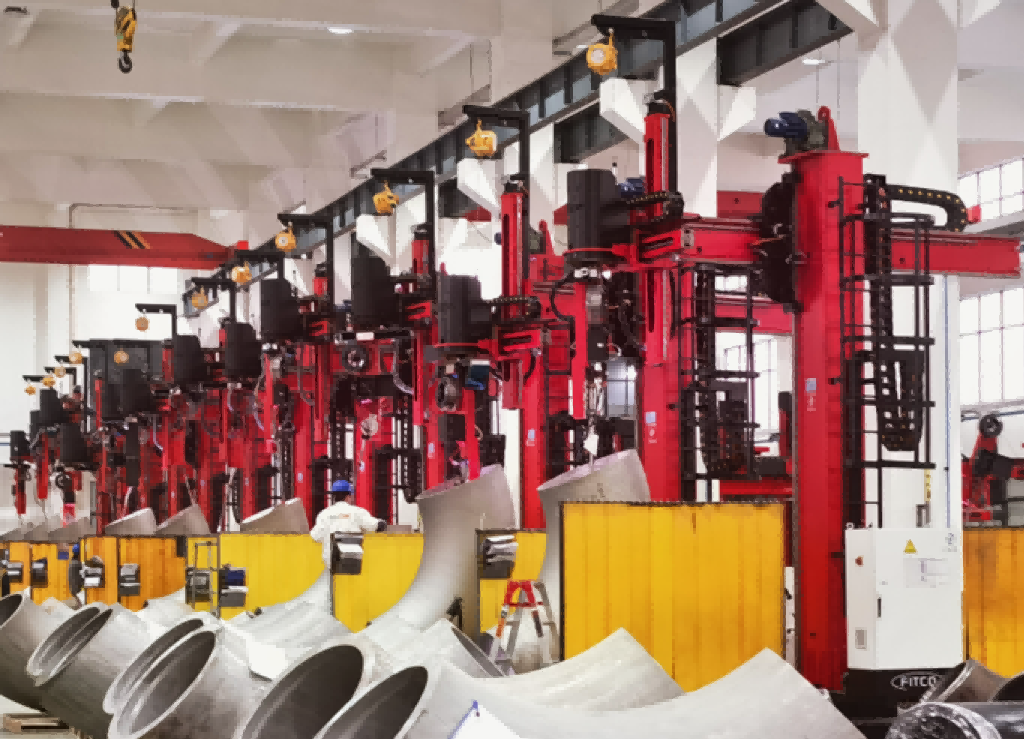
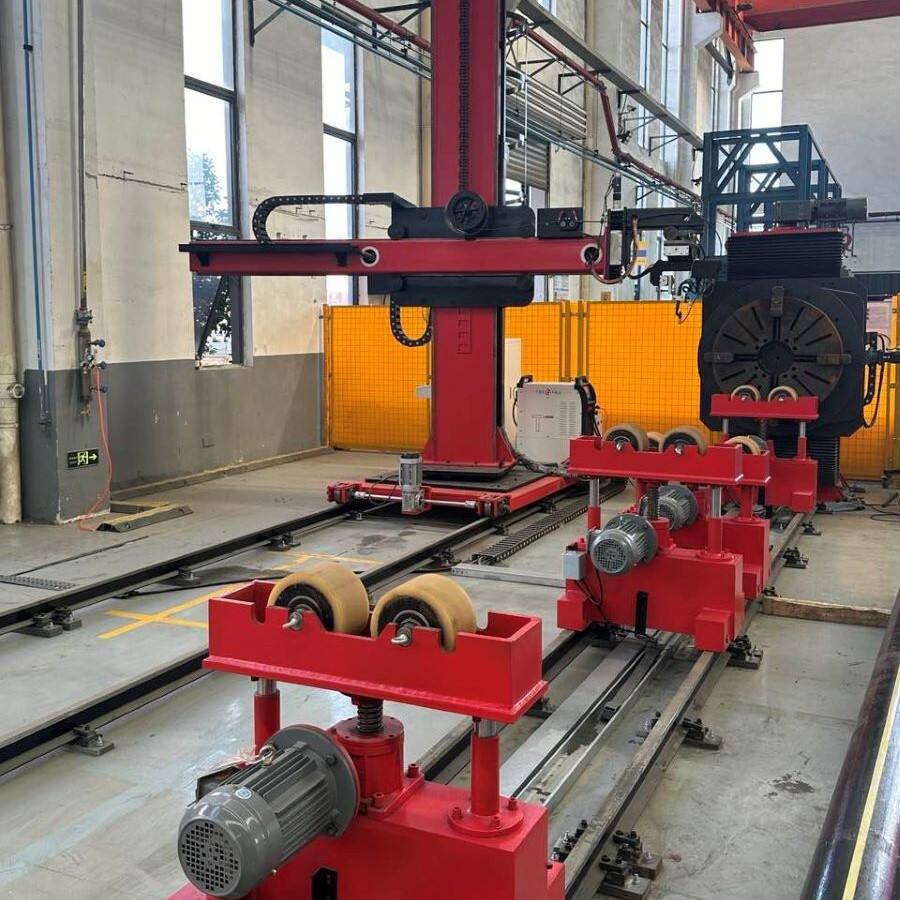
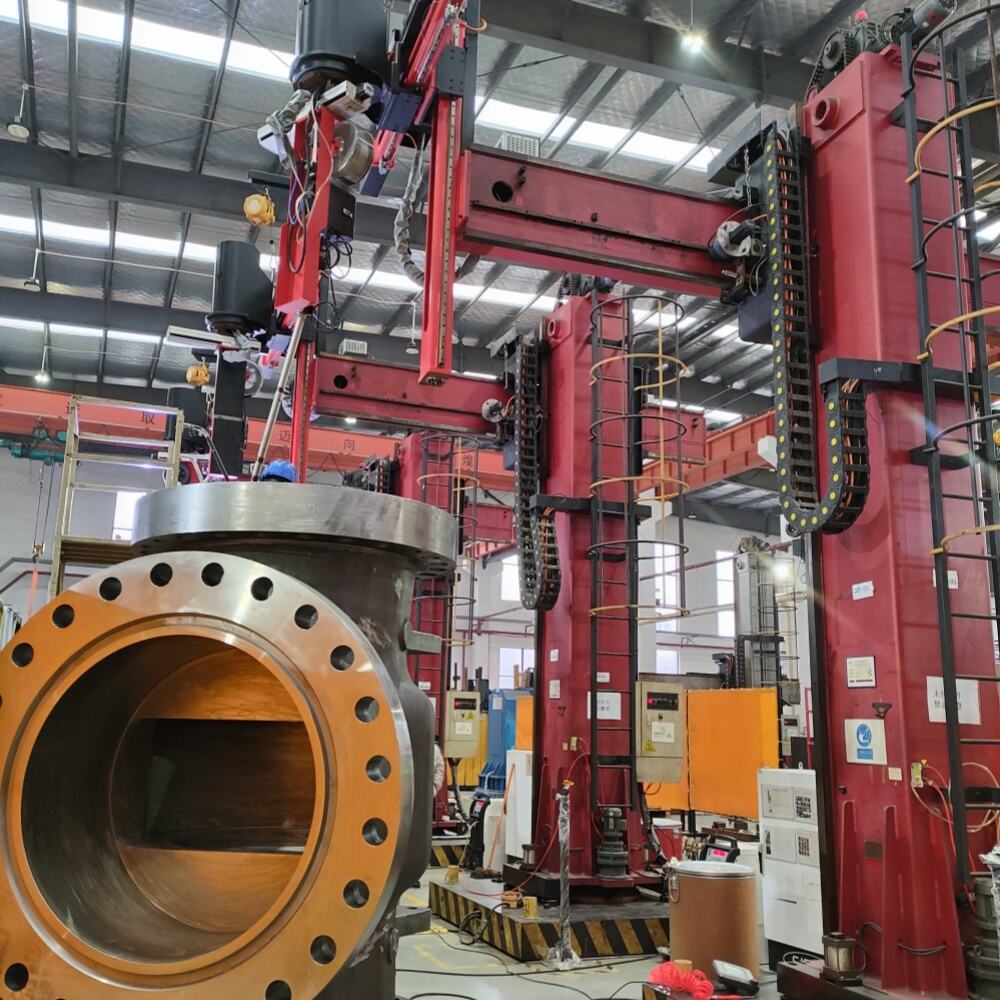
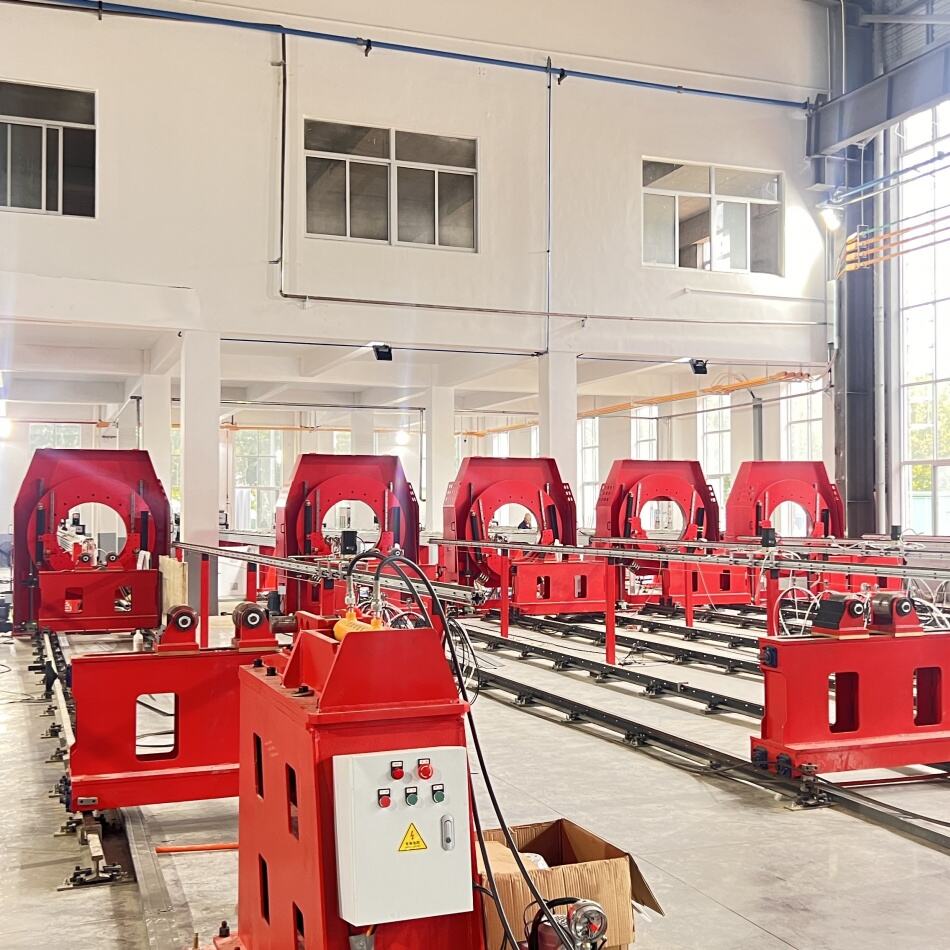
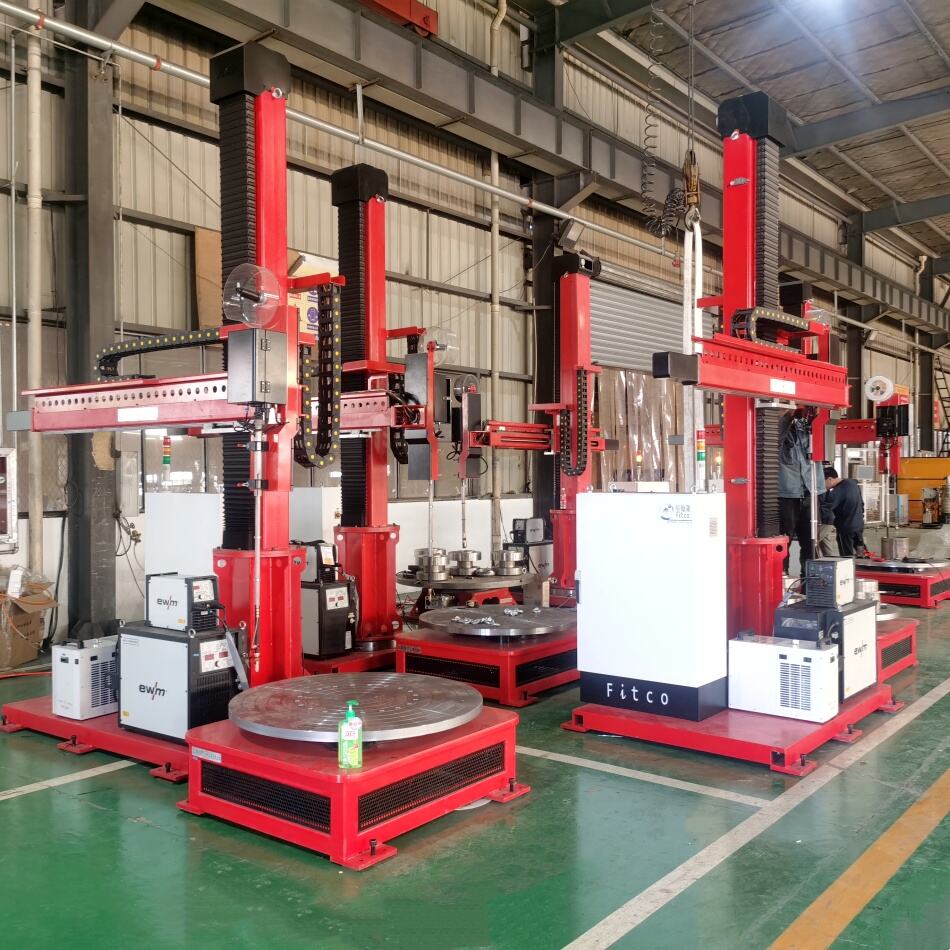
Industrial welding equipment represents the backbone of modern manufacturing and construction industries, providing essential capabilities for joining metals and other materials with precision and reliability. This sophisticated machinery encompasses a wide range of technologies designed to meet diverse production requirements across multiple sectors. The primary function of industrial welding equipment centers on creating permanent bonds between materials through controlled heat application, electrical arcs, or advanced fusion processes. These systems deliver consistent, high-quality welds that meet stringent industry standards and regulatory requirements. Modern industrial welding equipment incorporates cutting-edge technological features that enhance performance and operational efficiency. Digital control systems provide precise parameter adjustment, allowing operators to fine-tune voltage, current, and timing settings for optimal results. Advanced monitoring capabilities track welding performance in real-time, ensuring quality consistency throughout production runs. Many contemporary systems feature automated feeding mechanisms that maintain steady material flow, reducing manual intervention and improving productivity. The applications for industrial welding equipment span numerous industries, including automotive manufacturing, aerospace engineering, shipbuilding, pipeline construction, and structural fabrication. In automotive production, these systems create critical joints in chassis components, exhaust systems, and body panels. Aerospace applications demand exceptional precision for aircraft frames, engine components, and fuel systems. Shipbuilding operations rely on heavy-duty welding equipment for hull construction and marine structures. Pipeline projects utilize specialized systems designed for outdoor environments and varying material thicknesses. Construction and infrastructure projects depend on portable and stationary welding units for structural steel work, bridge construction, and building frameworks. The versatility of modern industrial welding equipment allows manufacturers to adapt quickly to changing production requirements while maintaining quality standards.

Popular Products

Industrial welding equipment delivers numerous practical benefits that directly impact business operations and bottom-line results. These systems significantly increase production speed compared to traditional joining methods, enabling manufacturers to complete projects faster and meet tight deadlines. The enhanced efficiency translates to higher throughput rates, allowing companies to take on more contracts and expand their market presence. Quality consistency stands as another major advantage, as industrial welding equipment produces uniform results that minimize defects and rework requirements. This reliability reduces material waste and labor costs while improving customer satisfaction through dependable product delivery. The precision capabilities of modern systems enable manufacturers to work with thinner materials and create more complex joint configurations that were previously challenging or impossible to achieve. Operators benefit from improved safety features that protect against electrical hazards, UV radiation, and toxic fumes through advanced shielding and ventilation systems. These safety enhancements reduce workplace accidents and associated insurance costs while creating better working conditions. Cost-effectiveness emerges through reduced labor requirements, as automated features handle repetitive tasks and allow skilled welders to focus on complex operations. The durability of industrial welding equipment ensures long-term value, with robust construction that withstands demanding production environments and provides years of reliable service. Energy efficiency improvements in modern systems lower operational costs while supporting environmental sustainability goals. Versatility allows single units to handle multiple welding processes and material types, reducing equipment investment and storage requirements. The integration capabilities with existing production lines streamline workflow and eliminate bottlenecks that can slow manufacturing processes. Training requirements become more manageable with user-friendly interfaces and automated features that reduce the learning curve for new operators. Maintenance needs decrease through self-diagnostic capabilities and improved component design that extends service intervals and reduces downtime.

Latest News

Understanding the Duty Cycle of Your Heavy-Duty arc welding machine

16

Mar

Understanding the Duty Cycle of Your Heavy-Duty arc welding machine

The duty cycle of an arc welding machine represents one of the most critical specifications that determines its operational capabilities and longevity in heavy-duty industrial applications. This measurement defines how long your arc welding machine c...
View More
Why Are Pipe Cladding Machines Vital for Industrial Corrosion Protection?

27

Nov

Why Are Pipe Cladding Machines Vital for Industrial Corrosion Protection?

Industrial facilities worldwide face a constant battle against corrosion, with pipe systems serving as critical infrastructure that demands exceptional protection. The implementation of advanced welding technologies has revolutionized how industries ...
View More
How to Maintain Heating Plates on a butt fusion welding machine

16

Mar

How to Maintain Heating Plates on a butt fusion welding machine

Proper maintenance of heating plates on a butt fusion welding machine is critical for achieving consistent, high-quality pipe joints and extending equipment lifespan. These heating plates serve as the primary heat transfer component that brings therm...
View More
How Can Longitudinal TIG Equipment Improve Weld Uniformity?

13

Jan

How Can Longitudinal TIG Equipment Improve Weld Uniformity?

Achieving consistent weld quality across extended seams remains one of the most challenging aspects of modern fabrication. Manufacturing industries demand precision welding solutions that deliver uniform penetration, minimal distortion, and reliable ...
View More

Get a Free Quote

Our representative will contact you soon.
Email
Mobile/WhatsApp
Name
Company Name
Message
0/1000

industrial welding equipment

Advanced Digital Control Systems for Precision Welding

Advanced Digital Control Systems for Precision Welding

The sophisticated digital control systems integrated into modern industrial welding equipment represent a revolutionary advancement that transforms how manufacturers approach welding operations. These intelligent systems provide unprecedented precision control over every aspect of the welding process, enabling operators to achieve consistent, high-quality results across diverse applications. The digital interface allows for exact parameter adjustment with incremental precision, ensuring that voltage, current, wire feed speed, and arc characteristics match specific material requirements and joint configurations. This level of control eliminates guesswork and reduces the skill gap between experienced and novice operators, making it easier for companies to maintain quality standards regardless of workforce changes. The real-time monitoring capabilities continuously track welding performance, automatically adjusting parameters to maintain optimal conditions throughout the entire weld cycle. This dynamic response prevents defects that could occur due to material variations, environmental changes, or equipment drift, resulting in superior weld integrity and reduced rejection rates. Memory storage functions allow operators to save proven parameter sets for different applications, creating a library of optimized settings that can be quickly recalled for repeat jobs. This feature streamlines setup times, reduces errors, and ensures consistency across multiple shifts and operators. The diagnostic capabilities provide detailed feedback on system performance, alerting operators to potential issues before they impact production quality. Advanced algorithms analyze welding data to identify trends and patterns that might indicate maintenance needs or process improvements, enabling proactive management that minimizes downtime and extends equipment life. The connectivity features allow integration with manufacturing execution systems, enabling real-time production tracking and quality documentation that supports regulatory compliance and customer requirements. These digital control systems ultimately deliver measurable improvements in productivity, quality, and operational efficiency that justify their investment through reduced costs and enhanced capabilities.
Superior Arc Stability and Penetration Control

Superior Arc Stability and Penetration Control

The exceptional arc stability and penetration control capabilities of industrial welding equipment provide manufacturers with the foundation for creating strong, reliable welds that meet the most demanding structural and aesthetic requirements. This advanced technology ensures consistent arc characteristics throughout the welding process, eliminating the fluctuations and irregularities that can compromise weld quality and appearance. The stable arc formation creates uniform heat distribution that penetrates materials evenly, resulting in complete fusion and optimal mechanical properties in the finished joint. This consistency becomes particularly critical when working with challenging materials such as high-strength alloys, dissimilar metals, or varying thicknesses that require precise heat management. The controlled penetration depth prevents common welding defects such as lack of fusion, incomplete joint penetration, or excessive burn-through that can weaken structures or require costly repairs. Operators can confidently tackle complex joint geometries and difficult access areas knowing that the equipment will maintain proper arc characteristics regardless of welding position or angle. The smooth arc operation reduces spatter generation, minimizing cleanup time and improving the aesthetic quality of finished welds, which proves especially valuable in architectural applications or visible structural elements. The consistent performance enables faster travel speeds without sacrificing quality, increasing productivity while maintaining structural integrity requirements. This stability also reduces operator fatigue by eliminating the need for constant arc manipulation and correction, allowing welders to maintain steady progress throughout long welding sessions. The predictable arc behavior simplifies training for new operators, as the forgiving characteristics provide consistent results even during the learning process. The reliable penetration control ensures compliance with welding codes and specifications that govern critical applications in aerospace, pressure vessel, and structural engineering projects. These capabilities translate directly into reduced rework rates, improved project timelines, and enhanced customer satisfaction through consistent delivery of high-quality welded products.
Versatile Multi-Process Welding Capabilities

Versatile Multi-Process Welding Capabilities

The versatile multi-process welding capabilities of modern industrial welding equipment provide manufacturers with unprecedented flexibility to handle diverse applications using a single system, delivering exceptional value and operational efficiency. This comprehensive functionality eliminates the need for multiple specialized machines, reducing capital investment requirements while maximizing shop floor utilization and workspace efficiency. The ability to switch between different welding processes such as MIG, TIG, stick welding, and flux-cored welding enables operators to select the optimal technique for each specific application, material combination, and joint configuration. This versatility proves especially valuable for job shops and fabricators who encounter varying project requirements and must adapt quickly to customer specifications without investing in additional equipment. The seamless process transitions maintain productivity by eliminating time-consuming equipment changes and setup procedures that traditionally slow production schedules. Operators benefit from standardized controls and interfaces across all welding processes, reducing training time and minimizing errors that can occur when switching between different machine types and operating procedures. The consistent power delivery and arc characteristics across multiple processes ensure quality remains uniform regardless of the selected welding technique, maintaining customer confidence and reducing quality control concerns. Material compatibility extends across a broad range of metals including carbon steel, stainless steel, aluminum, and exotic alloys, enabling manufacturers to diversify their capabilities and pursue new market opportunities. The automatic parameter optimization for each process reduces setup complexity and ensures optimal welding conditions from the start of each job, minimizing trial welds and material waste. The integrated wire feeding systems accommodate various filler materials and sizes, providing flexibility to optimize consumable selection for specific applications and cost considerations. This multi-process capability supports lean manufacturing principles by reducing equipment inventory, maintenance complexity, and operator training requirements while increasing overall equipment effectiveness and return on investment through higher utilization rates and expanded application range.

Get a Free Quote

Our representative will contact you soon.
Email
Mobile/WhatsApp
Name
Company Name
Message
0/1000