アーク溶接機
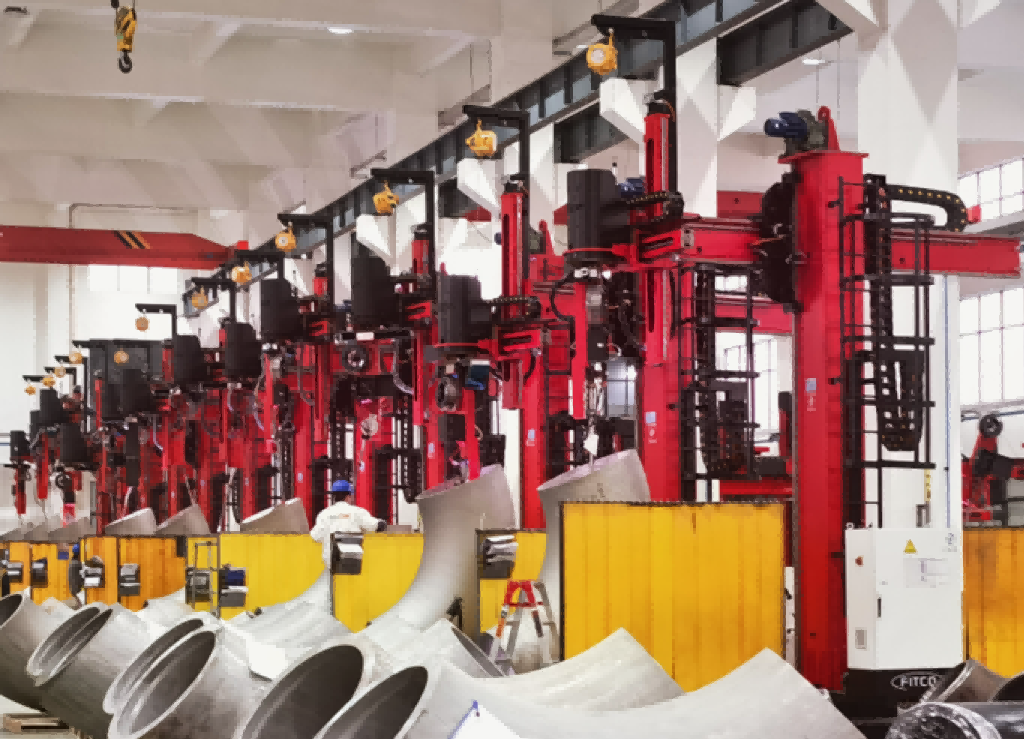
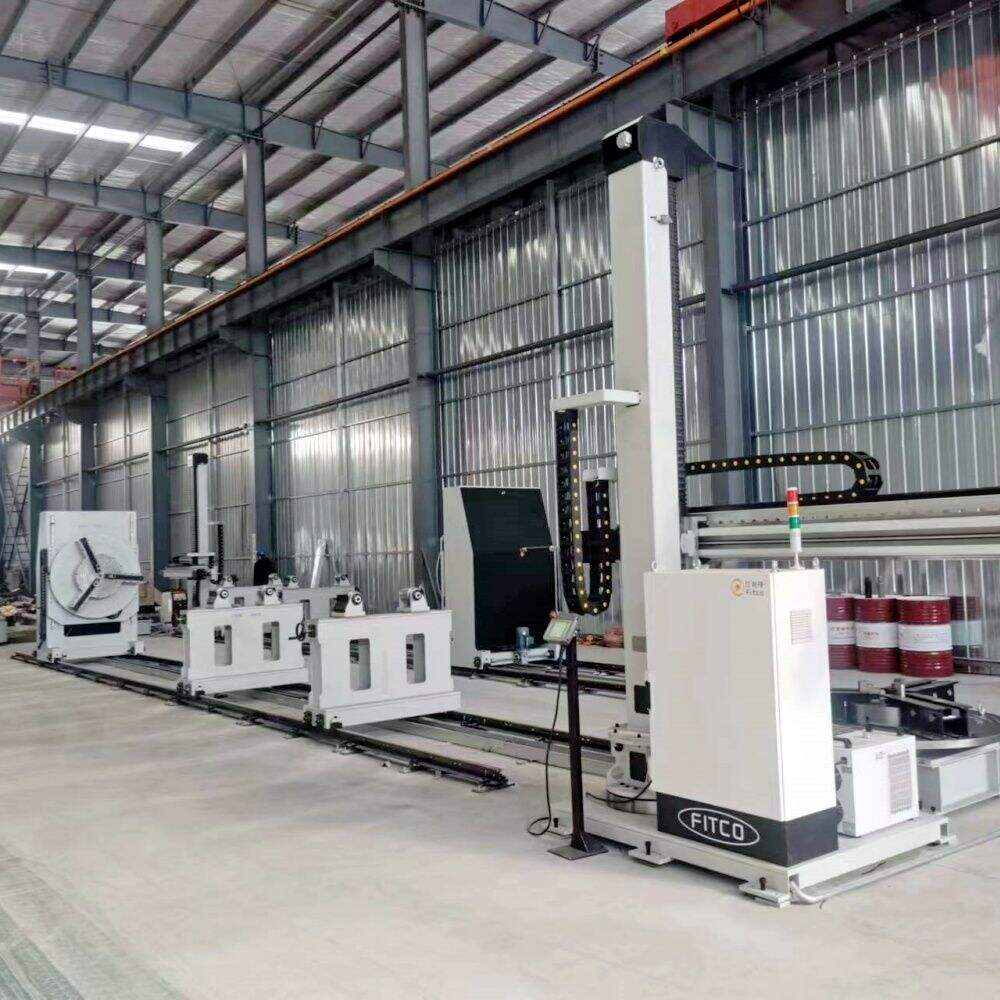
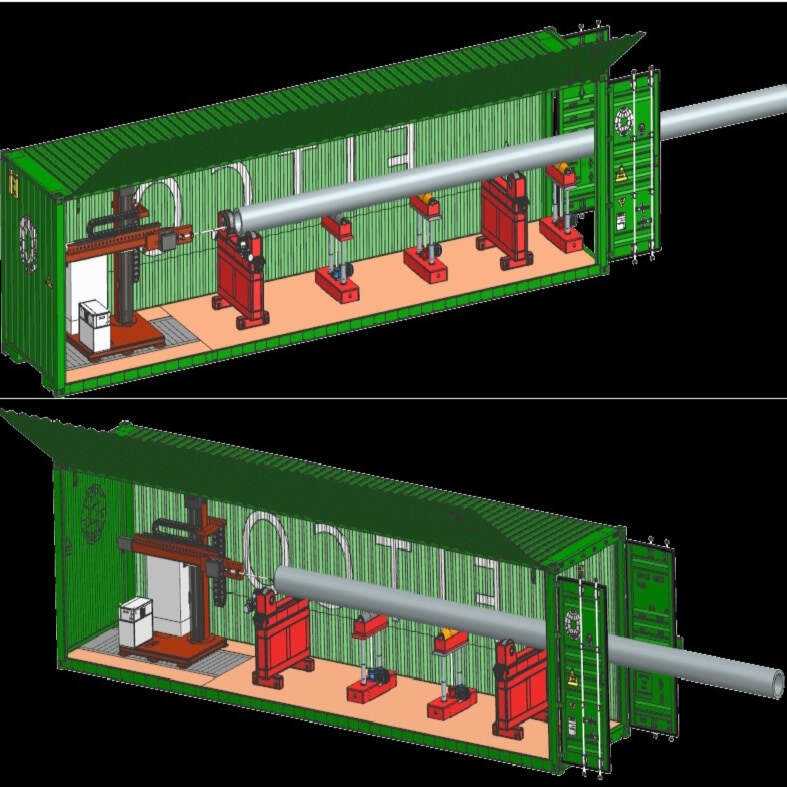
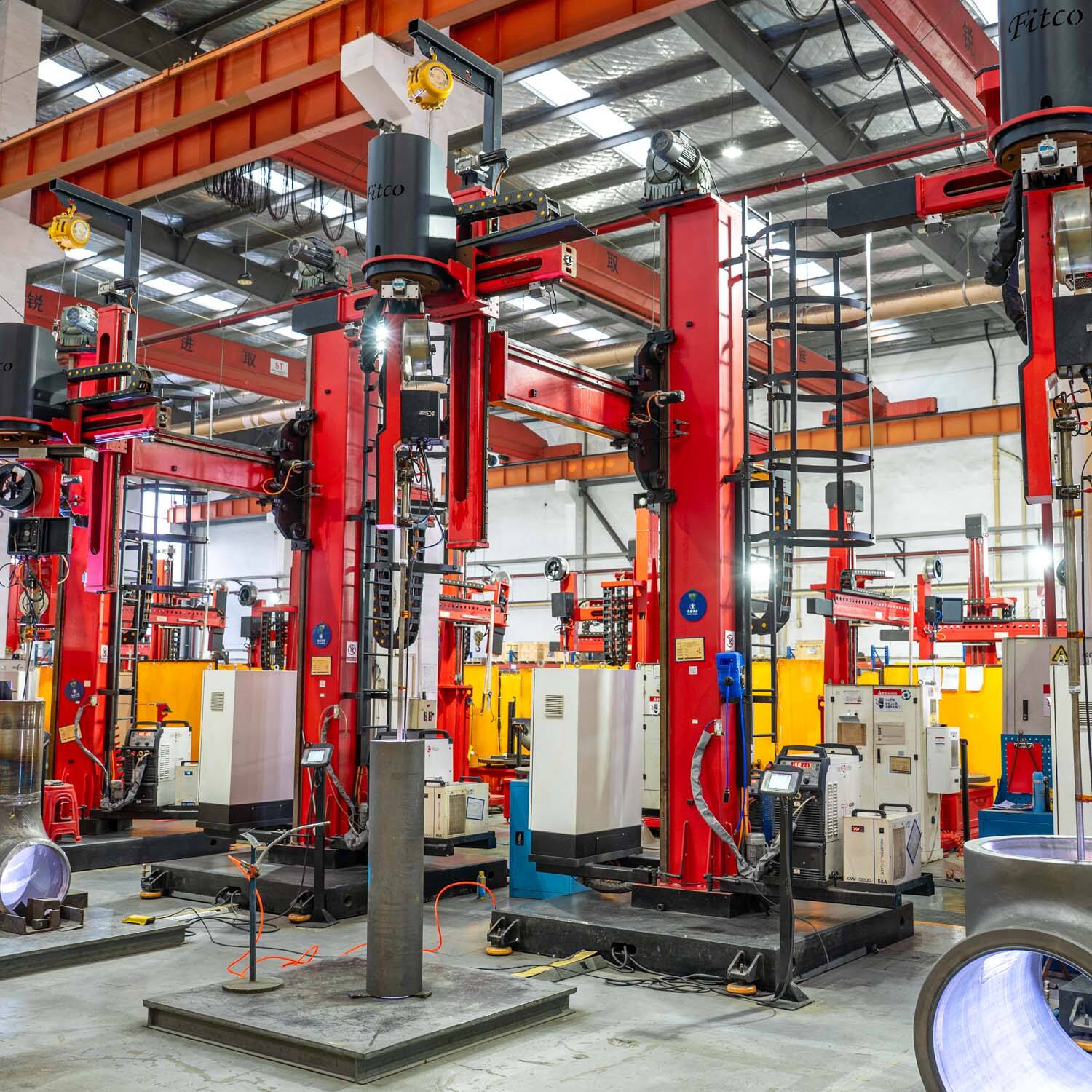
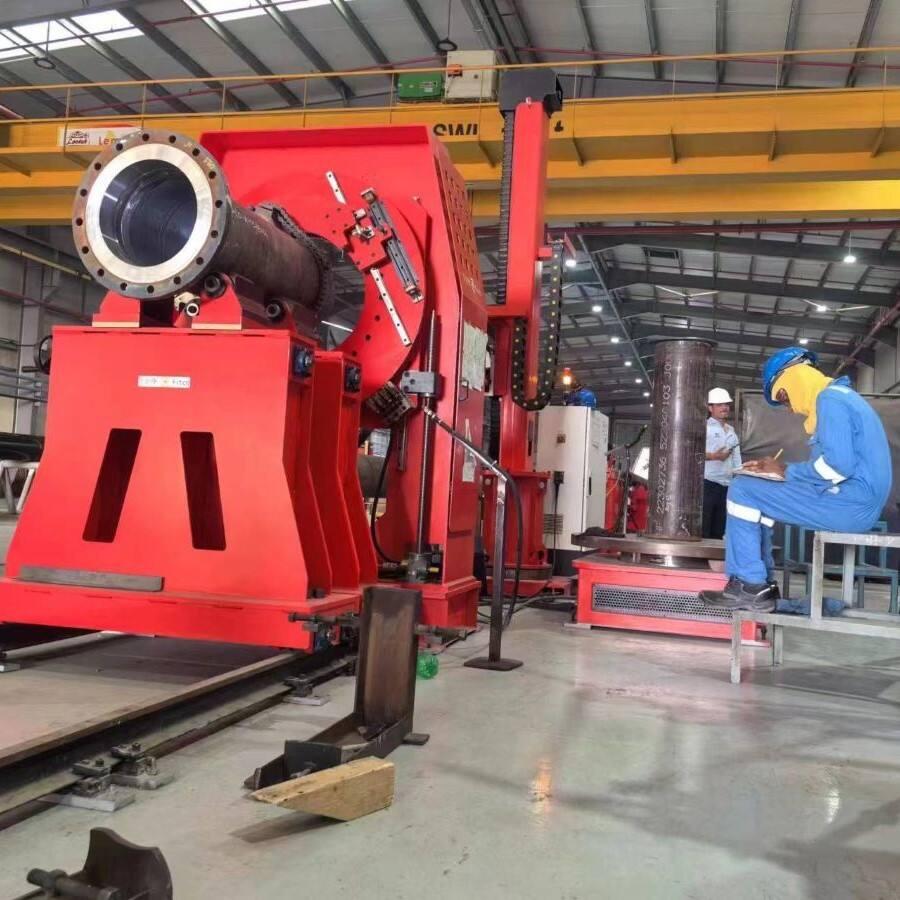
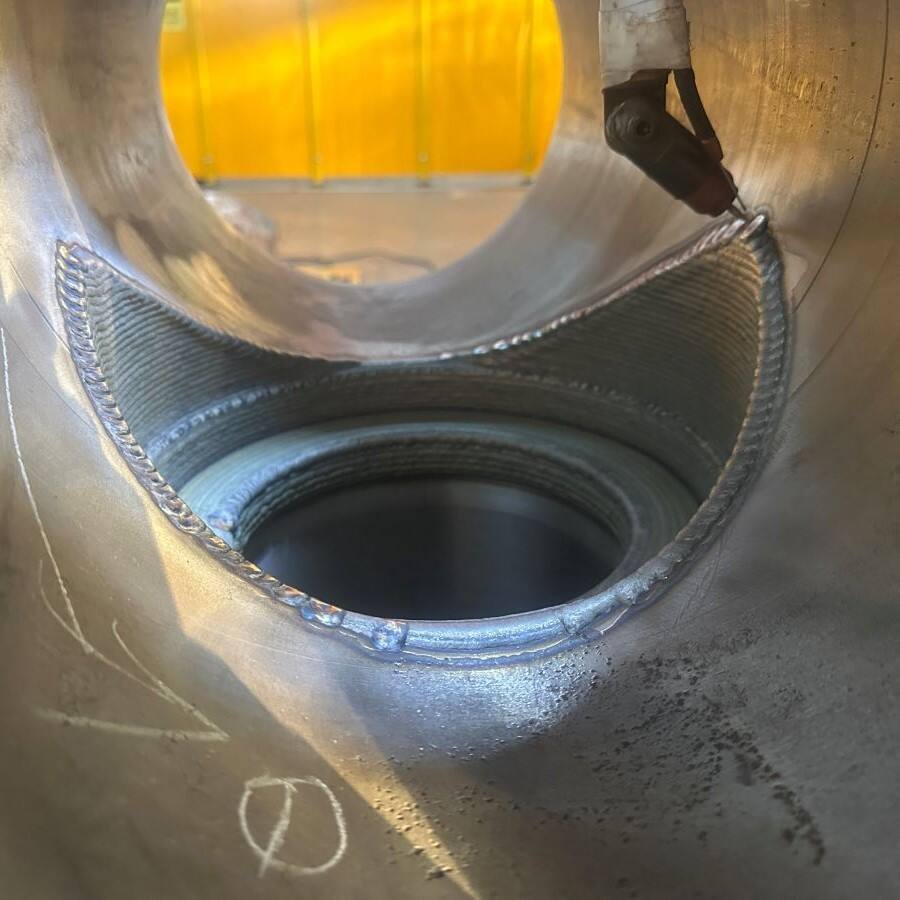
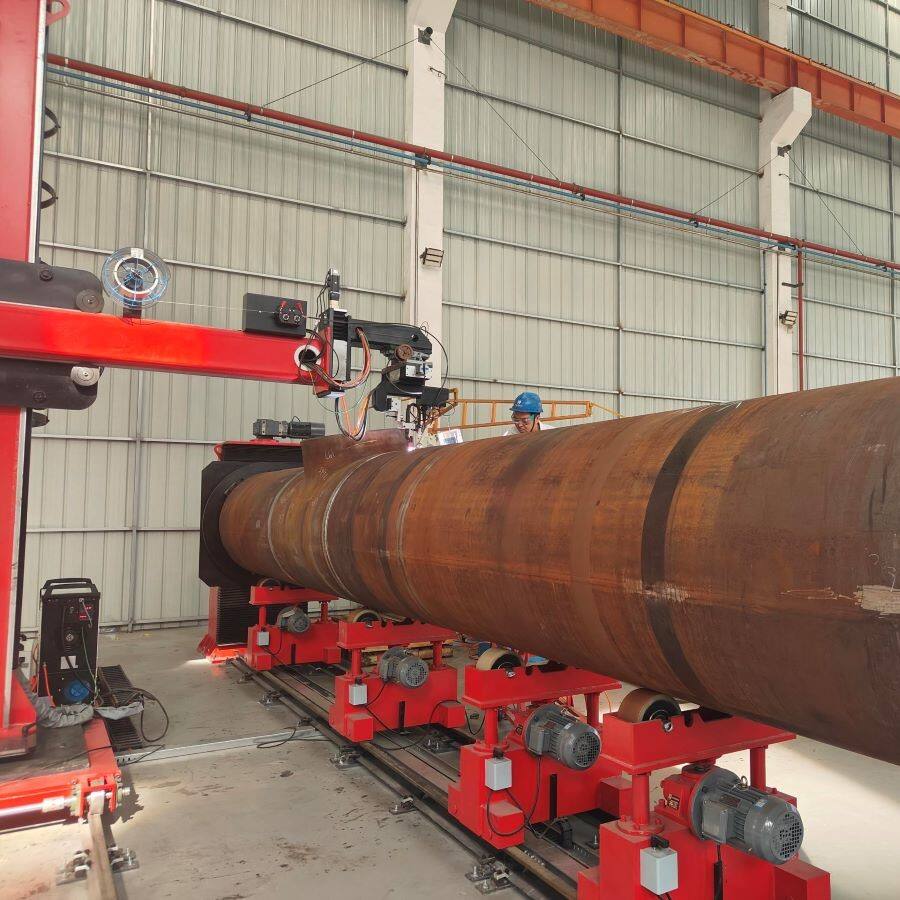
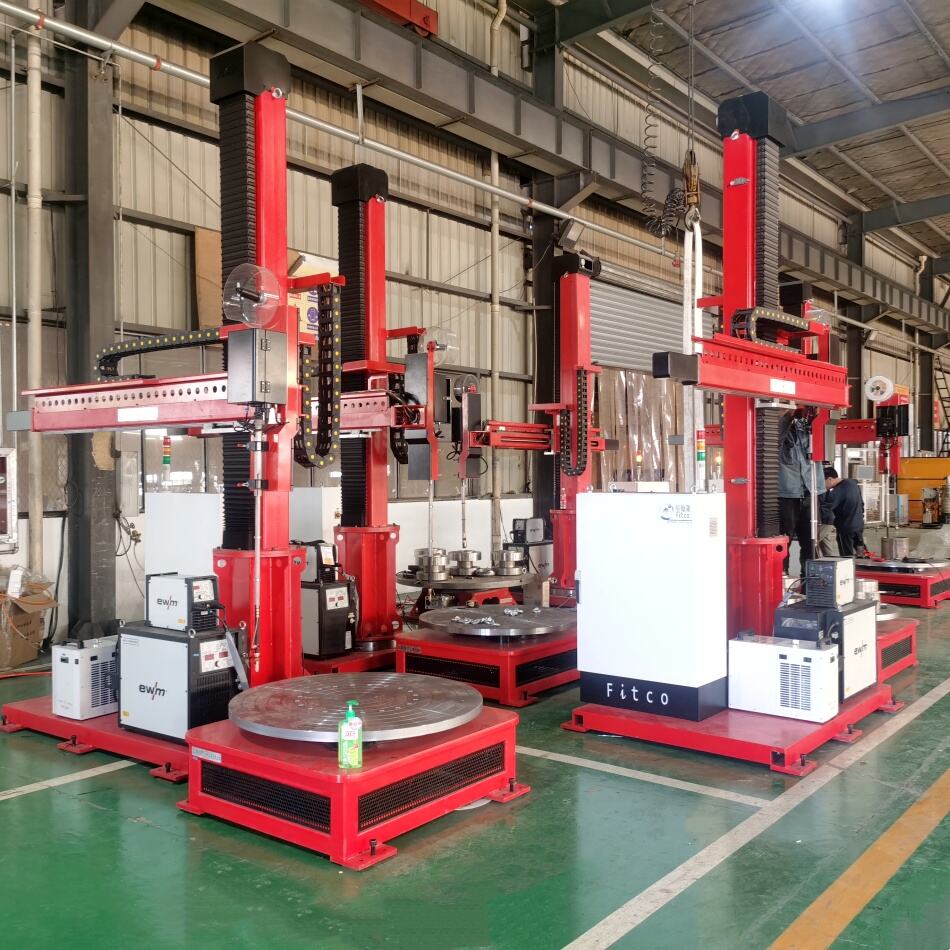
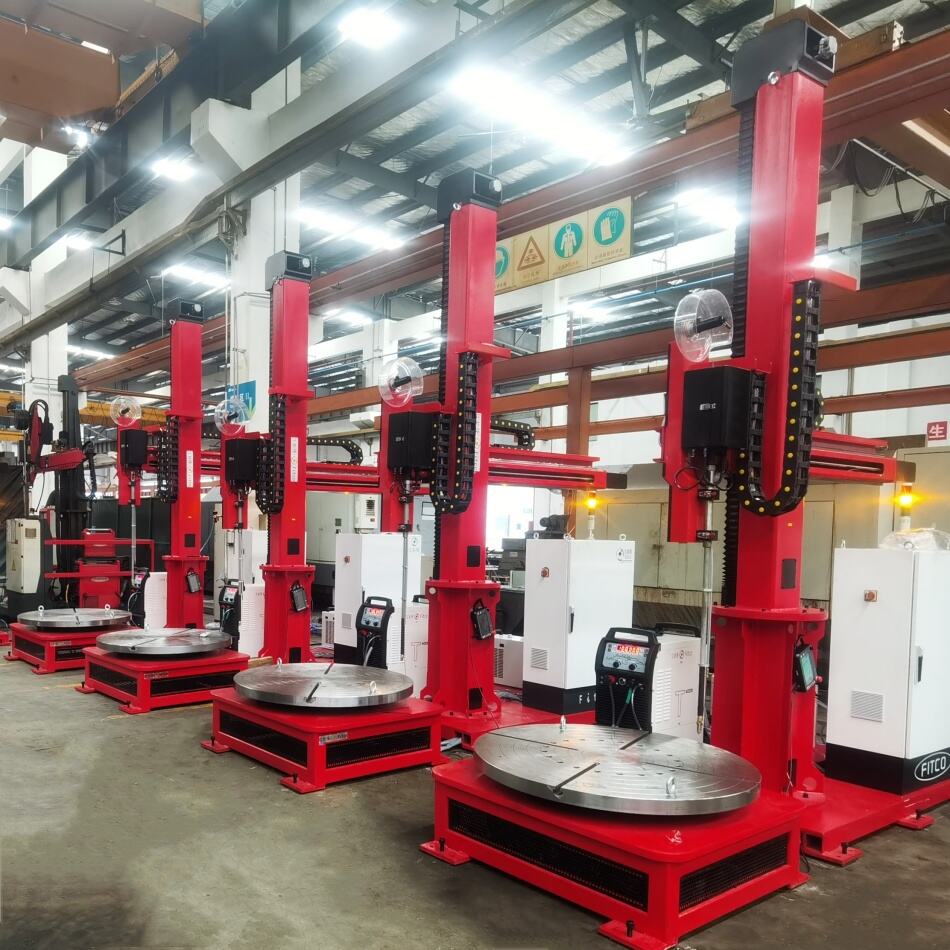
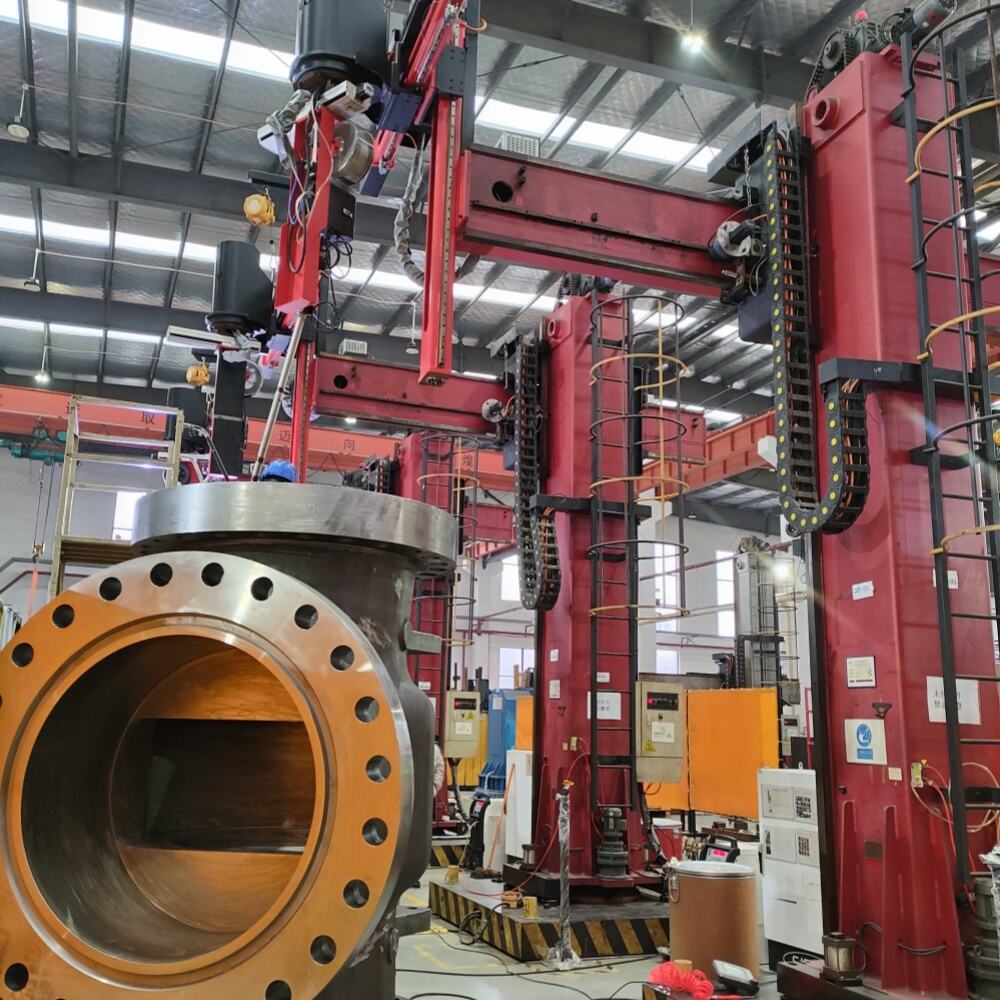
アーク溶接機による溶接は、電気エネルギーを用いて金属部品間の強固で永久的な接合を実現する基本的な金属加工プロセスです。この溶接法では、消耗性または非消耗性の電極と被溶接材との間に電気アークを発生させ、これによって生じる高熱により母材および溶加材を溶融させて、堅固な溶接継手を形成します。アーク溶接機による溶接プロセスは電気抵抗の原理に基づいており、電極・アーク・被溶接材によって構成される回路に電流が流れることで、華氏6,000度(約3,315℃)を超える高温が発生します。現代のアーク溶接機には、電圧・電流・アーク特性を精密に制御する高度な制御システムが搭載されており、多様な用途において一貫した溶接品質を確保します。本技術は、金属の種類、板厚、継手形状などに応じてパラメーターを調整可能であり、多数の産業および商業プロジェクトにおいて汎用性を発揮します。アーク溶接機システムは通常、電源装置、電極ホルダー、アースクリップ、および安全確保のための保護具を含み、安全な作業を実現します。本プロセスは、被覆アーク溶接(SMAW)、ガス金属アーク溶接(GMAW)、ガス・タングステン・アーク溶接(GTAW)など、さまざまな溶接技法を用いて実施可能であり、それぞれ特定の用途に対して特有の利点を提供します。これらの機器は、建設現場から製造工場に至るまで、過酷な環境下でも卓越した信頼性を示します。アーク溶接機の技術進歩により、エネルギー効率の向上、飛散溶滴(スパッタ)の低減、およびアークの安定性向上が実現されています。デジタル制御機能により、オペレーターは異なる材質および板厚に対応した溶接パラメーターを記憶・呼び出し可能となり、再現性の高い溶接結果を保証するとともに、セットアップ時間を短縮します。本機器の頑健な構造設計により、産業現場における連続運転が可能であり、重要用途に求められる精度および性能基準を維持します。
 EN
EN
 AR
AR BG
BG HR
HR CS
CS DA
DA NL
NL FI
FI FR
FR DE
DE EL
EL HI
HI IT
IT JA
JA KO
KO NO
NO PL
PL PT
PT RO
RO RU
RU ES
ES SV
SV TL
TL IW
IW ID
ID LT
LT UK
UK SQ
SQ HU
HU TH
TH TR
TR FA
FA AF
AF CY
CY MK
MK LA
LA MN
MN KK
KK UZ
UZ KY
KY