
 EN
EN
 AR
AR BG
BG HR
HR CS
CS DA
DA NL
NL FI
FI FR
FR DE
DE EL
EL HI
HI IT
IT JA
JA KO
KO NO
NO PL
PL PT
PT RO
RO RU
RU ES
ES SV
SV TL
TL IW
IW ID
ID LT
LT UK
UK SQ
SQ HU
HU TH
TH TR
TR FA
FA AF
AF CY
CY MK
MK LA
LA MN
MN KK
KK UZ
UZ KY
KY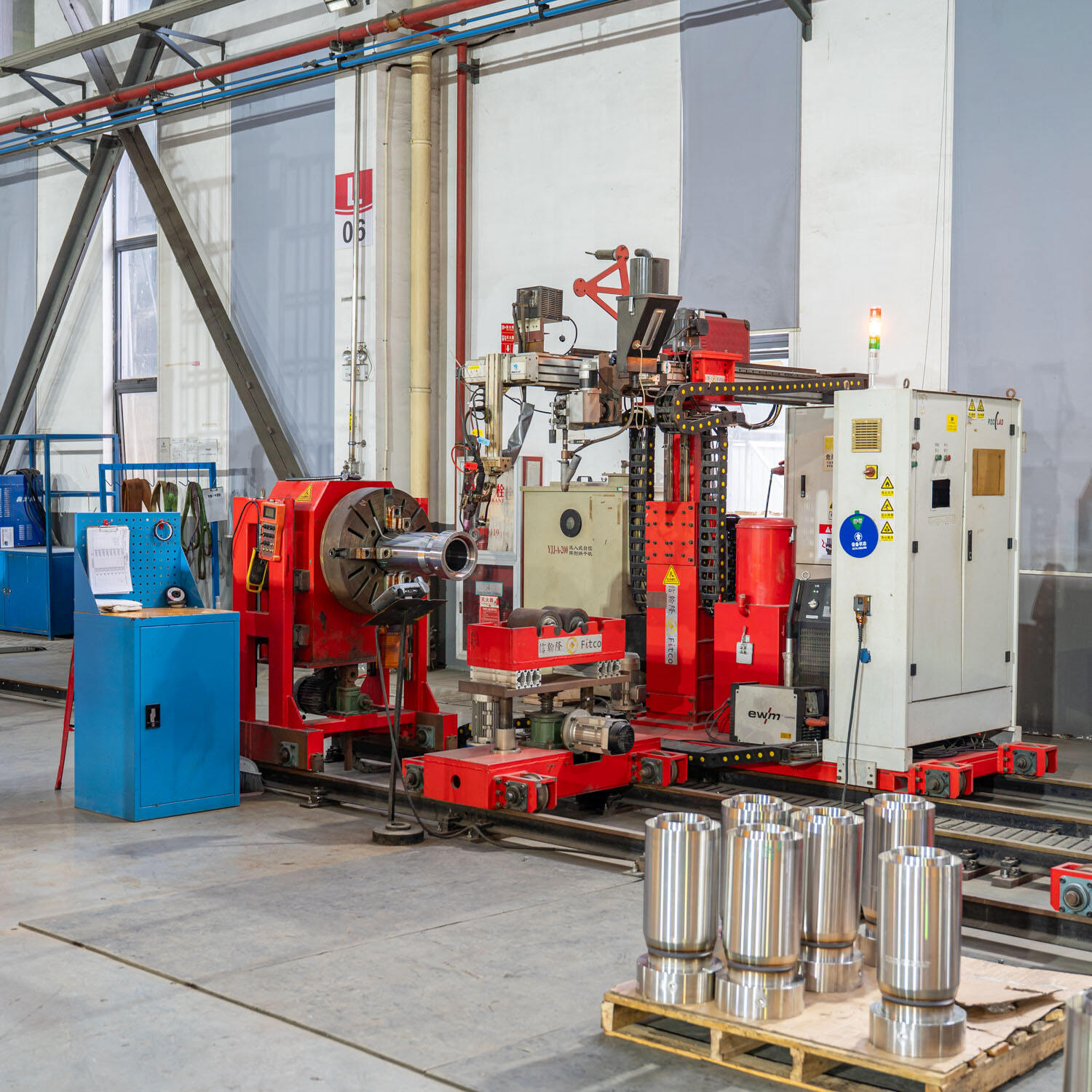
Nykyaikainen valmistus- ja valmistusteollisuus luottaa yhä enemmän tarkkuushitusteknologioihin tiukkojen laatuvaatimusten täyttämiseksi erityisesti aloilla, joissa nivelten eheyttä ei voida neuvotella. Näiden kehittyneiden tekniikoiden joukossa kiertoradalla hitsaus on kehittynyt kriittiseksi prosessiksi johdonmukaisten, laadukkaiden hitsausten saavuttamiseksi putki- ja putki-aiheissa. Nykyaikaisten kiertoradalla hitsausjärjestelmien kehittyneisyys vaatii kuitenkin, että operaattorilla on erikoistuneita tietoja ja taitoja, jotka ulottuvat paljon tavanomaisten manuaalisten hitsausominaisuuksien ulkopuolelle. Näiden yksiköiden käytön kattavien koulutusvaatimusten ymmärtäminen on olennaista organisaatioille, jotka pyrkivät maksimoimaan laitteiden suorituskykyä, varmistamaan työpaikan turvallisuuden ja noudattamaan alan säännöksiä.
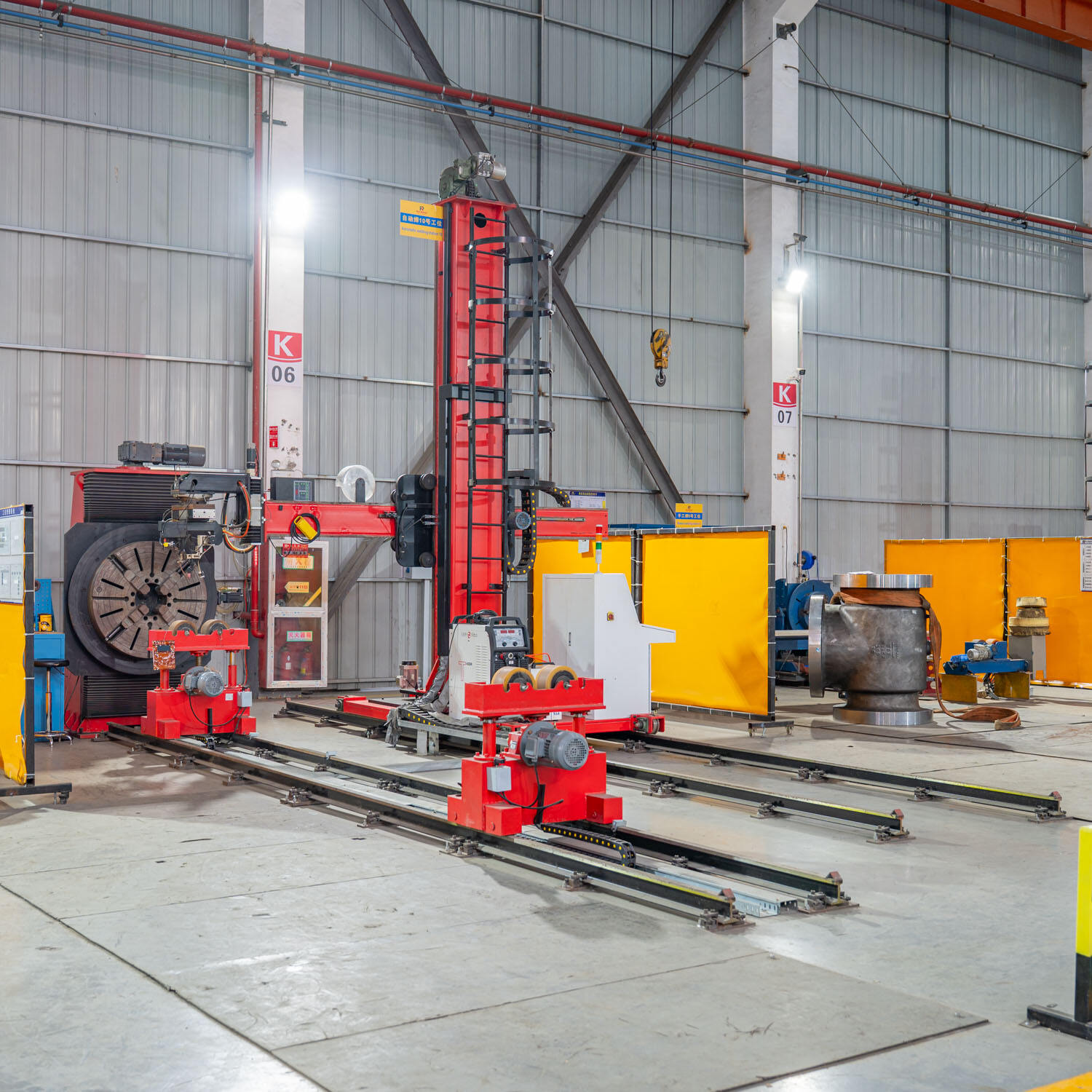
Siirtyminen perinteisistä hitsausmenetelmistä automatisoituun kiertohitsaukseen edustaa paradigmanmuutosta, joka vaatii operaattoreilta täysin uusien osaamisalueiden kehittämistä. Toisin kuin manuaalisessa TIG-hitsauksessa, jossa hitsaaja ohjaa käsin prosessin jokaista osa-aluetta, kiertohitsaus lasioperaattorit automaatioihin kuuluu torchin pyörähtäminen ja usein myös tietokoneohjattu parametrien säätö, mikä luo teknologialla rikastetun ympäristön. Tämä perustavanlaatuinen ero tarkoittaa, että jopa erinomaisesti koulutetut manuaaliset hitsaajat joutuvat suorittamaan rakennetun koulutuksen, jotta he oppisivat ymmärtämään laitteiston ohjelmointia, prosessin seurantaa ja kiertohitsausta koskevia vianetsintäprotokollia. Koulutuspolku kattaa teoreettisen tiedon hitsausteknisen metallurgian alalta, käytännön kokemuksen tiettyjen laiteversioiden kanssa sekä kattavan ymmärryksen laadunvalvontamenettelyistä, jotka määrittelevät hyväksyntäkriteerit kriittisissä sovelluksissa.
Kiertohitsausta suorittavien operaattoreiden perustiedon vaatimukset
Kiertohitsaustekniikan perusteiden ymmärtäminen
Ennen kuin käyttäjät voivat käyttää tehokkaasti nykyaikaista kiertävää hitsausta suorittavaa laitteistoa, heidän on ymmärrettävä perusperiaatteet, jotka erottavat tämän menetelmän perinteisistä hitsausmenetelmistä. Kiertävässä hitsauksessa käytetään mekanisoitua järjestelmää, jossa hitsauspolttimen liike tapahtuu ympyrämäisesti paikallaan pysyvän työkappaleen, yleensä putken tai putkenmuotoisen osan, ympäri samalla kun kaaria, liikenopeutta ja lisäaineen lisäystä säädellään tarkasti. Tämä automatisoitu pyörähdys varmistaa, että kehänmuotoinen hitsaus on tasaisen syvä ja yhtenäinen koko liitoksen yli, mikä poistaa epätasaisuudet, joita manuaalisissa menetelmissä aiheuttavat ihmisellä perustuvat tekijät. Käyttäjien on ymmärrettävä, miten sähköden sijoittaminen, kaari-avaimen säilyttäminen ja suojauskaasun peitto toimivat yhteistyössä suljetussa hitsauspäässä tuottaakseen virheettömiä tuloksia.
Laajat koulutusohjelmat käsittelevät kiertävän hitsauksen metallurgisia näkökohtia, mukaan lukien eri perusmateriaalien reaktiot automatisoitujen hitsausparametrien suhteen. Ruvun, hiiliteräksen, nikkeli-seosten, titaanin ja muiden erikoismateriaalien käsittelyssä esiintyy yksilöllisiä haasteita lämpötehon säädön, välihitsausten lämpötilanhallinnan sekä kuumien halkeamien tai huokosuuden kaltaisten vikojen syntymisen estämisessä. Operaattoreiden on opittava tunnistamaan, miten materiaalin paksuus, kemiallinen koostumus ja liitoksen muoto vaikuttavat parametrien valintaan, sillä nämä muuttujat vaikuttavat suoraan hitsauslaatuun ja mekaanisiin ominaisuuksiin. Tämä perustieto mahdollistaa operaattoreiden tehdä perusteltuja päätöksiä laitteiston asetusten säätämisessä tai odottamattomien hitsausulkoasujen korjaamisessa tuotantoprosessin aikana.
Turvallisuusprotokollat ja vaarojen tunnistaminen
Turvatyöharjoittelusta tulee keskeinen osa kaikkia kiertoradalla tehtävän hitsauksen operaattorien kelpoisuusohjelmia, koska nämä järjestelmät aiheuttavat ainutlaatuisia vaaroja, jotka ylittävät manuaalisessa hitsauksessa tavattavat vaarat. kiertävä hitsaus suljetun muotoisen pään rakenne keskittää kaarinsäteilyä ja luo suljettuja tiloja, joissa kaasun kertyminen voi tapahtua, mikä edellyttää erityisiä varotoimenpiteitä ilmanvaihdon ja henkilökohtaisten suojavarusteiden osalta. Operaattoreiden on ymmärrettävä sähöturvallisuusperiaatteet, jotka liittyvät korkeataajuiseen kaaren sytytysjärjestelmiin, oikeat maadoitustavat sähköiskujen estämiseksi sekä lukitus- ja merkintämenettelyt huoltotoimenpiteiden tai elektrodinvaihtojen aikana. Lisäksi koulutuksessa käsitellään paineistettujen kaasujen käsittelyä, mukaan lukien argon, helium ja kaasuseokset, joita käytetään suojaamiseen ja tyhjentämiseen, ja korostetaan säiliöiden turvallista kiinnittämistä, vuotojen havaitsemista sekä säätimien oikeaa käyttöä.
Fyysisten vaarojen lisäksi käyttäjien on opittava tunnistamaan prosessiin liittyviä turvallisuusongelmia, kuten riittämätön puhdistuskaasuvirtaus, joka voi johtaa hapettumiseen ja hitsauksen kontaminaatioon. Nykyaikaiset orbitaalihitsauslaitteet sisältävät lukuisia turvallisuuslukkoja ja valvontajärjestelmiä, joiden tarkoituksena on suojata sekä käyttäjiä että laitteita, mutta henkilökunnan on ymmärrettävä näiden ominaisuuksien tarkoitus ja toimintaperiaate, jotta he voivat reagoida asianmukaisesti hälytysten aktivoituessa. Koulutustilanteisiin on sisällytettävä simuloituja hätätilanteita, kuten jäähdytysjärjestelmän vikaantuminen, sähkökatkos kriittisen hitsauksen aikana tai odottamaton laitteen vikaantuminen, mikä varmistaa, että käyttäjät kehittävät tarvittavan arviointikyvyn turvallisuuden priorisoimiseksi samalla kun työkappaleiden ja koneiden vahingoittuminen minimoidaan. Tämä kattava turvallisuusperusta suojelee työntekijöitä ja vähentää organisaatioiden vastuun altistumista, kun edistyneitä hitsausteknologioita otetaan käyttöön.
Teknisten taitojen kehittäminen laitteiden käyttöön
Varusteiden asennus ja määritysproseduurit
Orbitaalihitsauslaitteiden asennusmenetelmien hallitseminen muodostaa merkittävän osan käyttäjän koulutusvaatimuksista, sillä oikea kokoonpano määrää suoraan hitsauslaadun. Nykyaikaiset orbitaalijärjestelmät koostuvat useista toisiinsa kytketyistä komponenteista, kuten virtalähteestä, hitsauspäästä, pyöritysmekanismista ja usein ohjelmoitavasta ohjaimesta tai tietokoneliittymästä. Käyttäjien on opittava systemaattisia lähestymistapoja laitteiden kokoonpanoon, mukaan lukien oikea kaapelien reititys sähkömagneettisten häiriöiden minimoimiseksi, hitsauspäiden turvallinen kiinnitys tärinän aiheuttamien vikojen estämiseksi ja elektrodin oikea kohdistaminen hitsausliitoksen keskiviivaan nähden. Jokaisella laitemallilla on erityiset asennussekvenssit ja säätömekanismit, jotka vaativat käytännön harjoittelua ohjaajan valvonnassa taitojen ja lihasmuistin kehittämiseksi.
Koulutusohjelmat korostavat liekkipolttimen suuntaamisen ja elektrodin sijoittelun kriittistä tärkeyttä, sillä pienetkin poikkeamat optimaalisesta geometriasta voivat aiheuttaa merkittäviä hitsausvirheitä. Operaattorit oppivat käyttämään erityisiä kiinnityslaitteita ja mittausvälineitä varmistaakseen, että elektrodin ulottuma, työkulma ja kulku-kulma täyttävät valmistajan määrittämät vaatimukset kyseiselle liitoksen muodolle. Asetteluprosessiin kuuluu myös sisäisen suojauskaasun käytön vaatiessa purkupesäkkeiden asennus, kaasuvirtauksen nopeuden tarkistus virtausmittareilla tai rotaattoreilla sekä jäähdytysvesikierron tarkistus sen varmistamiseksi, että se täyttää vähimmäisvaatimukset. Toistuvien harjoitusten kautta koulutettavat kehittävät systemaattisen lähestymistavan, joka mahdollistaa asettelutoimenpiteiden tehokkaan suorittamisen samalla kun huolellisuus säilyy, mikä takaa yhtenäisen ensimmäisen kerran hyväksytyn laadun tuotantoympäristöissä.
Parametrien ohjelmointi ja hitsausaikataulun laatiminen
Nykyaikainen kiertävä hitsaus järjestelmät tarjoavat kehittyneitä ohjelmointimahdollisuuksia, joiden avulla käyttäjät voivat luoda monimutkaisia hitsausohjelmia, jotka on mukautettu tiettyihin liitosten vaatimuksiin ja materiaalikombinaatioihin. Koulutuksen on käsiteltävä näiden ohjelmointirajapintojen logiikkaa ja rakennetta, riippumatta siitä, käyttävätkö ne yksinkertaista numeerista parametrisyöttöä, graafisia käyttöliittymiä vai edistyneitä hitsausjärjestysmuokkaimia. Käyttäjien on ymmärrettävä, miten keskeiset hitsausmuuttujat – kuten virran amplitudi, pulssitaajuus, kulku- tai siirtynopeus ja kaarijännite – vaikuttavat toisiinsa lämpötehon säätöön ja hitsauskuplan dynamiikkaan. Lisäksi heidän on opittava ohjelmoimaan apufunktiot, kuten esipuhdistus- ja jälkipuhdistusaikaa, nousu- ja laskuramppuja, jotka estävät kraatterirakkoja, sekä pistehitsaus- tai kiinnityshitsausjärjestelmiä, joita käytetään liitoksen valmisteluun.
Kehittäessään taitoaan hitsausohjelman luomisessa operaattorien on ymmärrettävä ohjelmoitujen parametrien ja niistä syntyvien hitsaustulosten välinen suhde. Koulutusharjoitukset ohjaavat oppijoita systemaattisen parametrien kehityksen prosesseihin: aloittaen laitevalmistajien antamista perusohjelmista ja edeten itsenäiseen ohjelman optimointiin visuaalisen hitsaustuloksen ja mitatun läpäisy syvyyden perusteella. Operaattorit oppivat tunnistamaan liiallisen tai riittämättömän lämpötehon oireita, mikä mahdollistaa pienien säätöjen tekemisen hitsaustuloksen laadun parantamiseksi ilman laajaa kokeellista menettelyä. Laajemmassa koulutuksessa käsitellään useita hitsauskertoja vaativia monikerroksisia hitsausstrategioita paksuseinäisiin sovelluksiin, mukaan lukien väliviiveiden ohjelmointi eri hitsauskerrosten välillä sekä juurikerran, täyttökerroksen ja päällyskerroksen parametrien muokkaaminen täydellisen sulautuman saavuttamiseksi samalla kun jäännösjännityksiä ja vääntymiä hallitaan.
Prosessin seuranta ja reaaliaikaiset säädöt
- Kunhan vain... kiertävä hitsaus vaikka järjestelmät automatisoivat monia hitsausprosessin osa-alueita, operaattorien on pidettävä tarkkaa silmää prosessista koko hitsauksen ajan, jotta mahdolliset ongelmat voidaan havaita ennen kuin ne johtavat hylättyihin osiin. Koulutusohjelmat opettavat operaattoreita tulkitsemaan visuaalisia viitteitä, jotka näkyvät hitsauspään tarkkailuikkunoista, kuten kaaren vakautta, hitsauskuplan kokoa ja muotoa sekä kiintymismallin etenemistä. Nykyaikainen laitteisto sisältää usein sähköisiä seurantajärjestelmiä, jotka seuraavat hitsausvirtaa, jännitettä, liikkeen sijaintia ja muita prosessimuuttujia reaaliajassa ja näyttävät tämän tiedon digitaalisissa käyttöliittymissä tai tietojen tallennusjärjestelmissä. Operaattoreiden on saanut koulutusta ymmärtämään normaalit parametrivälit ja tunnistamaan poikkeamat, jotka voivat viitata laitteiston vioittumiseen, virheelliseen asennukseen tai materiaalin epäyhtenäisyyteen.
Sopivan vastauksen antaminen prosessin poikkeamiin edellyttää, että operaattorit kehittävät ongelmanratkaisutaitoja, jotka yhdistävät teoreettisen tiedon käytännön kokemukseen. Koulutusskenaariot simuloidaan yleisimpiä ongelmia, kuten volframisaastumista, joka vaatii elektrodin uudelleenhiomista, suojakaasuvirran häiriöitä, jotka aiheuttavat hapettumista, tai epävakaita kaarikäynnistyksiä, joita esiintyy virheellisen elektrodin valmistelun takia. Operaattorit oppivat päätöksentekoprotokollat, joiden avulla he voivat päättää, keskeytetäänkö juuri käynnissä oleva hitsaus, tehdäänkö välittömiä parametriä muokkaavia säätöjä sallittujen rajojen sisällä vai annetaanko syklin päättyä normaalisti seuraavaa arviointia varten. Tämän arviointikyvyn kehittäminen on erityisen tärkeää kriittisissä sovelluksissa, joissa hylätyt osat aiheuttavat merkittäviä materiaali- ja työvoimakustannuksia, mutta joissa hyväksyttyjen rajallisesti kelvollisten hitsausten käyttö voi vaarantaa järjestelmän toimintakyvyn ja turvallisuuden. Vaikeusasteikoltaan portaittainen rakennettu koulutus auttaa operaattoreita rakentamaan luottamusta seuranta- ja puuttumiskykyihinsä.
Laatukontrolli ja tarkastusosaaminen
Visuaalisen tarkastuksen standardit ja hyväksyntäkriteerit
Kiertävän hitsaamisen operaattorien on kehitettävä perusteellinen ymmärrys laatuvaatimuksista, jotka koskevat heidän tiettyä teollisuusalaaan ja sovellustaan, sillä nämä kriteerit määrittävät hyväksytyt hitsausliitokset ja vaikuttavat parametrien valintapäätöksiin. Koulutusohjelmat tutustuttavat operaattorit asiaankuuluviin standardikoodien ja määritysten, kuten ASME Section IX:hen paineastioiden osalta, AWS D18.1:een ruostumattoman teräksen putkien kiertävään hitsaamiseen tai lääketeollisuutta, puolijohdeteollisuutta tai avaruusteollisuutta koskeviin teollisuuskohtaisiin standardeihin. Operaattorit oppivat suorittamaan systemaattisia visuaalisia tarkastuksia käyttäen asianmukaista valaistusta ja suurennusta sekä tunnistamaan pinnan epäjatkuvuudet, kuten alahitsauksen, liiallisen korotuksen, huokosuuden, riittämättömän suojakaasun aiheuttaman värimuutoksen sekä geometriset epäsäännölmäisyydet. Erityisen tärkeää on ymmärtää ero kosmeettisten virheiden ja hylättävien vikojen välillä, jotta operaattorit voivat tehdä asianmukaisia päätöksiä tuotteen käytöstä ilman, että hyväksyttäviä hitsausliitoksia hylätään tarpeettomasti.
Perusvirheiden tunnistamisen lisäksi koulutus kattaa dokumentointivaatimukset ja jäljitettävyysprotokollat, jotka ovat välttämättömiä säänneltyissä aloissa. Operaattorit oppivat täyttämään hitsaustulokset, joissa kirjataan laitteiston asetukset, materiaalin tunnistetiedot, hitsaajan kelpoisuusnumerot ja tarkastustulokset jokaisesta tuotetusta liitoksesta. Nykyaikaiset orbitaalihitsausjärjestelmät sisältävät usein tiedonkeruutoiminnon, joka tallentaa automaattisesti hitsaustekijät koko hitsausjakson ajan luoden sähköisiä tietueita, jotka tukevat laadunvarmistusta ja helpottavat virheiden syyn selvittämistä niiden ilmetessä. Koulutuksessa korostetaan tarkkojen tietueiden pitämisen merkitystä prosessin hallinnan todisteena, erityisesti sellaisissa sovelluksissa, jotka ovat sääntelyn tai asiakkaan tarkastusvaatimusten alaisia. Tämä dokumentointikurinalaisuus muodostuu toimintatavaksi koulutusharjoituksissa, jotka simuloidaan tuotantoympäristössä täyden jäljitettävyysvaatimuksen mukaisesti.
Epätuhoavan testauksen tulosten tulkinnan perusteet
Vaikka erikoistuneet tarkastajat yleensä suorittavat edistyneitä ei-tuhoavia tarkastusmenetelmiä, niin kiertosulauttimien käyttäjät hyötyvät perustason ei-tuhoavan tarkastuksen (NDT) periaatteiden ja tulosten tulkinnan koulutuksesta, jotta he ymmärtäisivät, miten heidän työnsä arvioidaan. Röntgentarkastus on edelleen yleinen menetelmä kriittisille kiertosulauksille, ja ne käyttäjät, jotka osaavat tulkita röntgenkuvia, saavat arvokasta tietoa sulautusparametrien ja sisäisen hitsin laadun välisestä suhteesta. Koulutuksessa esitellään röntgenkuvien ominaisuuksia ja opetetaan käyttäjiä tunnistamaan epätyydyttävän sulautumisen, huokosuuden, volframisaasteiden ja läpimurron puutteen merkit sekä filmi- että digitaalikuvaesityksissä. Tämä tieto luo palautesilmukan, jossa käyttäjät voivat yhdistää hitsin pinnan ulkonäön sen sisäiseen laatuun ja täten parantaa kykyään tuottaa johdonmukaisesti hyväksyttäviä hitsausliitoksia.
Lisäkoulutus voi kattaa muita NDT-menetelmiä, joita käytetään yleisesti kiertävän hitsauksen sovelluksissa, kuten nestemäisen läpäisevän testauksen pinnallisille virheille, ultraäänitarkastelun tilavuudelliseen tarkasteluun sekä automatisoituja visiojärjestelmiä, joita jotkin edistyneet kiertävän hitsauksen laitteet sisältävät reaaliaikaiseen laadunvalvontaan. Erilaisten tarkastusmenetelmien kykyjen ja rajoitusten ymmärtäminen auttaa operaattoreita arvioimaan, miksi tietyt virhetyypit saavat erityistä huomiota, ja ohjaa heidän lähestymistapaansa prosessin säädössä. Esimerkiksi tietoisuus siitä, että radiografiatarkastus ei pysty luotettavasti havaitsemaan sulautumispuutetta, joka on suunnattu säteen suuntaan, korostaa liitoksen valmistelun ja asennuksen tärkeyttä tämän virhemuodon estämiseksi. Tämä kattava laatuajattelu muuttaa operaattorit pelkistä painonappien painajista laadun tietoisiksi teknikoiksi, jotka ovat sitoutuneita tuottamaan virheetöntä työtä.
Edistynyt käyttöön perustuva koulutus ja vianetsintä
Laitteiden huolto ja ennaltaehkäisevä huolto
Kattava käyttäjäkoulutus ulottuu hitsausten suorittamisen yli myös säännöllisiin huoltotehtäviin, joiden avulla säilytetään laitteiston suorituskykyä ja pidetään sen käyttöikää. Nykyaikaiset kiertohitsausjärjestelmät vaativat säännöllistä huomiota kulutusosien osalta, mukaan lukien volframielektrodit, kiinnityspidin kokoonpanot, kaasupurkunokat ja tiivistys-O-renkaat, jotka kuluvat normaalissa käytössä. Koulutusohjelmat opettavat käyttäjiä tunnistamaan kulumaan liittyvät piirteet, jotka viittaavat tulevaan komponenttien vikaantumiseen, määrittämään asianmukaiset vaihtovälit käytön perusteella sekä suorittamaan vaihdot oikein, jotta laitteiston tarkkuus säilyy. Ymmärrys siitä, miten huollon laiminlyönti vaikuttaa hitsausten laatuun, motivoi käyttäjiä priorisoimaan ennaltaehkäisevää huoltoa, vaikka tuotantopaineet saattaisivat muuten siirtää näitä tehtäviä myöhempään ajankohtaan.
Kulutusosien vaihdon lisäksi käyttäjille on annettava ohjeita laitteiston puhdistusmenettelyistä, joiden avulla estetään saastumiseen liittyviä vikoja. Orbitaalihitsaustekniikkaa käytetään esimerkiksi lääketeollisuudessa ja puolijohdetuotannossa, joissa vaaditaan erinomaisia puhtausstandardeja; tämä edellyttää, että käyttäjät noudattavat tiukkoja puhdistus- ja käsittelymenettelyjä kaikille työkappaleisiin tai suojakaasuun koskettaviin laitteiston pinnoihin. Koulutuksessa käsitellään asianmukaisia puhdistusaineita eri materiaaleihin, lintuvapaita pyyhkimismenetelmiä sekä tarkistusmenetelmiä, kuten napakkeentestaus tai hiukkasmääritys, joilla varmistetaan, että puhtausasteet täyttävät määritellyt vaatimukset. Lisäksi käyttäjät oppivat perustason diagnostiikkamenetelmiä, joilla voidaan tunnistaa jäähdytysjärjestelmän tukokset, sähköliitosten ongelmat tai mekaaninen kuluminen pyörivissä mekanismeissa, mikä mahdollistaa ensimmäisen tason vianetsinnän ennen kuin ongelmat siirretään huoltoteknikoille.
Monimutkaiset liitoskonfiguraatiot ja erityissovellukset
Kun käyttäjät saavuttavat taitoa standardien kiertävän hitsaustekniikkojen käytössä, edistynyt koulutus esittelee menetelmiä haastavien liitosten muotojen ja erityisten materiaalikombinaatioiden käsittelyyn. Haaroittuvat liitokset, ellipsimäiset poikkileikkaukset, eri metallien liitokset sekä eri seinämäpaksuuksien väliset siirtymähitsausliitokset aiheuttavat kukin omia asennus- ja ohjelmointihäviöitä, jotka vaativat erikoistunutta osaamista. Koulutusharjoitukset ohjaavat käyttäjiä läpi geometristen näkökohtien käsittelyyn, jotka vaikuttavat polttimen sijoittamiseen ja kulkuurapolun suunnitteluun ei-standardimuotoisissa rakenteissa. He oppivat sopeuttamaan standardihitsausohjelmia tilanteisiin, joissa liitoksen geometria aiheuttaa epäsymmetrisen lämmönjakautuman tai joissa materiaalien ominaisuuksien ero vaatii tarkasti säädettävää lämmöntuloa, jotta sulamisrajalla ei syntyisi virheitä.
Erityissovellukset, kuten putken liittäminen putkilevyyn, liukuputkiyhdistelmien valmistus tai mittauslaitteiden läpivientien tiukka tiivistäminen, sisältävät kaikki sovelluskohtaisia menetelmiä ja laatuvaatimuksia. Nämä erikoistuneet kiertävän hitsauksen tehtävät suorittavat operaattorit saavat koulutusta kiinnityslaitteiden suunnittelusta, liitoksen valmistelun standardeista ja kunkin sovellustyypin erityisistä hyväksyntäkriteereistä. Esimerkiksi lämmönvaihtimissa tapahtuva putken liittäminen putkilevyyn vaatii tarkkaa hitsauskorkeuden säätöä, jotta virtausrajoitusta ei syntyisi samalla kun riittävä lujuus varmistetaan; tämä edellyttää operaattorilta ymmärrystä siitä, miten kulku- ja lisälangan syöttönopeudet vaikuttavat toisiinsa. Tämä edistynyt koulutus muuttaa yleispäteviä kiertävän hitsauksen operaattoreita erikoisammattilaisiksi, jotka pystyvät tukenaan monipuolisia tuotantovaatimuksia ja laajentamaan organisaation osaamista uusille markkinasegmenteille.
Virheiden systemaattisten mallien diagnosoiminen
Kokeneet kiertävän hitsaamisen operaattorit kehittävät monitasoisia vianetsintätaitoja koulutuksen kautta, joka korostaa systemaattista virheanalyysiä ja ongelmien juurisyyn tunnistamista. Sen sijaan, että he tekisivät satunnaisia parametriensä säätöjä ongelmien ilmetessä, koulutetut operaattorit noudattavat loogisia diagnostisia toimintajärjestelmiä, jotka ottavat huomioon kaikki mahdolliset vaikutteet, kuten materiaalin tilan, liitoksen valmistelun laadun, laitteiston asennuksen tarkkuuden ja ympäristötekijät. Koulutusohjelmat esittävät tapaustutkimuksia yleisistä virhekuviosta, kuten toistuvasta huokosuudesta tietyissä kelloasennoissa, järjestelmällisestä alakulmasta hitsausnauloissa tai ajoittaisesta volframisaastumisesta, ohjaten opiskelijoita rakenteellisiin ongelmanratkaisumenetelmiin, joilla tunnistetaan taustalla olevat syyt eikä vain oireet.
Tämä vianmäärityksen osaaminen kehittyy käytännön harjoitusten kautta, jolloin opettajat tahallisesti aiheuttavat erilaisia ongelmia laitteiston asennukseen tai materiaalin tilaan, mikä haastaa koulutettavat diagnosoimaan ja korjaamaan ongelmat käytettävissä olevien vianmääritystyökalujen ja heidän kertyneen tietämyksensä avulla. Koneenohjaajat oppivat yhdistämään virheen sijainnin ja ulkoasun tiettyihin prosessimuuttujiin; esimerkiksi se, että huokosuus keskittyy hitsauspäättymiskohtiin, viittaa riittämättömään kraaterin täyttöaikaan, kun taas kehänmuotoinen huokosuusvyöhyke osoittaa hetkellisiä suojakaasun katkoja. Edistynyt koulutus sisältää tilastollista ajattelua ja opettaa koneenohjaajia erottamaan satunnaisen vaihtelun, joka on ominaista kaikille valmistusprosesseille, järjestelmällisistä ongelmista, jotka vaativat korjaavia toimenpiteitä. Tämä analyyttinen kyky tekee erinomaisesti koulutetut orbitaalihitsaajat arvokkaina osallisina jatkuvan parantamisen aloitteissa ja laatuongelmien ratkaisuryhmissä.
Sertifiointiohjelmat ja jatkuva taitojen kehittäminen
Alalla tunnustetut kelpoisuusstandardit
Viralliset sertifiointiohjelmat tarjoavat rakennettuja kehyksiä kiertävän hitsaamisen operaattorien osaamisen vahvistamiseen ja varmistavat yhtenäisyyden eri organisaatioiden ja laitosten välillä. American Welding Society tarjoaa sertifiointiohjelmia, jotka keskittyvät erityisesti kiertävään hitsaamiseen, mukaan lukien Certified Welding Operator -sertifiointi, joka vahvistaa henkilön kyvyn tuottaa tiettyjä laatuvaatimuksia täyttäviä hitsausliitoksia tiettyjä laitteita ja menetelmiä käyttäen. Nämä sertifiointiohjelmat yhdistävät yleensä kirjallisia kokeita, joissa testataan teoreettista tietoa, ja käytännön suoritustestejä, joissa ehdokkaiden on tuotettava hitsausnäytteitä, jotka arvioidaan visuaalisesti sekä tuhoavalla tai ei-tuhoavalla testauksella. Onnistunut sertifiointi osoittaa työnantajille, asiakkaille ja valvoville viranomaisille, että operaattorit ovat todistettavasti osaavia eivätkä ainoastaan saaneet epämuodollista työpaikalla tapahtuvaa koulutusta.
AWS-todistusten lisäksi monet teollisuudenalat vaativat omia, sovellusalueitaan ja sääntelyympäristöjään koskevia lisäkelpoisuusvaatimuksia. Ydinvoimalaitokset, lääkkeiden valmistajat ja avaruusteollisuuden yritykset vaativat usein, että operaattorit suorittavat sisäisiä kelpoisuuskoulutusohjelmia, jotka ylittävät yleiset teollisuusstandardit, ja joihin kuuluu lisätestausta, dokumentointia sekä ajoittainen uudelleenkelpoisuustarkastus kelpoisuuden säilyttämiseksi. Koulutusohjelmat, jotka valmistavat operaattoreita näihin vaativiin ympäristöihin, korostavat paitsi teknisiä hitsaustaitoja myös laadullisesti kriittisissä sovelluksissa vaadittavaa kuria ja huolellisuutta. Kelpoisuustodistusten ymmärtäminen auttaa organisaatioita suunnittelemaan koulutusohjelmia, jotka vastaavat niiden erityisiä kelpoisuusvaatimuksia, samalla kun operaattoreille annetaan todistuksia, jotka edistävät heidän urallista liikkuvuuttaan ja ammatillista kehitystään.
Jatkokoulutus ja teknologiapäivitykset
Orbitaalihitsausteknologian nopea kehitys edellyttää jatkuvaa koulutusta, jotta käyttäjät pysyvät ajan tasalla uusien laitteiden ominaisuuksista, ohjelmistopäivityksistä ja prosessiin liittyvistä innovaatioista. Valmistajat esittelevät säännöllisesti parannettuja ominaisuuksia, kuten sopeutuvia säätöalgoritmeja, jotka säätävät parametrejä automaattisesti reaaliaikaisen prosessin seurannan perusteella, edistyneitä käyttöliittymiä kosketusnäytöllä ja ohjattujen asennusavustimien avulla sekä integraatiota yrityksen tietojärjestelmiin tuotannon seurantaan ja laatujohtamiseen. Käyttäjille tarvitaan säännöllistä päivityskoulutusta, jotta he voivat hyödyntää näitä uusia ominaisuuksia tehokkaasti eikä käytä edistyneitä laitteita vanhentuneissa tiloissa, joissa ei voida hyödyntää saatavilla olevia etuja. Edistykselliset organisaatiot perustavat jatkokoulutusohjelmia, jotka yhdistävät valmistajan tarjoaman päivityskoulutuksen sisäisiin tiedonjakotilaisuuksiin, joissa kokemukselliset käyttäjät toimivat mentoroina uudemmille henkilökunnan jäsenille.
Teknologisen kehityksen myötä syntyy myös uusia sovellusmahdollisuuksia, kun laitteiden kyvykkyydet laajenevat aiemmin haastaville alueille. Viimeaikaiset kehitysaskeleet pulssivirtaan perustuvassa kiertävässä hitsauksessa, ohuturakkeiset hitsausmenetelmät paksuille osille sekä kiertävän hitsauksen ja laserin tai muiden lämmönlähteiden yhdistävät hybridimenetelmät tarjoavat mahdollisuuksia operaattoreille laajentaa taitojaan ja organisatorista arvoaan. Näihin nouseviin teknologioihin tehtävät koulutusinvestoinnit mahdollistavat sekä operaattoreiden että heidän työnantajiensa tehokkaan kilpailun markkinoilla, joissa vaaditaan huippuluokan kykyjä. Lisäksi koodien ja standardien ajantasaisuuden seuraaminen varmistaa, että operaattorit pysyvät tietoisina muuttuvista hyväksyntäkriteereistä ja tarkastusvaatimuksista, jotka vaikuttavat heidän työhönsä. Tämä sitoutuminen elinikäiseen oppimiseen erottaa ammattimaiset kiertävän hitsauksen operaattorit niistä teknikoista, jotka tyytyvät vähimmäistasoisesti riittävään osaamiseen.
UKK
Mitkä ovat edellytykset koulutukseen osallistuville ennen kiertävän hitsauksen operaattorikoulutuksen aloittamista?
Harjoittelijoiden tulisi mahdollisimman hyvin ymmärtää hitsaamisen perusteita, mukaan lukien kaarihitsaamisen periaatteet, yleisimmät hitsaustermien merkitykset ja yleiset metallivalmistuskäsitteet. Vaikka aiemmat manuaaliset TIG-hitsaustaidot ovat eduksi, ne eivät ole ehdottoman välttämättömiä, sillä kiertohitsaus vaatii huomattavasti erilaisia toimintatapoja. Tärkeämpää on, että hakijat osoittavat mekaanista kyvykkyyttä, tarkkuutta, kykyä noudattaa teknisiä menettelyjä sekä perustason tietokonetaitoja, koska nykyaikaiset kiertohitsauslaitteet sisältävät digitaalisia ohjauksia. Perusasteen (lukio) koulutusta, jossa painotetaan matematiikkaa ja teknisiä aineita, riittää pohjaksi koulutusmateriaalin ymmärtämiselle. Joissakin koulutusohjelmissa vaaditaan, että harjoittelijat suorittavat ensin yleisen hitsausturvallisuuskoulutuksen ja hankkivat perustodistukset ennen siirtymistä kiertohitsaukseen keskittyvään koulutukseen.
Kuinka kauan kattava kiertohitsausoperaattorikoulutus yleensä kestää?
Koulutuksen kesto vaihtelee huomattavasti sovelluksen monimutkaisuuden, laitteiston kehittyneisyyden ja vaadittavan sertifiointitason mukaan. Peruskoulutus käyttäjille standardisoituun käyttöön kestää yleensä yhden tai kahden viikon ajan ja sisältää tiukkaa opetusta, jossa yhdistetään luokkatuntien teoria käytännön harjoittelun kanssa. Tämä perustaso kattaa laitteiston asennuksen, perusparametrien ohjelmoinnin, tavanomaisen käytön ja laadun arvioinnin yleisimmille liitoskonfiguraatioille. Laajempi koulutus monimutkaisiin sovelluksiin, erityismateriaaleihin tai kriittisiin aloihin voi kestää neljä viikkoa tai pidempään ja sisältää laajaa vianetsintäharjoittelua, erikoisliitoskonfiguraatioita sekä tiukkoja kelpoisuustestejä. Alkuperäisen koulutuksen lisäksi käyttäjien on yleensä suoritettava useiden kuukausien mittainen valvottu tuotantokokemus, jotta he voivat saavuttaa riittävän osaamisen ja arviointikyvyn itsenäiseen toimintaan. Säännöllistä kerrannaiskoulutusta ja jatkokoulutusta tulisi järjestää vuosittain tai silloin, kun toteutetaan merkittäviä laitteistopäivityksiä tai prosessimuutoksia.
Voivatko kokemuksetta manuaalisessa TIG-hitsaamisessa työskentelevät hitsaajat siirtyä kiertohitsaukseen ilman virallista koulutusta?
Vaikka manuaalinen TIG-hitsauskokemus tarjoaa arvokasta perustietoa kaaren ominaisuuksista, kaasusuojauksesta ja hitsauslaadun arvioinnista, se ei riitä valmistelemaan hitsaajia kiertävän hitsauksen käyttöön ilman rakennettua koulutusta. Kiertävien järjestelmien automatisoitu luonne, laitteistokohtaiset ohjelmointivaatimukset sekä tarkkojen asennusmenettelyjen ratkaiseva merkitys eroavat perustavanlaatuisesti manuaalisesta menetelmästä. Kokemukselliset manuaaliset hitsaajat, jotka yrittävät käyttää kiertäviä hitsauslaitteita ilman asianmukaista koulutusta, kohtaavat usein vaikeuksia parametrien valinnassa, eivät tunnista laitteistokohtaisia laatuongelmia ja voivat vahingoittaa kalliita komponentteja virheellisen asennuksen tai huollon takia. Organisaatiot, jotka sallivat kouluttamattomien henkilöiden käyttää kiertäviä hitsausjärjestelmiä – vaikka heillä olisikin laaja manuaalisen hitsauksen pätevyys – altistavat itsensä laatuongelmille, laitteiston vaurioille ja mahdollisille turvallisuusriskeille. Virallinen koulutus, joka keskittyy erityisesti kiertävään hitsausteknologiaan ja käytössä oleviin tiettyihin laitemalleihin, on välttämätöntä riippumatta aiemmasta hitsauskokemuksesta.
Mitä jatkuvaa pätevyyden varmistusta organisaatioiden tulisi toteuttaa kiertosolmuhitsaajille?
Kattavat käyttäjäosaamisen ohjelmat tulisi sisältää useita varmistusmekanismeja alustavan koulutuksen ja sertifiointin lisäksi. Säännölliset käytännön arvioinnit, joissa käyttäjät tekevät testihitsauksia valvonnassa, varmistavat käytännön taitojen säilymisen ja oikeiden menettelytapojen noudattamisen. Nämä arvioinnit suoritetaan yleensä vuosittain tai puolivuosittain riippuen sääntelyvaatimuksista ja sovelluksen kriittisyydestä. Organisaatioiden tulisi myös suorittaa säännöllisiä tuotantohitsausten ja niitä koskevan dokumentoinnin tarkastuksia varmistaakseen, että käyttäjät soveltavat oppimiaan menetelmiä johdonmukaisesti todellisissa työympäristöissä. Täydentävät koulutusistunnot, jotka käsittelevät yleisiä laatuongelmia, laitteiston päivityksiä tai menettelyjen muutoksia, vahvistavat keskeistä tietoa ja korjaavat mahdollisia poikkeamia vakiintuneista käytännöistä. Lisäksi esimerkiksi ensimmäisellä kerralla saavutettujen laatuasteikkojen, laitteiston huollon noudattamisen ja turvallisuusincidenttien osallistumisen seuranta tarjoaa objektiivista tietoa yksilöllisten käyttäjien suorituskyvyn kehityksestä. Tämä monitasoinen lähestymistapa varmistaa, että käyttäjät säilyttävät osaamisensa koko uransa ajan eivätkä heidän taitonsa heikkenisi sertifiointinsa jälkeen.
Sisällysluettelo
- Kiertohitsausta suorittavien operaattoreiden perustiedon vaatimukset
- Teknisten taitojen kehittäminen laitteiden käyttöön
- Laatukontrolli ja tarkastusosaaminen
- Edistynyt käyttöön perustuva koulutus ja vianetsintä
- Sertifiointiohjelmat ja jatkuva taitojen kehittäminen
-
UKK
- Mitkä ovat edellytykset koulutukseen osallistuville ennen kiertävän hitsauksen operaattorikoulutuksen aloittamista?
- Kuinka kauan kattava kiertohitsausoperaattorikoulutus yleensä kestää?
- Voivatko kokemuksetta manuaalisessa TIG-hitsaamisessa työskentelevät hitsaajat siirtyä kiertohitsaukseen ilman virallista koulutusta?
- Mitä jatkuvaa pätevyyden varmistusta organisaatioiden tulisi toteuttaa kiertosolmuhitsaajille?