
 EN
EN
 AR
AR BG
BG HR
HR CS
CS DA
DA NL
NL FI
FI FR
FR DE
DE EL
EL HI
HI IT
IT JA
JA KO
KO NO
NO PL
PL PT
PT RO
RO RU
RU ES
ES SV
SV TL
TL IW
IW ID
ID LT
LT UK
UK SQ
SQ HU
HU TH
TH TR
TR FA
FA AF
AF CY
CY MK
MK LA
LA MN
MN KK
KK UZ
UZ KY
KY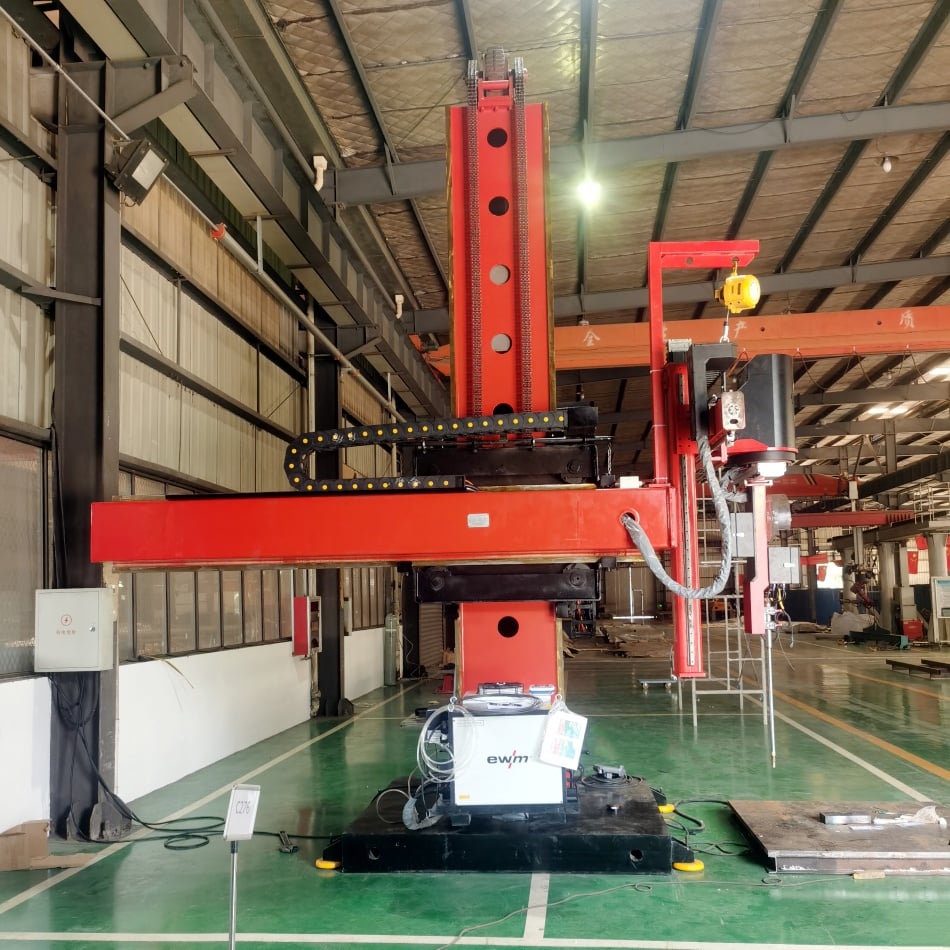
Designing an effective welding station requires strategic planning that balances operator comfort, safety compliance, workflow efficiency, and production output. A well-designed welding station can dramatically reduce fatigue, minimize errors, and accelerate project timelines while creating a safer work environment. The layout of your welding station directly impacts how quickly operators complete tasks, how easily they access materials, and how effectively they maintain quality standards throughout the day.
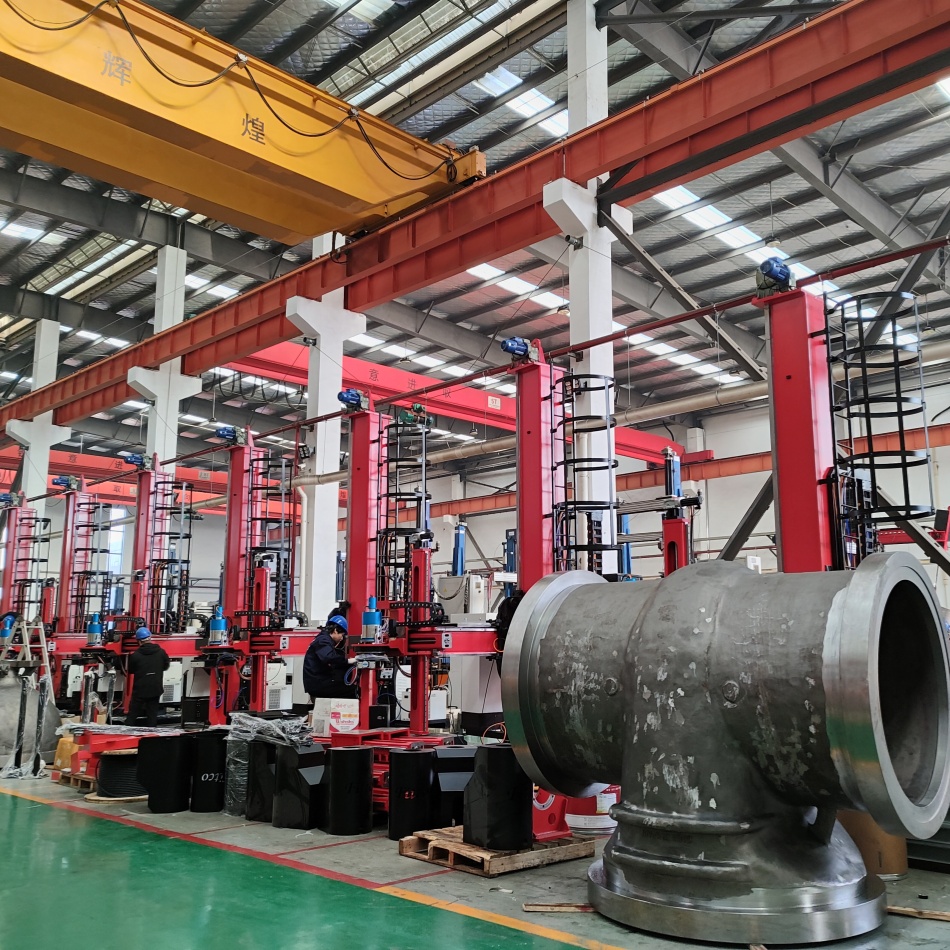
Creating a high-productivity welding station starts with understanding your specific production requirements, operator capabilities, and available floor space. Whether you're setting up a single welding station for small fabrication projects or multiple stations for high-volume manufacturing, the core principles of effective layout remain consistent. This guide explores the key dimensions, zoning strategies, and equipment placement decisions that transform an ordinary welding station into a productivity powerhouse.
Fundamental Components of a Welding Station Layout
Work Surface and Positioning Design
The work surface forms the foundation of any productive welding station. Your welding station work surface should be positioned at a height that allows operators to work comfortably without excessive bending or reaching, typically between 32 and 42 inches from the floor depending on operator height and task type. A properly designed welding station minimizes repetitive strain injuries and allows operators to maintain steady hand positioning for precision welds. Consider installing adjustable work tables at your welding station to accommodate different material sizes and operator preferences, improving overall flexibility and reducing setup time between jobs.
The surface material matters significantly for welding station performance. Use fire-resistant, heat-resistant materials such as steel or specialized welding station tops that can withstand spatter and thermal stress. A well-maintained welding station work surface remains clean and flat, preventing warping that could compromise weld quality or operator safety. Include slight edge guards on your welding station to contain small parts and prevent tools from rolling away during operation.
Tool and Material Organization
Effective tool placement at a welding station reduces operator movement and search time, directly boosting productivity metrics. Store frequently used items within arm's reach of the welding station operator, creating a zone between 18 and 30 inches from the primary work area. Your welding station should include dedicated holders for welding guns, ground clamps, measuring devices, and consumables like electrodes or wire spools. Organizing your welding station with clear labeling and designated spots minimizes fumbling and helps new operators learn the layout quickly.
Material input and output flow must be seamless at your welding station. Position raw material racks on the input side and finished goods or rework staging areas on the output side, creating a natural workflow that moves through the welding station without backtracking. This arrangement reduces non-productive movement and keeps the operator focused on the actual welding task.
Safety and Compliance Features for Your Welding Station
Ventilation and Air Quality Management
A compliant welding station must include adequate ventilation to remove harmful fumes and maintain air quality above regulatory minimums. Position extraction arms or downdraft tables directly above or beside your welding station to capture smoke and gases at the source before they spread throughout the facility. Your welding station ventilation system should operate continuously during use and be checked regularly to ensure consistent performance and worker health protection.
The placement of ventilation equipment affects how a welding station functions operationally. Avoid positioning extraction arms where they will interfere with operator movement or line-of-sight to the work. Many modern welding station designs integrate flexible capture hoods that position automatically when the welding gun is activated, ensuring your welding station maintains clean air without requiring constant manual adjustment.
Electrical Safety and Equipment Grounding
Every welding station must be designed with proper electrical infrastructure and grounding systems to prevent accidents and equipment damage. Position your welding station power supply on a stable, elevated surface away from water, spilled fluids, or sharp edges that could damage cables. The work table of your welding station should be properly grounded and isolated from other electrical systems using insulating mats or specialized work surfaces.
Cable routing at your welding station requires careful planning to prevent tripping hazards and accidental damage. Run welding gun cables overhead via cable carriers or along designated paths away from main walkways. Your welding station design should include cable storage for excess length and clear labeling of power sources, ground connections, and control interfaces to prevent operator confusion or misuse.
Space Planning and Workflow Optimization
Dimensional Requirements and Spacing
A functional welding station typically requires a minimum floor footprint of 80 to 120 square feet when including material staging and operator movement zones. The work surface itself should measure approximately 4 feet wide by 6 to 8 feet long for general-purpose work, allowing space for positioning diverse workpieces. Plan clearance of at least 3 feet on the input side and 2 feet on the output side of your welding station to accommodate material flow without congestion.
Vertical space above your welding station is equally important for ventilation and tool access. Ensure at least 7 to 8 feet of clearance above the work surface to accommodate extraction hoods, mounted tools, and overhead storage without restricting operator movement. This vertical planning makes your welding station safer and more efficient during both routine operations and maintenance tasks.
Integration with Overall Facility Layout
Position your welding station in areas with natural or mechanical ventilation, away from high-traffic zones where pedestrians might distract operators or create safety risks. A well-placed welding station maintains isolation from administrative areas while remaining accessible to supporting functions like material inspection or quality control stations. Consider positioning multiple welding stations in clusters to share ventilation infrastructure and maximize space efficiency while maintaining individual operator workspaces.
Lighting at your welding station must be supplemented with task-specific fixtures beyond ambient facility lighting. Install adjustable LED lights positioned to eliminate shadows on the work surface without creating glare that interferes with vision during welding. Your welding station lighting should be positioned behind or to the side of the operator to prevent reflections in welding masks or work surfaces.
Ergonomic Considerations and Operator Productivity
Posture and Physical Demand Management
Operator comfort directly correlates with welding station productivity and work quality throughout extended shifts. An ergonomically designed welding station allows operators to maintain neutral posture with shoulders relaxed and elbows positioned close to the body when reaching for tools or performing welds. Adjustable footrests or anti-fatigue mats at your welding station reduce leg and lower back strain during long standing periods, significantly improving operator endurance and focus.
The height and angle of the work surface must accommodate the specific welding techniques your operations require. Different welding positions, such as flat, vertical, or overhead work, benefit from slight adjustments to welding station positioning or work table angle. Modern welding stations often feature tilting or rotating work surfaces that reduce awkward positioning and allow operators to maintain better control and technique.
Fatigue Reduction and Break Integration
A high-productivity welding station design includes designated break zones and recovery areas near the primary work area. Position your welding station near rest areas where operators can take short breaks without traveling long distances, improving compliance with rest requirements and overall productivity. Hydration stations and temperature-controlled environments near your welding station help operators maintain focus and physical stamina throughout the workday.
Repetitive motion injuries represent a significant cost factor in welding operations, making ergonomic design a critical investment. A thoughtfully designed welding station reduces unnecessary movement by positioning materials, tools, and controls within efficient reach zones. This layout consideration directly reduces fatigue-related errors and rework while extending operator career longevity and reducing healthcare costs.
FAQ
What is the ideal size for a welding station work surface?
Most welding stations benefit from work surfaces measuring approximately 4 feet wide by 6 to 8 feet long, providing adequate space for diverse workpieces while fitting efficiently into typical facility layouts. The exact size depends on your specific workpiece dimensions and production volume. Adjustable or modular surfaces allow your welding station to adapt to different project requirements without requiring complete redesign.
How can I improve ventilation at my existing welding station?
Upgrade your welding station with flexible capture hoods or downdraft tables that pull fumes directly from the work area before they spread. Position extraction arms close to the welding station work surface and ensure ductwork connects to external exhaust systems or properly filtered collectors. Regular maintenance of your welding station ventilation equipment, including filter changes and duct cleaning, sustains performance and worker health protection.
What ergonomic features should I prioritize when designing a welding station?
Focus on adjustable work height, anti-fatigue mats, proper task lighting, and tool organization within easy reach from your welding station. Ensure your welding station design allows neutral posture without excessive bending or reaching, and include nearby rest areas for recovery breaks. These ergonomic features combine to create a welding station environment that reduces operator strain, improves quality, and boosts long-term productivity.