
 EN
EN
 AR
AR BG
BG HR
HR CS
CS DA
DA NL
NL FI
FI FR
FR DE
DE EL
EL HI
HI IT
IT JA
JA KO
KO NO
NO PL
PL PT
PT RO
RO RU
RU ES
ES SV
SV TL
TL IW
IW ID
ID LT
LT UK
UK SQ
SQ HU
HU TH
TH TR
TR FA
FA AF
AF CY
CY MK
MK LA
LA MN
MN KK
KK UZ
UZ KY
KY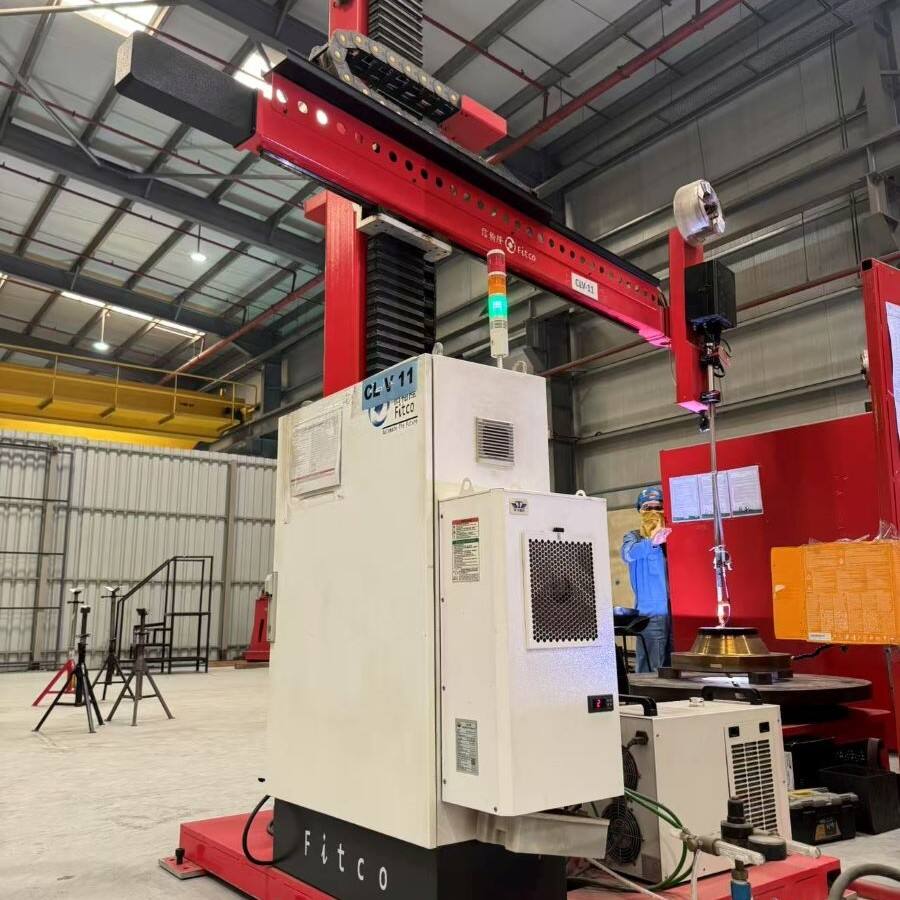
Wybór odpowiednich elektrod do swojej aparat spawania łukowego To kluczowa decyzja, która bezpośrednio wpływa na jakość spoiny, głębokość wtopienia i ogólny sukces projektu. Aby uzyskać optymalne rezultaty, wybrana elektroda musi być dopasowana do konkretnych możliwości spawarki łukowej, właściwości materiału bazowego i wymagań dotyczących pozycji spawania.
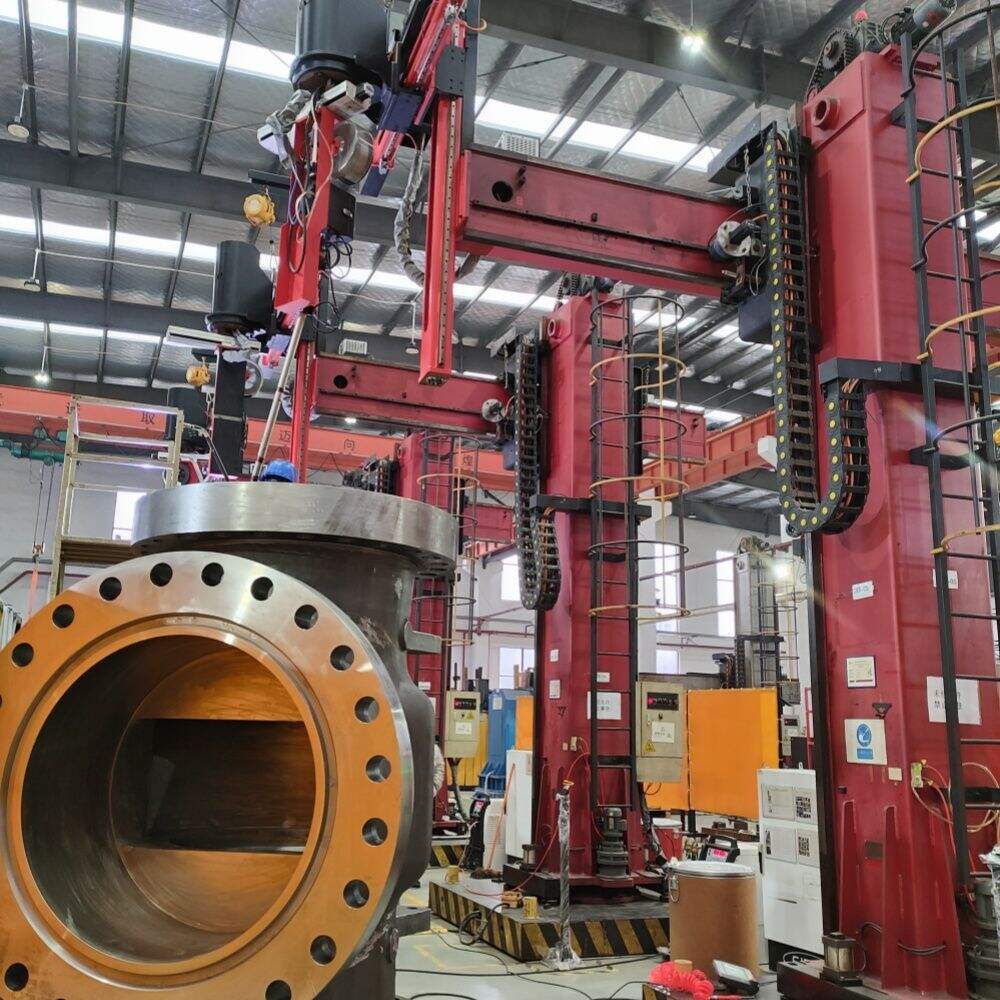
Zrozumienie zgodności elektrod z urządzeniem do spawania łukowego wymaga analizy charakterystyk mocy wyjściowej, zgodności typu prądu oraz ograniczeń dotyczących średnicy elektrod. Nowoczesne urządzenia do spawania łukowego wymagają konkretnych typów elektrod, które są w stanie wytrzymać zakres natężenia prądu generowanego przez maszynę i zapewnić stabilność łuku na całym etapie procesu spawania.
Zrozumienie systemów klasyfikacji elektrod
Standardy klasyfikacji AWS
System klasyfikacji American Welding Society (AWS) zapewnia ustandaryzowaną metodę identyfikacji cech elektrod odpowiadających specyfikacjom urządzenia do spawania łukowego. Każda elektroda ma czterocyfrowy kod wskazujący wytrzymałość na rozciąganie, możliwość stosowania w określonych pozycjach spawania, rodzaj powłoki oraz zgodność z typem prądu urządzenia do spawania łukowego.
Zrozumienie tych klasyfikacji pozwala wybrać elektrody, które optymalnie współpracują z charakterystykami mocy używanego spawarki łukowej. Na przykład elektrody typu E6010 wymagają wysokiego napięcia jałowego, które musi zapewniać Twoja spawarka łukowa, podczas gdy elektrody typu E7018 najlepiej sprawdzają się w połączeniu ze spawarkami łukowymi prądu stałego zapewniającymi stabilne charakterystyki łuku.
System klasyfikacji wskazuje również, czy elektrody są odpowiednie do pracy na prądzie przemiennym (AC), prądzie stałym (DC) lub na obu rodzajach prądu generowanych przez Twoją spawarkę łukową. Ta zgodność zapewnia prawidłowe zapłon łuku, stabilne charakterystyki palenia się łuku oraz spójne wzory wnikania w trakcie całego procesu spawania.
Typy powłok elektrod i zgodność ze spawarkami łukowymi
Różne typy powłok elektrod wpływają na ich zachowanie w konkretnym układzie Twojej spawarki łukowej. Powłoki celulozowe najlepiej sprawdzają się w połączeniu z jednostkami spawarki łukowej o wysokim napięciu, zapewniając głębokie wnikanie oraz szybkie zastyganie – cechy idealne dla zastosowań w budowie rurociągów i konstrukcji stalowych.
Elektrody powlekane rutilowo zapewniają doskonałą zgodność z większością typów spawarki łukowej, zapewniając gładki przebieg łuku i łatwe usuwanie żużlu. Elektrody te szczególnie dobrze sprawdzają się w połączeniu ze spawarkami łukowymi opartymi na transformatorach, które zapewniają stały przepływ prądu bez zaawansowanych systemów sterowania.
Elektrody powlekane zasadowo wymagają spawarek łukowych o wysokiej stabilności łuku i niskiej zawartości wodoru. Twoja spawarka łukowa musi zapewniać stałą dostawę prądu, aby zapobiec porowatości oraz osiągnąć doskonałe właściwości mechaniczne, jakie umożliwiają te elektrody.
Dopasowanie średnicy elektrody do mocy spawarki łukowej
Wymagania dotyczące prądu i ograniczenia maszyny
Maksymalna wydajność prądowa twojej spawarki łukowej określa największą średnicę elektrody, jaką można skutecznie stosować. Każda średnica elektrody wymaga określonego zakresu natężenia prądu, aby zachować odpowiednie charakterystyki łuku; przekroczenie możliwości spawarki łukowej prowadzi do słabej penetracji i niestabilnych warunków spawania.
Elektrody o mniejszym średnicy pozwalają na pracę spawarki łukowej w wygodnym zakresie natężenia prądu, zapewniając przy tym doskonałą kontrolę podczas precyzyjnych zadań. Elektroda o średnicy 3,2 mm wymaga zwykle natężenia prądu w zakresie 100–140 A, co czyni ją odpowiednią dla większości przenośnych aparat spawania łukowego urządzeń stosowanych powszechnie w warsztatach fabrykacyjnych.
Większe elektrody wymagają wyższego natężenia prądu, co może obciążyć mniejsze jednostki spawarki łukowej poza ich nominalną zdolność. Zawsze sprawdzaj, czy Twoja spawarka łukowa jest w stanie bezproblemowo dostarczać wymagane natężenie prądu dla wybranej średnicy elektrody, zachowując przy tym stabilne charakterystyki łuku.
Uwagi dotyczące wpływu ciepła
Związek między średnicą elektrody a wprowadzaną ilością ciepła wpływa na wydajność spawarki łukowej podczas dłuższych operacji spawania. Większe elektrody generują wyższą ilość wprowadzanego ciepła, co może powodować częste cyklowanie spawarki łukowej lub jej pracę przy maksymalnym współczynniku czasu pracy.
Zarządzanie dopływem ciepła poprzez odpowiedni dobór elektrod pomaga urządzeniu do spawania łukowego utrzymać stałą wydajność podczas długotrwałych sesji spawania. Ten aspekt staje się kluczowy przy pracy z materiałami wrażliwymi na ciepło, które wymagają kontrolowanych cykli termicznych.
Ocena cyklu roboczego urządzenia do spawania łukowego ma bezpośredni wpływ na dobór średnicy elektrod w przypadku spawania produkcyjnego. Wybór elektrod pozwalających utrzymać urządzenie do spawania łukowego w granicach jego deklarowanego cyklu roboczego zapewnia niezawodną pracę i znacznie wydłuża żywotność sprzętu.
Zgodność materiału podstawowego z elektrodami oraz dobór elektrod
Zastosowania w stalach węglowych
Spawanie stali węglowej wymaga stosowania elektrod dopasowanych zarówno do charakterystyki urządzenia do spawania łukowego, jak i do konkretnej zawartości węgla w materiale podstawowym. W zastosowaniach ze stalą niskowęglową dobrze sprawdzają się elektrody E6013 lub E7018, o ile urządzenie do spawania łukowego zapewnia odpowiednią kontrolę prądu i stabilność łuku.
Stal średniowęglowa wymaga rozważenia podgrzewania wstępnego, co wpływa na dobór elektrod do ustawienia spawarki łukowej. Elektrody o wyższej wytrzymałości, takie jak E8018, mogą być konieczne, gdy spawarka łukowa zapewnia wystarczającą moc wyjściową do obsługi zwiększonego poboru prądu przez te elektrody.
Spawanie stali wysokowęglowej często wymaga zastosowania specjalnych elektrod dostosowanych do charakterystyki prądu danej spawarki łukowej. W tych zastosowaniach mogą być potrzebne elektrody o kontrolowanej szybkości napawania, które spawarka łukowa jest w stanie obsługiwać, zachowując przy tym odpowiedni poziom wprowadzanego ciepła.
Stal nierdzewna i stopy specjalne
Do spawania stali nierdzewnej wymagane są spawarki łukowe o doskonałej stabilności prądu oraz odpowiednich ustawieniach biegunowości. Spawarka łukowa musi zapewniać stałe cechy łuku, aby zapobiec wydzielaniu się karbidów i zachować odporność korozyjną w gotowym szwie.
Specjalne elektrody ze stopów często wymagają określonych możliwości spawarki łukowej, w tym precyzyjnej kontroli prądu i odpowiedniego napięcia jałowego. Te elektrody mogą wymagać, aby spawarka łukowa pracowała w ścisłych zakresach parametrów, aby osiągnąć pożądane właściwości mechaniczne.
Dopasowanie składu stopowego elektrody do materiału podstawowego przy jednoczesnym uwzględnieniu możliwości spawarki łukowej zapewnia optymalne właściwości metalu spawanego. Osiągnięcie tej równowagi wymaga zrozumienia zarówno wymagań metalurgicznych, jak i charakterystyki eksploatacyjnej konkretnej spawarki łukowej.
Uwagi dotyczące pozycji spawania i techniki spawania
Spawanie w pozycji poziomej i poziomo-górnej
Spawanie w pozycji poziomej umożliwia stosowanie spawarki łukowej z elektrodami o większym średnicie, zapewniając wyższe stopy napawania i poprawę wydajności. Spawarka łukowa może zwykle obsługiwać wyższe wymagania prądowe niezbędne do elektrod szybkiego wypełniania w tych korzystnych pozycjach.
Zastosowania w pozycji poziomej mogą wymagać doboru elektrod, które zapewniają odpowiedni balans między możliwościami urządzenia do spawania łukowego a potrzebą kontrolowanego przenoszenia metalu. Elektrody o odpowiednich właściwościach żużlu pomagają kontrolować przepływ stopionego metalu, gdy urządzenie do spawania łukowego działa w optymalnych parametrach dla tej pozycji.
Dobór elektrod do spawania w pozycji płaskiej i poziomej powinien uwzględniać maksymalne wyjściowe natężenie prądu oraz ograniczenia cyklu roboczego urządzenia do spawania łukowego. W tych pozycjach można osiągnąć maksymalną wydajność, gdy dobór elektrod odpowiada szczytowym charakterystykom wydajnościowym urządzenia do spawania łukowego.
Wymagania dotyczące pozycji pionowej i górnej
Spawanie w pozycji pionowej i górnej wymaga elektrod o szybko zastygającym żużlu, działających w niższych zakresach prądu urządzenia do spawania łukowego. W tych pozycjach konieczne są elektrody zapewniające dobrą kontrolę procesu i minimalizujące rozpryskiwanie przy obniżonych ustawieniach natężenia prądu urządzenia do spawania łukowego.
Minimalne stabilne wyjściowe natężenie prądu Waszego spawarki łukowej staje się kluczowe przy doborze elektrod do spawania w pozycjach niestandardowych. Elektrody muszą zapewniać stabilne charakterystyki łuku nawet wtedy, gdy spawarka łukowa pracuje w dolnej części swojego zakresu natężenia prądu.
Spawanie w pozycjach niestandardowych często wymaga stosowania elektrod o mniejszym średnicie, które pozwalają utrzymać spawarkę łukową w jej optymalnym zakresie regulacji. Taki dobór elektrod zapewnia odpowiednie wnikanie ciepła przy jednoczesnym zachowaniu niskiego wpływu cieplnego niezbędnego do kontrolowanego osadzania metalu w trudnych pozycjach.
Często zadawane pytania
Jaka średnica elektrody najlepiej sprawdza się przy spawarce łukowej o mocy 200 A?
Spawarka łukowa o mocy 200 A może skutecznie obsługiwać elektrody o średnicy do 5,0 mm (3/16 cala) w większości zastosowań. Optymalna średnica zależy od konkretnej pozycji spawania oraz grubości materiału; elektrody o średnicy 3,2 mm i 4,0 mm zapewniają najlepszy balans między wnikaniem a kontrolą w większości prac konstrukcyjnych.
Czy mogę używać elektrod prądu przemiennego (AC) ze spawarką łukową prądu stałego (DC)?
Większość elektrod zaprojektowanych do spawania prądem przemiennym (AC) może również być używana z jednostkami spawalniczymi prądu stałego (DC), często z poprawą charakterystyk wydajnościowych. Jednak niektóre specjalizowane elektrody AC mogą nie zapewniać optymalnej pracy przy prądzie stałym (DC), dlatego konieczne jest sprawdzenie zaleceń producenta elektrod dotyczących konkretnego typu urządzenia spawalniczego.
Skąd mam wiedzieć, czy mój spawarka łukowa ma wystarczającą moc do konkretnej elektrody?
Sprawdź opakowanie elektrody pod kątem zalecanych zakresów natężenia prądu i porównaj je z maksymalnym poborem mocy Twojej spawarki łukowej. Spawarka łukowa powinna zapewniać przynajmniej o 20% większą pojemność prądową niż maksymalne wymagania elektrody, aby zagwarantować stabilną charakterystykę łuku oraz prawidłową penetrację na całym przebiegu procesu spawania.
Dlaczego niektóre elektrody generują niestabilny łuk przy użyciu mojej spawarki łukowej?
Niestabilne warunki łuku zwykle wynikają z niezgodności wymagań elektrod i charakterystyki wyjściowej urządzenia do spawania łukowego. Zdarza się to najczęściej wtedy, gdy powłoki elektrod wymagają określonej stabilności napięcia lub prądu, której urządzenie do spawania łukowego nie jest w stanie zapewnić, albo gdy praca odbywa się poza zalecanymi zakresami parametrów dla danej elektrody i konkretnego typu urządzenia.
Spis treści
- Zrozumienie systemów klasyfikacji elektrod
- Dopasowanie średnicy elektrody do mocy spawarki łukowej
- Zgodność materiału podstawowego z elektrodami oraz dobór elektrod
- Uwagi dotyczące pozycji spawania i techniki spawania
-
Często zadawane pytania
- Jaka średnica elektrody najlepiej sprawdza się przy spawarce łukowej o mocy 200 A?
- Czy mogę używać elektrod prądu przemiennego (AC) ze spawarką łukową prądu stałego (DC)?
- Skąd mam wiedzieć, czy mój spawarka łukowa ma wystarczającą moc do konkretnej elektrody?
- Dlaczego niektóre elektrody generują niestabilny łuk przy użyciu mojej spawarki łukowej?