Advanced Automated MIG Welding Systems: Precision, Productivity & Safety Solutions

Contact me immediately if you encounter problems!

All Categories

Get a Free Quote

Our representative will contact you soon.
Email
Mobile/WhatsApp
Name
Company Name
Message
0/1000

Get a Free Quote

Our representative will contact you soon.
Email
Mobile/WhatsApp
Name
Company Name
Message
0/1000

automated mig welding

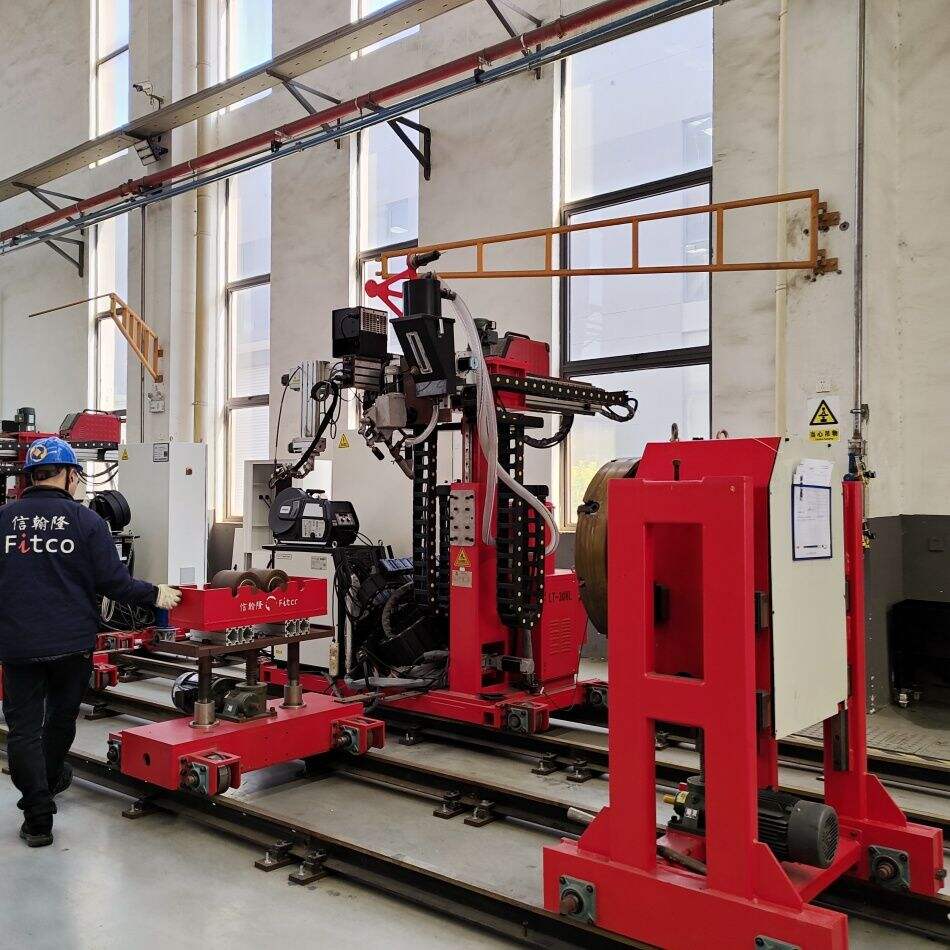
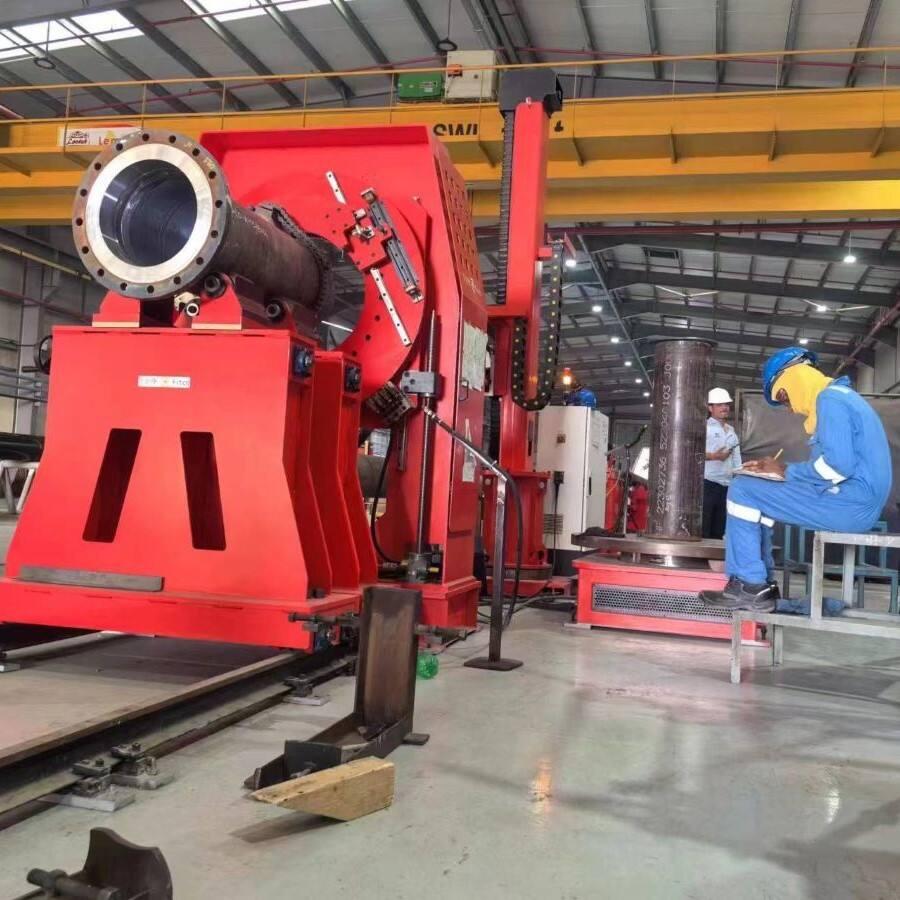
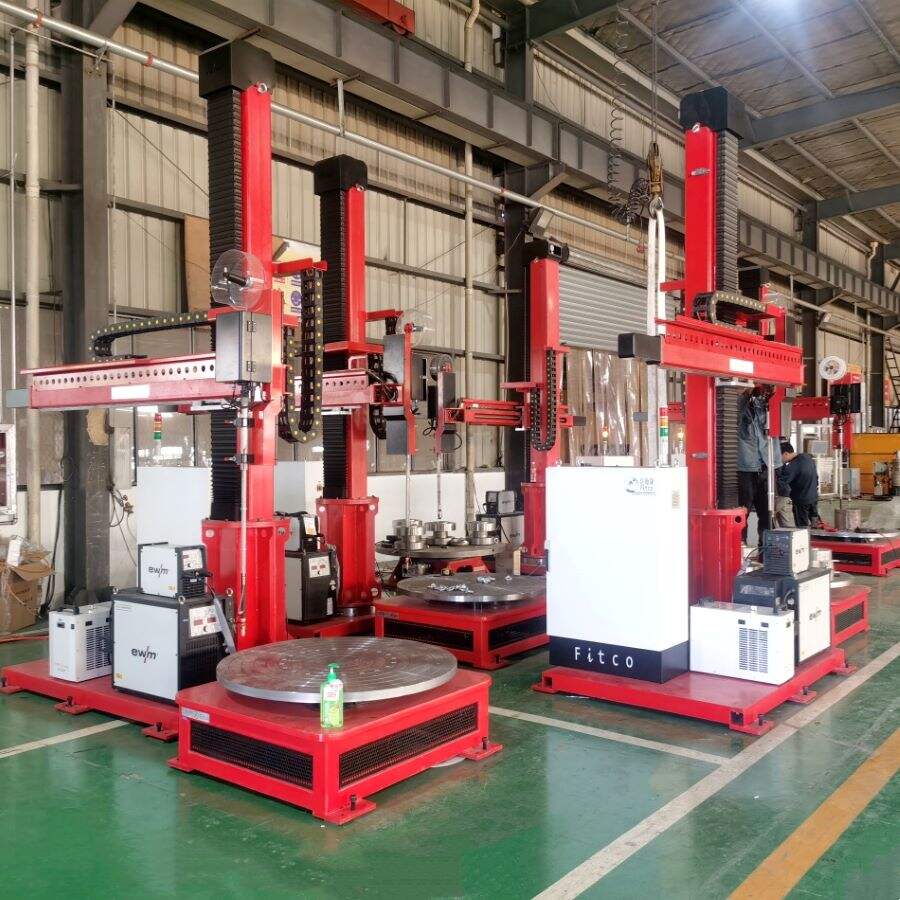
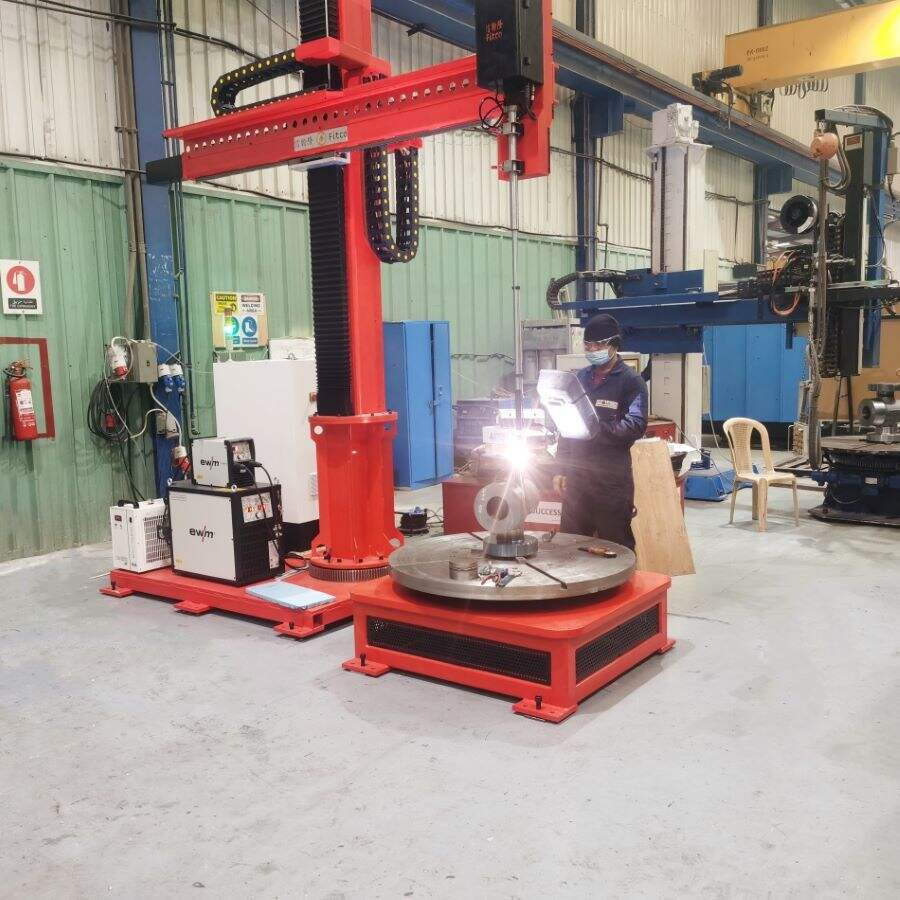
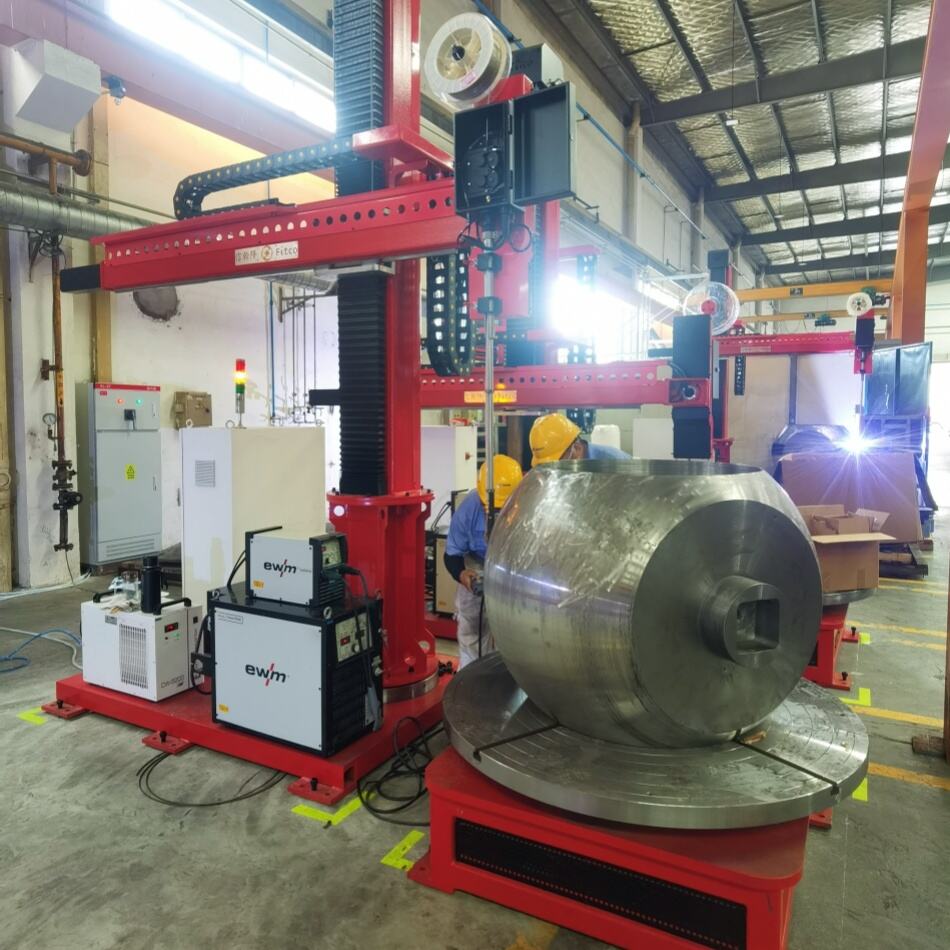
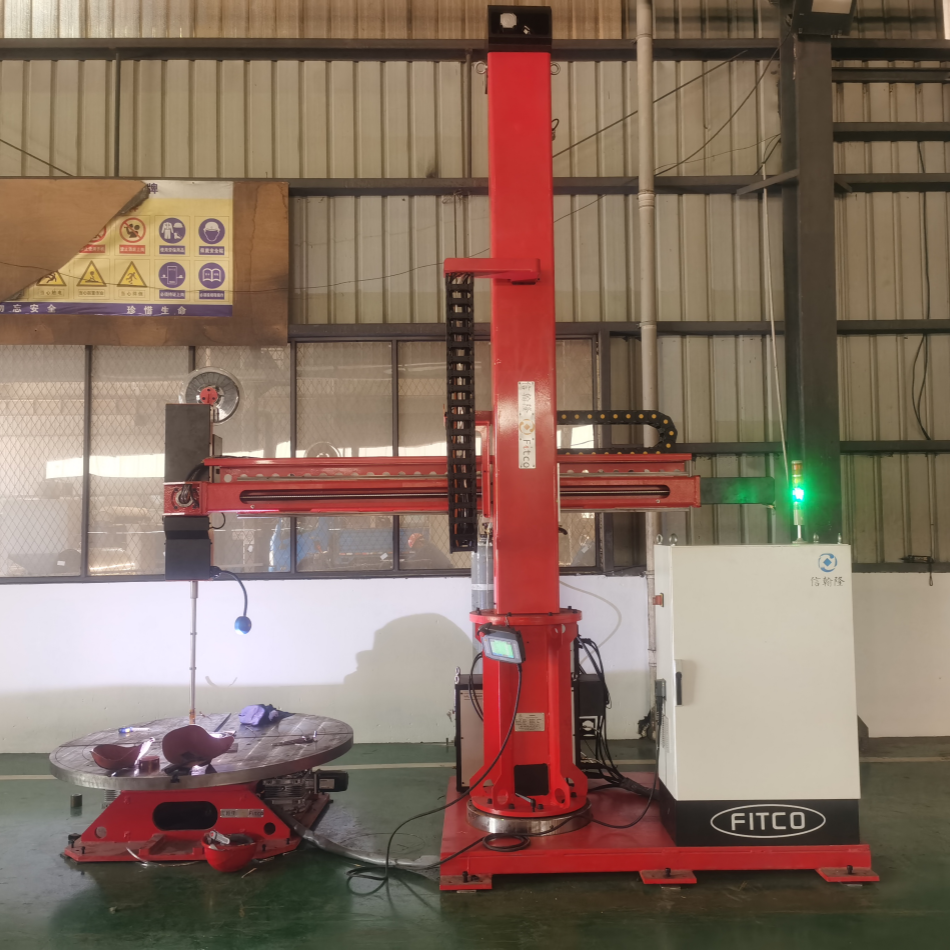
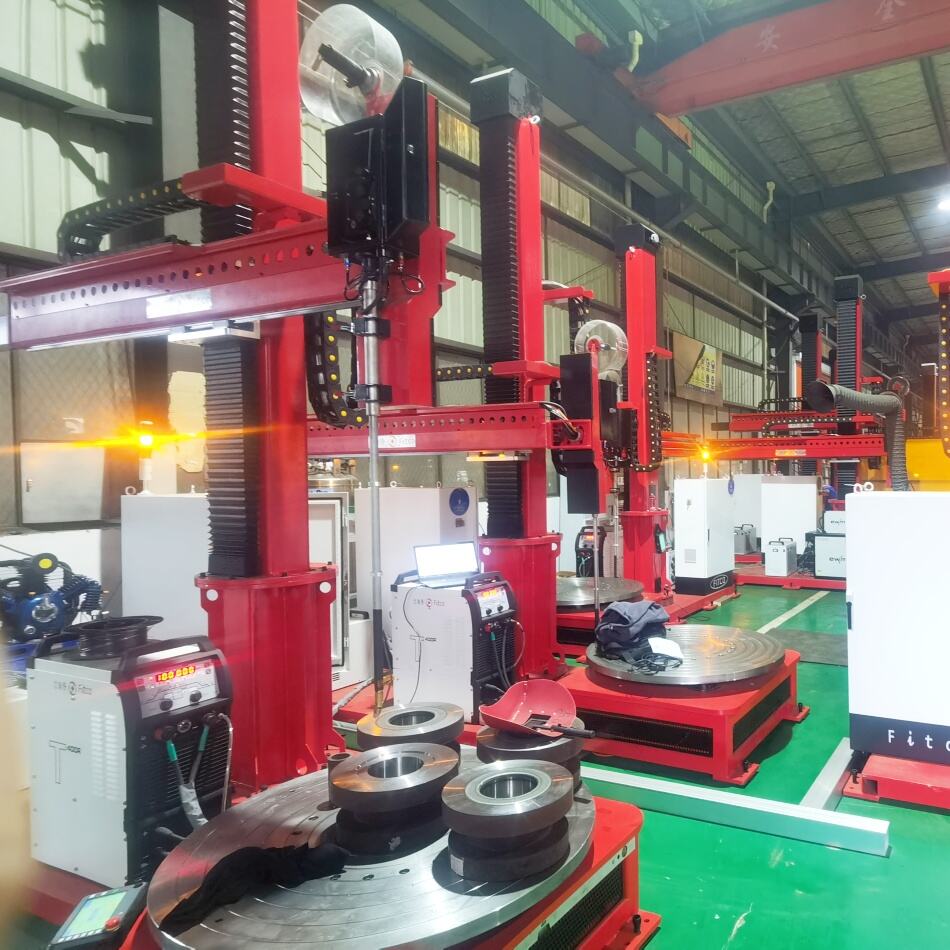
Automated MIG welding represents a revolutionary advancement in metal joining technology, combining the versatility of Metal Inert Gas welding with the precision and consistency of robotic automation. This sophisticated welding process utilizes computer-controlled systems to deliver precise wire feed rates, voltage settings, and travel speeds while maintaining optimal shielding gas coverage throughout the welding operation. The automated MIG welding system integrates advanced sensors, programmable logic controllers, and robotic arms to execute complex welding patterns with exceptional accuracy and repeatability. The core functionality revolves around continuous wire electrode feeding through a welding gun, where an electric arc melts both the wire and base material under protective gas atmosphere. Modern automated MIG welding systems feature adaptive control algorithms that monitor arc characteristics in real-time, automatically adjusting parameters to maintain consistent penetration and bead geometry. These systems excel in handling various material thicknesses, from thin sheet metal applications to heavy structural components, while accommodating different metal types including steel, stainless steel, and aluminum alloys. The technological framework incorporates vision systems for seam tracking, ensuring precise torch positioning even on complex geometries or when dealing with part-to-part variations. Advanced automated MIG welding installations often include multi-axis positioning systems, allowing for optimal welding angles and access to intricate joint configurations. The integration of artificial intelligence and machine learning capabilities enables these systems to learn from welding data, continuously improving process parameters and predicting maintenance requirements. Industrial applications span across automotive manufacturing, shipbuilding, heavy equipment production, pipeline construction, and general fabrication industries where high-volume, consistent quality welding is essential for operational success.

Popular Products

Automated MIG welding delivers substantial productivity improvements that directly impact your bottom line through faster cycle times and reduced labor costs. The system operates continuously without fatigue, maintaining consistent welding speeds that often exceed manual operator capabilities by 200-300 percent, resulting in significantly higher throughput for manufacturing operations. Quality consistency represents another major advantage, as automated MIG welding eliminates human variables such as hand tremor, inconsistent travel speed, or varying arc length that commonly affect manual welding outcomes. This consistency translates to reduced rework rates, lower rejection costs, and improved customer satisfaction through reliable product quality. The precision of automated MIG welding systems ensures optimal material utilization by minimizing overwelding and reducing consumable waste, leading to measurable cost savings on filler metal and shielding gas consumption. Safety improvements are equally compelling, as automated systems remove operators from hazardous welding environments, reducing exposure to harmful fumes, intense UV radiation, and high-temperature surfaces while eliminating repetitive motion injuries associated with prolonged manual welding activities. Skilled labor shortage concerns become less critical when implementing automated MIG welding, as these systems require fewer highly trained welders while enabling less experienced technicians to oversee multiple automated welding stations simultaneously. The flexibility of modern automated MIG welding systems allows quick program changes to accommodate different product variations without extensive setup time, supporting lean manufacturing principles and just-in-time production schedules. Documentation and traceability capabilities built into automated MIG welding systems provide complete welding parameter records for quality assurance and regulatory compliance requirements. Energy efficiency gains are achieved through optimized arc-on time and reduced heat input variations, contributing to lower operational costs and improved environmental performance. Long-term return on investment becomes evident through reduced training costs, decreased insurance premiums due to improved safety records, and the ability to take on more complex projects that require consistent, high-quality welding results that automated MIG welding systems reliably deliver.

Latest News

Why Are Pipe Cladding Machines Vital for Industrial Corrosion Protection?

27

Nov

Why Are Pipe Cladding Machines Vital for Industrial Corrosion Protection?

Industrial facilities worldwide face a constant battle against corrosion, with pipe systems serving as critical infrastructure that demands exceptional protection. The implementation of advanced welding technologies has revolutionized how industries ...
View More
How Do Pipe Cladding Machines Improve Welding Consistency and Quality?

27

Nov

How Do Pipe Cladding Machines Improve Welding Consistency and Quality?

Modern industrial welding operations demand exceptional precision and consistency, particularly in applications involving corrosion-resistant overlays and specialized pipe systems. Pipe cladding machines have emerged as revolutionary solutions that t...
View More
How Can a TIG Welder Deliver Cleaner Industrial Welds?

22

Dec

How Can a TIG Welder Deliver Cleaner Industrial Welds?

Industrial welding operations demand precision, reliability, and exceptional quality standards that can make or break critical infrastructure projects. Among the various welding technologies available today, tungsten inert gas welding stands out as a...
View More
Which Industries Benefit Most from Using a TIG Welder?

13

Jan

Which Industries Benefit Most from Using a TIG Welder?

TIG welding technology has revolutionized manufacturing and fabrication processes across numerous industries, offering unparalleled precision and quality in metal joining applications. The versatility of a TIG welder makes it an indispensable tool fo...
View More

Get a Free Quote

Our representative will contact you soon.
Email
Mobile/WhatsApp
Name
Company Name
Message
0/1000

automated mig welding

Precision Control and Consistent Quality Delivery

Precision Control and Consistent Quality Delivery

The precision control capabilities of automated MIG welding systems represent a fundamental shift from traditional welding approaches, offering manufacturers unprecedented consistency in weld quality and dimensional accuracy. These advanced systems utilize sophisticated feedback mechanisms that continuously monitor critical welding parameters including arc voltage, wire feed speed, travel velocity, and gas flow rates, making real-time adjustments to maintain optimal welding conditions throughout the entire operation. The closed-loop control architecture ensures that each weld joint receives exactly the same heat input, penetration depth, and bead profile, regardless of operator skill level or environmental variations that might affect manual welding processes. This level of precision becomes particularly valuable in applications where structural integrity and aesthetic appearance are critical, such as automotive body panels, architectural metalwork, or pressure vessel manufacturing. The consistent quality delivery extends beyond basic weld geometry to include metallurgical properties, as automated MIG welding systems maintain precise interpass temperatures and cooling rates that directly influence the mechanical properties of the finished weld. Advanced vision systems integrated with automated MIG welding equipment provide real-time seam tracking and adaptive control, automatically compensating for part variations, joint gaps, or material distortion that could compromise weld quality in manual operations. The predictable nature of automated MIG welding results enables manufacturers to reduce safety factors in design calculations, potentially allowing for lighter-weight structures without sacrificing performance or reliability. Quality documentation becomes seamless with automated MIG welding systems that record every welding parameter, creating comprehensive traceability records that satisfy stringent quality management systems and regulatory requirements. The elimination of human variability factors such as fatigue, distraction, or skill variations ensures that the first weld of the day maintains identical quality characteristics to the last weld, providing manufacturers with the confidence to guarantee consistent product performance to their customers while reducing inspection requirements and quality control costs.
Enhanced Productivity and Operational Efficiency

Enhanced Productivity and Operational Efficiency

Enhanced productivity through automated MIG welding transforms manufacturing operations by dramatically increasing output rates while simultaneously reducing labor costs and operational overhead. These systems operate at consistent speeds that typically exceed manual welding rates by 250-400 percent, enabling manufacturers to meet demanding production schedules and reduce delivery lead times for customers. The continuous operation capability of automated MIG welding systems eliminates the downtime associated with operator breaks, shift changes, and the natural variations in work pace that characterize manual welding operations. Multi-station automated MIG welding cells can be operated by a single technician who monitors multiple welding operations simultaneously, effectively multiplying the productivity of skilled personnel while reducing direct labor costs per unit produced. The rapid changeover capabilities of modern automated MIG welding systems support flexible manufacturing strategies, allowing production lines to switch between different product variants with minimal setup time through programmable welding sequences and automated fixture adjustments. Reduced material waste contributes significantly to operational efficiency, as automated MIG welding systems optimize consumable usage through precise wire feed control and minimal spatter generation, resulting in lower material costs and reduced cleanup time between operations. The integration of automated MIG welding with manufacturing execution systems enables real-time production monitoring, predictive maintenance scheduling, and optimal resource allocation that maximizes equipment utilization rates. Energy efficiency gains are substantial, as automated MIG welding systems eliminate the arc-off time associated with operator positioning and setup activities while optimizing power settings for each specific application. The ability to operate automated MIG welding systems during off-shifts or unmanned periods provides additional productivity benefits, allowing manufacturers to maximize equipment utilization while minimizing labor costs. Quality-related productivity improvements include reduced rework rates, faster inspection processes due to consistent results, and elimination of quality-related production delays that commonly occur with manual welding operations requiring multiple repair cycles.
Advanced Safety Features and Risk Reduction

Advanced Safety Features and Risk Reduction

Advanced safety features integrated into automated MIG welding systems provide comprehensive protection for personnel while significantly reducing workplace hazards and associated liability risks. The physical separation of operators from active welding zones eliminates direct exposure to harmful ultraviolet and infrared radiation that can cause eye damage, skin burns, and long-term health complications associated with prolonged welding exposure. Sophisticated fume extraction systems specifically designed for automated MIG welding operations capture welding emissions at the source, maintaining clean air quality in the work environment and reducing respiratory health risks for all facility personnel. Emergency stop systems with multiple access points ensure immediate shutdown capability from various locations around automated MIG welding cells, while light curtains and pressure-sensitive mats provide additional layers of protection against inadvertent entry into hazardous areas during operation. The elimination of repetitive motion injuries represents a significant safety improvement, as automated MIG welding systems remove the need for operators to maintain awkward welding positions, manipulate heavy workpieces, or perform repetitive arm and wrist movements that commonly lead to musculoskeletal disorders. Fire prevention capabilities are enhanced through automated MIG welding systems that include integrated fire suppression systems, spark containment barriers, and automatic shutdown protocols that activate when sensors detect unusual conditions or potential fire hazards. Electrical safety improvements include isolated control systems, ground fault protection, and emergency isolation switches that minimize the risk of electrical shock or electrocution incidents. The predictable nature of automated MIG welding operations enables comprehensive risk assessment and hazard mitigation planning, allowing safety managers to implement targeted protective measures based on known operational parameters rather than variable human behaviors. Training requirements are reduced as automated MIG welding systems eliminate the need for operators to master complex manual welding techniques, focusing instead on system monitoring and basic maintenance procedures that carry significantly lower injury risks. Insurance cost reductions often result from improved safety records associated with automated MIG welding installations, as insurance providers recognize the reduced risk profile of automated operations compared to traditional manual welding environments.

Get a Free Quote

Our representative will contact you soon.
Email
Mobile/WhatsApp
Name
Company Name
Message
0/1000