Professional Automatic MIG Welder Systems - Advanced Automated Welding Solutions for Industrial Applications

Contact me immediately if you encounter problems!

All Categories

Get a Free Quote

Our representative will contact you soon.
Email
Mobile/WhatsApp
Name
Company Name
Message
0/1000

Get a Free Quote

Our representative will contact you soon.
Email
Mobile/WhatsApp
Name
Company Name
Message
0/1000

automatic mig welder

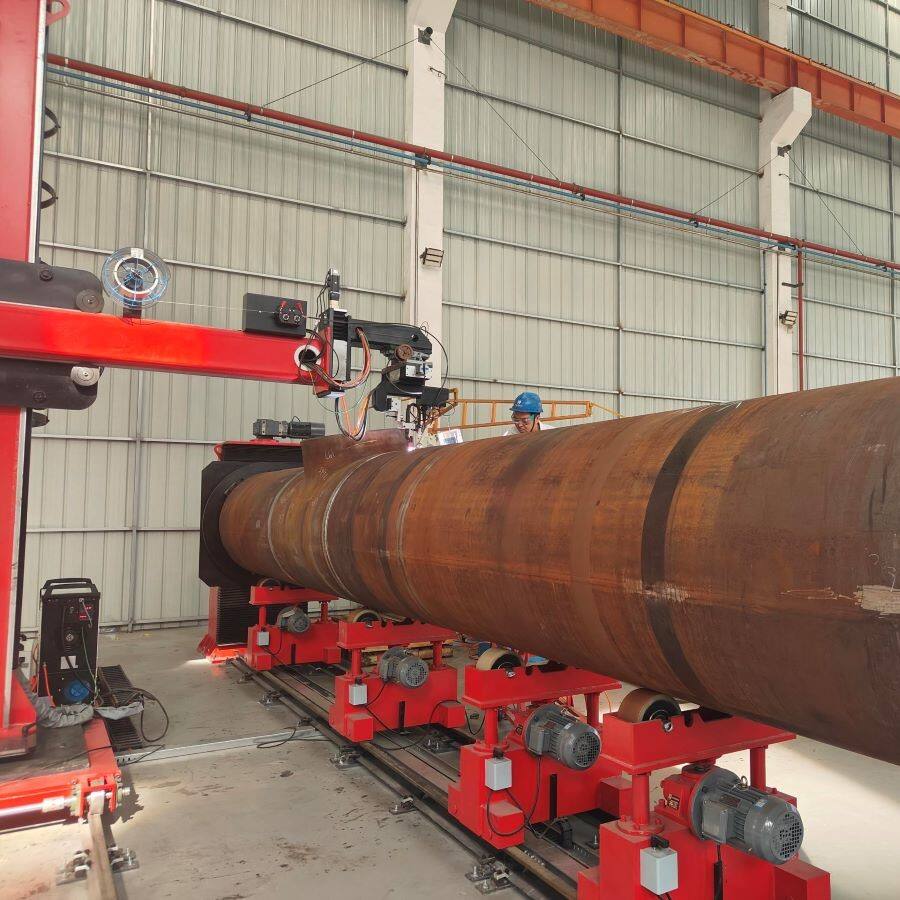
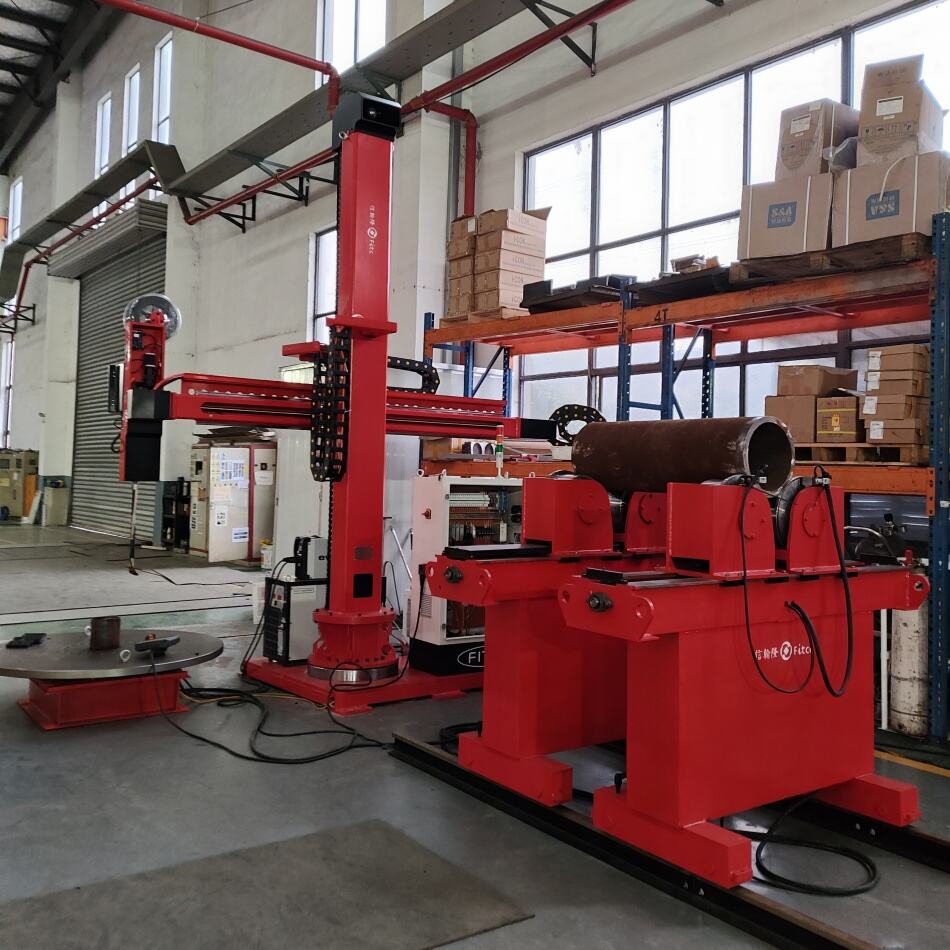
An automatic mig welder represents a significant advancement in metal joining technology, combining precision engineering with user-friendly operation to deliver consistent, high-quality welding results. This sophisticated welding system integrates Metal Inert Gas (MIG) welding principles with automated controls, creating a versatile solution for both professional fabrication shops and industrial manufacturing environments. The automatic mig welder utilizes a continuous wire electrode that feeds through a welding gun, while an inert gas shield protects the weld pool from atmospheric contamination. The automation aspect distinguishes this equipment from traditional manual welders by incorporating programmable parameters, consistent wire feed rates, and precise voltage regulation. Modern automatic mig welder systems feature digital displays that provide real-time monitoring of welding parameters, including amperage, voltage, and wire speed. These machines typically support multiple welding modes, including pulse welding, synergic welding, and standard spray transfer, allowing operators to optimize settings for different material types and thicknesses. The technological backbone includes advanced inverter technology that ensures stable arc characteristics while maintaining energy efficiency. Many automatic mig welder units incorporate adaptive control systems that automatically adjust parameters based on material feedback, reducing the skill requirement for achieving professional results. Applications span across automotive manufacturing, structural steel fabrication, shipbuilding, pipeline construction, and general maintenance operations. The versatility extends to welding various materials including mild steel, stainless steel, and aluminum alloys with thicknesses ranging from thin sheet metal to heavy structural components. Industrial users particularly value the automatic mig welder for its ability to maintain consistent quality across extended production runs while reducing operator fatigue and training requirements.

New Products

The automatic mig welder delivers exceptional value through multiple practical benefits that directly impact productivity and cost-effectiveness in welding operations. First, consistency stands as the primary advantage, as the automated systems eliminate human variables that typically cause weld quality fluctuations. This consistency translates to reduced rework rates, lower material waste, and improved structural integrity in finished products. Speed represents another significant benefit, with automatic mig welder systems capable of maintaining optimal welding speeds without the fatigue factors that slow manual operators. The automated wire feed and parameter control allow continuous operation at peak efficiency levels, often doubling or tripling production rates compared to manual methods. Cost savings emerge through multiple channels when using an automatic mig welder. Reduced labor requirements lower operational expenses, while consistent quality minimizes expensive rework and material waste. The precise parameter control also optimizes consumable usage, reducing wire and gas consumption compared to manual welding where operators often use excessive materials to ensure adequate penetration. Safety improvements represent a crucial advantage, as automatic mig welder systems reduce operator exposure to welding fumes and arc radiation through enclosed or semi-enclosed designs. The automated operation minimizes direct handling of hot materials and reduces repetitive stress injuries associated with manual welding positions. Training requirements decrease significantly with automatic mig welder technology, as operators need basic setup knowledge rather than advanced welding skills. This accessibility allows companies to utilize existing personnel with minimal additional training, addressing skilled labor shortages while maintaining production quality. Flexibility becomes evident through programmable settings that allow quick changeovers between different materials and joint configurations. Modern automatic mig welder systems store multiple welding procedures, enabling rapid switching between projects without extensive setup time. Quality documentation capabilities provide traceability and compliance with industry standards, particularly valuable in aerospace, pressure vessel, and structural applications where weld integrity records are mandatory. Environmental benefits include reduced energy consumption through efficient inverter technology and lower emission levels due to optimized parameter control and reduced rework requirements.

Tips And Tricks

Top 5 Maintenance Tips to Extend the Life of Your welding machine

16

Mar

Top 5 Maintenance Tips to Extend the Life of Your welding machine

Proper maintenance is the cornerstone of maximizing your welding machine investment and ensuring consistent, high-quality welding performance throughout its operational lifespan. Industrial welding operations rely heavily on equipment reliability, an...
View More
Why Are Pipe Cladding Machines Vital for Industrial Corrosion Protection?

27

Nov

Why Are Pipe Cladding Machines Vital for Industrial Corrosion Protection?

Industrial facilities worldwide face a constant battle against corrosion, with pipe systems serving as critical infrastructure that demands exceptional protection. The implementation of advanced welding technologies has revolutionized how industries ...
View More
How Do Pipe Cladding Machines Improve Welding Consistency and Quality?

27

Nov

How Do Pipe Cladding Machines Improve Welding Consistency and Quality?

Modern industrial welding operations demand exceptional precision and consistency, particularly in applications involving corrosion-resistant overlays and specialized pipe systems. Pipe cladding machines have emerged as revolutionary solutions that t...
View More
How Do TIG Overlay Cladding Machines Improve Surface Durability?

22

Dec

How Do TIG Overlay Cladding Machines Improve Surface Durability?

Industrial surface protection has evolved significantly with the advent of advanced welding technologies, particularly in applications requiring exceptional durability and precision. TIG overlay cladding machines represent a revolutionary approach to...
View More

Get a Free Quote

Our representative will contact you soon.
Email
Mobile/WhatsApp
Name
Company Name
Message
0/1000

automatic mig welder

Advanced Parameter Control and Precision Engineering

Advanced Parameter Control and Precision Engineering

The automatic mig welder incorporates sophisticated parameter control systems that represent a quantum leap in welding precision and reliability. These advanced control mechanisms utilize real-time feedback sensors to monitor arc characteristics, wire feed speed, and voltage levels with microsecond precision, automatically adjusting parameters to maintain optimal welding conditions throughout the entire process. The system continuously analyzes factors such as material thickness variations, joint gap changes, and ambient temperature fluctuations, making instantaneous corrections that human operators simply cannot match. This level of precision ensures that every inch of weld receives exactly the right amount of heat input and filler material, resulting in consistent penetration depths and mechanical properties across the entire joint. The automatic mig welder's control system features predictive algorithms that anticipate parameter needs based on programmed welding sequences, preemptively adjusting settings before variations can affect weld quality. Digital signal processing technology within the control unit filters electrical noise and maintains stable arc characteristics even in challenging environments with power fluctuations or electromagnetic interference. The precision extends to wire feed mechanisms that maintain consistent electrode extension and contact tip distance, critical factors for achieving uniform bead appearance and mechanical properties. Advanced automatic mig welder systems incorporate synergic control technology that automatically calculates optimal voltage settings based on selected wire speed and material type, eliminating guesswork and reducing setup time. The parameter memory capability stores hundreds of welding procedures with detailed specifications for different applications, materials, and joint configurations. This feature proves invaluable for manufacturers handling multiple product lines or job shops working with diverse customer requirements. The precision engineering extends to thermal management systems that monitor and control heat buildup in critical components, ensuring consistent performance during extended operation cycles. Quality assurance benefits from integrated data logging capabilities that record all welding parameters for each joint, providing complete traceability and compliance documentation required in critical applications such as pressure vessels, structural steel, and aerospace components.
Productivity Enhancement Through Intelligent Automation

Productivity Enhancement Through Intelligent Automation

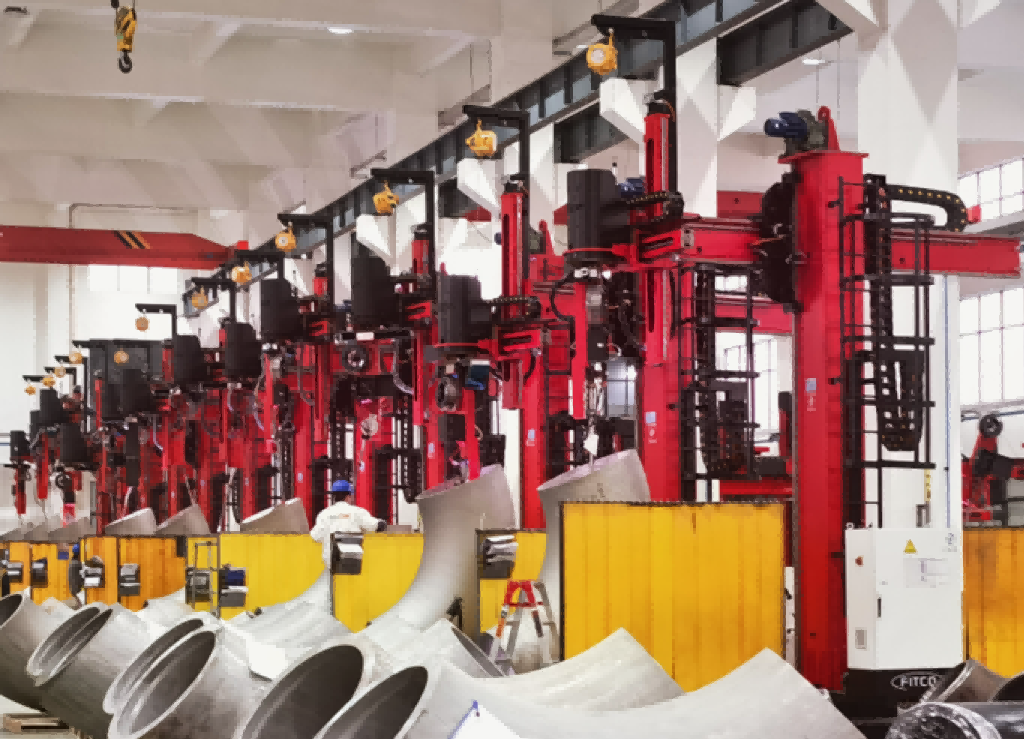
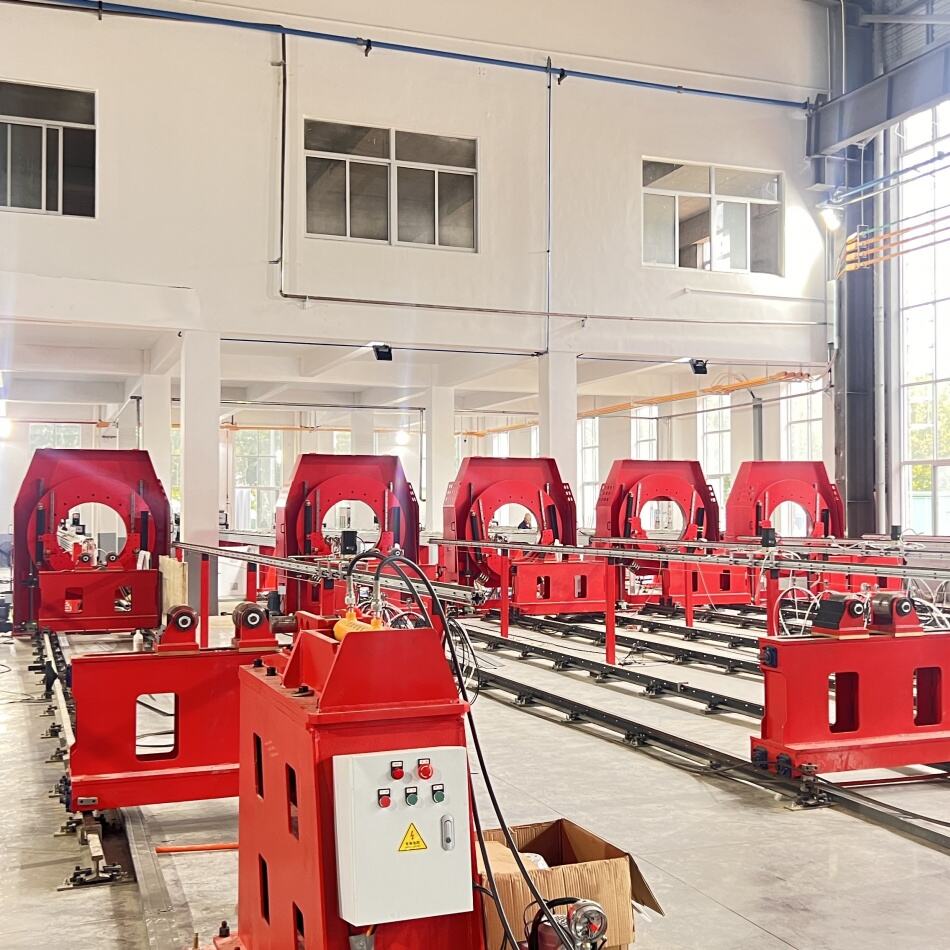
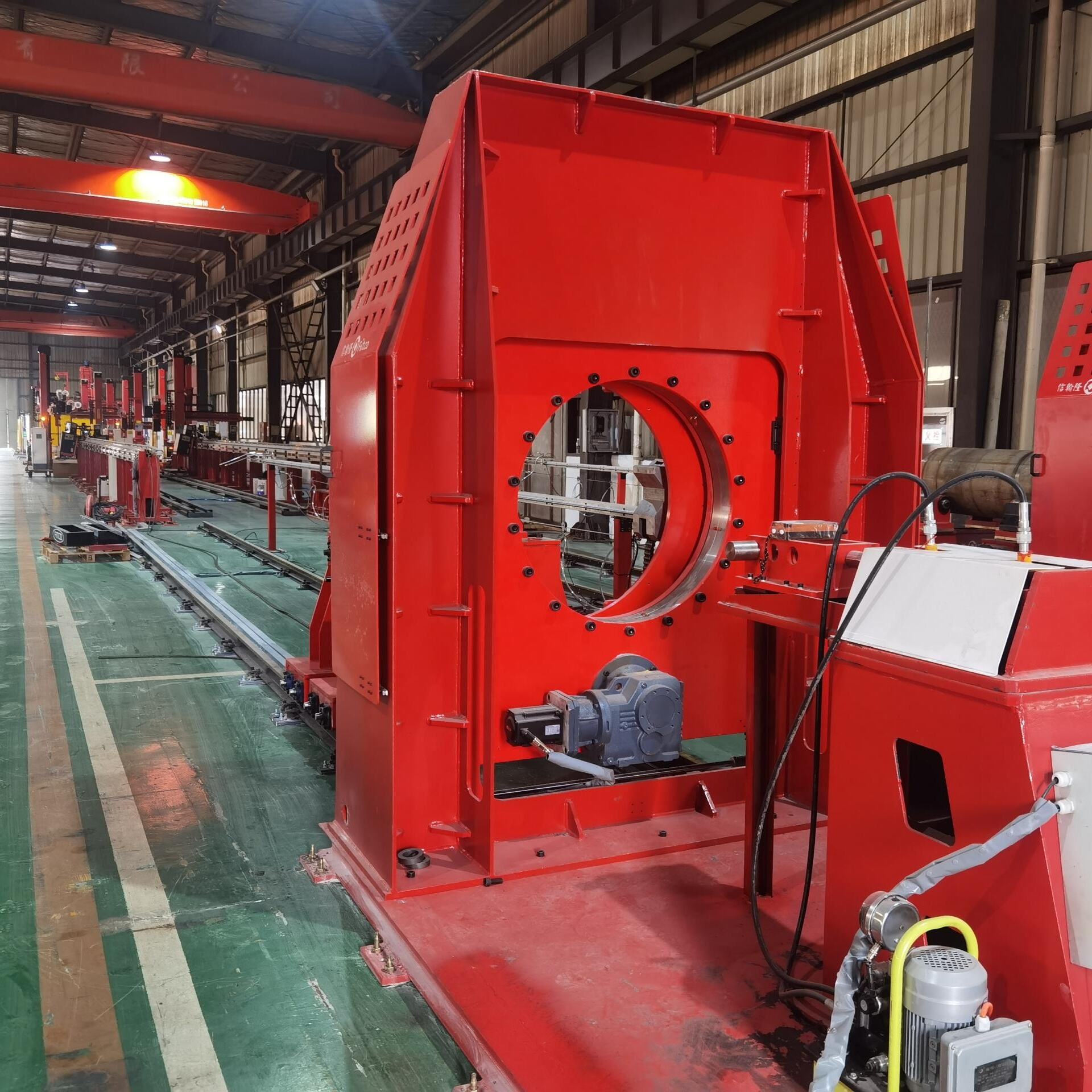
The productivity advantages of an automatic mig welder extend far beyond simple speed improvements, encompassing comprehensive workflow optimization that transforms entire manufacturing processes. These systems integrate seamlessly with production lines, providing synchronized operation that eliminates bottlenecks and maintains consistent throughput regardless of operator skill variations or shift changes. The automatic mig welder's intelligent automation reduces cycle times by optimizing travel speeds, eliminating unnecessary pauses, and maintaining continuous operation without the fatigue-related slowdowns that affect manual welders. Advanced systems incorporate adaptive welding sequences that automatically adjust for material variations and joint irregularities, maintaining optimal productivity without compromising quality standards. The automation extends to material handling integration, where automatic mig welder systems coordinate with robotic positioning equipment and fixture systems to create fully automated welding cells. This integration enables lights-out manufacturing capabilities where production continues without direct supervision, maximizing facility utilization and return on equipment investment. Productivity gains compound through reduced rework requirements, as the consistent parameter control and quality monitoring minimize defects that require time-consuming repairs or component replacement. The automatic mig welder's ability to maintain optimal arc characteristics and penetration depths virtually eliminates costly weld failures that can shut down entire production lines. Setup time reduction represents another significant productivity factor, with stored welding procedures allowing rapid changeovers between different parts or materials without extensive parameter adjustment and test welding. Modern automatic mig welder systems feature user-friendly interfaces that enable operators to select appropriate procedures with minimal training, reducing the skilled labor dependency that often constrains production capacity. The productivity benefits extend to maintenance efficiency, as automatic systems provide predictive maintenance alerts and diagnostic capabilities that prevent unexpected downtime. Consumable efficiency improvements through precise parameter control reduce material costs while eliminating delays associated with frequent consumable changes. Quality documentation automation eliminates manual record-keeping time while ensuring complete compliance with industry standards and customer requirements.
Versatility and Adaptability Across Multiple Applications

Versatility and Adaptability Across Multiple Applications

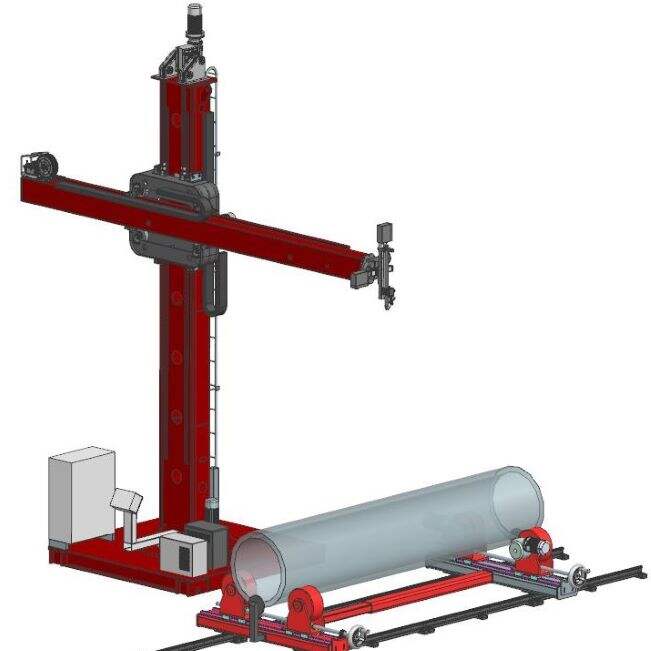
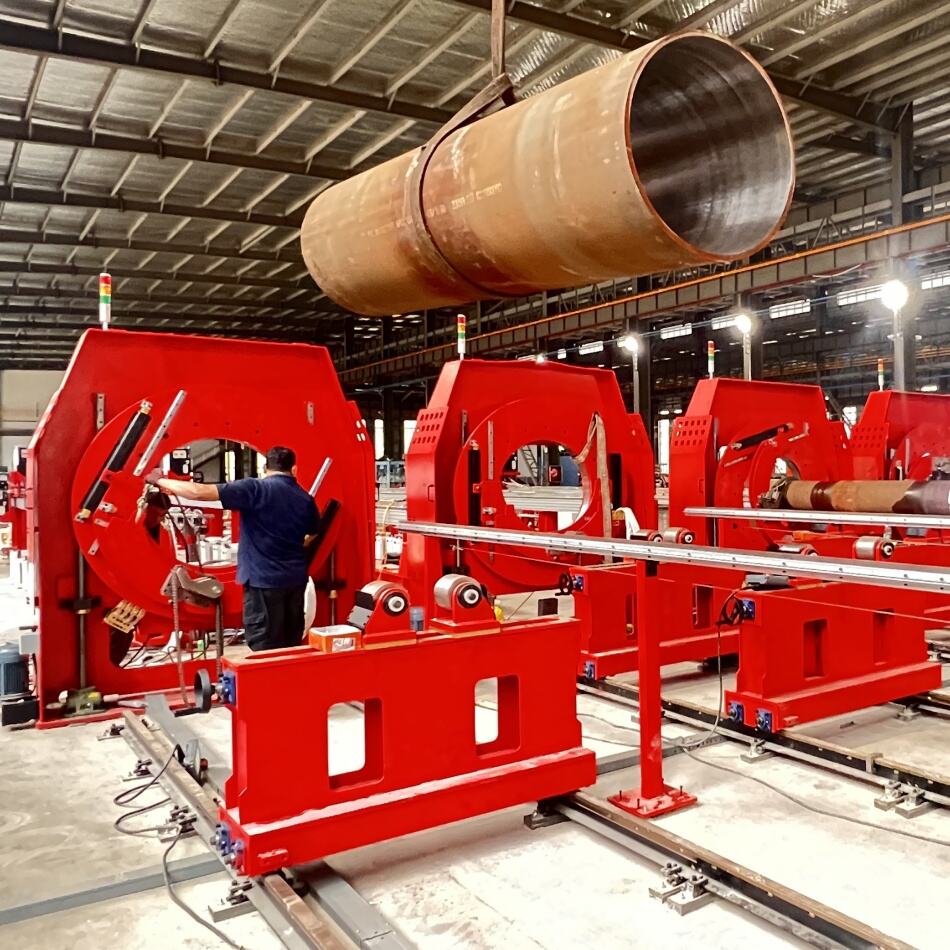
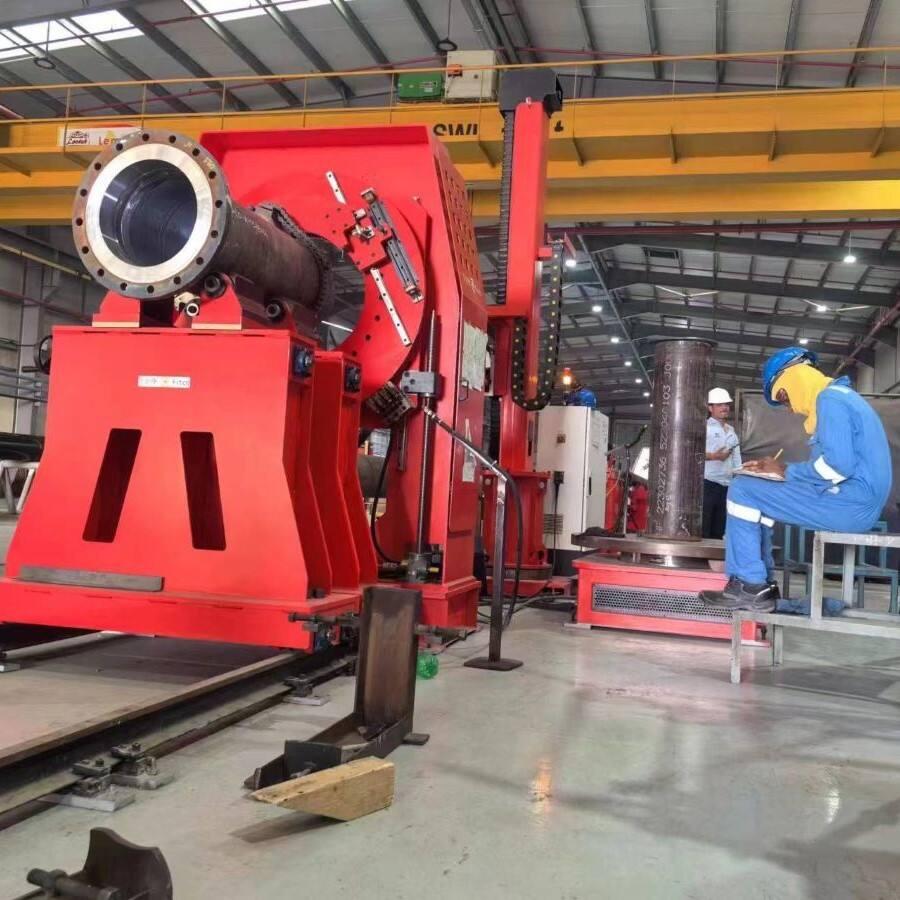
The exceptional versatility of an automatic mig welder positions it as a cornerstone solution for diverse welding applications across multiple industries and material types. This adaptability stems from advanced control systems that accommodate everything from delicate thin-gauge automotive components to heavy structural steel fabrication without requiring separate specialized equipment. The automatic mig welder seamlessly transitions between different materials including carbon steel, stainless steel, aluminum alloys, and exotic metals by automatically adjusting gas flow rates, wire feed speeds, and arc characteristics to match material-specific requirements. Pulse welding capabilities enable exceptional control when working with heat-sensitive materials or thin sections where traditional constant-current welding might cause distortion or burn-through. The system's ability to handle various joint configurations including butt joints, fillet welds, lap joints, and complex three-dimensional assemblies makes it invaluable for fabrication shops handling diverse customer requirements. Position welding versatility allows the automatic mig welder to perform in flat, horizontal, vertical, and overhead positions with equal precision, expanding its utility across different project geometries and access limitations. Advanced automatic mig welder systems incorporate multiple welding processes within a single platform, including standard MIG, pulsed MIG, and specialized variants like cold metal transfer for challenging applications. This multi-process capability eliminates the need for multiple welding stations while ensuring optimal process selection for each specific application. The adaptability extends to integration capabilities with various automation systems including robotic arms, linear positioning systems, and complex multi-axis manipulation equipment. Fixture compatibility ranges from simple manual setups to sophisticated automated workholding systems, allowing the automatic mig welder to adapt to existing production environments without extensive modification. Software flexibility enables custom welding procedure development for unique applications while maintaining compatibility with industry-standard programming interfaces. The system's scalability accommodates both prototype development and high-volume production requirements, providing consistent performance across varying production demands. Environmental adaptability allows operation in challenging conditions including outdoor construction sites, shipyards, and industrial facilities with varying power quality and ambient conditions while maintaining welding performance standards.

Get a Free Quote

Our representative will contact you soon.
Email
Mobile/WhatsApp
Name
Company Name
Message
0/1000