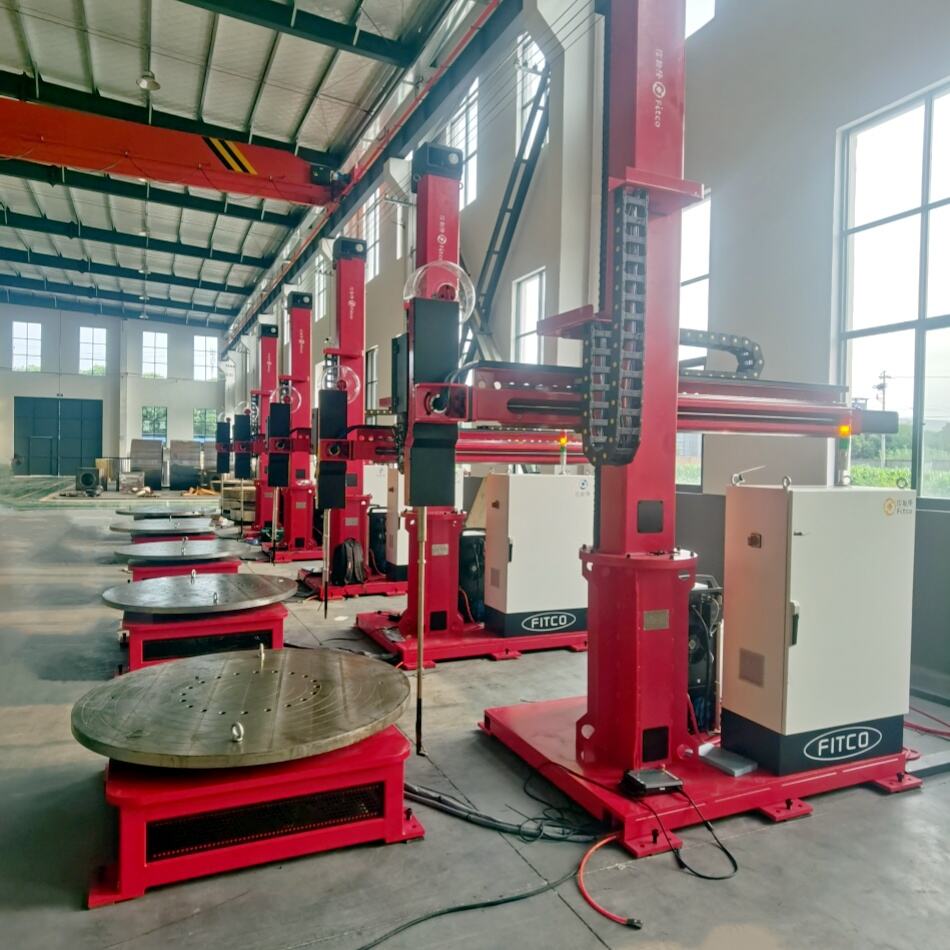
Advanced Automatic Pipe Welding Systems - Precision Technology for Industrial Applications

Contact me immediately if you encounter problems!

All Categories

Get a Free Quote

Our representative will contact you soon.
Email
Mobile/WhatsApp
Name
Company Name
Message
0/1000

Get a Free Quote

Our representative will contact you soon.
Email
Mobile/WhatsApp
Name
Company Name
Message
0/1000

automatic pipe welding systems

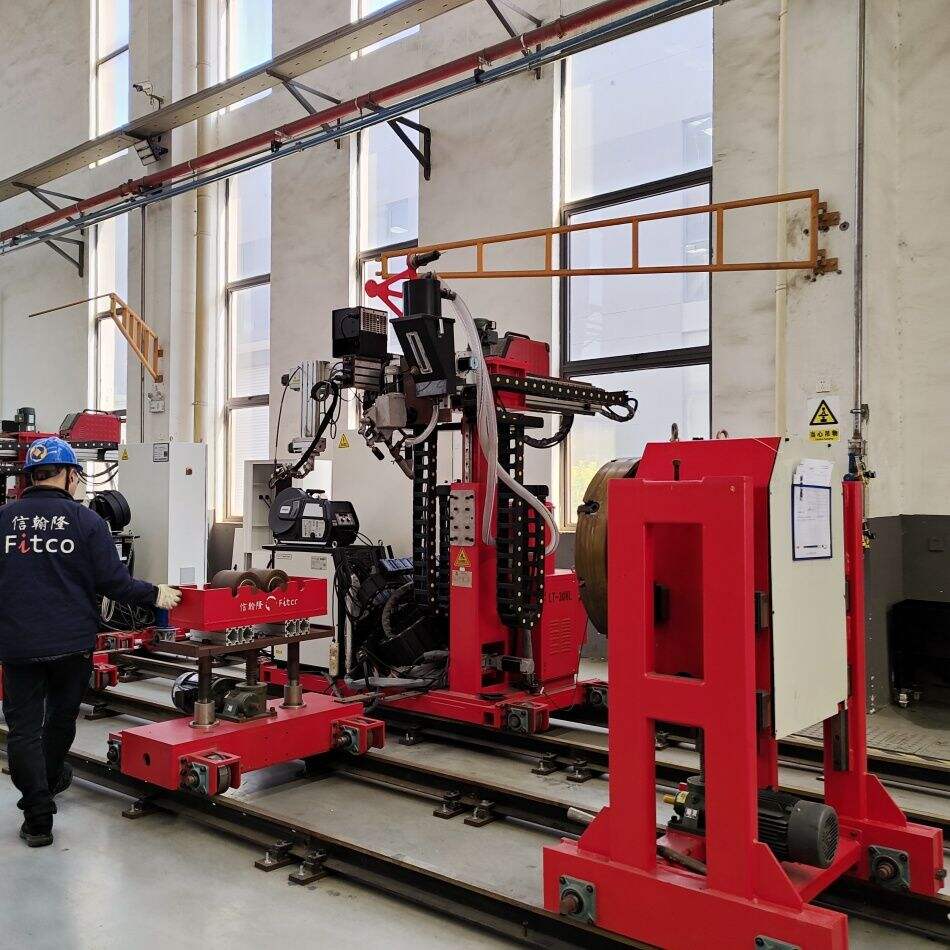
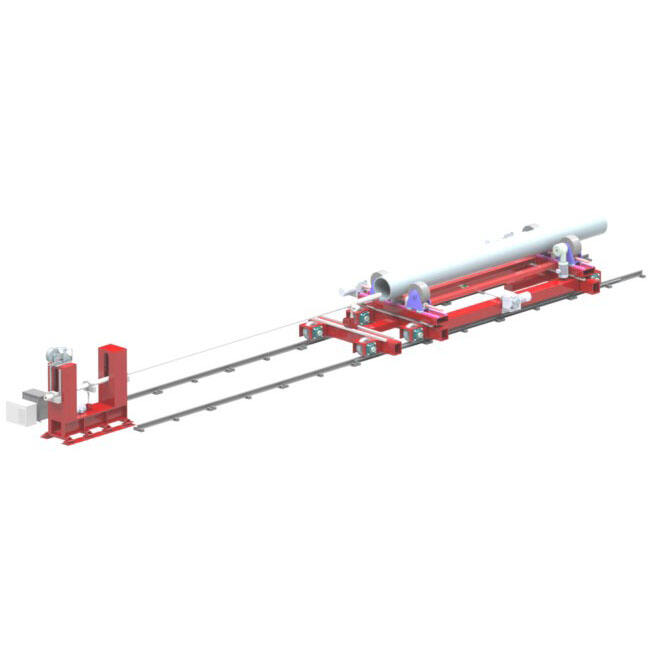
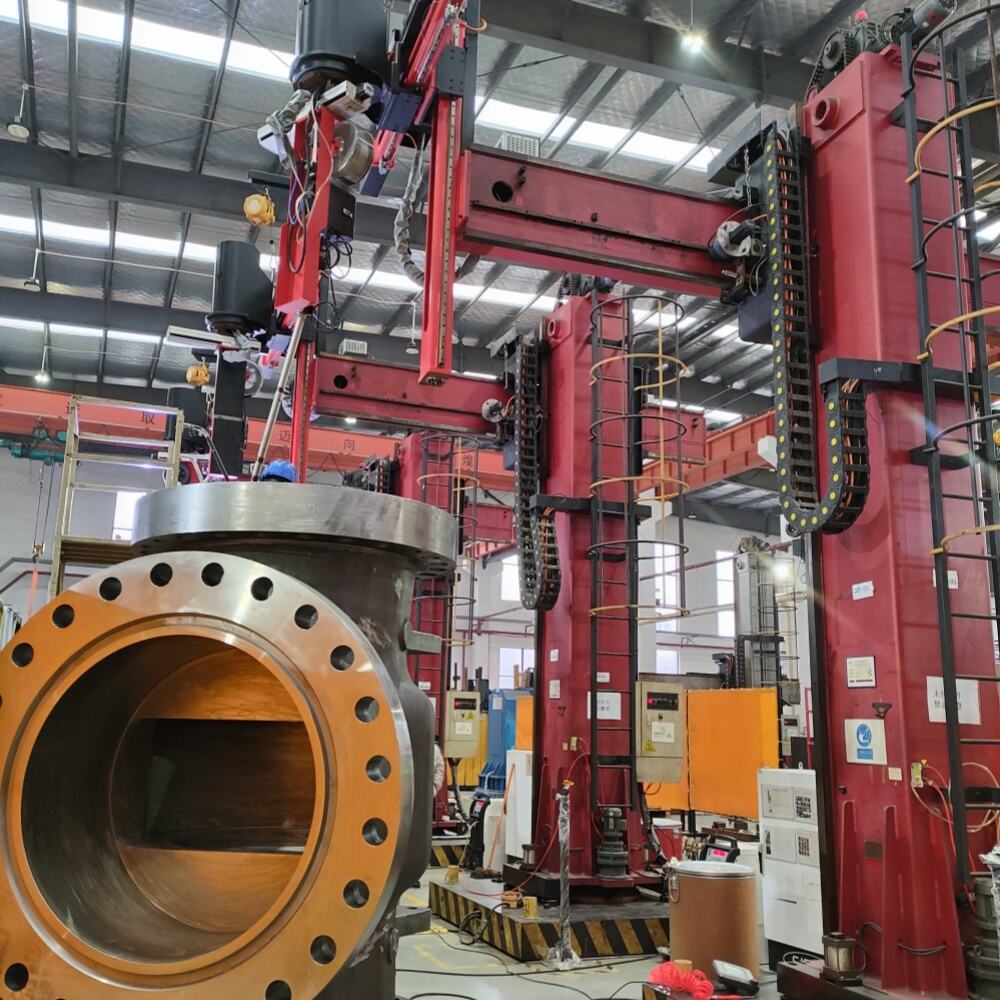
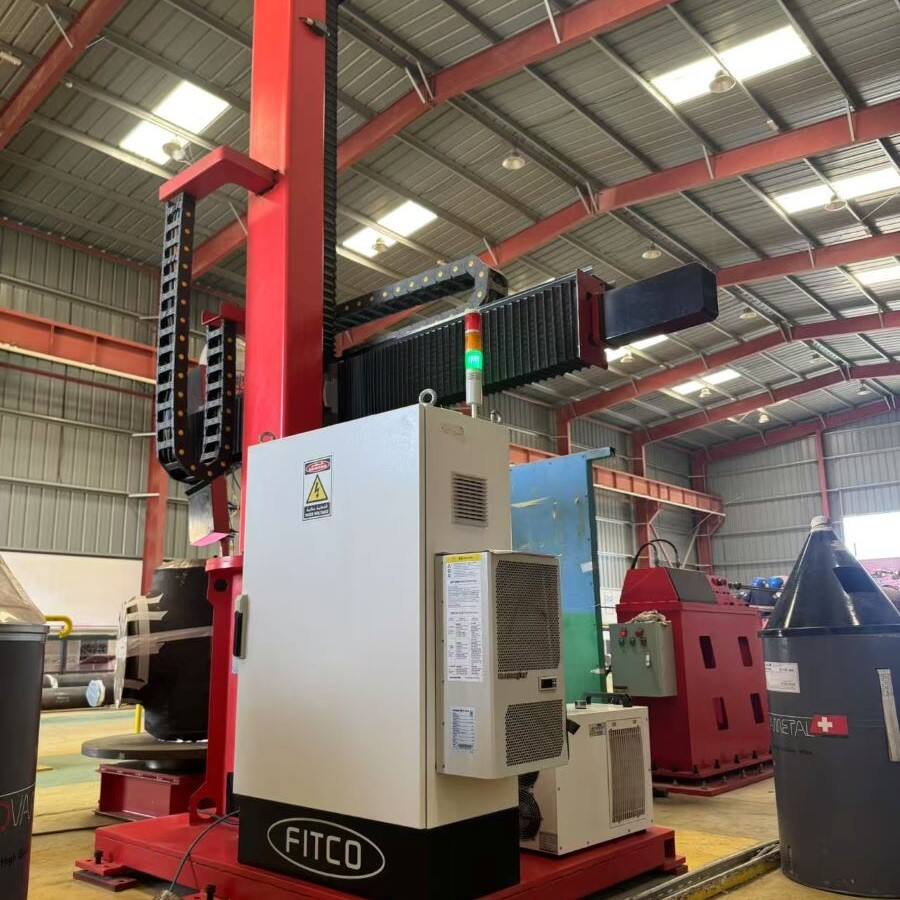
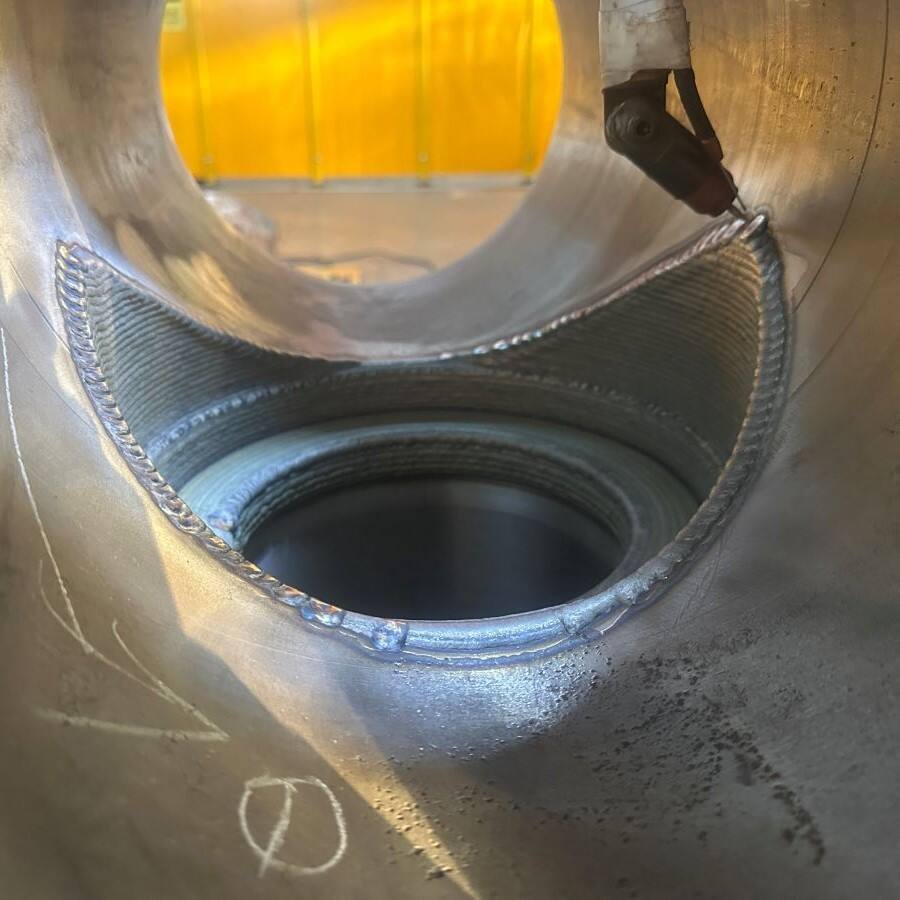
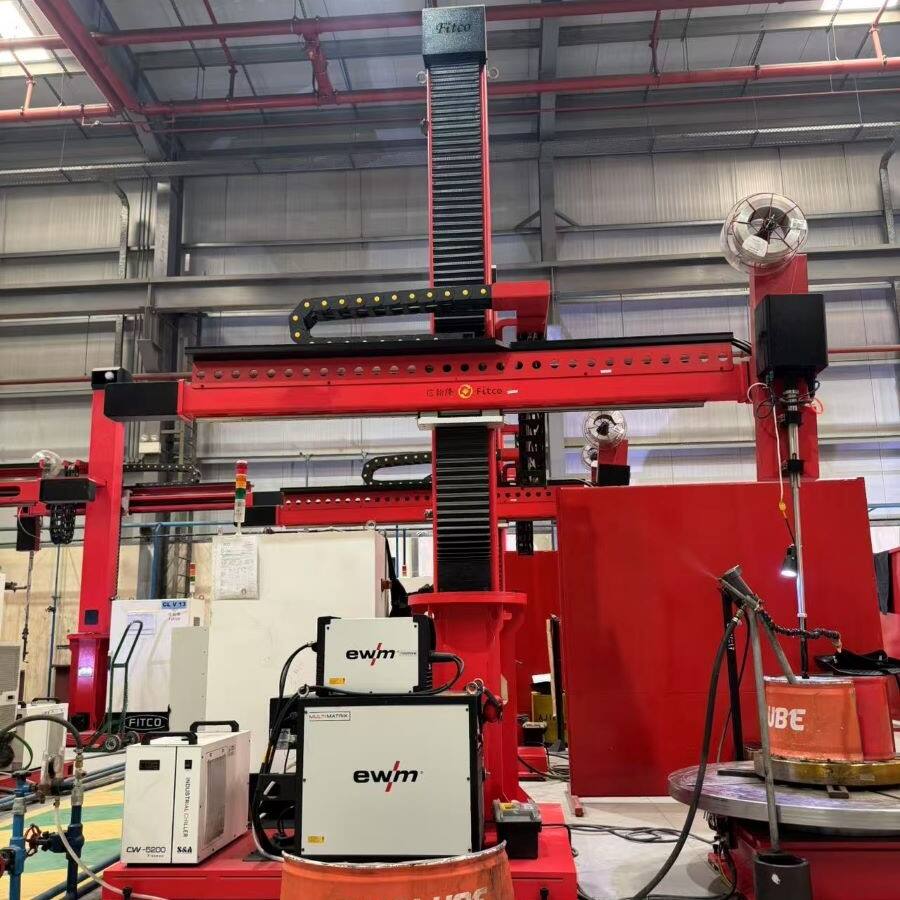
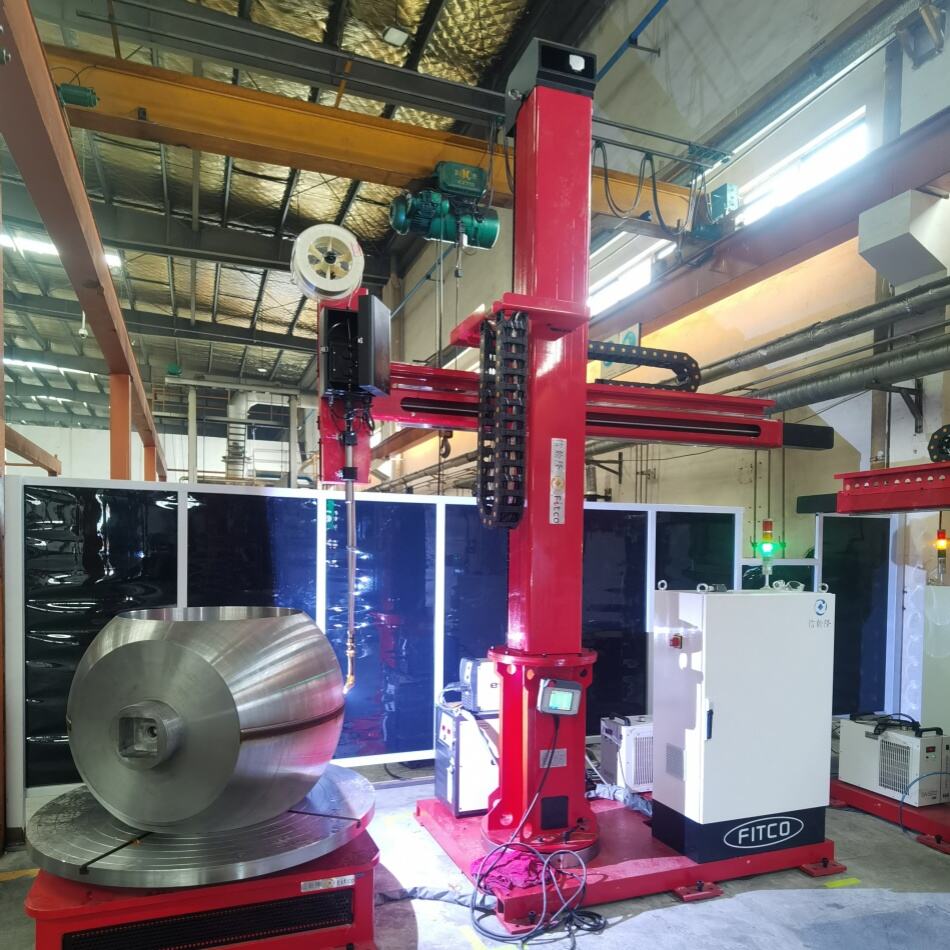
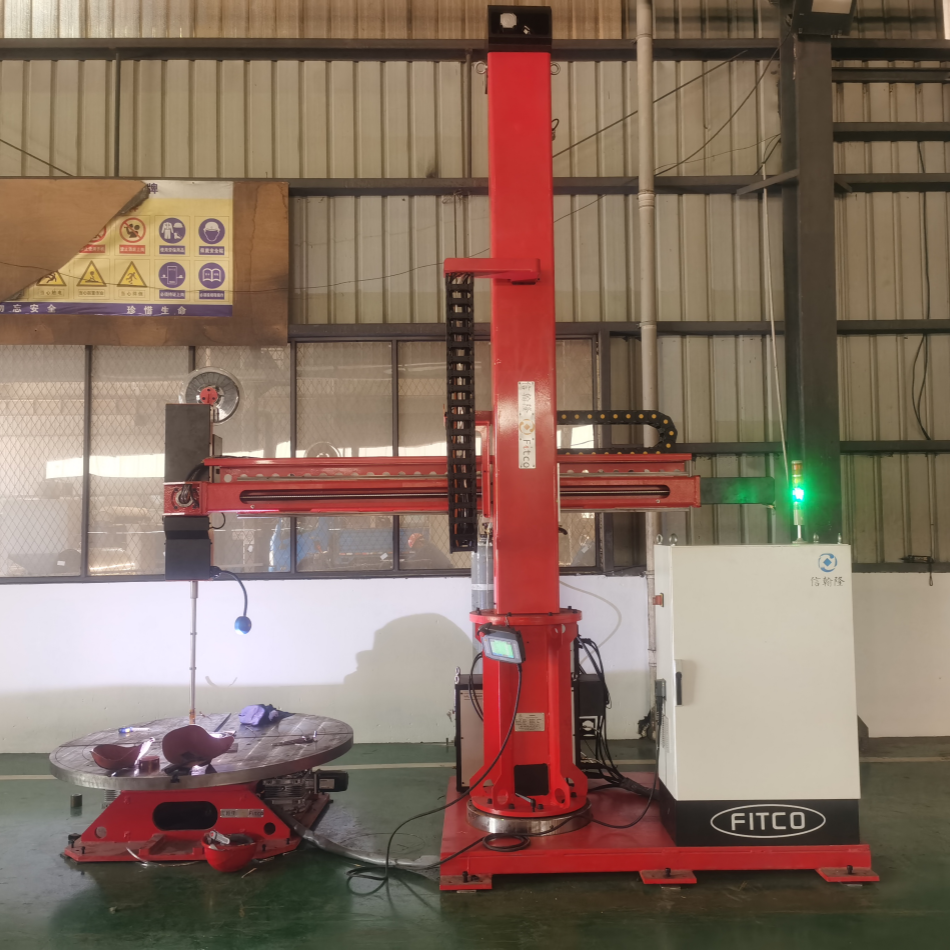
Automatic pipe welding systems represent a revolutionary advancement in industrial fabrication technology, transforming how companies approach pipeline construction and maintenance projects. These sophisticated machines combine precision engineering with advanced automation to deliver consistent, high-quality welds on various pipe materials and configurations. The core functionality of automatic pipe welding systems centers on their ability to perform circumferential welds with minimal human intervention, utilizing computer-controlled processes that ensure uniform heat distribution, optimal travel speeds, and precise electrode positioning throughout the welding cycle. The technological framework incorporates multiple sensors, servo motors, and programmable logic controllers that monitor critical parameters such as arc voltage, welding current, travel speed, and joint preparation requirements. Modern automatic pipe welding systems feature adaptive control mechanisms that automatically adjust welding parameters based on real-time feedback from the welding environment, ensuring optimal penetration and fusion characteristics regardless of material thickness variations or joint geometry changes. These systems typically include rotating clamping mechanisms that secure pipes in position while the welding head traverses the circumference, maintaining consistent standoff distances and torch angles throughout the process. Advanced models integrate multi-pass welding capabilities, allowing for complex joint configurations that require root passes, fill passes, and cap passes with different welding parameters for each layer. The application spectrum for automatic pipe welding systems spans numerous industries, including oil and gas pipeline construction, petrochemical facilities, power generation plants, shipbuilding operations, and infrastructure development projects. These systems excel in environments where weld quality consistency, productivity demands, and safety considerations take precedence over traditional manual welding approaches, making them indispensable tools for modern industrial fabrication operations.

Popular Products

Automatic pipe welding systems deliver substantial productivity improvements that directly impact project timelines and operational efficiency. These machines consistently outperform manual welding processes by completing circumferential welds in significantly less time while maintaining superior quality standards. Companies utilizing automatic pipe welding systems typically experience productivity increases of 300 to 500 percent compared to traditional manual methods, allowing them to complete projects faster and take on additional contracts within the same timeframe. The enhanced welding speed stems from optimized travel rates, reduced setup times, and elimination of welder fatigue factors that slow down manual operations. Quality consistency represents another major advantage, as automatic pipe welding systems eliminate human variables that can lead to defects, rework, and costly repairs. These systems maintain precise control over critical welding parameters, ensuring uniform penetration, consistent bead profiles, and optimal mechanical properties throughout every weld joint. The reduced defect rates translate directly into lower inspection costs, fewer repair requirements, and improved project profitability. Safety improvements constitute a critical benefit, as automatic pipe welding systems minimize worker exposure to welding hazards including intense UV radiation, toxic fumes, and repetitive strain injuries associated with prolonged manual welding activities. Operators can monitor and control the welding process from safe distances, reducing workplace injuries and associated insurance costs. Cost efficiency emerges through multiple channels, including reduced labor requirements, decreased consumable waste, lower rework expenses, and improved material utilization rates. The precision control mechanisms in automatic pipe welding systems optimize wire feed rates and shielding gas consumption, minimizing waste while maximizing weld quality. Long-term operational benefits include reduced training costs, as these systems require fewer highly skilled welders to achieve consistent results. The automated nature of these systems also enables companies to maintain consistent production schedules regardless of skilled labor availability, providing greater operational flexibility and reliability in competitive market conditions.

Tips And Tricks

Common welding machine Faults and How to Troubleshoot Them

16

Mar

Common welding machine Faults and How to Troubleshoot Them

Welding machine malfunctions can halt production lines, compromise weld quality, and create costly downtime in industrial operations. Understanding common faults and their troubleshooting methods is essential for maintaining consistent welding perfor...
View More
Mastering Aluminum: Why an acdc tig welder is Non-Negotiable

16

Mar

Mastering Aluminum: Why an acdc tig welder is Non-Negotiable

Aluminum welding presents unique challenges that demand specialized equipment, making the choice of welding technology critical for achieving professional results. The metallurgical properties of aluminum, including its high thermal conductivity, oxi...
View More
Why igbt inverter welder Technology is the Industry Standard in 2026

16

Mar

Why igbt inverter welder Technology is the Industry Standard in 2026

The welding industry has undergone a transformative evolution, with igbt inverter welder technology emerging as the definitive standard for professional and industrial applications in 2026. This revolutionary advancement represents a fundamental shif...
View More
Why Are Pressure-Vessel Plants Using Circumferential TIG Systems?

13

Jan

Why Are Pressure-Vessel Plants Using Circumferential TIG Systems?

The pressure vessel manufacturing industry has witnessed a significant shift toward advanced welding technologies, with circumferential TIG systems emerging as the preferred solution for critical applications. These sophisticated welding systems deli...
View More

Get a Free Quote

Our representative will contact you soon.
Email
Mobile/WhatsApp
Name
Company Name
Message
0/1000

automatic pipe welding systems

Precision Control Technology

Precision Control Technology

The precision control technology embedded within automatic pipe welding systems represents a quantum leap forward in welding accuracy and repeatability, fundamentally transforming how industrial fabrication projects achieve consistent quality standards. This sophisticated control architecture integrates multiple feedback loops that continuously monitor and adjust critical welding parameters in real-time, ensuring optimal results across varying operating conditions and material specifications. The system utilizes advanced servo-controlled mechanisms that maintain precise torch positioning within tolerances measured in fractions of millimeters, eliminating the inherent inconsistencies associated with human hand movements and fatigue factors. Specialized sensors continuously track arc length, voltage fluctuations, and current variations, automatically compensating for any deviations from predetermined optimal settings. This level of precision control extends to travel speed regulation, where computer-controlled motors maintain exact circumferential speeds that ensure proper heat input distribution and optimal cooling rates for superior metallurgical properties. The technology incorporates adaptive algorithms that learn from each welding pass, building a database of optimal parameters for specific material combinations and joint configurations. This intelligent system can detect variations in joint preparation, material thickness changes, or environmental factors that might affect weld quality, automatically adjusting parameters to maintain consistent results. The precision control capabilities extend to multi-pass welding scenarios, where the system can execute complex welding sequences with different parameters for root passes, fill passes, and cap passes, each optimized for specific metallurgical requirements. Temperature monitoring and control represent another critical aspect, with infrared sensors tracking heat distribution patterns and cooling rates to prevent overheating or insufficient fusion. This comprehensive precision control technology eliminates the guesswork traditionally associated with manual welding, providing unprecedented consistency that meets the most stringent quality standards required in critical applications such as pressure vessel construction, pipeline installations, and aerospace component fabrication.
Enhanced Productivity Performance

Enhanced Productivity Performance

Enhanced productivity performance stands as the cornerstone benefit of automatic pipe welding systems, delivering measurable improvements that revolutionize project economics and operational efficiency across diverse industrial applications. These advanced systems achieve remarkable productivity gains through optimized welding sequences, reduced setup times, and elimination of human limitations that traditionally constrain welding operations. The productivity enhancement begins with significantly faster welding speeds, as automatic pipe welding systems can maintain optimal travel rates without the fatigue factors that slow manual welders throughout extended work periods. These machines operate continuously at peak performance levels, completing circumferential welds in a fraction of the time required for manual processes while maintaining superior quality standards. The time savings extend beyond pure welding speed, encompassing reduced setup and positioning times through automated clamping systems and precise joint tracking capabilities that eliminate manual adjustments and repositioning requirements. Automatic pipe welding systems maximize arc-on time percentages, spending more time actively welding and less time on non-productive activities such as electrode changes, position adjustments, and quality assessments between passes. The enhanced productivity translates into substantial cost savings through reduced labor requirements, as fewer skilled welders are needed to complete the same volume of work in shorter timeframes. This efficiency improvement allows companies to reallocate human resources to other critical tasks while maintaining or increasing overall production capacity. The consistency of automatic pipe welding systems also contributes to productivity gains by virtually eliminating rework requirements that typically consume significant time and resources in manual welding operations. Quality defects that necessitate repair welding, grinding, and re-inspection are drastically reduced, allowing projects to proceed according to schedule without costly delays. Multi-pass welding capabilities further enhance productivity by enabling complex joint configurations to be completed in single setups, eliminating the time-consuming repositioning and re-fixturing required in manual operations. The cumulative effect of these productivity enhancements enables companies to complete projects faster, take on additional contracts, and improve overall competitiveness in demanding market conditions.
Operational Safety Excellence

Operational Safety Excellence

Operational safety excellence represents a fundamental advantage of automatic pipe welding systems, addressing critical workplace safety concerns while establishing new standards for welder protection and risk mitigation in industrial environments. These advanced systems fundamentally transform the safety landscape by removing human operators from direct exposure to welding hazards, including intense ultraviolet radiation, toxic fumes, extreme heat, and repetitive motion injuries that plague traditional manual welding operations. The remote operation capabilities of automatic pipe welding systems allow skilled technicians to monitor and control welding processes from safe distances, utilizing sophisticated control panels and monitoring systems that provide real-time feedback without requiring physical proximity to active welding zones. This separation dramatically reduces exposure to harmful radiation emissions and eliminates the need for operators to maintain uncomfortable welding positions for extended periods, significantly reducing the risk of musculoskeletal injuries and chronic health problems associated with repetitive welding activities. Advanced fume extraction and ventilation systems integrated with automatic pipe welding systems provide superior air quality management compared to manual operations, where fume exposure is often unavoidable despite protective equipment. The automated nature of these systems also reduces the risk of accidents caused by human error, fatigue, or lapses in concentration that can lead to serious injuries in high-risk welding environments. Comprehensive safety monitoring systems continuously assess operating conditions, automatically shutting down operations if unsafe parameters are detected, such as excessive heat buildup, gas leakages, or equipment malfunctions. This proactive safety approach prevents accidents before they occur, rather than relying solely on reactive protective measures. The reduced requirement for multiple welders in confined spaces or elevated positions further minimizes safety risks associated with complex industrial projects. Emergency stop systems and fail-safe mechanisms ensure immediate response capabilities in the unlikely event of equipment malfunctions or unexpected situations. Training requirements for automatic pipe welding systems emphasize safety protocols and proper equipment operation, creating a more controlled and predictable working environment. The overall safety improvements translate into reduced insurance costs, lower worker compensation claims, and improved regulatory compliance, while creating a more attractive working environment that helps companies retain skilled personnel and maintain positive safety records.

Get a Free Quote

Our representative will contact you soon.
Email
Mobile/WhatsApp
Name
Company Name
Message
0/1000