Advanced Automatic Welding Systems - Precision Manufacturing Solutions for Industrial Applications

Contact me immediately if you encounter problems!

All Categories

Get a Free Quote

Our representative will contact you soon.
Email
Mobile/WhatsApp
Name
Company Name
Message
0/1000

Get a Free Quote

Our representative will contact you soon.
Email
Mobile/WhatsApp
Name
Company Name
Message
0/1000

automatic welding system

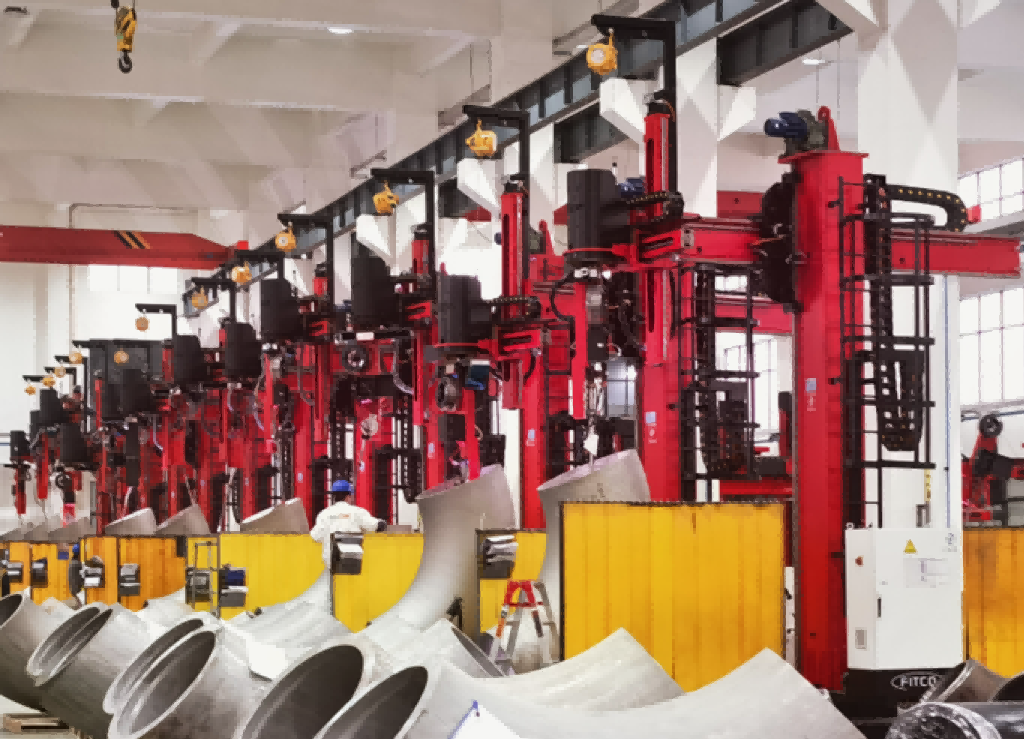
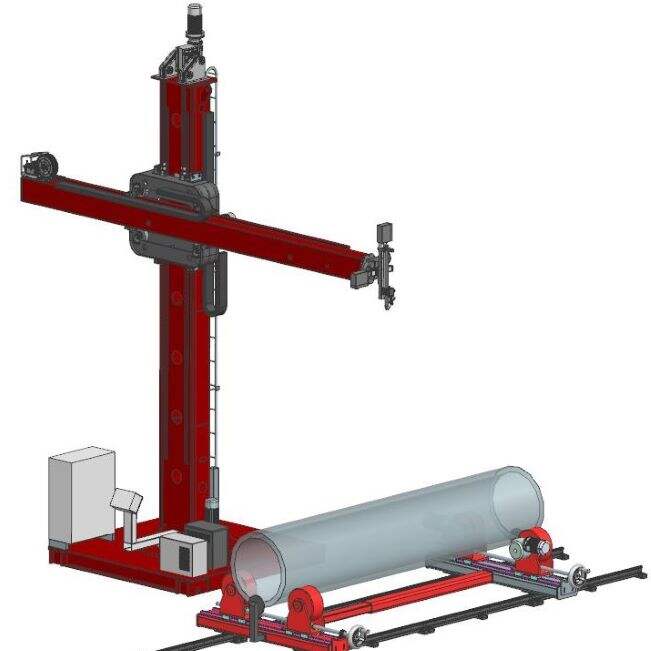
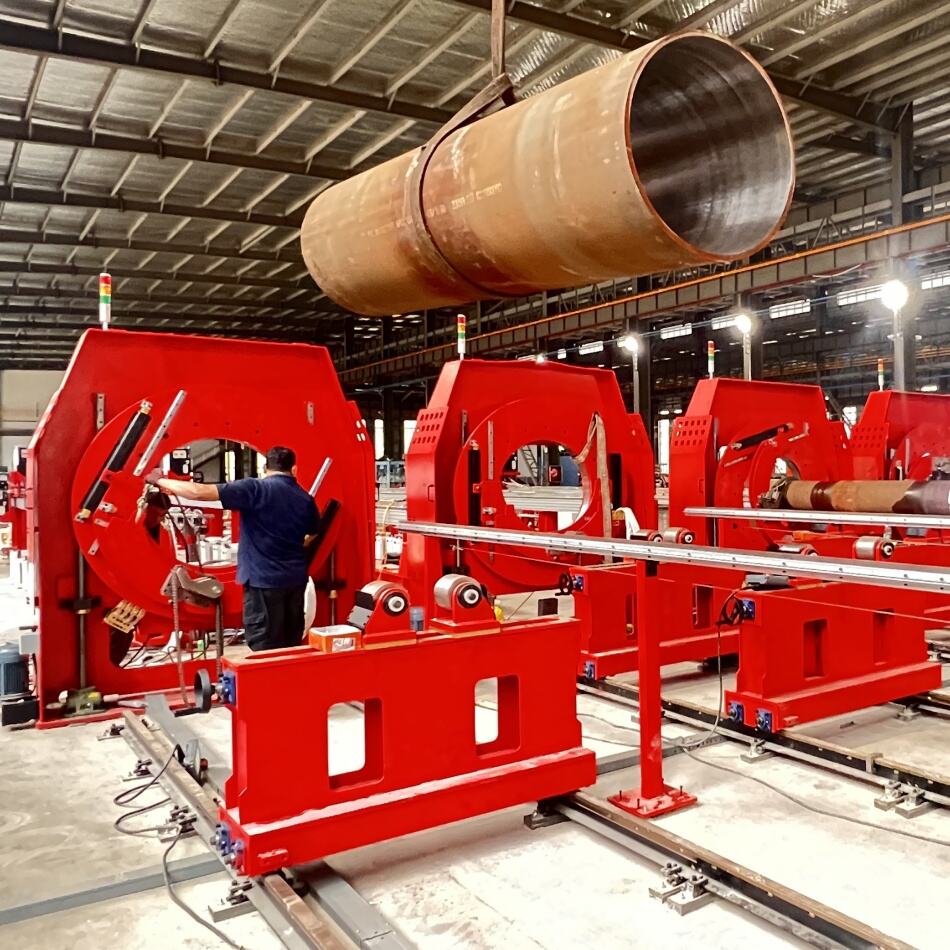
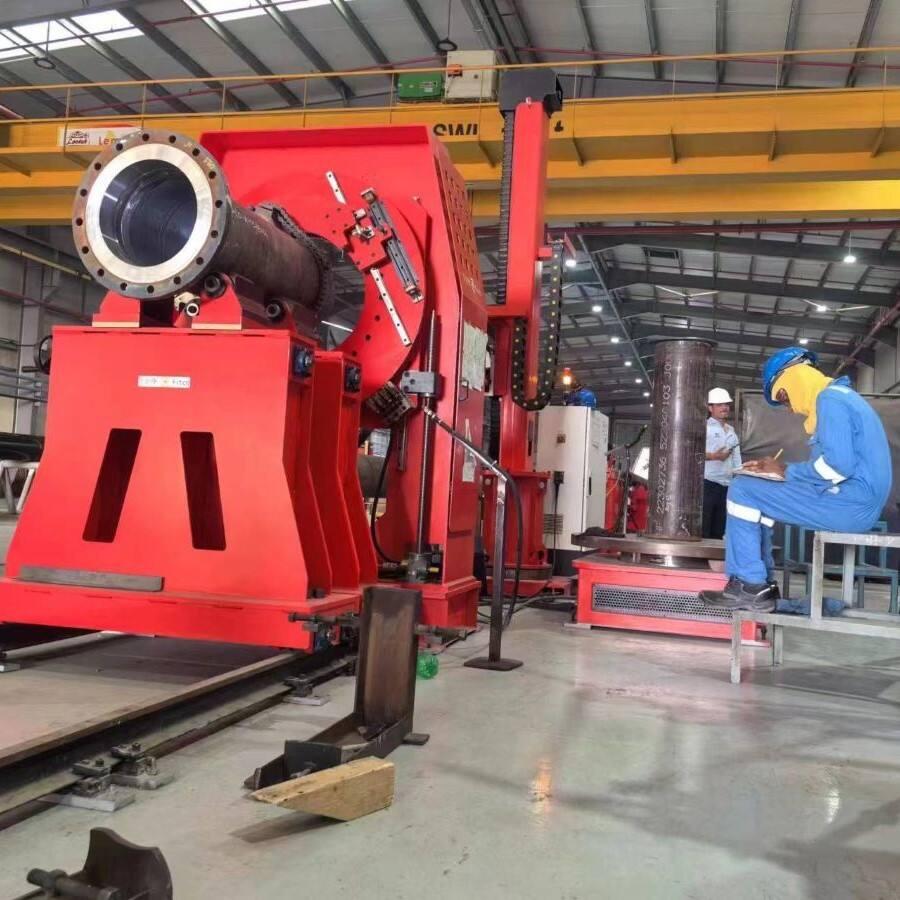
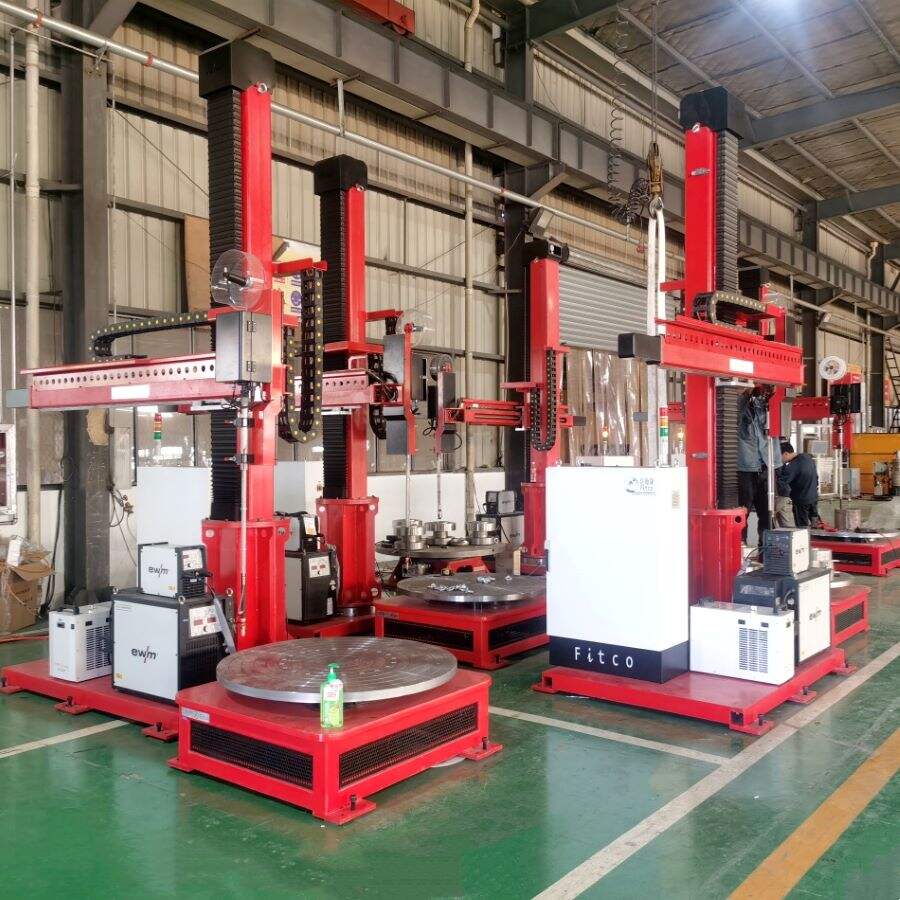
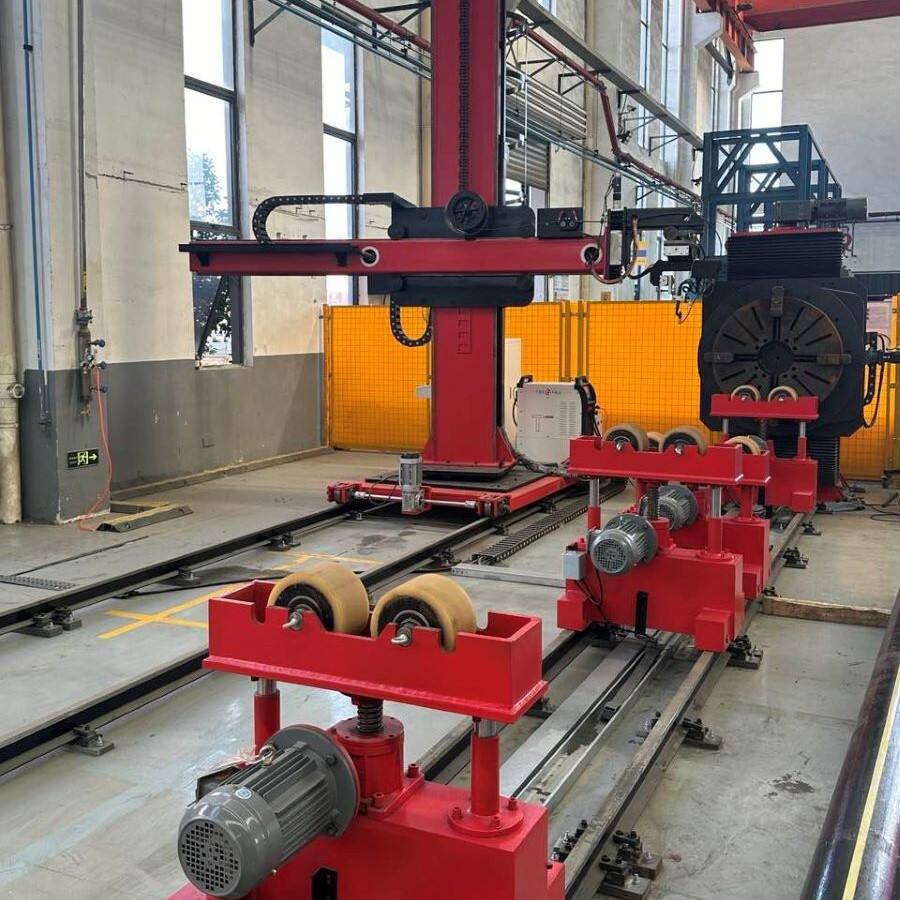
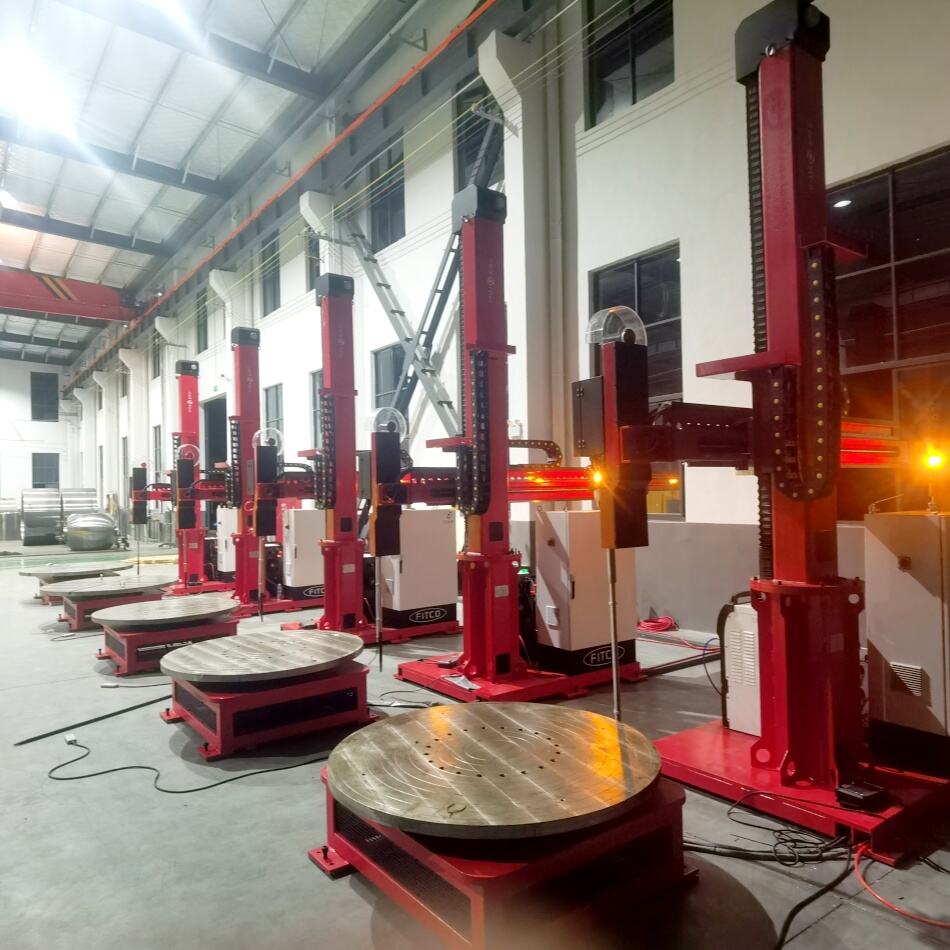
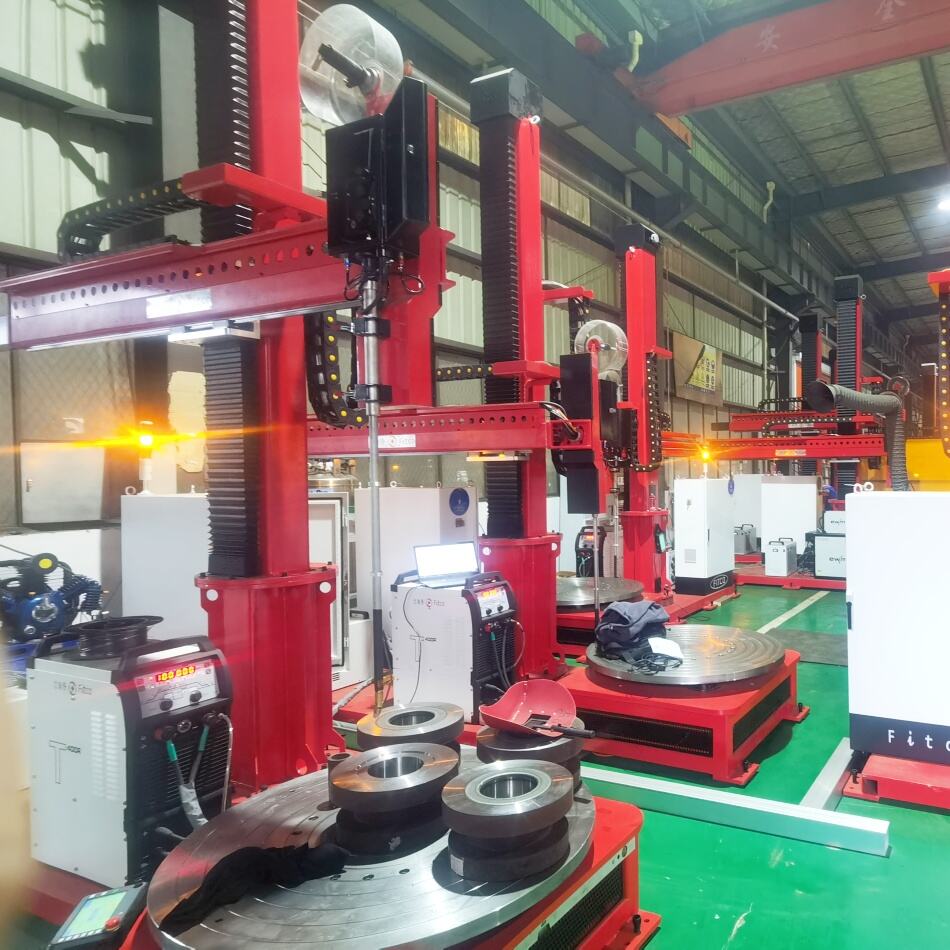
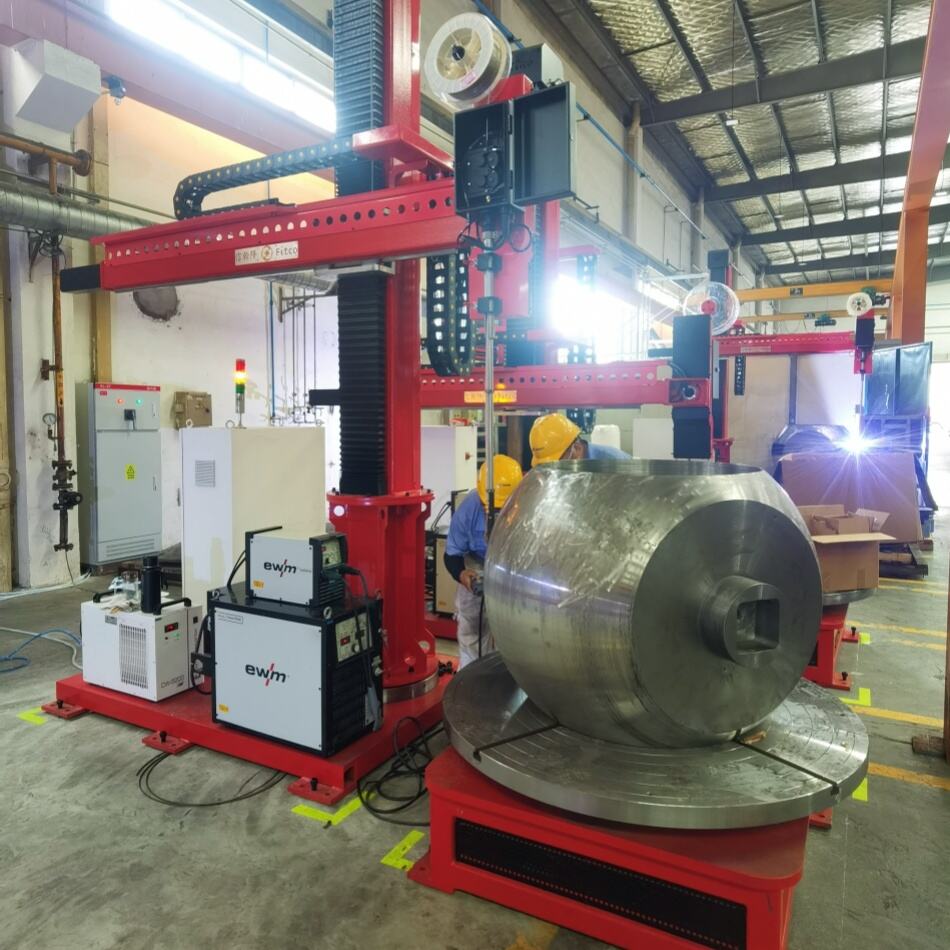
An automatic welding system represents a sophisticated manufacturing solution that revolutionizes traditional welding processes through advanced automation technology. This comprehensive system integrates robotic arms, precision sensors, computer-controlled programming, and specialized welding equipment to perform consistent, high-quality welds without direct human intervention. The automatic welding system operates through pre-programmed instructions that guide robotic components to execute precise welding patterns, ensuring uniform results across multiple production cycles. Modern automatic welding systems incorporate various welding techniques including MIG, TIG, and arc welding methods, adapting to different material requirements and project specifications. The system features advanced motion control capabilities that enable complex welding paths and intricate joint configurations. Smart sensors continuously monitor welding parameters such as temperature, arc length, and material positioning, making real-time adjustments to maintain optimal welding conditions. The technological framework includes sophisticated software interfaces that allow operators to customize welding programs, store multiple project configurations, and generate detailed production reports. Safety mechanisms are integral components, featuring emergency stop functions, protective barriers, and hazard detection systems that protect both equipment and personnel. The automatic welding system excels in applications requiring repetitive welding tasks, complex geometries, and stringent quality standards. Manufacturing sectors utilize these systems for automotive component production, shipbuilding operations, construction steel fabrication, and aerospace part assembly. The system demonstrates exceptional versatility in handling various material thicknesses, joint types, and welding positions. Integration capabilities allow seamless connection with existing production lines, material handling systems, and quality control equipment. The automatic welding system delivers consistent performance while reducing human error factors and increasing production efficiency across diverse industrial applications.

New Product Releases

The automatic welding system delivers substantial productivity improvements that transform manufacturing operations and provide measurable returns on investment. Companies experience significant increases in welding speed and throughput as the system operates continuously without fatigue or breaks, maintaining consistent performance throughout extended production runs. The precision capabilities of an automatic welding system eliminate human error variables, resulting in superior weld quality and reduced rework requirements. This consistency translates directly into cost savings through decreased material waste and improved first-pass success rates. Labor cost reductions represent another compelling advantage, as the system requires minimal operator supervision while handling complex welding tasks that would typically require skilled technicians. The automatic welding system enhances workplace safety by removing workers from hazardous welding environments, reducing exposure to harmful fumes, intense heat, and potential arc flash incidents. Operational flexibility increases dramatically as the system adapts quickly to different project requirements through software programming changes rather than lengthy manual setup procedures. The system maintains detailed production records and quality metrics, enabling data-driven decision making and continuous process improvement initiatives. Energy efficiency improvements occur through optimized welding parameters and reduced idle time between operations. The automatic welding system scales production capacity without proportional increases in labor costs, making it particularly valuable for growing businesses. Quality control becomes more predictable and measurable, as the system produces consistent results that meet stringent industry standards and certification requirements. Maintenance requirements remain manageable through built-in diagnostic capabilities that identify potential issues before they cause production disruptions. The system reduces training costs and skill dependency by automating complex welding procedures that would otherwise require extensive technician education. Long-term reliability and durability ensure consistent performance over many years of operation, providing stable production capabilities and predictable maintenance schedules. The automatic welding system ultimately delivers competitive advantages through improved product quality, faster delivery times, and reduced manufacturing costs.

Practical Tips

Top 5 Maintenance Tips to Extend the Life of Your welding machine

16

Mar

Top 5 Maintenance Tips to Extend the Life of Your welding machine

Proper maintenance is the cornerstone of maximizing your welding machine investment and ensuring consistent, high-quality welding performance throughout its operational lifespan. Industrial welding operations rely heavily on equipment reliability, an...
View More
Why Are Pipe Cladding Machines Vital for Industrial Corrosion Protection?

27

Nov

Why Are Pipe Cladding Machines Vital for Industrial Corrosion Protection?

Industrial facilities worldwide face a constant battle against corrosion, with pipe systems serving as critical infrastructure that demands exceptional protection. The implementation of advanced welding technologies has revolutionized how industries ...
View More
How Can a TIG Welder Deliver Cleaner Industrial Welds?

22

Dec

How Can a TIG Welder Deliver Cleaner Industrial Welds?

Industrial welding operations demand precision, reliability, and exceptional quality standards that can make or break critical infrastructure projects. Among the various welding technologies available today, tungsten inert gas welding stands out as a...
View More
How to Maintain Heating Plates on a butt fusion welding machine

16

Mar

How to Maintain Heating Plates on a butt fusion welding machine

Proper maintenance of heating plates on a butt fusion welding machine is critical for achieving consistent, high-quality pipe joints and extending equipment lifespan. These heating plates serve as the primary heat transfer component that brings therm...
View More

Get a Free Quote

Our representative will contact you soon.
Email
Mobile/WhatsApp
Name
Company Name
Message
0/1000

automatic welding system

Precision Control and Consistent Quality Output

Precision Control and Consistent Quality Output

The automatic welding system achieves unparalleled precision through advanced servo-controlled positioning mechanisms and real-time monitoring technologies that ensure every weld meets exact specifications. This precision control system utilizes high-resolution encoders and sophisticated feedback loops to maintain accurate torch positioning within tolerances of plus or minus 0.1 millimeters throughout the entire welding process. The system continuously monitors critical parameters including arc voltage, current levels, travel speed, and wire feed rates, making instantaneous adjustments to compensate for material variations or environmental changes. Advanced vision systems integrated within the automatic welding system provide real-time seam tracking capabilities, automatically adjusting the welding path to accommodate part variations and ensuring consistent penetration depths. The precision control extends to heat input management, where the system calculates optimal welding parameters based on material properties, thickness variations, and joint configurations. This intelligent control prevents common welding defects such as porosity, lack of fusion, and excessive heat-affected zones that can compromise structural integrity. Quality consistency becomes a hallmark of operations using an automatic welding system, as the elimination of human variables results in uniform weld profiles, consistent bead appearance, and predictable mechanical properties. The system maintains detailed logs of all welding parameters for each completed joint, enabling comprehensive quality documentation and traceability requirements. Statistical process control capabilities built into the automatic welding system provide immediate feedback when welding parameters drift outside acceptable ranges, preventing defective parts from progressing through the manufacturing process. This precision control capability proves particularly valuable in industries requiring certified welding procedures, where consistent quality directly impacts safety and regulatory compliance. The automatic welding system delivers measurable improvements in yield rates, typically reducing scrap and rework by 60-80 percent compared to manual welding operations while maintaining superior cosmetic appearance and structural performance.
Advanced Integration and Workflow Optimization

Advanced Integration and Workflow Optimization

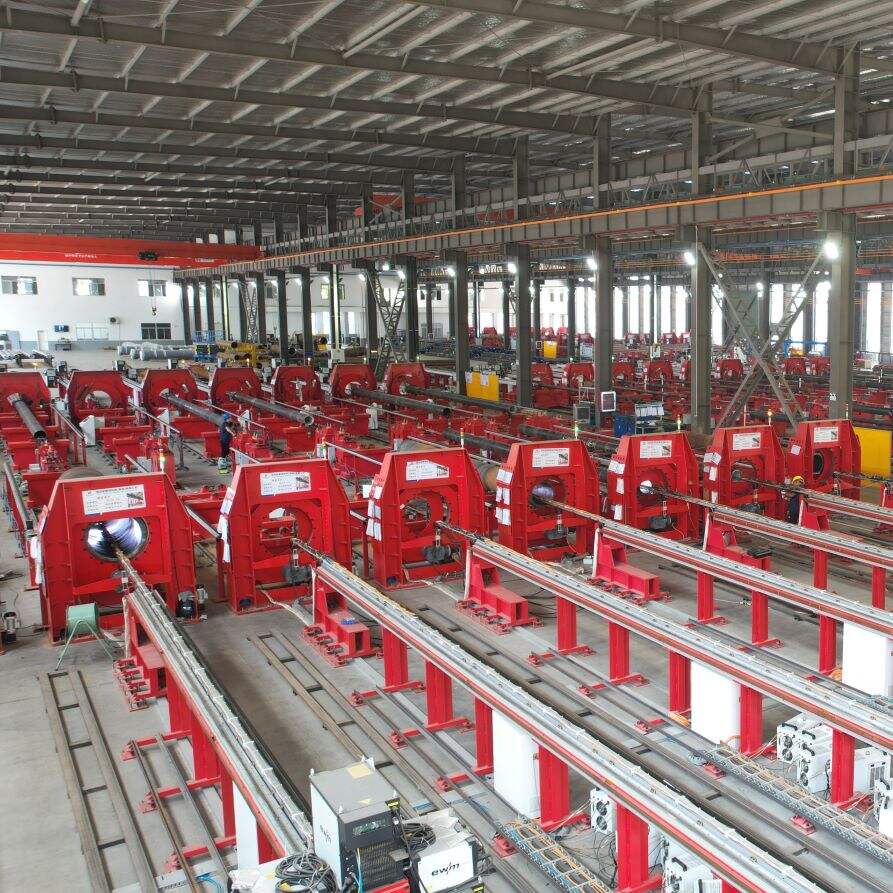
The automatic welding system excels in seamless integration capabilities that transform entire manufacturing workflows and create synchronized production environments. Modern systems feature sophisticated communication protocols including Ethernet/IP, Profibus, and DeviceNet connectivity that enable real-time data exchange with enterprise resource planning systems, manufacturing execution systems, and quality management databases. This integration capability allows the automatic welding system to receive production schedules, part specifications, and quality requirements directly from central planning systems, automatically configuring welding parameters without manual intervention. The system coordinates effectively with material handling equipment including robotic loaders, conveyor systems, and automated guided vehicles to create fully automated production cells. Intelligent scheduling algorithms within the automatic welding system optimize production sequences based on material availability, tool changeover requirements, and delivery priorities. The integration extends to upstream and downstream processes, where the system communicates with cutting equipment, forming machines, and finishing operations to ensure smooth workflow continuity. Real-time production monitoring capabilities provide instant visibility into system status, production rates, and quality metrics through intuitive dashboard interfaces accessible from multiple locations. The automatic welding system generates comprehensive production reports that integrate with cost accounting systems, enabling accurate job costing and performance analysis. Predictive maintenance features monitor component wear patterns, consumable usage rates, and system performance trends, automatically scheduling maintenance activities to minimize production disruptions. The system adapts to changing production requirements through flexible programming architectures that accommodate new part geometries, material specifications, and welding procedures without extensive reconfiguration. Integration with quality inspection equipment enables closed-loop feedback where inspection results automatically adjust welding parameters for subsequent parts. The automatic welding system supports lean manufacturing initiatives through waste reduction, improved resource utilization, and enhanced production flow visibility that eliminates bottlenecks and reduces work-in-process inventory levels.
Scalability and Return on Investment Benefits

Scalability and Return on Investment Benefits

The automatic welding system provides exceptional scalability advantages that grow with business demands while delivering measurable return on investment through multiple value streams. Initial system implementations typically focus on high-volume, repetitive welding applications where the automatic welding system immediately demonstrates cost savings through reduced labor requirements and improved production rates. The modular design architecture allows companies to expand system capabilities incrementally, adding additional welding stations, advanced sensors, or specialized tooling without replacing core system components. Scalability extends to production capacity increases, where the automatic welding system handles volume fluctuations through programming adjustments rather than hiring and training additional skilled welders. The system adapts to new product introductions efficiently, storing multiple welding programs that enable rapid changeovers between different part configurations. Investment recovery typically occurs within 18-24 months through combined savings in labor costs, reduced material waste, improved quality yields, and increased production throughput. The automatic welding system generates ongoing operational savings through reduced consumable usage, optimized welding parameters, and decreased rework requirements. Energy efficiency improvements contribute to long-term cost reductions as the system operates at optimal power levels and eliminates idle time between welding cycles. The system supports business growth strategies by providing consistent production capacity that meets increasing customer demands without proportional increases in manufacturing overhead. Quality improvements delivered by the automatic welding system enhance customer satisfaction and reduce warranty costs while supporting premium pricing strategies. The system enables manufacturers to pursue new market opportunities requiring higher precision standards or larger production volumes that would be challenging with manual welding operations. Training cost reductions occur as the automatic welding system requires operators with basic technical skills rather than highly specialized welding technicians. Long-term reliability and service life of 15-20 years ensure sustained benefits and stable production capabilities throughout the investment period. The automatic welding system ultimately provides strategic competitive advantages through improved operational efficiency, consistent quality delivery, and enhanced manufacturing capabilities that support sustainable business growth.

Get a Free Quote

Our representative will contact you soon.
Email
Mobile/WhatsApp
Name
Company Name
Message
0/1000