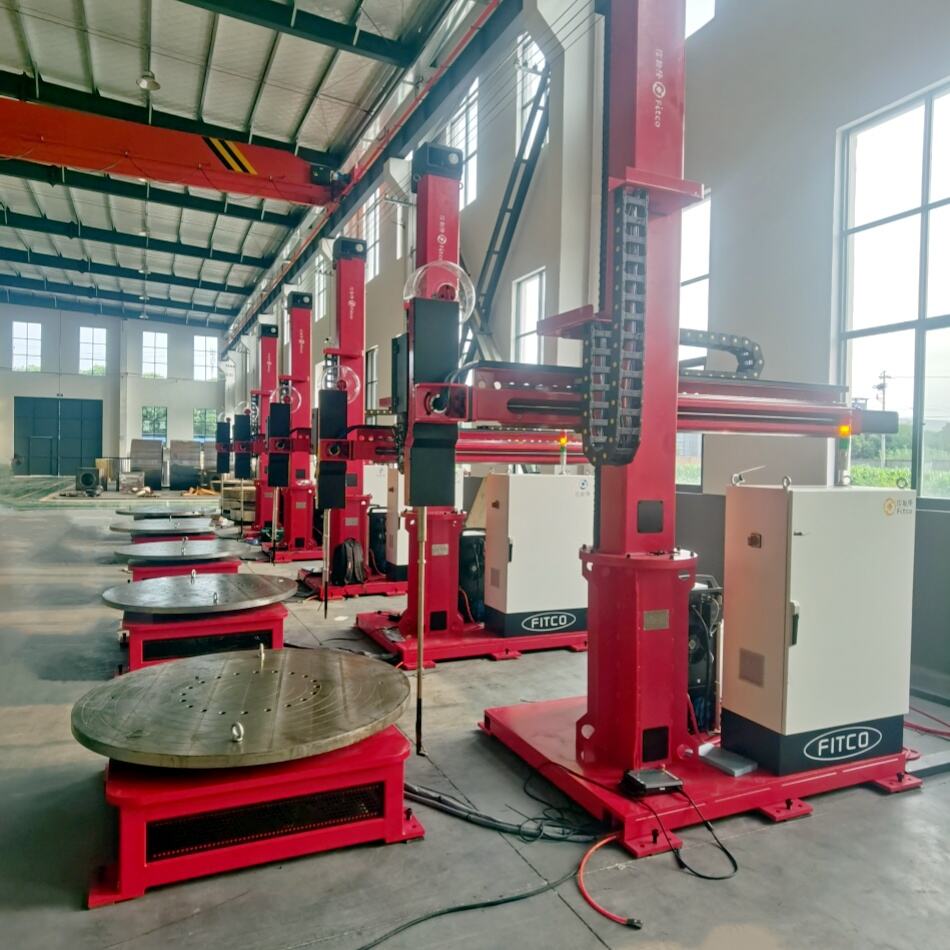
automatikus csőhegesztő rendszerek
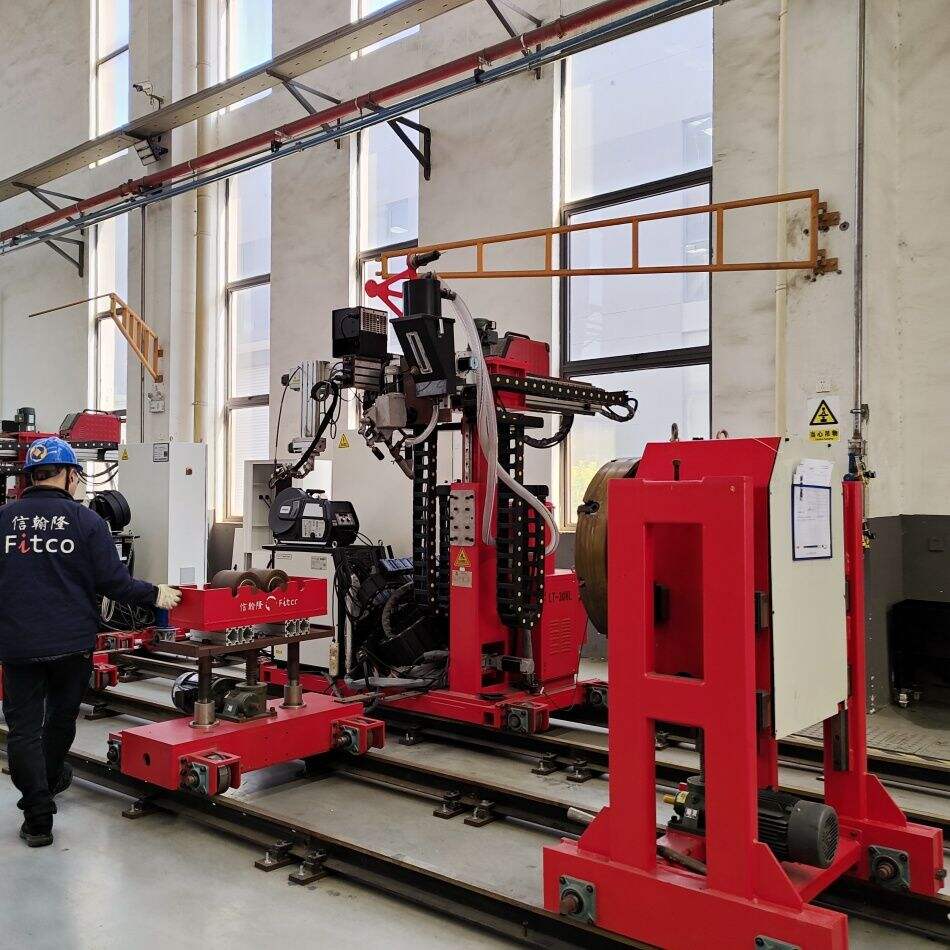
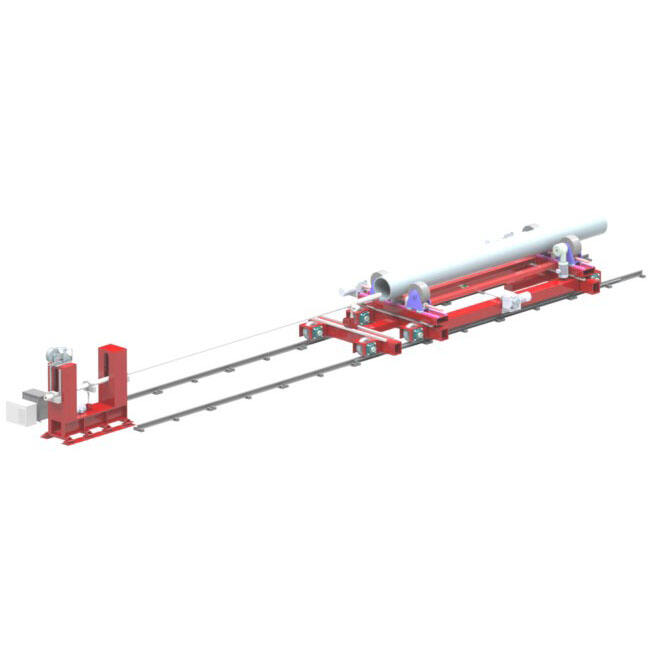
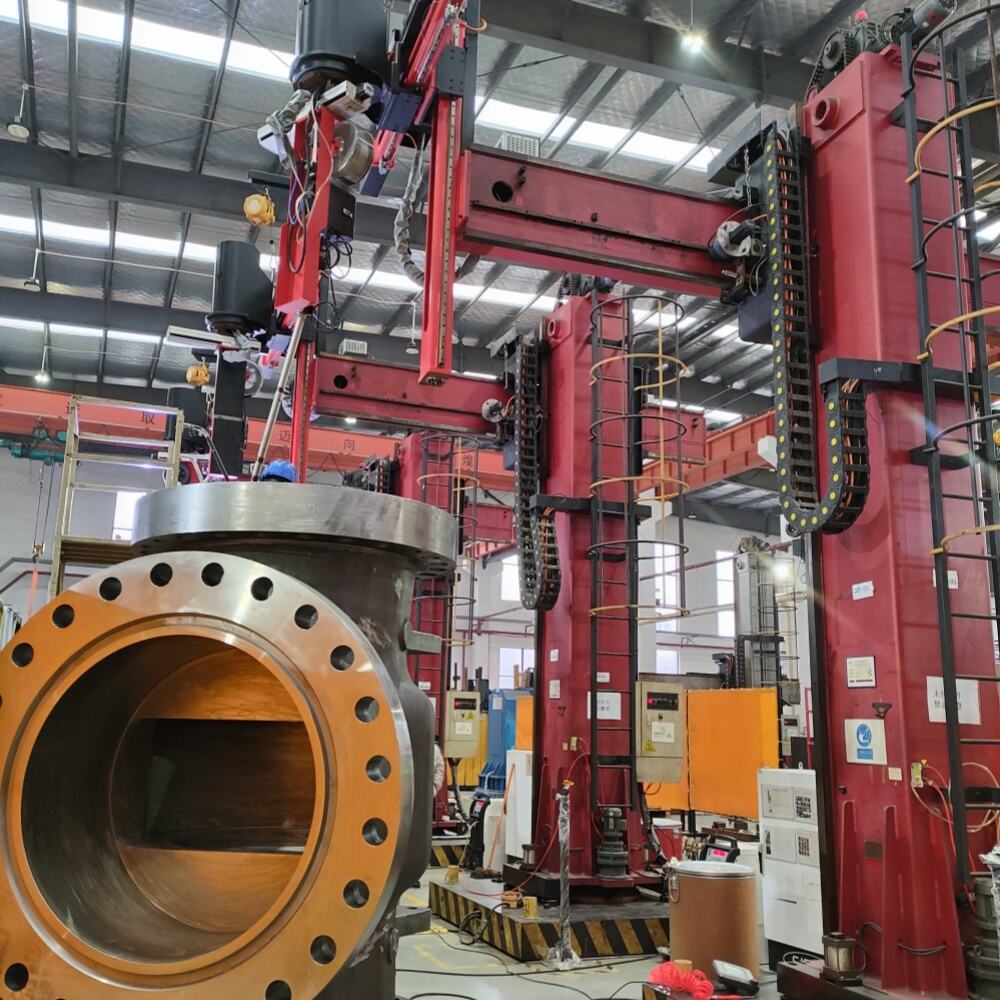
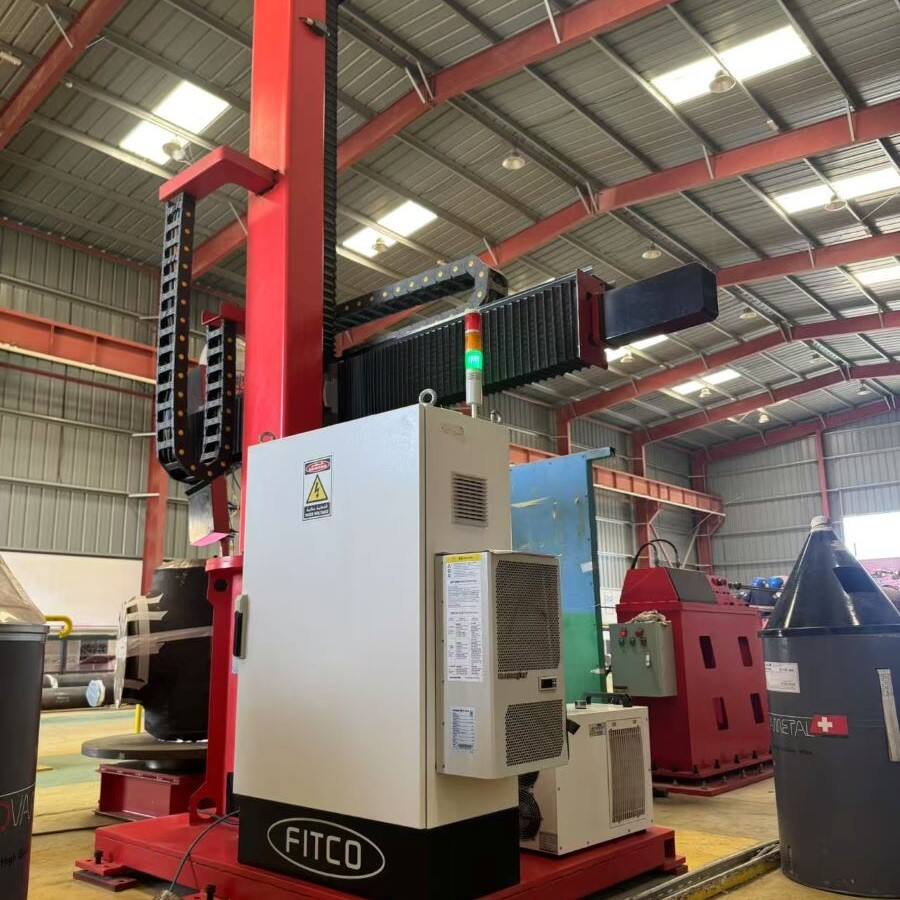
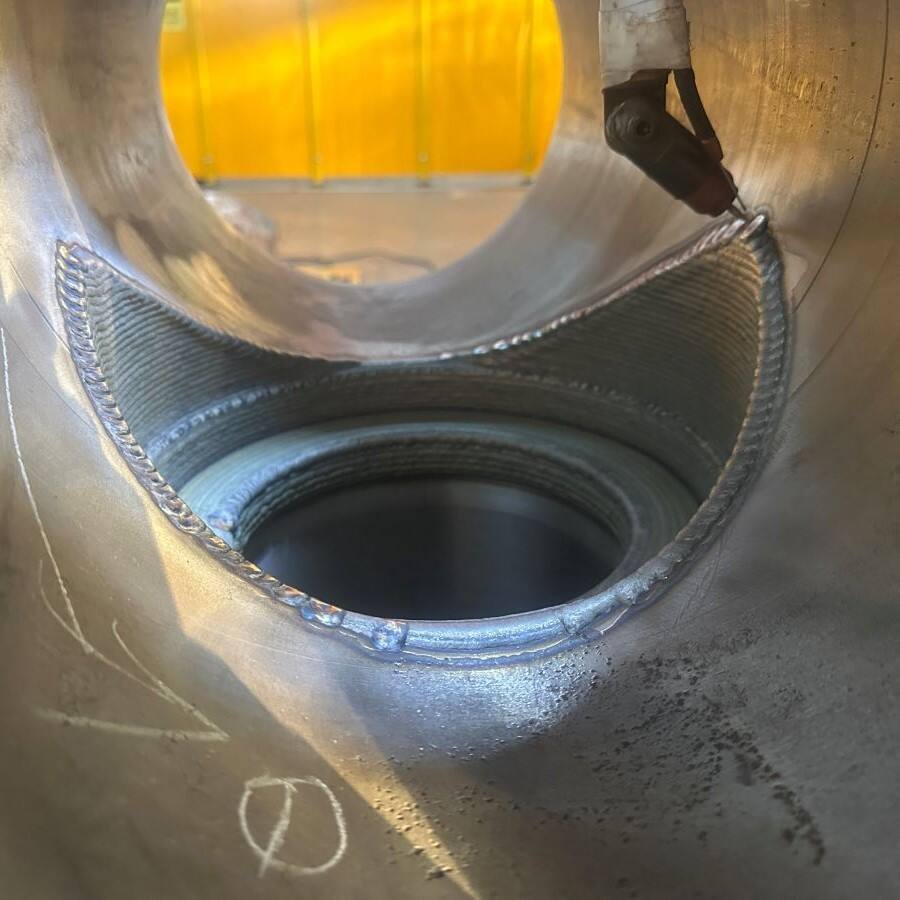
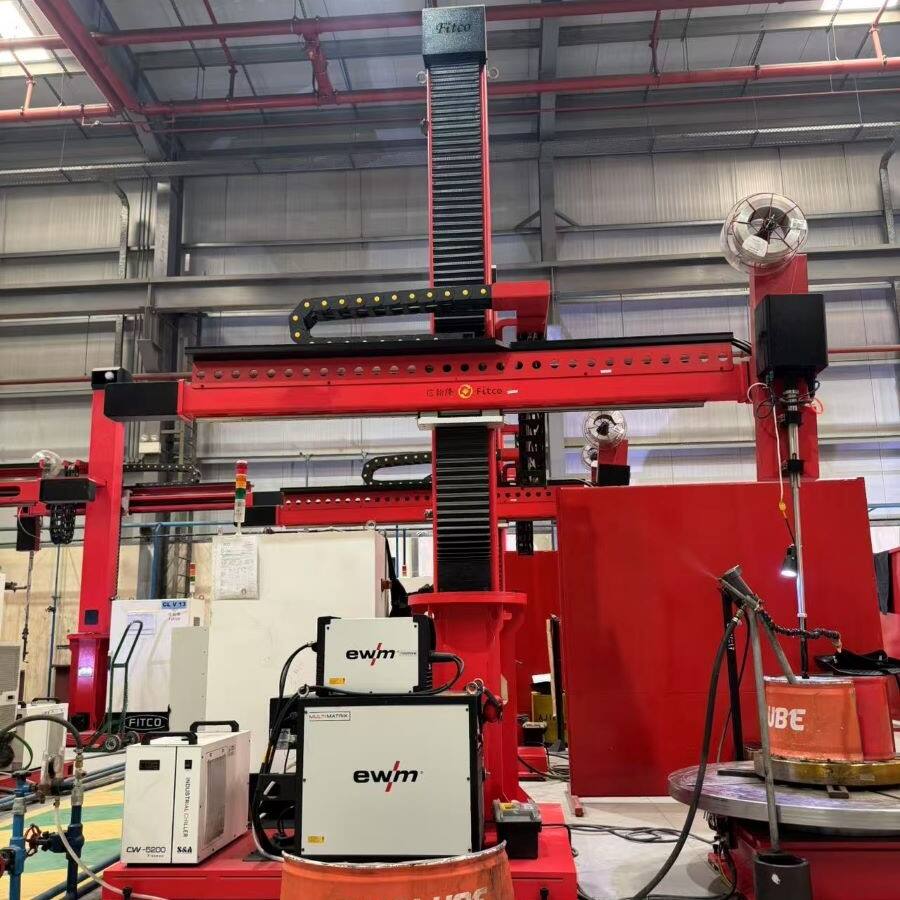
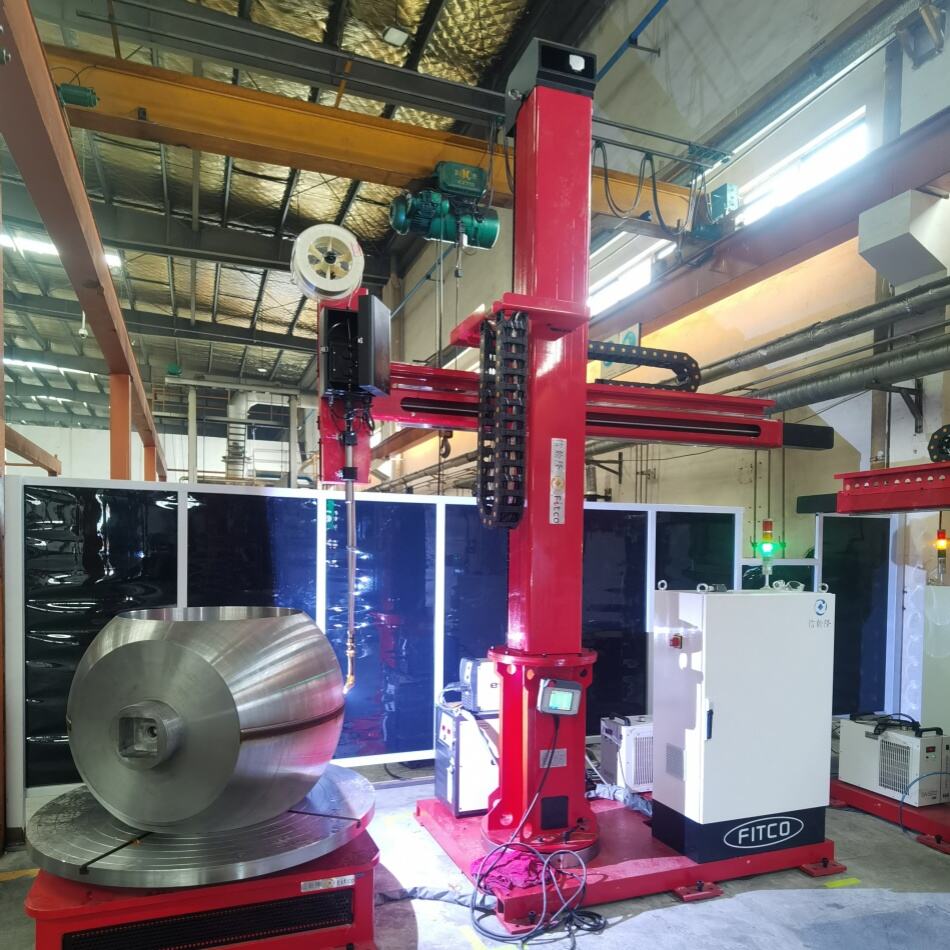
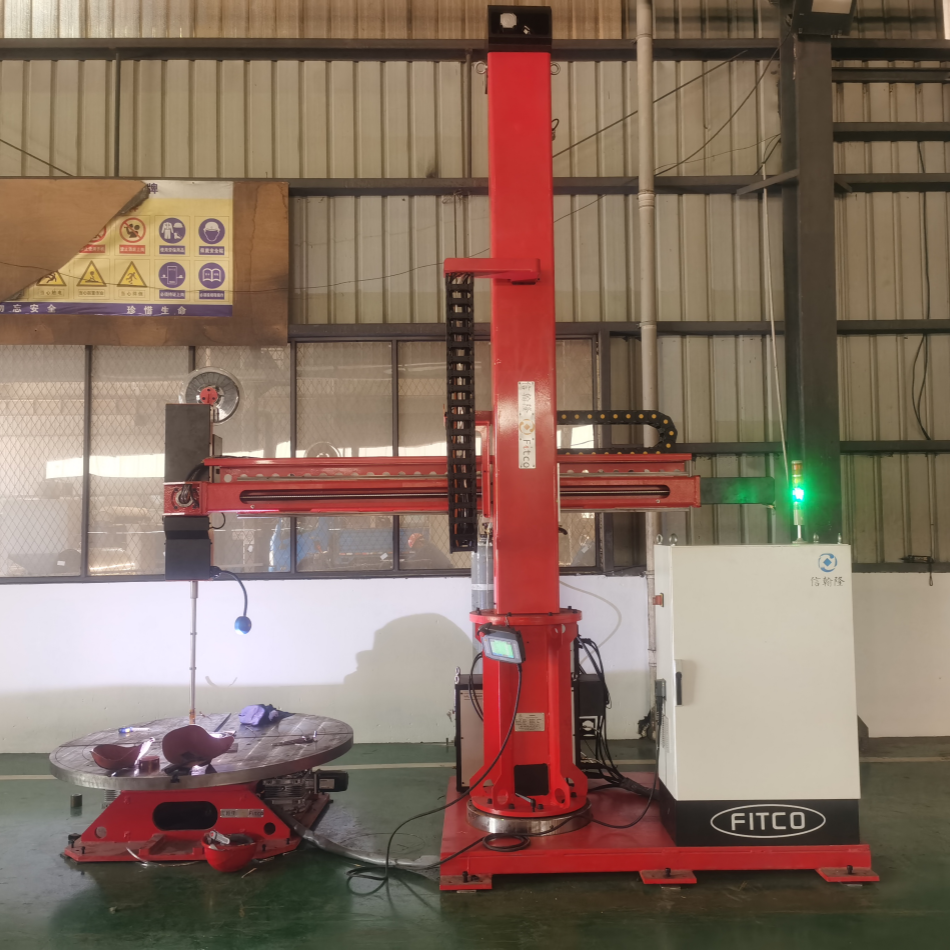
Az automatikus csőhegesztő rendszerek forradalmi fejlesztést jelentenek az ipari gyártástechnológiában, és átalakítják, ahogyan a vállalatok a csővezeték-építési és karbantartási projekteket megközelítik. Ezek a kifinomult gépek a precíziós mérnöki megoldásokat ötvözik a fejlett automatizálással, hogy egyenletes, magas minőségű hegesztéseket biztosítsanak különféle csőanyagokból és -konfigurációkból. Az automatikus csőhegesztő rendszerek alapfunkciója a minimális emberi beavatkozás melletti körkörös hegesztések végrehajtása, amelyet számítógéppel vezérelt folyamatok segítségével érnek el, így biztosítva az egyenletes hőeloszlást, az optimális haladási sebességet és a pontos elektróda-pozícionálást a teljes hegesztési ciklus során. A technológiai keretrendszer több érzékelőt, szervomotorokat és programozható logikai vezérlőket (PLC-ket) tartalmaz, amelyek figyelik a kritikus paramétereket, például az ívfeszültséget, a hegesztőáramot, a haladási sebességet és az illesztési előkészítési követelményeket. A modern automatikus csőhegesztő rendszerek adaptív vezérlési mechanizmusokkal rendelkeznek, amelyek a hegesztési környezetből érkező valós idejű visszajelzések alapján automatikusan módosítják a hegesztési paramétereket, így biztosítva az optimális behatolást és összeolvadási jellemzőket a csőfal vastagságának változásaitól vagy az illesztés geometriájának módosulásától függetlenül. Ezek a rendszerek általában forgó befogó mechanizmusokat tartalmaznak, amelyek rögzítik a csöveket a helyükön, miközben a hegesztőfej a körkerület mentén mozog, és így állandó távolságot (standoff distance) és égőszöget tartanak fenn az egész folyamat során. A fejlettebb modellek többmenetes hegesztési képességet is integrálnak, lehetővé téve a bonyolult illesztési konfigurációk hegesztését, amelyek gyökér-, kitöltő- és fedőmeneteket igényelnek, mindegyik réteghez különböző hegesztési paraméterekkel. Az automatikus csőhegesztő rendszerek alkalmazási területe számos iparágat ölel fel, köztük az olaj- és gázvezeték-építést, a petrokémiai létesítményeket, az erőműveket, a hajóépítést és az infrastruktúra-fejlesztési projekteket. Ezek a rendszerek kiválóan alkalmazhatók olyan környezetekben, ahol a hegesztési minőség egyenletessége, a termelékenységi igények és a biztonsági szempontok elsődlegesek a hagyományos kézi hegesztési módszerekkel szemben, ezért elengedhetetlen eszközök a modern ipari gyártási műveletekben.

 EN
EN
 AR
AR BG
BG HR
HR CS
CS DA
DA NL
NL FI
FI FR
FR DE
DE EL
EL HI
HI IT
IT JA
JA KO
KO NO
NO PL
PL PT
PT RO
RO RU
RU ES
ES SV
SV TL
TL IW
IW ID
ID LT
LT UK
UK SQ
SQ HU
HU TH
TH TR
TR FA
FA AF
AF CY
CY MK
MK LA
LA MN
MN KK
KK UZ
UZ KY
KY