Pontos vezérlés és egyenletes minőségű kiszállítás
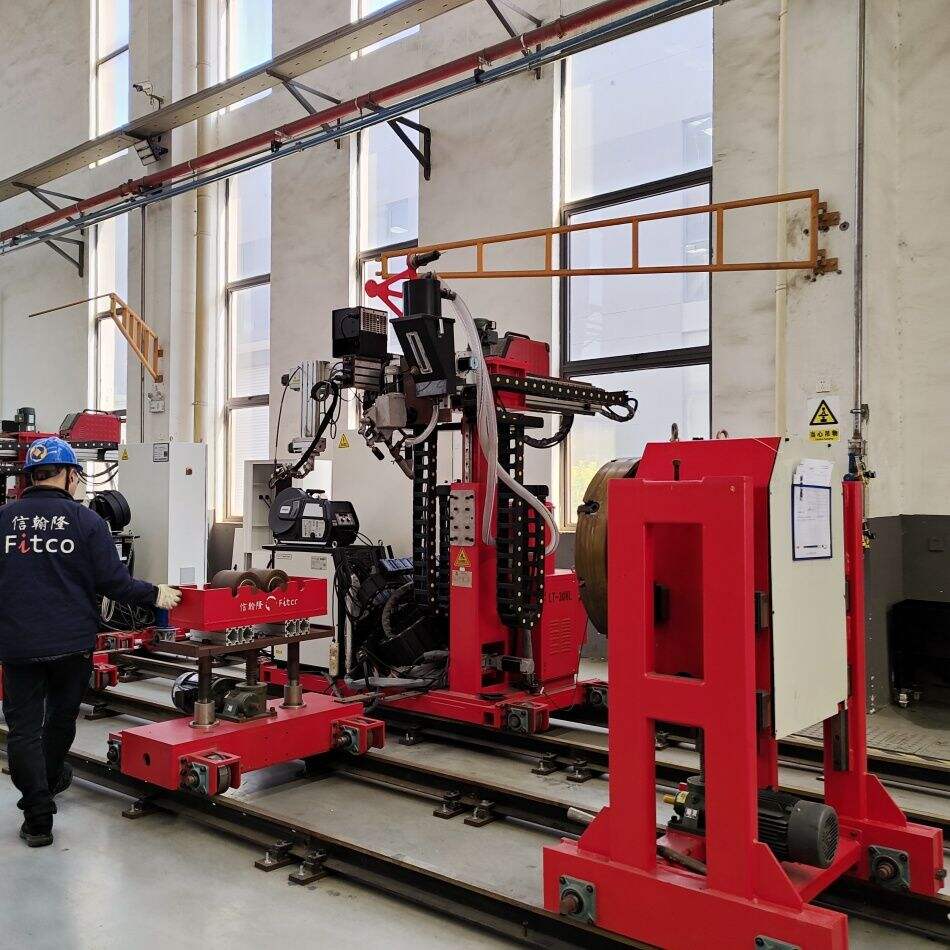
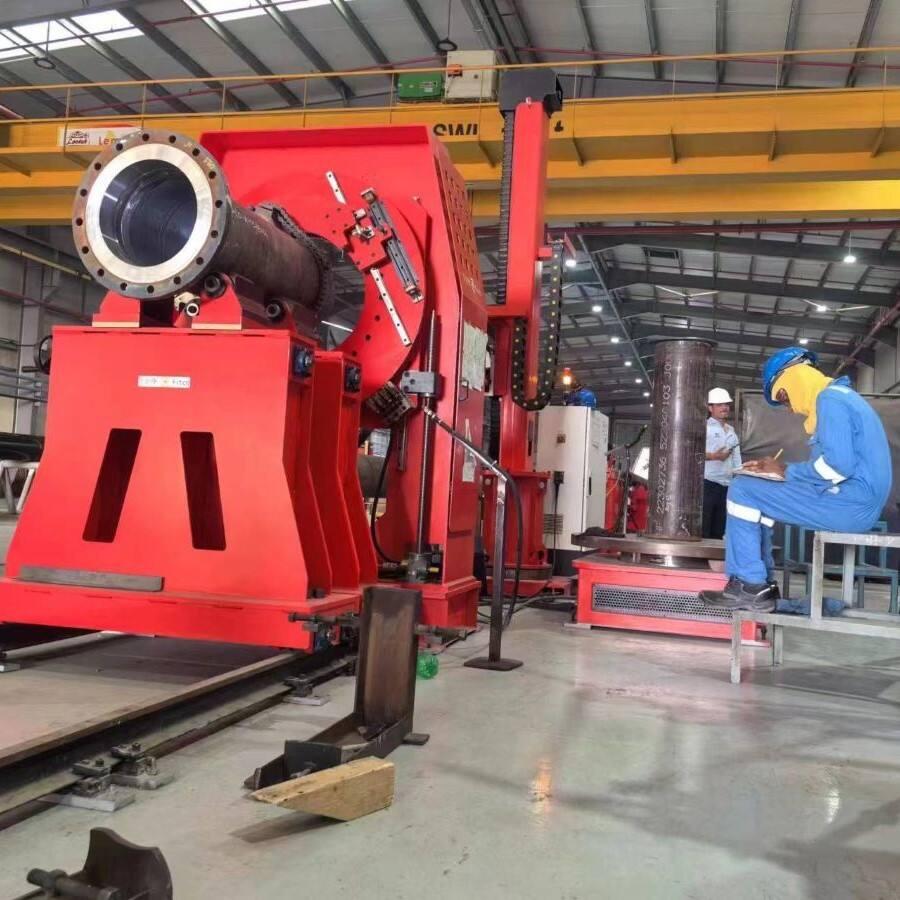
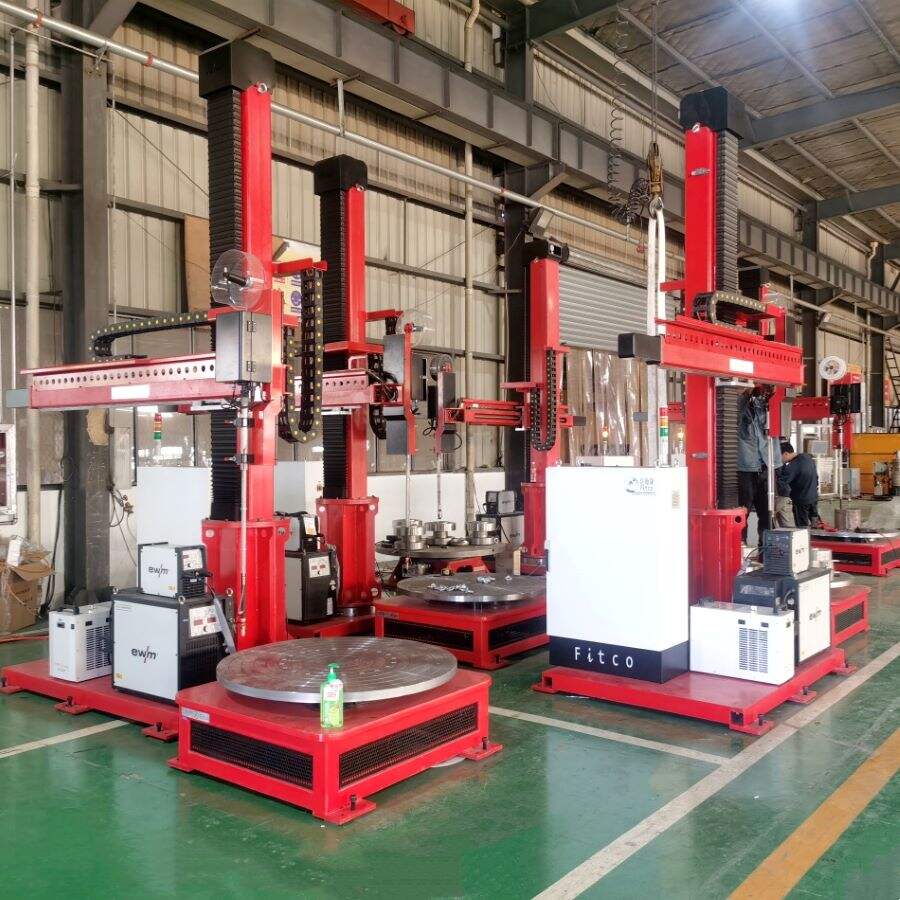
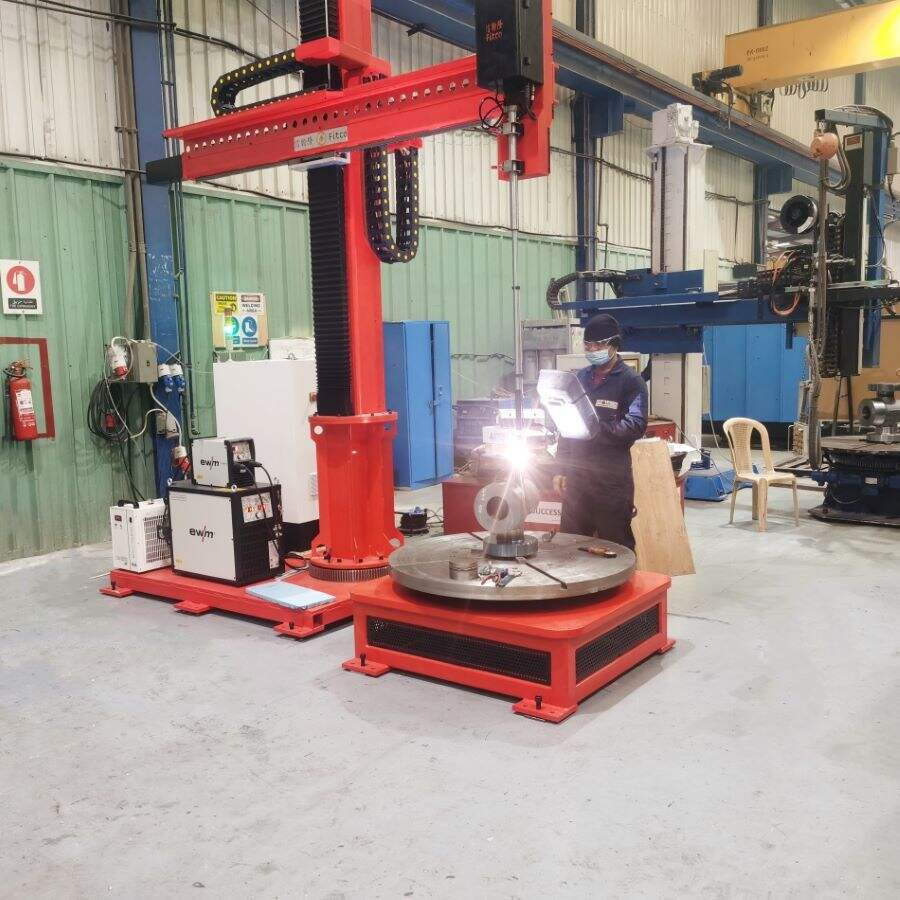
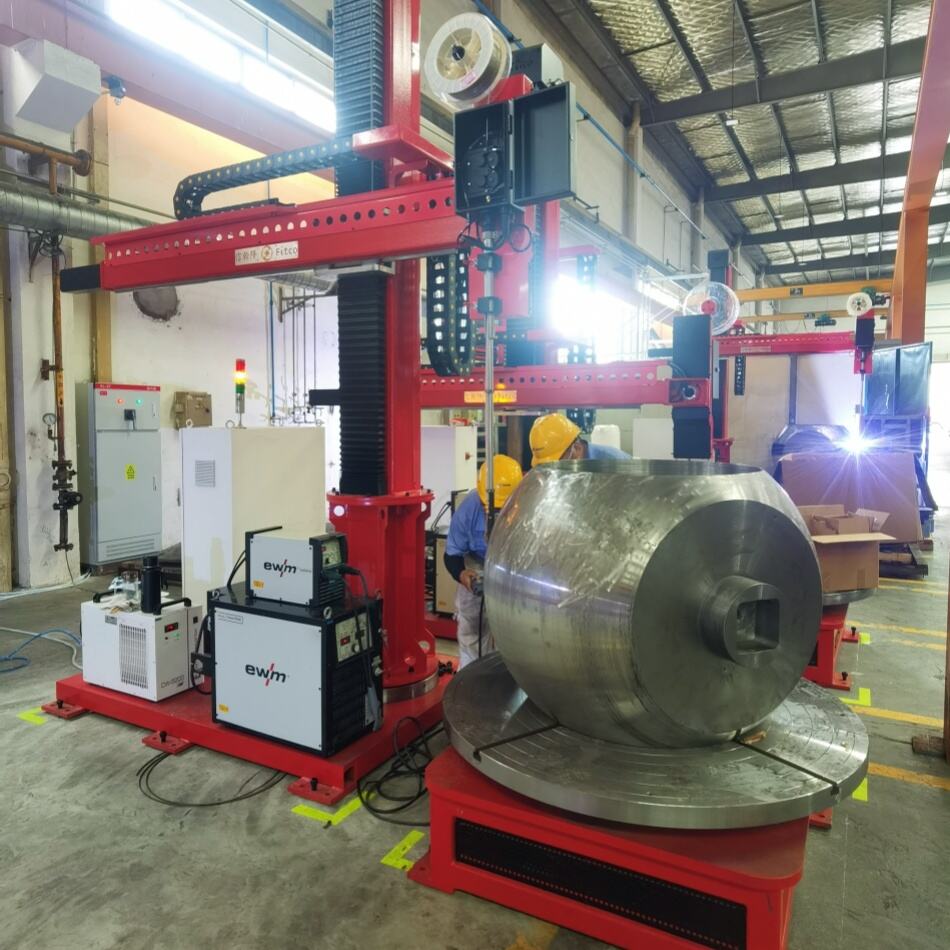
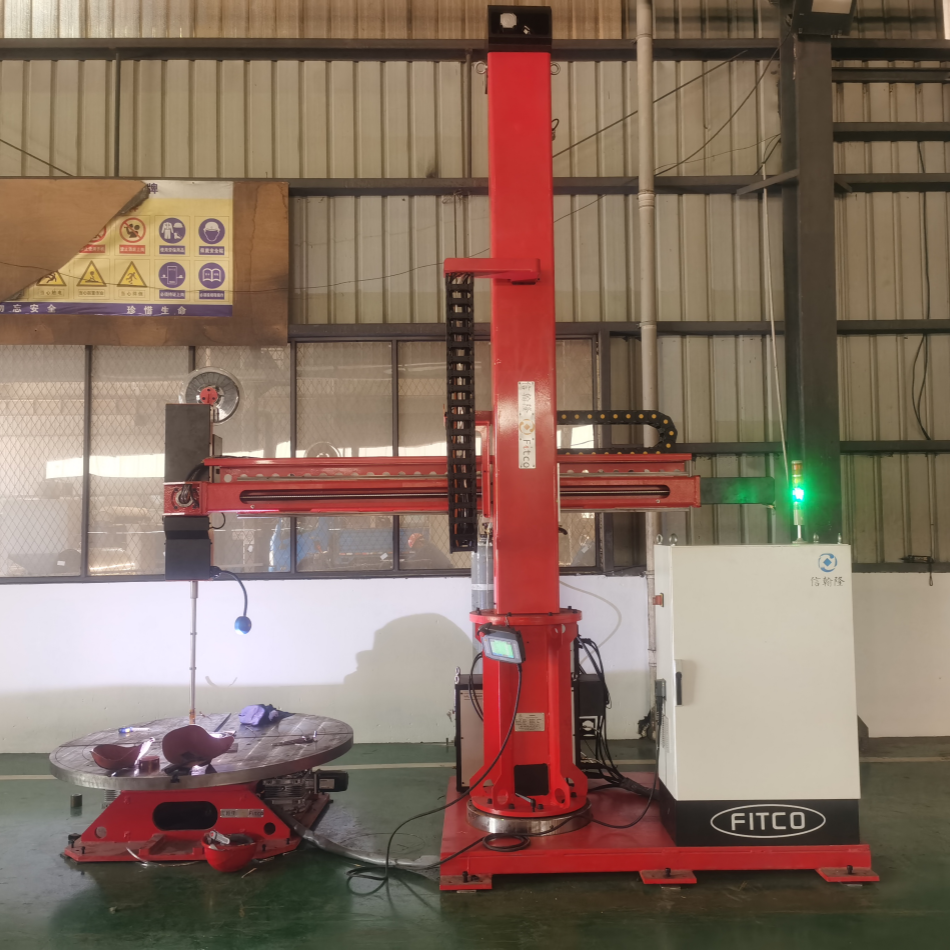
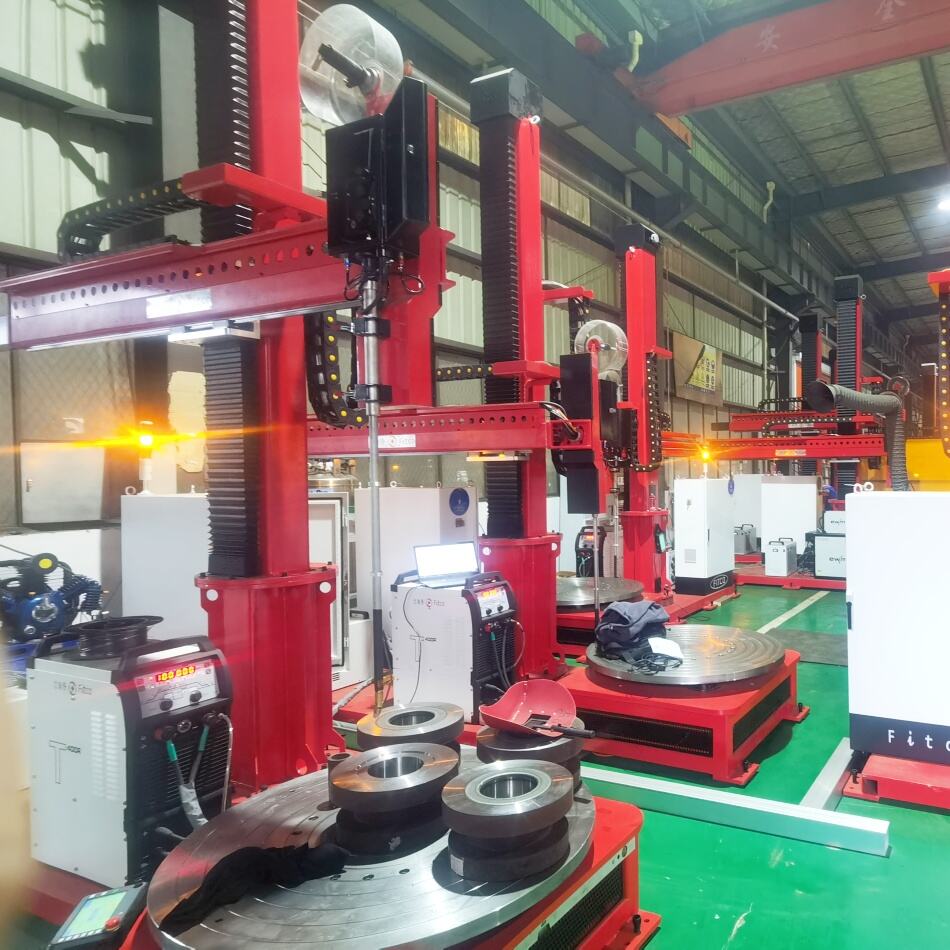
Az automatizált MIG-hegesztőrendszerek pontossági szabályozási képességei alapvető változást jelentenek a hagyományos hegesztési módszerekhez képest, és a gyártók számára eddig soha nem látott konzisztenciát biztosítanak a hegesztési minőségben és a méretbeli pontosságban. Ezek a fejlett rendszerek kifinomult visszacsatolási mechanizmusokat alkalmaznak, amelyek folyamatosan figyelik a kritikus hegesztési paramétereket – például az ívfeszültséget, a huzaladagolás sebességét, a haladási sebességet és a gázáramlás sebességét –, és valós idejű korrekciókat hajtanak végre az optimális hegesztési feltételek fenntartása érdekében az egész művelet során. A zárt hurkú szabályozási architektúra biztosítja, hogy minden hegesztési varrat pontosan ugyanakkora hőbevitelt, behatolási mélységet és varratprofil-t kapjon, függetlenül az operátor szaktudásától vagy azoktól környezeti tényezőktől, amelyek befolyásolhatnák a manuális hegesztési folyamatot. Ez a pontossági szint különösen értékes olyan alkalmazásokban, ahol a szerkezeti integritás és az esztétikai megjelenés döntő fontosságú, például autókarosszériák, építészeti fémmunkák vagy nyomástartó edények gyártása során. A konzisztens minőségkézbesítés nem csupán a hegesztési geometriára terjed ki, hanem a metallurgiai tulajdonságokra is kiterjed, mivel az automatizált MIG-hegesztőrendszerek pontosan szabályozzák a köztes hőmérsékleteket és a hűlési sebességeket, amelyek közvetlenül befolyásolják a kész hegesztés mechanikai tulajdonságait. Az automatizált MIG-hegesztőberendezésekbe integrált fejlett látási rendszerek valós idejű varratkövetést és adaptív szabályozást tesznek lehetővé, és automatikusan kiegyenlítik az alkatrészek eltéréseit, a varratréseket vagy az anyagtorzulásokat, amelyek manuális hegesztési folyamatokban veszélyeztethetnék a hegesztési minőséget. Az automatizált MIG-hegesztés előrejelezhető jellege lehetővé teszi a gyártók számára, hogy csökkentsék a tervezési számításokban alkalmazott biztonsági tényezőket, ami potenciálisan könnyebb szerkezetek kialakítását teszi lehetővé anélkül, hogy a teljesítményt vagy a megbízhatóságot vesztenék. A minőségdokumentáció zavartalanul megvalósítható az automatizált MIG-hegesztőrendszerekkel, amelyek rögzítik minden egyes hegesztési paramétert, így átfogó nyomon követhetőségi dokumentumokat hoznak létre, amelyek megfelelnek a szigorú minőségirányítási rendszereknek és a szabályozási követelményeknek. Az emberi változékonyságot okozó tényezők – például a fáradtság, a figyelemelterelés vagy a szaktudásbeli különbségek – kiküszöbölése biztosítja, hogy a nap első hegesztése ugyanolyan minőségi jellemzőkkel rendelkezzen, mint az utolsó, így a gyártók bizalommal garantálhatják ügyfeleiknek a termékek konzisztens teljesítményét, miközben csökkennek a minőségellenőrzési igények és a minőségirányítási költségek.

 EN
EN
 AR
AR BG
BG HR
HR CS
CS DA
DA NL
NL FI
FI FR
FR DE
DE EL
EL HI
HI IT
IT JA
JA KO
KO NO
NO PL
PL PT
PT RO
RO RU
RU ES
ES SV
SV TL
TL IW
IW ID
ID LT
LT UK
UK SQ
SQ HU
HU TH
TH TR
TR FA
FA AF
AF CY
CY MK
MK LA
LA MN
MN KK
KK UZ
UZ KY
KY