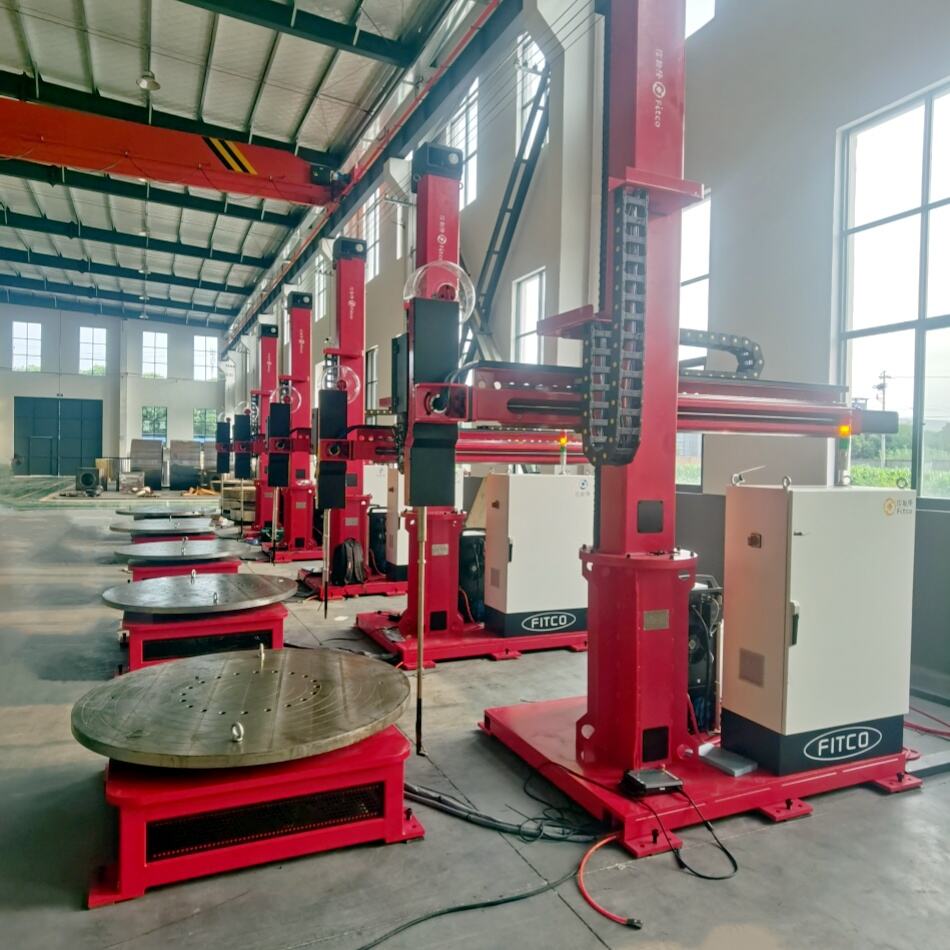
Advanced Automatic Welding Pipeline Solutions - Enhanced Productivity & Quality Control

Contact me immediately if you encounter problems!

All Categories

Get a Free Quote

Our representative will contact you soon.
Email
Mobile/WhatsApp
Name
Company Name
Message
0/1000

Get a Free Quote

Our representative will contact you soon.
Email
Mobile/WhatsApp
Name
Company Name
Message
0/1000

automatic welding pipeline

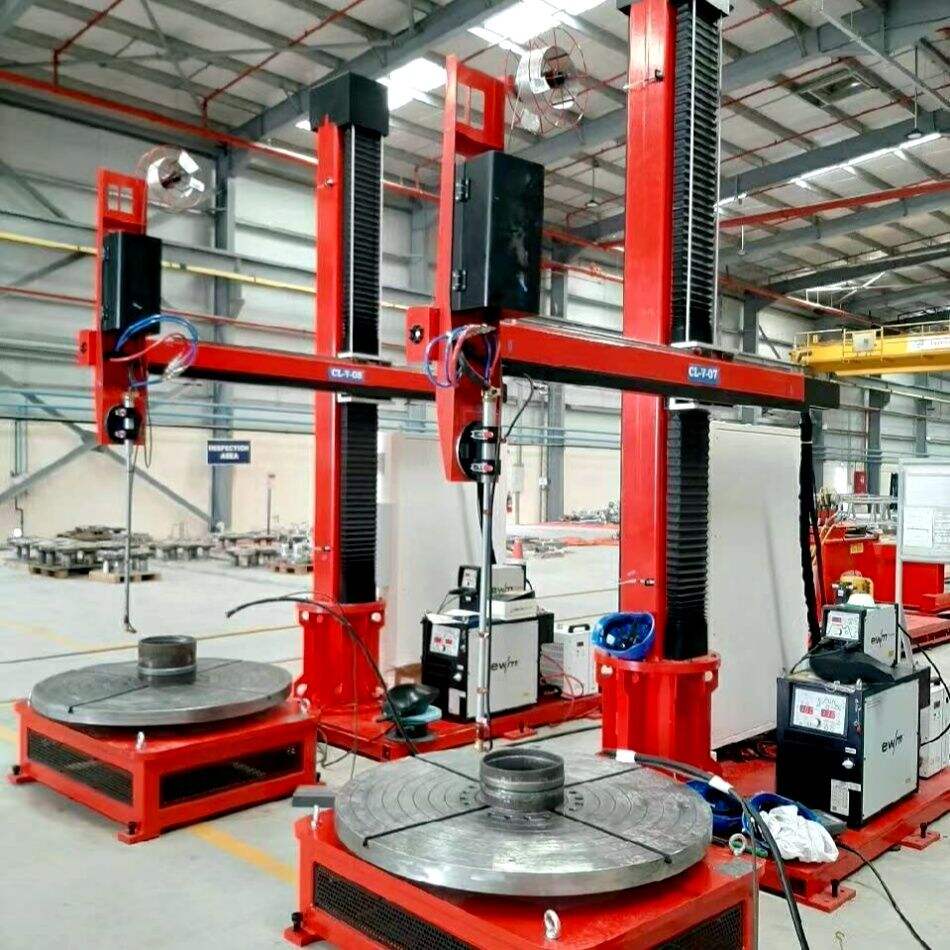
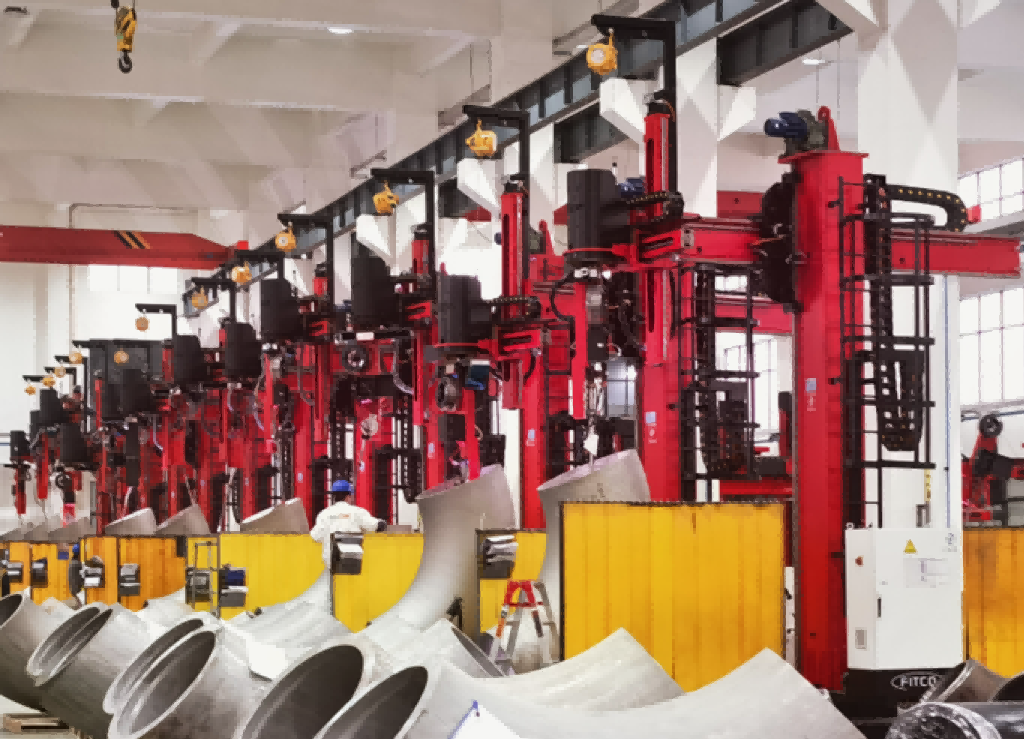
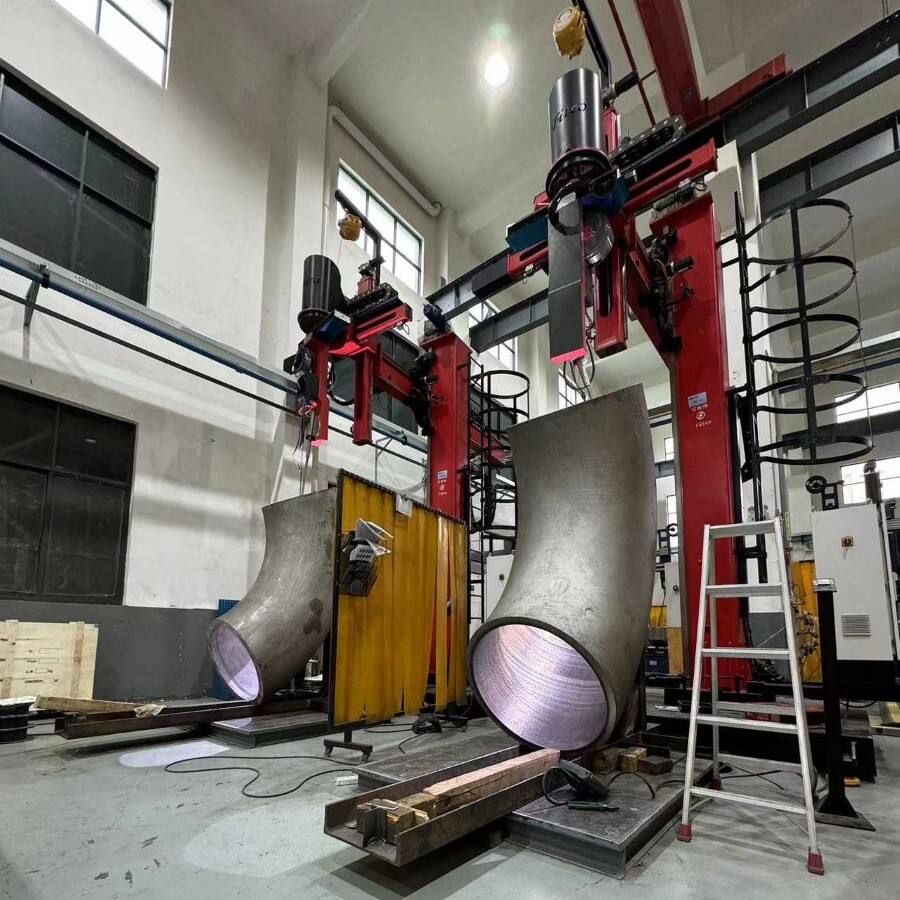
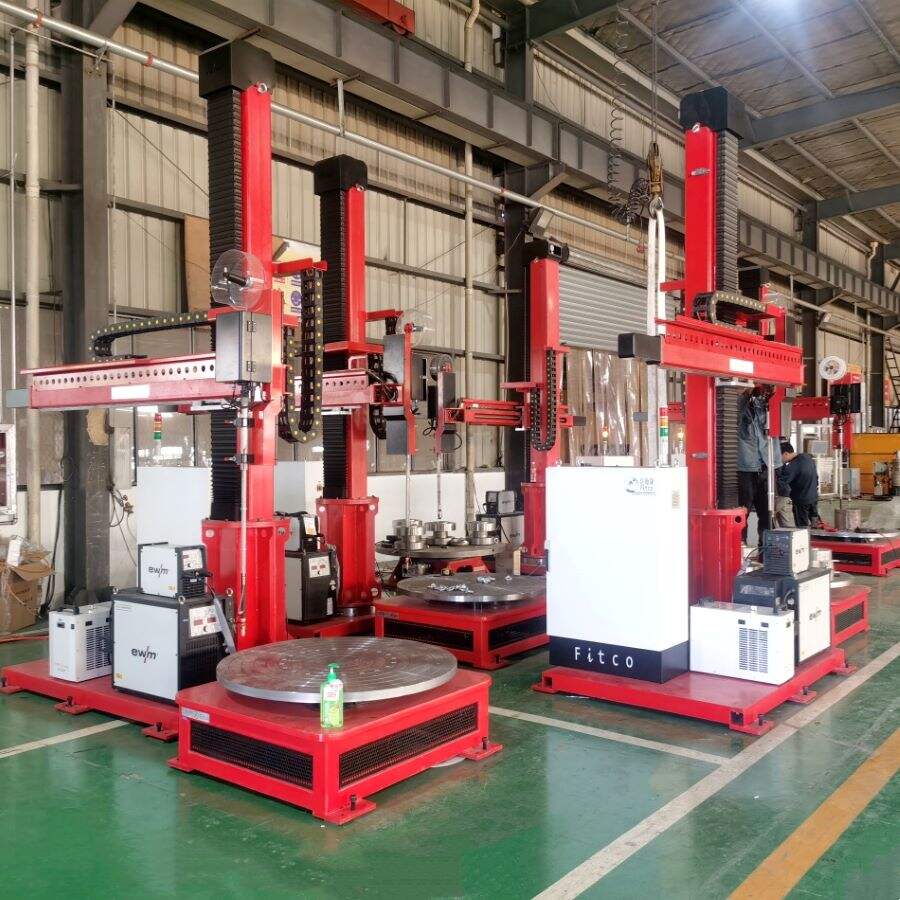
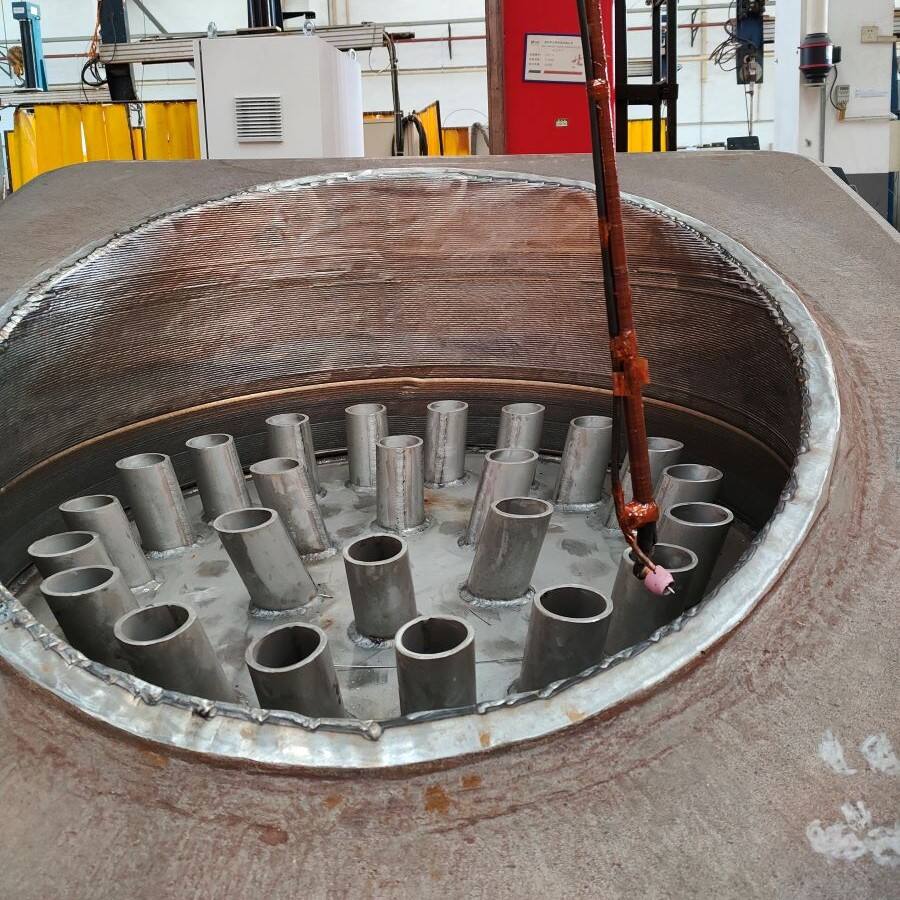
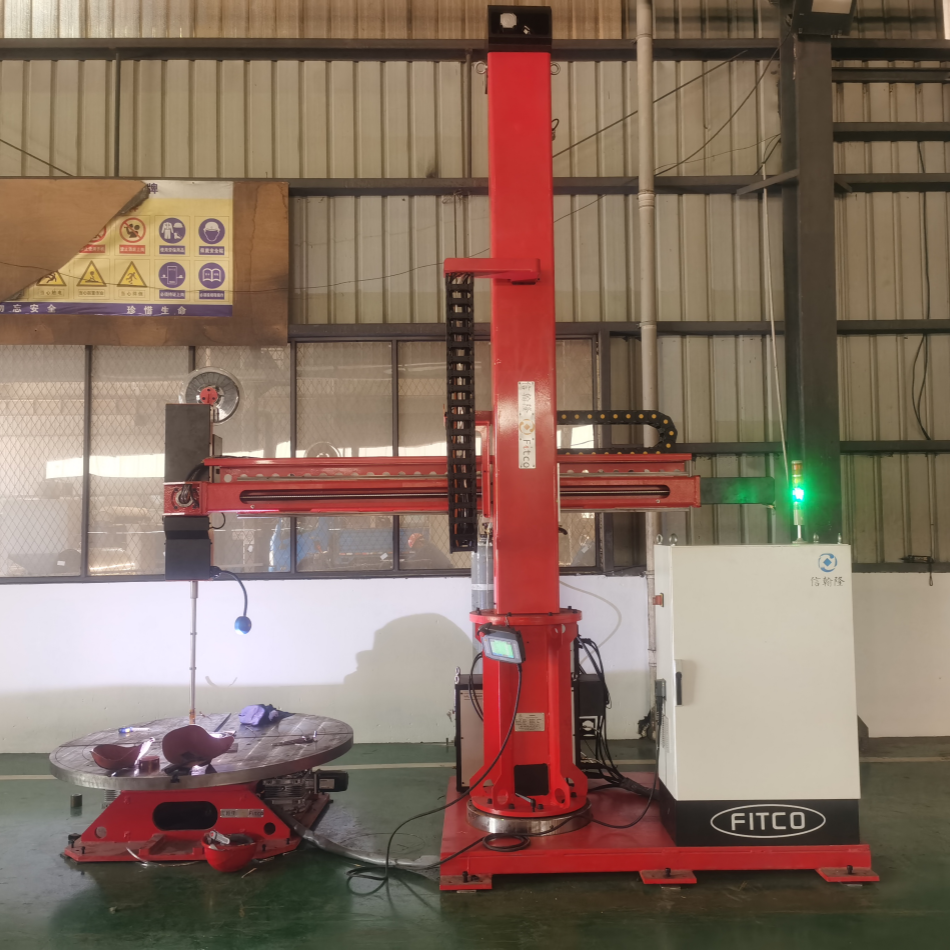
The automatic welding pipeline represents a revolutionary advancement in industrial manufacturing, designed to streamline and enhance welding operations across various sectors. This sophisticated system integrates cutting-edge technology with precision engineering to deliver consistent, high-quality welds while minimizing human intervention. The automatic welding pipeline consists of multiple interconnected components including robotic welding arms, conveyor systems, quality control sensors, and advanced control software that work together seamlessly. The primary function of this system involves transporting workpieces through predetermined welding stations where automated equipment performs precise welding operations according to programmed specifications. The technological features of the automatic welding pipeline include real-time monitoring capabilities, adaptive welding parameters, and intelligent feedback systems that adjust operations based on material properties and environmental conditions. Advanced sensors continuously monitor welding quality, detecting potential defects and making immediate corrections to ensure optimal results. The system employs sophisticated algorithms that optimize welding speed, temperature, and electrode positioning for each specific application. Applications for the automatic welding pipeline span across numerous industries including automotive manufacturing, shipbuilding, construction, aerospace, and heavy machinery production. In automotive assembly lines, these systems weld chassis components, body panels, and structural elements with remarkable precision and speed. The construction industry utilizes automatic welding pipelines for fabricating steel beams, structural frameworks, and pipeline infrastructure. Aerospace manufacturers rely on these systems for creating critical components that demand exceptional quality and consistency. The automatic welding pipeline also finds extensive use in producing pressure vessels, storage tanks, and industrial equipment where weld integrity is paramount for safety and performance.

New Product Releases

The automatic welding pipeline offers numerous compelling advantages that transform manufacturing operations and deliver substantial value to businesses seeking enhanced productivity and quality. Enhanced precision stands as one of the most significant benefits, as the automatic welding pipeline consistently produces welds with tolerances that surpass manual welding capabilities. This precision translates directly into improved product quality and reduced rejection rates, ultimately saving costs and enhancing customer satisfaction. The system operates with remarkable speed, completing welding tasks significantly faster than traditional manual methods while maintaining superior quality standards throughout the process. Consistency represents another crucial advantage, as the automatic welding pipeline eliminates human variability and produces identical results across thousands of welding operations. This consistency ensures that every product meets exact specifications, reducing quality control concerns and minimizing the need for rework or repairs. Cost efficiency emerges as a major benefit through reduced labor requirements, decreased material waste, and improved resource utilization. The automatic welding pipeline operates continuously with minimal supervision, allowing companies to maximize production output while controlling operational expenses. Safety improvements constitute a critical advantage, as the system removes operators from hazardous welding environments, reducing exposure to harmful fumes, intense heat, and potential accidents. The automated nature of the system ensures compliance with safety regulations while protecting valuable human resources from workplace injuries. Flexibility and adaptability allow the automatic welding pipeline to handle diverse welding requirements without extensive reconfiguration, making it suitable for varied production needs and custom applications. The system can quickly switch between different welding parameters, accommodate various material types, and adjust to changing production demands without significant downtime. Quality assurance features built into the automatic welding pipeline provide real-time monitoring and documentation, ensuring traceability and compliance with industry standards. These systems generate comprehensive reports that support quality certification processes and regulatory compliance requirements. The automatic welding pipeline also delivers environmental benefits through optimized energy consumption, reduced waste generation, and improved resource efficiency compared to traditional welding methods.

Tips And Tricks

Can MIG Welding Equipment Increase Precision in Automotive Repairs?

27

Nov

Can MIG Welding Equipment Increase Precision in Automotive Repairs?

The automotive repair industry demands exceptional precision and quality, especially when working on critical structural components and body panels. Modern repair shops are increasingly turning to advanced welding technologies to meet these stringent...
View More
Why igbt inverter welder Technology is the Industry Standard in 2026

16

Mar

Why igbt inverter welder Technology is the Industry Standard in 2026

The welding industry has undergone a transformative evolution, with igbt inverter welder technology emerging as the definitive standard for professional and industrial applications in 2026. This revolutionary advancement represents a fundamental shif...
View More
How Can a TIG Welder Deliver Cleaner Industrial Welds?

22

Dec

How Can a TIG Welder Deliver Cleaner Industrial Welds?

Industrial welding operations demand precision, reliability, and exceptional quality standards that can make or break critical infrastructure projects. Among the various welding technologies available today, tungsten inert gas welding stands out as a...
View More
How to Calibrate Your mig welding equipment for Pulse Welding

16

Mar

How to Calibrate Your mig welding equipment for Pulse Welding

Calibrating mig welding equipment for pulse welding requires precise adjustments to achieve optimal arc characteristics and weld quality. This specialized process involves fine-tuning multiple parameters including pulse frequency, peak current, backg...
View More

Get a Free Quote

Our representative will contact you soon.
Email
Mobile/WhatsApp
Name
Company Name
Message
0/1000

automatic welding pipeline

Advanced Quality Control and Real-Time Monitoring

Advanced Quality Control and Real-Time Monitoring

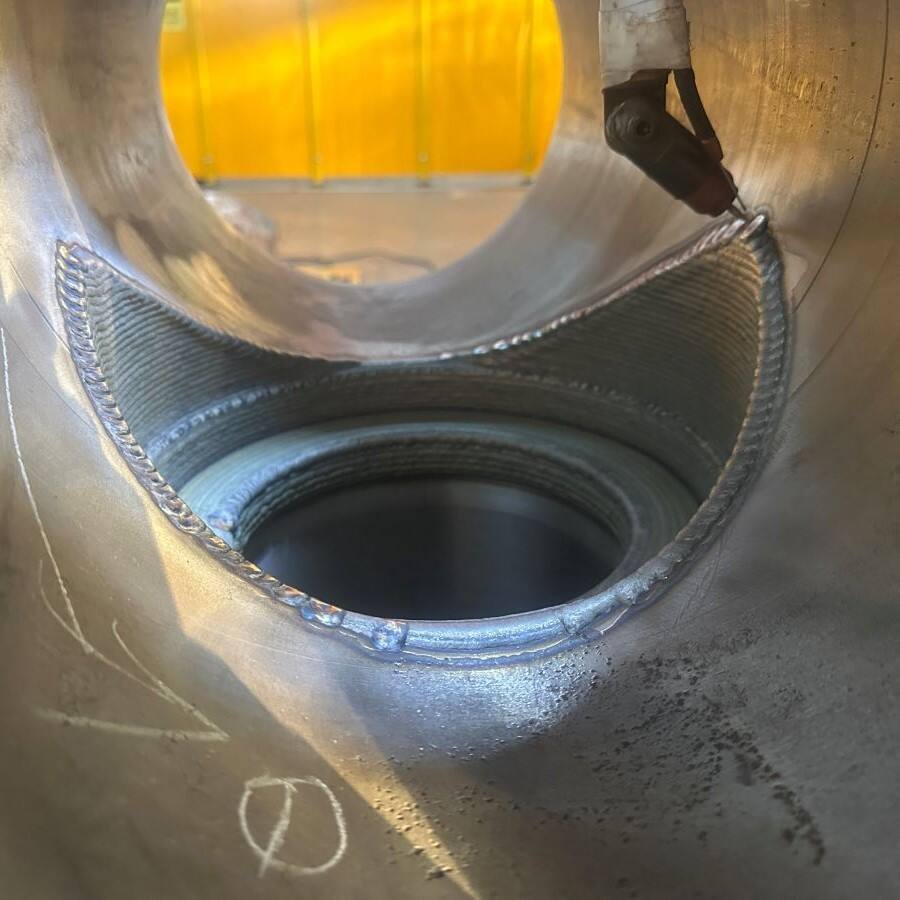
The automatic welding pipeline incorporates sophisticated quality control systems that continuously monitor every aspect of the welding process, ensuring exceptional results and immediate detection of potential issues. This comprehensive monitoring capability represents a fundamental advantage over traditional welding methods, providing manufacturers with unprecedented visibility into their production processes. The system employs multiple sensor technologies including thermal imaging cameras, ultrasonic testing equipment, and visual inspection systems that work together to evaluate weld quality in real-time. These sensors continuously analyze parameters such as penetration depth, bead width, heat distribution, and material fusion characteristics, comparing actual results against predetermined specifications. When deviations are detected, the automatic welding pipeline immediately adjusts welding parameters or alerts operators to potential problems, preventing defective products from progressing through the production line. The real-time monitoring capability extends beyond basic quality control to include predictive maintenance features that analyze equipment performance trends and identify potential maintenance needs before failures occur. This proactive approach minimizes unexpected downtime and ensures consistent production output. The system generates comprehensive documentation for each welded joint, creating detailed records that support quality certification processes and regulatory compliance requirements. This documentation capability proves invaluable for industries with strict quality standards such as aerospace, nuclear, and medical device manufacturing. The automatic welding pipeline also incorporates machine learning algorithms that continuously improve performance by analyzing historical data and optimizing welding parameters based on observed results. This intelligent adaptation ensures that the system becomes more efficient and accurate over time, delivering increasing value to manufacturers. The quality control features of the automatic welding pipeline provide manufacturers with confidence in their products while reducing the costs associated with quality inspections, rework, and customer returns.
Exceptional Productivity and Operational Efficiency

Exceptional Productivity and Operational Efficiency

The automatic welding pipeline delivers transformative productivity improvements that revolutionize manufacturing operations and provide substantial competitive advantages to businesses across various industries. This remarkable efficiency stems from the system's ability to operate continuously at optimal speeds while maintaining consistent quality standards that exceed manual welding capabilities. The automatic welding pipeline eliminates the time constraints associated with human operators, including breaks, shift changes, and fatigue-related slowdowns, enabling manufacturers to achieve round-the-clock production when required. The system's sophisticated programming allows for precise control of welding speed, electrode movement, and process parameters, optimizing cycle times while ensuring perfect weld quality. Unlike manual welding operations that may experience variations in speed and quality due to operator skill levels, the automatic welding pipeline maintains consistent performance throughout extended production runs. The efficiency benefits extend to material utilization, as the system's precise control minimizes waste generation and reduces consumable costs. Advanced path planning algorithms optimize electrode movement patterns, reducing unnecessary travel time and maximizing productive welding time. The automatic welding pipeline also streamlines workflow management by automatically coordinating with upstream and downstream processes, eliminating bottlenecks and reducing handling time between operations. Integration with enterprise resource planning systems enables seamless production scheduling and inventory management, further enhancing operational efficiency. The system's ability to handle multiple welding tasks simultaneously through parallel processing capabilities multiplies productivity gains, allowing manufacturers to complete complex assemblies in significantly reduced timeframes. Maintenance efficiency receives equal attention, with diagnostic systems that monitor component health and schedule maintenance activities during planned downtime periods. This strategic approach to maintenance prevents unexpected failures that could disrupt production schedules and compromise delivery commitments. The automatic welding pipeline transforms manufacturing economics by delivering higher output volumes with reduced operational costs, enabling businesses to respond effectively to market demands while maintaining profitability.
Comprehensive Safety Enhancement and Risk Mitigation

Comprehensive Safety Enhancement and Risk Mitigation

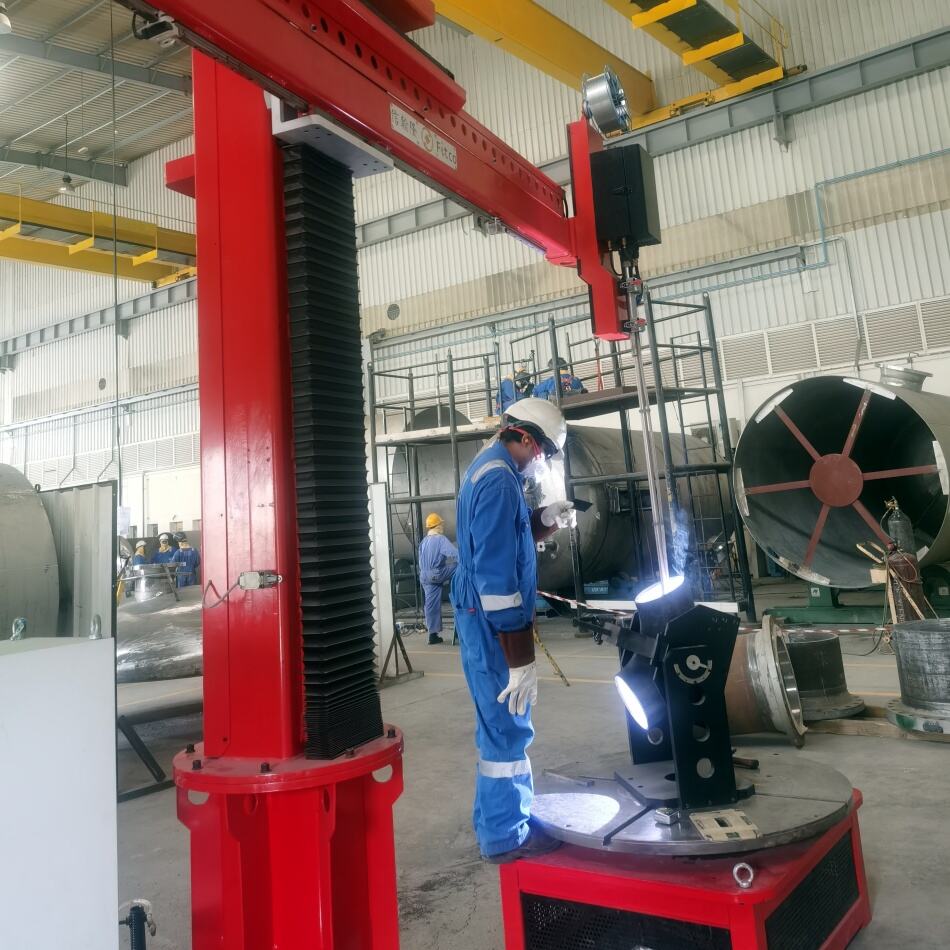
The automatic welding pipeline prioritizes worker safety through comprehensive design features that eliminate exposure to hazardous welding environments while maintaining exceptional operational performance. This safety-focused approach addresses multiple risk factors associated with traditional welding operations, including exposure to harmful fumes, intense heat, electrical hazards, and repetitive motion injuries. The automated system removes human operators from direct contact with welding arcs, reducing risks of burns, eye damage, and respiratory problems caused by welding fumes and ultraviolet radiation exposure. Advanced ventilation systems integrated within the automatic welding pipeline effectively capture and filter welding emissions, maintaining clean air quality in manufacturing facilities and protecting both operators and nearby personnel from harmful contaminants. The system incorporates multiple safety interlocks and emergency shutdown procedures that immediately halt operations when safety sensors detect potential hazards or unauthorized access to work areas. These safety features comply with international safety standards and regulatory requirements, ensuring that manufacturers maintain safe working environments while avoiding potential liability issues. Ergonomic benefits emerge as workers transition from physically demanding manual welding tasks to system monitoring and maintenance roles that reduce physical strain and repetitive motion injuries. The automatic welding pipeline includes comprehensive safety training programs that educate personnel on proper system operation, emergency procedures, and maintenance protocols, ensuring safe interaction with automated equipment. Fire prevention systems monitor welding areas for potential ignition sources and automatically activate suppression systems when necessary, protecting valuable equipment and facility infrastructure. The system's enclosed design contains sparks, spatter, and heat within controlled environments, preventing accidental fires and reducing facility insurance costs. Noise reduction features minimize exposure to harmful sound levels typically associated with welding operations, creating more comfortable working conditions for personnel throughout the facility. The automatic welding pipeline also enhances safety through consistent process control that eliminates variations in welding parameters that could create safety hazards or structural weaknesses in welded products. This reliability ensures that finished products meet safety specifications and perform as intended in their final applications.

Get a Free Quote

Our representative will contact you soon.
Email
Mobile/WhatsApp
Name
Company Name
Message
0/1000