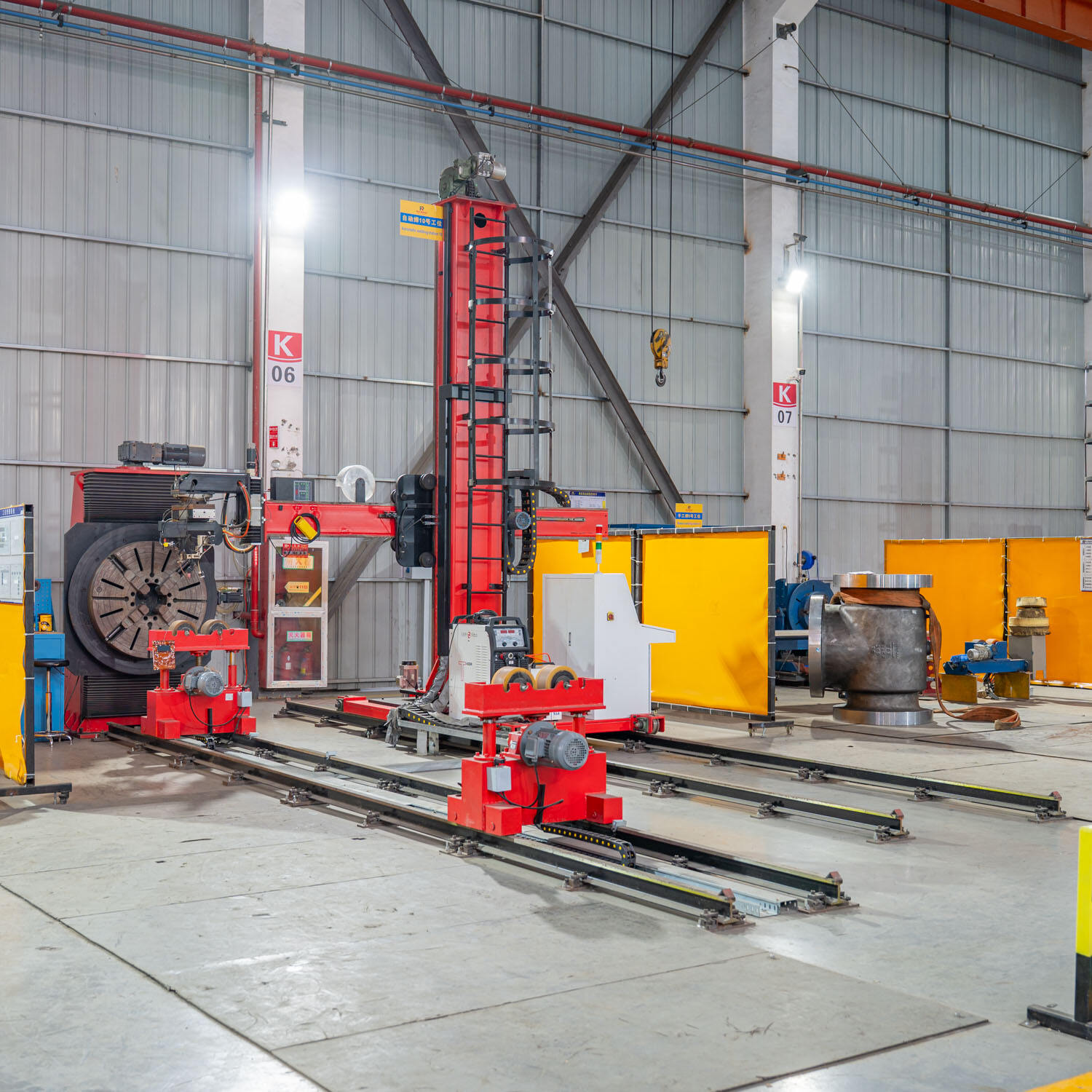
TIG Pipe Cladding Solutions: Advanced Corrosion Protection for Industrial Applications

Contact me immediately if you encounter problems!

All Categories

Get a Free Quote

Our representative will contact you soon.
Email
Mobile/WhatsApp
Name
Company Name
Message
0/1000

Get a Free Quote

Our representative will contact you soon.
Email
Mobile/WhatsApp
Name
Company Name
Message
0/1000

tig pipe cladding

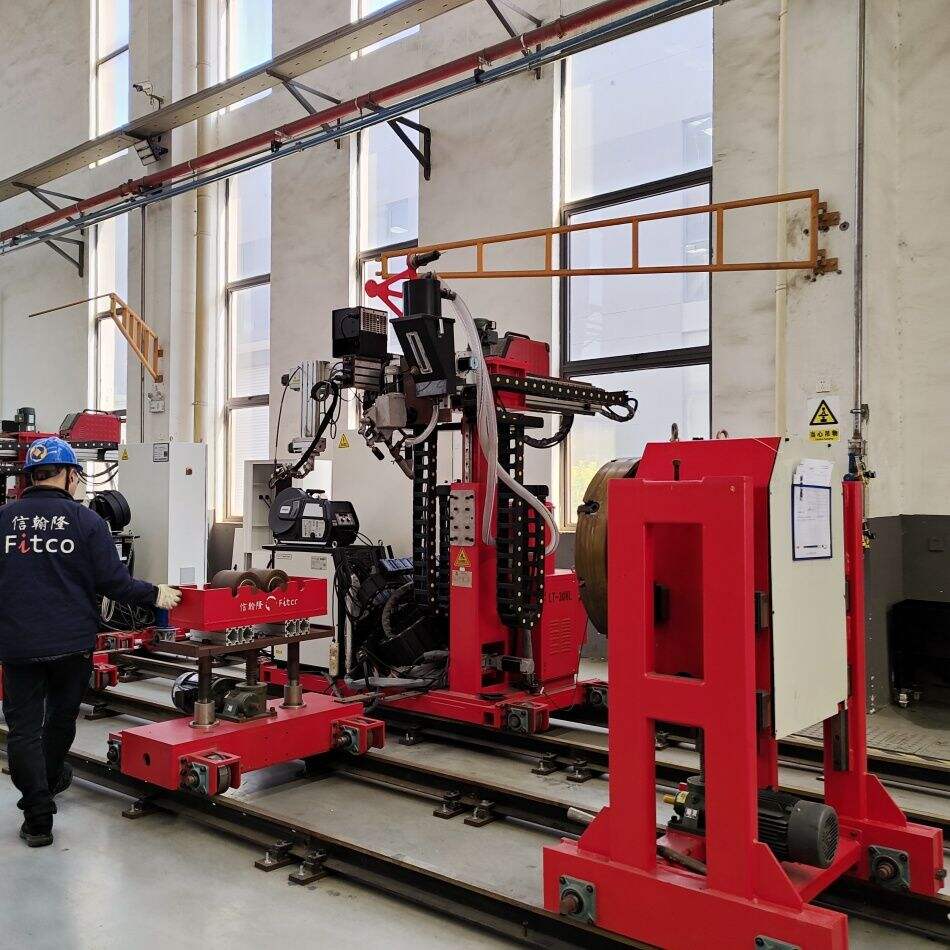
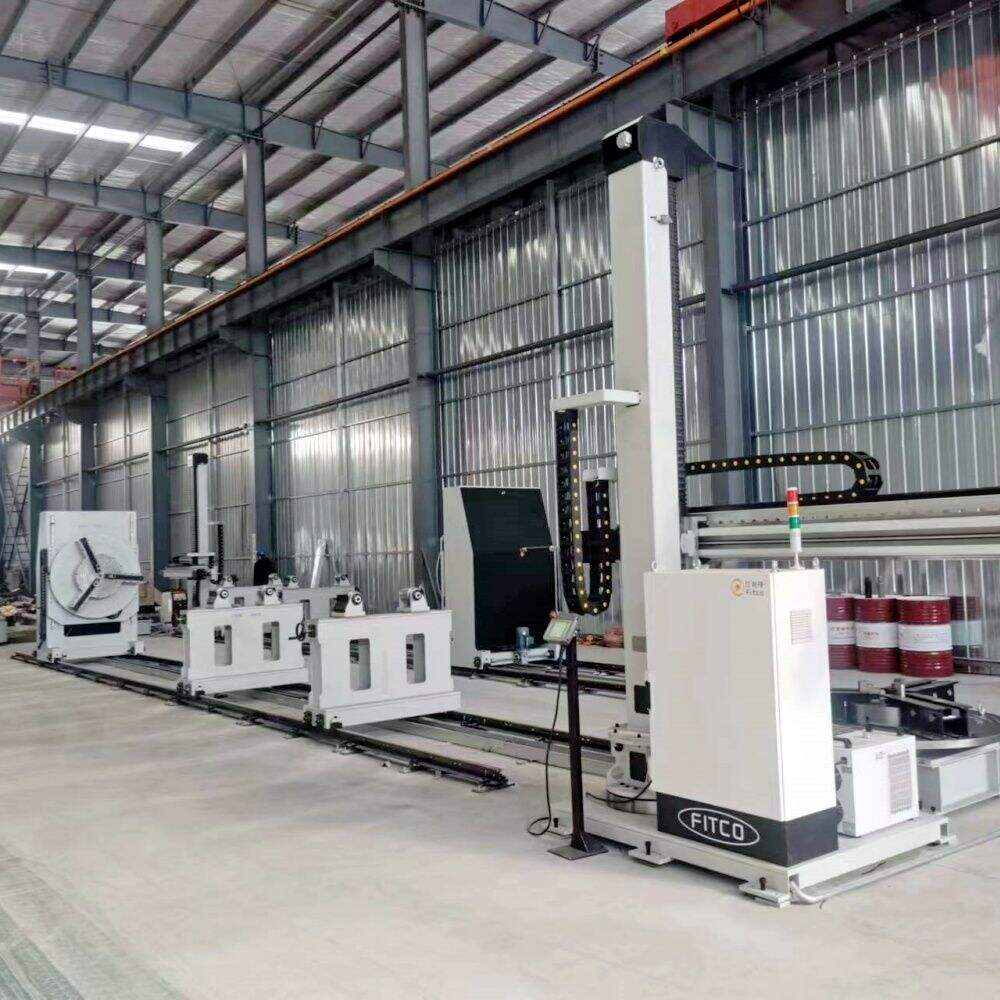
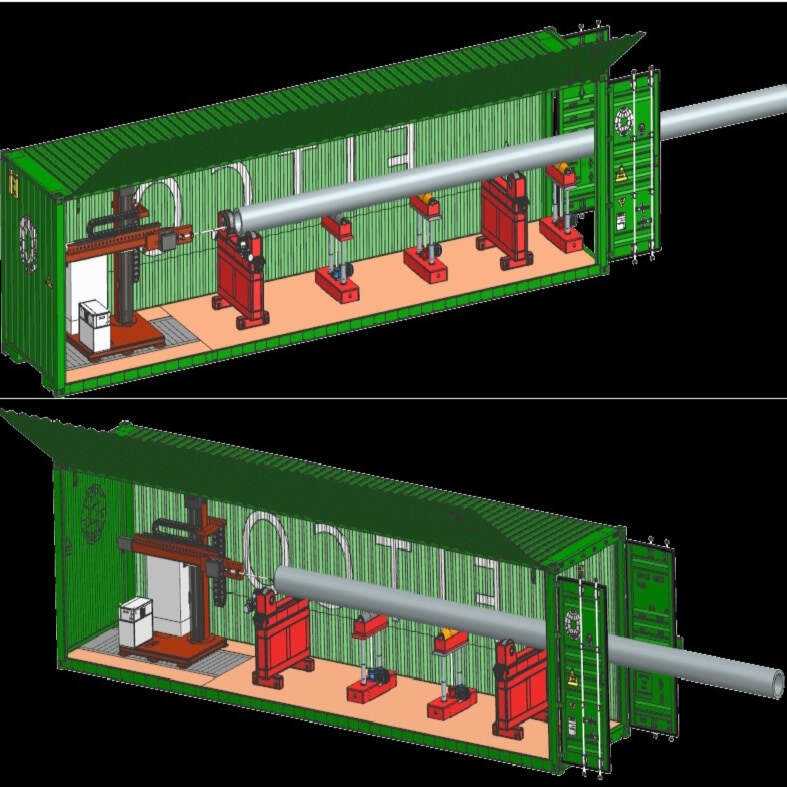
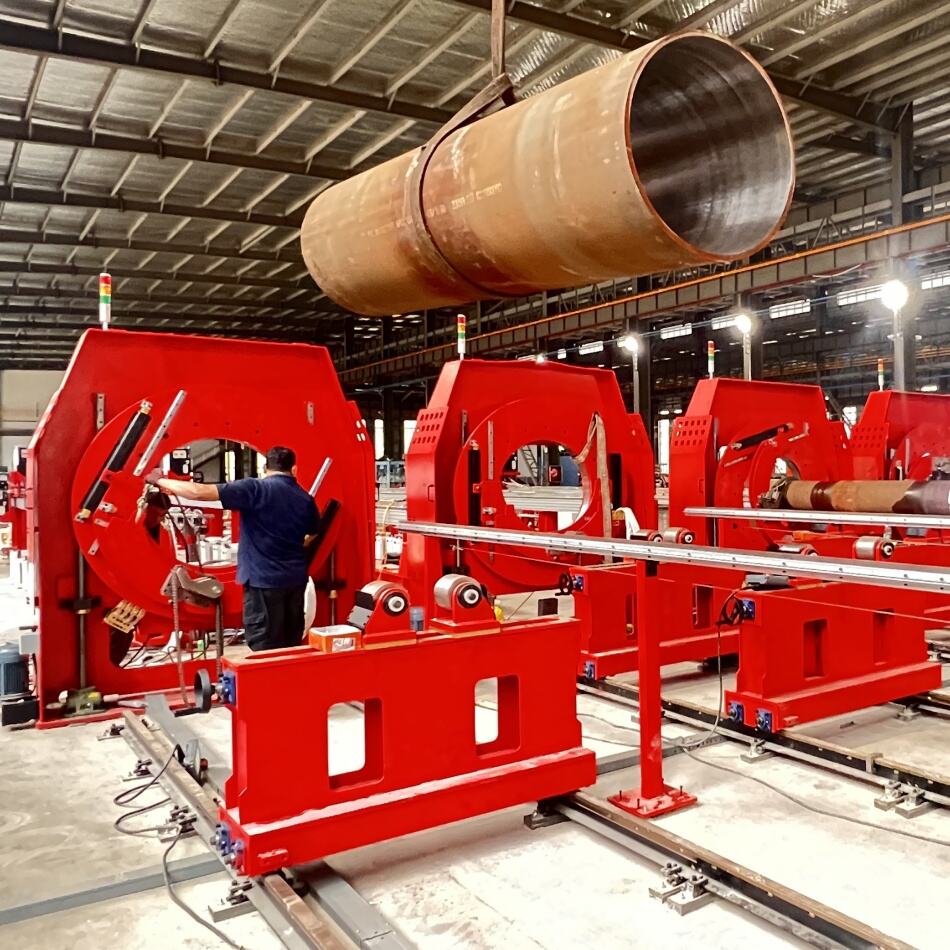
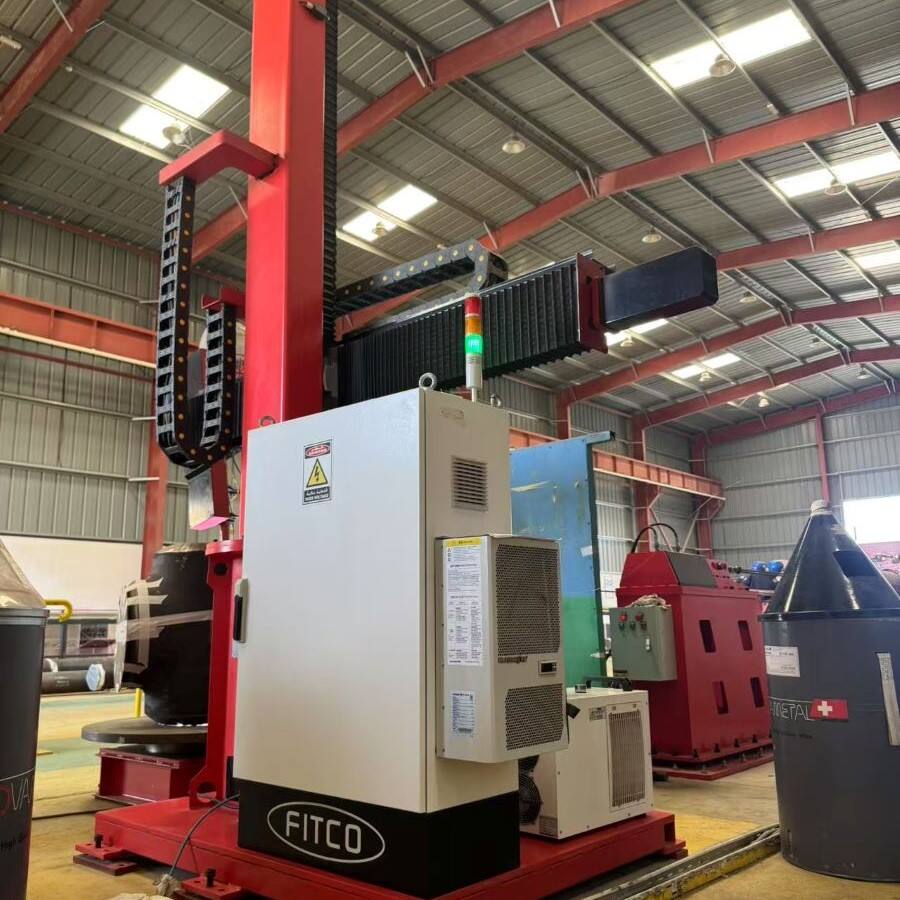
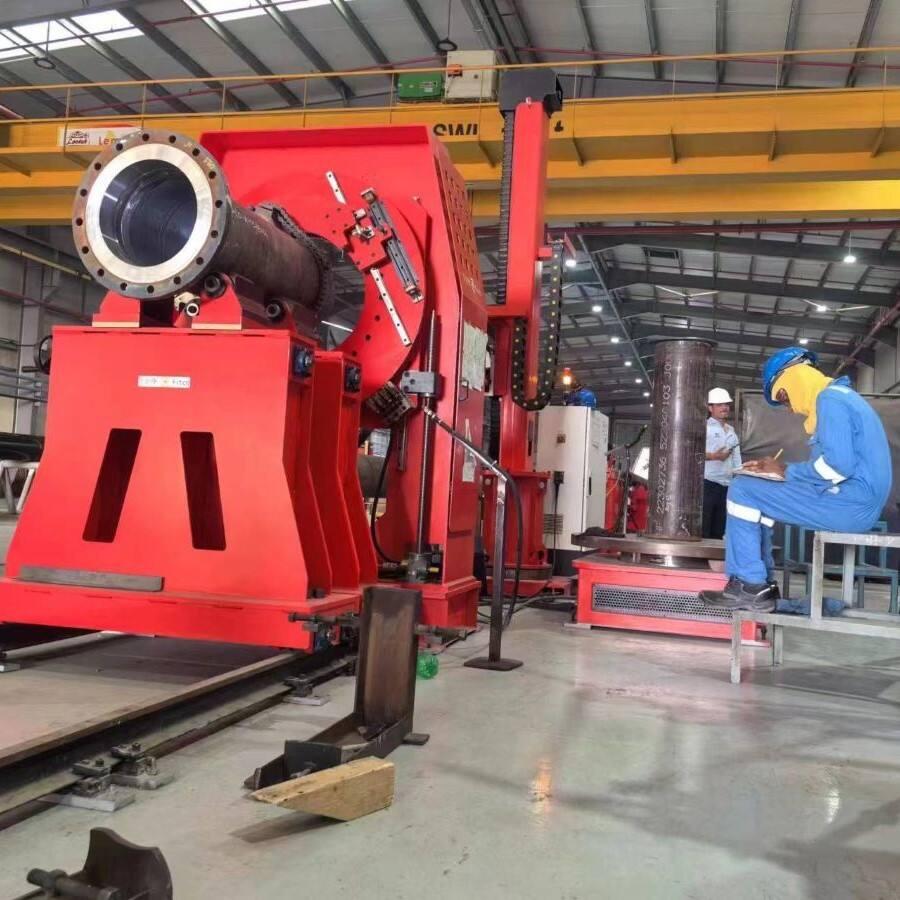
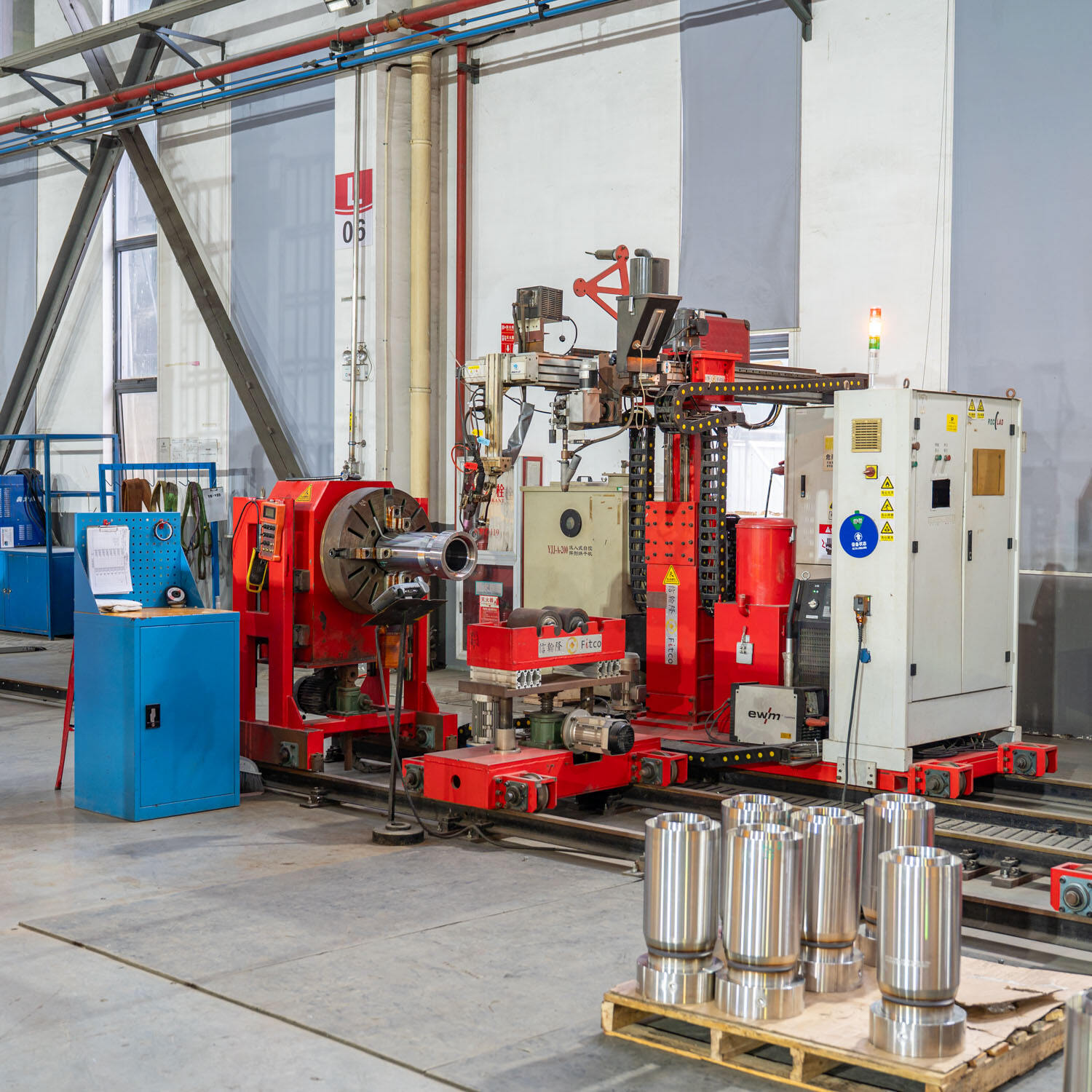
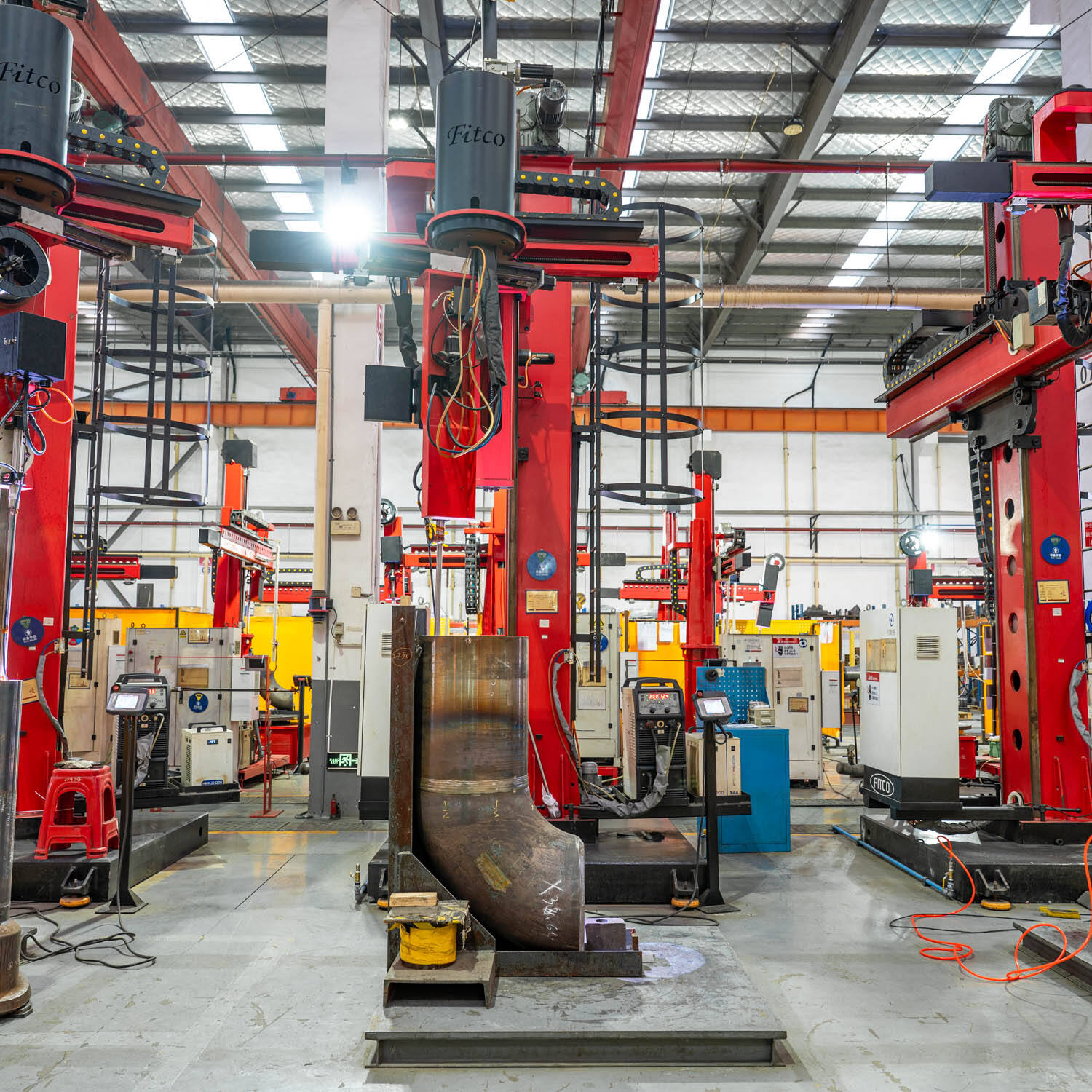
TIG pipe cladding represents a sophisticated welding technique that creates protective layers on pipe surfaces through tungsten inert gas welding processes. This advanced method deposits corrosion-resistant materials onto base metal pipes, forming durable composite structures that combine cost-effective base materials with high-performance surface properties. The TIG pipe cladding process utilizes precise temperature control and inert gas shielding to ensure optimal metallurgical bonding between the substrate and cladding material. Industries requiring enhanced corrosion resistance, such as oil and gas, chemical processing, and marine applications, rely heavily on TIG pipe cladding solutions. The technology enables manufacturers to produce pipes with superior surface characteristics while maintaining structural integrity and dimensional accuracy. TIG pipe cladding systems typically employ materials like stainless steel, Inconel, or specialized alloys as cladding layers, depending on specific environmental requirements. The welding parameters, including current settings, travel speed, and gas flow rates, require careful optimization to achieve uniform thickness distribution and excellent adhesion properties. Modern TIG pipe cladding equipment features automated controls that maintain consistent quality throughout the production process. The resulting clad pipes exhibit exceptional resistance to various forms of corrosion, including pitting, crevice corrosion, and stress corrosion cracking. Quality control measures during TIG pipe cladding include non-destructive testing methods such as ultrasonic examination and radiographic inspection to verify bond integrity. The process accommodates various pipe diameters and wall thicknesses, making it suitable for diverse industrial applications. Environmental considerations also favor TIG pipe cladding, as it extends service life and reduces replacement frequency, contributing to sustainable industrial practices.

New Product Releases

TIG pipe cladding delivers significant cost savings by enabling the use of carbon steel or low-alloy base materials while providing corrosion-resistant surfaces where needed most. This selective approach reduces material costs dramatically compared to solid stainless steel or exotic alloy pipes. The precision welding process ensures excellent metallurgical bonding, creating pipes that withstand extreme operating conditions including high temperatures, aggressive chemicals, and corrosive environments. Manufacturing flexibility represents another key advantage, as TIG pipe cladding accommodates various pipe sizes and configurations without requiring extensive tooling changes. The automated welding systems maintain consistent quality parameters, reducing human error and ensuring reproducible results across production runs. Delivery schedules benefit from streamlined manufacturing processes that eliminate the need for specialized base materials, reducing lead times and inventory requirements. The technology supports custom alloy combinations, allowing engineers to specify exact cladding materials for specific service conditions. Quality assurance becomes more manageable through established testing protocols that verify cladding thickness, bond integrity, and mechanical properties. TIG pipe cladding processes generate minimal waste compared to alternative coating methods, supporting environmental sustainability goals while reducing disposal costs. The resulting pipes exhibit superior performance characteristics, including enhanced fatigue resistance and improved thermal conductivity compared to traditional coating methods. Installation procedures remain straightforward, as clad pipes utilize standard welding and fitting techniques without requiring specialized field equipment. Maintenance requirements decrease significantly due to the durable nature of the cladding layer, which resists wear, erosion, and chemical attack. Long-term reliability improves through the elimination of coating delamination issues common with other surface treatment methods. The technology scales effectively from prototype quantities to high-volume production, accommodating varying customer requirements without compromising quality standards.

Tips And Tricks

Top 5 Maintenance Tips to Extend the Life of Your welding machine

16

Mar

Top 5 Maintenance Tips to Extend the Life of Your welding machine

Proper maintenance is the cornerstone of maximizing your welding machine investment and ensuring consistent, high-quality welding performance throughout its operational lifespan. Industrial welding operations rely heavily on equipment reliability, an...
View More
Understanding the Duty Cycle of Your Heavy-Duty arc welding machine

16

Mar

Understanding the Duty Cycle of Your Heavy-Duty arc welding machine

The duty cycle of an arc welding machine represents one of the most critical specifications that determines its operational capabilities and longevity in heavy-duty industrial applications. This measurement defines how long your arc welding machine c...
View More
How Do Pipe Cladding Machines Improve Welding Consistency and Quality?

27

Nov

How Do Pipe Cladding Machines Improve Welding Consistency and Quality?

Modern industrial welding operations demand exceptional precision and consistency, particularly in applications involving corrosion-resistant overlays and specialized pipe systems. Pipe cladding machines have emerged as revolutionary solutions that t...
View More
How Can Longitudinal TIG Equipment Improve Weld Uniformity?

13

Jan

How Can Longitudinal TIG Equipment Improve Weld Uniformity?

Achieving consistent weld quality across extended seams remains one of the most challenging aspects of modern fabrication. Manufacturing industries demand precision welding solutions that deliver uniform penetration, minimal distortion, and reliable ...
View More

Get a Free Quote

Our representative will contact you soon.
Email
Mobile/WhatsApp
Name
Company Name
Message
0/1000

tig pipe cladding

Superior Corrosion Protection Through Advanced Metallurgical Bonding

Superior Corrosion Protection Through Advanced Metallurgical Bonding

TIG pipe cladding creates an exceptional metallurgical bond between the base material and protective cladding layer, delivering unmatched corrosion resistance for critical industrial applications. The tungsten inert gas welding process generates precisely controlled heat input that ensures complete fusion without compromising the integrity of either material. This advanced bonding mechanism eliminates the interface weaknesses commonly found in mechanically applied coatings or painted surfaces. The resulting composite structure exhibits corrosion resistance properties equivalent to solid exotic alloy construction while maintaining the structural strength and cost advantages of carbon steel base materials. Chemical processing environments benefit tremendously from this protection, as the cladding layer resists attack from acids, bases, and aggressive chemicals that would rapidly degrade unprotected surfaces. Marine applications particularly value this corrosion protection, where saltwater exposure creates severe challenges for traditional materials. The metallurgical bond prevents moisture ingress and eliminates the galvanic corrosion issues that plague dissimilar metal joints. Quality control procedures verify bond integrity through ultrasonic testing and metallographic examination, ensuring consistent protection throughout the pipe wall. The cladding thickness can be precisely controlled to meet specific corrosion allowances while minimizing material usage. Temperature cycling and thermal shock conditions do not compromise the bond integrity, making TIG pipe cladding suitable for applications with varying operating temperatures. The protection extends beyond simple chemical resistance to include erosion resistance, where particle-laden fluids would otherwise cause rapid wear. This comprehensive protection approach significantly extends service life, often doubling or tripling the operational lifetime compared to unprotected alternatives, resulting in substantial lifecycle cost reductions.
Cost-Effective Engineering Solution for High-Performance Requirements

Cost-Effective Engineering Solution for High-Performance Requirements

TIG pipe cladding represents an intelligent engineering approach that delivers high-performance characteristics at a fraction of the cost of solid exotic alloy alternatives. The selective application of expensive corrosion-resistant materials only where needed most creates substantial material cost savings, often reducing total material expenses by 60-80 percent compared to solid stainless steel or specialty alloy construction. Project budgets benefit from this strategic material utilization, allowing engineers to specify appropriate corrosion resistance without exceeding financial constraints. The manufacturing process efficiency contributes additional cost advantages through reduced processing time and energy consumption compared to alternative protection methods. Inventory management becomes more streamlined, as standard carbon steel base materials remain readily available while specialized cladding materials are applied during production rather than requiring exotic pipe stock. The technology eliminates the need for expensive field-applied coatings that require specialized equipment, trained personnel, and extended application time. Quality costs decrease through the elimination of coating failure modes such as holidays, pinholes, and adhesion problems that plague other protection methods. Transportation and handling costs reduce significantly, as the structural integrity of the base material allows normal pipe handling procedures without concern for coating damage. Installation savings accumulate through standard welding procedures that do not require specialized filler materials or complex joint preparations. Long-term economic benefits multiply through extended service intervals, reduced maintenance requirements, and elimination of premature replacement costs. The predictable performance characteristics enable accurate lifecycle cost modeling, supporting informed capital investment decisions. Engineering flexibility allows optimization of cladding thickness and alloy selection for specific service conditions, preventing over-specification while ensuring adequate protection. This cost-effectiveness extends throughout the value chain, from initial procurement through final decommissioning.
Versatile Manufacturing Capabilities for Diverse Industrial Applications

Versatile Manufacturing Capabilities for Diverse Industrial Applications

TIG pipe cladding technology demonstrates remarkable versatility in accommodating diverse industrial requirements across multiple sectors and operating environments. The automated welding systems adapt seamlessly to various pipe diameters, from small-bore instrumentation lines to large-diameter process piping, maintaining consistent quality parameters regardless of size. Wall thickness variations pose no significant challenges, as the welding parameters adjust automatically to ensure proper heat input and penetration characteristics. The process accommodates numerous base material grades, from standard carbon steels to low-alloy compositions, expanding application possibilities across different pressure and temperature ratings. Cladding material selection encompasses an extensive range of corrosion-resistant alloys, including austenitic stainless steels, duplex grades, nickel-based superalloys, and specialized compositions for extreme service conditions. Manufacturing flexibility extends to pipe length capabilities, supporting both standard commercial lengths and custom specifications for specific project requirements. The technology integrates effectively with existing pipe manufacturing infrastructure, requiring minimal facility modifications while delivering enhanced product capabilities. Quality systems scale appropriately from prototype development through high-volume production, maintaining traceability and documentation requirements across all production volumes. Complex geometries, including reducing sections and branch connections, remain within manufacturing capabilities through specialized welding techniques and positioning equipment. Surface finish requirements are easily accommodated, from standard mill finish to polished surfaces suitable for sanitary applications. The process supports various end preparation options, including beveled ends for welded connections and threaded configurations for mechanical joints. Temperature-sensitive applications benefit from controlled heat input procedures that prevent base material property degradation while ensuring complete cladding adhesion. Environmental compliance becomes manageable through established procedures for emission control and waste minimization. This manufacturing versatility enables rapid response to changing market demands while maintaining the flexibility to develop customized solutions for unique application challenges.

Get a Free Quote

Our representative will contact you soon.
Email
Mobile/WhatsApp
Name
Company Name
Message
0/1000