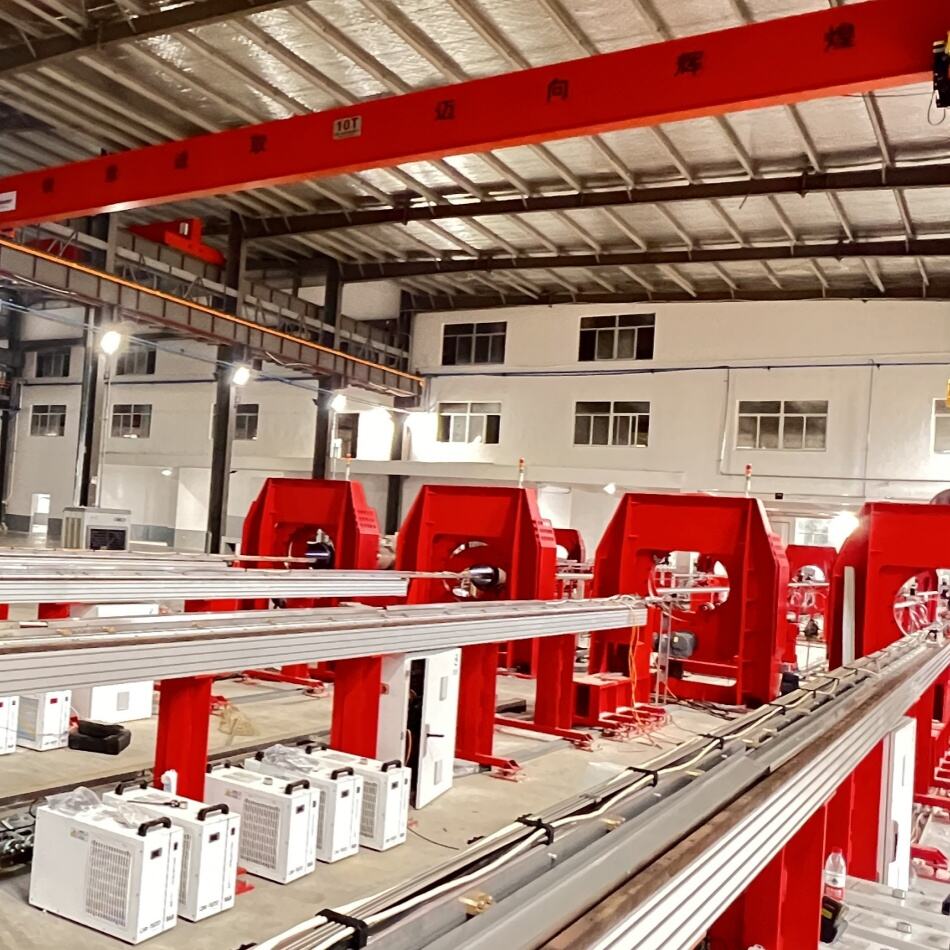
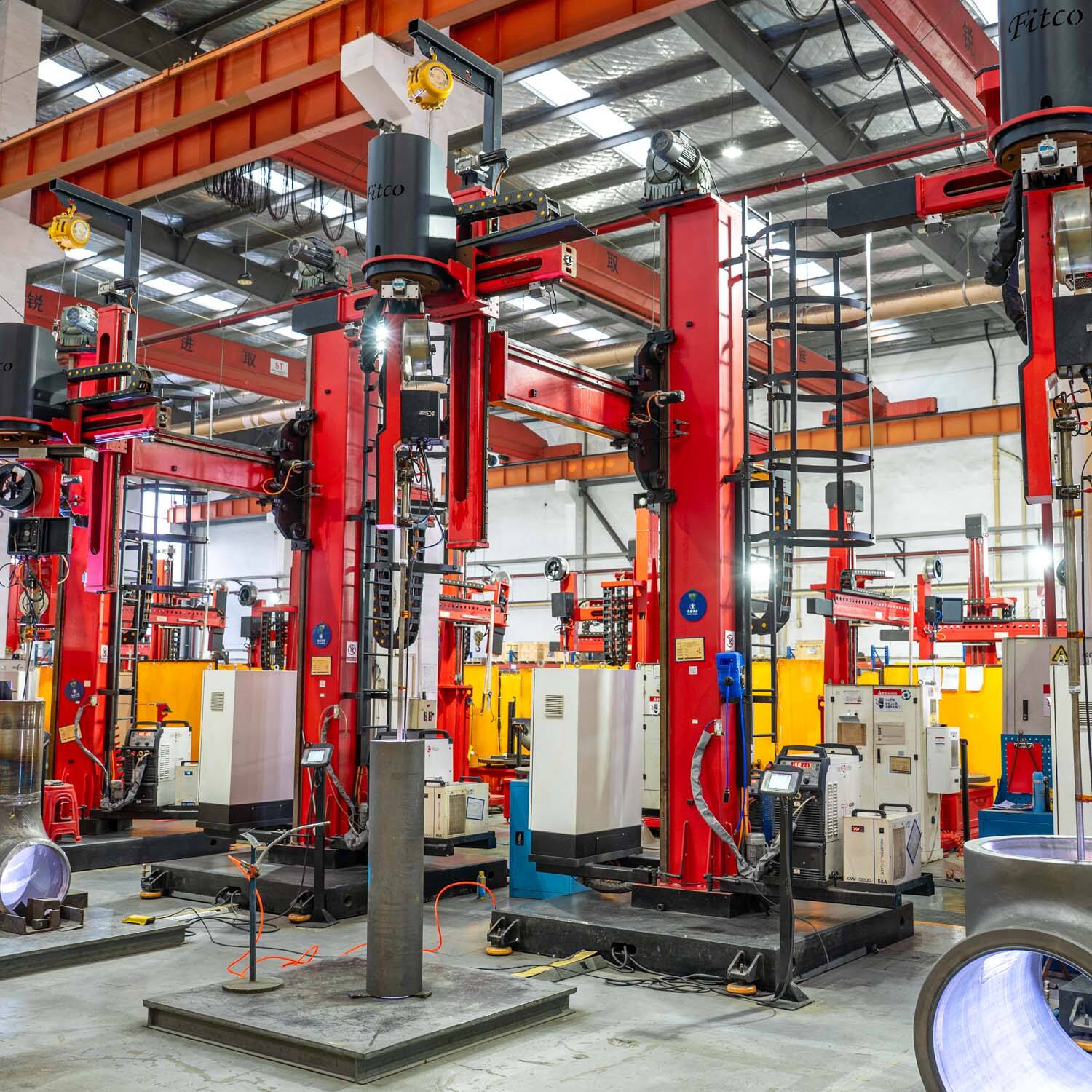
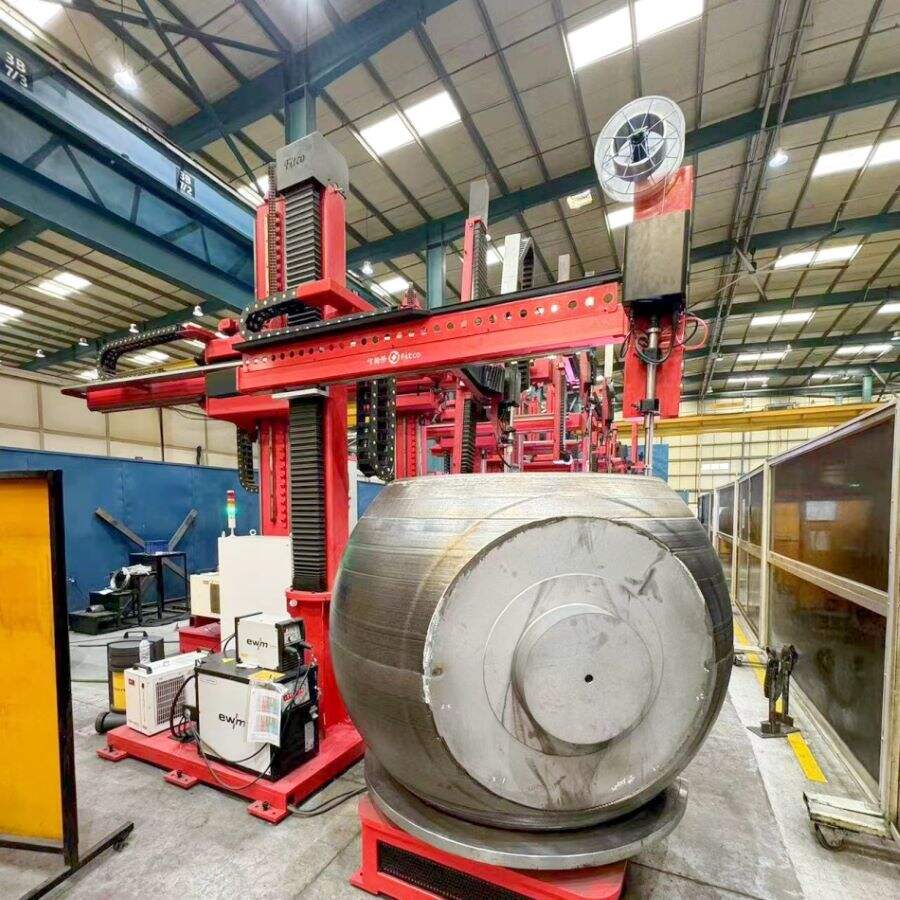
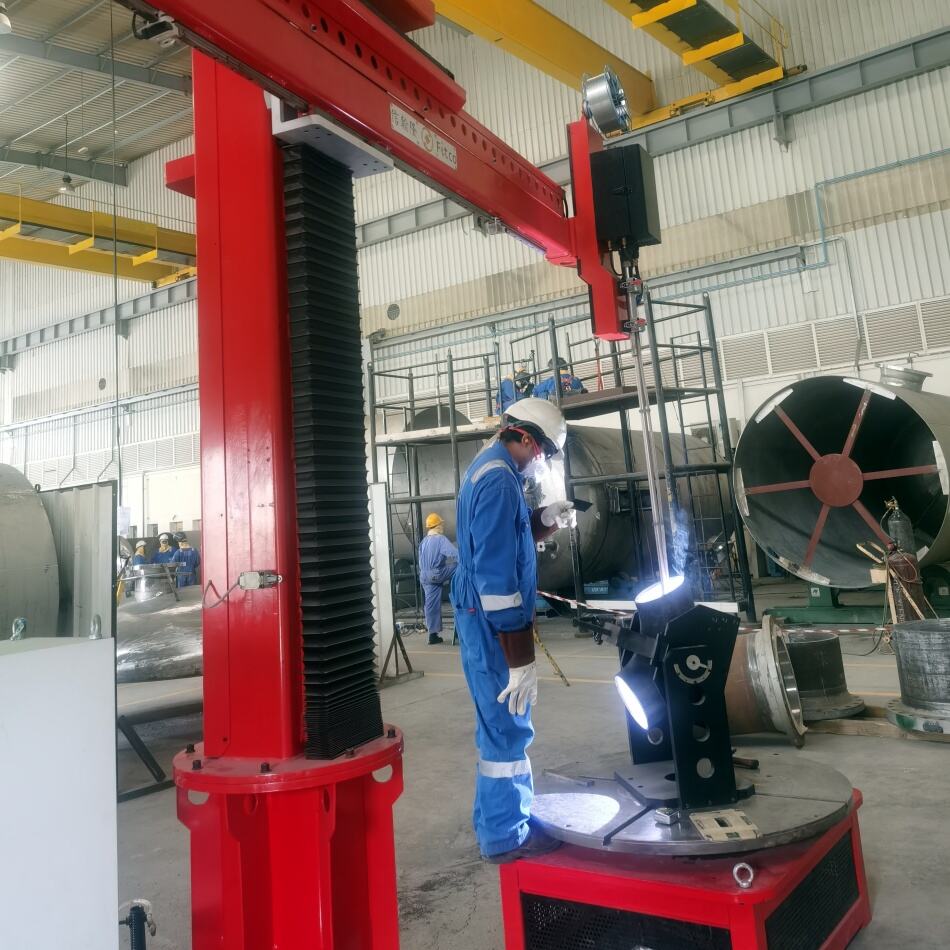
Advanced Automatic Pipe Welder Systems - Precision Welding Technology for Industrial Applications

Contact me immediately if you encounter problems!

All Categories

Get a Free Quote

Our representative will contact you soon.
Email
Mobile/WhatsApp
Name
Company Name
Message
0/1000

Get a Free Quote

Our representative will contact you soon.
Email
Mobile/WhatsApp
Name
Company Name
Message
0/1000

automatic pipe welder

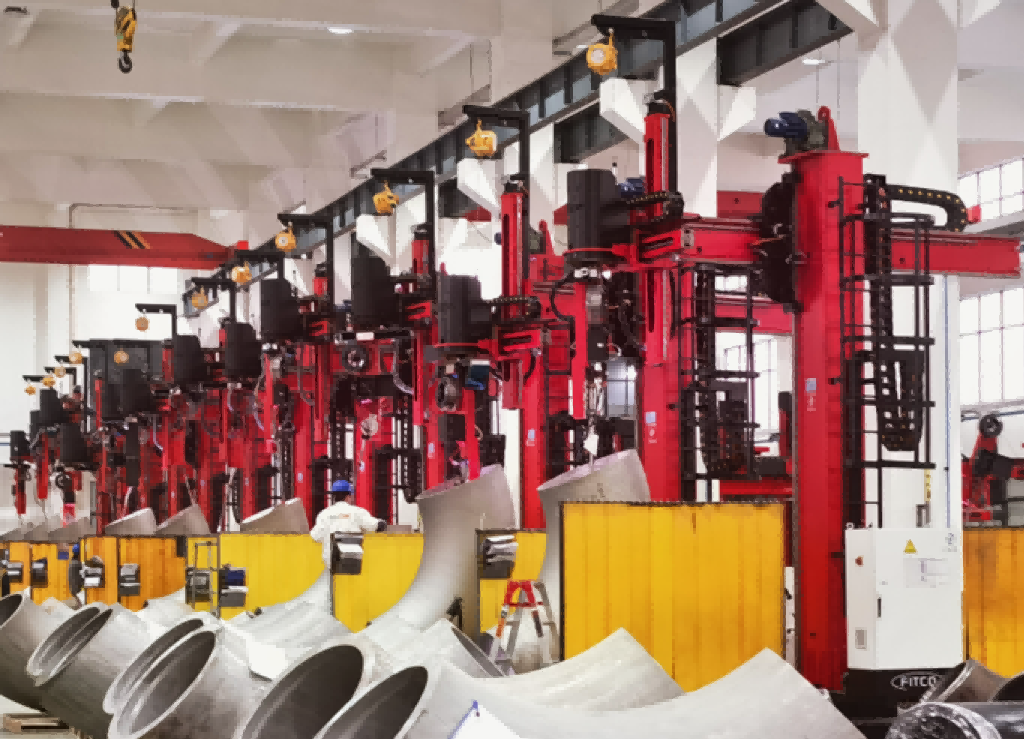
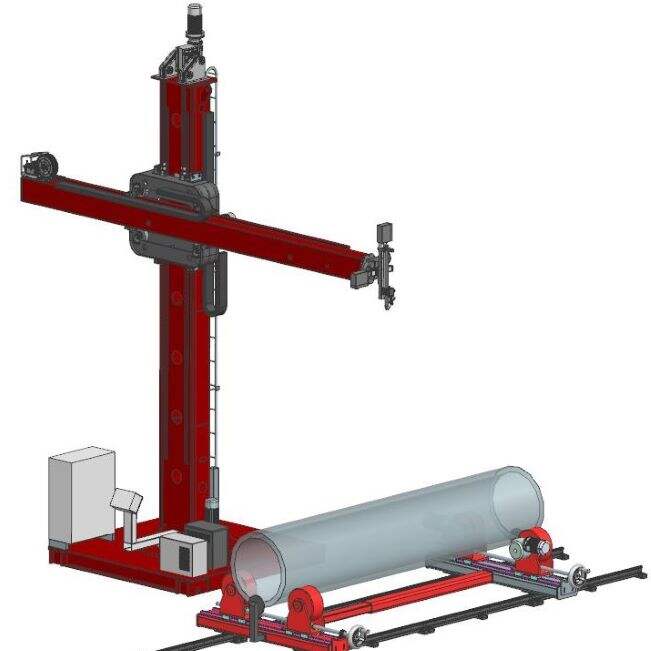
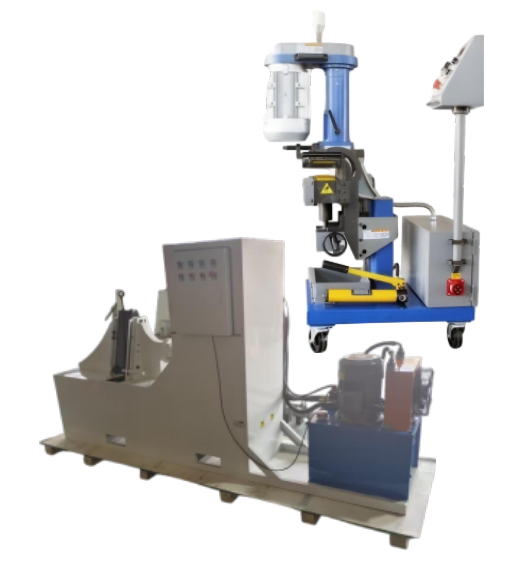
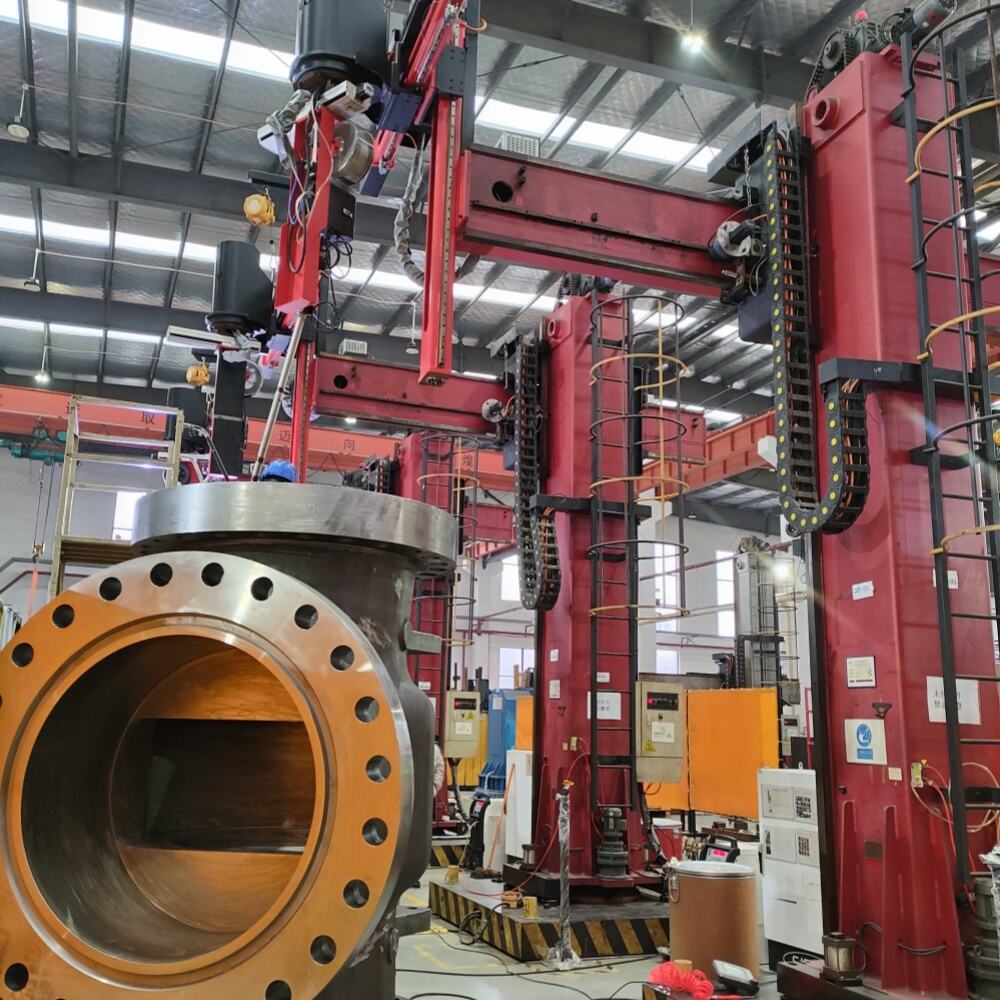
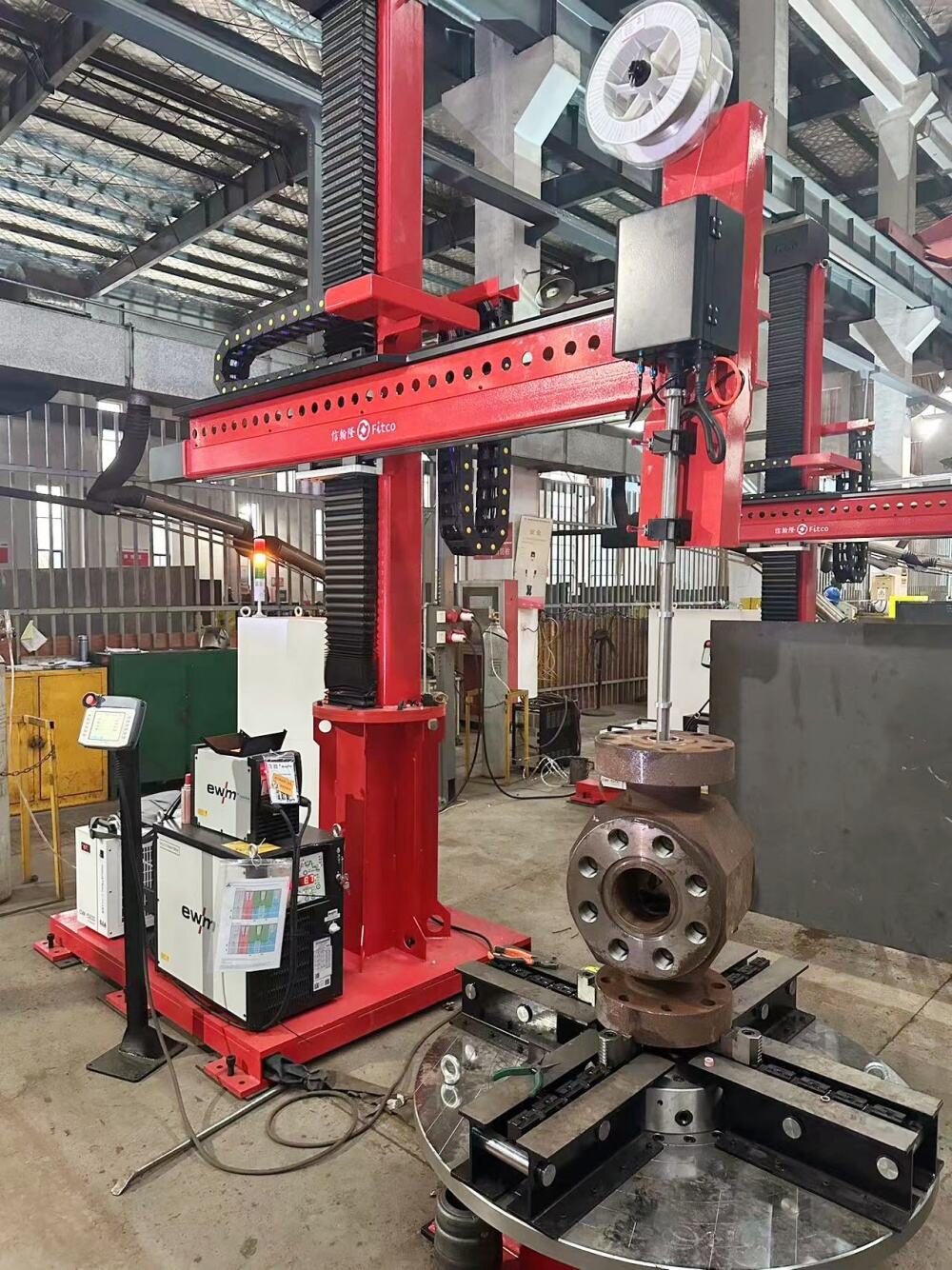
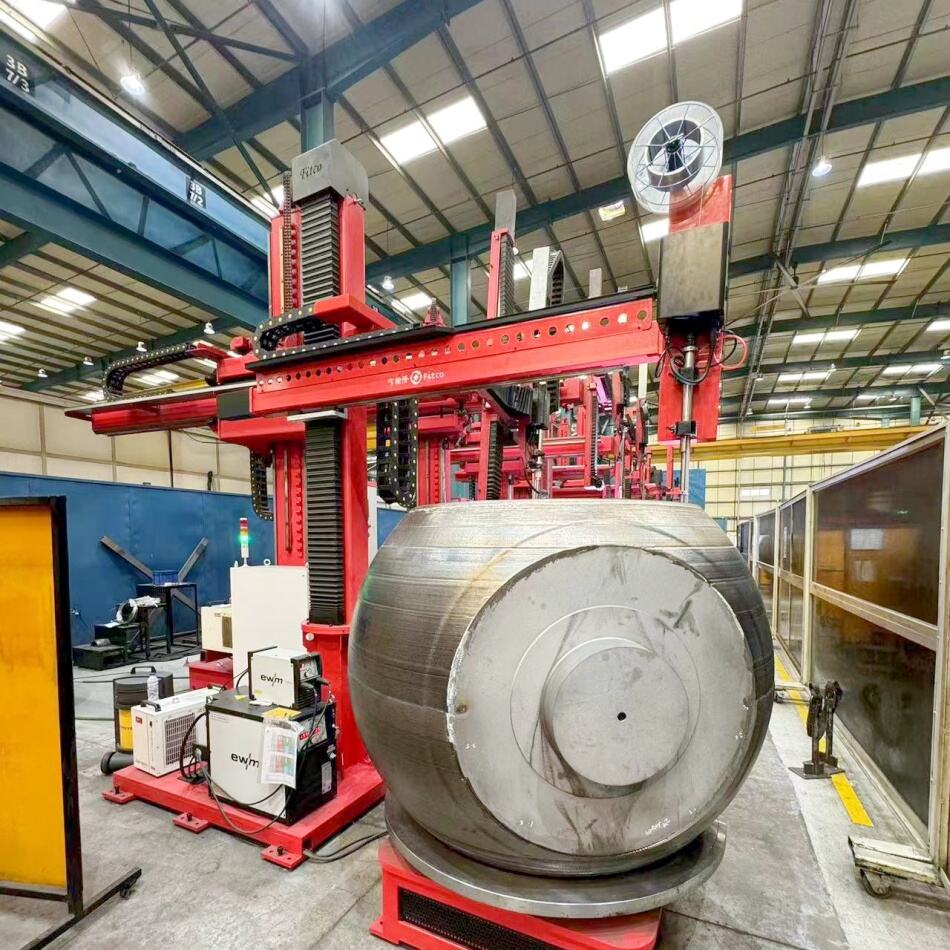
An automatic pipe welder represents a sophisticated industrial welding solution designed to deliver consistent, high-quality welds on cylindrical pipe sections with minimal human intervention. This advanced welding system combines precision engineering with automated controls to execute orbital welding processes that maintain uniform penetration, speed, and quality throughout the entire circumference of pipes. The automatic pipe welder operates through computer-controlled mechanisms that position welding torches at optimal angles while rotating around the pipe's exterior surface, ensuring complete coverage and structural integrity. Modern automatic pipe welding systems incorporate advanced sensors and monitoring technologies that continuously assess weld quality, temperature variations, and material thickness to make real-time adjustments during the welding process. These machines accommodate various pipe diameters ranging from small-bore tubing to large-diameter industrial pipes, making them versatile solutions for diverse applications. The core functionality revolves around programmable welding parameters including amperage, voltage, travel speed, and wire feed rates that can be customized based on material specifications and project requirements. Technological features include digital displays for parameter monitoring, automatic arc starting and stopping capabilities, and integrated cooling systems that prevent overheating during extended operations. The automatic pipe welder utilizes various welding processes such as Gas Tungsten Arc Welding (GTAW), Gas Metal Arc Welding (GMAW), and Shielded Metal Arc Welding (SMAW) depending on application needs. Advanced models feature adaptive control systems that respond to changes in joint geometry, material composition, and environmental conditions. These welding systems find extensive applications across petroleum refineries, chemical processing plants, power generation facilities, shipbuilding industries, and pipeline construction projects where reliable pipe joints are critical for operational safety and performance.

New Product Releases

The automatic pipe welder delivers substantial cost savings through reduced labor requirements and increased productivity rates compared to manual welding operations. Companies experience significant time savings as these systems complete welds faster and more consistently than traditional methods, allowing projects to meet tight deadlines while maintaining superior quality standards. The precision control mechanisms eliminate human error factors that often result in weld defects, rework expenses, and material waste, leading to improved profit margins and resource efficiency. Quality consistency represents another major advantage as the automatic pipe welder produces uniform welds with identical penetration depths, bead profiles, and mechanical properties across all joints, ensuring structural reliability and compliance with industry standards. Safety benefits include reduced worker exposure to welding fumes, arc radiation, and repetitive strain injuries associated with manual pipe welding positions. The automated system operates in hazardous environments where human access is limited or dangerous, protecting personnel while maintaining production continuity. Flexibility in operation allows the automatic pipe welder to handle various pipe materials including stainless steel, carbon steel, aluminum, and exotic alloys without requiring extensive setup changes or specialized training. The system's ability to store and recall welding programs enables quick transitions between different projects and specifications, reducing setup time and improving workflow efficiency. Documentation capabilities provide detailed weld records, parameter logs, and quality reports that support traceability requirements and regulatory compliance in critical applications. Maintenance costs remain lower than expected due to robust construction and predictive monitoring systems that identify potential issues before they cause equipment failures. The automatic pipe welder's compact design requires minimal floor space while delivering maximum productivity, making it suitable for both large manufacturing facilities and smaller fabrication shops. Energy efficiency features reduce power consumption compared to multiple manual welding stations, contributing to lower operating costs and environmental sustainability goals. Training requirements are simplified as operators need to learn system operation rather than complex manual welding techniques, reducing skill development time and labor costs.

Latest News

Common welding machine Faults and How to Troubleshoot Them

16

Mar

Common welding machine Faults and How to Troubleshoot Them

Welding machine malfunctions can halt production lines, compromise weld quality, and create costly downtime in industrial operations. Understanding common faults and their troubleshooting methods is essential for maintaining consistent welding perfor...
View More
The Essential Guide to Automated pipe cladding Solutions

16

Mar

The Essential Guide to Automated pipe cladding Solutions

Automated pipe cladding solutions represent a transformative advancement in industrial pipeline protection, offering enhanced precision, efficiency, and durability compared to traditional manual methods. This comprehensive guide explores the critical...
View More
The Role of overlay cladding in Refurbishing Heavy Machinery

16

Mar

The Role of overlay cladding in Refurbishing Heavy Machinery

Heavy machinery operates under extreme conditions, facing constant wear from abrasion, corrosion, and mechanical stress that gradually degrades critical components. When expensive equipment begins showing signs of deterioration, manufacturers and ope...
View More
Which Materials Weld Best with Longitudinal TIG Equipment?

13

Jan

Which Materials Weld Best with Longitudinal TIG Equipment?

Manufacturing industries increasingly rely on advanced welding technologies to achieve superior joint quality and production efficiency. Among the various welding methods available, longitudinal TIG equipment has emerged as a critical solution for ap...
View More

Get a Free Quote

Our representative will contact you soon.
Email
Mobile/WhatsApp
Name
Company Name
Message
0/1000

automatic pipe welder

Advanced Orbital Technology for Superior Weld Quality

Advanced Orbital Technology for Superior Weld Quality

The automatic pipe welder incorporates cutting-edge orbital welding technology that revolutionizes pipe joining processes through precise mechanized control systems. This sophisticated approach involves mounting specialized welding heads on orbital tracks that rotate around the pipe circumference while maintaining optimal torch positioning and travel speeds throughout the entire welding cycle. The orbital mechanism ensures consistent arc length, proper shielding gas coverage, and uniform heat input distribution that eliminates common defects such as lack of fusion, porosity, and irregular bead formation typical in manual welding operations. Advanced servo motors drive the orbital motion with micrometer precision, allowing for exact control over welding parameters including rotation speed, oscillation patterns, and torch angle adjustments. The system automatically compensates for gravitational effects that cause molten metal to sag in overhead positions, maintaining proper weld pool geometry regardless of pipe orientation. Integrated sensors continuously monitor weld pool characteristics, arc stability, and penetration levels, providing real-time feedback to control systems that make instantaneous adjustments to maintain optimal welding conditions. This technology particularly excels in critical applications where weld quality directly impacts system safety and performance, such as high-pressure piping systems, nuclear facilities, and pharmaceutical processing equipment. The orbital welding process produces radiographic quality welds with consistent mechanical properties that meet or exceed stringent industry standards including ASME, API, and AWS specifications. Programmable welding schedules allow operators to store specific parameters for different material combinations, wall thicknesses, and joint configurations, ensuring repeatable results across multiple projects. The automatic pipe welder's orbital technology eliminates variables introduced by welder skill levels, fatigue, and environmental conditions, delivering consistent quality that reduces inspection requirements and increases customer confidence in finished products.
Intelligent Control Systems with Real-Time Monitoring

Intelligent Control Systems with Real-Time Monitoring

Modern automatic pipe welder systems feature sophisticated control architectures that integrate multiple sensors, processors, and feedback mechanisms to deliver intelligent welding operations with unprecedented precision and reliability. The central control unit processes signals from various monitoring devices including arc voltage sensors, current measurement systems, temperature monitoring equipment, and position feedback encoders to maintain optimal welding parameters throughout the entire process. Advanced algorithms analyze welding data in real-time, comparing actual performance against programmed specifications and automatically adjusting parameters to correct deviations before they affect weld quality. The intelligent control system recognizes changes in material properties, joint fit-up variations, and environmental conditions, adapting welding procedures accordingly to maintain consistent results. Operator interfaces feature intuitive touchscreen displays that provide clear visualization of welding parameters, system status, and diagnostic information, enabling efficient operation by personnel with varying skill levels. The automatic pipe welder's control system includes comprehensive data logging capabilities that record welding parameters, arc characteristics, and quality metrics for each weld, supporting quality assurance programs and regulatory compliance requirements. Predictive maintenance features analyze equipment performance trends and component wear patterns to schedule maintenance activities before failures occur, minimizing downtime and repair costs. Remote monitoring capabilities allow supervisors to oversee multiple welding operations from central control rooms, improving coordination and response times for production scheduling. The system's connectivity features enable integration with enterprise resource planning systems, quality management databases, and production tracking applications, providing seamless information flow across manufacturing operations. Alarm systems immediately alert operators to parameter deviations, equipment malfunctions, or quality issues, preventing defective welds and reducing material waste. The intelligent control platform supports continuous improvement initiatives through detailed performance analytics that identify optimization opportunities for welding procedures, equipment utilization, and quality enhancement strategies.
Versatile Application Compatibility Across Industries

Versatile Application Compatibility Across Industries

The automatic pipe welder demonstrates exceptional versatility through its ability to accommodate diverse industrial applications, material specifications, and project requirements across multiple sectors including oil and gas, petrochemicals, power generation, shipbuilding, and manufacturing. This adaptability stems from modular design concepts that allow configuration adjustments for different pipe diameters, wall thicknesses, and material compositions without requiring complete system replacements. The equipment handles pipe sizes ranging from small-bore instrumentation tubing with diameters as small as half an inch to large-diameter transmission pipes exceeding 48 inches, making it suitable for both precision work and heavy industrial applications. Material compatibility extends across the full spectrum of weldable metals including carbon steels, stainless steel alloys, aluminum, titanium, nickel-based superalloys, and duplex materials commonly used in corrosive service applications. The automatic pipe welder's flexibility enables welding in various positions including horizontal, vertical, and overhead orientations, accommodating field installation requirements where pipe positioning options are limited by structural constraints. Joint preparation capabilities include butt joints, socket welds, and fillet configurations with automatic recognition systems that adjust welding parameters based on joint geometry and material thickness combinations. The system's portability features allow deployment in confined spaces, offshore platforms, and remote construction sites where traditional welding equipment cannot operate effectively. Specialized attachments and accessories expand application possibilities to include tube-to-tubesheet welding, branch connections, and repair welding operations on existing piping systems. The automatic pipe welder integrates seamlessly with existing fabrication workflows, supporting both shop production environments and field construction projects through rapid setup procedures and minimal infrastructure requirements. Quality certification capabilities ensure compliance with industry-specific standards including nuclear quality assurance programs, pharmaceutical sanitary requirements, and aerospace material specifications. The equipment's scalability allows small fabrication shops to access advanced welding technology while providing large manufacturers with production capacity that matches high-volume requirements, making automatic pipe welding accessible across diverse business scales and project complexities.

Get a Free Quote

Our representative will contact you soon.
Email
Mobile/WhatsApp
Name
Company Name
Message
0/1000