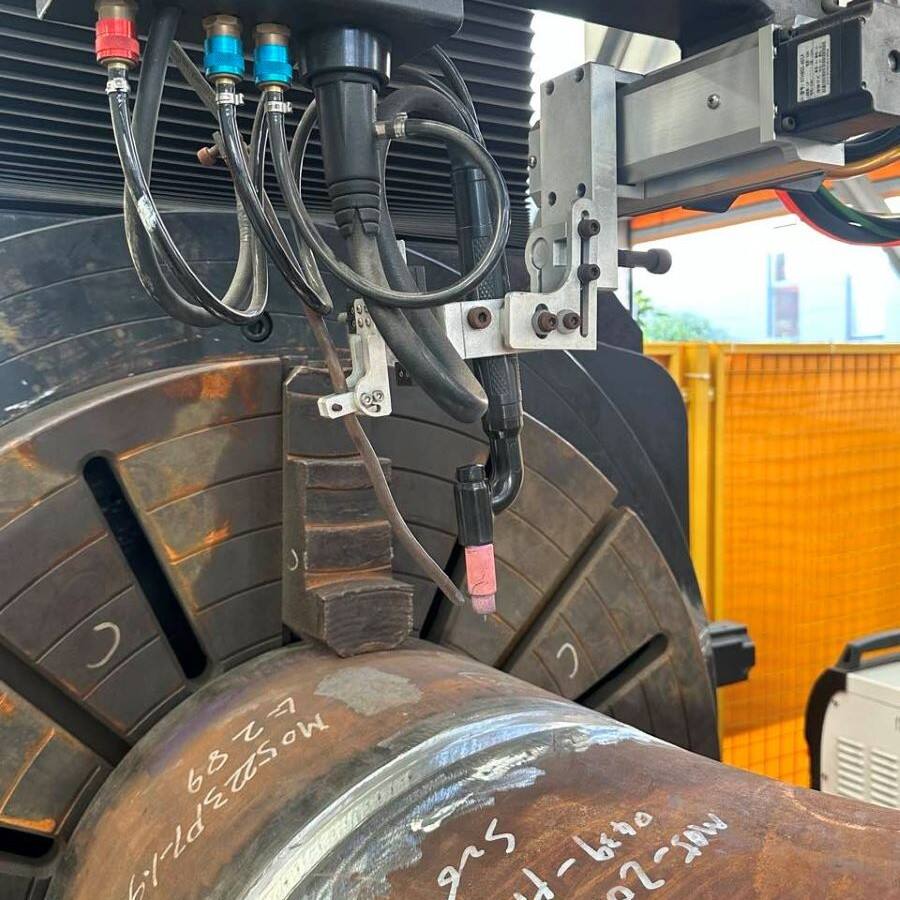
מנגנון יישור ותפיסה מדויק
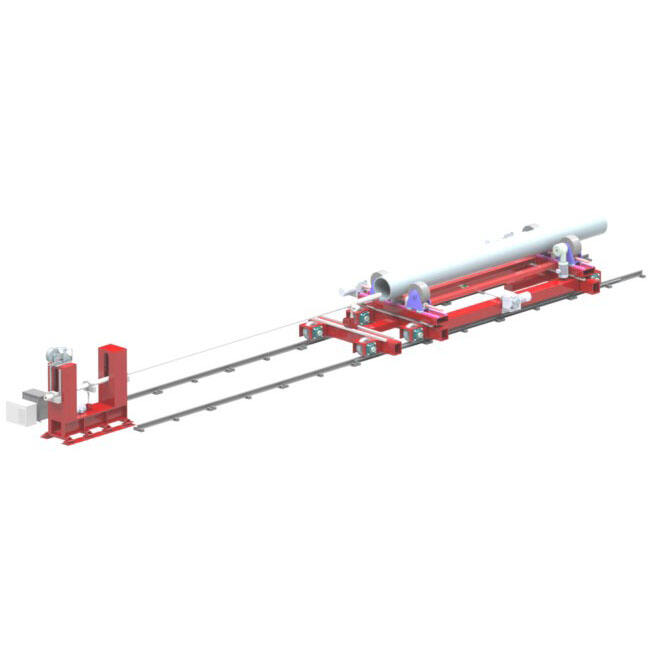
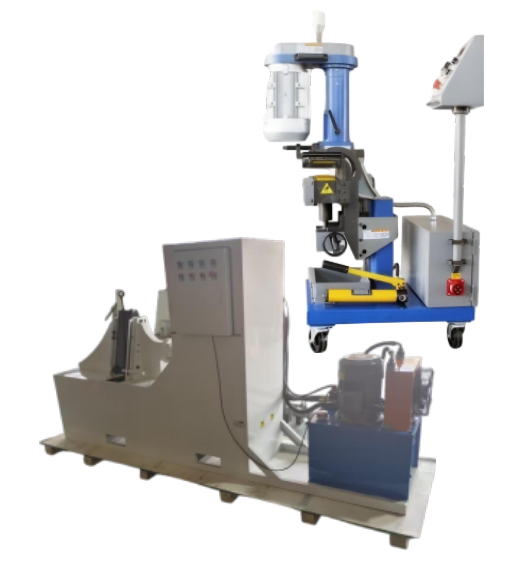
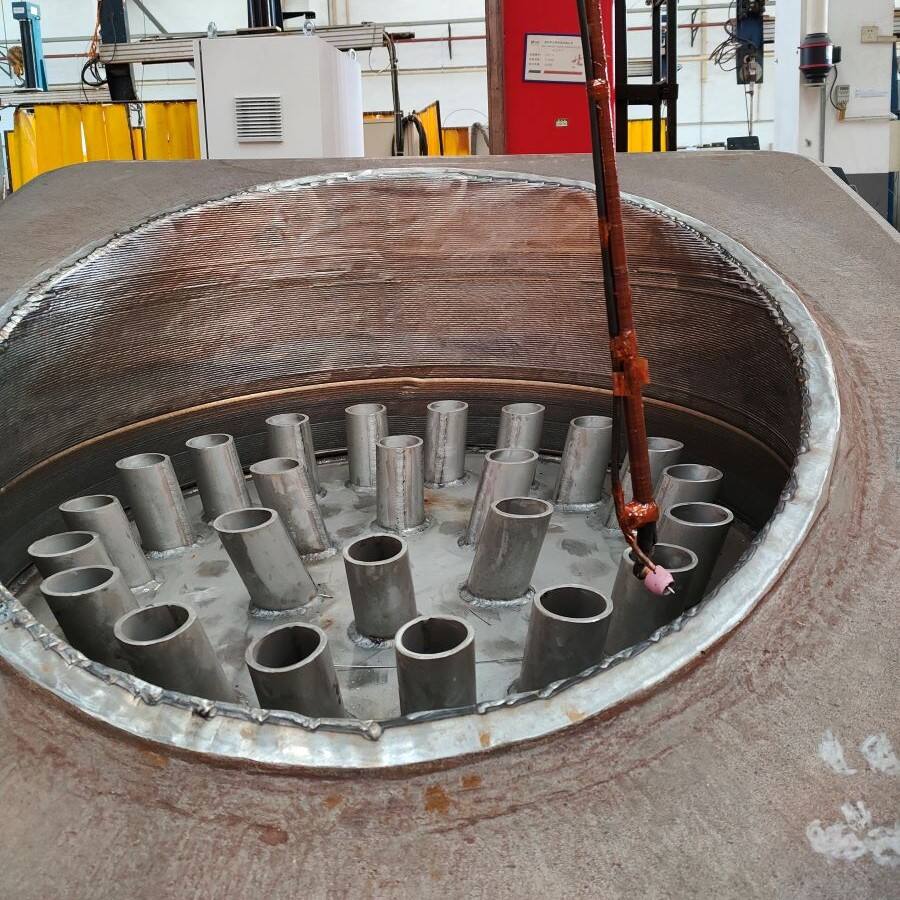
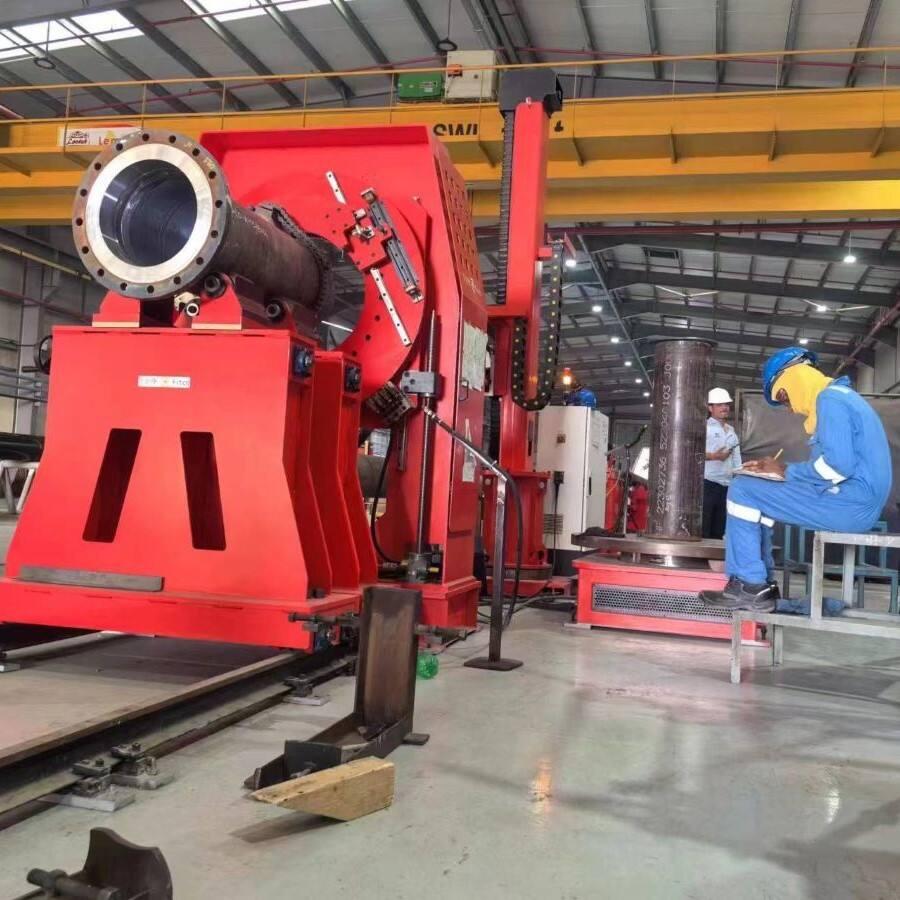
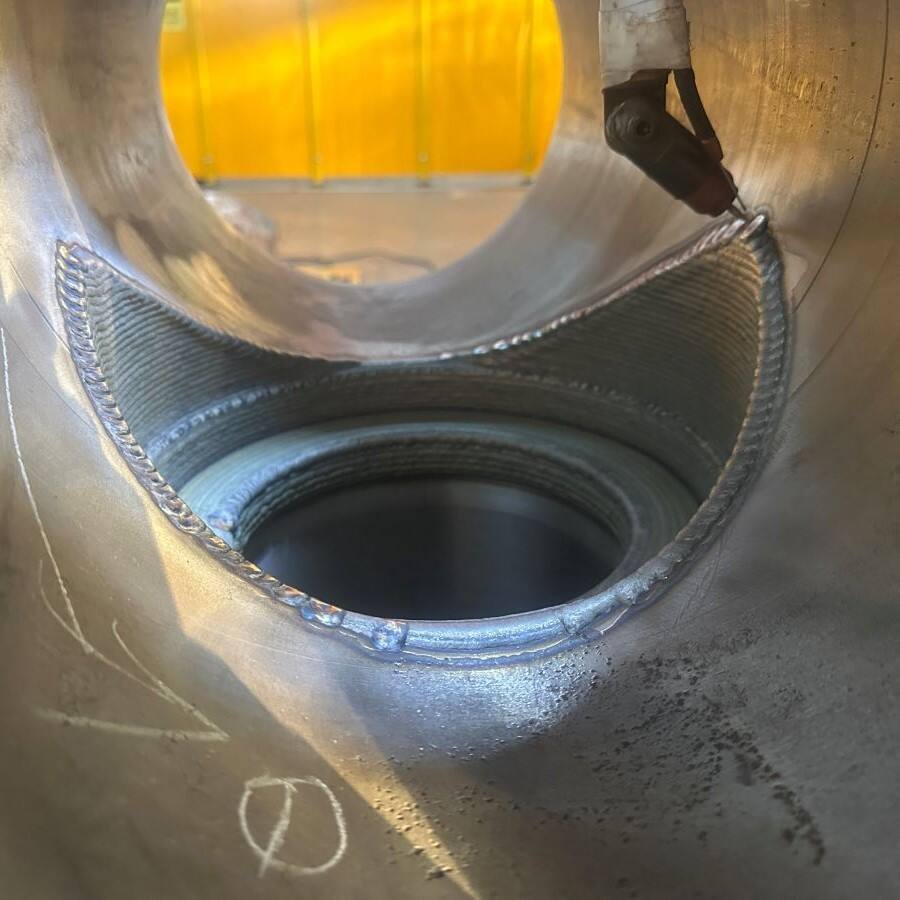
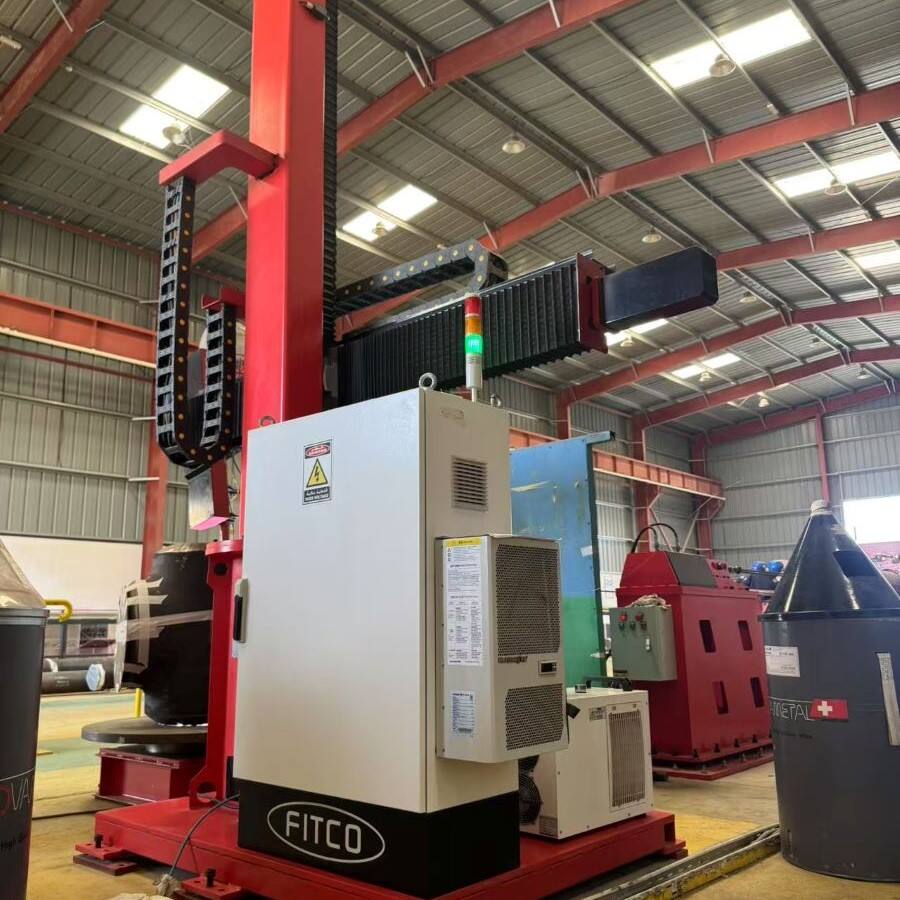
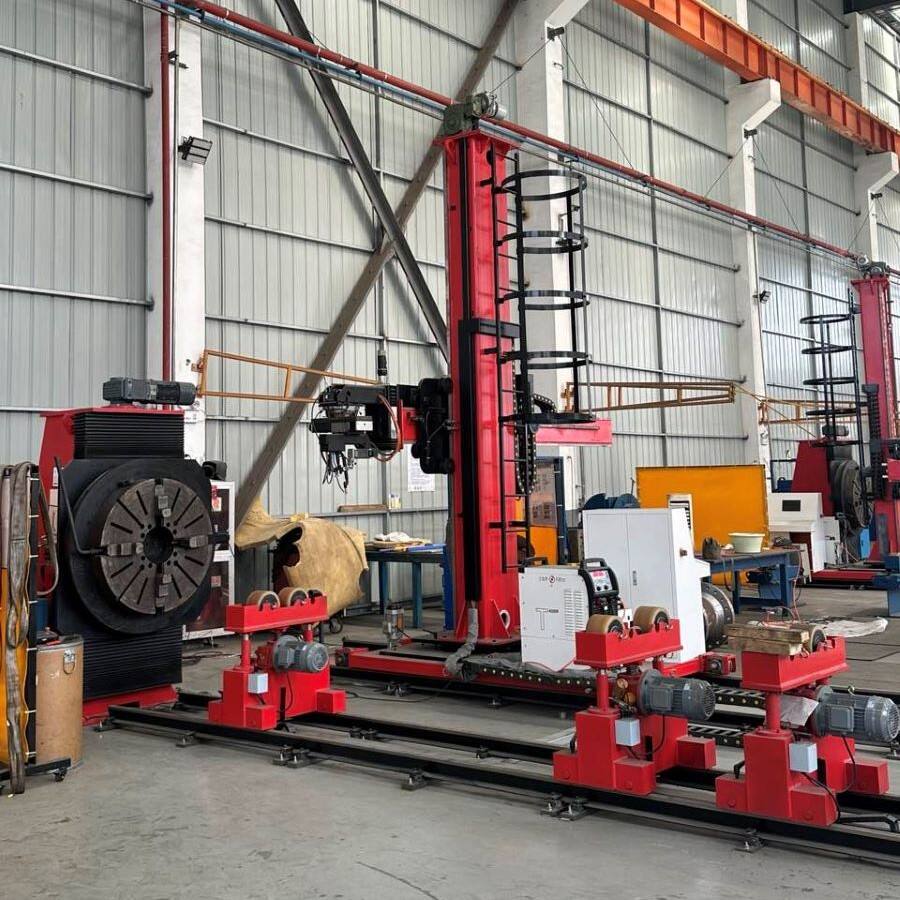
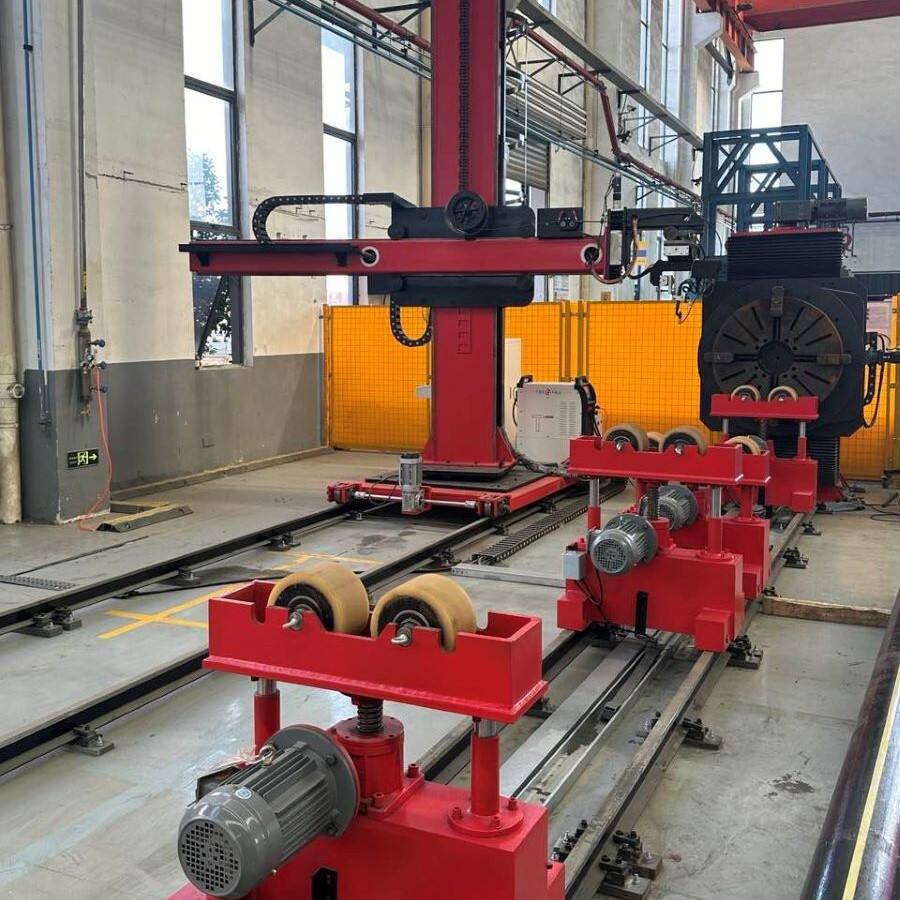
מנגנון הכוון המדויק והאחזה מהווה תכונה יסודית במכונות ריתוך חיבור מקצועיות, ומבטיח מיקום מושלם של הצינורות ושימור כיוון מדויק לאורך כל תהליך הריתוך כדי ליצור חיבורים ללא פגמים בכל פעם. מערכת מתוחכמת זו כוללת בנייה מפלדה עמידה עם רכיבים מעובדים במדוייק שמביאים ליציבות מוחלטת ומבטלים לחלוטין את האפשרות לתנועת הצינורות במהלך שלבים קריטיים של הריתוך. המנגנון כולל אוחזים ניתנים להתאמה שמתאימים לקטרים שונים של צינורות, תוך שמירה על התפלגות כוח אחיזה אחידה סביב ההיקף המלא של הצינור, ובכך מונעים עיוות או התרכזות מתח שעלולים לפגוע בשלמות החיבור. דגמים מתקדמים כוללים יכולת התאמה עדינה המאפשרת למשתמש לבצע תיקונים מיקרוסקופיים במיקום, כדי להבטיח שהקצות של הצינורות נפגשים בזוית ישרה מושלמת ובהשתרעות מרכזית מושלמת, מה שמביא לתוצאות ריתוך אופטימליות. מערכת האחזה משתמשת בידיות ארגונומיות ובמערכות מניעת יתר (mechanical advantage) שמאפשרות למשתמש להשיג כוח אחיזה תקין ללא מאמץ גופני מוגזם, ובכך מפחיתה את העייפות במהלך ישיבות ריתוך ממושכות. מנגנוני שחרור מהיר מאפשרים טעינה ופריקה מהירה של הצינורות, ומפחיתים את זמן ההכנה בין חיבורים, מה שמקסם את הפקודה בפרויקטים בקנה מידה גדול. מערכת הכוון כוללת מדדי חזותיות וסcales מדידה שעזרים למשתמש לאשר את מיקום הצינור הנכון לפני הפעלת מחזור הריתוך, ובכך מונעים טעויות יקרות ומבטיחים איכות אחידה בכל החיבורים. מערכות הכנסה ניתנות להחלפה מתאימות לקטרים חיצוניים שונים של צינורות לעובי קירות שונה, מה שנותן לציוד גמישות מספיקה להתמודד עם דרישות פרויקטיות מגוונות, מבלי לפגוע במדויקות או לדרוש רכישת ציוד נוסף. הבנייה החזקה של המנגנון עומדת בפני המתחים החוזרים של האחזה והשחרור, תוך שמירה על דיוק ממדי לאורך אלפי מחזורי פעולה. תכונות בטיחות כוללות מנגנוני נעילה חיוביים שמניעים שחרור אקראי של האוחזים במהלך פעולות הריתוך, ומחסומים הגנתיים שמעצירים את המשתמש מפני משטחים חמים וחלקים נעים. ההנדסה המדויקת משתרעת גם ליכולות הכנת קצה הצינור, עם כלים מובנים לקליפת הקצה (facing tools) שמבטיחים קצות צינור מרובעים וחלקים לחלוטין – תנאי הכרחי ליצירת חיבורים חזקים וחסיני דליפה. בקרת האיכות נהנית מהמיקום האחיד שמספקת מערכת הכוון, אשר מבטלת משתנים שעלולים להשפיע על איכות החיבור, ומאפשרת למשתמש להתמקד במעקב אחר פרמטרי הריתוך במקום בניהול מיקום הצינור לאורך כל התהליך.

 EN
EN
 AR
AR BG
BG HR
HR CS
CS DA
DA NL
NL FI
FI FR
FR DE
DE EL
EL HI
HI IT
IT JA
JA KO
KO NO
NO PL
PL PT
PT RO
RO RU
RU ES
ES SV
SV TL
TL IW
IW ID
ID LT
LT UK
UK SQ
SQ HU
HU TH
TH TR
TR FA
FA AF
AF CY
CY MK
MK LA
LA MN
MN KK
KK UZ
UZ KY
KY