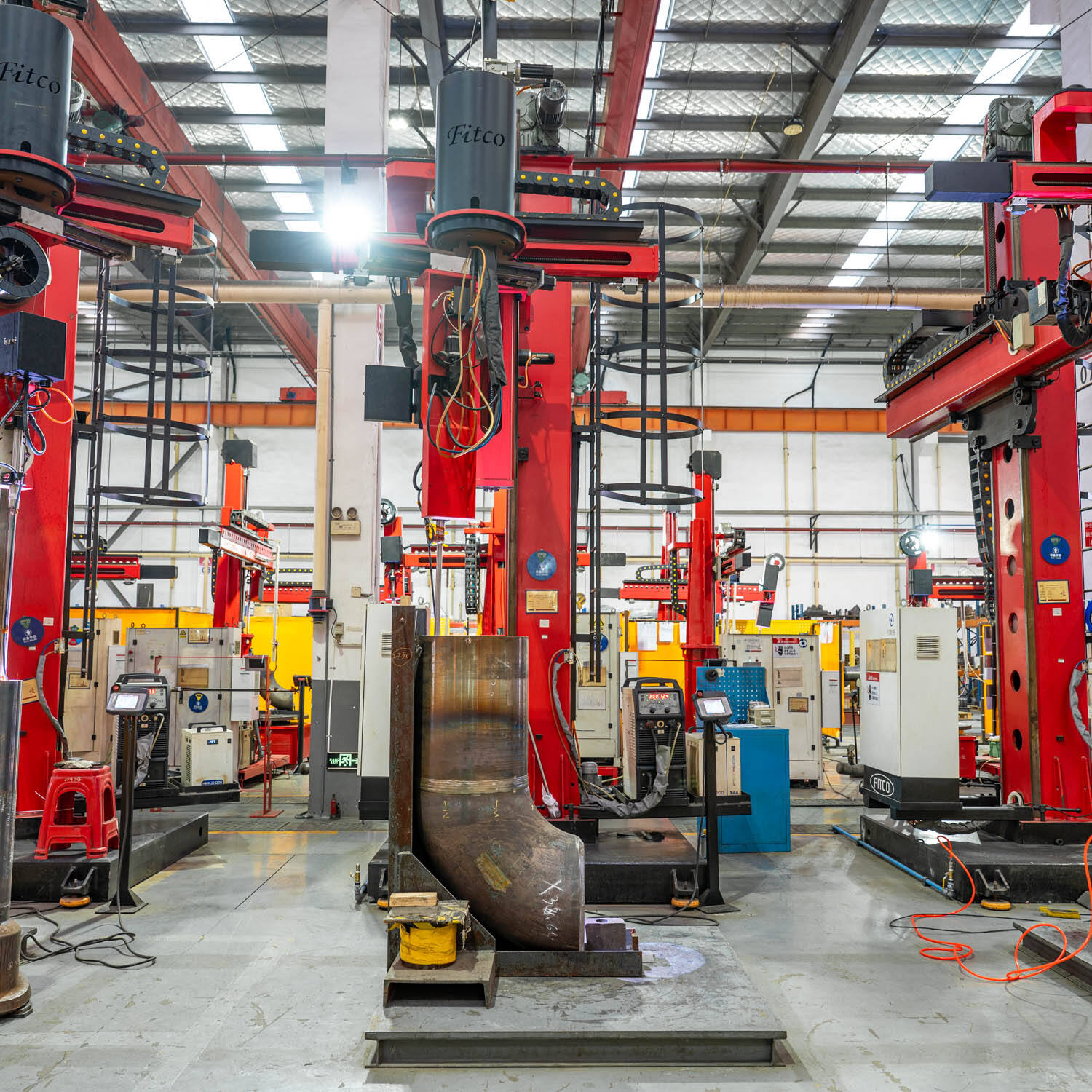
Weld Cladding Process: Advanced Surface Protection and Equipment Restoration Solutions

Contact me immediately if you encounter problems!

All Categories

Get a Free Quote

Our representative will contact you soon.
Email
Mobile/WhatsApp
Name
Company Name
Message
0/1000

Get a Free Quote

Our representative will contact you soon.
Email
Mobile/WhatsApp
Name
Company Name
Message
0/1000

weld cladding process

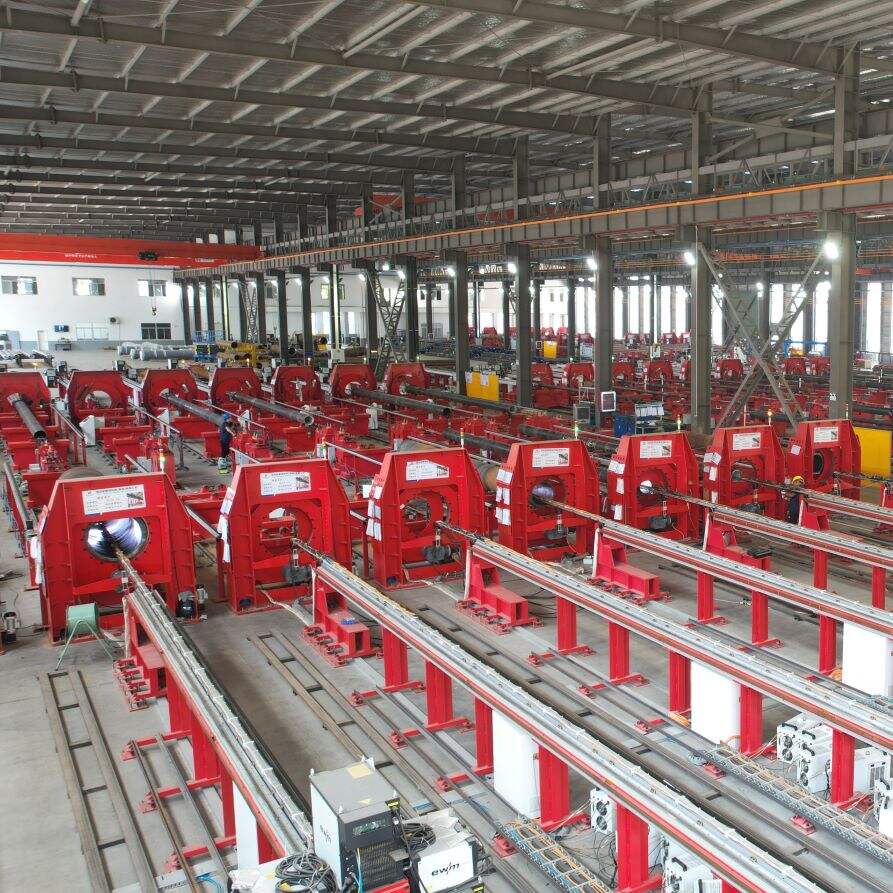
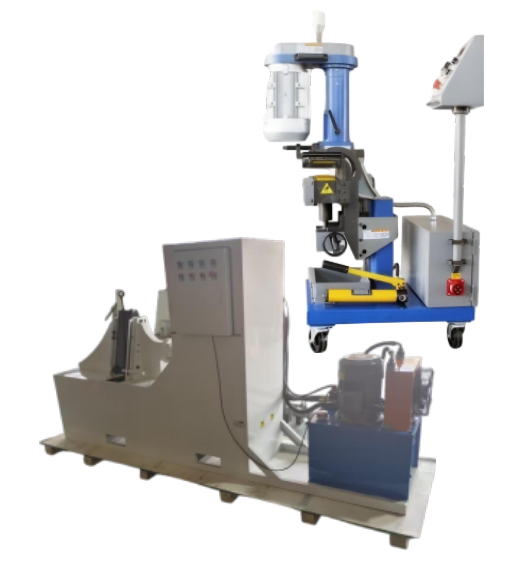
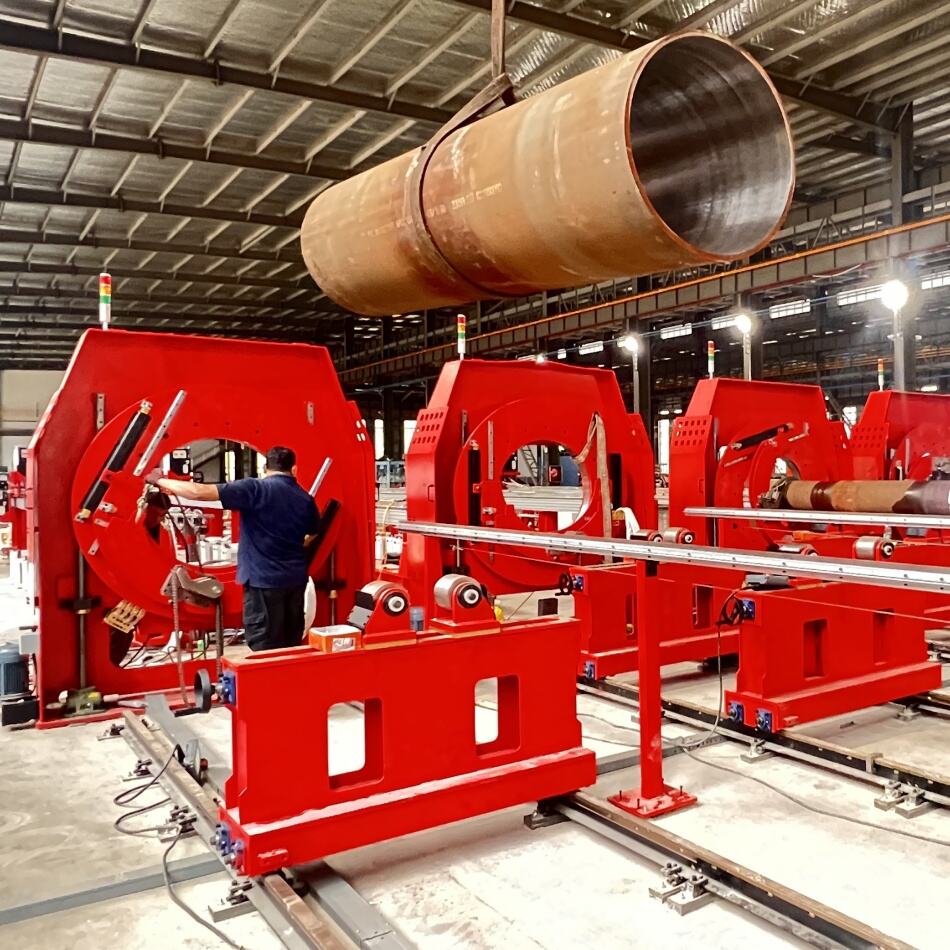
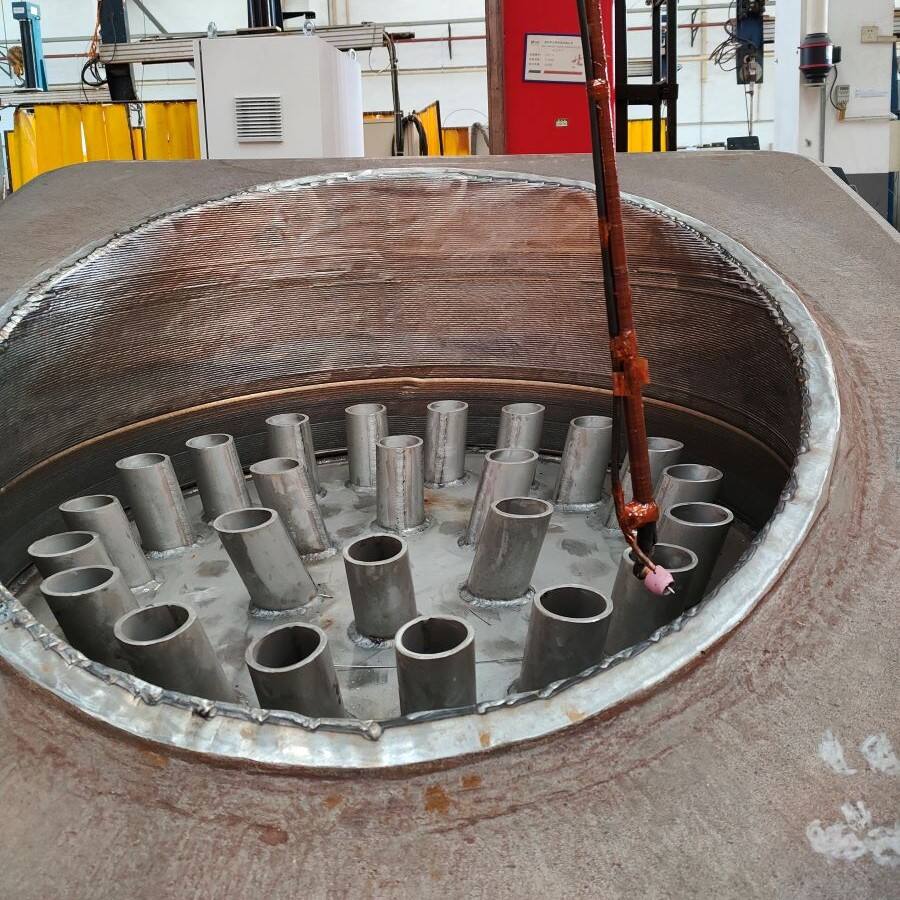
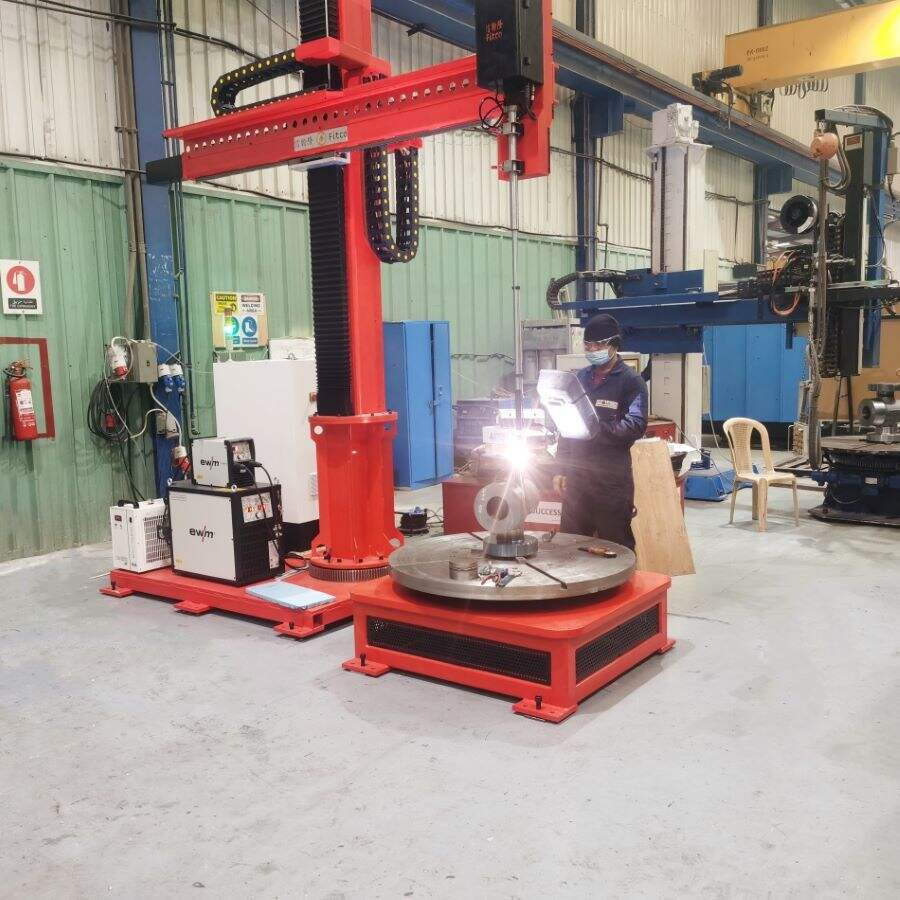
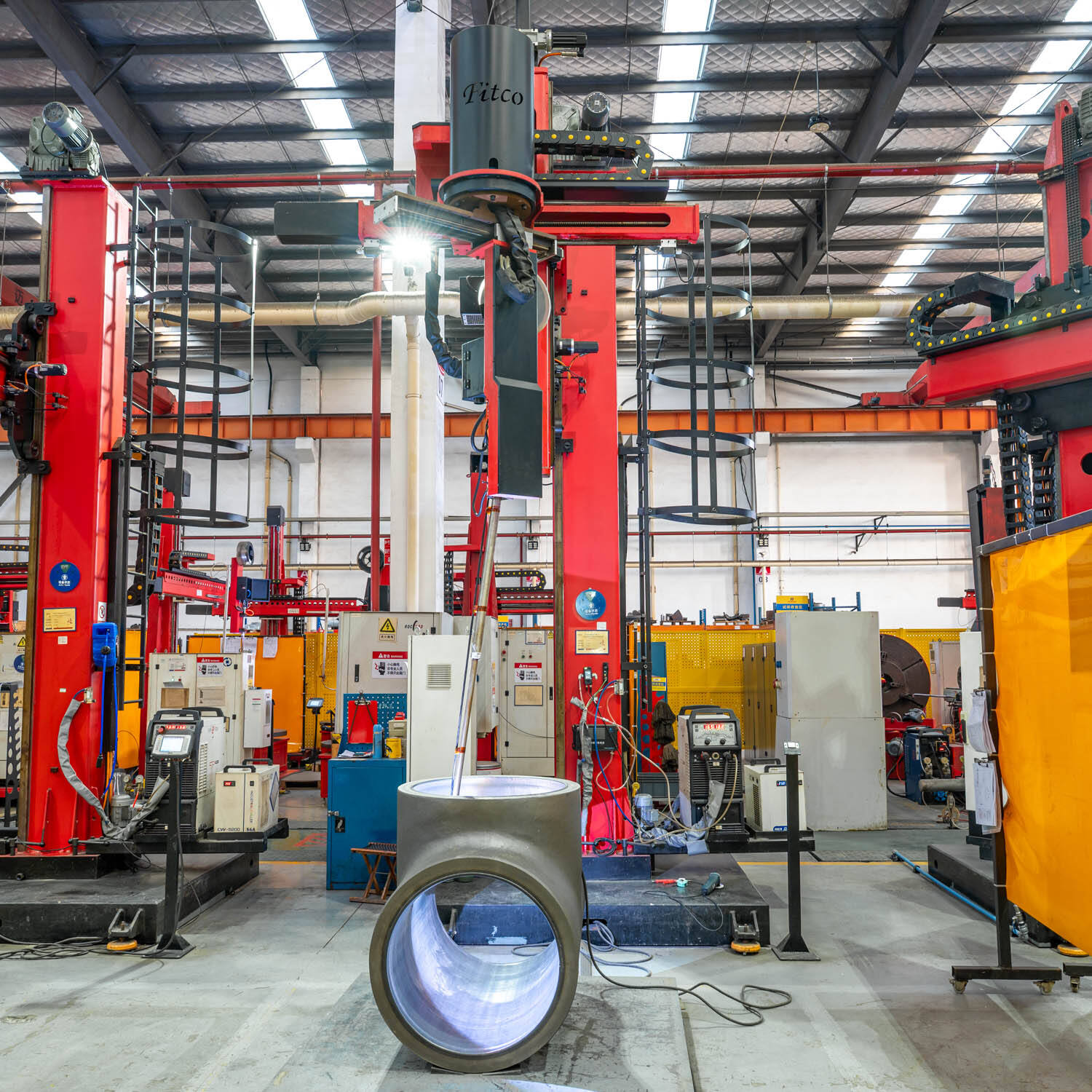
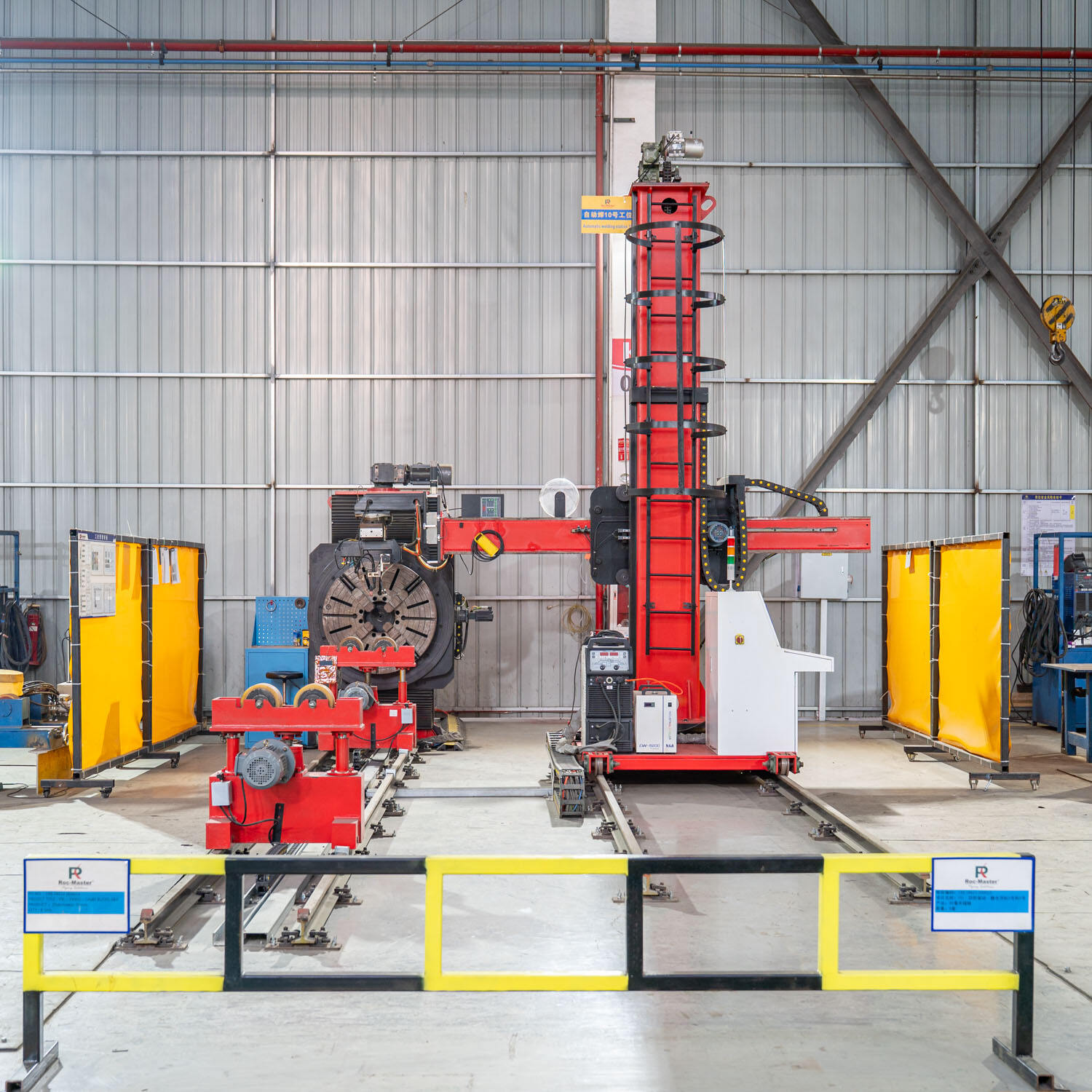
The weld cladding process represents a sophisticated metallurgical technique that applies protective or functional layers onto base materials through controlled welding operations. This advanced manufacturing method involves depositing specialized alloys, stainless steels, or other high-performance materials onto substrate surfaces to enhance corrosion resistance, wear protection, and mechanical properties. The weld cladding process utilizes various welding technologies including submerged arc welding, gas metal arc welding, and plasma transferred arc welding to achieve precise material deposition. The main functions of this process encompass surface protection against harsh environmental conditions, restoration of worn components, and enhancement of material properties without replacing entire structures. Technological features include precise heat input control, automated deposition systems, and real-time monitoring capabilities that ensure consistent quality and thickness uniformity. The process operates at controlled temperatures to minimize heat-affected zone formation while maintaining strong metallurgical bonding between clad and base materials. Applications span multiple industries including oil and gas, chemical processing, power generation, and marine engineering. In petrochemical facilities, the weld cladding process protects pressure vessels and piping systems from corrosive substances. Power plants utilize this technology for boiler components and steam generators where high-temperature resistance is crucial. The marine industry employs weld cladding for propeller shafts and hull components exposed to seawater corrosion. Manufacturing sectors apply this process for tooling restoration and equipment refurbishment, extending service life significantly. The versatility of the weld cladding process allows customization for specific performance requirements, material compatibility, and operational conditions, making it an essential technology for modern industrial applications.

New Product Releases

The weld cladding process delivers substantial cost savings by eliminating the need for expensive solid alloy components. Instead of manufacturing entire parts from costly specialty materials, this process applies only the necessary thickness of premium alloys where protection is required. This approach reduces material costs by up to 70 percent compared to solid construction while maintaining identical performance characteristics. The process extends equipment lifespan dramatically through superior corrosion and wear resistance. Components treated with the weld cladding process typically last three to five times longer than unprotected alternatives, reducing replacement frequency and maintenance downtime. This longevity translates directly into improved operational efficiency and reduced total cost of ownership. Flexibility stands as another major advantage, allowing engineers to select optimal clad materials for specific service conditions. The weld cladding process accommodates various alloy combinations, enabling customized solutions for unique environmental challenges. Whether facing acidic conditions, high temperatures, or abrasive wear, appropriate cladding materials can be selected and applied precisely where needed. Quality control benefits emerge through precise thickness control and consistent material properties. Advanced monitoring systems ensure uniform deposition, eliminating weak spots or thickness variations that could compromise performance. The weld cladding process achieves metallurgical bonding stronger than adhesive or mechanical attachment methods, creating permanent integration between base and clad materials. Environmental benefits include reduced waste generation and material consumption. By preserving existing structures through surface enhancement rather than complete replacement, the weld cladding process supports sustainable manufacturing practices. This approach minimizes raw material extraction and energy consumption associated with new component production. Speed advantages become apparent in maintenance applications where the weld cladding process enables rapid restoration of worn equipment. Downtime reduction proves crucial in industrial settings where every hour of operation generates significant revenue. The process can often be performed on-site, further minimizing disruption to normal operations while delivering permanent solutions that restore original specifications.

Tips And Tricks

Top 5 Maintenance Tips to Extend the Life of Your welding machine

16

Mar

Top 5 Maintenance Tips to Extend the Life of Your welding machine

Proper maintenance is the cornerstone of maximizing your welding machine investment and ensuring consistent, high-quality welding performance throughout its operational lifespan. Industrial welding operations rely heavily on equipment reliability, an...
View More
The Essential Guide to Automated pipe cladding Solutions

16

Mar

The Essential Guide to Automated pipe cladding Solutions

Automated pipe cladding solutions represent a transformative advancement in industrial pipeline protection, offering enhanced precision, efficiency, and durability compared to traditional manual methods. This comprehensive guide explores the critical...
View More
How to Calibrate Your mig welding equipment for Pulse Welding

16

Mar

How to Calibrate Your mig welding equipment for Pulse Welding

Calibrating mig welding equipment for pulse welding requires precise adjustments to achieve optimal arc characteristics and weld quality. This specialized process involves fine-tuning multiple parameters including pulse frequency, peak current, backg...
View More
Which Industries Benefit Most from Using a TIG Welder?

13

Jan

Which Industries Benefit Most from Using a TIG Welder?

TIG welding technology has revolutionized manufacturing and fabrication processes across numerous industries, offering unparalleled precision and quality in metal joining applications. The versatility of a TIG welder makes it an indispensable tool fo...
View More

Get a Free Quote

Our representative will contact you soon.
Email
Mobile/WhatsApp
Name
Company Name
Message
0/1000

weld cladding process

Superior Corrosion Protection Through Advanced Metallurgical Bonding

Superior Corrosion Protection Through Advanced Metallurgical Bonding

The weld cladding process creates an exceptional barrier against corrosive environments through metallurgical fusion that surpasses conventional coating methods. Unlike surface treatments that rely on mechanical adhesion or chemical bonding, this process achieves atomic-level integration between the protective cladding material and the base substrate. This fundamental bonding mechanism ensures that the protective layer becomes an integral part of the component structure, eliminating the risk of delamination or coating failure that commonly affects other protection methods. The metallurgical bond formed during the weld cladding process withstands extreme temperature fluctuations, mechanical stress, and chemical exposure that would compromise alternative protective systems. This bonding strength proves particularly valuable in applications involving thermal cycling, where differential expansion and contraction would otherwise cause coating separation. The process allows selection from a comprehensive range of corrosion-resistant alloys including duplex stainless steels, super austenitic grades, and specialized nickel-based alloys. Each material offers specific advantages for particular corrosive environments, enabling engineers to match protection precisely to service conditions. For instance, chloride-rich environments benefit from super duplex stainless steel cladding, while high-temperature oxidizing conditions call for chromium-rich alloys. The uniform thickness distribution achieved through controlled deposition ensures consistent protection across complex geometries, including corners, edges, and irregular surfaces where traditional coatings often provide inadequate coverage. Advanced process control systems monitor deposition parameters continuously, maintaining optimal heat input and travel speed to achieve defect-free cladding. This precision prevents dilution issues that could compromise corrosion resistance while ensuring complete coverage without gaps or thin spots. The resulting surface exhibits excellent chemical inertness, effectively isolating the base material from aggressive substances. Long-term performance data demonstrates that properly applied weld cladding maintains its protective properties for decades, even under severe service conditions that would rapidly degrade other protection methods.
Cost-Effective Material Optimization Without Performance Compromise

Cost-Effective Material Optimization Without Performance Compromise

The weld cladding process revolutionizes material economics by enabling the strategic placement of expensive high-performance alloys only where their properties are essential, while utilizing cost-effective base materials for structural support. This intelligent material distribution approach can reduce overall component costs by 60 to 80 percent compared to solid construction from premium alloys, while maintaining identical or superior performance characteristics. The economic advantage becomes particularly pronounced when dealing with exotic materials such as Hastelloy, Inconel, or titanium alloys, where even small solid components command premium prices. Through the weld cladding process, these expensive materials are applied only in the thickness required for protection or performance, typically ranging from 3 to 12 millimeters depending on application requirements. The base material selection focuses on structural adequacy and weldability rather than surface performance, allowing the use of standard carbon steels or low-alloy grades that cost a fraction of specialty materials. Manufacturing efficiency gains result from simplified machining operations, as the weld cladding process typically requires minimal post-weld finishing. The deposited surface often meets final dimensional requirements directly, eliminating expensive machining of hard specialty alloys that require specialized tooling and extended cycle times. Inventory management becomes more efficient as standard base materials can accommodate multiple cladding options, reducing the variety of expensive raw materials that must be maintained in stock. The process enables rapid response to changing specifications or customer requirements without significant material waste or lead time penalties. Quality assurance costs decrease through proven process reliability and established inspection procedures. Non-destructive testing methods effectively verify cladding integrity and thickness, providing confidence in component performance without expensive destructive testing. The weld cladding process supports design optimization by allowing engineers to specify exactly the right material properties in each zone of a component, maximizing performance while minimizing cost. This targeted approach proves especially valuable in large components where solid construction from premium materials would be prohibitively expensive.
Rapid Equipment Restoration and Lifecycle Extension

Rapid Equipment Restoration and Lifecycle Extension

The weld cladding process provides unmatched capabilities for restoring worn or damaged equipment to original specifications while simultaneously upgrading performance characteristics beyond initial design parameters. This restoration approach proves particularly valuable for high-value industrial equipment where replacement costs are substantial and downtime severely impacts operational profitability. The process enables on-site application in many cases, eliminating the need to remove large components from service positions for shop repairs. Portable welding systems can be deployed directly to equipment locations, significantly reducing restoration timeframes and associated downtime costs. The speed of application depends on component size and complexity, but typical restoration projects complete in days rather than the weeks or months required for manufacturing replacement components. Dimensional restoration accuracy achieves tolerances suitable for precision machinery, often eliminating the need for extensive post-weld machining. Advanced welding techniques control heat input precisely, minimizing distortion and maintaining component geometry within acceptable limits. The process can restore not only worn surfaces but also build up dimensions beyond original specifications when design modifications are beneficial. Performance enhancement opportunities arise through strategic material selection during restoration. Components originally manufactured from standard materials can be upgraded with superior alloys during the weld cladding process, improving resistance to wear, corrosion, or temperature exposure. This upgrade capability allows older equipment to meet current environmental or performance standards without complete replacement. The restoration process often identifies and addresses root causes of premature wear through improved material selection or surface geometry modifications. Engineering analysis during restoration planning can lead to design improvements that extend future service life well beyond original expectations. Quality verification through established testing protocols ensures restored components meet or exceed original specifications. Hardness testing, dimensional inspection, and non-destructive examination provide comprehensive validation of restoration quality. The weld cladding process supports predictive maintenance strategies by enabling planned restoration during scheduled outages rather than emergency repairs during unexpected failures. This proactive approach maximizes equipment availability while maintaining operational safety margins throughout the component lifecycle.

Get a Free Quote

Our representative will contact you soon.
Email
Mobile/WhatsApp
Name
Company Name
Message
0/1000