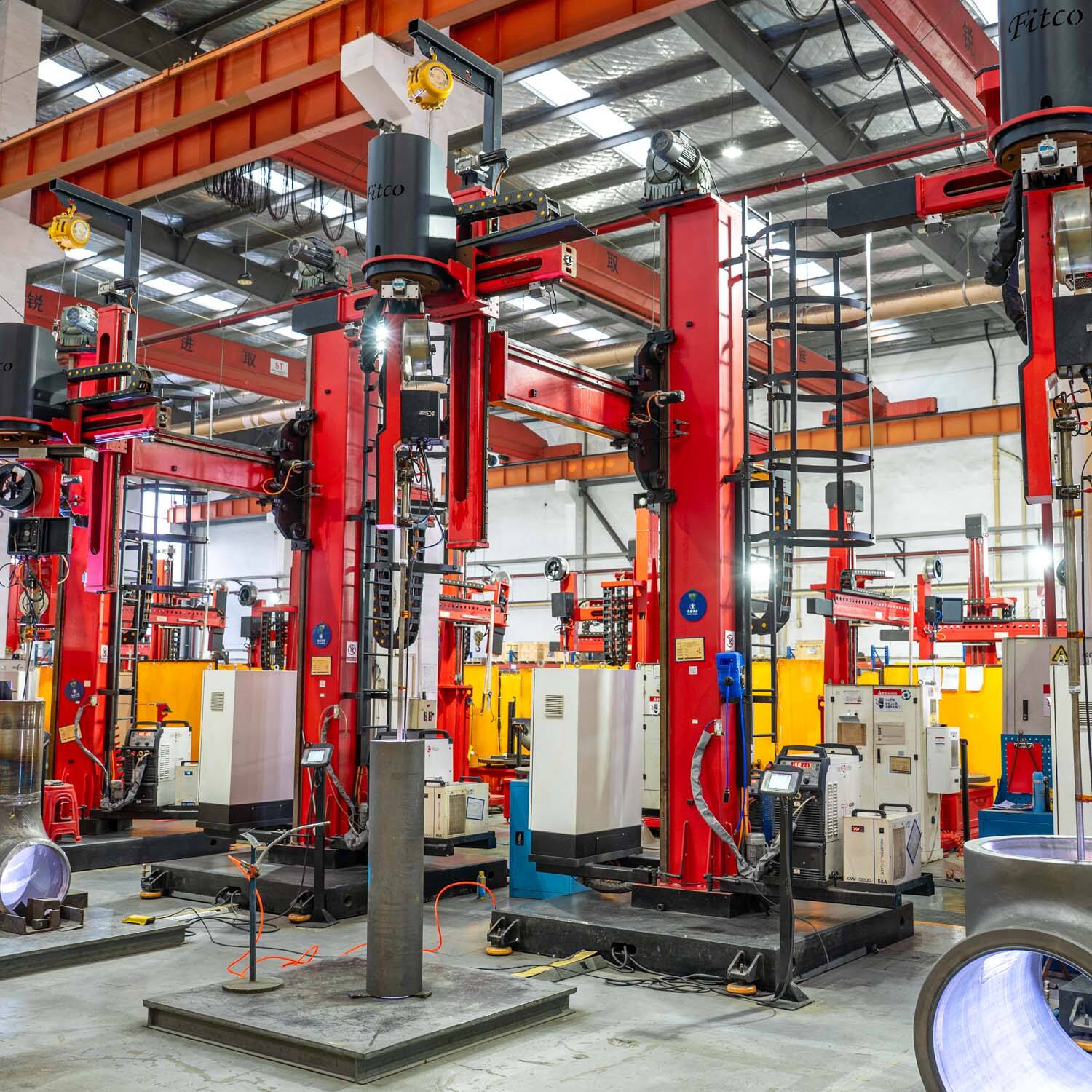
Advanced Automatic Pipe Cladding Solutions - Superior Pipeline Protection Technology

Contact me immediately if you encounter problems!

All Categories

Get a Free Quote

Our representative will contact you soon.
Email
Mobile/WhatsApp
Name
Company Name
Message
0/1000

Get a Free Quote

Our representative will contact you soon.
Email
Mobile/WhatsApp
Name
Company Name
Message
0/1000

automatic pipe cladding

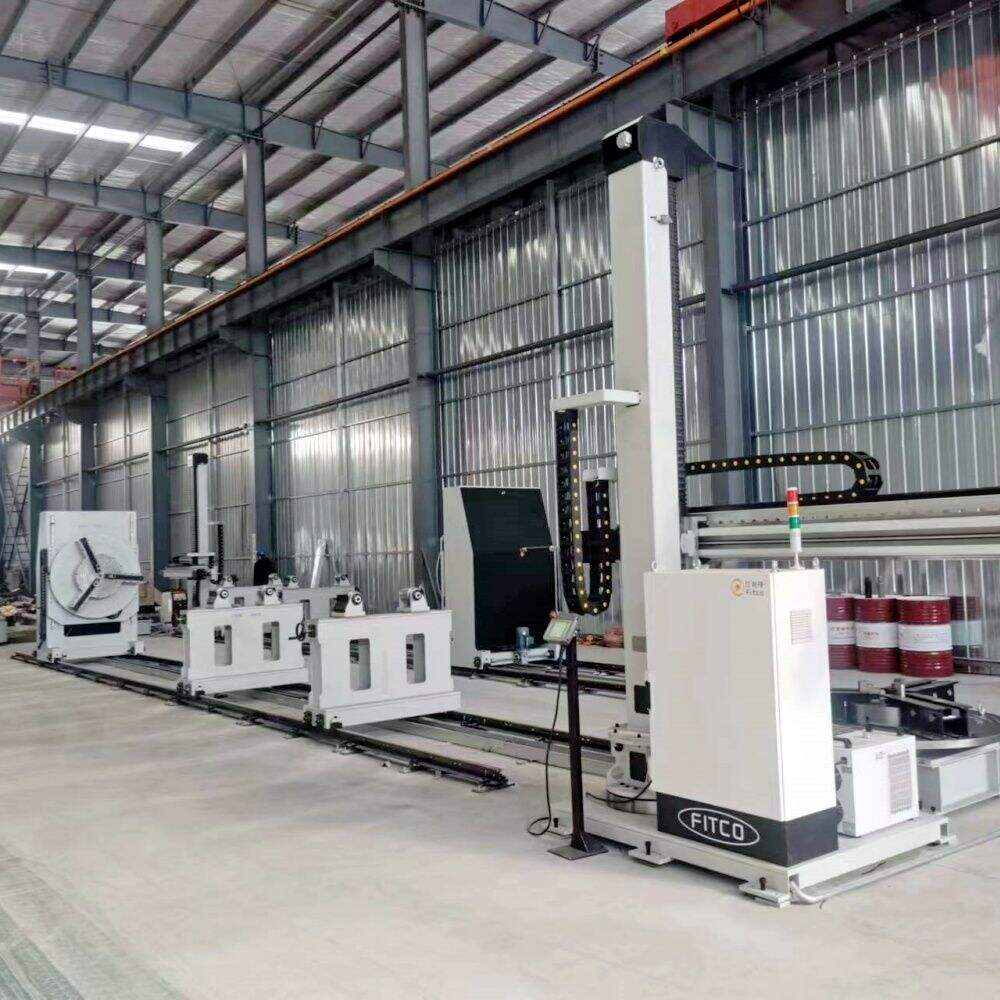
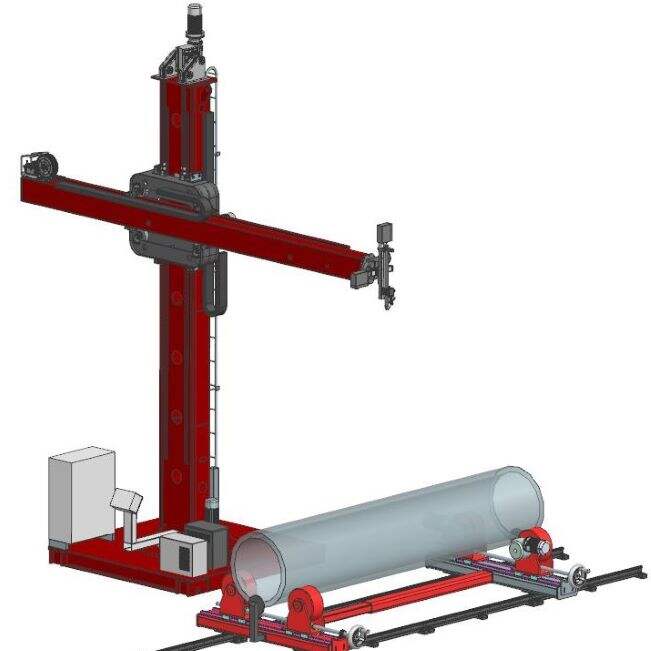
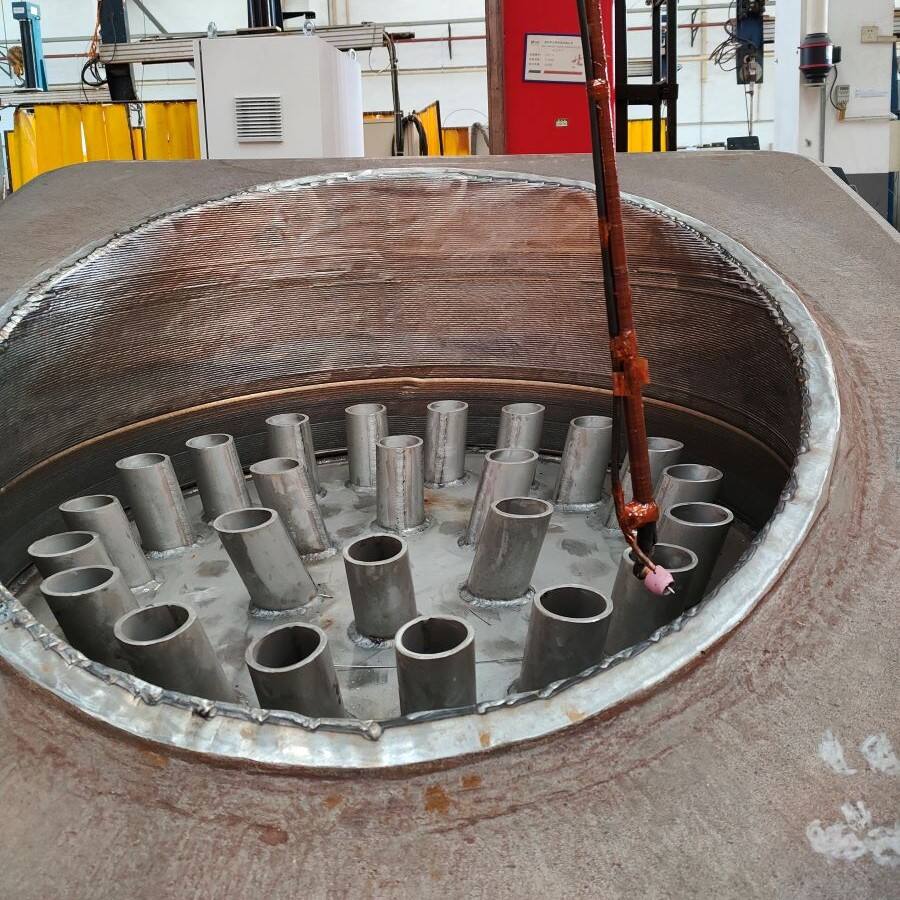
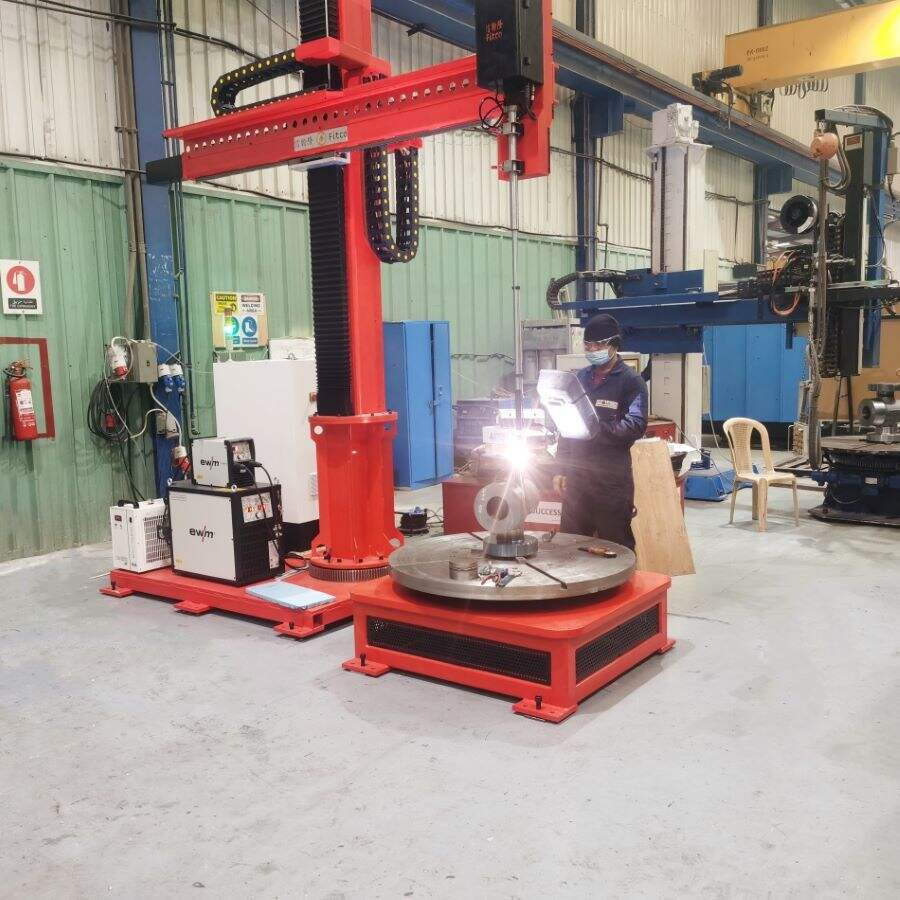
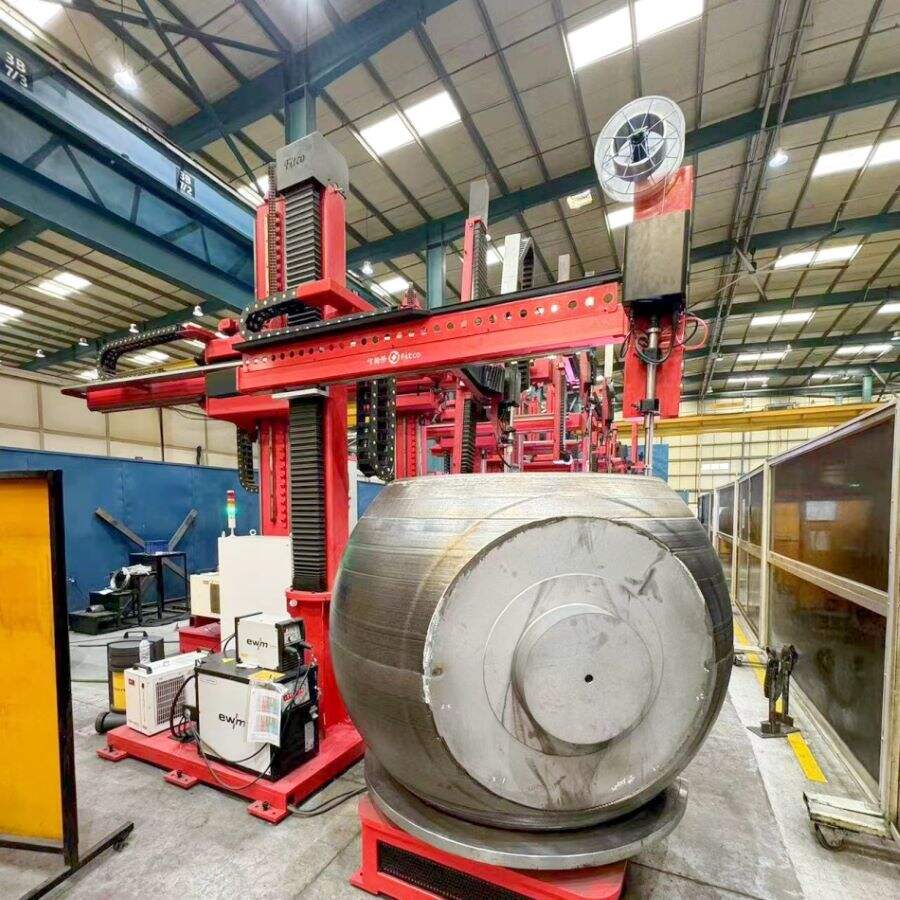
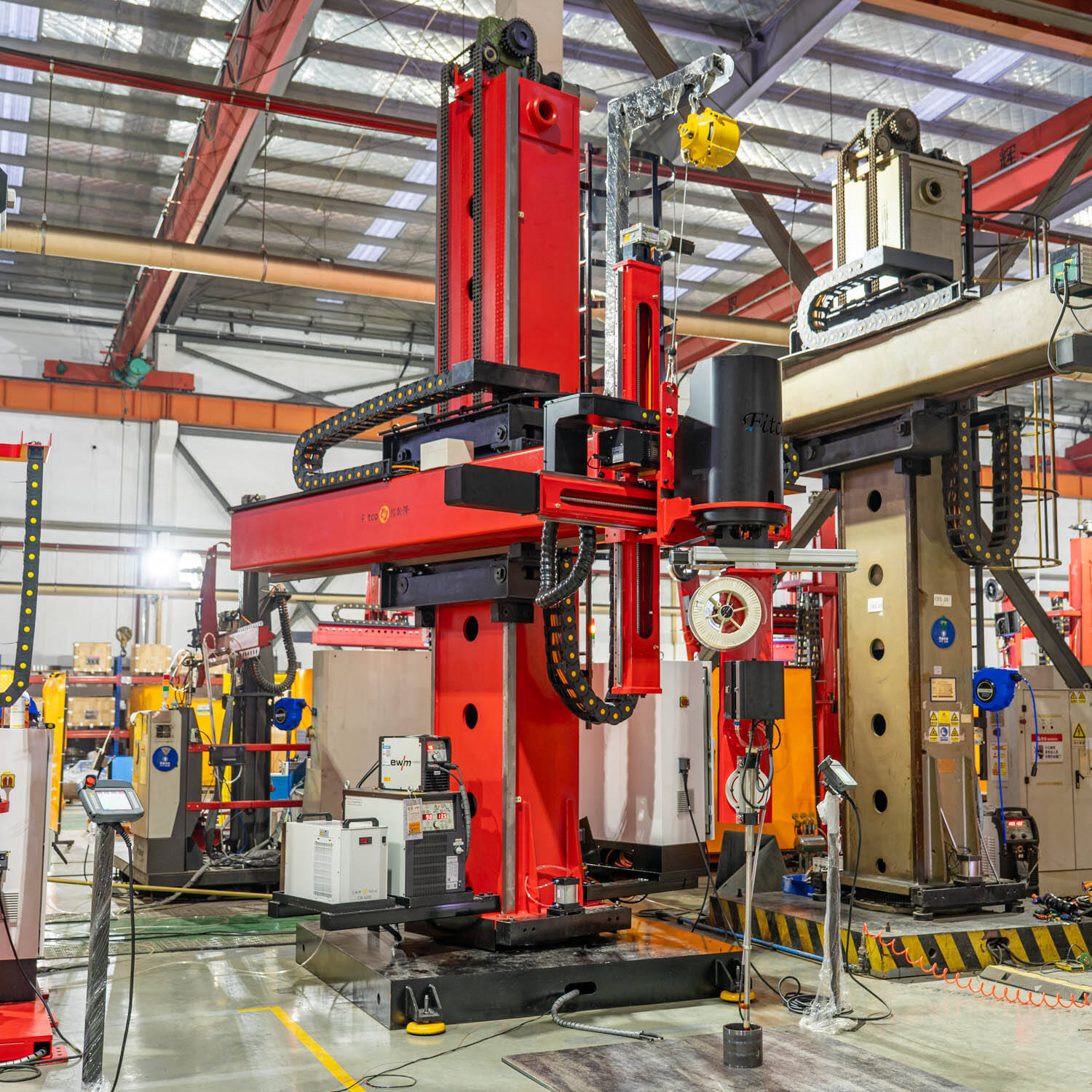
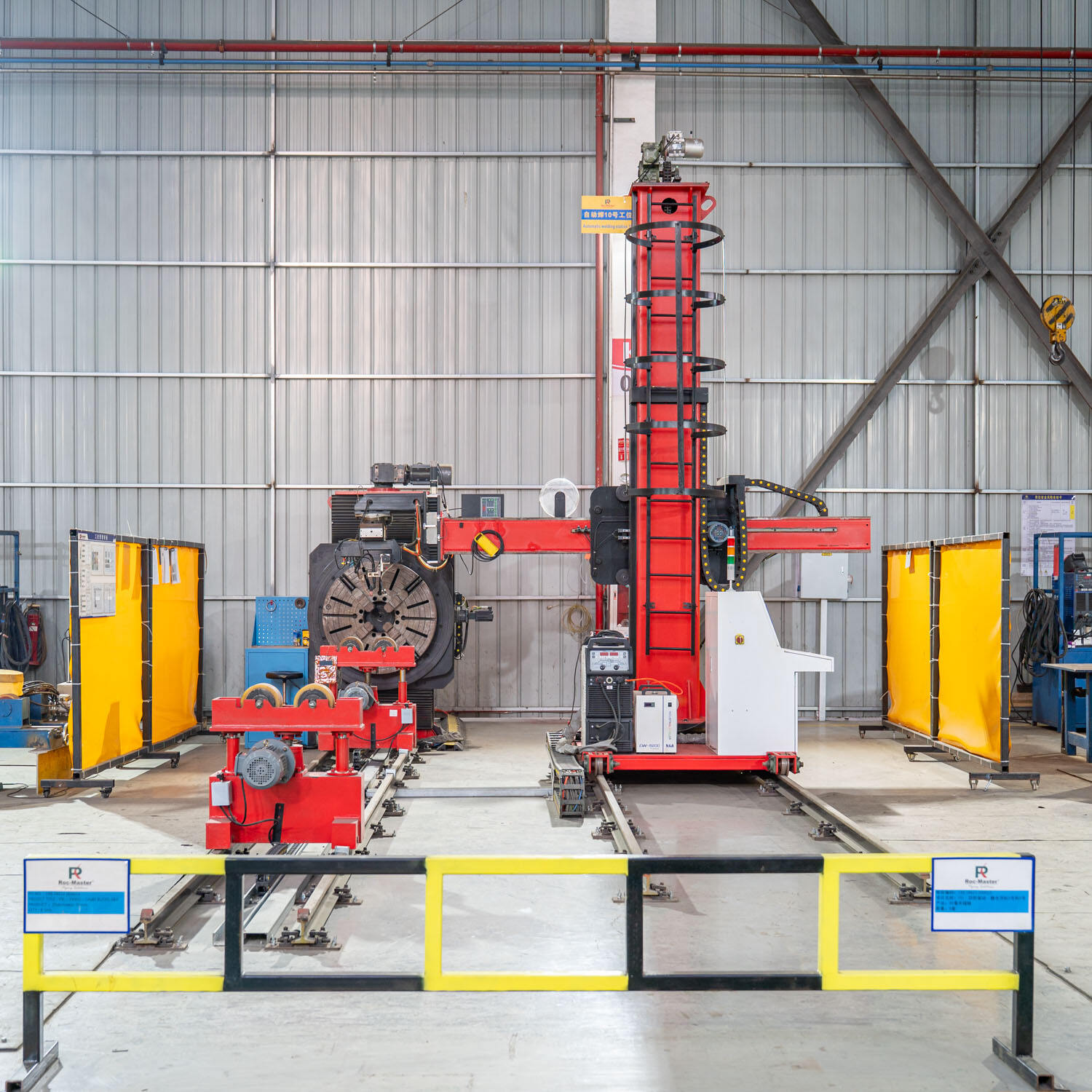
Automatic pipe cladding represents a revolutionary advancement in pipeline protection technology, designed to enhance the durability and performance of industrial piping systems. This sophisticated system applies protective layers to pipes through automated processes, ensuring consistent coverage and superior protection against corrosion, wear, and environmental damage. The automatic pipe cladding technology utilizes advanced robotic systems and precision machinery to deposit various protective materials onto pipe surfaces, creating a barrier that significantly extends pipeline lifespan. The main functions of automatic pipe cladding include corrosion resistance, thermal insulation, mechanical protection, and chemical barrier formation. These systems can apply multiple types of cladding materials, including stainless steel, nickel alloys, titanium, and specialized polymer coatings, depending on the specific application requirements. The technological features of automatic pipe cladding encompass computerized control systems, real-time monitoring capabilities, variable speed processing, and adaptive material application techniques. These features ensure precise thickness control, uniform coverage, and optimal adhesion between the base pipe and cladding material. The automation aspect eliminates human error, reduces processing time, and maintains consistent quality standards throughout the entire cladding process. Applications for automatic pipe cladding span across numerous industries, including oil and gas, chemical processing, power generation, water treatment, and marine engineering. In offshore drilling operations, automatic pipe cladding provides essential protection against saltwater corrosion and extreme pressure conditions. Chemical plants utilize this technology to protect pipelines from aggressive chemicals and high-temperature environments. Power generation facilities implement automatic pipe cladding to enhance steam line durability and improve overall system efficiency. The versatility of automatic pipe cladding makes it suitable for both new construction projects and retrofit applications, offering flexible solutions for diverse industrial requirements.

New Products

The advantages of automatic pipe cladding deliver substantial practical benefits that directly impact operational efficiency and cost-effectiveness for industrial facilities. First, the automated nature of this technology significantly reduces labor costs by minimizing the need for manual intervention during the cladding process. Traditional pipe protection methods require extensive manual labor, leading to higher operational expenses and increased risk of human error. Automatic pipe cladding systems operate continuously with minimal supervision, allowing facilities to achieve consistent production rates while reducing workforce requirements. The precision control offered by automatic pipe cladding ensures uniform thickness distribution across the entire pipe surface, eliminating weak spots that could lead to premature failure. This consistency translates to improved reliability and reduced maintenance requirements throughout the pipeline system lifecycle. The speed of automatic pipe cladding processes surpasses conventional methods by substantial margins, enabling faster project completion and earlier system commissioning. Industrial facilities benefit from reduced downtime during installation or maintenance activities, as automatic pipe cladding can be completed more efficiently than manual alternatives. Quality control becomes more manageable with automatic pipe cladding, as computerized systems monitor every aspect of the process in real-time. This continuous monitoring capability allows for immediate adjustments when process parameters deviate from optimal conditions, ensuring consistent results across all treated pipes. The material utilization efficiency of automatic pipe cladding reduces waste and optimizes resource consumption, leading to lower material costs and environmental benefits. Automatic pipe cladding systems can handle various pipe sizes and configurations without requiring extensive reconfiguration, providing operational flexibility for diverse project requirements. The enhanced protection provided by automatic pipe cladding extends pipeline service life significantly, reducing replacement costs and minimizing system disruptions. Long-term cost savings from automatic pipe cladding implementation often exceed initial investment costs within the first few years of operation. The improved corrosion resistance achieved through automatic pipe cladding protects against chemical attacks, extending maintenance intervals and reducing inspection requirements. Safety improvements result from automatic pipe cladding applications, as protected pipelines are less likely to experience failures that could lead to environmental incidents or personnel hazards.

Practical Tips

Why igbt inverter welder Technology is the Industry Standard in 2026

16

Mar

Why igbt inverter welder Technology is the Industry Standard in 2026

The welding industry has undergone a transformative evolution, with igbt inverter welder technology emerging as the definitive standard for professional and industrial applications in 2026. This revolutionary advancement represents a fundamental shif...
View More
How to Calibrate Your mig welding equipment for Pulse Welding

16

Mar

How to Calibrate Your mig welding equipment for Pulse Welding

Calibrating mig welding equipment for pulse welding requires precise adjustments to achieve optimal arc characteristics and weld quality. This specialized process involves fine-tuning multiple parameters including pulse frequency, peak current, backg...
View More
Which Industries Benefit Most from Using a TIG Welder?

13

Jan

Which Industries Benefit Most from Using a TIG Welder?

TIG welding technology has revolutionized manufacturing and fabrication processes across numerous industries, offering unparalleled precision and quality in metal joining applications. The versatility of a TIG welder makes it an indispensable tool fo...
View More
Which Materials Weld Best with Longitudinal TIG Equipment?

13

Jan

Which Materials Weld Best with Longitudinal TIG Equipment?

Manufacturing industries increasingly rely on advanced welding technologies to achieve superior joint quality and production efficiency. Among the various welding methods available, longitudinal TIG equipment has emerged as a critical solution for ap...
View More

Get a Free Quote

Our representative will contact you soon.
Email
Mobile/WhatsApp
Name
Company Name
Message
0/1000

automatic pipe cladding

Advanced Precision Control Technology

Advanced Precision Control Technology

The advanced precision control technology integrated within automatic pipe cladding systems represents a breakthrough in industrial coating applications, delivering unprecedented accuracy and consistency in protective layer application. This sophisticated control system utilizes multiple sensors and feedback mechanisms to monitor every aspect of the cladding process, including material flow rates, application thickness, surface temperature, and environmental conditions. The precision control technology ensures that automatic pipe cladding maintains optimal parameters throughout the entire process, adjusting variables in real-time to compensate for any deviations from target specifications. This level of control is particularly valuable when working with expensive cladding materials or critical applications where coating thickness must meet strict tolerances. The system's ability to maintain consistent coating thickness across complex pipe geometries, including bends, joints, and varying diameters, sets automatic pipe cladding apart from conventional application methods. Advanced algorithms within the control system predict and compensate for material behavior under different operating conditions, ensuring reliable results regardless of environmental factors or material variations. The precision control technology also enables automatic pipe cladding systems to store and recall specific process parameters for different materials and applications, streamlining setup procedures for repeat projects. Quality documentation becomes seamless with integrated data logging capabilities that record all process parameters throughout the cladding operation, providing comprehensive traceability for quality assurance and regulatory compliance purposes. The user-friendly interface of the precision control system allows operators to easily monitor automatic pipe cladding progress and make necessary adjustments without requiring specialized technical expertise. This accessibility reduces training requirements and enables existing personnel to effectively operate automatic pipe cladding equipment with minimal additional education. The predictive maintenance capabilities built into the precision control system monitor equipment performance and alert operators to potential issues before they impact automatic pipe cladding quality or system availability.
Superior Material Adhesion and Bonding

Superior Material Adhesion and Bonding

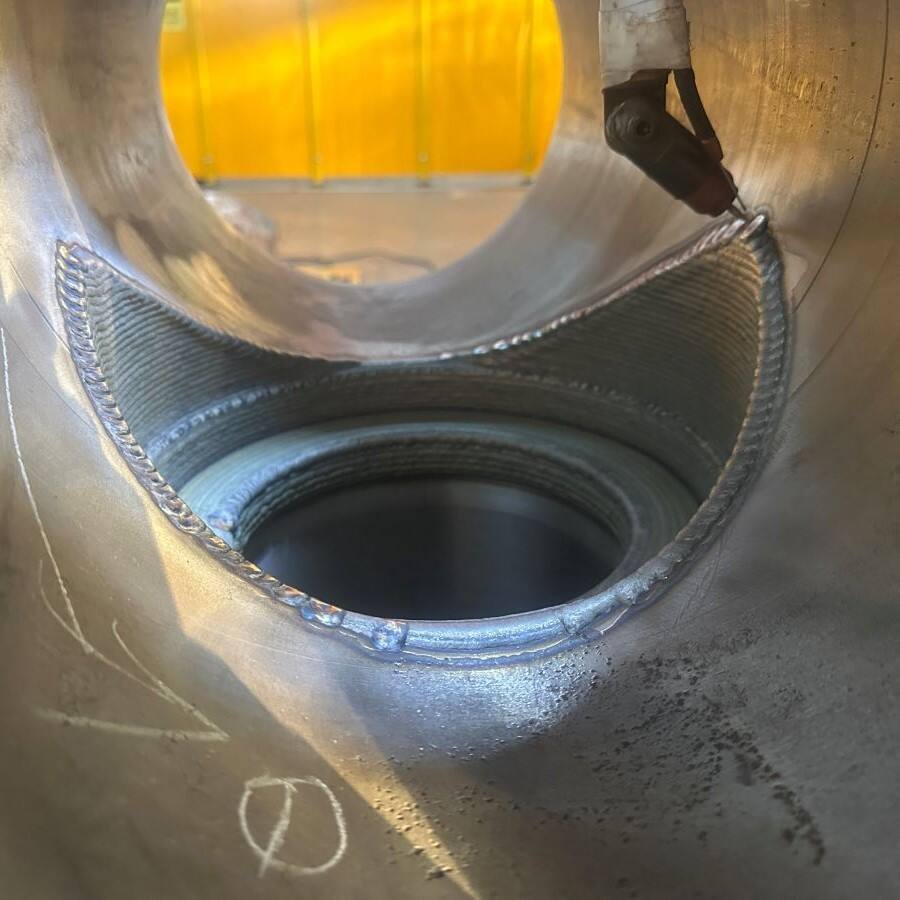
Superior material adhesion and bonding capabilities distinguish automatic pipe cladding technology from traditional pipe protection methods, creating metallurgical bonds that exceed the strength of conventional coatings. The automatic pipe cladding process generates optimal surface conditions through controlled preparation techniques, ensuring maximum adhesion between the base pipe material and the applied cladding layer. This exceptional bonding strength results from the precise control of temperature, pressure, and material deposition rates during the automatic pipe cladding application process. The metallurgical bond formed between the pipe substrate and cladding material creates a composite structure that combines the strength of the base pipe with the protective properties of the cladding material. Unlike mechanical attachment methods or adhesive-based coatings, the bond created through automatic pipe cladding becomes an integral part of the pipe structure, eliminating concerns about delamination or coating separation under operational stresses. The superior adhesion achieved through automatic pipe cladding ensures long-term performance reliability, even under extreme temperature cycling, pressure fluctuations, and chemical exposure conditions. Quality control measures within automatic pipe cladding systems monitor bond strength in real-time, providing immediate feedback about adhesion quality and enabling process adjustments to maintain optimal bonding conditions. The exceptional material adhesion properties of automatic pipe cladding extend to various substrate materials, including carbon steel, stainless steel, and specialty alloys, making this technology versatile for diverse industrial applications. The bonding process used in automatic pipe cladding creates a diffusion zone between the base material and cladding layer, resulting in a gradual transition that eliminates stress concentrations often found with other coating methods. This superior adhesion translates to improved resistance against coating disbondment caused by mechanical damage, thermal stress, or chemical attack, significantly extending the protective life of the cladding system. The reliability of material adhesion achieved through automatic pipe cladding reduces the need for frequent inspections and maintenance interventions, lowering lifecycle costs and improving operational efficiency for industrial facilities.
Comprehensive Corrosion and Environmental Protection

Comprehensive Corrosion and Environmental Protection

Comprehensive corrosion and environmental protection provided by automatic pipe cladding systems offers unmatched defense against aggressive industrial environments, chemical exposure, and atmospheric conditions that threaten pipeline integrity. The automatic pipe cladding process creates a barrier layer that effectively isolates the base pipe material from corrosive elements, preventing electrochemical reactions that lead to material degradation and system failure. This protection encompasses multiple corrosion mechanisms, including uniform corrosion, pitting corrosion, crevice corrosion, and stress corrosion cracking, providing comprehensive defense against various forms of material attack. The environmental protection capabilities of automatic pipe cladding extend beyond corrosion resistance to include thermal insulation, abrasion resistance, and chemical barrier properties that maintain system performance under demanding operating conditions. The customizable nature of automatic pipe cladding allows selection of specific cladding materials optimized for particular environmental challenges, ensuring maximum protection efficiency for each unique application. Stainless steel cladding applied through automatic pipe cladding processes provides exceptional resistance to chloride-induced corrosion, making it ideal for marine environments and chemical processing applications. Nickel alloy cladding options available through automatic pipe cladding systems offer superior performance in high-temperature, acidic environments commonly found in petrochemical and power generation facilities. The seamless coverage achieved through automatic pipe cladding eliminates potential weak points where corrosion could initiate, providing uniform protection across the entire pipe surface including complex geometries and connections. Long-term performance testing of automatic pipe cladding applications demonstrates sustained protection effectiveness over decades of service, validating the technology's ability to provide lasting environmental defense. The chemical inertness of properly selected cladding materials applied through automatic pipe cladding processes ensures compatibility with a wide range of process fluids, preventing contamination and maintaining product purity in sensitive applications. Temperature resistance provided by automatic pipe cladding enables pipeline operation in extreme thermal environments without compromising protective properties or structural integrity. The comprehensive protection offered by automatic pipe cladding reduces maintenance requirements, extends service intervals, and minimizes the risk of environmental incidents caused by pipeline failures, delivering both operational and environmental benefits for industrial facilities.

Get a Free Quote

Our representative will contact you soon.
Email
Mobile/WhatsApp
Name
Company Name
Message
0/1000