Aplicación versátil en múltiples industrias
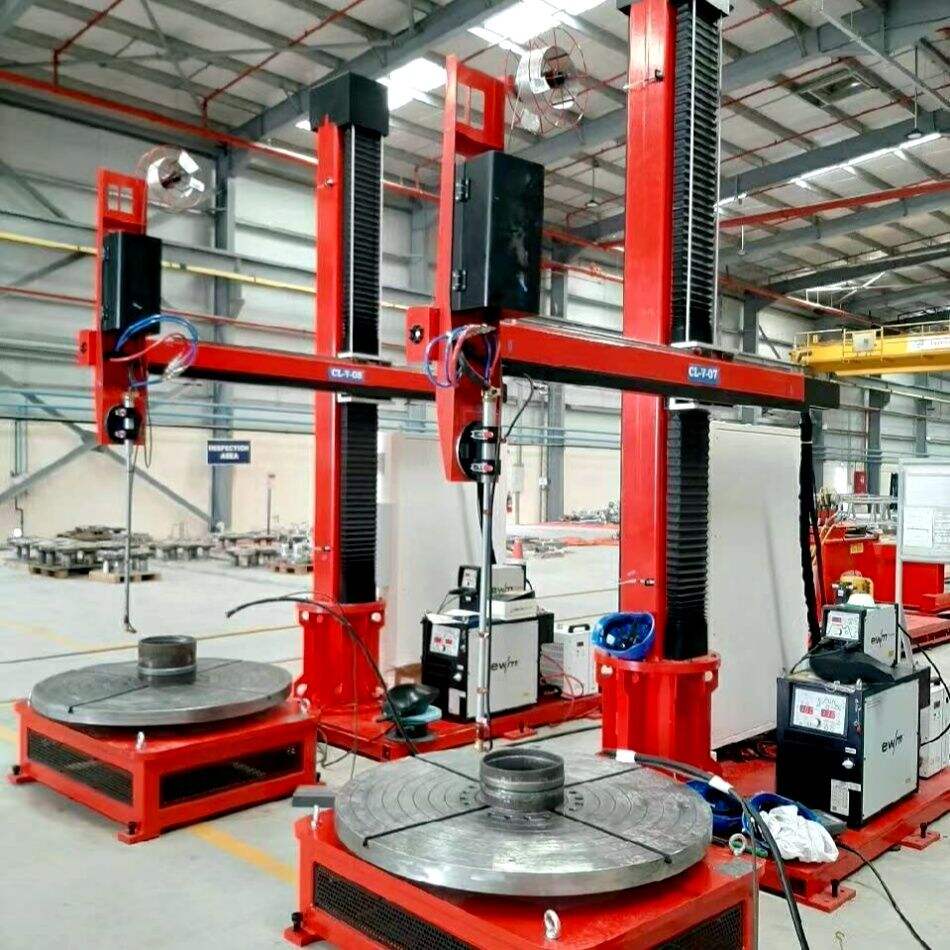
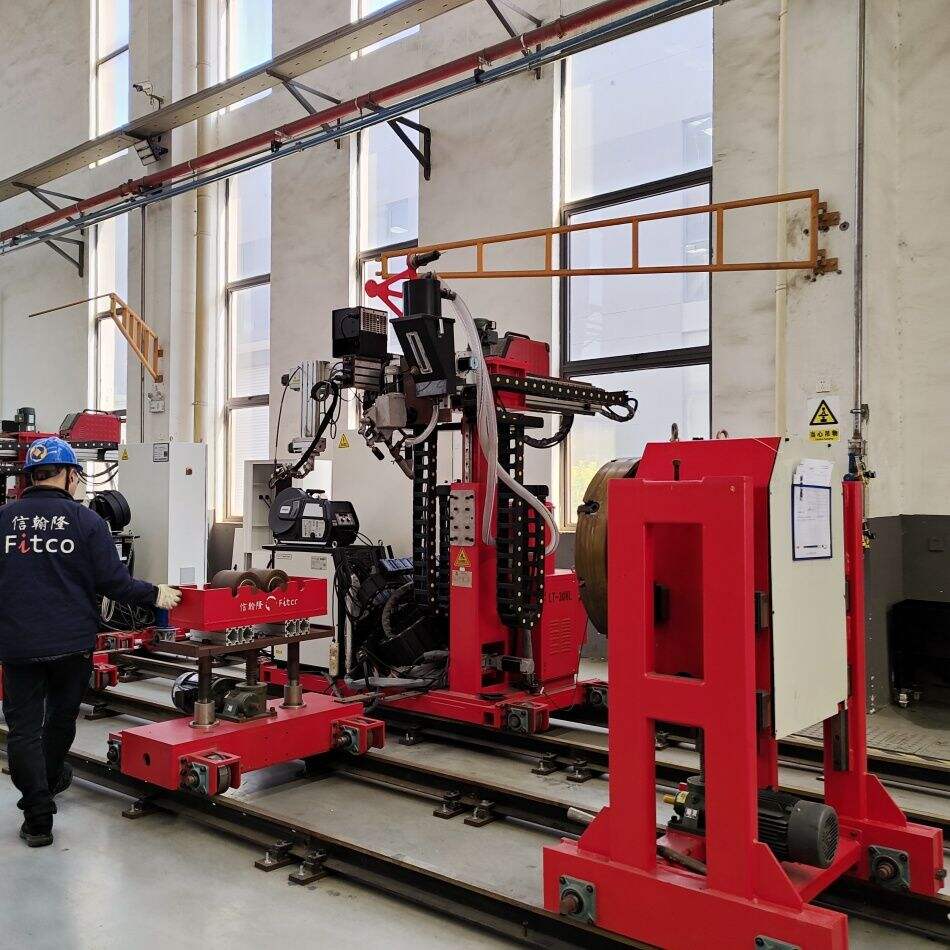
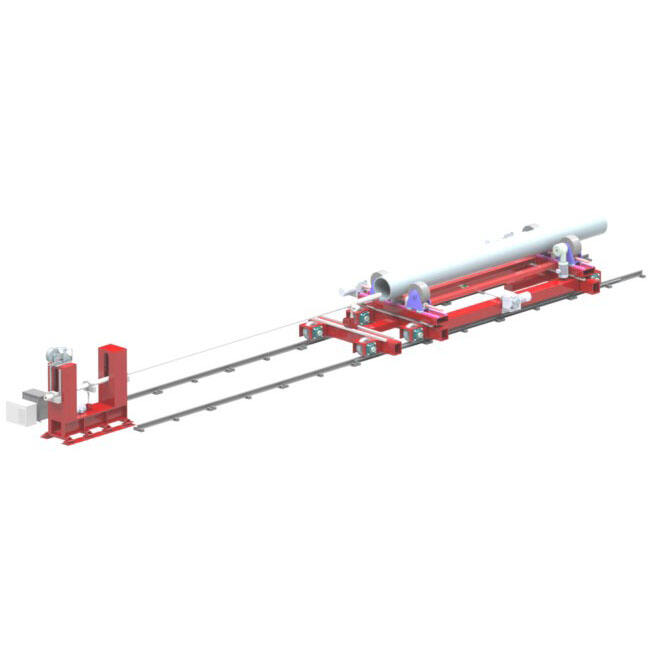
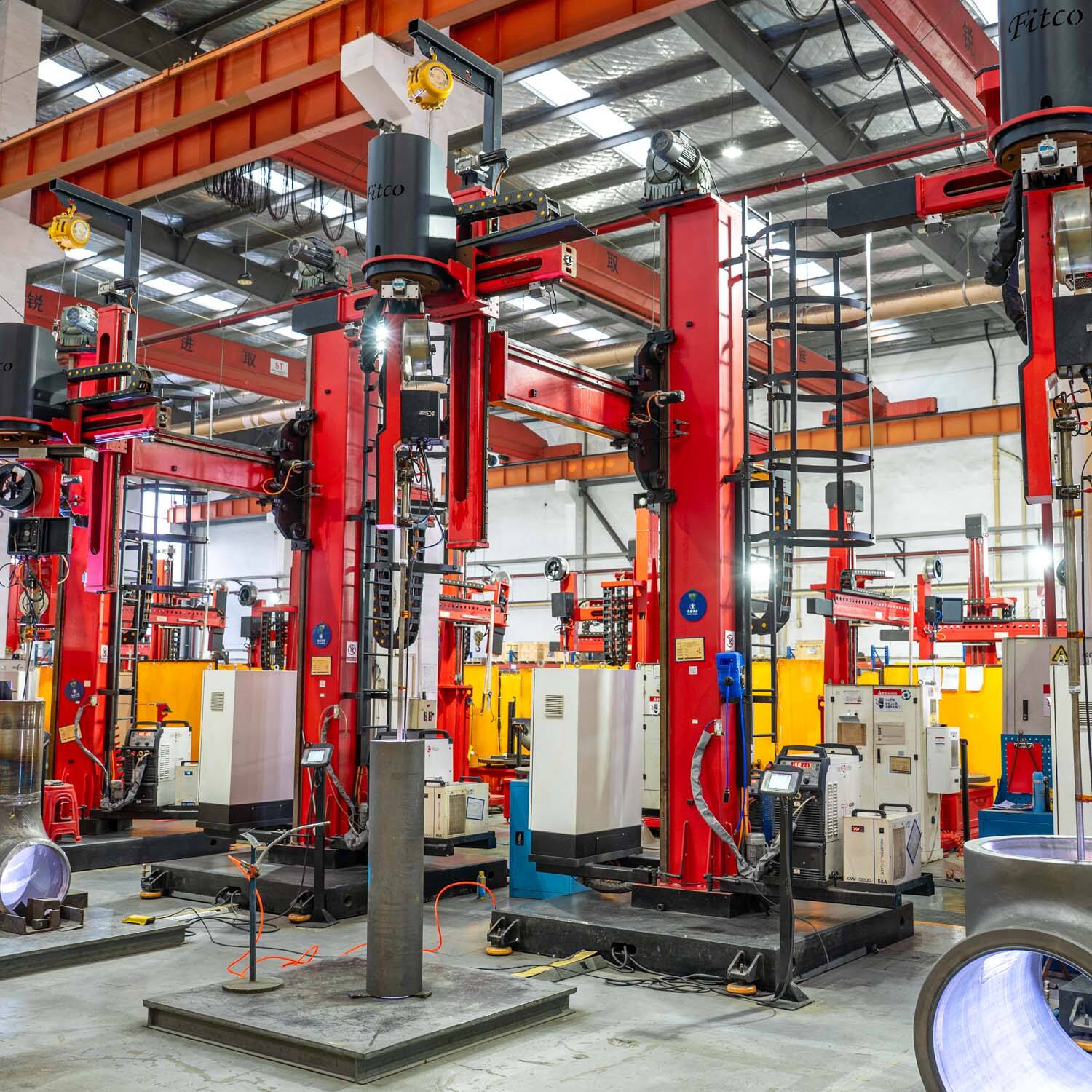
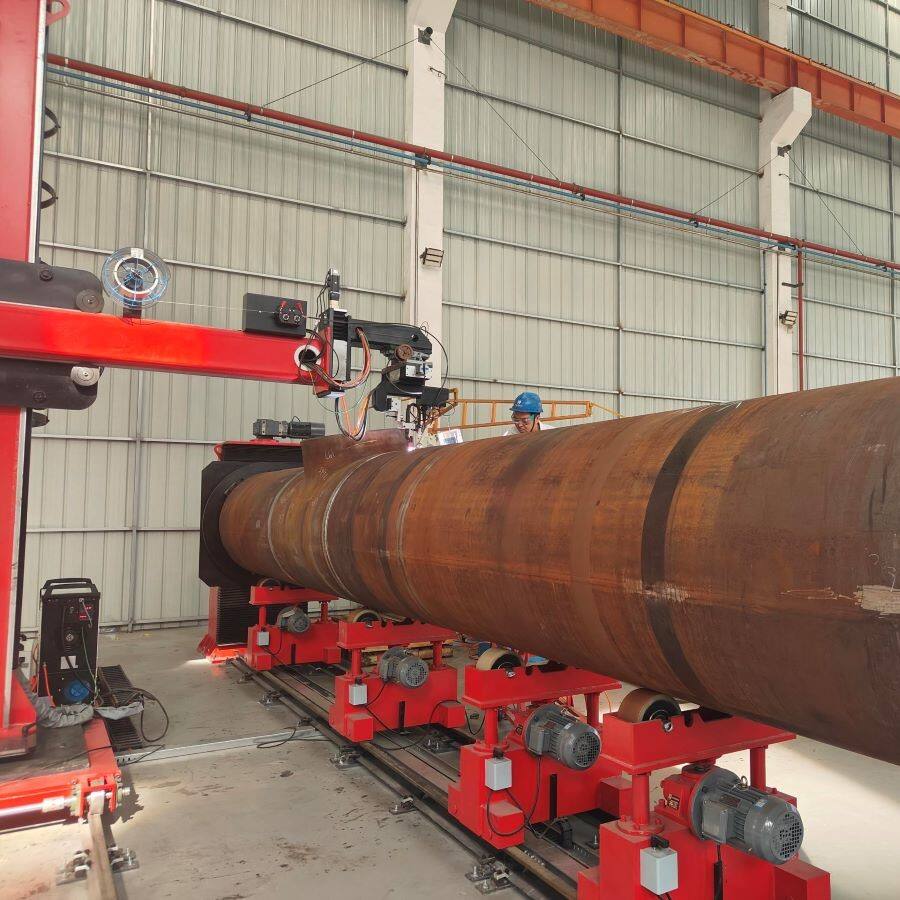
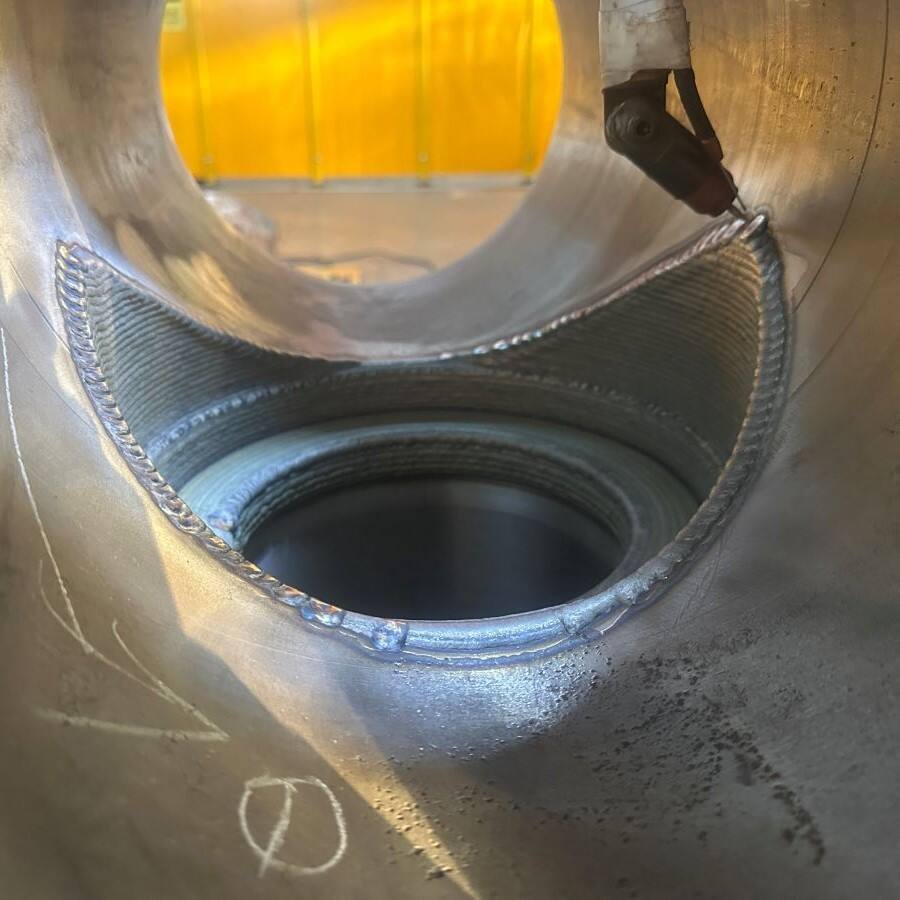
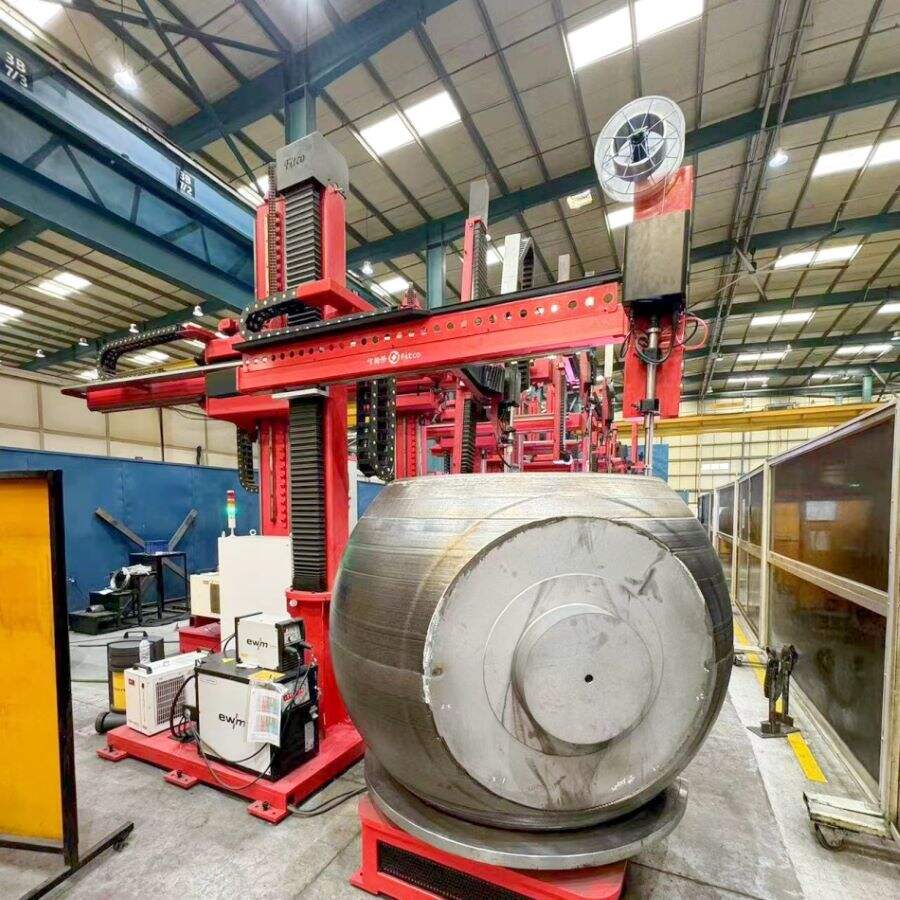
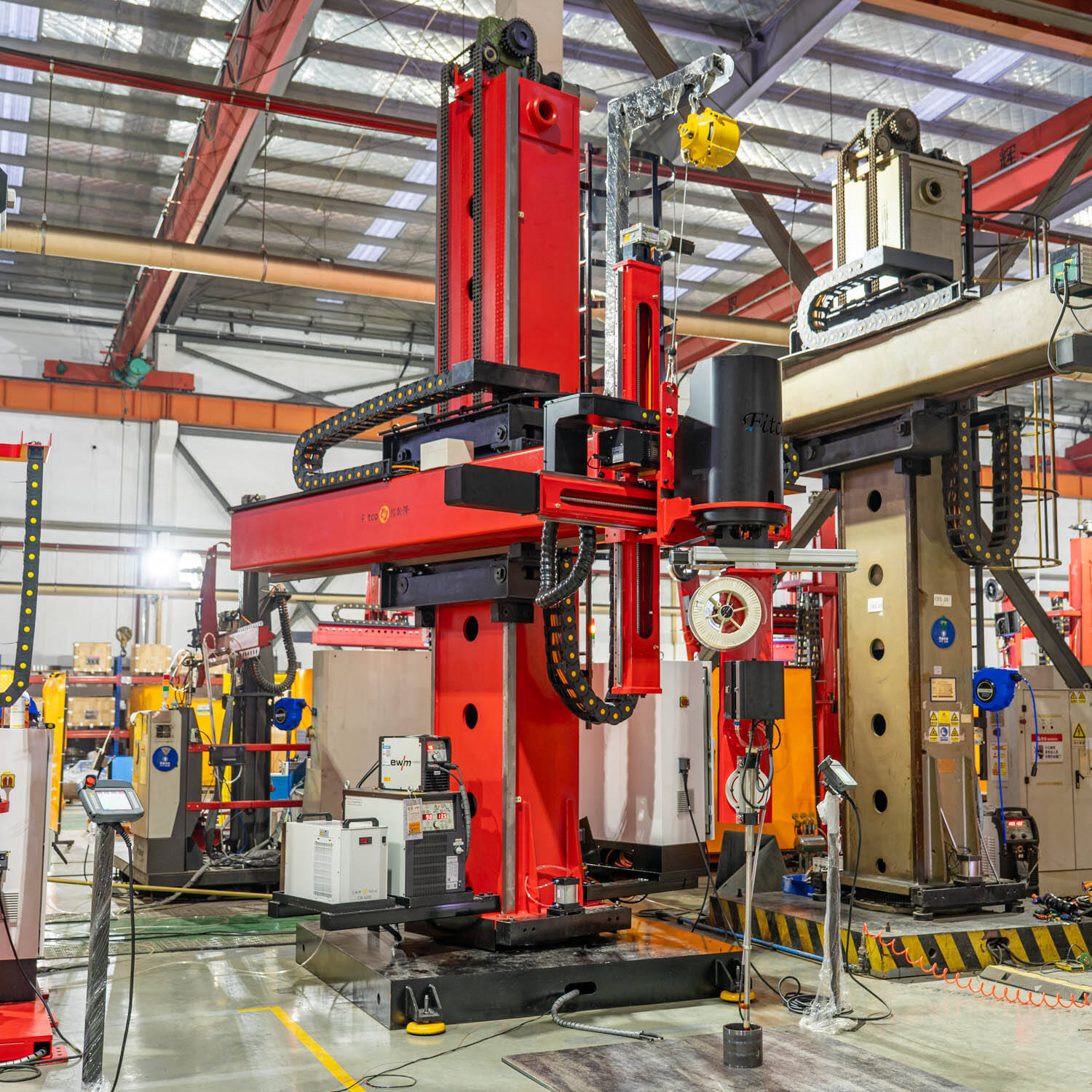
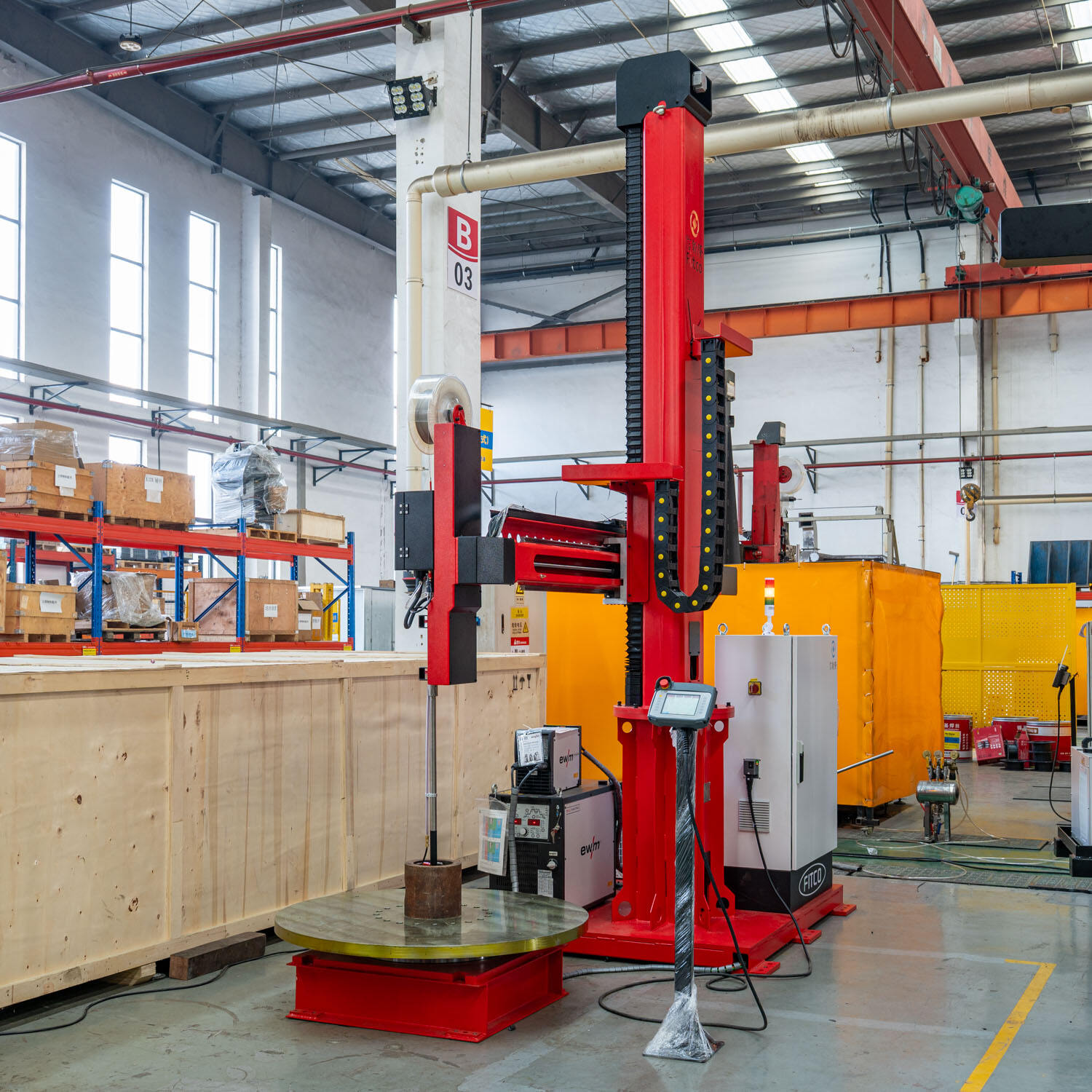
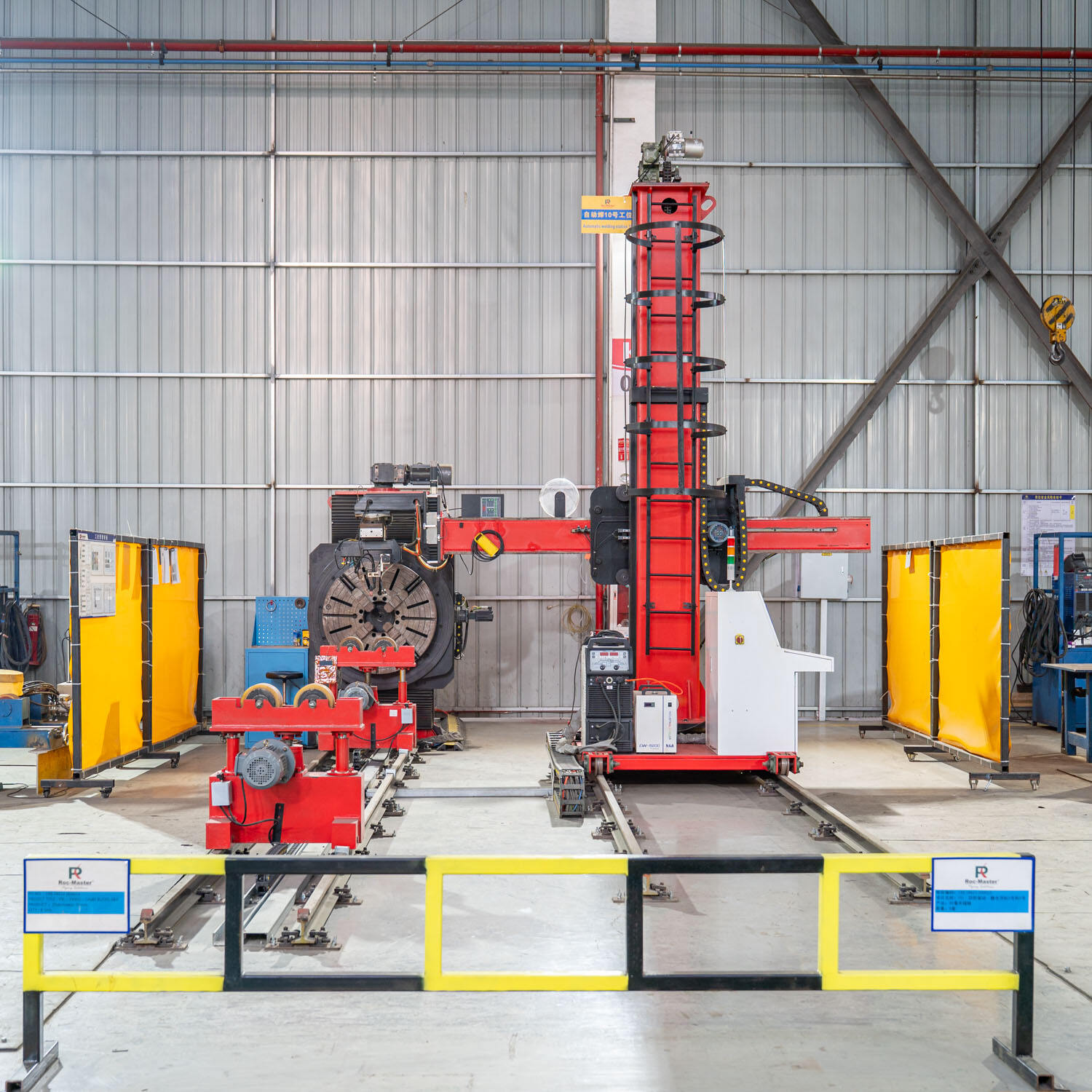
El proceso de revestimiento por soldadura con aporte demuestra una notable adaptabilidad en diversos sectores industriales, ofreciendo soluciones personalizadas para desafíos operativos específicos en la refinación petrolera, el procesamiento químico, la generación de energía, los entornos marinos y las industrias manufactureras. Esta versatilidad proviene de la capacidad de seleccionar materiales de revestimiento específicamente adaptados a las condiciones de servicio, ya sea para hacer frente a la oxidación a altas temperaturas, la corrosión química, el desgaste erosivo o combinaciones de estos mecanismos de degradación. En aplicaciones de refinación petrolera, el proceso permite el manejo seguro de crudo ácido, ambientes con sulfuro de hidrógeno y procesos catalíticos a altas temperaturas, mediante la aplicación de revestimientos especializados de acero inoxidable y aleaciones a base de níquel. Las instalaciones de procesamiento químico se benefician de sistemas de revestimiento diseñados para resistir medios corrosivos específicos, como ácidos, álcalis y disolventes orgánicos. La industria marina utiliza el proceso de revestimiento por soldadura con aporte para componentes resistentes al agua de mar, estructuras de plataformas offshore y aplicaciones de construcción naval, donde la corrosión por agua salada representa un desafío constante. Las instalaciones de generación de energía emplean esta tecnología de revestimiento en tubos de calderas, componentes de turbinas e infraestructura de sistemas de refrigeración expuestos a condiciones operativas agresivas. El proceso admite distintos tamaños de componentes, desde accesorios pequeños hasta grandes recipientes a presión con diámetros que superan varios metros. La complejidad geométrica no constituye una limitación significativa, ya que técnicos calificados pueden aplicar revestimientos sobre superficies internas, contornos complejos y espacios confinados mediante técnicas de soldadura y configuraciones de equipos adecuados. La flexibilidad en la selección de materiales permite a los ingenieros especificar composiciones de revestimiento optimizadas para rangos de temperatura específicos, exposiciones químicas y niveles de esfuerzo mecánico. Aleaciones avanzadas de revestimiento, como los aceros inoxidables dúplex, las calidades súper austeníticas y las superaleaciones a base de níquel, amplían las posibilidades de aplicación hacia los entornos de servicio más exigentes. El cumplimiento de normas de calidad garantiza que los componentes revestidos satisfagan los rigurosos requisitos industriales, incluidas las especificaciones ASME, API y NACE. El proceso apoya tanto proyectos de nueva construcción como de rehabilitación, proporcionando soluciones económicas para programas de actualización de equipos e iniciativas de extensión de vida útil en múltiples sectores industriales.

 EN
EN
 AR
AR BG
BG HR
HR CS
CS DA
DA NL
NL FI
FI FR
FR DE
DE EL
EL HI
HI IT
IT JA
JA KO
KO NO
NO PL
PL PT
PT RO
RO RU
RU ES
ES SV
SV TL
TL IW
IW ID
ID LT
LT UK
UK SQ
SQ HU
HU TH
TH TR
TR FA
FA AF
AF CY
CY MK
MK LA
LA MN
MN KK
KK UZ
UZ KY
KY