Advanced Automated Pipe Welding Systems - Precision Robotic Welding Solutions for Industrial Applications

Contact me immediately if you encounter problems!

All Categories

Get a Free Quote

Our representative will contact you soon.
Email
Mobile/WhatsApp
Name
Company Name
Message
0/1000

Get a Free Quote

Our representative will contact you soon.
Email
Mobile/WhatsApp
Name
Company Name
Message
0/1000

automated pipe welding systems

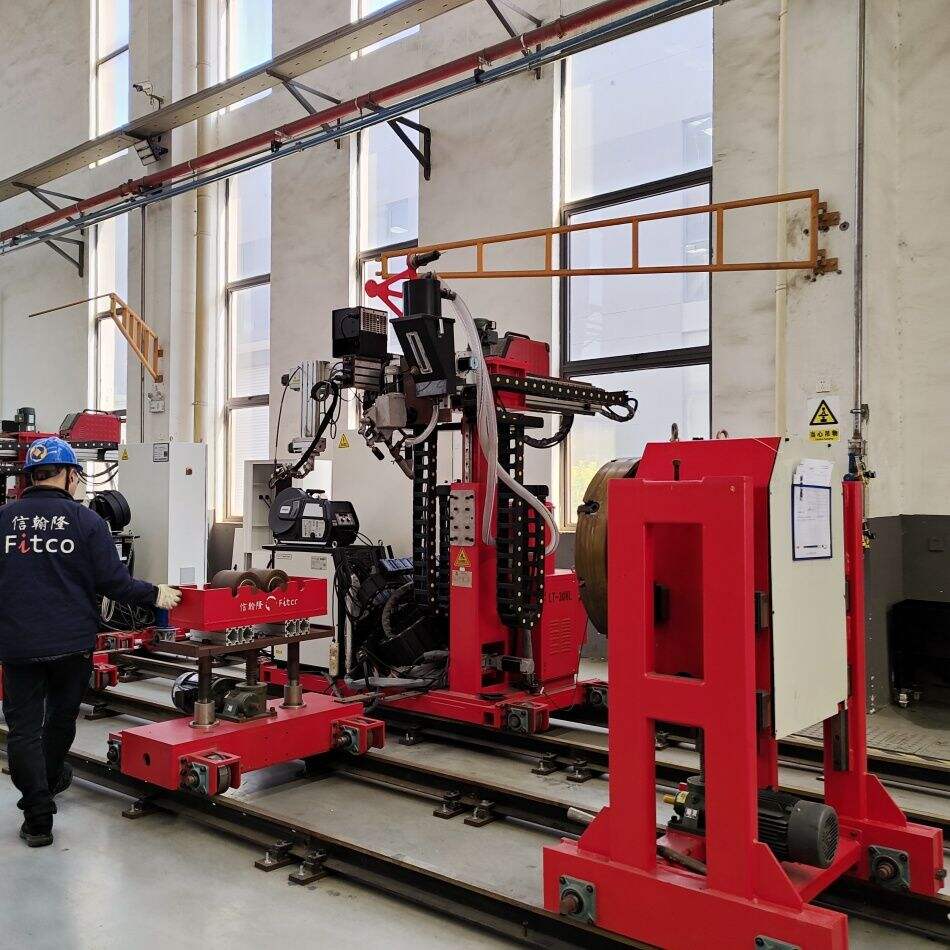
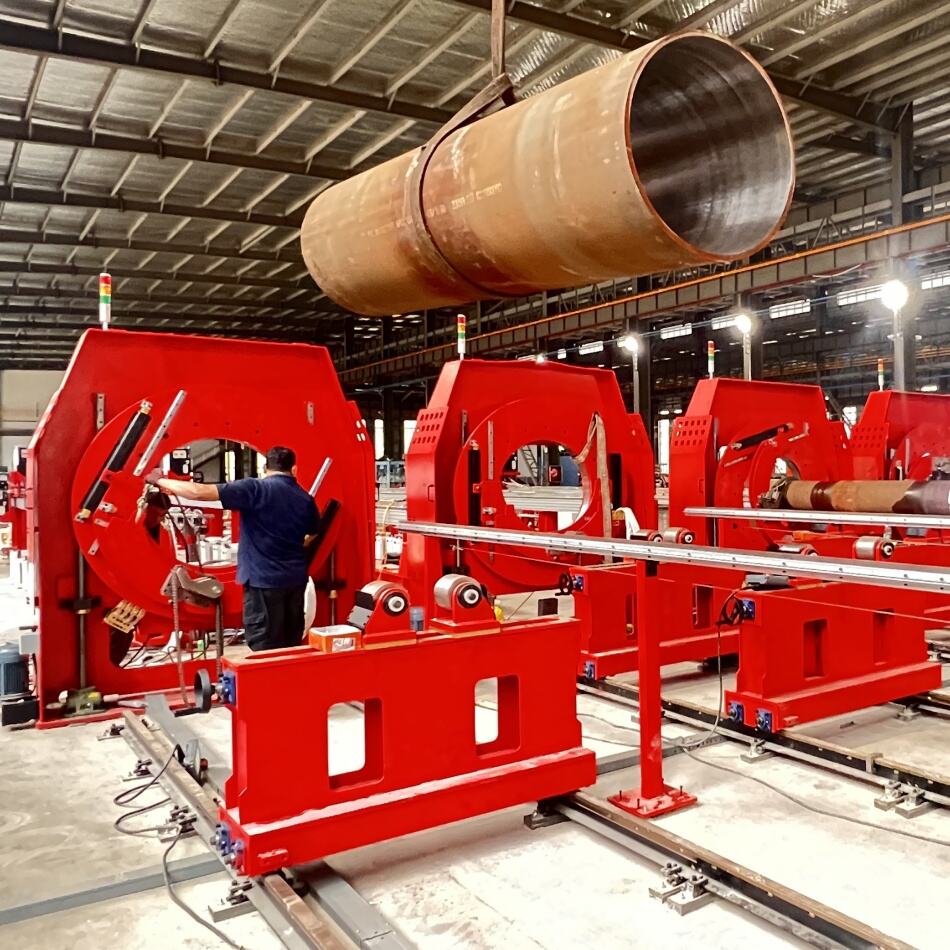
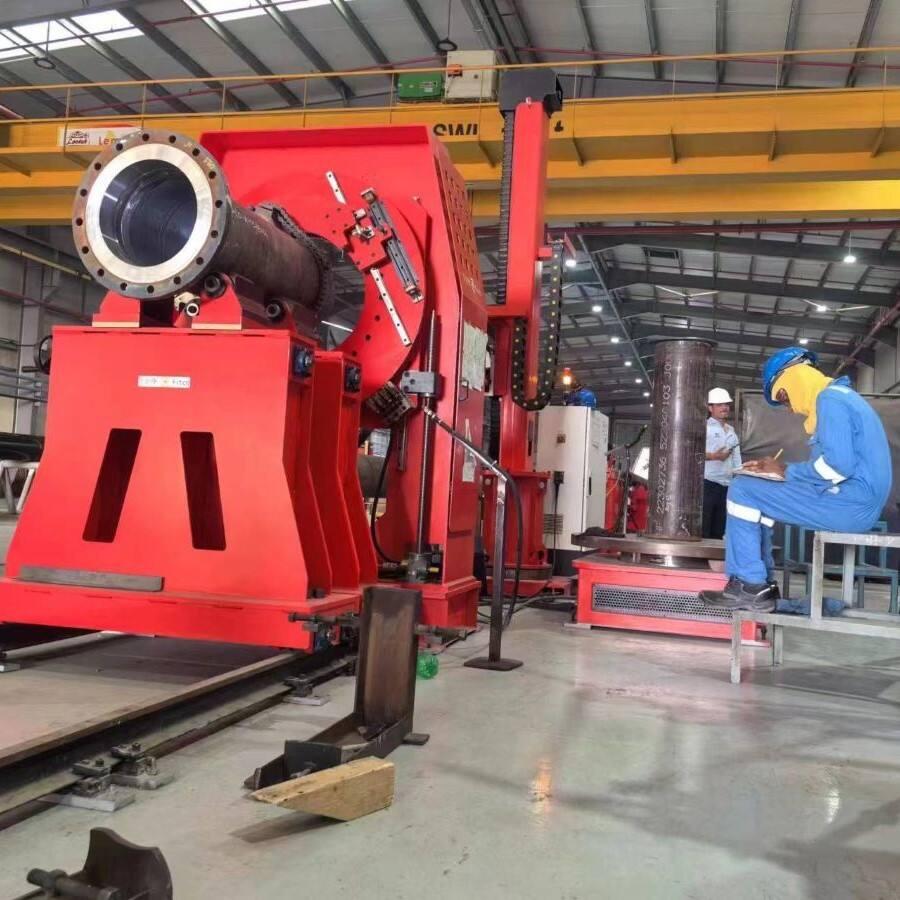
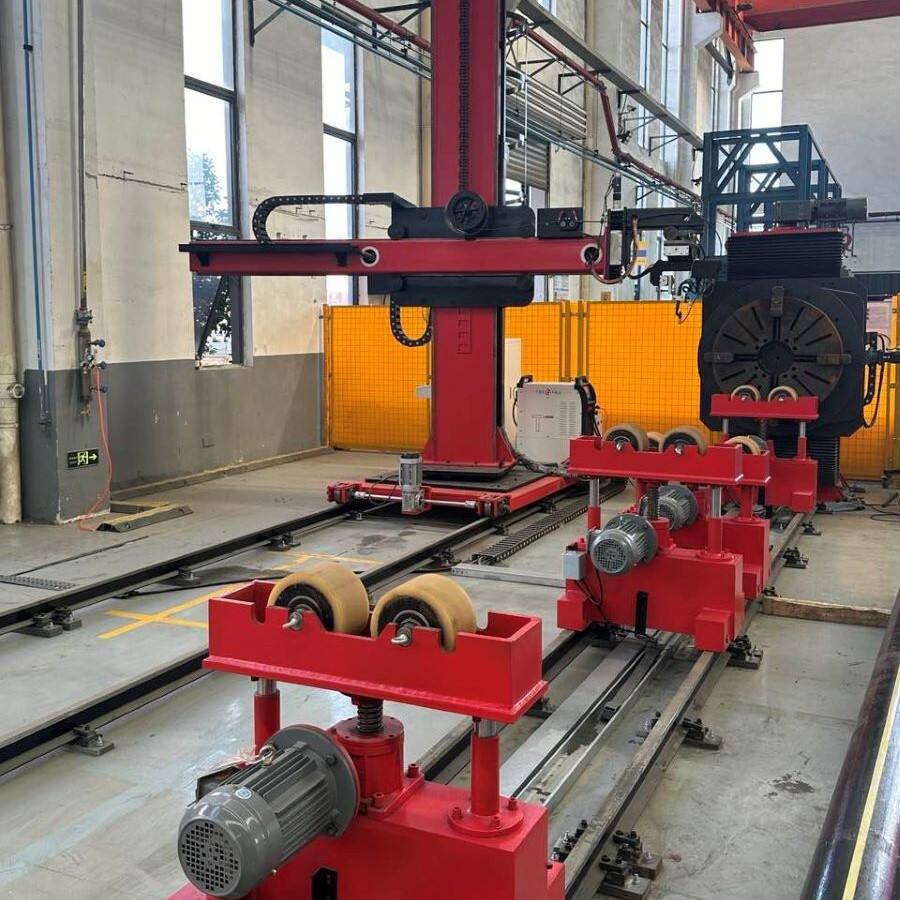
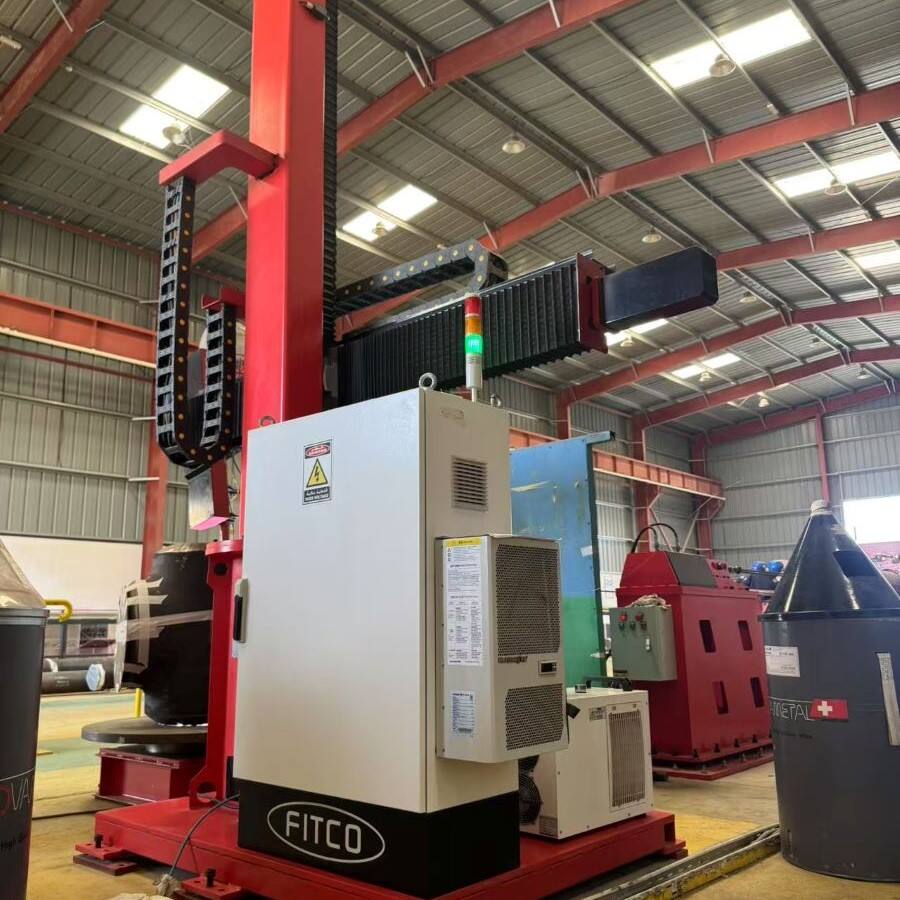
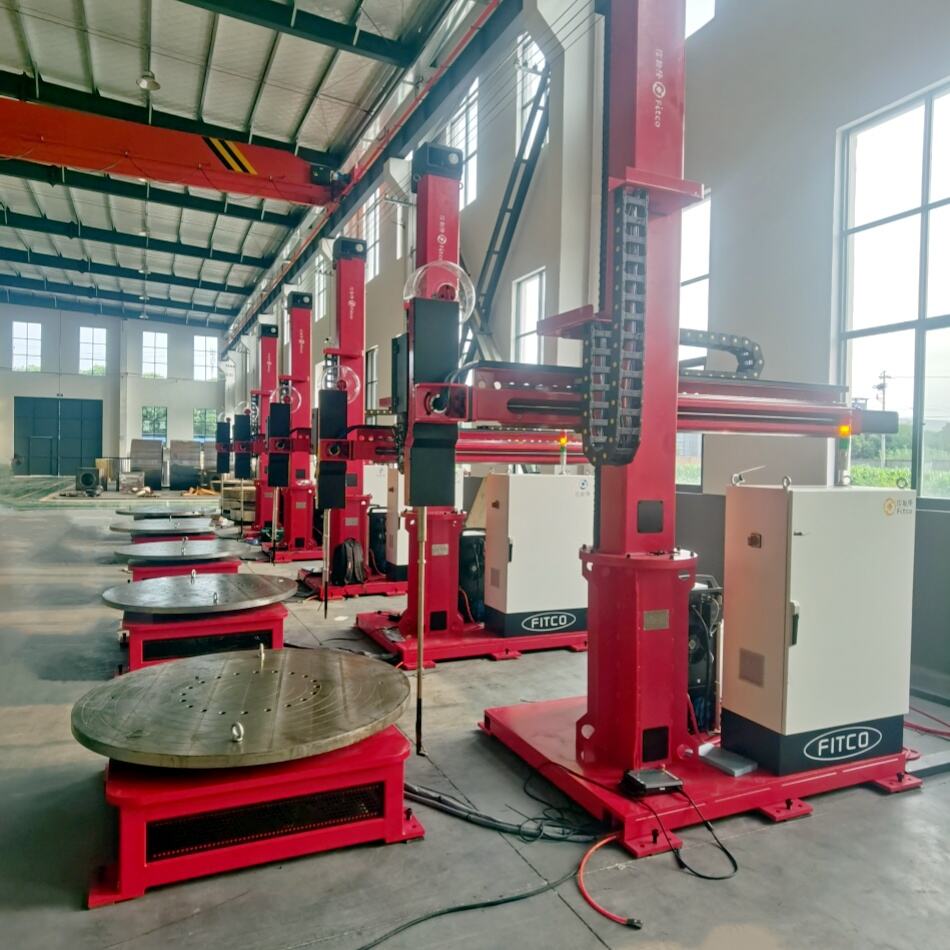
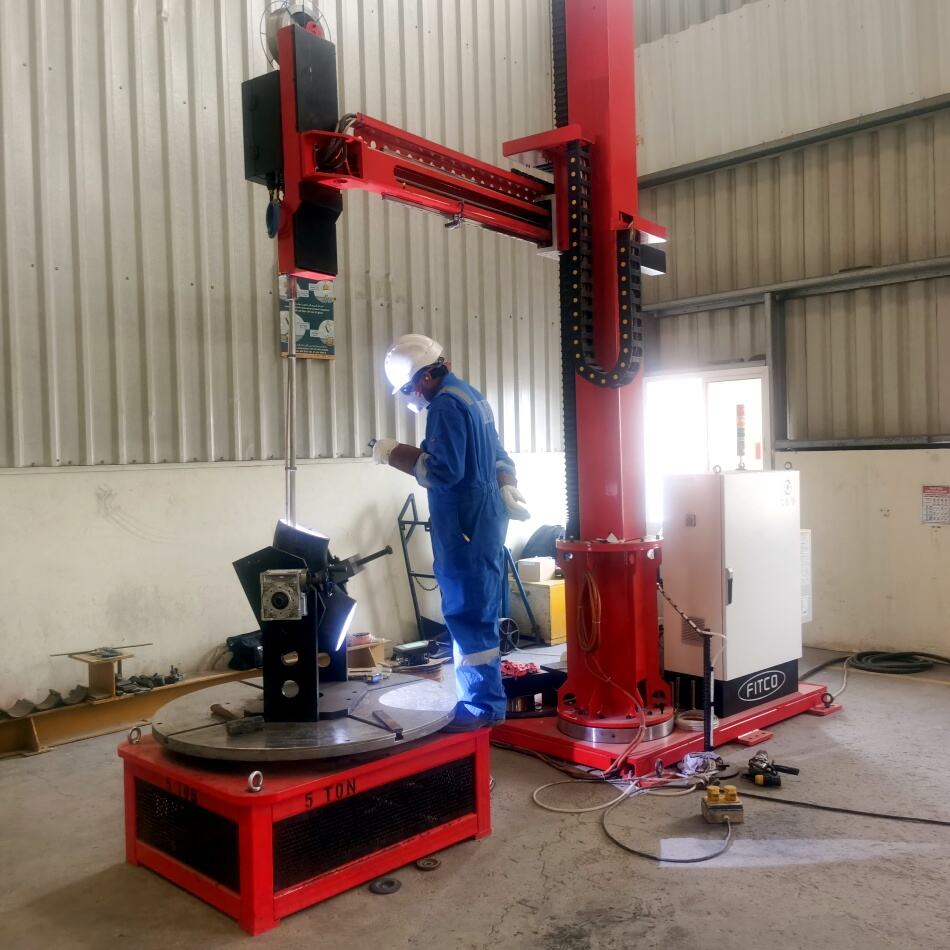
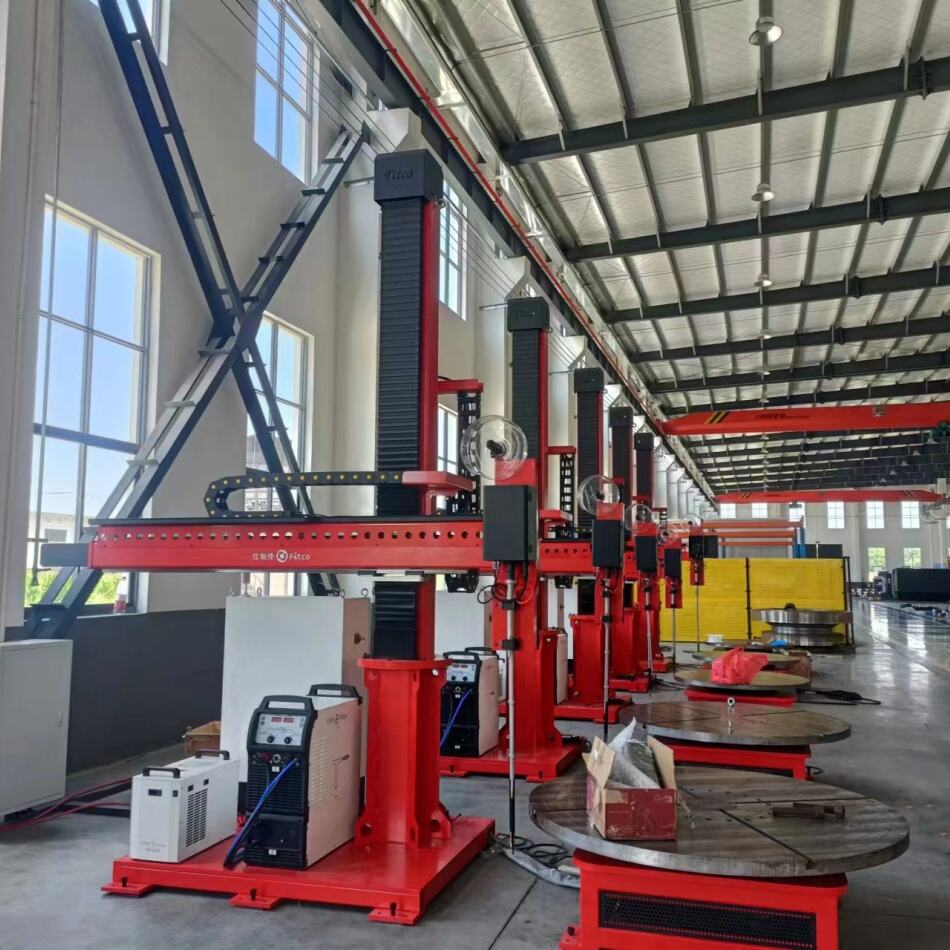
Automated pipe welding systems represent a revolutionary advancement in industrial fabrication technology, transforming how pipelines are constructed across various sectors. These sophisticated systems combine precision robotics, advanced control software, and cutting-edge welding technology to deliver consistent, high-quality welds on pipes of different diameters and materials. The main functions of automated pipe welding systems encompass complete welding process automation, from initial setup through final inspection. These systems automatically position welding heads, control arc parameters, monitor weld quality in real-time, and adjust settings based on material specifications and joint configurations. The technological features include multi-axis robotic arms with precise movement control, adaptive welding parameters that respond to varying conditions, integrated vision systems for joint tracking, and comprehensive data logging capabilities. Advanced automated pipe welding systems incorporate sophisticated sensors that detect joint geometry, material thickness variations, and potential defects during the welding process. The control systems utilize artificial intelligence algorithms to optimize welding parameters continuously, ensuring consistent penetration, proper fusion, and minimal distortion. These systems support various welding processes including gas tungsten arc welding, gas metal arc welding, and submerged arc welding, making them versatile for different applications. The applications span across petroleum and gas pipeline construction, water distribution networks, chemical processing facilities, power generation plants, and shipbuilding industries. In offshore applications, automated pipe welding systems provide reliable performance in challenging environmental conditions where manual welding becomes difficult or impossible. The systems excel in repetitive welding tasks, maintaining consistent quality standards throughout extended production runs. They accommodate pipes ranging from small diameter tubes to large-scale transmission pipelines, with automatic adjustment capabilities for different wall thicknesses and material grades. Integration with factory automation systems allows seamless coordination with material handling equipment, reducing overall production time and improving workflow efficiency.

Popular Products

Automated pipe welding systems deliver substantial productivity improvements that directly impact your bottom line. These systems operate continuously without fatigue, completing welds faster than manual methods while maintaining superior consistency. You eliminate the variability associated with different welders' skills and techniques, ensuring every joint meets exact specifications. The precision control reduces material waste significantly, as automated systems optimize consumable usage and minimize rework requirements. Quality enhancement represents another major advantage, as automated pipe welding systems produce welds with exceptional repeatability and reliability. The consistent heat input and precise torch positioning eliminate common defects like porosity, lack of fusion, and irregular bead profiles that often occur with manual welding. Integrated quality monitoring systems detect potential issues immediately, preventing costly repairs and ensuring compliance with stringent industry standards. Your projects benefit from reduced inspection requirements and faster approval processes due to the documented quality assurance capabilities. Safety improvements provide immeasurable value for your operations. Automated pipe welding systems remove workers from hazardous welding environments, reducing exposure to harmful fumes, intense heat, and potential arc flash incidents. Remote operation capabilities allow personnel to control welding processes from safe distances, particularly important in confined spaces or elevated work areas. The reduced need for scaffolding and manual positioning equipment further minimizes workplace safety risks. Cost reduction extends beyond initial labor savings. These systems dramatically decrease the need for skilled welders, addressing labor shortages while reducing training costs and dependency on specialized personnel. Lower defect rates translate to fewer repairs, reduced material costs, and faster project completion times. The consistent quality reduces insurance claims and liability issues associated with weld failures. Energy efficiency improvements result from optimized welding parameters that reduce power consumption compared to traditional methods. Long-term operational benefits include predictable maintenance schedules, extended equipment life through consistent usage patterns, and improved project scheduling reliability. The data collection capabilities enable continuous process improvement, helping you identify optimization opportunities and track performance metrics. These comprehensive advantages make automated pipe welding systems essential investments for companies seeking competitive advantages in today's demanding industrial landscape.

Latest News

Top 5 Maintenance Tips to Extend the Life of Your welding machine

16

Mar

Top 5 Maintenance Tips to Extend the Life of Your welding machine

Proper maintenance is the cornerstone of maximizing your welding machine investment and ensuring consistent, high-quality welding performance throughout its operational lifespan. Industrial welding operations rely heavily on equipment reliability, an...
View More
Why Are Pipe Cladding Machines Vital for Industrial Corrosion Protection?

27

Nov

Why Are Pipe Cladding Machines Vital for Industrial Corrosion Protection?

Industrial facilities worldwide face a constant battle against corrosion, with pipe systems serving as critical infrastructure that demands exceptional protection. The implementation of advanced welding technologies has revolutionized how industries ...
View More
How to Maintain Heating Plates on a butt fusion welding machine

16

Mar

How to Maintain Heating Plates on a butt fusion welding machine

Proper maintenance of heating plates on a butt fusion welding machine is critical for achieving consistent, high-quality pipe joints and extending equipment lifespan. These heating plates serve as the primary heat transfer component that brings therm...
View More
How Can Longitudinal TIG Equipment Improve Weld Uniformity?

13

Jan

How Can Longitudinal TIG Equipment Improve Weld Uniformity?

Achieving consistent weld quality across extended seams remains one of the most challenging aspects of modern fabrication. Manufacturing industries demand precision welding solutions that deliver uniform penetration, minimal distortion, and reliable ...
View More

Get a Free Quote

Our representative will contact you soon.
Email
Mobile/WhatsApp
Name
Company Name
Message
0/1000

automated pipe welding systems

Advanced Robotic Precision and Control Technology

Advanced Robotic Precision and Control Technology

The sophisticated robotic precision and control technology embedded within automated pipe welding systems represents the pinnacle of manufacturing innovation, delivering unmatched accuracy that transforms welding operations across industries. These systems utilize multi-axis robotic arms equipped with servo motors and precision encoders that achieve positioning accuracy within fractions of millimeters, ensuring consistent weld placement regardless of pipe diameter or joint configuration. The advanced control algorithms continuously monitor and adjust welding parameters in real-time, responding to variations in material properties, joint fit-up conditions, and environmental factors that would challenge even experienced welders. This technological sophistication includes integrated vision systems that scan joint geometry before welding begins, automatically calculating optimal travel speeds, heat input levels, and wire feed rates based on actual measured conditions rather than theoretical specifications. The precision control extends to oscillation patterns, weaving motions, and start-stop sequences that ensure complete penetration and proper fusion throughout the entire weld joint. Advanced automated pipe welding systems incorporate adaptive learning capabilities that improve performance over time, analyzing successful welds to refine parameters for similar applications. The robotic precision eliminates human tremor and fatigue factors that can compromise weld quality, particularly during long welding sequences or in challenging positions. Multiple welding heads can operate simultaneously under coordinated control, dramatically reducing cycle times while maintaining individual precision for each welding operation. The control systems interface seamlessly with computer-aided design software, allowing direct import of welding procedures and joint specifications that automatically configure equipment settings. This integration eliminates manual parameter entry errors and ensures consistent application of approved welding procedures across all projects. Temperature monitoring systems track interpass temperatures precisely, automatically controlling cooling periods to prevent overheating and maintain proper metallurgical properties. The precision positioning capabilities enable complex welding sequences including root passes, fill layers, and cap passes with automatic torch angle adjustments optimized for each specific layer. These advanced control features provide manufacturers with unprecedented reliability and consistency that manual welding simply cannot match.
Comprehensive Quality Assurance and Real-Time Monitoring

Comprehensive Quality Assurance and Real-Time Monitoring

The comprehensive quality assurance and real-time monitoring capabilities of automated pipe welding systems provide unprecedented visibility and control over welding operations, ensuring consistent results that meet or exceed the most stringent industry standards. These systems incorporate multiple sensor technologies including thermal imaging cameras, ultrasonic thickness gauges, and optical monitoring devices that continuously assess weld quality throughout the entire welding process. Real-time data collection captures critical parameters such as arc voltage, welding current, travel speed, and heat input, creating detailed documentation for each weld that supports traceability requirements and quality certifications. The monitoring systems detect potential defects immediately as they occur, enabling instant corrective actions that prevent costly rework and material waste. Advanced automated pipe welding systems utilize artificial intelligence algorithms that analyze monitoring data patterns to predict potential quality issues before they manifest, allowing proactive adjustments that maintain optimal welding conditions. The quality assurance features include automatic penetration monitoring that ensures consistent root fusion without over-penetration that could compromise joint integrity. Integrated inspection capabilities perform immediate post-weld evaluation using non-destructive testing methods, providing instant feedback on weld acceptance without requiring separate inspection operations. The comprehensive data logging creates permanent records that satisfy regulatory requirements and support continuous improvement initiatives. Statistical process control features track quality trends over time, identifying opportunities for parameter optimization and equipment maintenance scheduling. The monitoring systems generate detailed reports that document compliance with welding procedure specifications, supporting quality management systems and customer requirements. Alert systems notify operators immediately when parameters drift outside acceptable ranges, preventing the production of non-conforming welds. The quality assurance capabilities extend to material verification, ensuring correct filler metals and consumables are utilized for each specific application. Remote monitoring capabilities allow quality personnel to oversee multiple welding operations simultaneously, maximizing resource utilization while maintaining rigorous quality oversight. These comprehensive quality features provide manufacturers with confidence that every weld meets specifications while reducing inspection costs and project delays associated with quality issues.
Exceptional Versatility and Adaptability for Diverse Applications

Exceptional Versatility and Adaptability for Diverse Applications

The exceptional versatility and adaptability of automated pipe welding systems make them invaluable investments for manufacturers serving diverse markets and applications, providing flexibility that accommodates varying project requirements without compromising performance or quality standards. These systems effortlessly handle pipes ranging from small-diameter tubes used in instrumentation applications to large-scale transmission pipelines exceeding several feet in diameter, automatically adjusting welding parameters and positioning to optimize results for each specific size and configuration. Material versatility encompasses carbon steels, stainless steels, aluminum alloys, and exotic materials used in specialized applications, with automatic parameter libraries that instantly configure optimal settings based on material identification systems. The adaptability extends to various welding positions including horizontal, vertical, and overhead orientations, with robotic systems that automatically reposition to maintain optimal welding angles regardless of pipe orientation or accessibility constraints. Automated pipe welding systems accommodate different joint types including butt joints, fillet welds, and socket welds, adjusting torch positions and welding sequences to ensure proper fusion and penetration for each specific joint design. The versatility includes support for multiple welding processes within the same system, allowing selection of the most appropriate technique based on application requirements, production volumes, and quality specifications. Advanced programming capabilities enable rapid changeover between different pipe sizes, materials, and welding procedures, minimizing downtime and maximizing equipment utilization across diverse production requirements. Modular system designs allow configuration adjustments and capability expansions as business needs evolve, protecting capital investments while providing growth flexibility. The adaptability includes integration capabilities with existing production equipment, material handling systems, and quality management software, ensuring seamless incorporation into established manufacturing workflows. Portable configurations extend versatility to field applications and construction sites where permanent installations are impractical, maintaining the same precision and quality standards regardless of location. Custom tooling and fixture options accommodate unique pipe configurations and specialized applications that standard equipment cannot address. The exceptional versatility ensures that automated pipe welding systems provide long-term value by adapting to changing market demands, new materials, and evolving quality requirements without requiring complete equipment replacement.

Get a Free Quote

Our representative will contact you soon.
Email
Mobile/WhatsApp
Name
Company Name
Message
0/1000