Weld Overlay Cladding Services - Advanced Corrosion Protection and Wear Solutions

Contact me immediately if you encounter problems!

All Categories

Get a Free Quote

Our representative will contact you soon.
Email
Mobile/WhatsApp
Name
Company Name
Message
0/1000

Get a Free Quote

Our representative will contact you soon.
Email
Mobile/WhatsApp
Name
Company Name
Message
0/1000

weld overlay cladding

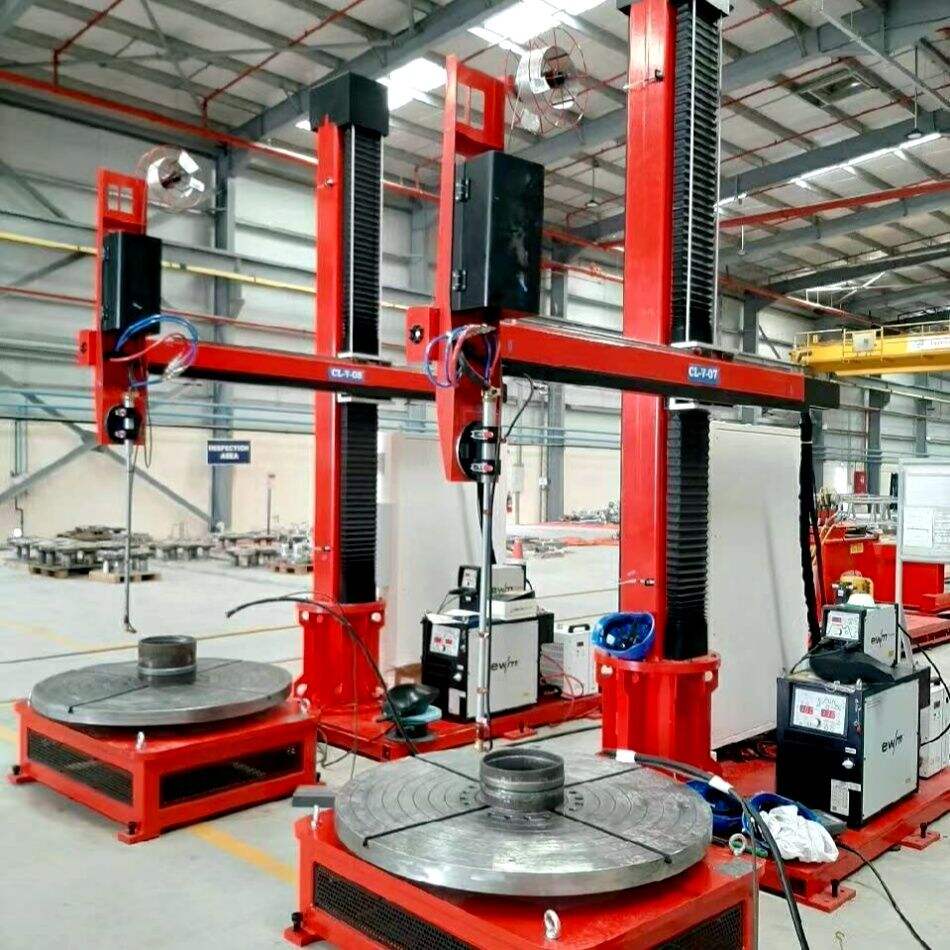
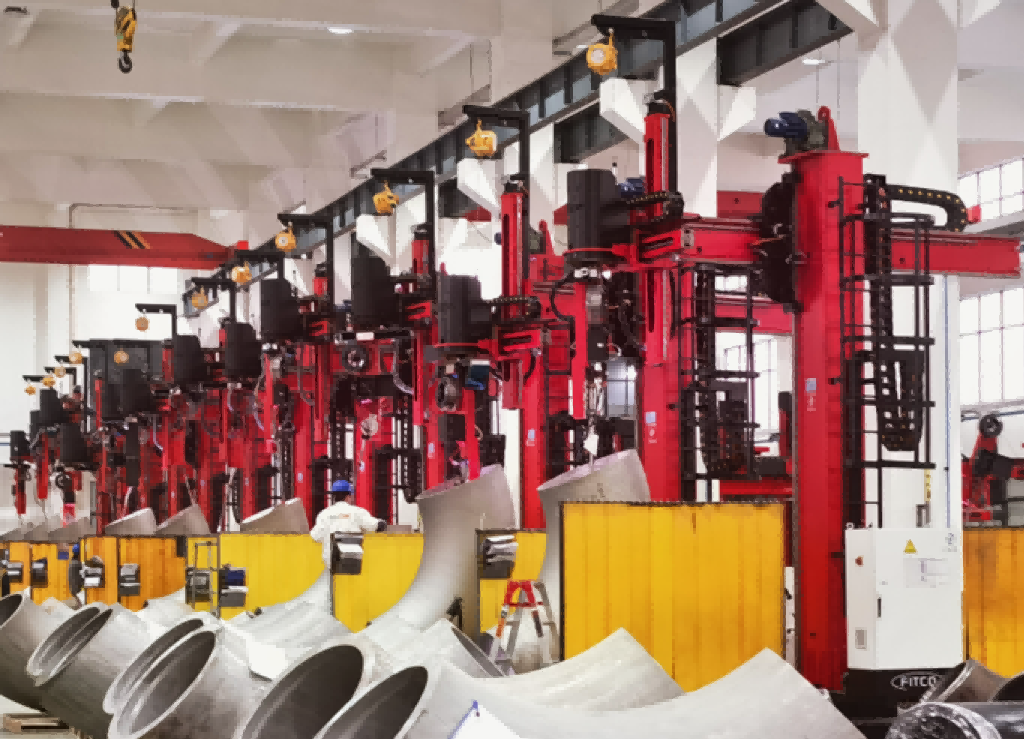
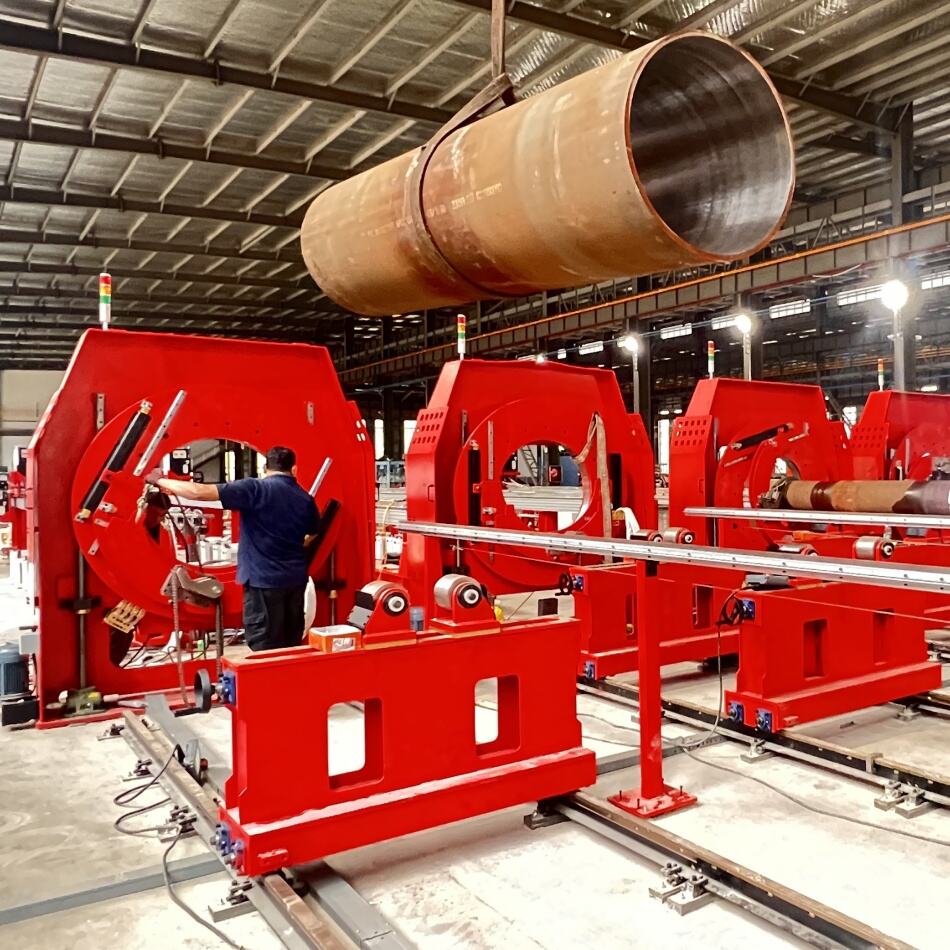
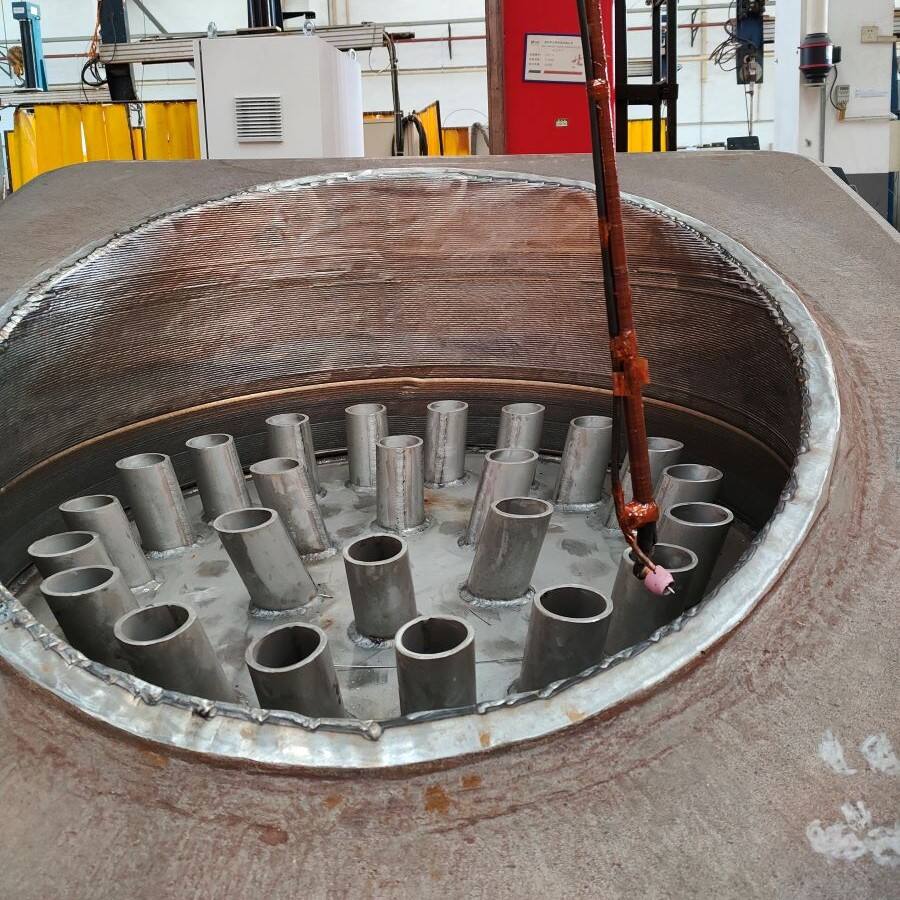
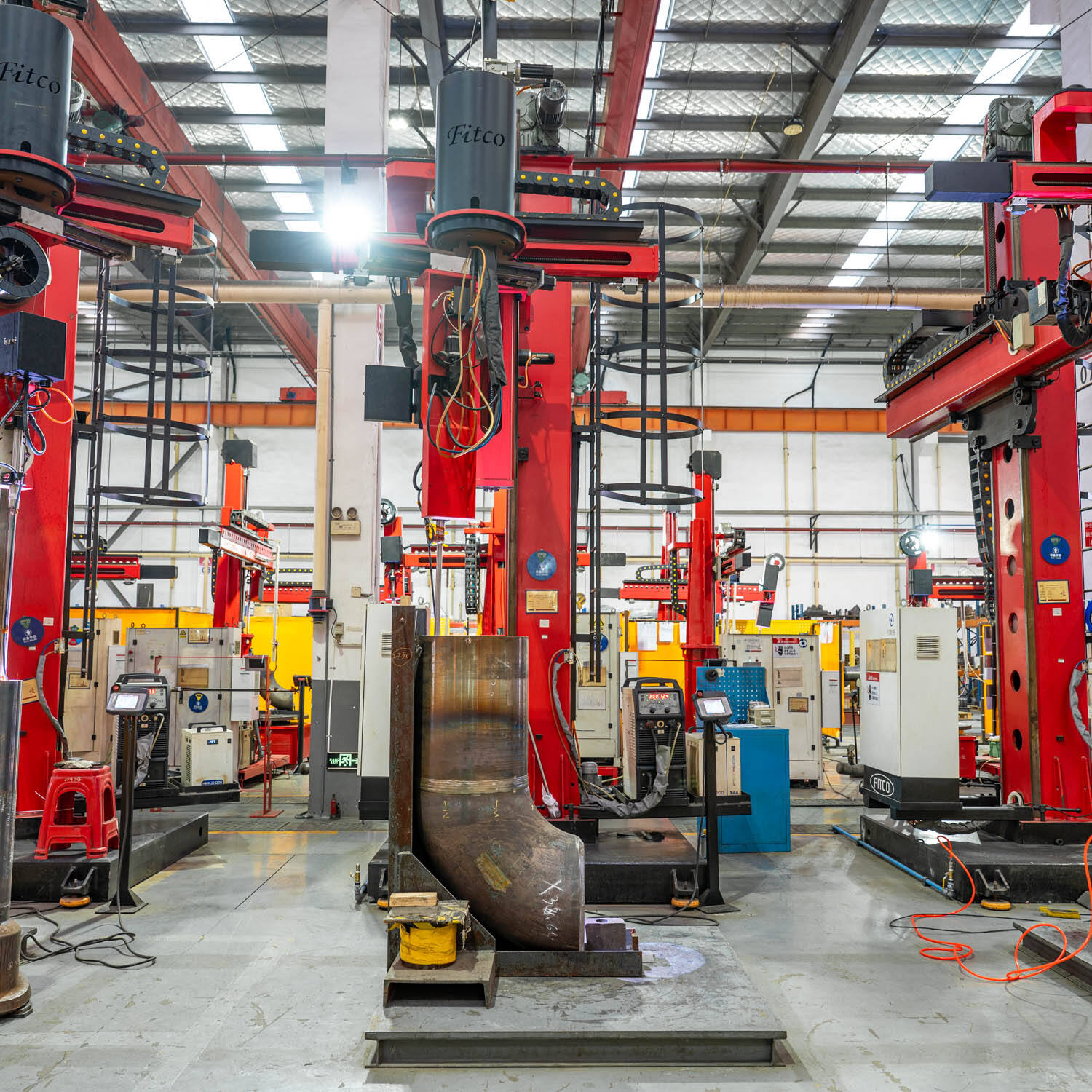
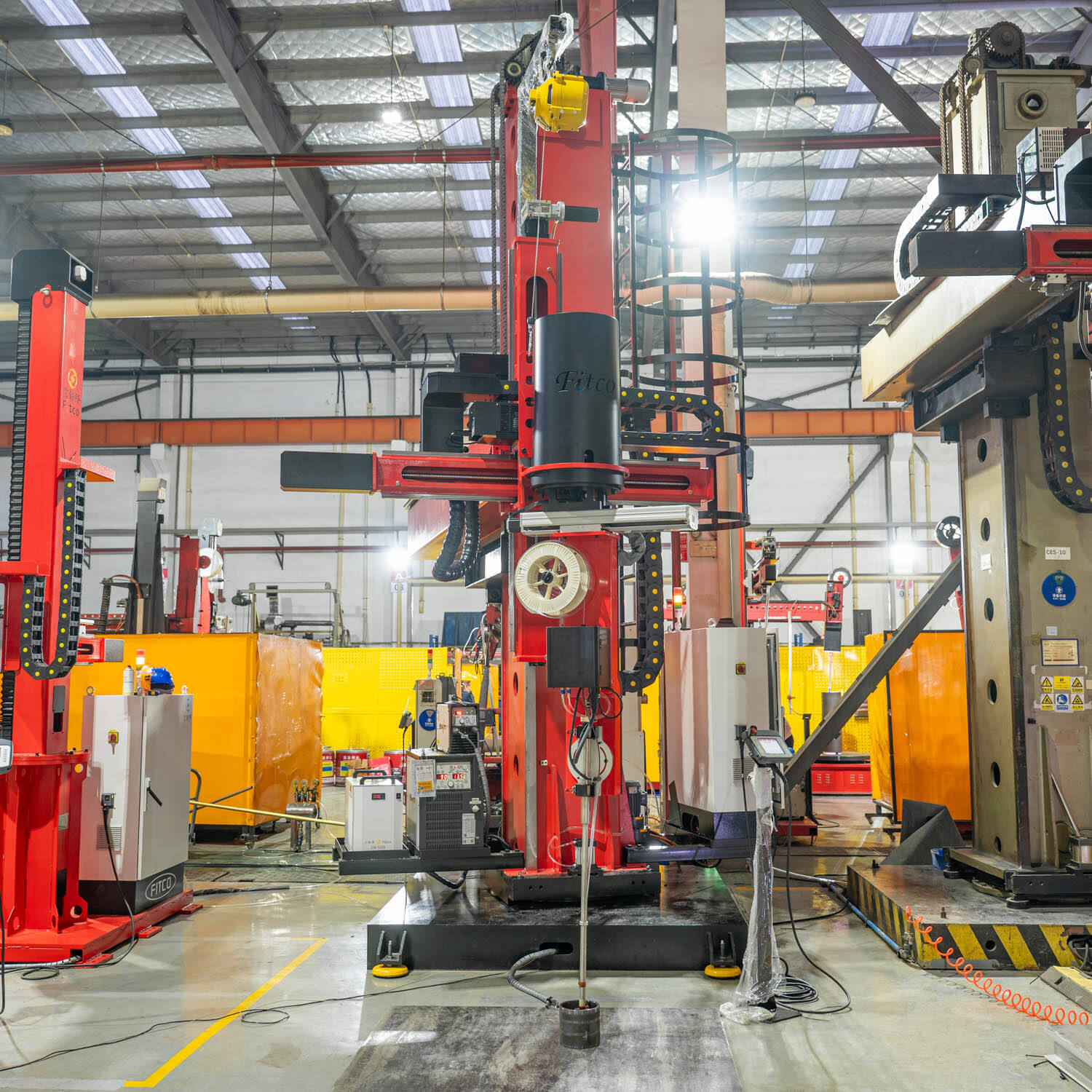
Weld overlay cladding represents a sophisticated metallurgical process that deposits protective metal layers onto base materials through advanced welding techniques. This technology creates a metallurgical bond between dissimilar metals, producing components with enhanced surface properties while maintaining the structural integrity of the underlying substrate. The process involves applying specialized welding consumables to create uniform, dense coatings that resist corrosion, wear, and extreme temperatures. Weld overlay cladding serves multiple critical functions in industrial applications, primarily providing corrosion resistance in harsh chemical environments, enhancing wear resistance for components subjected to abrasive conditions, and extending service life of expensive equipment. The technological features distinguish this process through precise control over dilution levels, ensuring optimal metallurgical properties in the clad layer. Modern weld overlay cladding utilizes various welding processes including submerged arc welding, gas metal arc welding, and plasma transferred arc welding, each selected based on specific application requirements. Temperature control during application prevents thermal distortion while maintaining proper fusion characteristics. The process accommodates diverse material combinations, from stainless steel overlays on carbon steel substrates to specialized alloys for extreme service conditions. Quality control measures include non-destructive testing, chemical analysis, and mechanical property verification to ensure consistent results. Applications span numerous industries including oil and gas, where weld overlay cladding protects pressure vessels and piping systems from corrosive hydrocarbon environments. Chemical processing facilities utilize this technology for reactor vessels, heat exchangers, and storage tanks handling aggressive chemicals. Power generation plants employ weld overlay cladding for boiler components, turbine parts, and cooling systems exposed to high-temperature steam and corrosive conditions. Marine applications include propeller shafts, rudders, and hull components requiring saltwater corrosion resistance. Mining equipment benefits from wear-resistant overlays on crusher components, conveyor systems, and excavation tools subjected to abrasive materials.

New Products

Weld overlay cladding delivers exceptional cost-effectiveness by eliminating the need for solid exotic metal construction. Instead of manufacturing entire components from expensive corrosion-resistant alloys, this technology applies protective layers only where needed, reducing material costs by up to 70 percent. The process extends equipment service life dramatically, with properly applied overlays lasting decades in aggressive environments. This longevity translates directly into reduced replacement costs and minimal production downtime. Maintenance schedules become more predictable and less frequent, allowing facility managers to plan resources efficiently. The versatility of weld overlay cladding accommodates virtually any geometry, from simple flat surfaces to complex three-dimensional shapes. Field application capability means repairs and modifications can occur on-site without dismantling large equipment, saving transportation costs and installation time. Quality assurance measures ensure consistent results across multiple applications, with standardized procedures and certified welding operators delivering reliable performance. The process adapts to various base materials including carbon steel, stainless steel, and specialized alloys, providing flexibility in design and material selection. Environmental benefits emerge through reduced waste generation compared to traditional coating methods, as the metallurgical bond eliminates concerns about coating delamination or disposal issues. Energy efficiency improves through optimized thermal management during application, minimizing heat input while maximizing bond strength. Customization options allow engineers to tailor overlay compositions for specific service conditions, whether prioritizing corrosion resistance, wear protection, or thermal stability. Integration with existing manufacturing processes requires minimal facility modifications, making adoption straightforward for most industrial operations. Documentation and traceability features support quality management systems and regulatory compliance requirements. The technology scales effectively from small repair patches to large-scale production runs, accommodating diverse project sizes and timelines. Training programs ensure operators develop proper techniques, maintaining consistency and safety throughout the application process. Technical support from experienced metallurgists helps optimize parameters for each unique application, maximizing performance while minimizing costs.

Practical Tips

Top 5 Maintenance Tips to Extend the Life of Your welding machine

16

Mar

Top 5 Maintenance Tips to Extend the Life of Your welding machine

Proper maintenance is the cornerstone of maximizing your welding machine investment and ensuring consistent, high-quality welding performance throughout its operational lifespan. Industrial welding operations rely heavily on equipment reliability, an...
View More
How Does MIG Welding Equipment Enhance Efficiency in Large-Scale Work?

27

Nov

How Does MIG Welding Equipment Enhance Efficiency in Large-Scale Work?

In today's competitive manufacturing landscape, industrial operations demand maximum productivity while maintaining superior quality standards. MIG welding equipment has emerged as a cornerstone technology for large-scale fabrication projects, revolu...
View More
How Can a TIG Welder Deliver Cleaner Industrial Welds?

22

Dec

How Can a TIG Welder Deliver Cleaner Industrial Welds?

Industrial welding operations demand precision, reliability, and exceptional quality standards that can make or break critical infrastructure projects. Among the various welding technologies available today, tungsten inert gas welding stands out as a...
View More
Which Industries Benefit Most from Using a TIG Welder?

13

Jan

Which Industries Benefit Most from Using a TIG Welder?

TIG welding technology has revolutionized manufacturing and fabrication processes across numerous industries, offering unparalleled precision and quality in metal joining applications. The versatility of a TIG welder makes it an indispensable tool fo...
View More

Get a Free Quote

Our representative will contact you soon.
Email
Mobile/WhatsApp
Name
Company Name
Message
0/1000

weld overlay cladding

Superior Corrosion Protection Through Metallurgical Bonding

Superior Corrosion Protection Through Metallurgical Bonding

Weld overlay cladding creates an impenetrable barrier against corrosive environments through metallurgical bonding that surpasses conventional coating methods. Unlike paint systems or thermal spray coatings that rely on mechanical adhesion, weld overlay cladding forms atomic-level bonds between the overlay material and substrate, eliminating the risk of delamination or coating failure. This metallurgical fusion creates a continuous protective layer with no weak points or discontinuities where corrosion can initiate. The process allows selection of overlay materials specifically engineered for particular corrosive environments, whether acidic, alkaline, or containing specific aggressive chemicals. Stainless steel overlays provide excellent general corrosion resistance, while specialized nickel alloys offer superior performance in extreme chemical conditions. The thickness of weld overlay cladding, typically ranging from 3 to 10 millimeters, provides substantial material for corrosion allowance, ensuring long-term protection even if minor surface degradation occurs. Quality control procedures including dye penetrant testing and ultrasonic examination verify the integrity of each overlay application, confirming absence of defects that could compromise corrosion resistance. The smooth, dense surface finish achieved through proper welding techniques minimizes crevice corrosion and facilitates cleaning in sanitary applications. Chemical analysis of deposited overlays ensures composition meets specifications for optimal corrosion resistance in intended service environments. Heat treatment options following overlay application can optimize microstructure for enhanced corrosion performance, particularly important for components experiencing thermal cycling. Field experience demonstrates that properly applied weld overlay cladding maintains protective properties for decades, even in highly aggressive environments that would rapidly destroy alternative protection methods. The technology adapts to complex geometries including internal surfaces of vessels and piping, providing comprehensive protection where other methods cannot reach effectively.
Enhanced Wear Resistance for Extreme Service Conditions

Enhanced Wear Resistance for Extreme Service Conditions

Weld overlay cladding transforms ordinary steel components into wear-resistant powerhouses capable of withstanding the most demanding abrasive environments. The process deposits specialized hard-facing alloys that achieve hardness levels exceeding 60 HRC, providing exceptional resistance to sliding wear, impact damage, and erosive conditions. These overlays maintain their protective properties at elevated temperatures where conventional wear-resistant materials would soften and fail. The metallurgical bond ensures the wear-resistant layer remains securely attached even under severe mechanical stress, preventing catastrophic failure modes associated with loose wear plates or bolted-on protection. Engineers can select from numerous overlay compositions optimized for specific wear mechanisms, including chromium carbide systems for abrasive wear, cobalt-based alloys for high-temperature applications, and tungsten carbide composites for extreme erosive conditions. The controlled dilution achieved through proper welding parameters ensures the overlay maintains its intended properties while achieving strong adhesion to the substrate. Multi-layer applications allow gradual transition from soft substrate to hard surface, minimizing stress concentrations that could cause cracking or spalling. Precise thickness control enables optimization of wear allowance versus component weight and cost considerations. Quality assurance through hardness testing and metallographic examination verifies overlay properties meet design requirements for anticipated service conditions. The smooth, uniform surface finish reduces friction and wear of mating components while facilitating material flow in processing applications. Repair capability allows restoration of worn overlays without replacing entire components, providing excellent economic value over component lifetime. Field performance data confirms that properly applied wear-resistant overlays can extend component life by factors of ten or more compared to unprotected base materials. The technology accommodates both new equipment manufacturing and refurbishment of existing worn components, providing flexibility in asset management strategies.
Cost-Effective Solution with Minimal Downtime Requirements

Cost-Effective Solution with Minimal Downtime Requirements

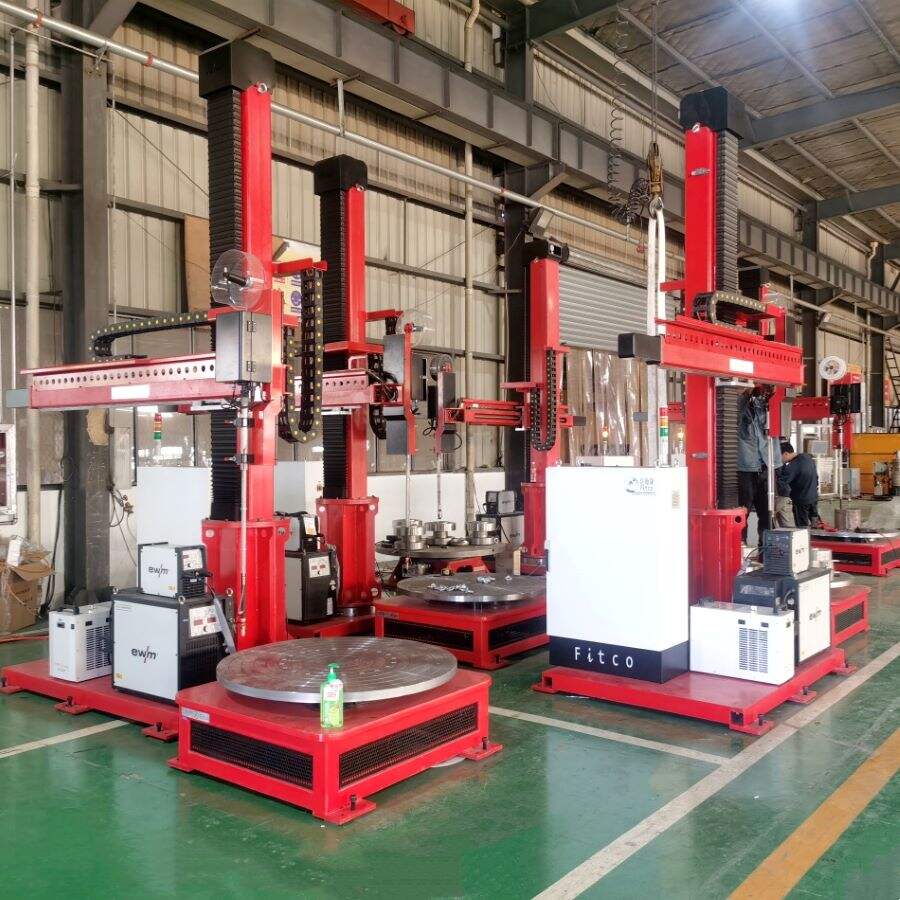
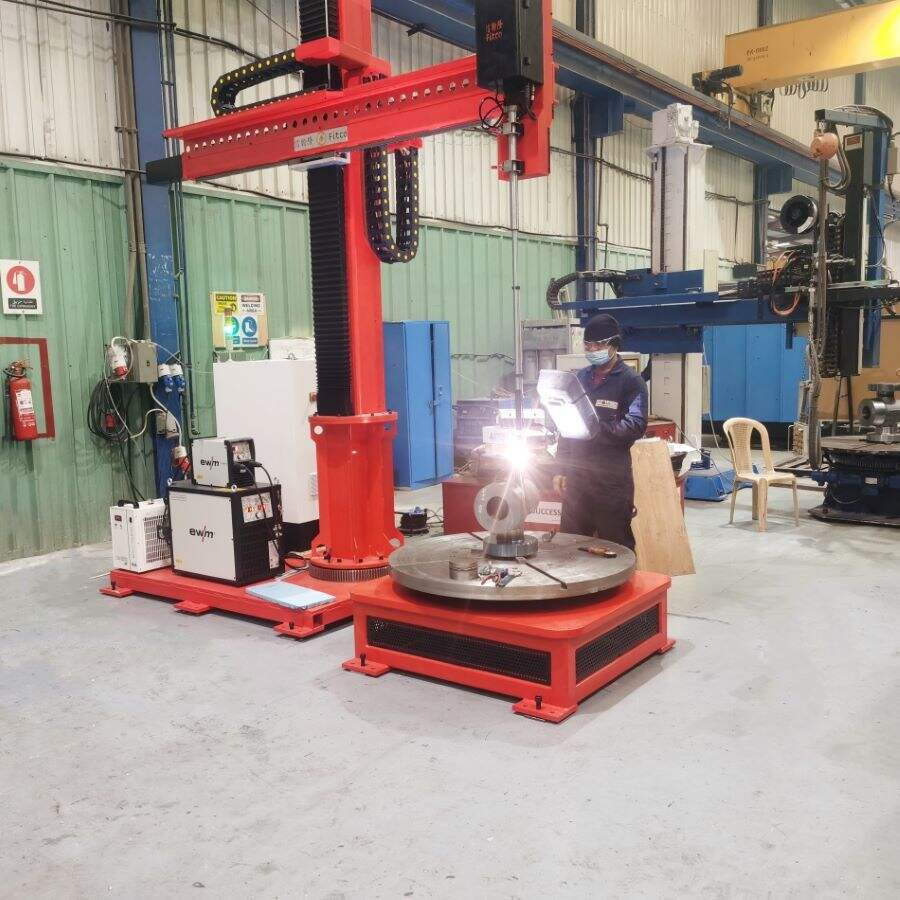
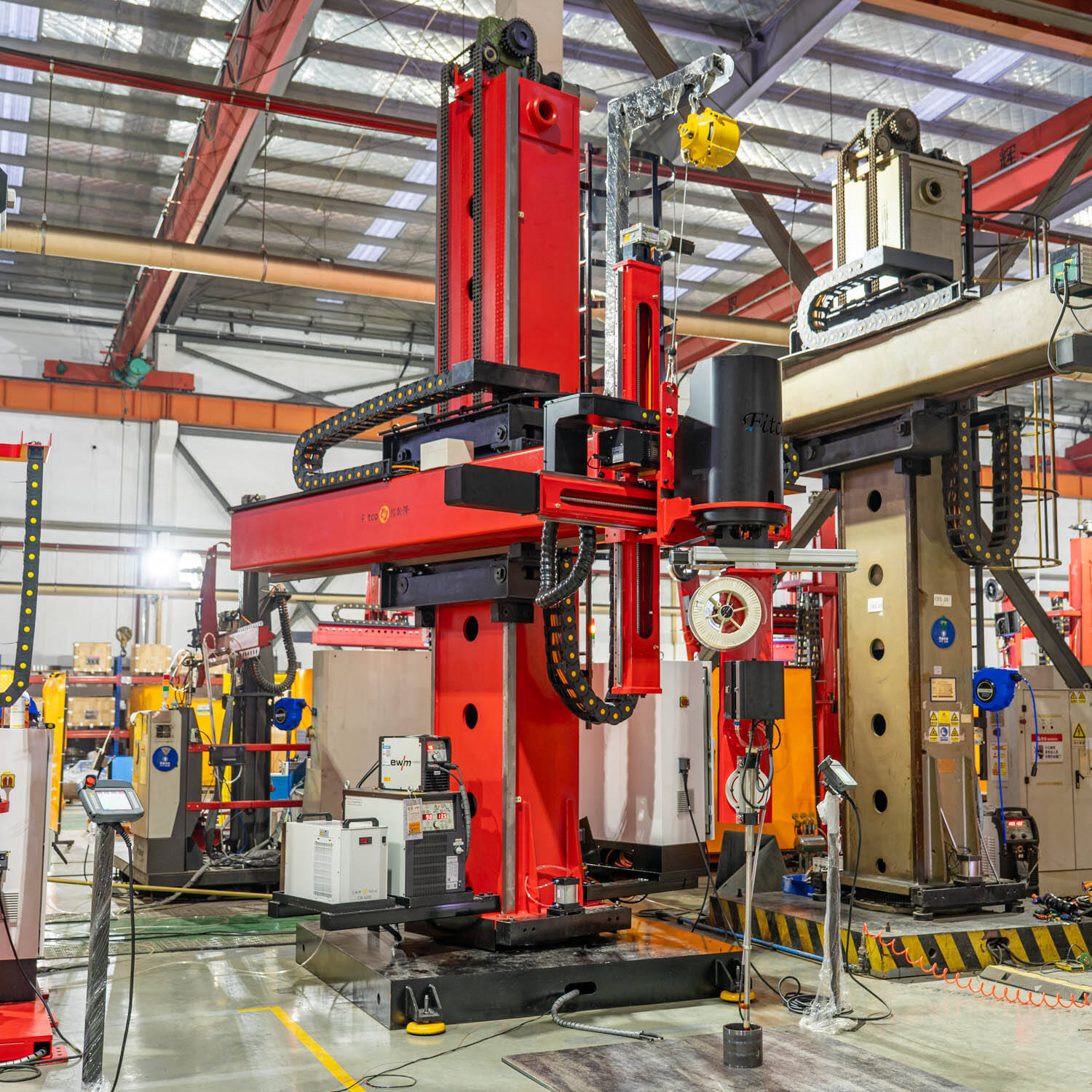
Weld overlay cladding represents the most economical approach to achieving high-performance surface properties while minimizing operational disruption and capital investment. The technology reduces material costs dramatically by utilizing expensive alloys only where protection is actually needed, rather than constructing entire components from costly specialty metals. A typical pressure vessel requiring corrosion resistance can achieve equivalent performance at 30 to 50 percent of the cost of solid stainless steel construction. Field application capabilities eliminate the need for factory return of large equipment, enabling repairs and upgrades to occur during planned maintenance windows without extensive disassembly. Portable welding equipment allows technicians to perform overlay applications in confined spaces or at remote locations, reducing transportation and logistics costs significantly. The rapid application rate achievable with modern automated welding systems minimizes the time equipment remains out of service, crucial for continuous process industries where downtime costs can exceed thousands of dollars per hour. Standardized procedures and certified operators ensure predictable application schedules, allowing maintenance planners to coordinate resources efficiently and minimize workforce requirements. Quality control measures including real-time monitoring and post-application testing confirm successful completion before returning equipment to service, eliminating concerns about premature failure. The durability of properly applied weld overlay cladding extends maintenance intervals substantially, reducing both planned and unplanned downtime over the component lifecycle. Training programs for facility maintenance personnel enable in-house capability development, reducing dependence on external contractors and improving response times for urgent repairs. Documentation and certification processes satisfy insurance and regulatory requirements while providing traceability for quality management systems. Inventory management benefits from standardized welding consumables that accommodate multiple applications, reducing storage requirements and procurement complexity. The technology scales efficiently from small patch repairs to complete vessel re-cladding projects, providing flexibility to match repair scope with available maintenance windows and budget constraints.

Get a Free Quote

Our representative will contact you soon.
Email
Mobile/WhatsApp
Name
Company Name
Message
0/1000