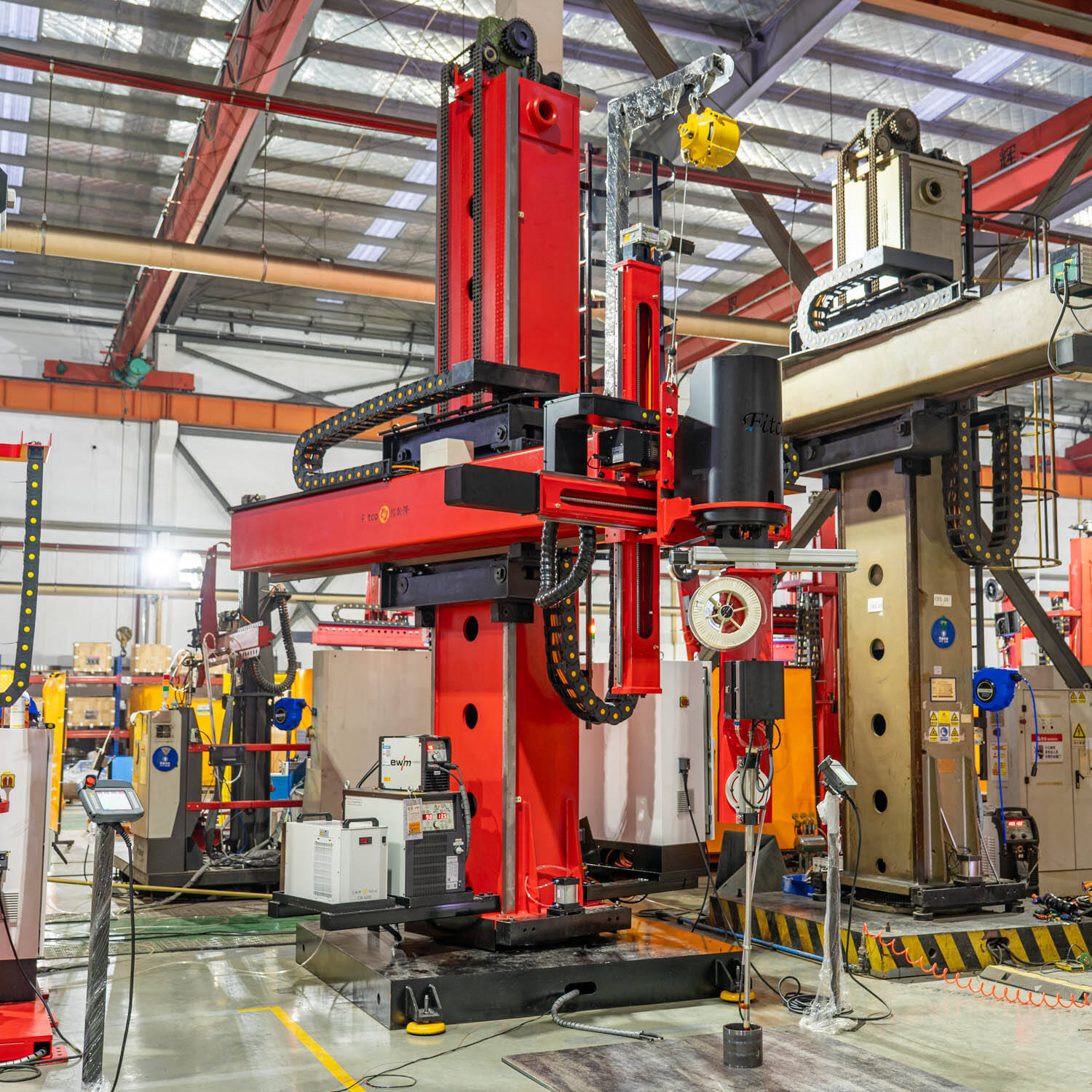
Пълен интеграция на контрола на качеството
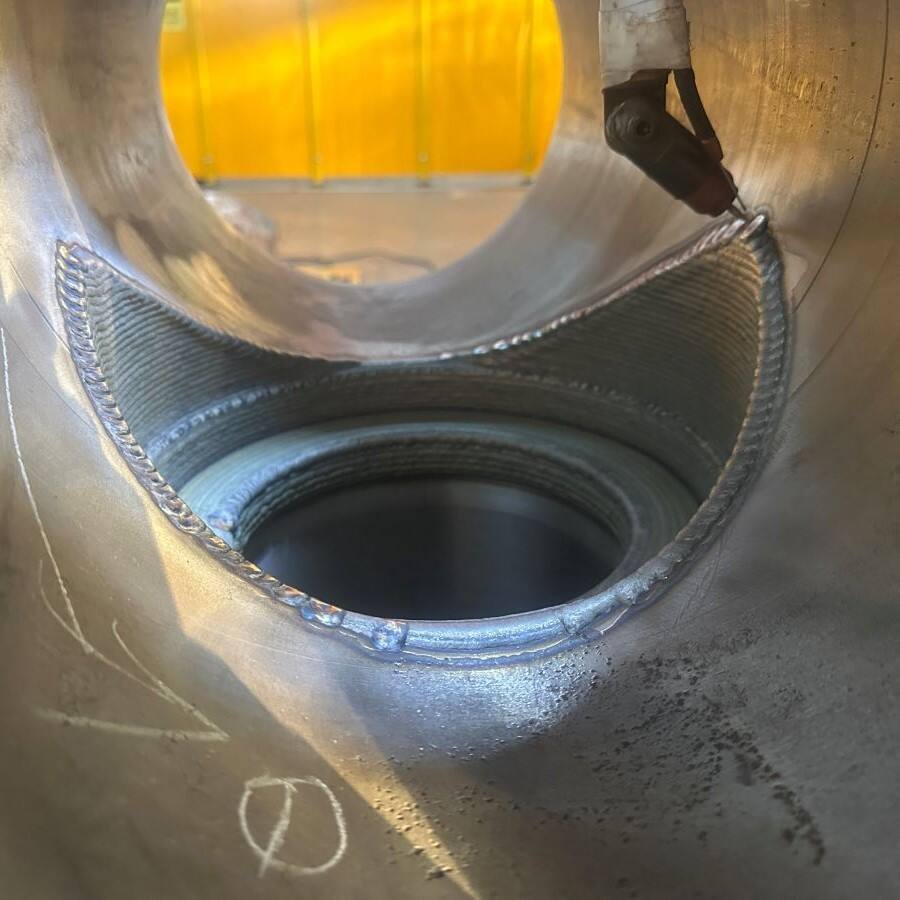
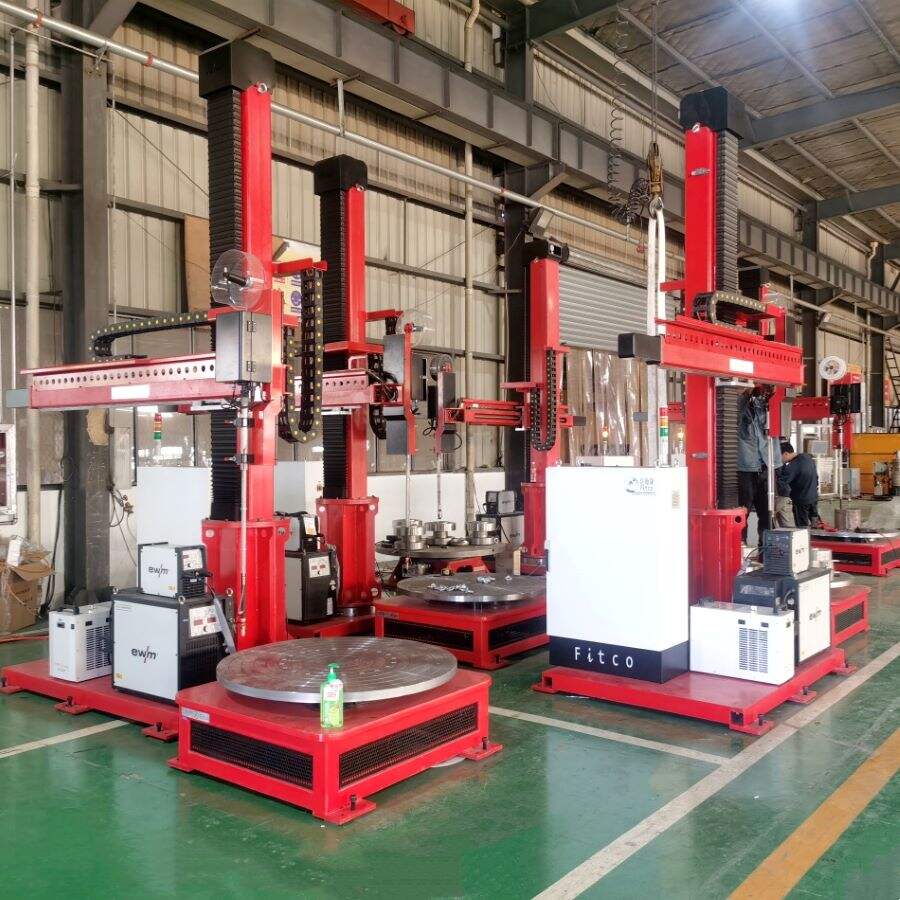
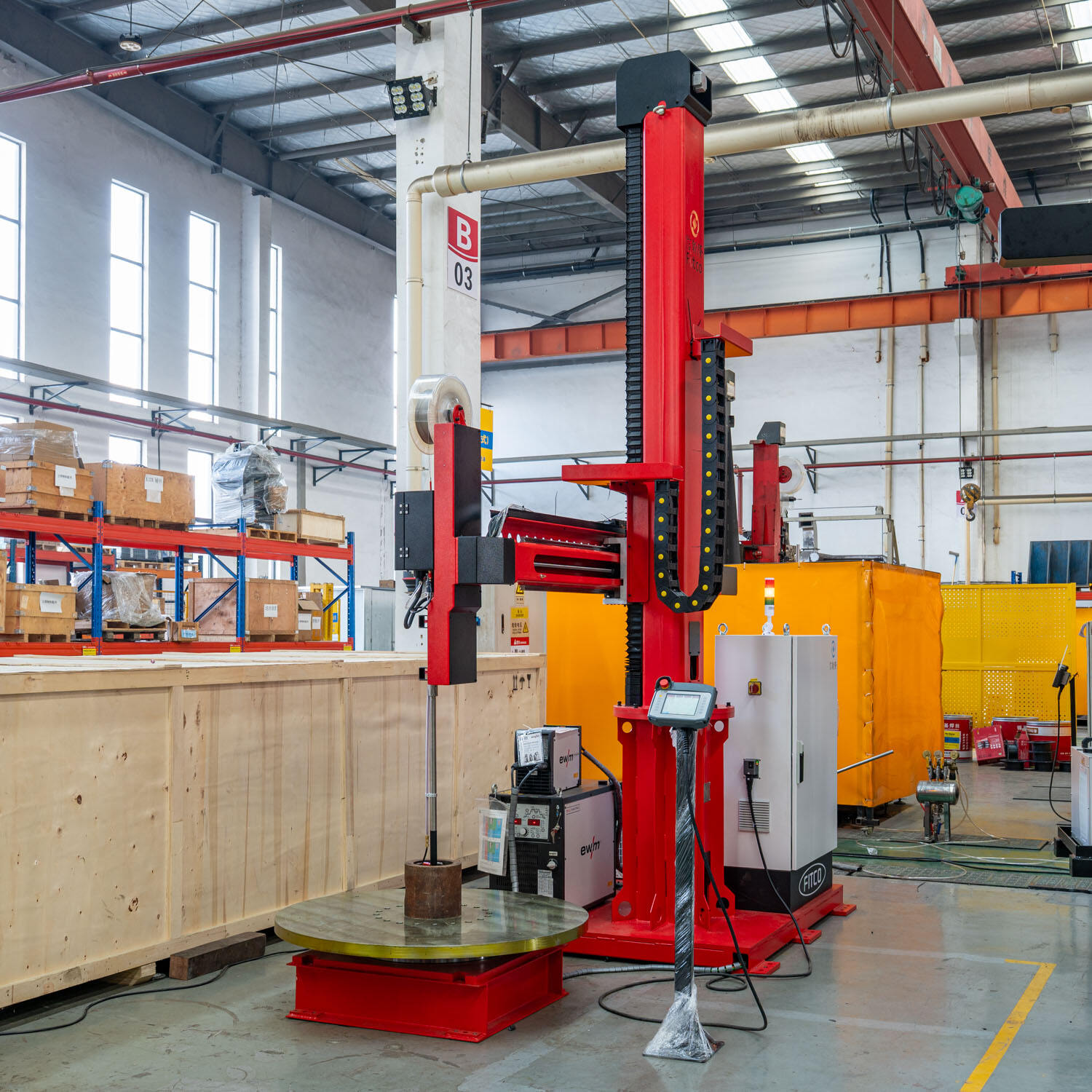
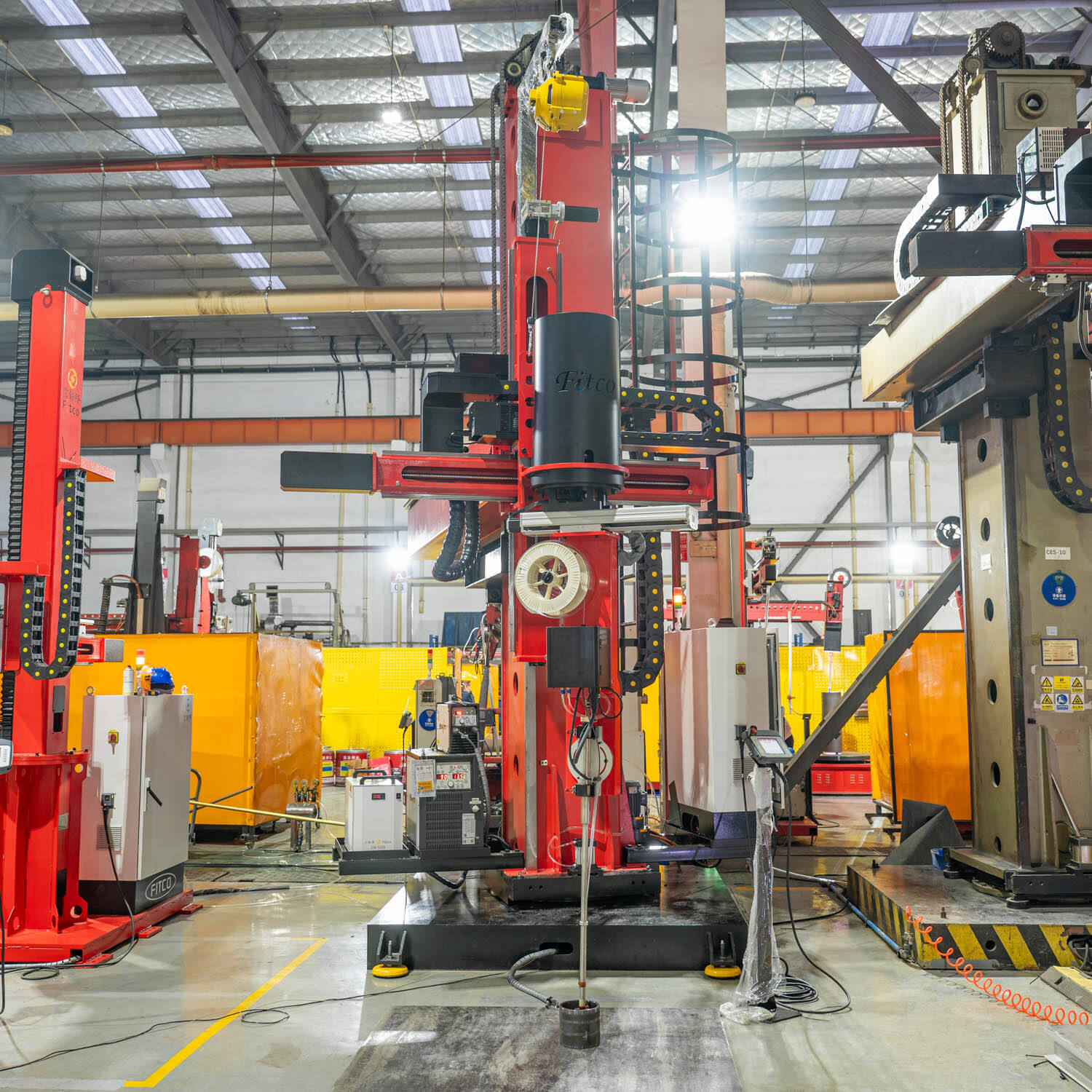
Съвременното оборудване за облицовка на тръби включва разширени системи за контрол на качеството, които следят всеки аспект от производствения процес, за да гарантират постоянство на високото качество на продукта. Интегрираният подход към управлението на качеството започва с инспекция на постъпващите материали чрез автоматизирани системи, които проверяват химичния състав, размерната точност и състоянието на повърхността както на основните тръби, така и на материалите за облицовка. Напреднали системи за визуализация заснемат високоразрешителни профили на повърхността, за да идентифицират потенциални дефекти или замърсявания, които биха могли да компрометират качеството на сцеплението още преди началото на обработката. По време на процеса на облицовка множество сензори непрекъснато следят критични параметри, включително разпределението на температурата, прилаганото налягане и скоростта на подаване на материала. Системата генерира реалновремеви доклади за качеството, които проследяват стабилността на процеса и идентифицират тенденции, които може да сочат възникващи проблеми, преди те да повлияят на качеството на продукта. Оборудването за неразрушително тестване, интегрирано директно в производствената линия, извършва комплексна инспекция на всяка облицована тръба, без да прекъсва производствения поток. Ултразвуковите тестващи системи проверяват цялостността на сцеплението по цялата интерфейсна повърхност и откриват несвързани области с размери от само 1 квадратен милиметър с изключителна точност. Тестването с вихрови токове потвърждава еднородността на дебелината на облицовката и идентифицира вариации в материала, които биха могли да повлияят на корозионната устойчивост или механичните характеристики. Системите за размерно измерване осигуряват прецизно спазване на клиентските спецификации относно допусците за диаметър, дебелина на стената и дължина. Системата за контрол на качеството поддържа пълна проследимост, като свързва всяка готова тръба с конкретни партиди материали, параметри на обработката и резултатите от тестовете. Тази всеобхватна документация подкрепя сертификатите за качество, изисквани за критични приложения в ядрената, авиационно-космическата и петрохимическата промишленост. Алгоритмите за статистически контрол на процеса анализират данните за качеството, за да оптимизират параметрите на обработката и да прогнозират необходимостта от поддръжка, преди тя да повлияе на производството. Системата известява операторите за потенциални проблеми и предоставя конкретни препоръки за коригиращи действия. Автоматизираните системи за сортиране и маркиране гарантират, че само тръбите, отговарящи на всички критерии за качество, продължават към окончателното опаковане и изпращане, като изключват възможността некачествени продукти да достигнат до клиентите.

 EN
EN
 AR
AR BG
BG HR
HR CS
CS DA
DA NL
NL FI
FI FR
FR DE
DE EL
EL HI
HI IT
IT JA
JA KO
KO NO
NO PL
PL PT
PT RO
RO RU
RU ES
ES SV
SV TL
TL IW
IW ID
ID LT
LT UK
UK SQ
SQ HU
HU TH
TH TR
TR FA
FA AF
AF CY
CY MK
MK LA
LA MN
MN KK
KK UZ
UZ KY
KY