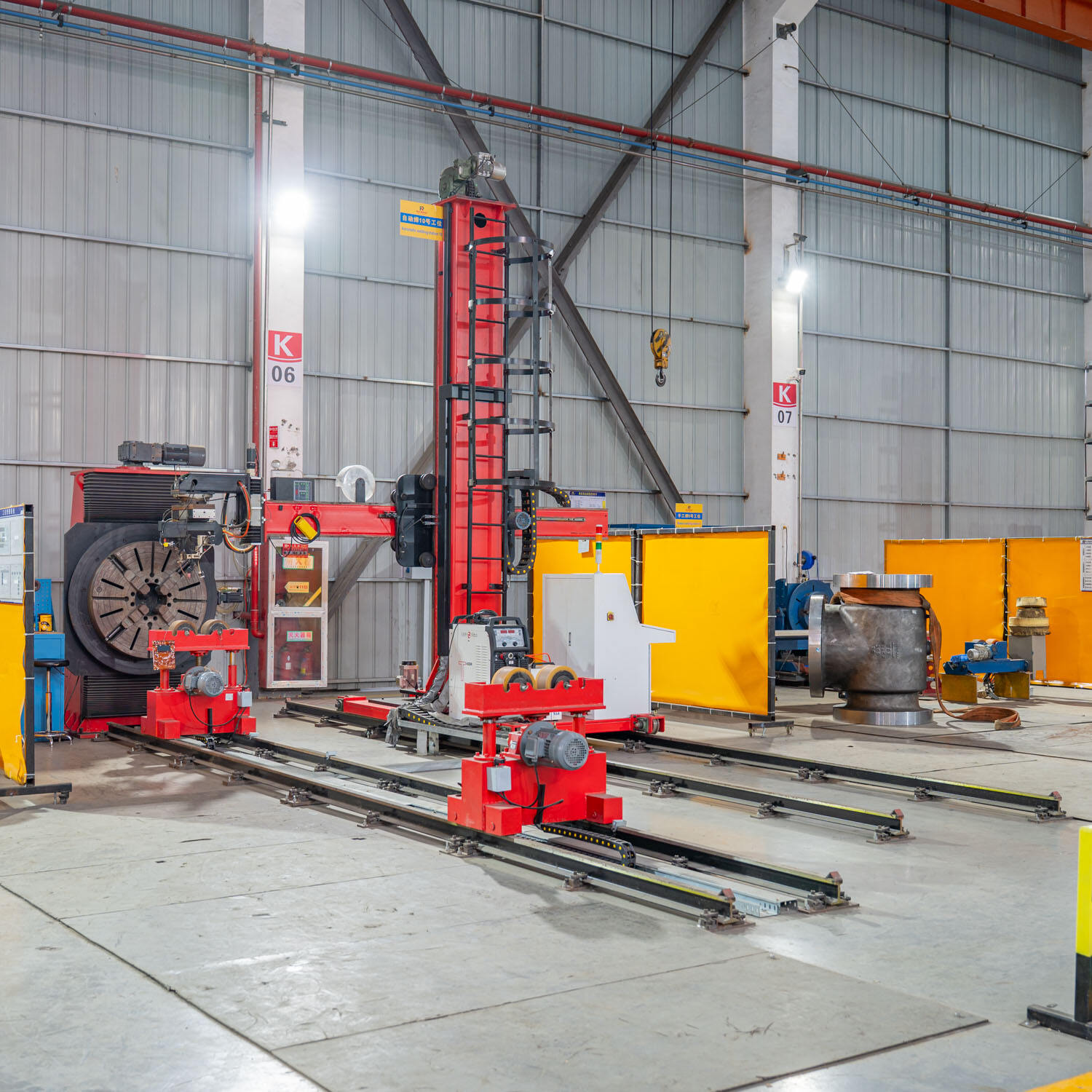
tIG обложување на цевки
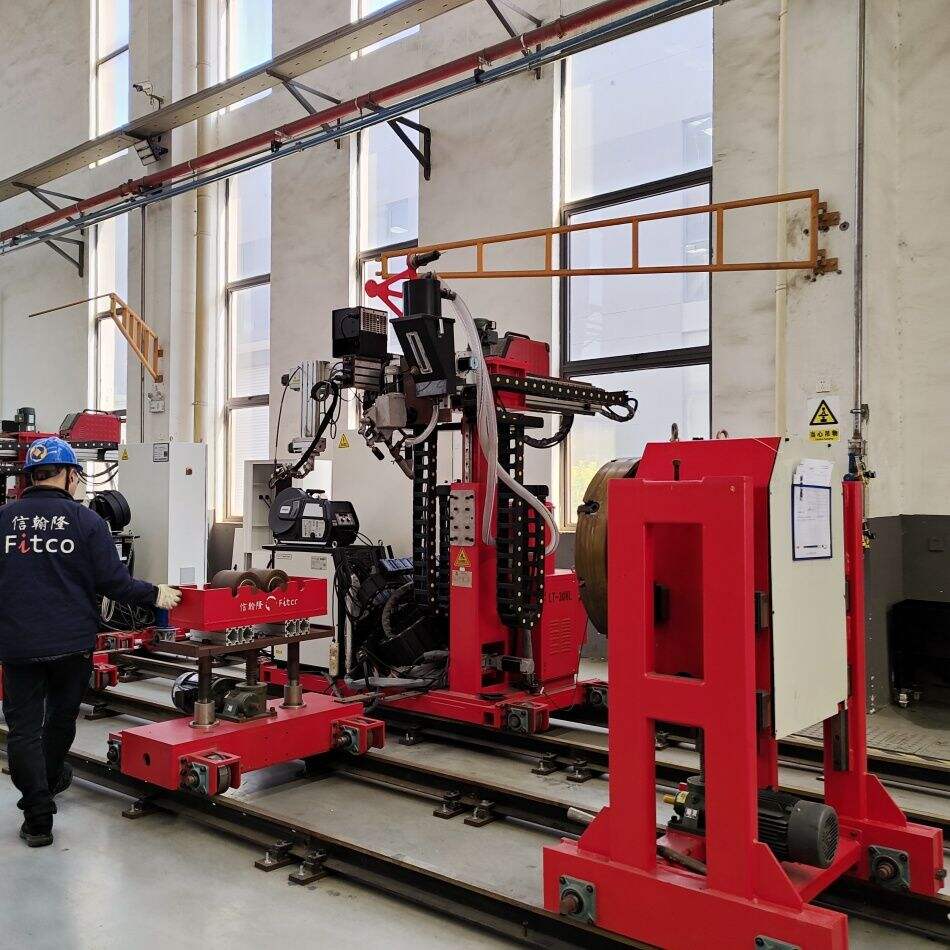
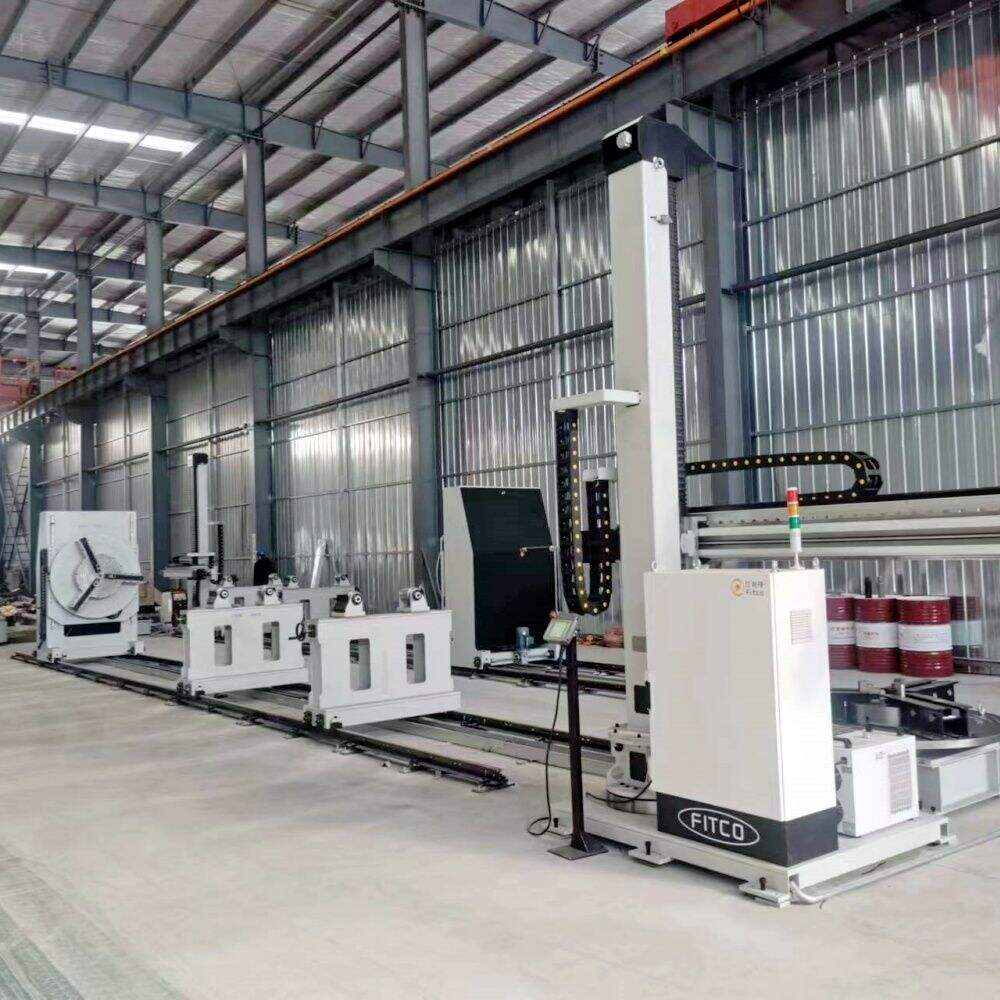
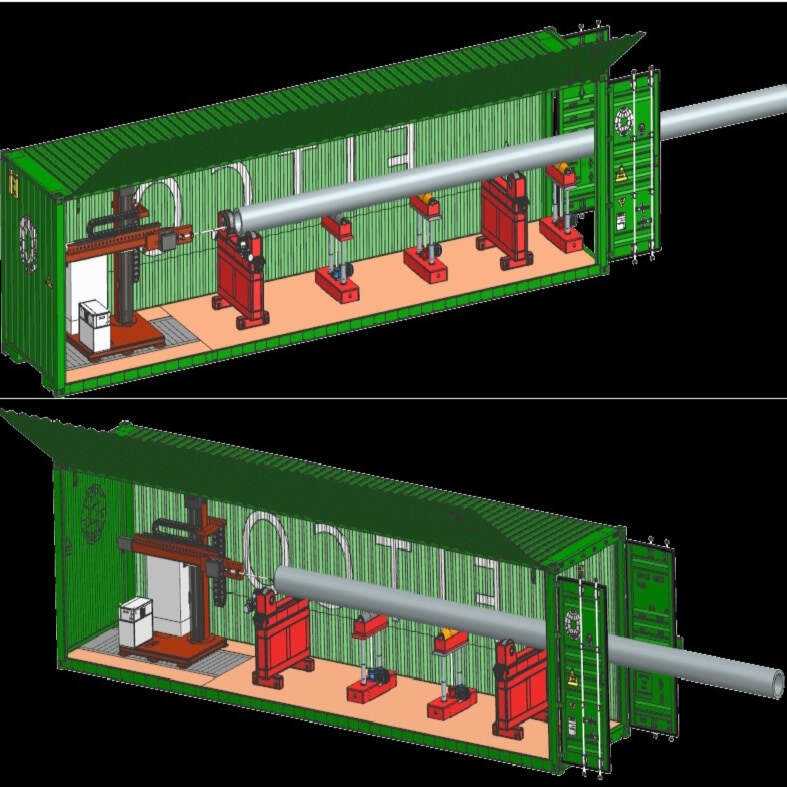
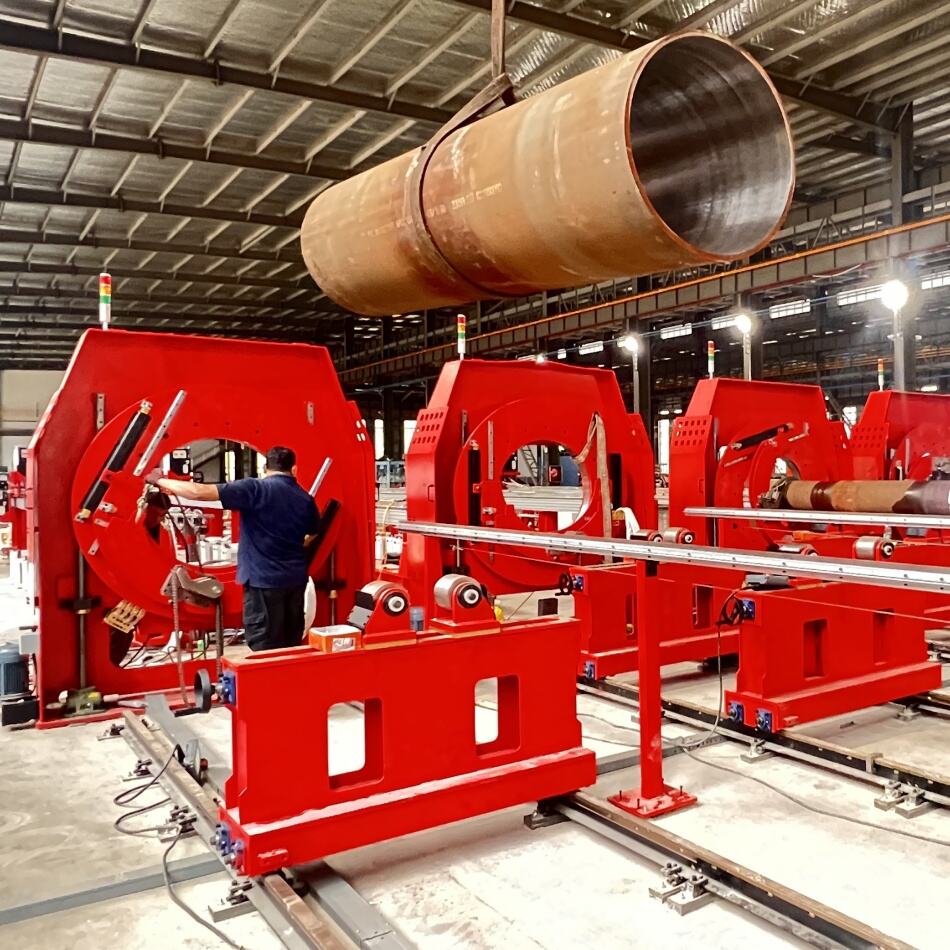
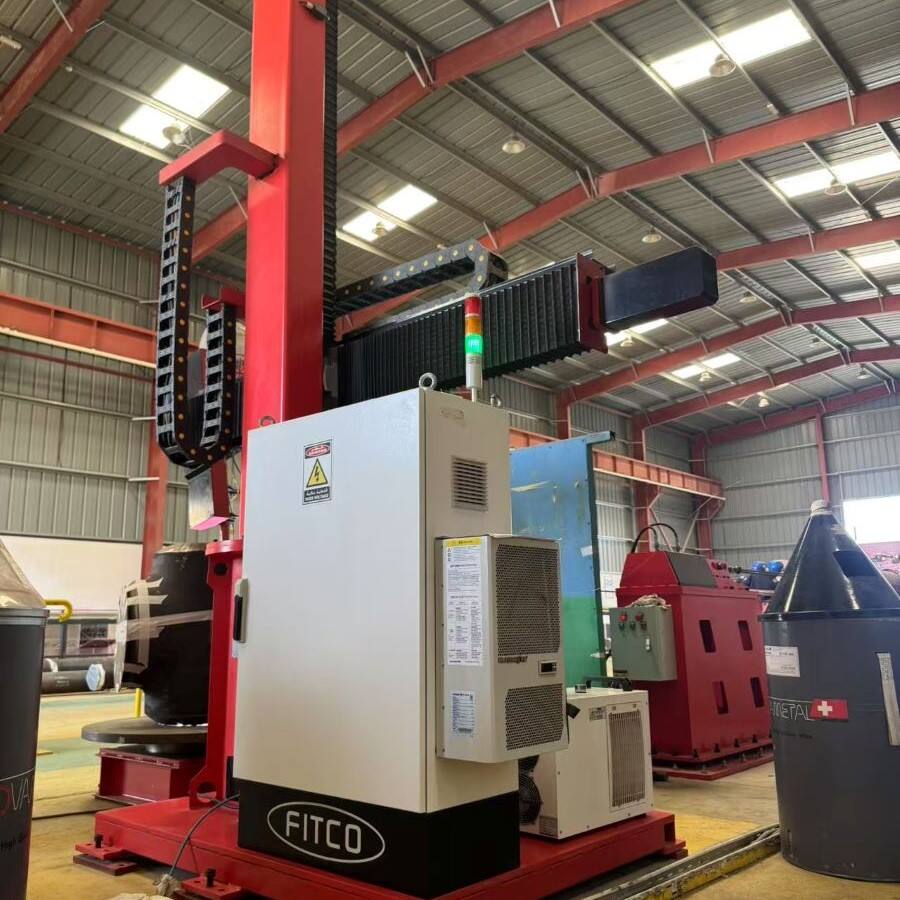
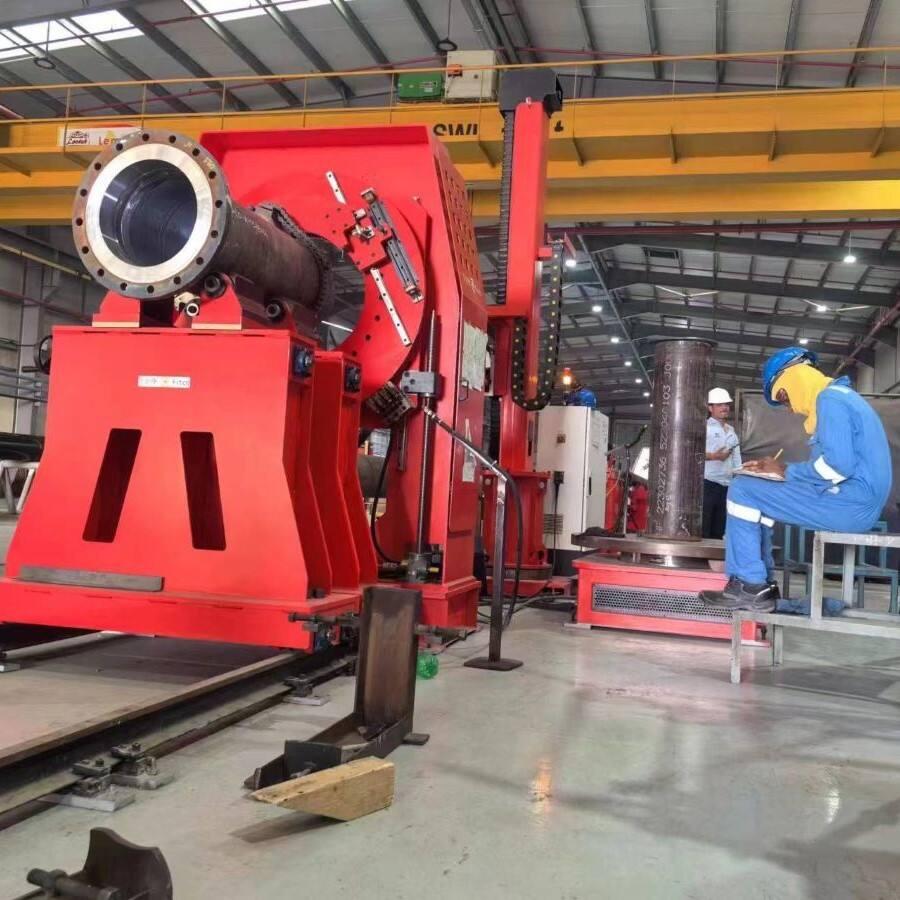
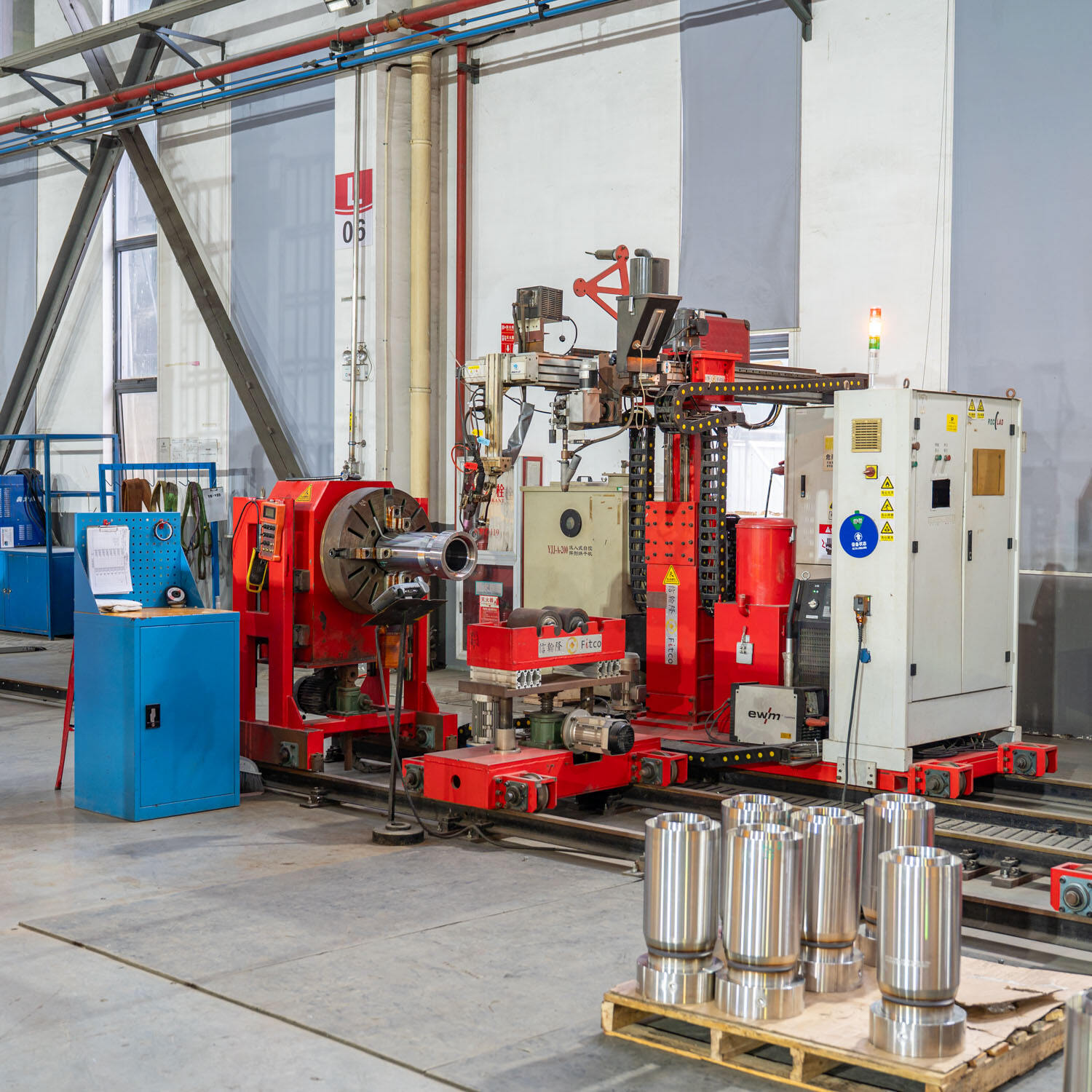
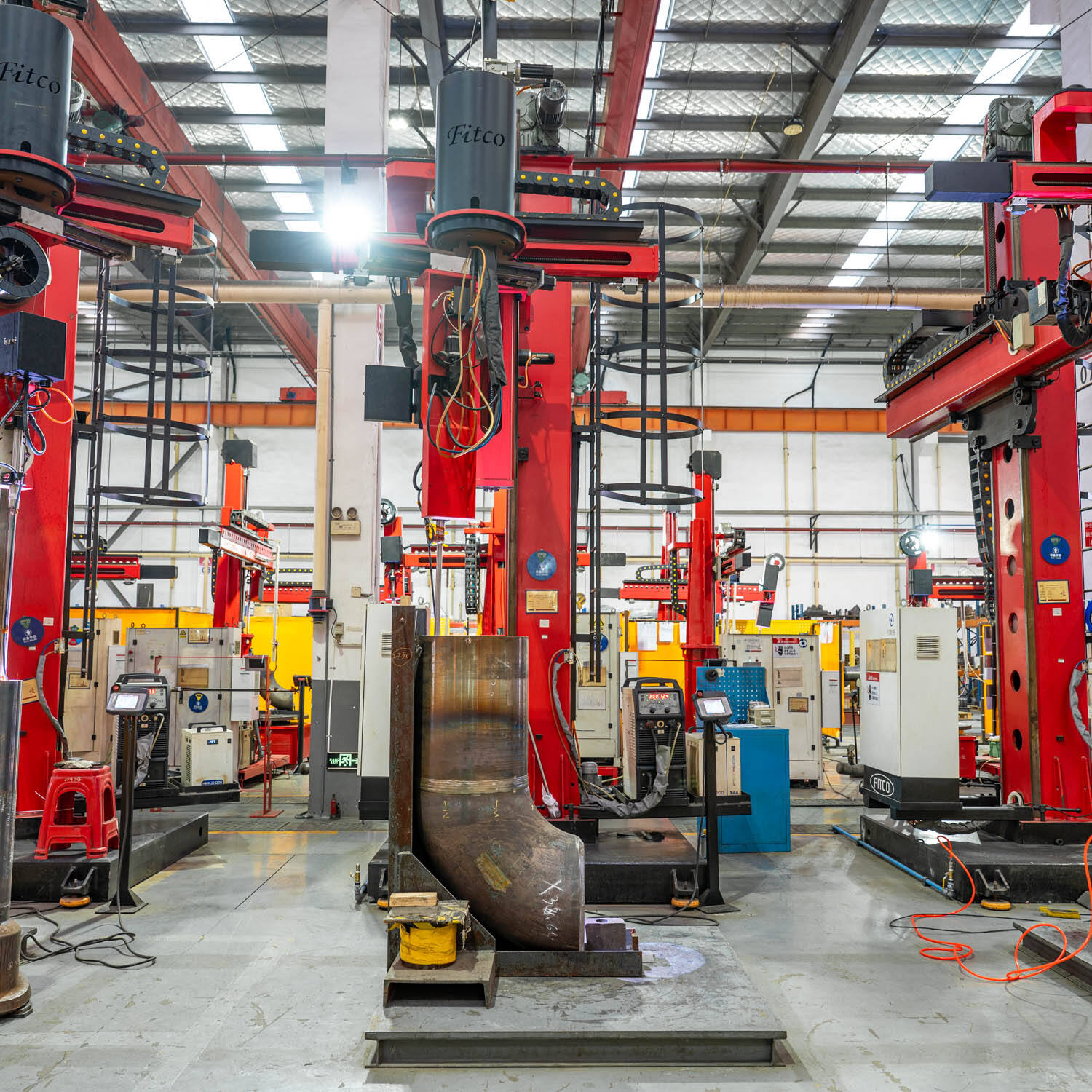
ТИГ-покривање на цевки претставува софистицирана техника за заварување која создава заштитни слоеви на површините на цевките преку процеси на заварување со волфрамова електрода и инертен гас. Ова напредна метода депонира материјали отпорни на корозија врз основните метални цевки, формирајќи трајни композитни структури што комбинираат рентабилни основни материјали со површински својства од високо ниво. Процесот на ТИГ-покривање на цевки користи прецизна контрола на температурата и заштита со инертен гас за осигурување на оптимално металиуршко врзување помеѓу подлогата и покривниот материјал. Индустриите кои бараат подобрувана отпорност на корозија, како што се нафтата и гасот, хемиската обработка и морските примени, во голема мера се потпираат на решенијата за ТИГ-покривање на цевки. Ова технологија овозможува на производителите да произведуваат цевки со надворешни карактеристики од високо ниво, при тоа задржувајќи ја структурната интегритет и димензионалната точност. Системите за ТИГ-покривање на цевки обично користат материјали како нерѓослив челик, Инконел или специјализирани легури како покривни слоеви, во зависност од специфичните захтеви на околината. Заварувачките параметри, вклучувајќи ги поставките на струјата, брзината на движење и стапката на проток на гас, бараат внимателна оптимизација за постигнување униформна распределба на дебелината и одлични адхезивни својства. Современата опрема за ТИГ-покривање на цевки е опремена со автоматизирани контроли што осигуруваат постојан квалитет низ целиот производствен процес. Резултирачките покриени цевки покажуваат извонредна отпорност на различни форми на корозија, вклучувајќи ја и пик-корозијата, корозијата во процепи и корозијата предизвикана од напон. Мерките за контрола на квалитетот во текот на ТИГ-покривањето на цевки вклучуваат неконтактни испитни методи, како што се ултразвучното испитување и радиографската инспекција, за верификација на интегритетот на врската. Процесот може да се прилагоди за различни дијаметри и дебелини на цевките, што го прави погоден за разновидни индустријални примени. И еколошките аспекти исто така го поттикнуваат ТИГ-покривањето на цевки, бидејќи го проширува временскиот период на служба и намалува фреквенцијата на замена, придонесувајќи кон одржливи индустријални практики.

 EN
EN
 AR
AR BG
BG HR
HR CS
CS DA
DA NL
NL FI
FI FR
FR DE
DE EL
EL HI
HI IT
IT JA
JA KO
KO NO
NO PL
PL PT
PT RO
RO RU
RU ES
ES SV
SV TL
TL IW
IW ID
ID LT
LT UK
UK SQ
SQ HU
HU TH
TH TR
TR FA
FA AF
AF CY
CY MK
MK LA
LA MN
MN KK
KK UZ
UZ KY
KY