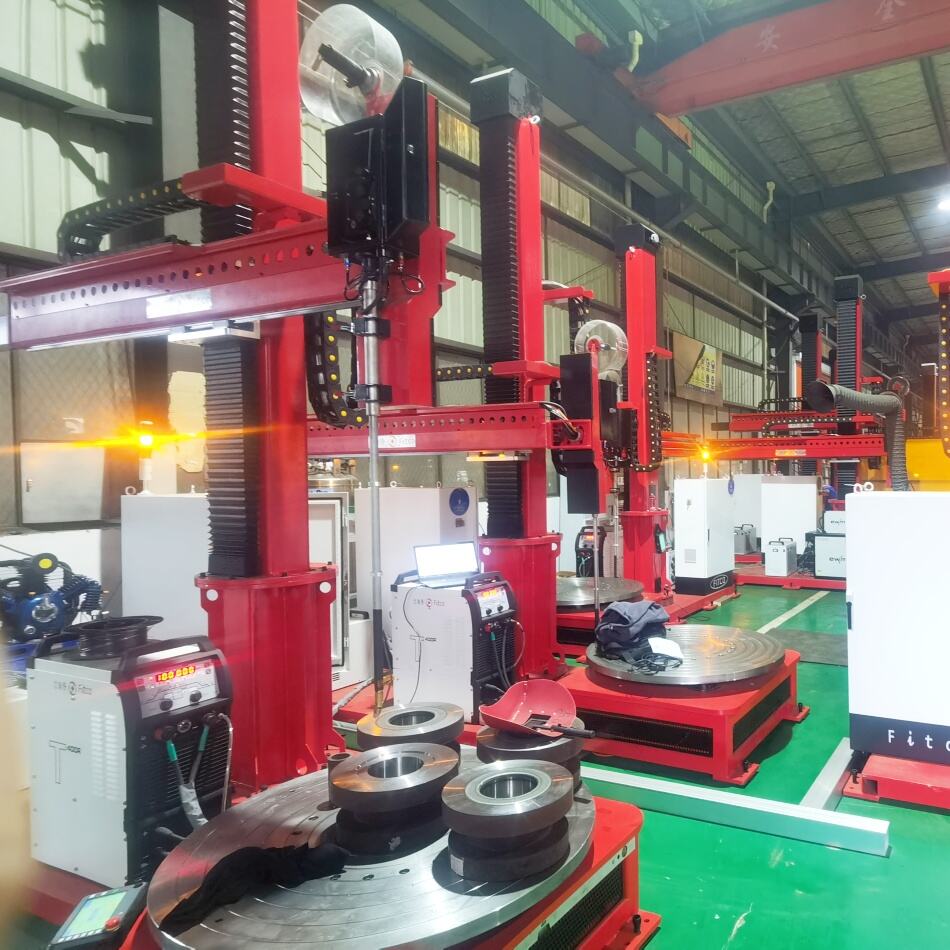
Advanced Automatic TIG Welding Systems - Precision, Quality & Efficiency Solutions

Contact me immediately if you encounter problems!

All Categories

Get a Free Quote

Our representative will contact you soon.
Email
Mobile/WhatsApp
Name
Company Name
Message
0/1000

Get a Free Quote

Our representative will contact you soon.
Email
Mobile/WhatsApp
Name
Company Name
Message
0/1000

automatic tig

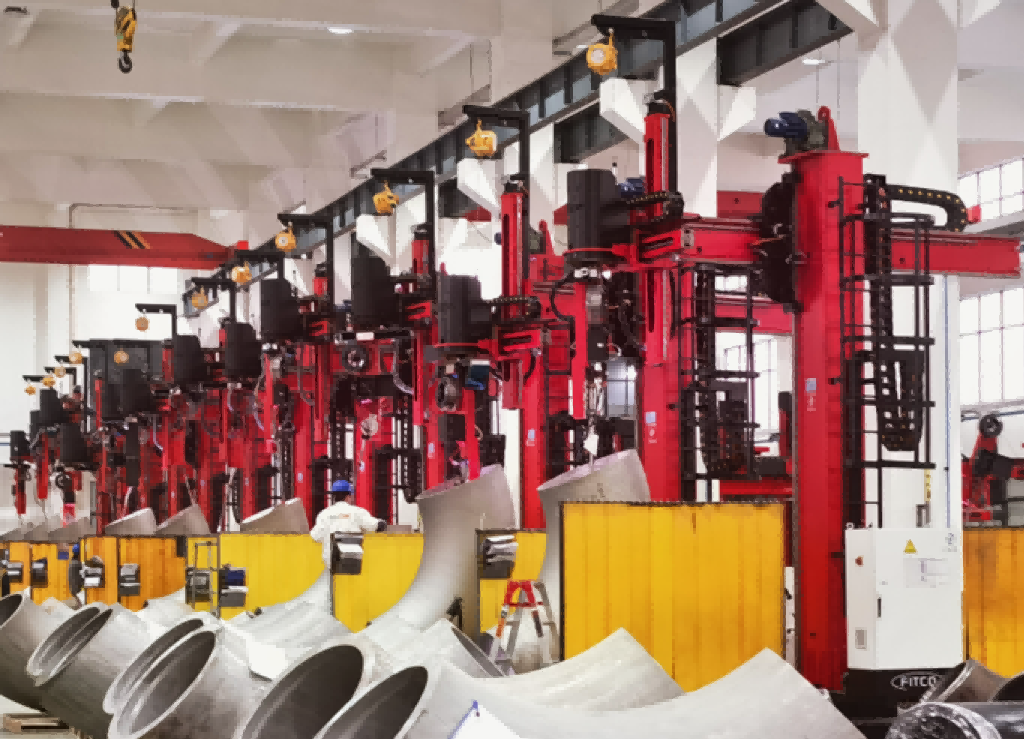
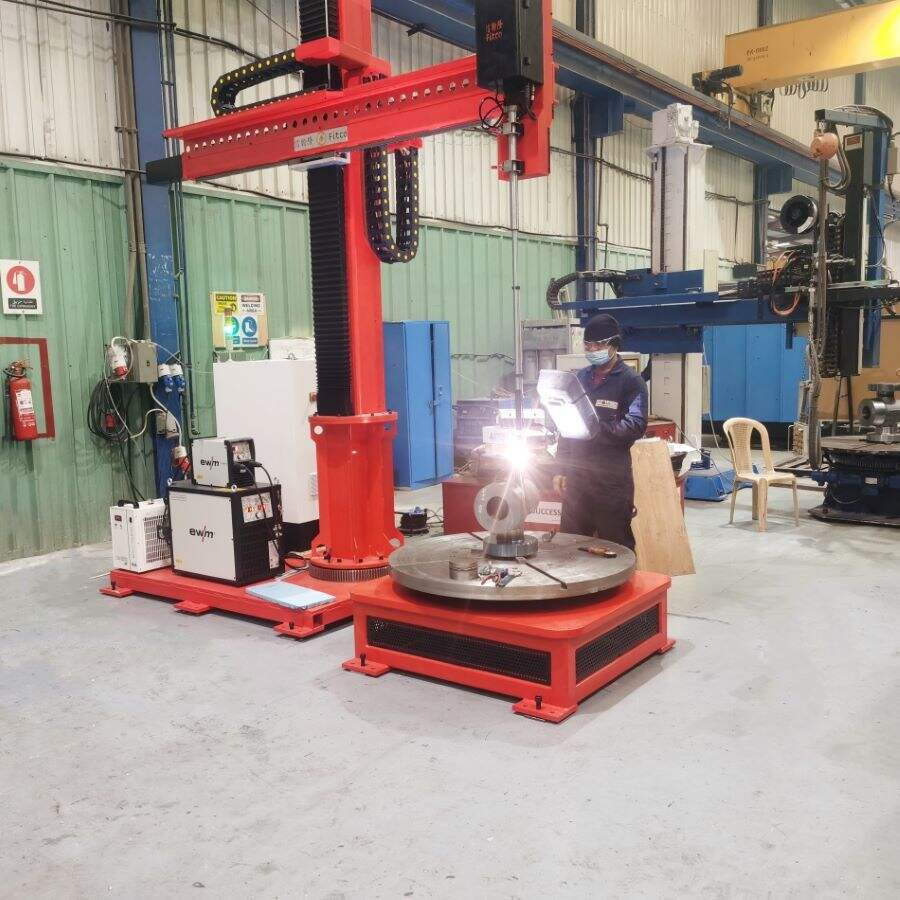
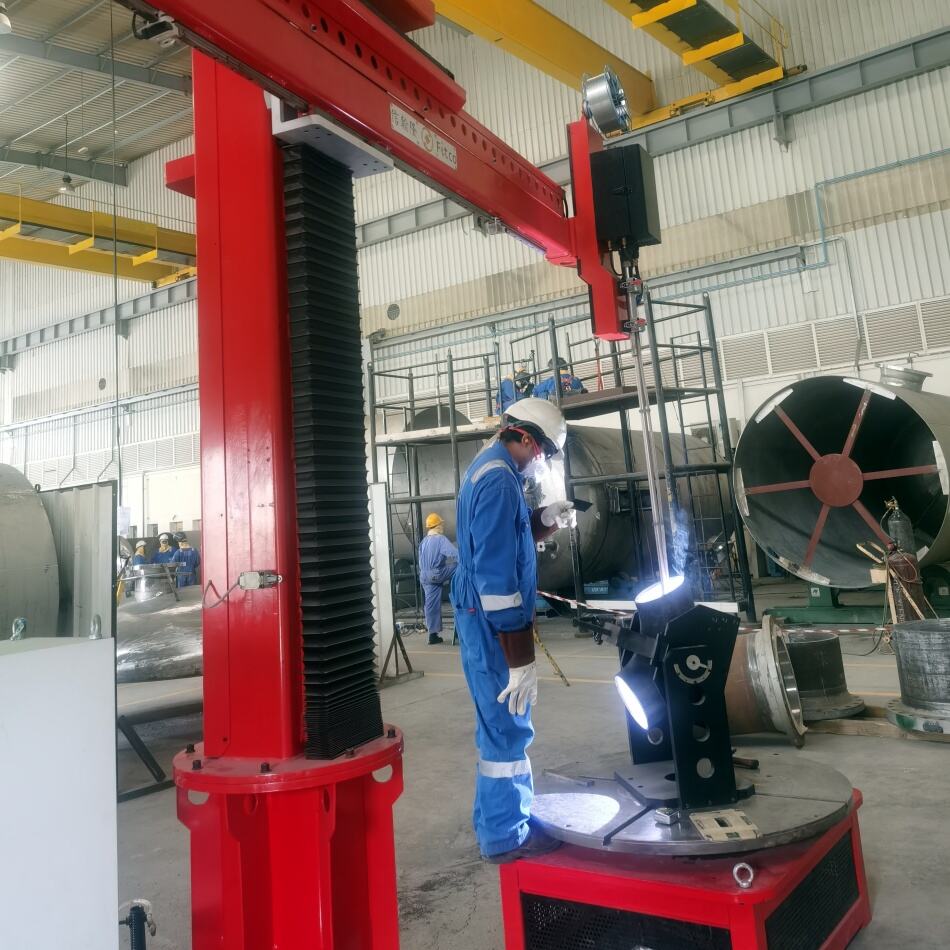
The automatic TIG welding system represents a revolutionary advancement in precision welding technology, combining the exceptional quality of traditional TIG welding with sophisticated automation capabilities. This advanced welding solution integrates computer-controlled programming, robotic arm positioning, and intelligent monitoring systems to deliver consistent, high-quality welds across various industrial applications. The automatic TIG system eliminates human variables that can affect weld quality, ensuring reproducible results with minimal operator intervention. At its core, the automatic TIG utilizes tungsten inert gas technology enhanced with programmable controls that manage arc length, travel speed, wire feed rates, and gas flow parameters. The system features advanced sensors that monitor weld pool characteristics in real-time, automatically adjusting parameters to maintain optimal welding conditions throughout the entire process. Modern automatic TIG systems incorporate sophisticated user interfaces that allow operators to create, store, and recall welding programs for different materials and joint configurations. The technology excels in applications requiring exceptional weld quality, such as aerospace components, pharmaceutical equipment, food processing machinery, and critical infrastructure projects. Key technological features include adaptive arc control that responds to varying joint gaps and material thicknesses, precision wire feeding mechanisms that ensure consistent filler metal deposition, and integrated quality monitoring systems that detect and correct deviations during welding. The automatic TIG system typically operates within controlled environments where gas coverage protects the weld area from atmospheric contamination. Advanced models feature multi-axis positioning capabilities, allowing complex geometries to be welded with precision that surpasses manual techniques. The system's ability to maintain consistent arc characteristics, optimal travel speeds, and proper heat input results in superior mechanical properties and aesthetic appearance of finished welds, making it indispensable for industries where quality and reliability cannot be compromised.

Popular Products

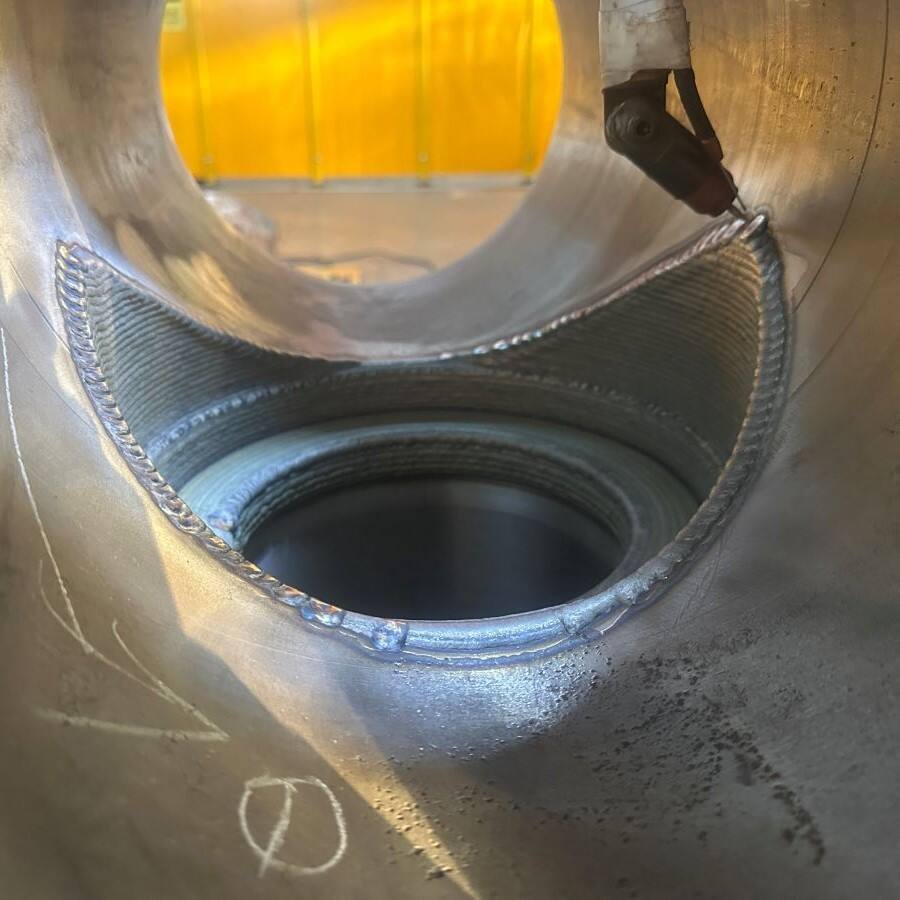
The automatic TIG welding system delivers substantial practical benefits that directly impact productivity, quality, and operational costs for businesses across multiple industries. First and foremost, this advanced technology significantly reduces production time by eliminating the variability associated with manual welding techniques. The automatic TIG system operates continuously without fatigue, maintaining consistent welding speeds and quality throughout extended production runs, which translates to higher throughput and faster project completion times. Quality consistency represents another major advantage, as the automatic TIG produces uniform welds with predictable mechanical properties, reducing the need for costly rework and quality inspections. The system eliminates common defects such as porosity, undercut, and inconsistent penetration that often occur with manual welding, resulting in higher first-pass success rates and improved overall product reliability. Cost efficiency becomes evident through reduced material waste, as the precise control systems optimize filler metal usage and minimize over-welding. Labor costs decrease significantly since skilled welders can focus on setup and programming rather than performing repetitive welding tasks, allowing companies to allocate human resources more effectively. The automatic TIG system enhances workplace safety by reducing operator exposure to welding fumes, intense light, and repetitive strain injuries associated with manual welding positions. Documentation and traceability improve dramatically, as the system automatically records welding parameters, creating comprehensive quality records that meet stringent industry standards and regulatory requirements. Flexibility in production scheduling increases because the automatic TIG can operate during off-hours with minimal supervision, maximizing equipment utilization and enabling companies to meet tight delivery deadlines. The technology also enables welding of complex geometries and hard-to-reach joints that would be challenging or impossible for manual welders to access consistently. Training requirements decrease substantially, as operators need only learn system programming and setup procedures rather than developing advanced hand-eye coordination and technique refinement required for manual TIG welding. Long-term operational benefits include reduced insurance costs due to improved safety records, enhanced reputation for quality delivery, and increased competitiveness in markets demanding superior weld quality and consistency.

Tips And Tricks

Why Are Pipe Cladding Machines Vital for Industrial Corrosion Protection?

27

Nov

Why Are Pipe Cladding Machines Vital for Industrial Corrosion Protection?

Industrial facilities worldwide face a constant battle against corrosion, with pipe systems serving as critical infrastructure that demands exceptional protection. The implementation of advanced welding technologies has revolutionized how industries ...
View More
Why igbt inverter welder Technology is the Industry Standard in 2026

16

Mar

Why igbt inverter welder Technology is the Industry Standard in 2026

The welding industry has undergone a transformative evolution, with igbt inverter welder technology emerging as the definitive standard for professional and industrial applications in 2026. This revolutionary advancement represents a fundamental shif...
View More
Which Industries Benefit Most from Using a TIG Welder?

13

Jan

Which Industries Benefit Most from Using a TIG Welder?

TIG welding technology has revolutionized manufacturing and fabrication processes across numerous industries, offering unparalleled precision and quality in metal joining applications. The versatility of a TIG welder makes it an indispensable tool fo...
View More
Which Materials Weld Best with Longitudinal TIG Equipment?

13

Jan

Which Materials Weld Best with Longitudinal TIG Equipment?

Manufacturing industries increasingly rely on advanced welding technologies to achieve superior joint quality and production efficiency. Among the various welding methods available, longitudinal TIG equipment has emerged as a critical solution for ap...
View More

Get a Free Quote

Our representative will contact you soon.
Email
Mobile/WhatsApp
Name
Company Name
Message
0/1000

automatic tig

Advanced Arc Control and Parameter Optimization

Advanced Arc Control and Parameter Optimization

The automatic TIG system features sophisticated arc control technology that represents a quantum leap forward in welding precision and consistency. This intelligent control system continuously monitors multiple welding variables including arc voltage, current levels, wire feed speed, and travel velocity, making real-time adjustments to maintain optimal welding conditions throughout the entire process. The advanced algorithm processes hundreds of data points per second, detecting minute variations in joint gaps, material thickness changes, and surface conditions that could affect weld quality. When the system identifies deviations from programmed parameters, it instantly compensates by adjusting arc length, modifying current output, or altering travel speed to ensure consistent penetration and fusion characteristics. This level of control eliminates common welding defects such as burn-through in thin materials, lack of fusion in thick sections, and porosity caused by contamination or improper shielding gas coverage. The automatic TIG system stores welding procedures for different materials and joint configurations, allowing operators to recall proven parameter sets with confidence in reproducible results. The technology particularly excels when working with exotic materials such as titanium, Inconel, and specialized stainless steel alloys where precise heat input control prevents metallurgical degradation that could compromise component performance. Advanced models incorporate adaptive learning capabilities that analyze completed welds and suggest parameter refinements for improved results in subsequent operations. The arc control system also features predictive maintenance algorithms that monitor consumable wear patterns and alert operators when tungsten electrodes require replacement or gas delivery systems need service. This proactive approach minimizes unexpected downtime and ensures consistent weld quality throughout production runs. The precision achieved through advanced arc control translates directly into superior mechanical properties, improved fatigue resistance, and enhanced corrosion performance in finished products, making the automatic TIG system invaluable for critical applications where component failure could have catastrophic consequences.
Intelligent Sensor Integration and Real-Time Monitoring

Intelligent Sensor Integration and Real-Time Monitoring

The automatic TIG welding system incorporates cutting-edge sensor technology that provides unprecedented visibility into the welding process, enabling real-time quality control and immediate corrective action when deviations occur. Multiple sensor types work in concert to create a comprehensive monitoring network that tracks weld pool geometry, temperature distribution, gas flow characteristics, and wire feed consistency throughout each welding cycle. High-resolution cameras equipped with specialized filters capture detailed images of the weld pool and surrounding heat-affected zone, while thermal sensors monitor temperature gradients to ensure proper heat input and cooling rates. Electromagnetic sensors detect changes in arc characteristics that could indicate developing problems such as tungsten contamination, inadequate gas coverage, or improper joint preparation. The integrated sensor network feeds continuous data streams to the central processing unit, which compares actual conditions against programmed parameters and quality standards. When sensors detect conditions that could compromise weld integrity, the system immediately implements corrective measures or halts the welding process to prevent defective products from advancing through production. This real-time monitoring capability proves especially valuable in aerospace and medical device manufacturing where component failure tolerances approach zero. The sensor data creates comprehensive documentation for each weld, including thermal profiles, penetration measurements, and parameter stability metrics that satisfy stringent traceability requirements demanded by regulatory agencies and quality management systems. Advanced pattern recognition algorithms analyze sensor data to identify subtle trends that might indicate developing equipment issues or process drift before they affect weld quality. The system learns from historical data, continuously refining its ability to predict and prevent quality issues while optimizing welding parameters for improved efficiency and performance. Operators receive instant feedback through intuitive displays that highlight critical process variables and alert them to conditions requiring attention. This immediate visibility enables rapid response to changing production requirements and ensures consistent quality across varying operating conditions, making the automatic TIG system an essential tool for maintaining competitive advantage in quality-sensitive markets.
Precision Positioning and Multi-Axis Control Capabilities

Precision Positioning and Multi-Axis Control Capabilities

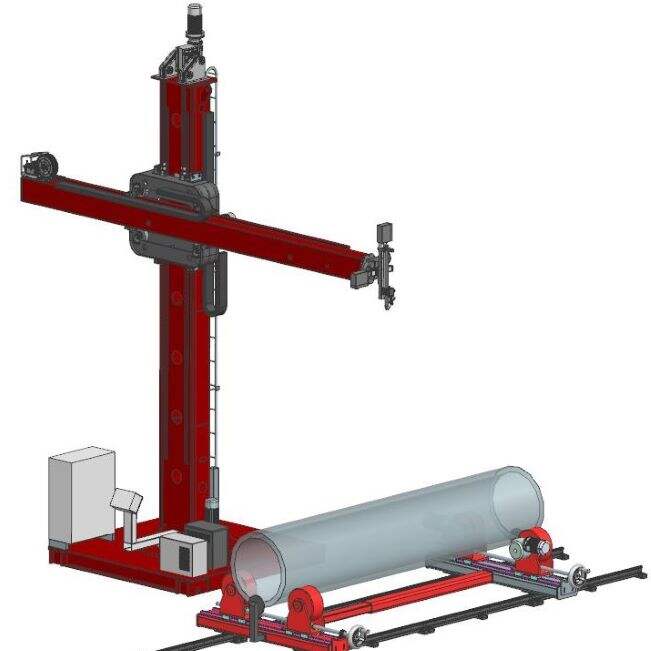
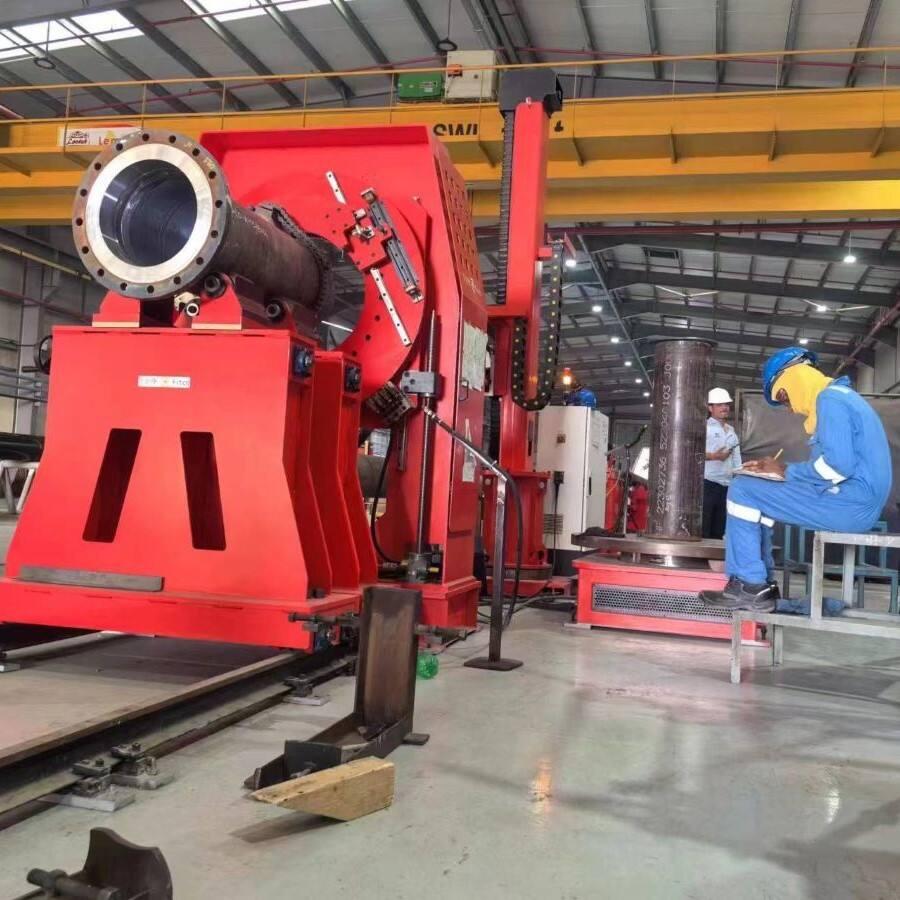
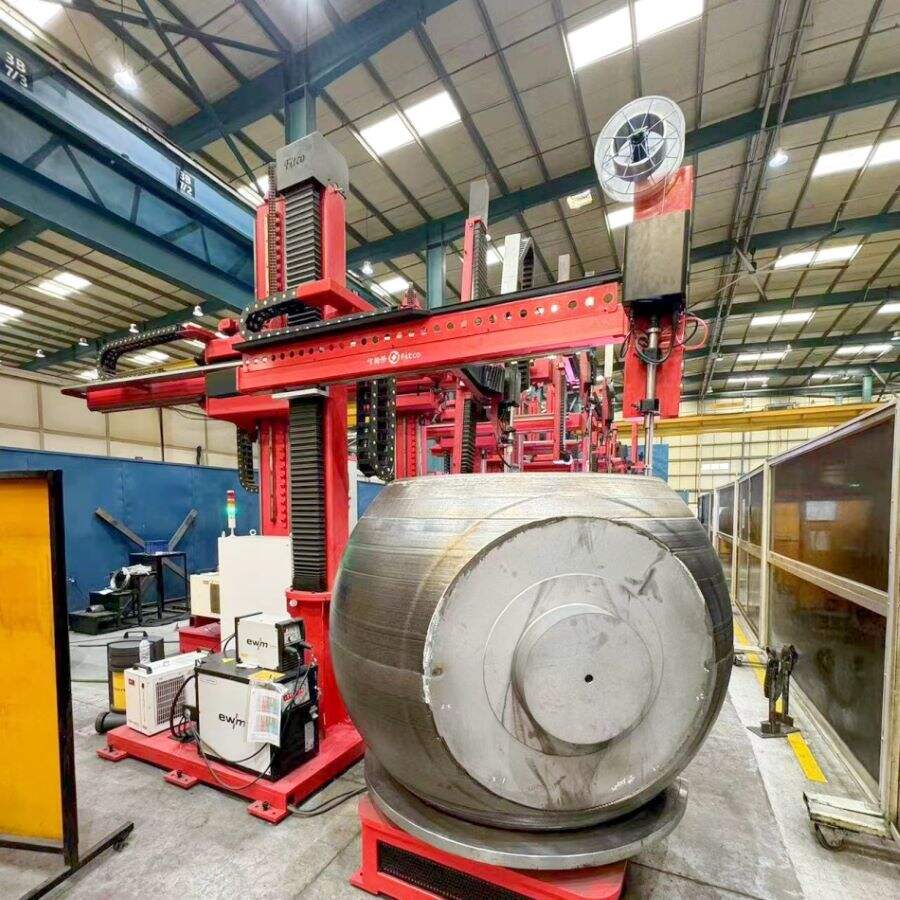
The automatic TIG system features sophisticated positioning technology that enables precise manipulation of the welding torch along complex three-dimensional paths with repeatability measured in thousandths of an inch. Multi-axis servo-controlled positioning systems provide smooth, coordinated movement that maintains optimal torch angle, arc length, and travel speed regardless of joint geometry or part orientation. This precision positioning capability proves essential when welding intricate components with varying wall thicknesses, curved surfaces, and internal geometries that would challenge even the most skilled manual welders. The system employs advanced motion control algorithms that calculate optimal torch trajectories, automatically adjusting approach angles and travel speeds to accommodate joint geometry changes while maintaining consistent weld quality. Programmable positioning sequences enable the automatic TIG to navigate around obstacles, follow complex joint lines, and maintain proper standoff distances throughout extended welding operations. The multi-axis control system integrates seamlessly with part positioning fixtures and rotary tables, enabling complete automation of circumferential welds, spiral patterns, and other complex geometries common in pressure vessel and pipeline applications. High-resolution encoders provide continuous feedback on torch position and orientation, ensuring precise execution of programmed welding sequences with minimal deviation from specified paths. The positioning system accommodates various torch configurations including straight, angled, and articulated designs, allowing access to confined spaces and awkward joint orientations that would be impossible to reach consistently with manual techniques. Advanced interpolation algorithms smooth torch movement between programmed points, eliminating jerky motion that could affect arc stability and weld appearance. The system stores multiple positioning programs, enabling rapid changeover between different part configurations without lengthy setup procedures or extensive operator training. Collision detection sensors prevent accidental contact between the torch and workpiece or fixtures, protecting expensive equipment while maintaining operational safety. The precision achieved through advanced positioning control translates directly into improved joint fit-up tolerance, reduced welding distortion, and enhanced appearance characteristics that meet the demanding requirements of architectural, decorative, and high-visibility applications where weld aesthetics significantly impact product value and customer satisfaction.

Get a Free Quote

Our representative will contact you soon.
Email
Mobile/WhatsApp
Name
Company Name
Message
0/1000