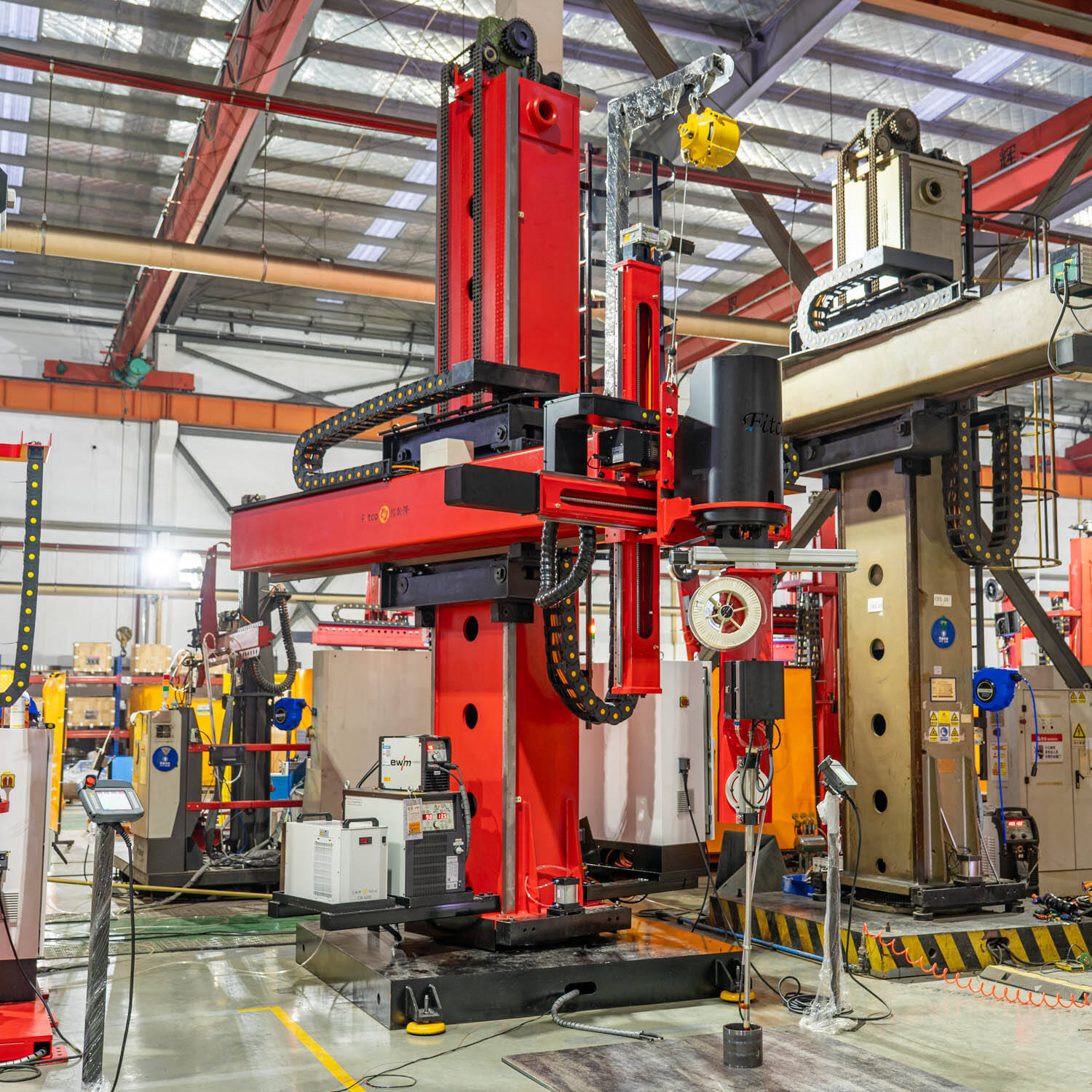
Advanced Pipe Cladding Equipment - Premium Manufacturing Solutions for Corrosion-Resistant Clad Pipes

Contact me immediately if you encounter problems!

All Categories

Get a Free Quote

Our representative will contact you soon.
Email
Mobile/WhatsApp
Name
Company Name
Message
0/1000

Get a Free Quote

Our representative will contact you soon.
Email
Mobile/WhatsApp
Name
Company Name
Message
0/1000

pipe cladding equipment

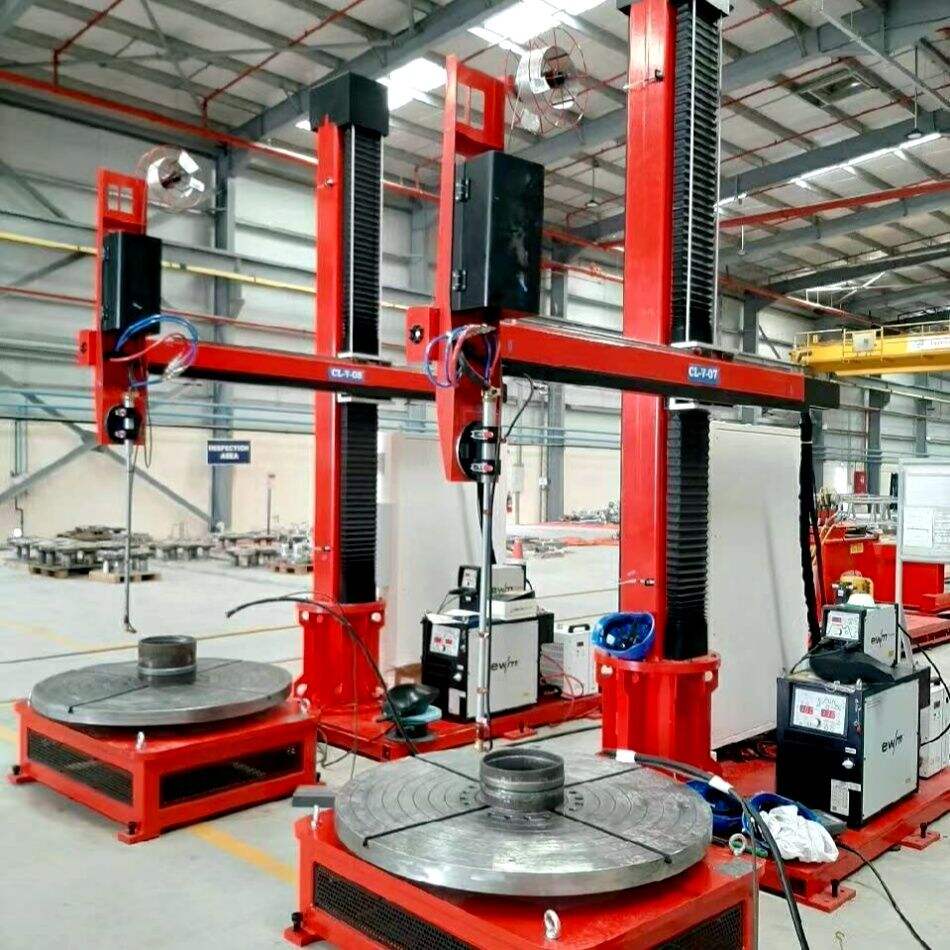
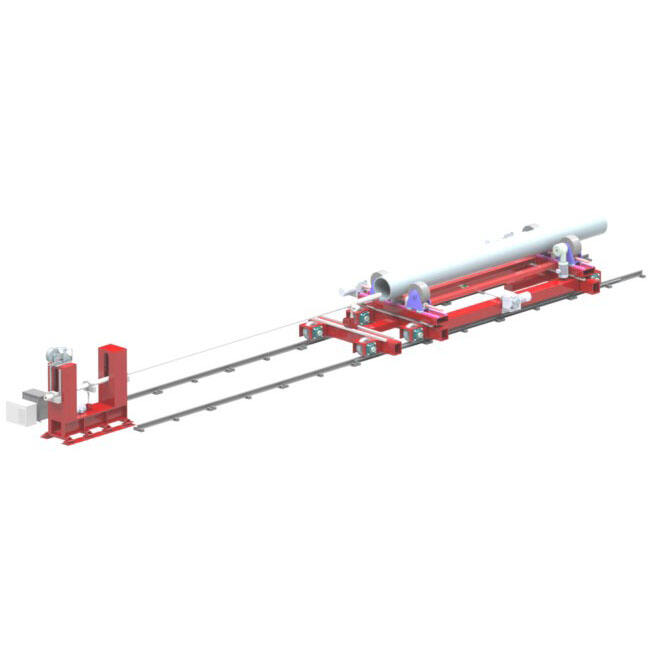
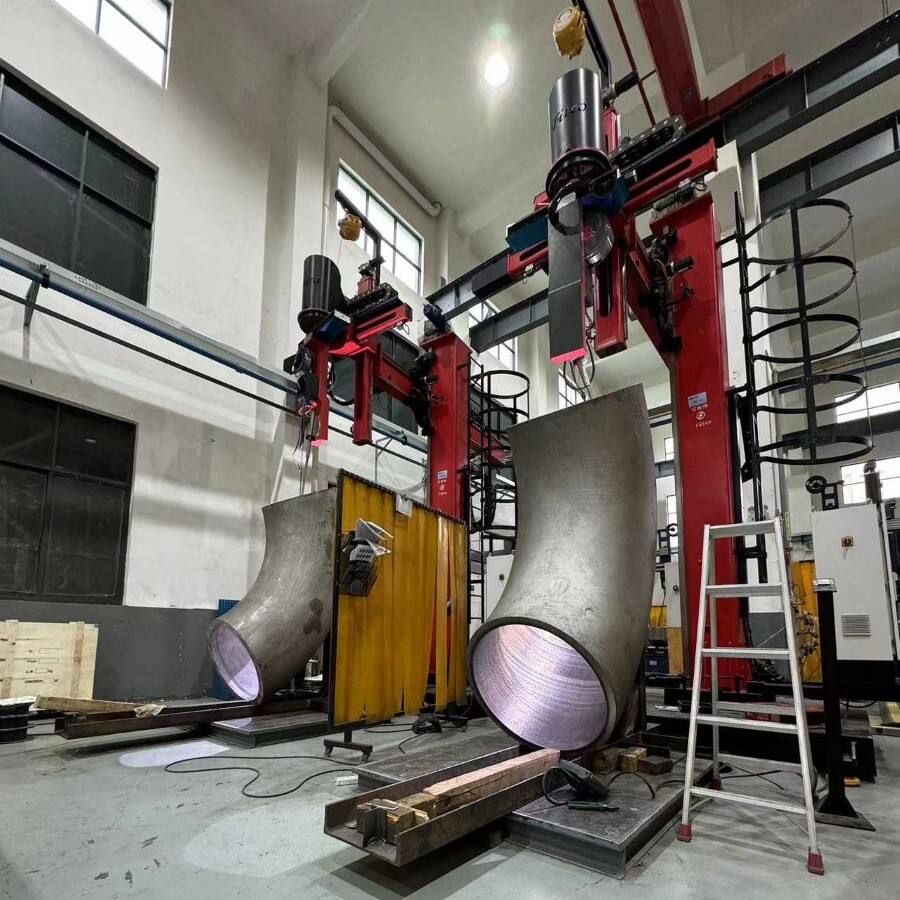
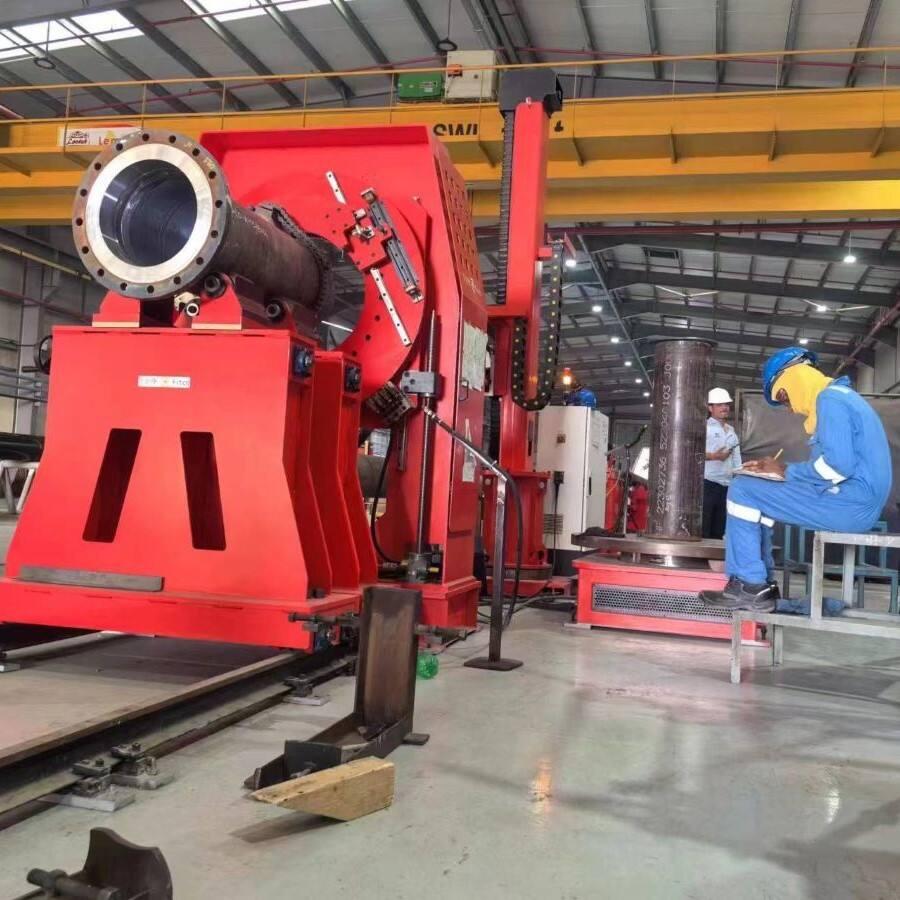
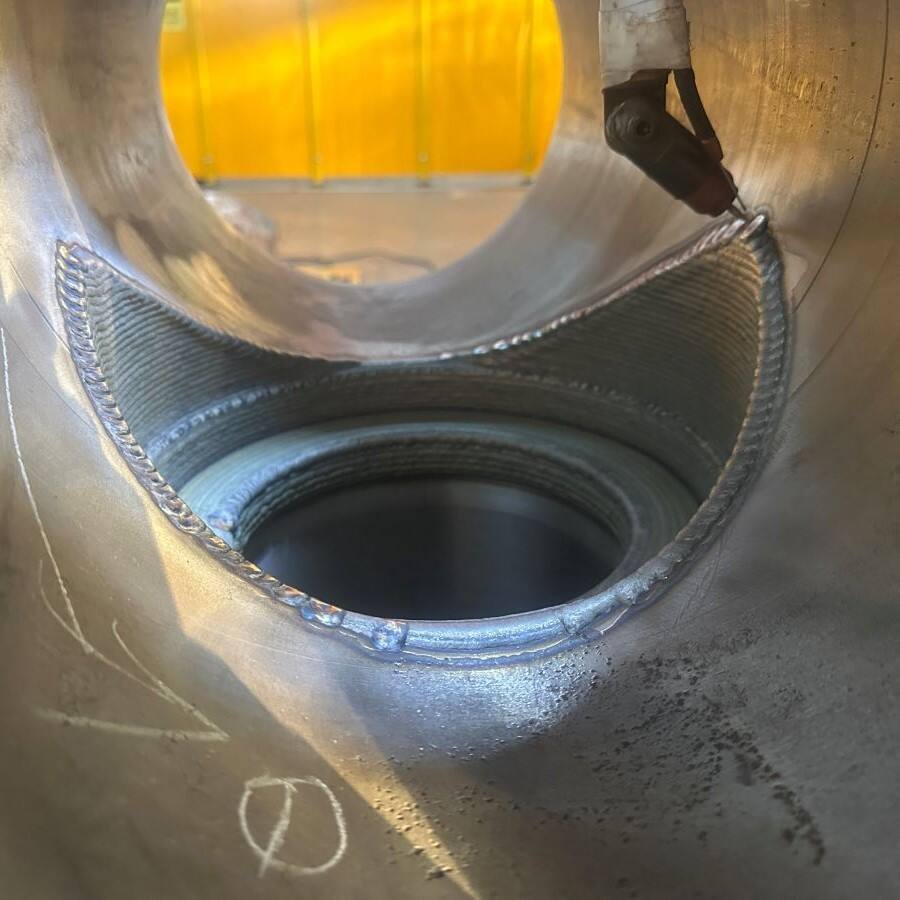
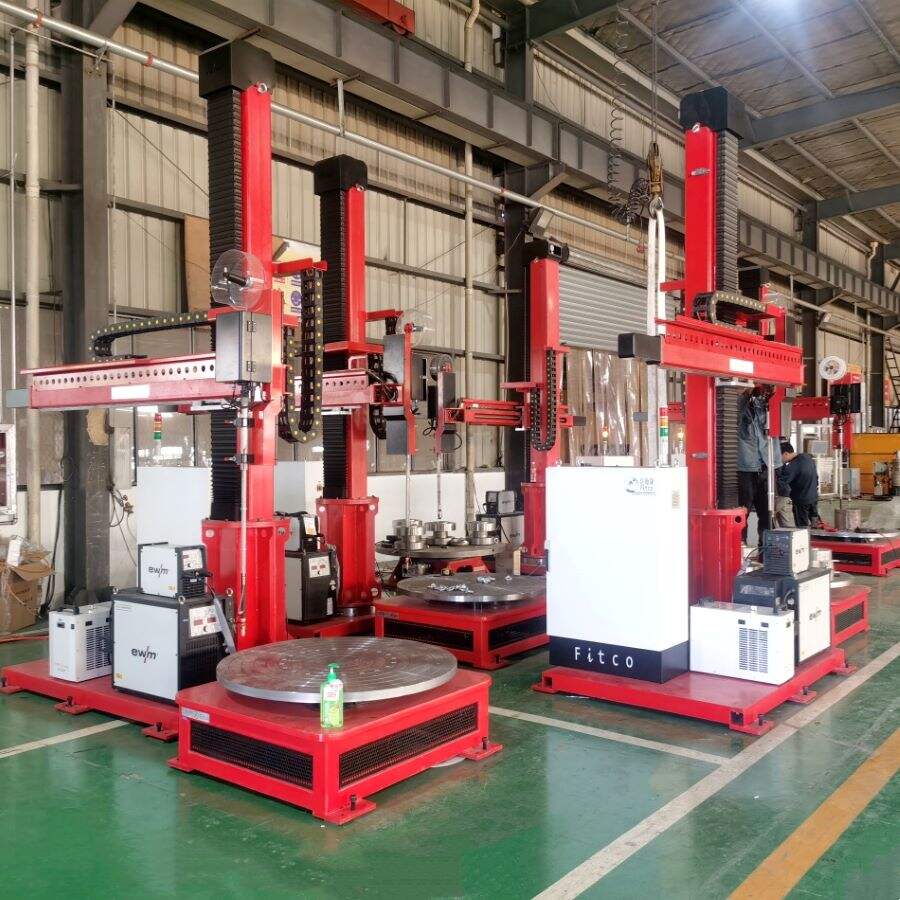
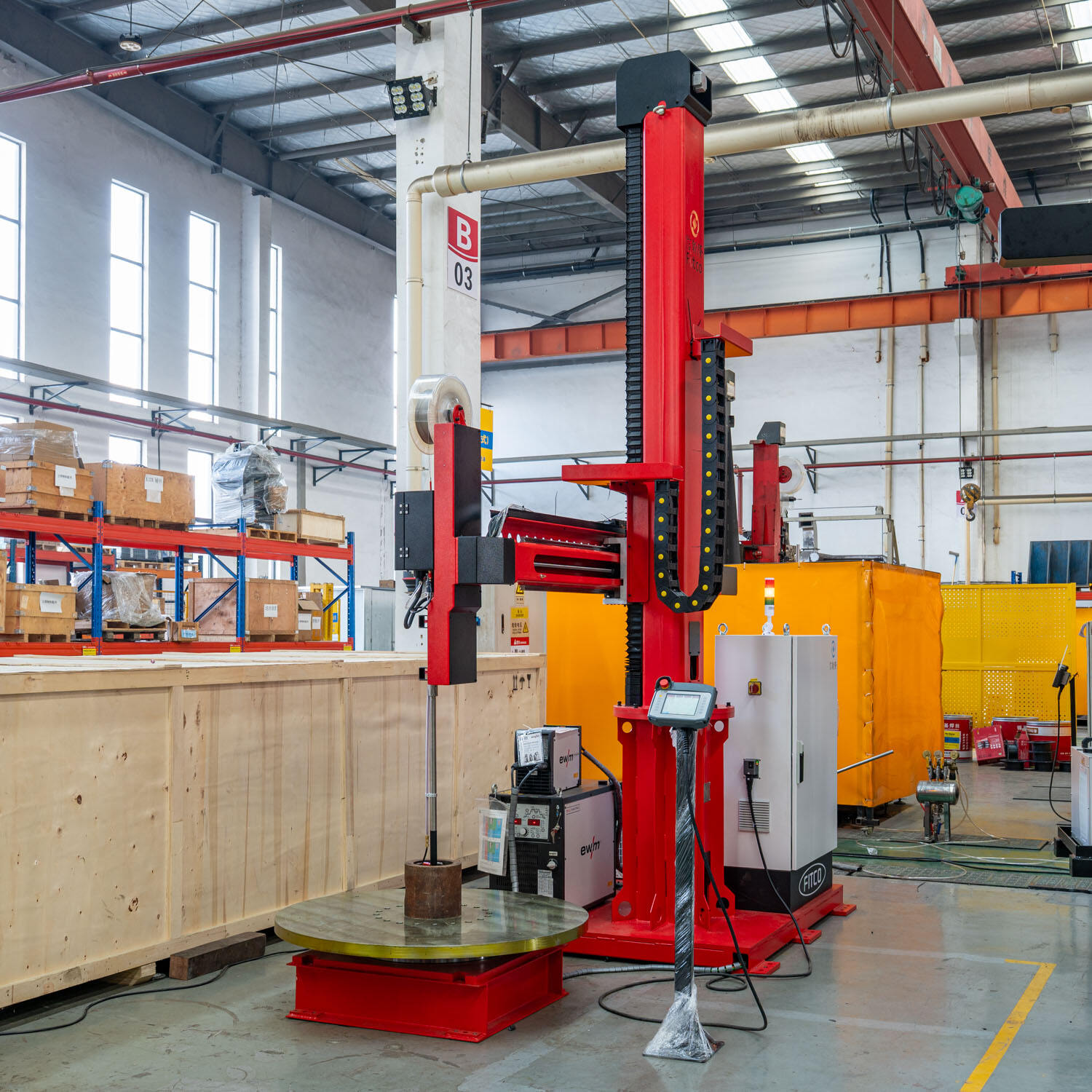
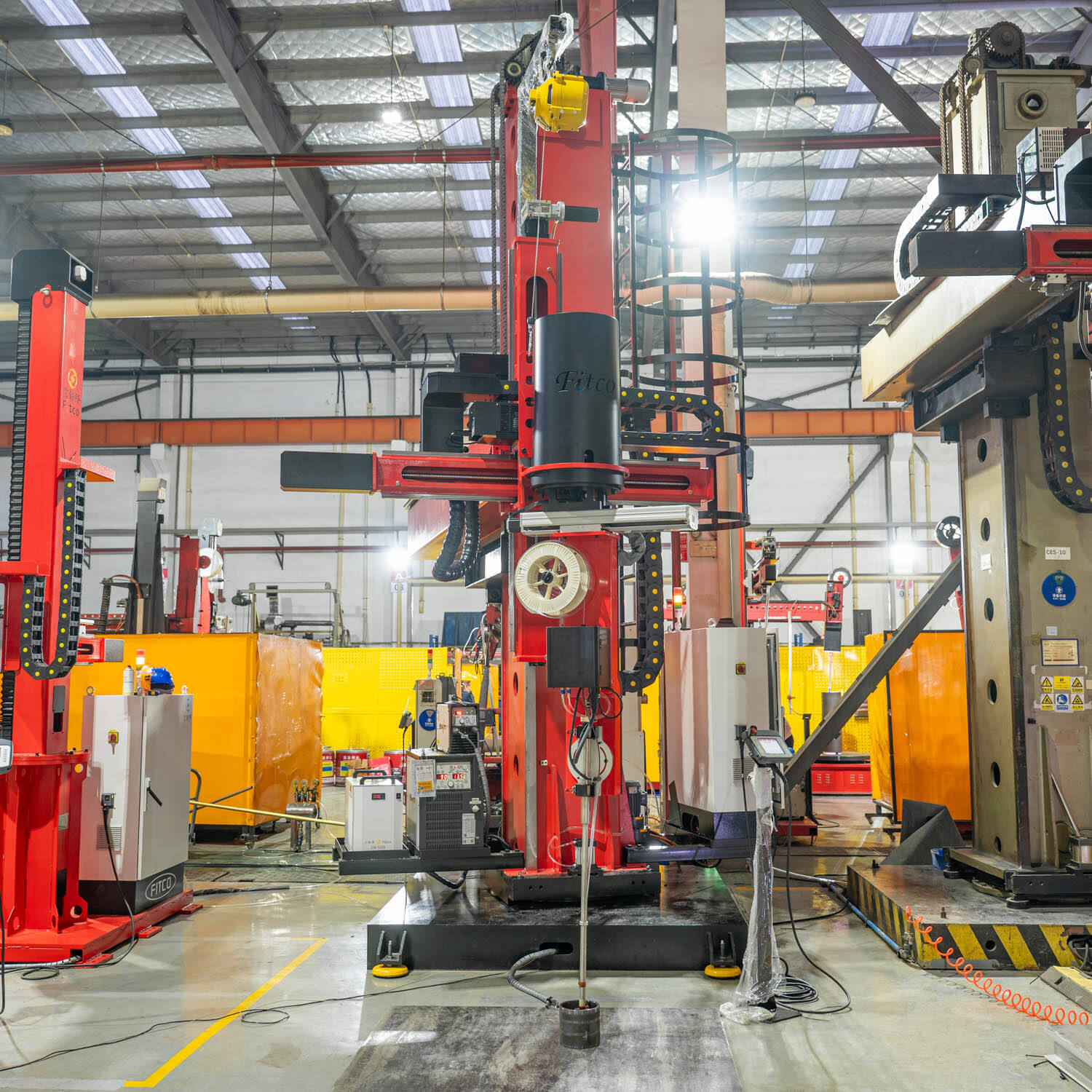
Pipe cladding equipment represents a sophisticated manufacturing solution designed to enhance pipeline durability and performance through advanced metallurgical bonding processes. This specialized machinery creates composite pipes by applying protective metal layers onto base pipe substrates, resulting in superior corrosion resistance and extended service life. The pipe cladding equipment utilizes multiple bonding techniques including explosive welding, roll bonding, and hot isostatic pressing to achieve metallurgical fusion between dissimilar metals. Modern pipe cladding equipment incorporates precision control systems that monitor temperature, pressure, and bonding parameters throughout the manufacturing process. The technology enables manufacturers to produce clad pipes with various metal combinations such as stainless steel on carbon steel, Inconel on steel substrates, and titanium cladding for extreme environments. Key technological features include automated feeding systems, real-time quality monitoring, and computer-controlled welding parameters that ensure consistent bond quality across the entire pipe length. The equipment typically consists of preparation units for surface cleaning, cladding application modules, post-processing stations for finishing operations, and comprehensive quality control systems. Advanced pipe cladding equipment often features modular designs allowing for customization based on specific production requirements and pipe dimensions. Integration capabilities with existing production lines make this equipment suitable for both standalone operations and comprehensive manufacturing systems. The machinery accommodates various pipe diameters ranging from small-bore tubing to large-diameter pipelines, making it versatile for diverse industrial applications. Quality assurance features include ultrasonic testing capabilities, dimensional verification systems, and automated defect detection to ensure every clad pipe meets stringent industry standards. Energy-efficient designs reduce operational costs while maintaining high production throughput, making pipe cladding equipment an economically viable solution for manufacturers seeking to enhance their product offerings with superior composite pipe solutions.

New Products

Pipe cladding equipment delivers exceptional value through enhanced product quality that significantly outperforms traditional pipe manufacturing methods. The equipment produces clad pipes with superior corrosion resistance, extending service life by up to 300 percent compared to standard carbon steel pipes in harsh environments. This translates directly into reduced maintenance costs and fewer replacement requirements for end users across chemical processing, oil and gas, and marine applications. The precision bonding process ensures complete metallurgical fusion between base and cladding materials, eliminating the risk of delamination that can occur with alternative coating methods. Manufacturing flexibility stands as another major advantage, allowing producers to create custom metal combinations tailored to specific environmental challenges and customer requirements. The equipment handles various cladding materials including stainless steel, duplex steel, Inconel, Hastelloy, and titanium alloys, providing solutions for virtually any corrosive environment. Automated operation reduces labor costs while improving consistency and safety in the manufacturing process. Operators benefit from user-friendly control interfaces that simplify complex bonding procedures and minimize training requirements. Production efficiency increases substantially with continuous processing capabilities that maintain steady output rates without compromising quality standards. The equipment incorporates advanced quality control systems that detect defects in real-time, preventing substandard products from reaching customers and reducing waste. Economic benefits extend beyond initial production savings through reduced energy consumption compared to alternative cladding methods. The compact footprint of modern pipe cladding equipment maximizes facility utilization while minimizing infrastructure investment requirements. Maintenance requirements remain minimal due to robust construction and high-quality components, ensuring consistent uptime and productivity. Environmental advantages include reduced material waste through precise application processes and lower energy consumption during operation. The equipment supports sustainable manufacturing practices by enabling the use of recycled base materials while applying only the necessary amount of expensive cladding alloys. Long-term reliability ensures consistent return on investment through years of dependable operation with minimal downtime for repairs or adjustments.

Practical Tips

Can MIG Welding Equipment Increase Precision in Automotive Repairs?

27

Nov

Can MIG Welding Equipment Increase Precision in Automotive Repairs?

The automotive repair industry demands exceptional precision and quality, especially when working on critical structural components and body panels. Modern repair shops are increasingly turning to advanced welding technologies to meet these stringent...
View More
How Do Pipe Cladding Machines Improve Welding Consistency and Quality?

27

Nov

How Do Pipe Cladding Machines Improve Welding Consistency and Quality?

Modern industrial welding operations demand exceptional precision and consistency, particularly in applications involving corrosion-resistant overlays and specialized pipe systems. Pipe cladding machines have emerged as revolutionary solutions that t...
View More
Inside an igbt inverter welder: How the High-Frequency Switching Works

16

Mar

Inside an igbt inverter welder: How the High-Frequency Switching Works

The high-frequency switching mechanism within an igbt inverter welder represents one of the most significant technological advances in modern welding equipment. This sophisticated power conversion process transforms standard AC mains power into preci...
View More
How Can a TIG Welder Deliver Cleaner Industrial Welds?

22

Dec

How Can a TIG Welder Deliver Cleaner Industrial Welds?

Industrial welding operations demand precision, reliability, and exceptional quality standards that can make or break critical infrastructure projects. Among the various welding technologies available today, tungsten inert gas welding stands out as a...
View More

Get a Free Quote

Our representative will contact you soon.
Email
Mobile/WhatsApp
Name
Company Name
Message
0/1000

pipe cladding equipment

Advanced Metallurgical Bonding Technology

Advanced Metallurgical Bonding Technology

The cornerstone of modern pipe cladding equipment lies in its sophisticated metallurgical bonding capabilities that create permanent, high-strength connections between dissimilar metals. This technology employs multiple bonding methods including explosive welding, roll bonding, and diffusion bonding to achieve superior adhesion strength that exceeds 200 MPa in shear testing. The equipment controls critical parameters such as temperature gradients, pressure application, and timing sequences with microsecond precision to ensure optimal bonding conditions throughout the entire pipe circumference and length. Advanced sensors continuously monitor the bonding process, detecting variations in material properties, surface conditions, and environmental factors that could affect bond quality. The system automatically adjusts processing parameters in real-time to maintain consistent bonding strength regardless of material variations or external conditions. This intelligent control system eliminates human error and ensures every clad pipe meets or exceeds industry specifications for bond strength and integrity. The metallurgical bonding process creates an interface zone where atoms from both metals intermix, forming a transition layer that provides exceptional resistance to thermal cycling and mechanical stress. This atomic-level fusion prevents delamination even under extreme temperature fluctuations and high-pressure conditions commonly encountered in industrial applications. The equipment accommodates various metal combinations with different thermal expansion coefficients and mechanical properties, automatically calculating optimal processing parameters for each specific material pairing. Quality verification systems include ultrasonic testing, eddy current inspection, and microscopic examination of bond interfaces to confirm complete fusion and absence of defects. The bonding technology produces clad pipes with uniform wall thickness and consistent mechanical properties along the entire length, eliminating weak points that could lead to premature failure in service applications.
Comprehensive Quality Control Integration

Comprehensive Quality Control Integration

Modern pipe cladding equipment incorporates extensive quality control systems that monitor every aspect of the manufacturing process to ensure consistent product excellence. The integrated quality management approach begins with incoming material inspection using automated systems that verify chemical composition, dimensional accuracy, and surface condition of both base pipes and cladding materials. Advanced imaging technology captures high-resolution surface profiles to identify potential defects or contamination that could compromise bond quality before processing begins. During the cladding process, multiple sensors continuously monitor critical parameters including temperature distribution, pressure application, and material flow rates. The system generates real-time quality reports that track process stability and identify trends that might indicate developing issues before they affect product quality. Non-destructive testing equipment integrated directly into the production line performs comprehensive inspection of every clad pipe without interrupting manufacturing flow. Ultrasonic testing systems verify bond integrity across the entire interface, detecting unbonded areas as small as 1 square millimeter with exceptional accuracy. Eddy current testing confirms uniform cladding thickness and identifies material variations that could affect corrosion resistance or mechanical performance. Dimensional measurement systems ensure precise adherence to customer specifications for diameter, wall thickness, and length tolerances. The quality control system maintains complete traceability records linking each finished pipe to specific material lots, processing parameters, and test results. This comprehensive documentation supports quality certifications required for critical applications in nuclear, aerospace, and petrochemical industries. Statistical process control algorithms analyze quality data to optimize processing parameters and predict maintenance requirements before they impact production. The system alerts operators to potential issues and provides specific recommendations for corrective actions. Automated sorting and marking systems ensure only pipes meeting all quality criteria proceed to final packaging and shipping, eliminating the possibility of substandard products reaching customers.
Flexible Production Capabilities and Customization

Flexible Production Capabilities and Customization

The versatile design of modern pipe cladding equipment enables manufacturers to serve diverse market segments with customized solutions tailored to specific application requirements and customer specifications. The modular equipment architecture allows for rapid reconfiguration to accommodate different pipe diameters ranging from 1 inch to 60 inches, wall thickness variations, and various cladding material combinations without extensive downtime or tooling changes. Quick-change fixtures and automated setup procedures reduce changeover times to less than 30 minutes, maximizing production efficiency when manufacturing different product specifications. The equipment handles an extensive range of base materials including carbon steel, low-alloy steel, stainless steel, and exotic alloys, paired with cladding materials such as stainless steel grades, duplex steel, Inconel, Hastelloy, titanium, and specialized corrosion-resistant alloys. Advanced material handling systems automatically adjust feeding rates, heating profiles, and bonding pressures based on the specific material combination being processed. The flexible control system stores processing recipes for hundreds of different material combinations, ensuring consistent results when switching between products. Customization capabilities extend to producing pipes with varying cladding thickness along their length, creating tailored solutions for applications with different corrosion exposure zones. The equipment can apply multiple cladding layers with different alloy compositions to create specialized barrier systems for extreme chemical environments. Production scheduling software optimizes manufacturing sequences to minimize setup changes while maximizing throughput and material utilization. The system accommodates both high-volume production runs for standard specifications and small-batch custom orders for specialized applications. Integrated inventory management tracks material usage and automatically generates procurement recommendations to maintain optimal stock levels. The equipment supports just-in-time manufacturing principles by maintaining short lead times and flexible scheduling capabilities. Remote monitoring and control capabilities enable manufacturers to adjust production parameters and monitor quality metrics from multiple locations, supporting distributed manufacturing operations and technical support services.

Get a Free Quote

Our representative will contact you soon.
Email
Mobile/WhatsApp
Name
Company Name
Message
0/1000