
 EN
EN
 AR
AR BG
BG HR
HR CS
CS DA
DA NL
NL FI
FI FR
FR DE
DE EL
EL HI
HI IT
IT JA
JA KO
KO NO
NO PL
PL PT
PT RO
RO RU
RU ES
ES SV
SV TL
TL IW
IW ID
ID LT
LT UK
UK SQ
SQ HU
HU TH
TH TR
TR FA
FA AF
AF CY
CY MK
MK LA
LA MN
MN KK
KK UZ
UZ KY
KY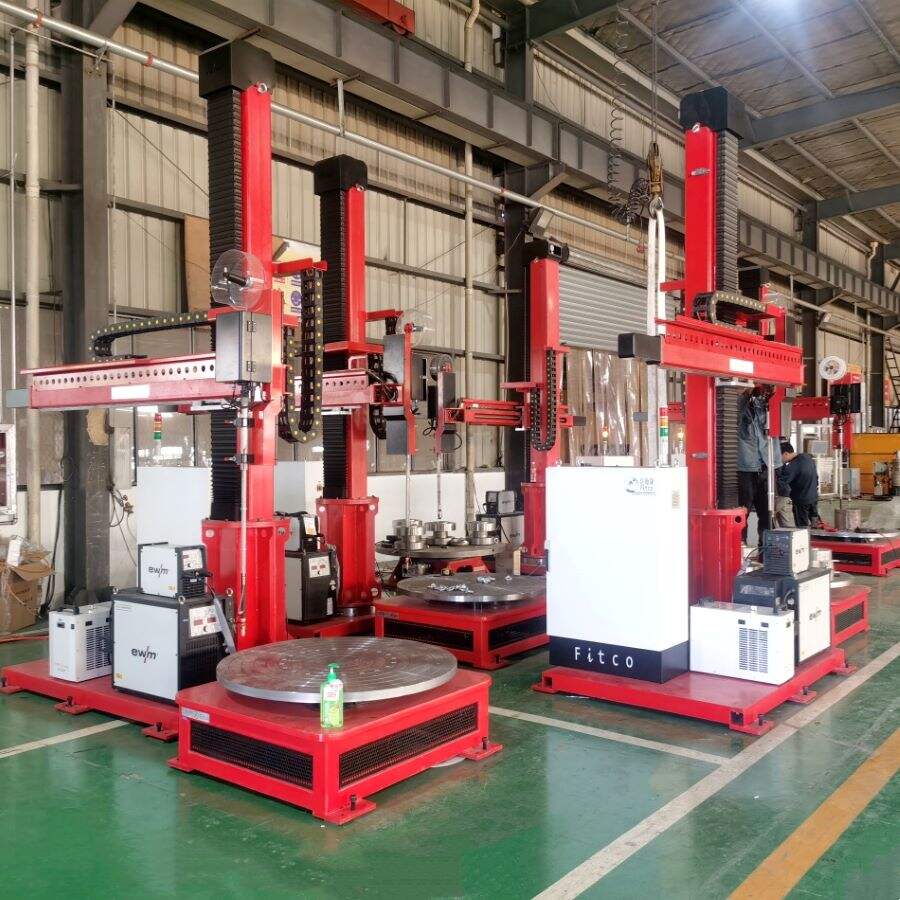
Operationes solderandi industriales praecisionem, fidem et exceptionales qualitatis normas exigunt, quae proiecta criticae structurae possint efficere vel frangere. Inter varias technologias solderandi hodie disponibiles, solderatio tungsten inertis gasis eminet ut methodus superior ad obtinenda iuncta pristina, fortia in difficilibus mediis industrialibus. Solder TIG summam praebet dominationem super processum solderandi, operandibus permittens soldera creare cum spattere minimo, penetratione superiori et finitione aesthetica exceptionali quae rigoris summi qualitatis requirimentis satisfacit.
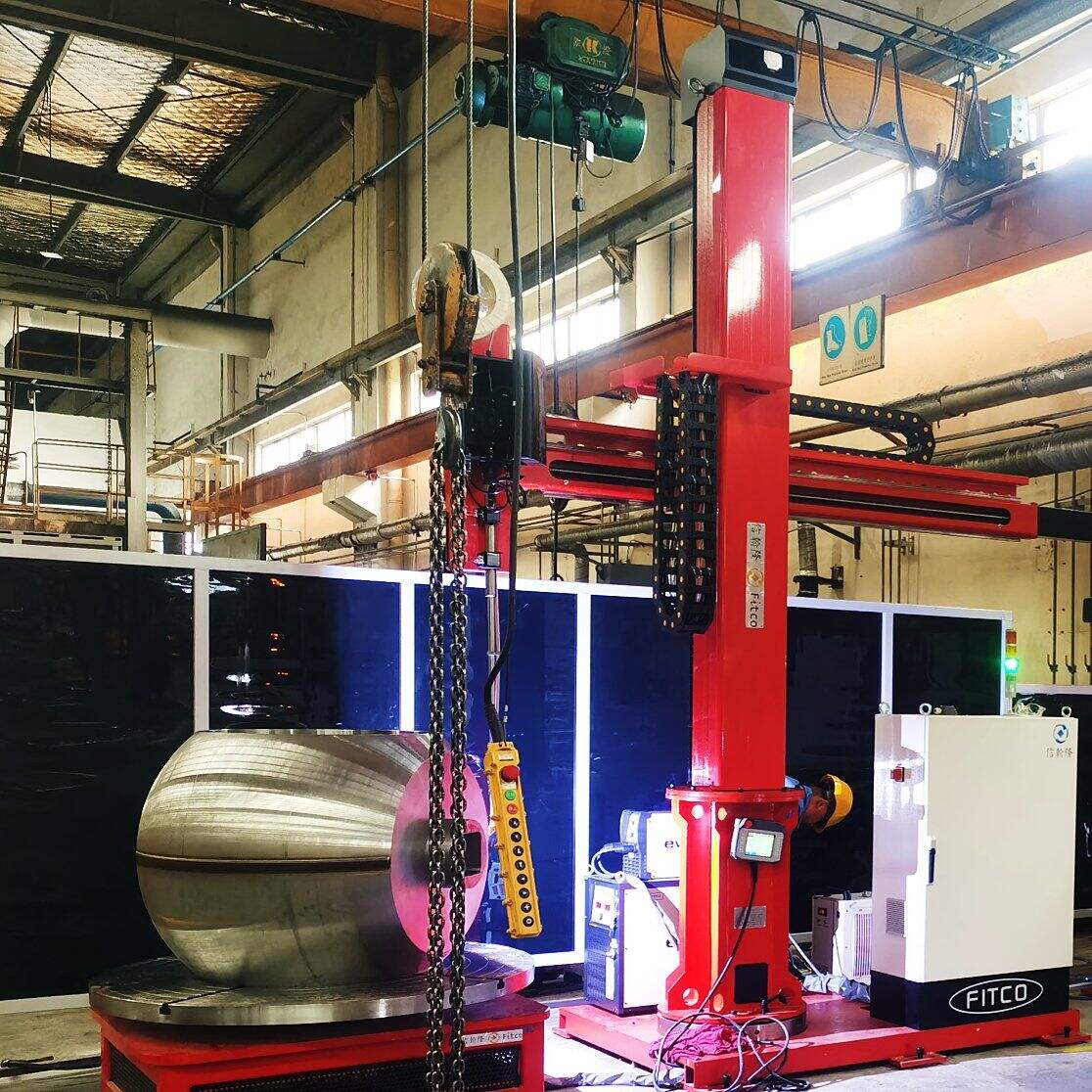
Crescens complexitas modernorum applicationum industrialium auxit necessitatem solutionum soldandi, quae resultata constans et sine defectibus praebeant per variis materialibus et crassitudinibus. Fabricae, plantae petrochimicae, societates aerospaciales et operationes navium construendarum praecipue innascuntur technologiis soldandi provectis, quae constantem caloris introitum servare possunt simulque deformationem et contaminationem minuunt. Quomodo soldator TIG puriora iunctura efficiat intellegere requirit principia fundamentalia inspicienda, quae hanc processum a methodis soldandi conventionalibus distinguunt, et praerogativas speciales explorandas, quae eum pro applicationibus criticis tamquam insuperabilem reddunt.
De Technologia TIG Soldandi Intellegenda
Principia Operativa Principalia
Fundamentum praestantioris qualitatis iuncturae incipit ex singulari mechanismo operativo, qui definit technologiam iuncturae TIG. Iungens TIG utitur electrodio wolframico non consumibili ad arcum electricum creandum, qui calorem generat necessarium ad materia prima liquefacienda. Hic electrode a lacu iuncturae separatus manet, permittens operatoribus praecisum imperium habere super caloris introitum et characteristicas arci per totum processum iunctionis. Punctus fusionis exceptionalis electrodii wolframici et conductibilitas thermalis stabilitatem arci constantem garant, etiam sub condicionibus industrialibus gravissimis.
Obturation per gas inertes repraesentat aliam partem criticam quae TIG soldatoribus permittit soldaturas praestantissimas effingere. Argon, helium, vel mixturae speciales creant atmosphaeram protectivam circum zonam soldaturi, contaminations atmosphaericae obviantes quae integritatem iuncturae labefactare possent. Hoc systema gasis protectivis efficaciter expellit oxygenium, nitrogenium, et alia elementa reactiva quae typice causant porositatem, oxidationem, et alia vitia soldaturarum. Rata fluxus et area tectorum gasis certificant protectionem absolutam durante toto cylo soldandi, ab initiatione arcus usque ad solidificationem.
Mechanismi Regulandi Caloris Immissi
Systemata TIG moderna continent technicas doctas regulae caloris quae operarios efficere optima parametra pro certis applicationibus et materialibus. Fontes potentiae progressi praebent regulam currentis praecisam, per quam soldator TIG arcum constantem servare potest, sive longitudo electrodii, velocitas motus, sive figura iuncturae variant. Haec regula maxime importans est cum laminis tenuibus vel materialibus sensibus ad calorem soldatur, quae calorem diligenter tractatum requirunt ne distorquantur aut degradentur metallurgice.
Pulsuum facultates ulterius augent praecisionem per technologiam TIG disponibilem. Per alternationem inter altas currentes picos et infimas currentes fundi, TIG soldator profundam penetrationem consequi potest dum calorem totalem minuit. Haec pulsatio coactum lac funditur in structura granuli magis exquisita, quae meliores proprietates mechanicas et emendatam resistentiam corrosioni efficit. Possibilitas regendi frequentiam pulsus, currentem picum et currentem fundi venditores praebet imperium antea non auditum super geometria et characteristicis metallicis.
Commoda Operationum Solderis Purgatae
Praeventio Contaminatio
Systema munitio inertis gasis quod a TIG soldator utitur, ambientem absque oxygenio creat, quae oxidationem et alias contaminationis formas durante processo soldandi prohibet. Haec protectio ultra immediatam regionem soldandi extenditur, includens zonam affectam calore et nuper solidificatum metallum, ut tota iunctura optimam compositionem chemicam atque proprietates mechanicas servet. Aliter quam alii processus soldandi qui forsan residua fluxus vel contaminantes atmosphaericos introducere possint, soldare TIG puritatem originalem materiae basis per totum processum coniungendi servat.
Applicationes industriales saepe materiales involvunt quae contaminationi maxime obnoxiae sunt, ut ferrum innoxidum, legationes alluminii, et metalla exotica in aeroespacialibus et apparatus chemico processandi usitata. Facultas TIG soldatoris materiam puram servandi fit essentialis cum his legationibus sensibus soldantur, quia etiam minima contaminatio corrosionem, rimas tensionales, vel defectum praematurum in usu causare potest. Etiam purus ambitus soldandi operationes post-soldandum limandi amplas non necessarias reddit, totius pretium operis minuens et efficaciam productionis meliorans.
Eliminatio aspersionis
Unum ex praecipuis TIG-solderis usus in applicationibus industrialibus emolumentis est fere tota spatteri soldandi tollenda. Stabiles arcus proprietates et moderatus metalli transferendi processus efficiunt ne guttae metalli liquidi formarentur, quae alios processus solderationis saepe circum areae solderis sparguntur. Haec sine-spatter-operation non solum iuncturas solderatas specie iucundiori reddit, sed etiam fontes contaminationis possibiles tollit et opus purgatione post-solderandum minuit.
Absentia guttarum speculatim importans est in applicationibus ubi puritas superficiei criticalis momenti est pro subsequentibus processibus, vel ubi guttae interfici possent cum operationibus praecisionis machining. Apparatus pharmaceutici, machinae ad elaborationem ciborum, et apparatus ad fabricanda semiconductores omnia proficiunt ex ambiente puro soldandi quem TIG soldator praebet. Praeterea, eliminatio guttarum reducit materiae amissionem et minuit periculum inclusionum vel aliorum vitiorum quae integritatem iuncturae in applicationibus criticis compromittere possent.
Materialis Compatibilitas et Versatilitas
Applicationes Metallicae Ferrosae
Tungsten Inert Gas (TIG) soldator praestat in versatilitate cum variis metallicis ferreis quae in applicationibus industrialibus communiter reperiuntur. Aciēs carbonaceae, aciēs minore alligatio, et gradae acri legati favore respondeant parametris TIG soldationis, permittentes operatoribus resultata continua et altae qualitatis consequi per varias specificationes materialium. Praecisa caloris regio per TIG soldationem praecipue utilis evadit cum dissimilia grada acri alligati iunguntur vel cum materiales tractati calore soldantur, quae curatam thermalem administrationem requirunt ut proprietates mechanicās servent.
Cauterium ferrum non ferrosum unam ex difficillimis applicationibus repraesentat, ubi cautelarius TIG vere excellit. Inertem atmosphaeram servare dum calorem regulas praecipitationem carburi prohibet et corrosionis resistentiam conservat, qua ferrum non ferrosum in tractatione chemica, ciborum manutenenda et applicationibus pharmaceuticis pretiosum est. Mundus cauterii locus colorationem superficialem tollit et passivam oxidii stratum materiae conservat, idoneam corrosionis performance in usu sine post-cauteratione tractationibus amplis exsecrandam.
Capacitates Metallorum Non Ferrosorum
Versatilitas unius TIG Faber patet ad amplitudinem metallorum non ferrosorum, quae partes maximas in applicationibus industrialibus modernis agunt. Lega metalla alluminii, lega metalla cupri, titanum et metalla exotica omnia proficiunt ex ambiente soldandi regulato et exacta caloris importatione, quae TIG soldatura praebet. Haec saepe materia specialibus technicis soldandi indigent propter earum singulares proprietates thermicas et metallurgicas, ita ut flexibilitas systematum TIG singulariter utilis sit pro iis operibus fabricandis complexis.
Welding alluminii unam ex difficillimis applicationibus repraesentat, ubi technologia TIG clara praestantia super processus alternativos demonstrat. Possibilitas currentis alterni cum praeciso aequilibrio controllando utendi permittit soldator TIG efficaciter stratum oxidis alluminii purgare dum characteres arcus stabiles servantur. Haec actio purgans, cum protectione gas inertis iuncta, solidationes cum excellentibus proprietatibus mechanicis et superiori resistentia corrosioni generat, quae ad rationes rigorosas applicationum aerospacialium, marinarum et transportum satisfaciunt.
Emolumenta Controlis Qualitatis et Inspectionis
Emolumenta Inspectionis Visualis
Purus processus soldandi, qui operationibus TIG insitus est, significatas praestat facultates in proceduris inspectionis visualis. Solderia a TIG soldatore facta profilem regulariter uniformem habent et coloratione constans, quae detectionem defectuum faciliorem et fideliorem reddit. Absentia residui fluxus, suffultionis aut aliorum contaminantium superficialium inspicitoribus permittit geometriam soldatura, conditionem superficiem et potenciales defectus penitus examinare sine opere purgandi ampliore, quod fortasse indicia visualia obscuraret.
Personale custodiae qualitatis facilius identificare potest vicia potentialia, ut imperfecta coalescentia, porositas vel inaequalitates geometricae, cum TIG iuncturas inspiciunt ob superficiem praestantem et aspectum constantem. Haec visibilitas meliorata in curationibus inspectionis minuit probabilitatem defectuum non detectorum et efficaciam confirmationis qualitatis generalis implet. Aspectus constans iuncturae etiam systemata inspectionis automata faciliorem reddit, quae in scandentibus opticis vel technologiis visionis machinalis innascuntur ad deviationes a normis qualitatis admittendis detegendas.
Compatibilitas Testium Non Destructivarum
Cauteria a cautelario TIG facta praebent praeclarum commercium cum variis methodis nondestructivis, quae saepe in programmatibus industrialibus ad conservanda qualitatem utuntur. Interna structura pura et contentum inclusionum minimum, quod cauteliis TIG est typicum, clara et intellectui faciliter patens resultata confert, cum inspectionibus radiographicis, ultrasonicis aut particulis magneticis subiciantur. Hoc commercium ad inspectionem praecipue momenti est applicationibus criticis, ubi protocolli inspectionum plenis opus est, ut integritas structuralis et conventio securitatis certa fiant.
Reticulata structura granulorum et compositio homogenes per TIG soldatura obtenta conditiones optimas creant ad examinandum ultrasonico, permittens inspicitoribus etiam minima interna discontinua cum altis fiduciae gradibus detegere. Similiter, absentia scoriae inclusionum vel aliorum contaminantium ex soldatura profectorum qualitatem imaginis radiographicae meliorem reddit, ad iudicium accuratius de integritate soldaturae permittendum. Haec examinandi praevantia in meliorem fiabilitatem in programmatibus certificandi qualitatis et maiorem fiduciam in actu longaevi structurarum soldatarum traducuntur.
Applicata Industriale et Studia Casuum
Requisitiones Industriae Olei et Gazis
Industria olei et gasi aliquas ex praecipuis difficultatibus in applicationibus industrialibus offert, quae iuncturas requirunt quae extremis pressionibus, environment corrosivis, et mutationibus temperature standere possint dum fidem diuturnam servant. Solderus TIG praeclare utilis est in his applicationibus propter facultatem suam defectuum expers soldaturas faciendi quae summopere rigidas leges adimplent et examinationes severas transgrediuntur. Constructio ductorum, conservatio refineriarum, et fabricatio platformarum maritimarum omnes proficiunt a qualitate et constantia praestanti quam technologia solderiae TIG praebet.
Applicationes vasorum pressionis criticarum in facultatibus petrochimicis requirunt processus soldandi qui penetrationem plenam consequi possint, interea geometriam iuncturae et proprietates mechanicas precise conservantes. Calor per controllatum, qui per soldatorem TIG obtineri potest, operarios adhibere permittit ut penetrationem optimam consequantur sine reinforcemente exsoluta aut distortione quae concentrationes stressis creare possent vel operationi vasis pressionis obstruere. Praeterea, ambientes soldandi puri sollicitudines contaminationis eliminant quae corrosionem vel rimas in environmentis chimicis aggressivis inducere possent.
Normae Fabricationis Aerospatialis
Operationes manufacturales aerospaciales exigunt processus soldandi qui constanter iunctiones producere possint, quae summopere rigida qualitatis standarda adimpleant, dum cum materialibus progressis et geometriis complexis operantur. Praecisio et puritas soldatoris TIG eum faciunt electionem praestitam ad componentes titanii, coniunctiones ex aciero inoxydabili, et structuras ex alluminio in aeronavibus et navibus spatialis applicatas iungendi. Facultas inpulsus caloris praecise regendi maxime importans efficitur, cum sectiones tenuis vel componentes sensibiles caloris soldantur, ubi distortio minimizanda est ad fidem dimensionalem servandam.
Conditiones quae sequuntur et documentorum rationes, quae apud applicationes aerospaciales consuetudine valent, proficiunt ex constantibus et repetitis resultatis quae a TIG soldatore praebentur. Regulatio parametrorum soldationis et facultates supervisionis operarios permittunt minutissimos libros de conditionibus soldationis pro singulis iuncturis tenere, quae adimplent praescripta de quaestione firmitatis et causam primam analysin permittunt si problemata in servitio oriuntur. Etiam mundus ambient soldationis standarda summae munditiae sustinet quae componentibus necessaria sunt quae in spatio vel aliis mediis criticis ubi contaminatio ad missionis defectum ducere potest operabuntur.
FAQ
Quid facit ut TIG soldatio sit mundior quam aliae artes soldationis
TIG soldatura puriora efficit praecipue propter systema tegumenti gasis inertibus et operationem absque fluxu. TIG soldator argon vel helium utitur ad creandum ambientes sine oxygenio circum zonam soldandi, oxidationem et contaminationem durante processo soldandi prohibendo. Dissimiliter a processibus qui usantur electrodebus consumptibilibus cum tegumentis fluxi, TIG soldatura formationem scoriae et projectiones eliminat, ita ut soldaturae minima post-soldationem purgatione egeant et qualitate superioris finitionis superficiei gaudeant.
Quomodo TIG soldator caloris impensum pro diversis materialibus regit
Systemata TIG moderna praebent praecisum caloris introitum per regula capaces currentis, pulsationem soldandi, et technologiam fontis energiciam. Permittit machina TIG operatoribus parametra soldandi, sicut amplitudinem currentis, frequentiam pulsus, et longitudinem arcae, exquisitissime adaptare ad materia specifica et compositiones iuncturarum. Hic gradus regulae permittit penetrationem et fusionem optimam, dum minimizat magnitudinem zonae affectae calore et distorquendi praeclusionem in materialibus sensibus calore.
Quae sunt praecipua TIG soldandi beneficia ad applicationes industriales
Applicationes industriales proficiscuntur ex soldatura TIG per excellentem qualitatem iuncturae, optimam compatibilitatem materialis, et capacitates inspectivas meliores. Iunctura TIG producit iuncturas cum defectibus minimis, proprietatibus mechanicis constantibus, et exceptionali resistentia corrosioni quae exigentias codicis rigidas satisfaciunt. Rerum purus ambitus inspectionem visualem et examen non-destructivum facillime permittit, dum imperium praecisum quod TIG soldatura offert resultata repetita in applicationibus industrialibus variis ac materialibus garantit.
An TIG soldatura tam materiales crassos quam tenuis efficaciter tractare potest
Sarcinator TIG praebet summae varietatis usum per latam materiei crassitudinem, variando parametra sarcinationis et peritus facultates fontis electrici. Materiae tenui proficit ex praevisa caloris moderatione quae penetrandum et deformationem prohibet, dum crassae sectiones sarcinari possunt altioribus currentis gradibus et pluribus sarciniis. Potestas addendi metallum plenum a parte fontis caloris permittit operatoribus optimare sarcini figuram et proprietates mechanicus pro certis crassitudinis conditionibus et iuncturis.