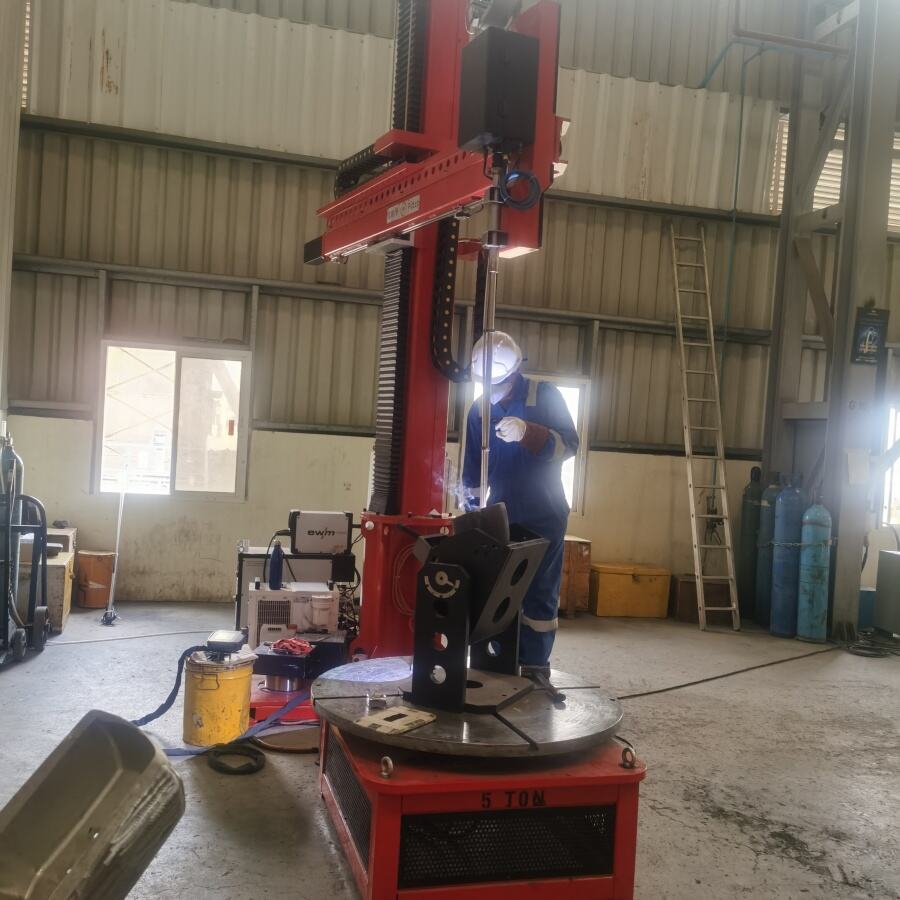
용접 기계 자동화
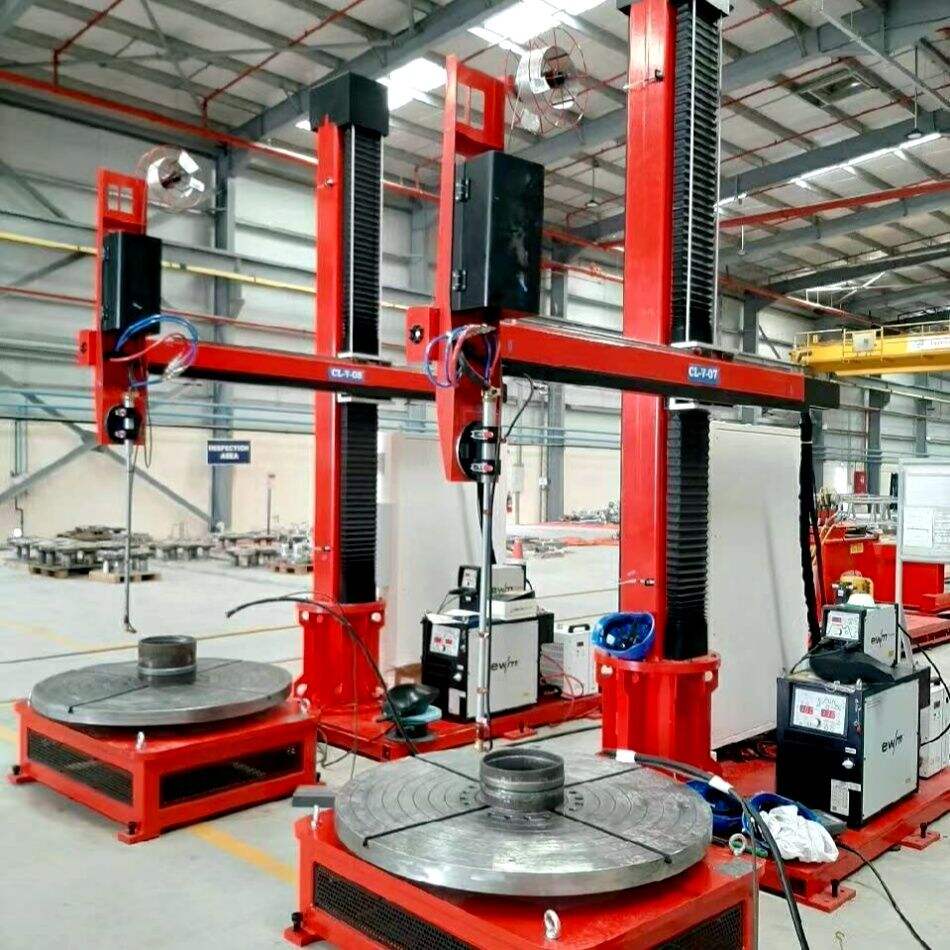
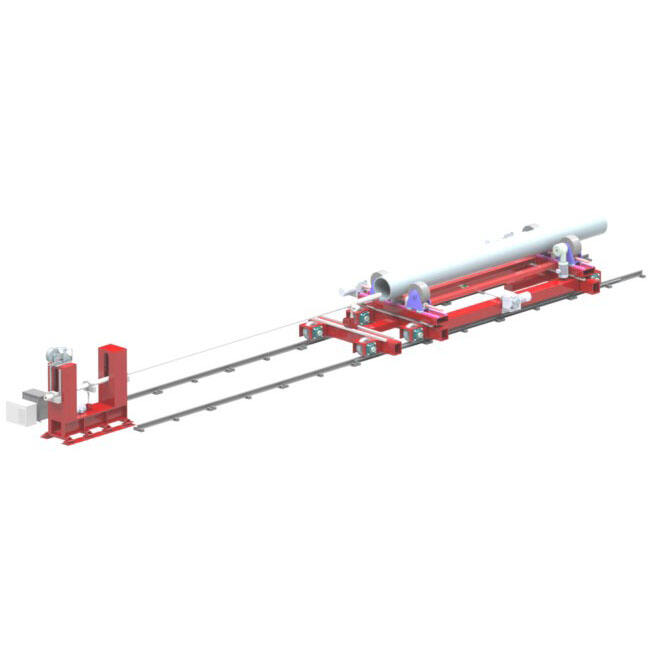
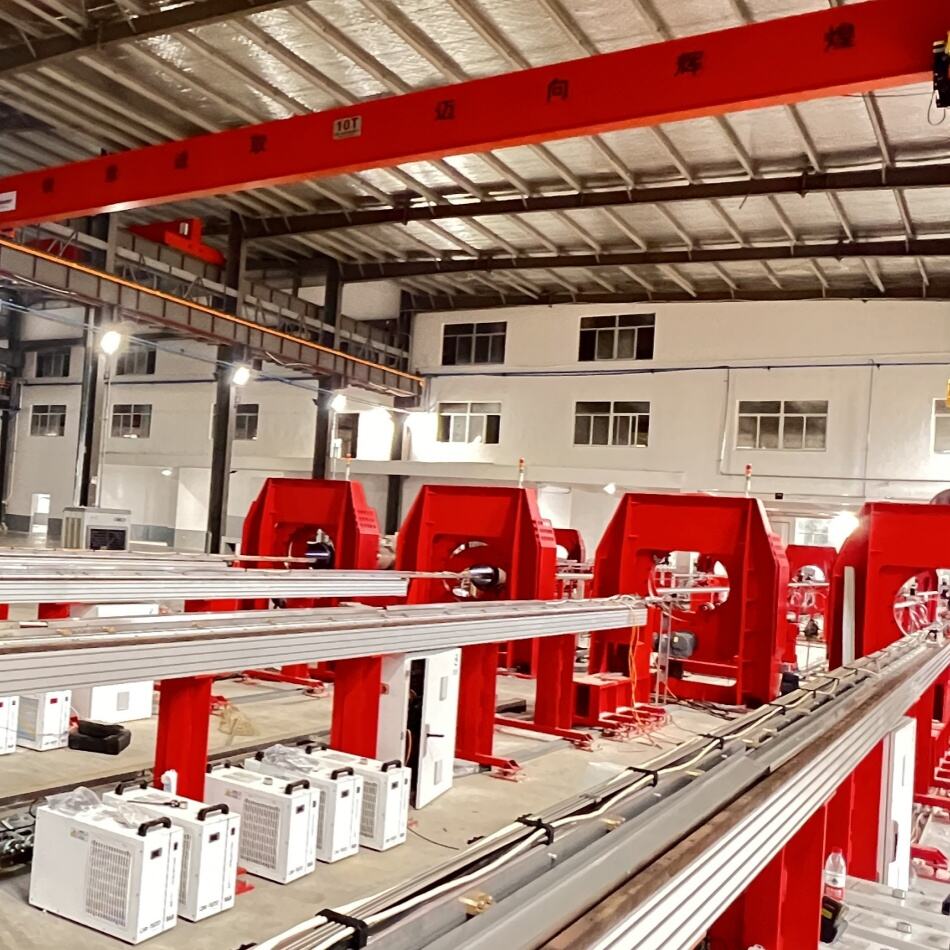
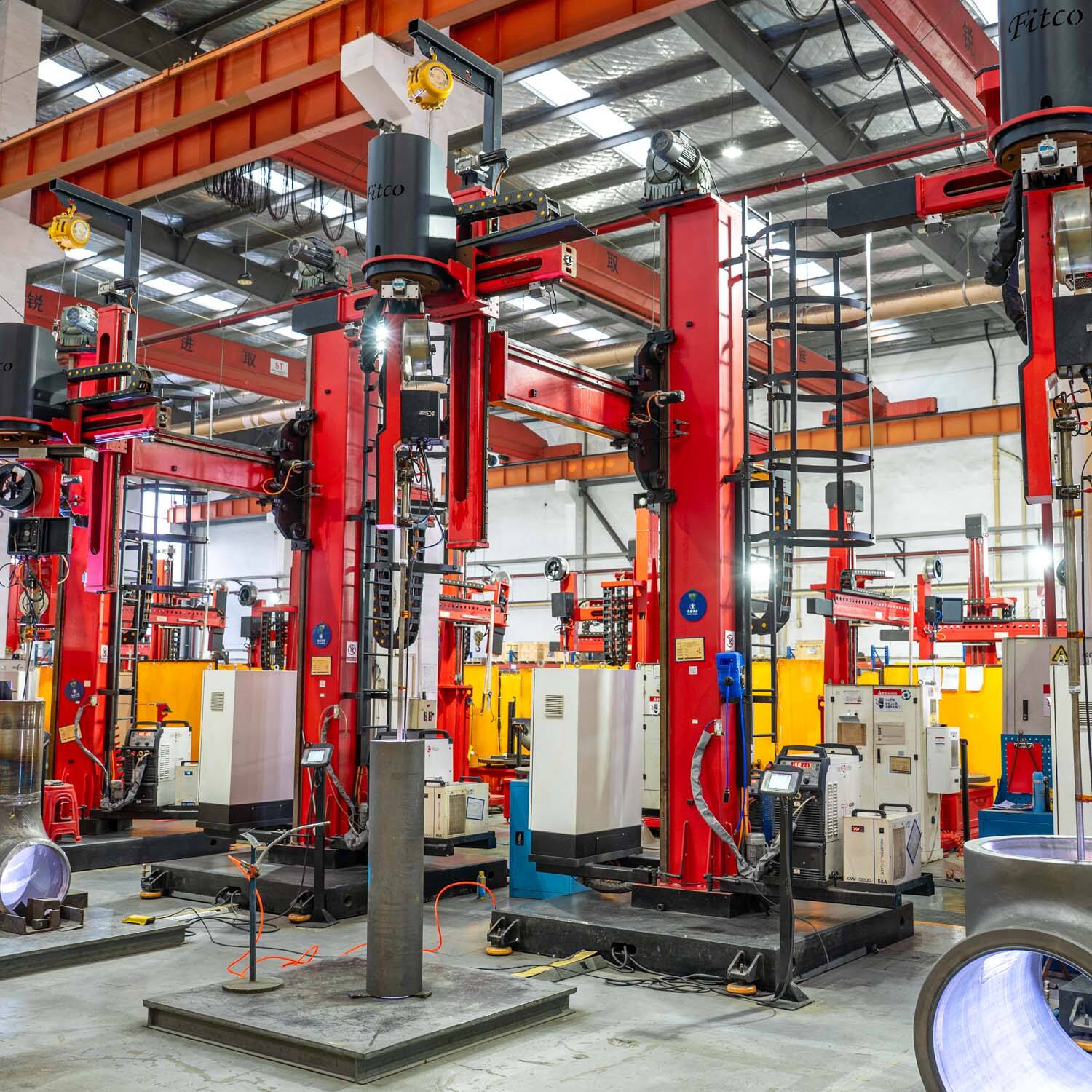
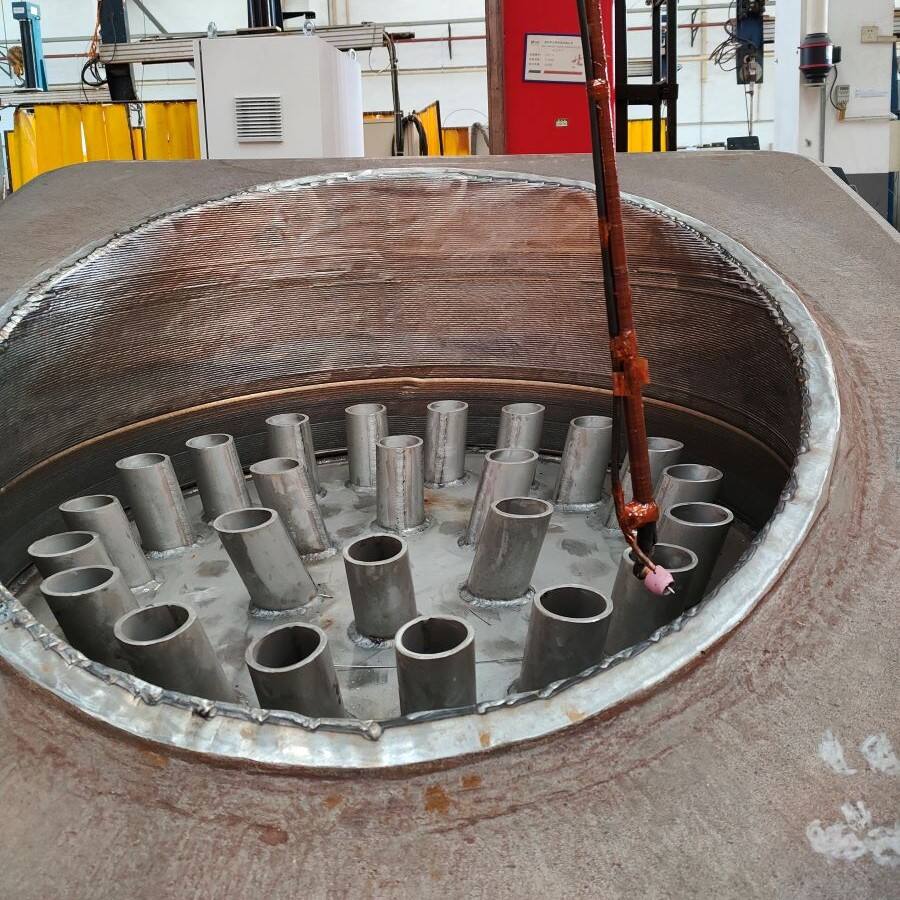
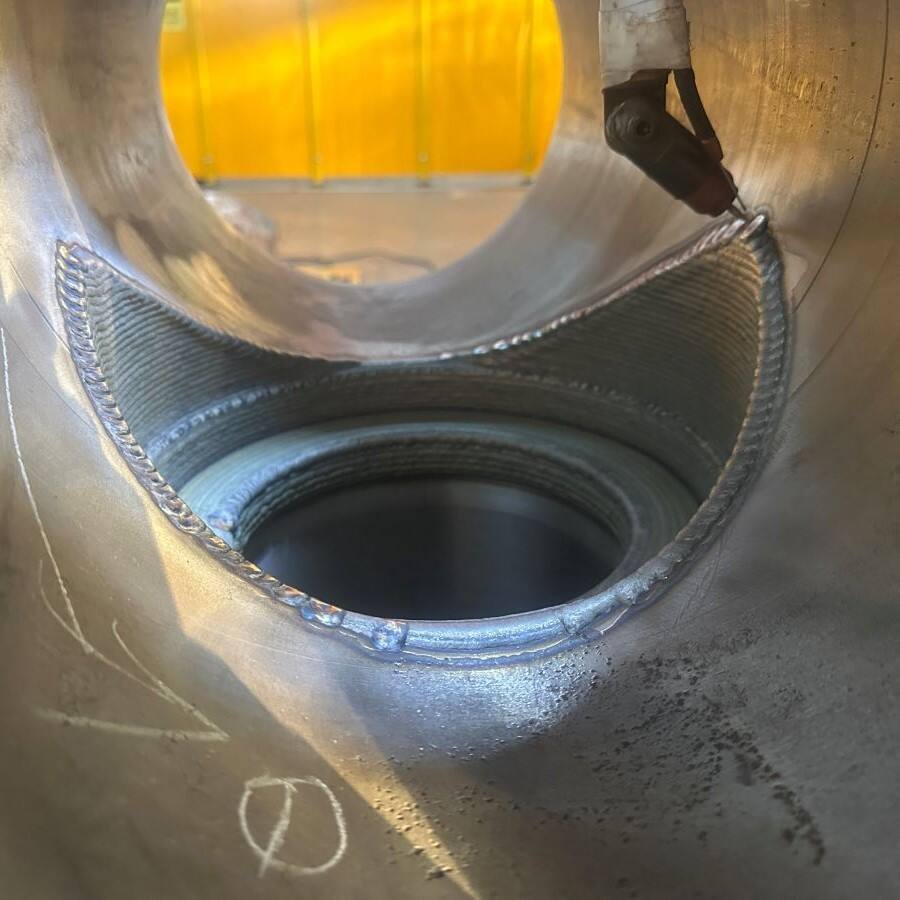
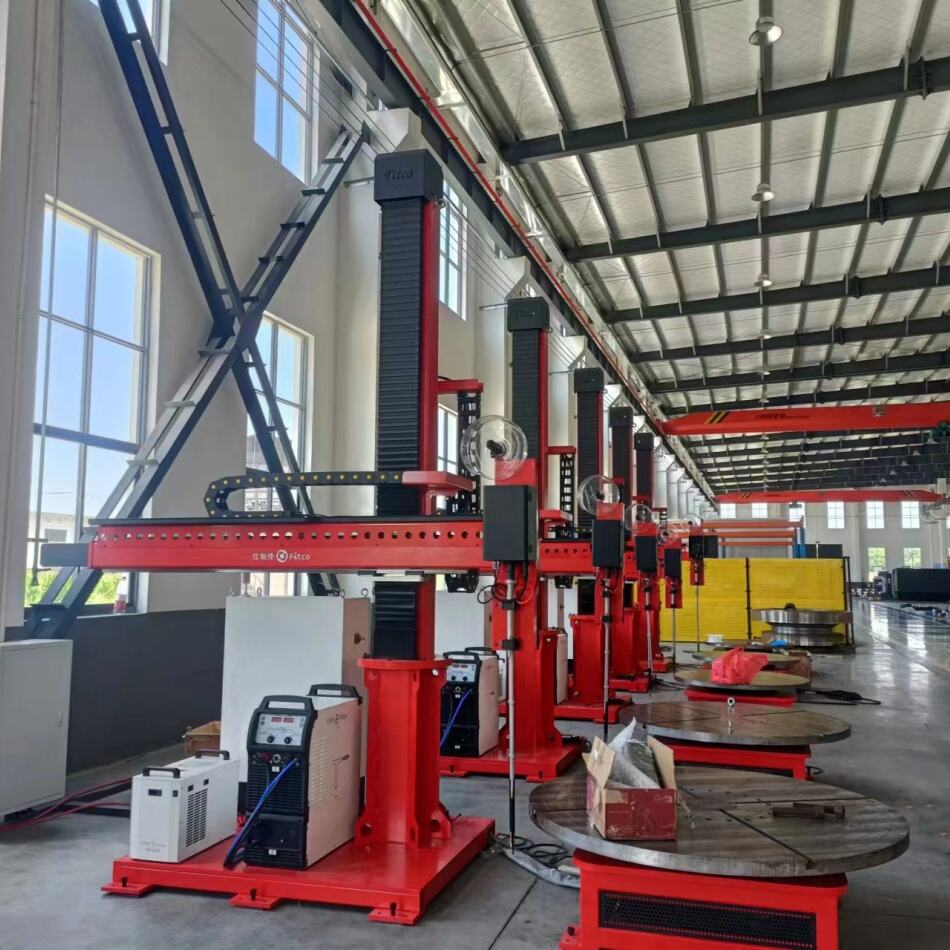
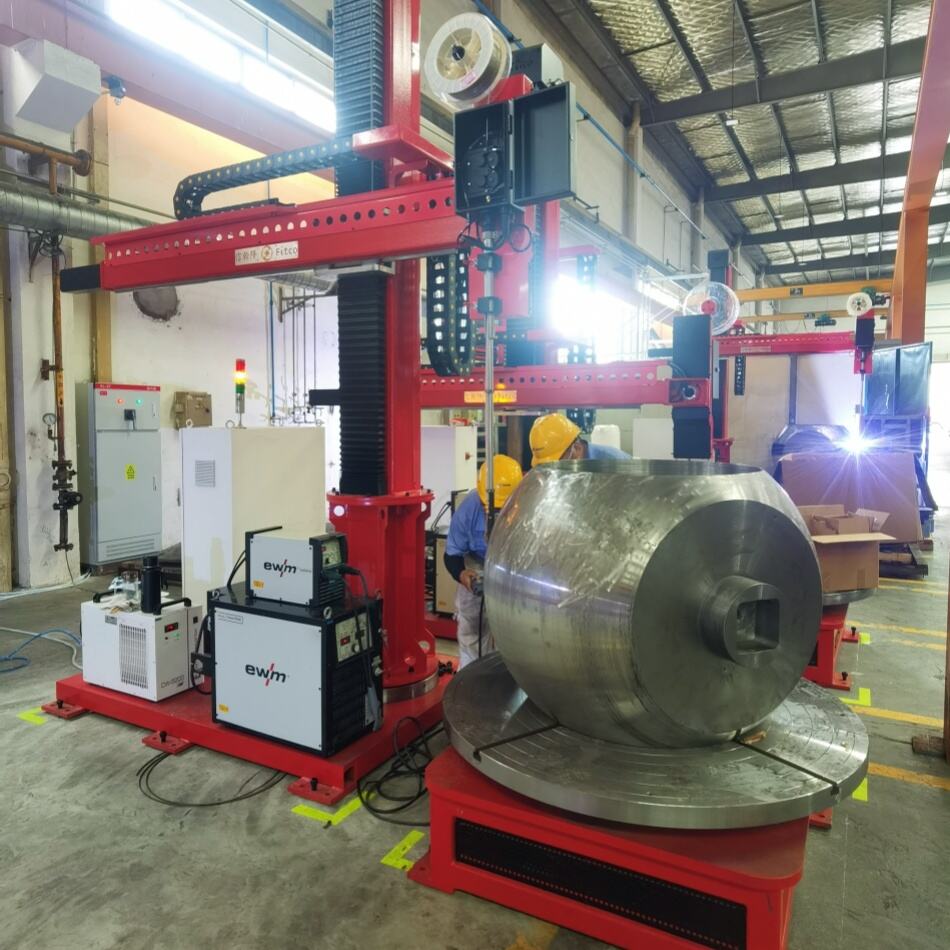
용접기 자동화는 제조 기술 분야에서 혁명적인 진전을 나타내며, 전통적인 수동 용접 공정을 정교한 컴퓨터 제어 작업으로 전환시킵니다. 이 첨단 기술은 로봇 시스템, 고급 센서 및 지능형 소프트웨어를 통합하여 다양한 산업 응용 분야에서 정밀하고 일관되며 효율적인 용접 결과를 제공합니다. 현대의 용접기 자동화 시스템은 프로그래머블 로직 컨트롤러(PLC), 서보 모터, 비전 시스템, 적응형 제어 알고리즘 등 여러 기술 요소를 결합하여 원활한 용접 작동을 실현합니다. 용접기 자동화의 주요 기능에는 토치의 정밀 위치 조정, 자동 파라미터 조정, 실시간 품질 모니터링, 그리고 생산 라인 워크플로와의 원활한 연동이 포함됩니다. 이러한 시스템은 용접 전 과정 내내 일정한 아크 길이 유지, 이동 속도 제어, 열 입력 관리, 최적의 용입 깊이 확보 등에서 뛰어난 성능을 발휘합니다. 기술적 특징으로는 재료 두께 및 이음매 구성을 기반으로 자동으로 조정되는 적응형 용접 파라미터, 실시간으로 용접 결함을 탐지하고 보정하는 고급 아크 모니터링 시스템, 최대 효율을 위해 용접 순서를 최적화하는 정교한 경로 계획 알고리즘이 있습니다. 이 자동화 기술은 데이터 분석 및 패턴 인식을 통해 용접 성능을 지속적으로 개선하는 기계 학습 기능을 내장하고 있습니다. 산업적 응용 분야는 자동차 제조, 항공우주 생산, 조선, 파이프라인 건설, 중장비 제작 등 다양합니다. 용접기 자동화는 일관성과 품질이 무엇보다 중요한 대량 생산 환경에서 특히 큰 가치를 발휘합니다. 이 기술은 MIG, TIG, 플라즈마 용접 등 다양한 용접 공정을 지원하며, 강철, 알루미늄, 이색 합금 등 서로 다른 재료에도 원활하게 적용됩니다. 통합 기능을 통해 용접기 자동화는 기존의 제조 실행 시스템(MES)과 조화롭게 작동할 수 있어, 엄격한 산업 표준을 충족하는 포괄적인 생산 모니터링 및 품질 보증 프로토콜을 가능하게 합니다.

 EN
EN
 AR
AR BG
BG HR
HR CS
CS DA
DA NL
NL FI
FI FR
FR DE
DE EL
EL HI
HI IT
IT JA
JA KO
KO NO
NO PL
PL PT
PT RO
RO RU
RU ES
ES SV
SV TL
TL IW
IW ID
ID LT
LT UK
UK SQ
SQ HU
HU TH
TH TR
TR FA
FA AF
AF CY
CY MK
MK LA
LA MN
MN KK
KK UZ
UZ KY
KY