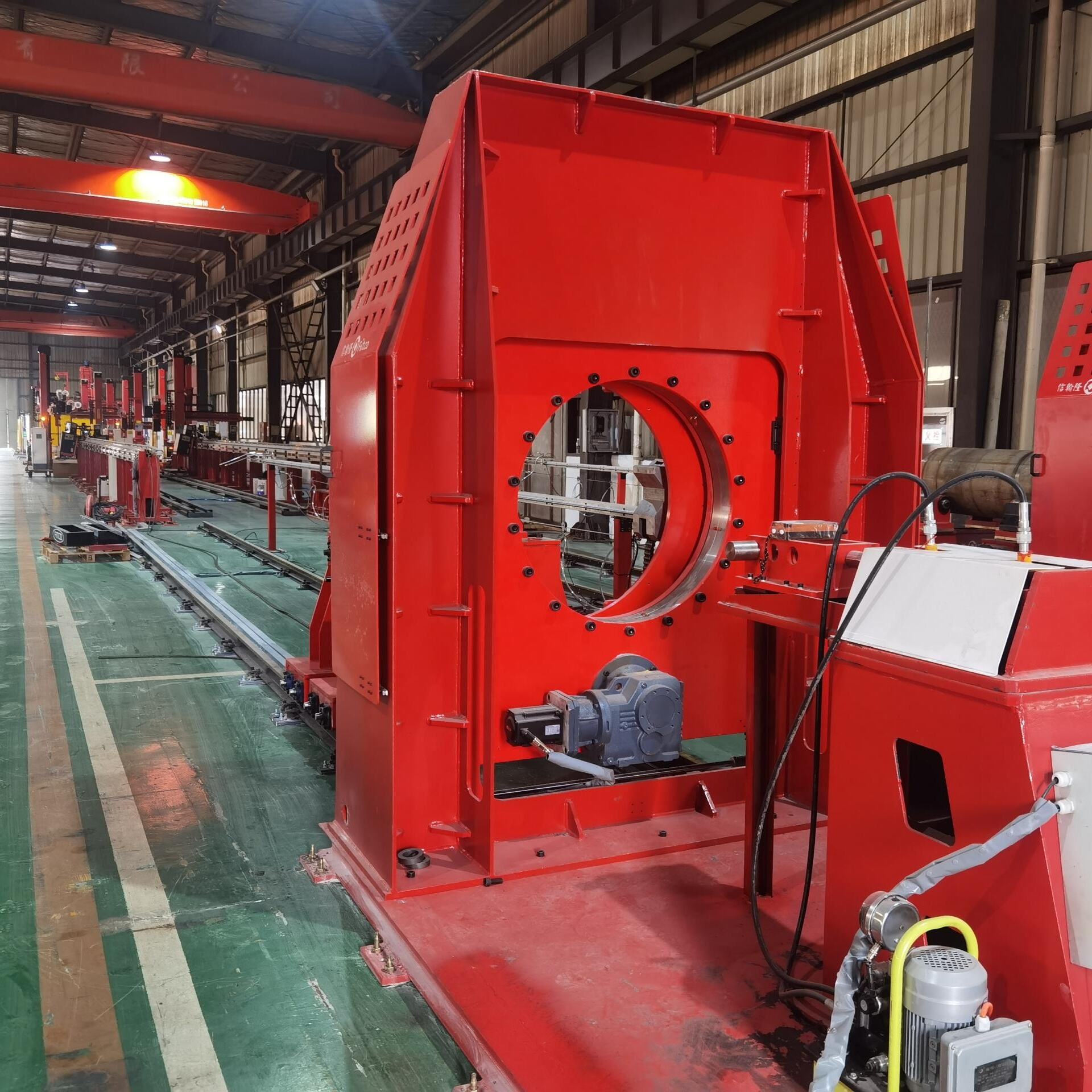
perangkat pengelasan
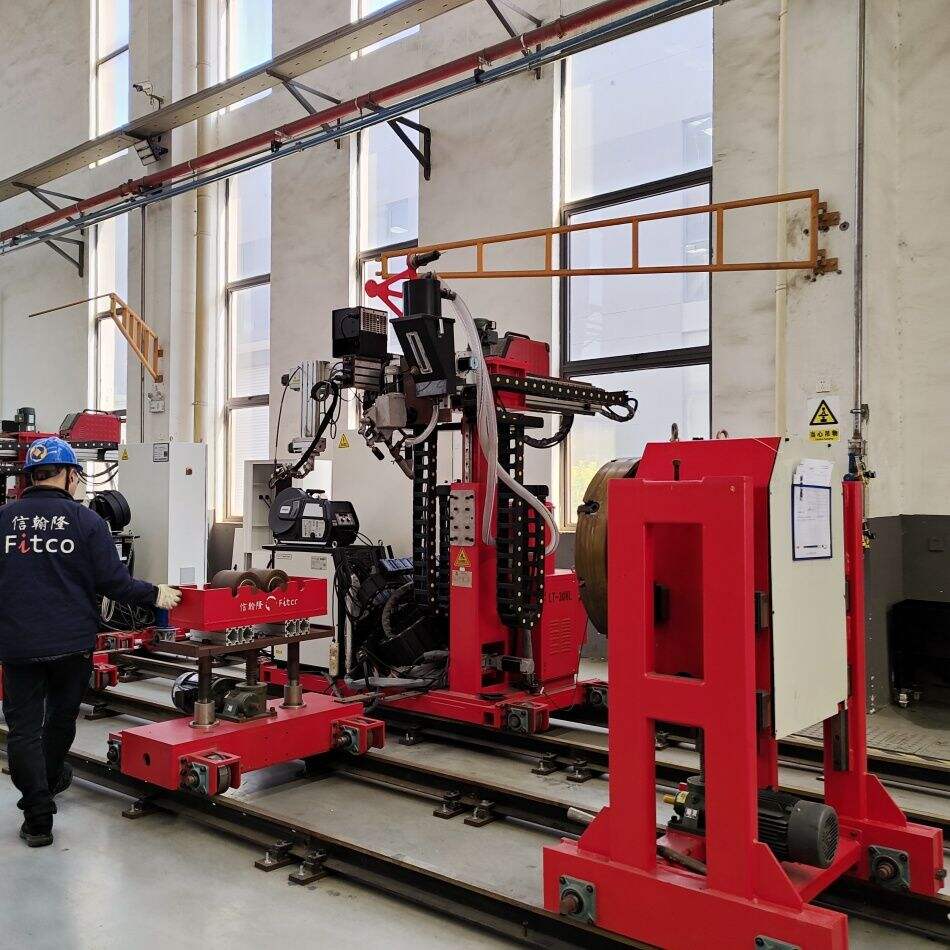
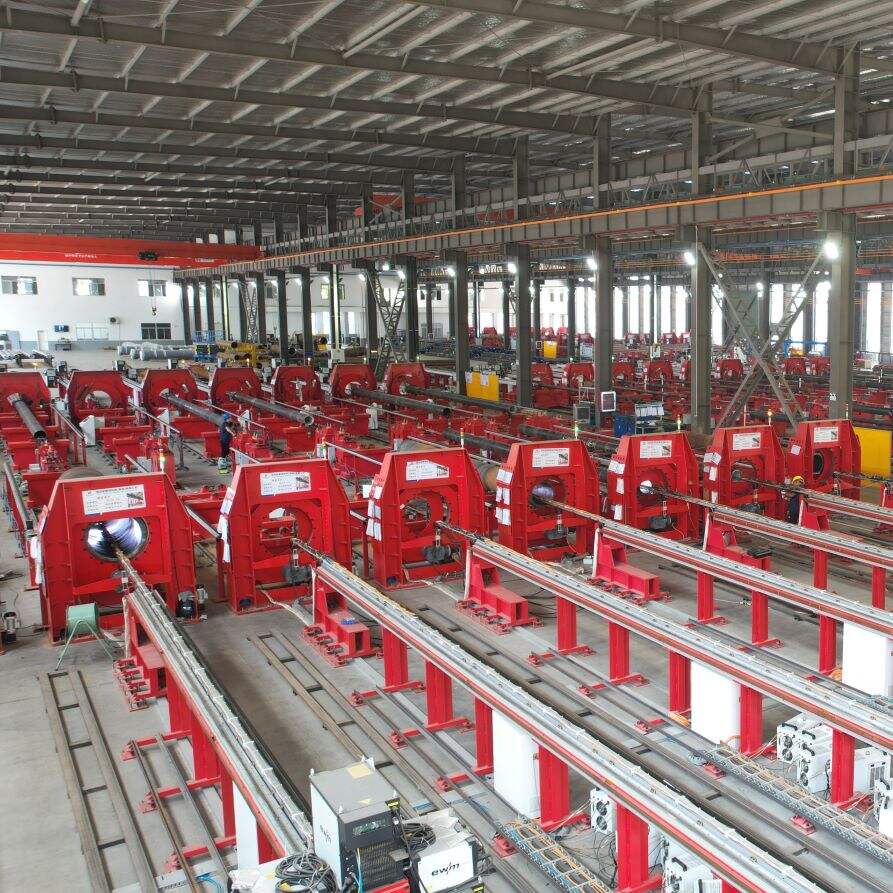
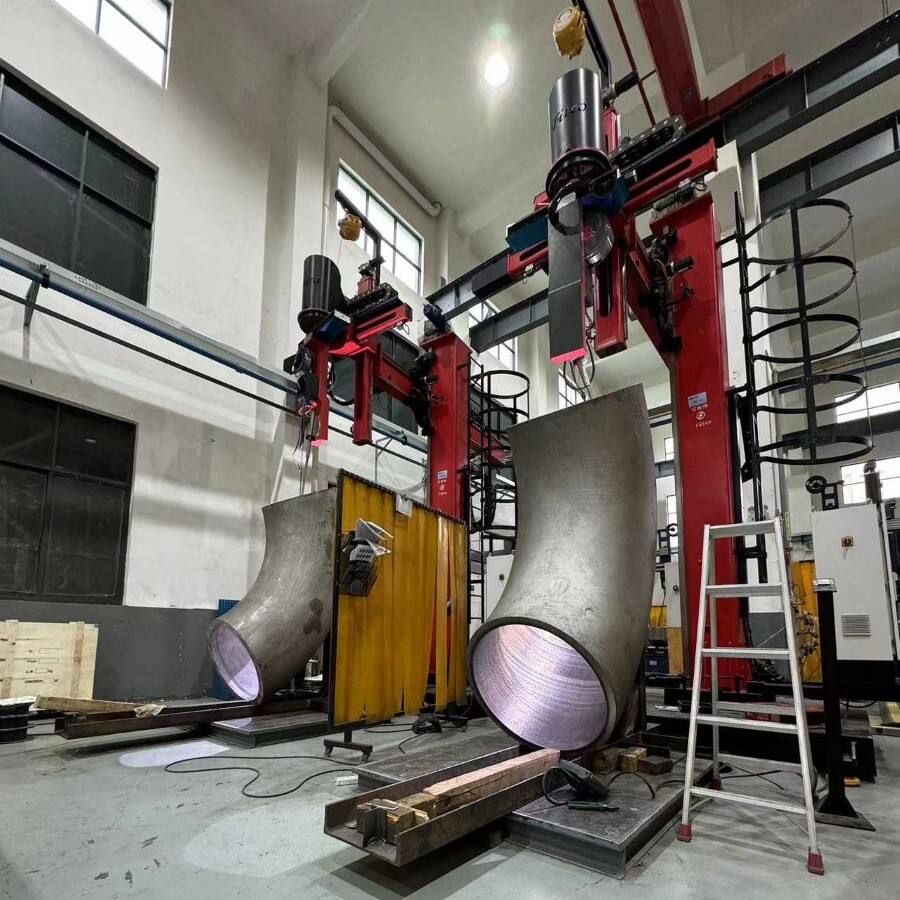
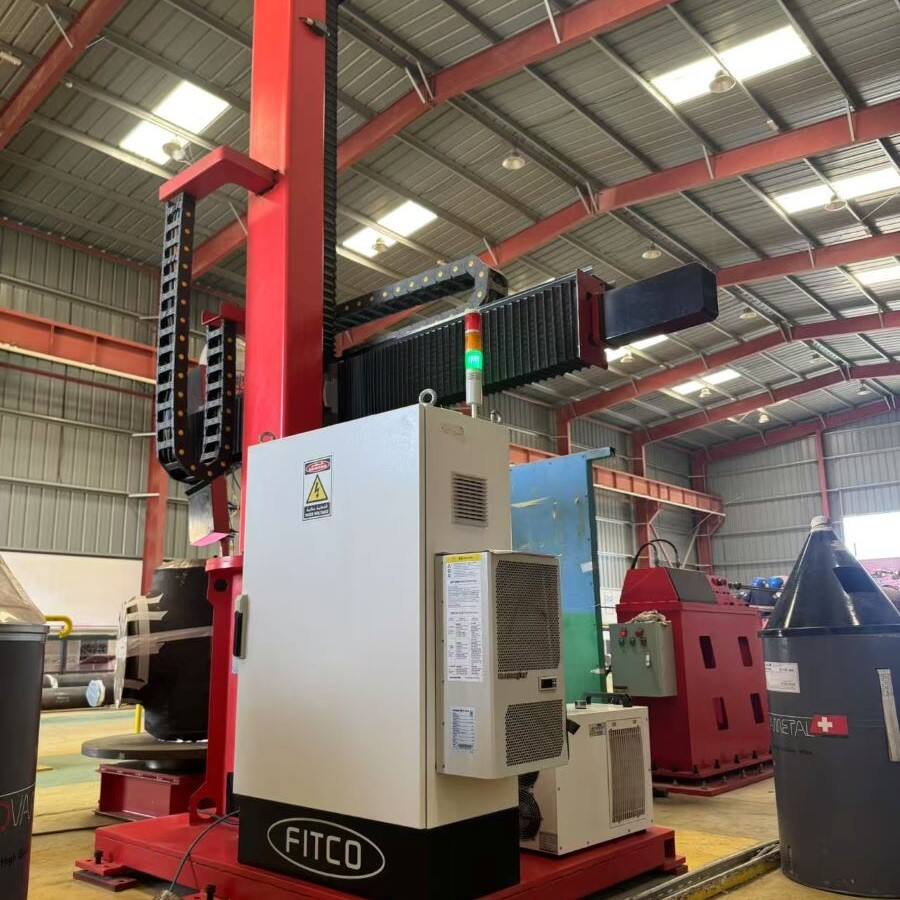
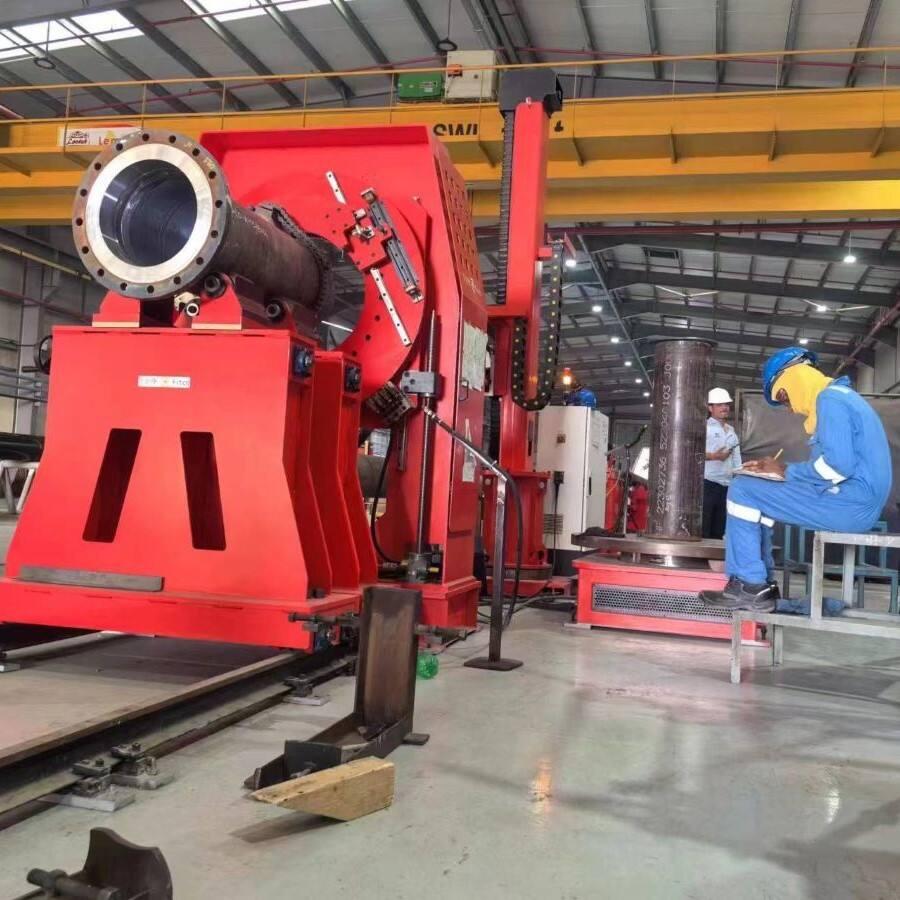
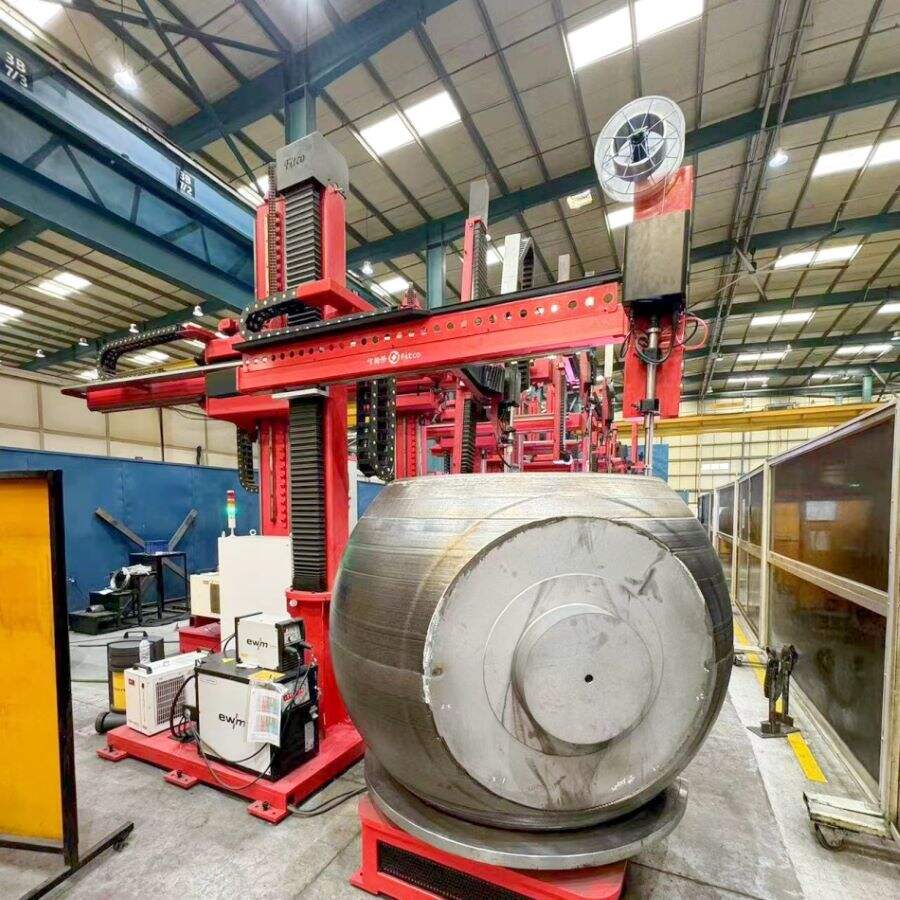
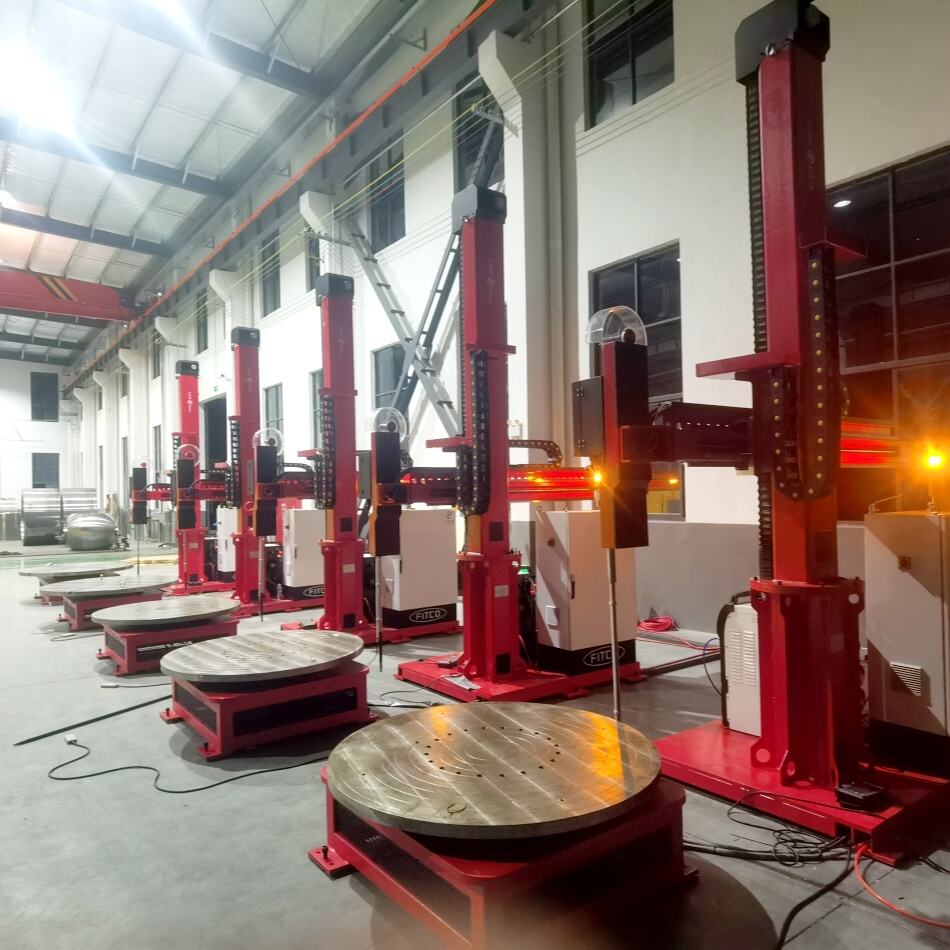
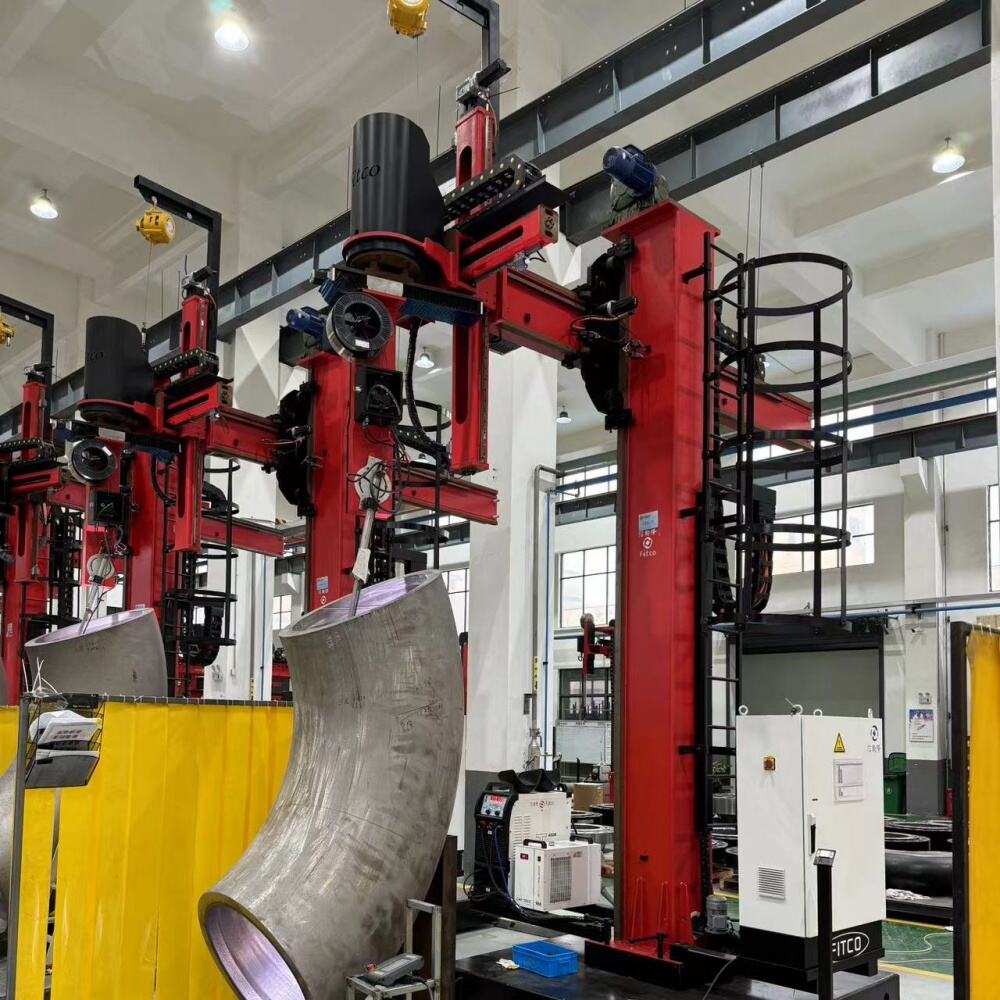
Perangkat pengelasan merupakan peralatan industri esensial yang menciptakan sambungan permanen antar komponen logam melalui penerapan panas, tekanan, atau keduanya. Mesin canggih ini memungkinkan produsen dan tukang las menyatukan bahan pada tingkat molekuler, menghasilkan sambungan yang sering kali memiliki kekuatan melebihi kekuatan logam dasar aslinya. Perangkat pengelasan modern mencakup berbagai teknologi, termasuk pengelasan busur (arc welding), MIG (Metal Inert Gas), TIG (Tungsten Inert Gas), serta sistem pengelasan resistansi. Masing-masing jenis tersebut digunakan untuk aplikasi spesifik di berbagai industri, seperti manufaktur otomotif, konstruksi, dirgantara, pembuatan kapal, dan kerajinan logam artistik. Fungsi utama perangkat pengelasan adalah menghasilkan sumber energi terkendali yang melebur permukaan logam, sehingga memungkinkannya mengalir bersama dan mengeras menjadi struktur yang menyatu. Perangkat pengelasan kontemporer dilengkapi kontrol digital canggih, regulasi suhu presisi, serta mekanisme umpan otomatis guna menjamin konsistensi kualitas las. Mesin-mesin ini memiliki pengaturan arus (amperage) yang dapat disesuaikan, kontrol tegangan, serta kecepatan umpan kawat yang mampu menyesuaikan berbagai ketebalan dan komposisi bahan. Banyak perangkat pengelasan kini menggunakan teknologi inverter, yang mengurangi bobot sekaligus meningkatkan efisiensi energi dan stabilitas busur listrik. Perangkat pengelasan profesional menawarkan fleksibilitas melalui dukungan berbagai proses pengelasan dalam satu unit, memungkinkan operator beralih antar teknik sesuai kebutuhan proyek. Fitur keselamatan yang terintegrasi dalam perangkat pengelasan modern meliputi perlindungan terhadap kelebihan beban termal, sistem ventilasi, serta standar kompatibilitas elektromagnetik. Perangkat pengelasan industri memainkan peran kritis dalam pengembangan infrastruktur, jalur perakitan manufaktur, dan operasi pemeliharaan—di mana integritas struktural tetap menjadi prioritas utama. Mulai dari perakitan komponen elektronik yang halus hingga fabrikasi baja struktural berat, perangkat pengelasan menyediakan fondasi bagi tak terhitung banyaknya proses manufaktur yang membentuk dunia modern kita.

 EN
EN
 AR
AR BG
BG HR
HR CS
CS DA
DA NL
NL FI
FI FR
FR DE
DE EL
EL HI
HI IT
IT JA
JA KO
KO NO
NO PL
PL PT
PT RO
RO RU
RU ES
ES SV
SV TL
TL IW
IW ID
ID LT
LT UK
UK SQ
SQ HU
HU TH
TH TR
TR FA
FA AF
AF CY
CY MK
MK LA
LA MN
MN KK
KK UZ
UZ KY
KY