Industrial MIG Welder: Advanced Metal Joining Solutions for Manufacturing Excellence

Contact me immediately if you encounter problems!

All Categories

Get a Free Quote

Our representative will contact you soon.
Email
Mobile/WhatsApp
Name
Company Name
Message
0/1000

Get a Free Quote

Our representative will contact you soon.
Email
Mobile/WhatsApp
Name
Company Name
Message
0/1000

industrial mig welder

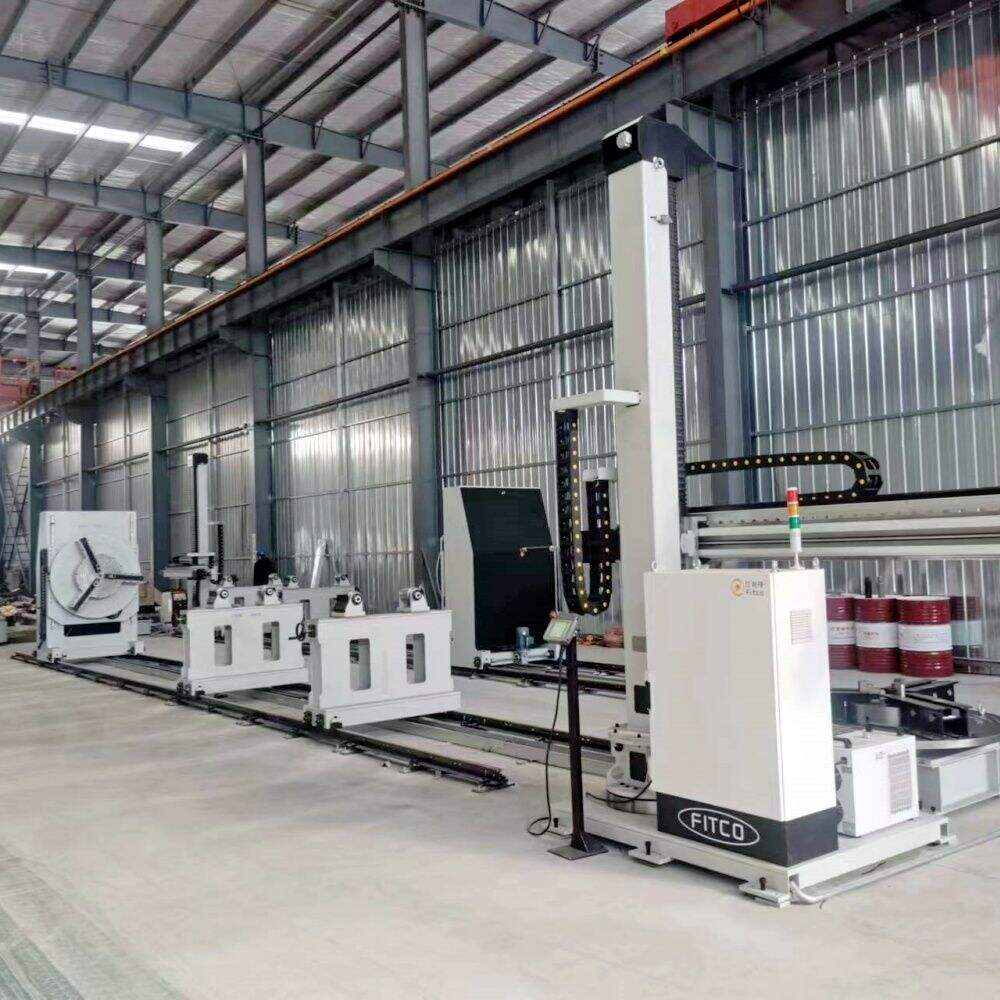
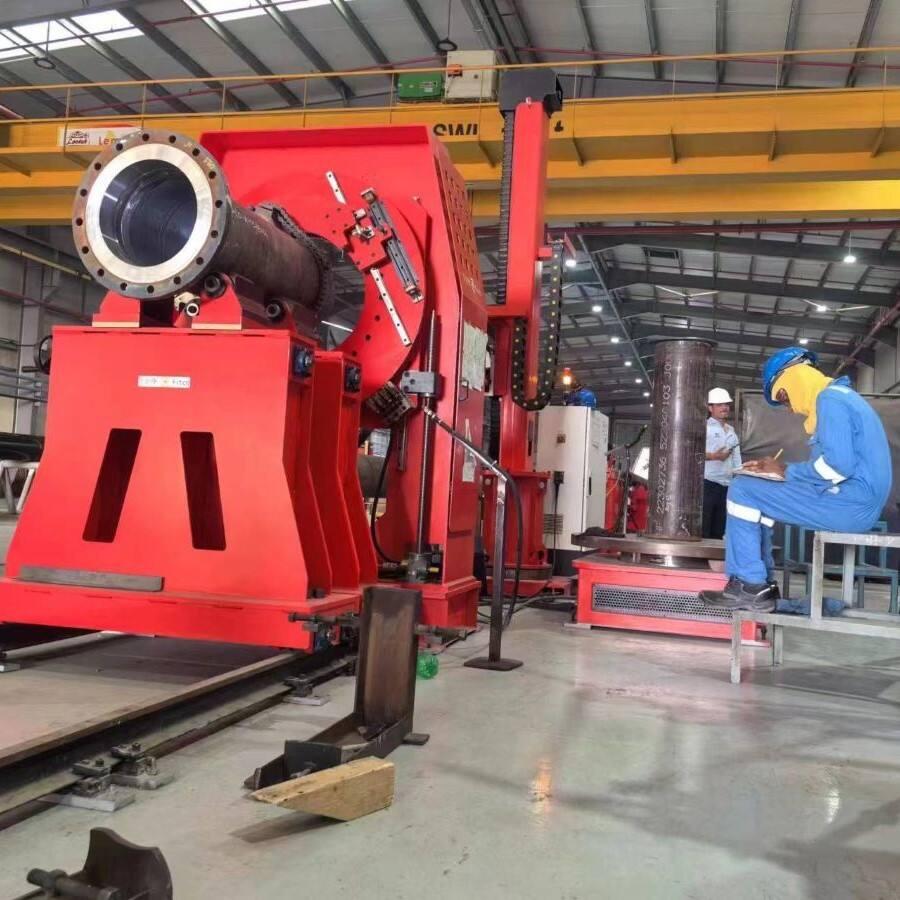
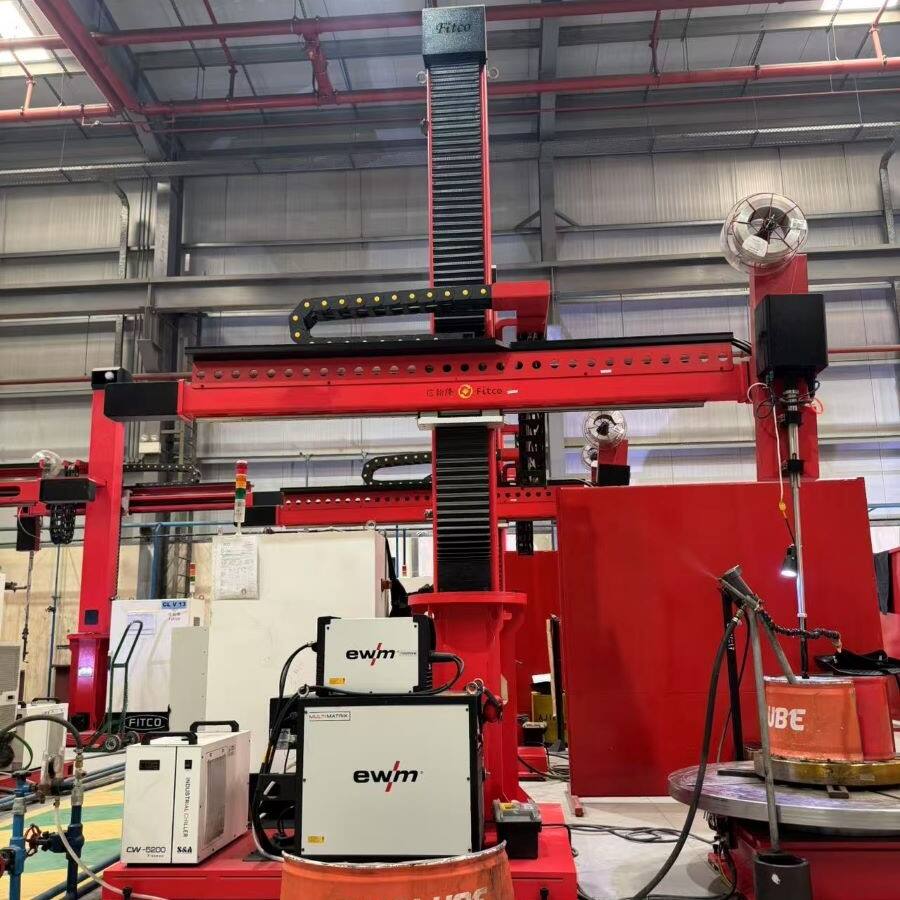
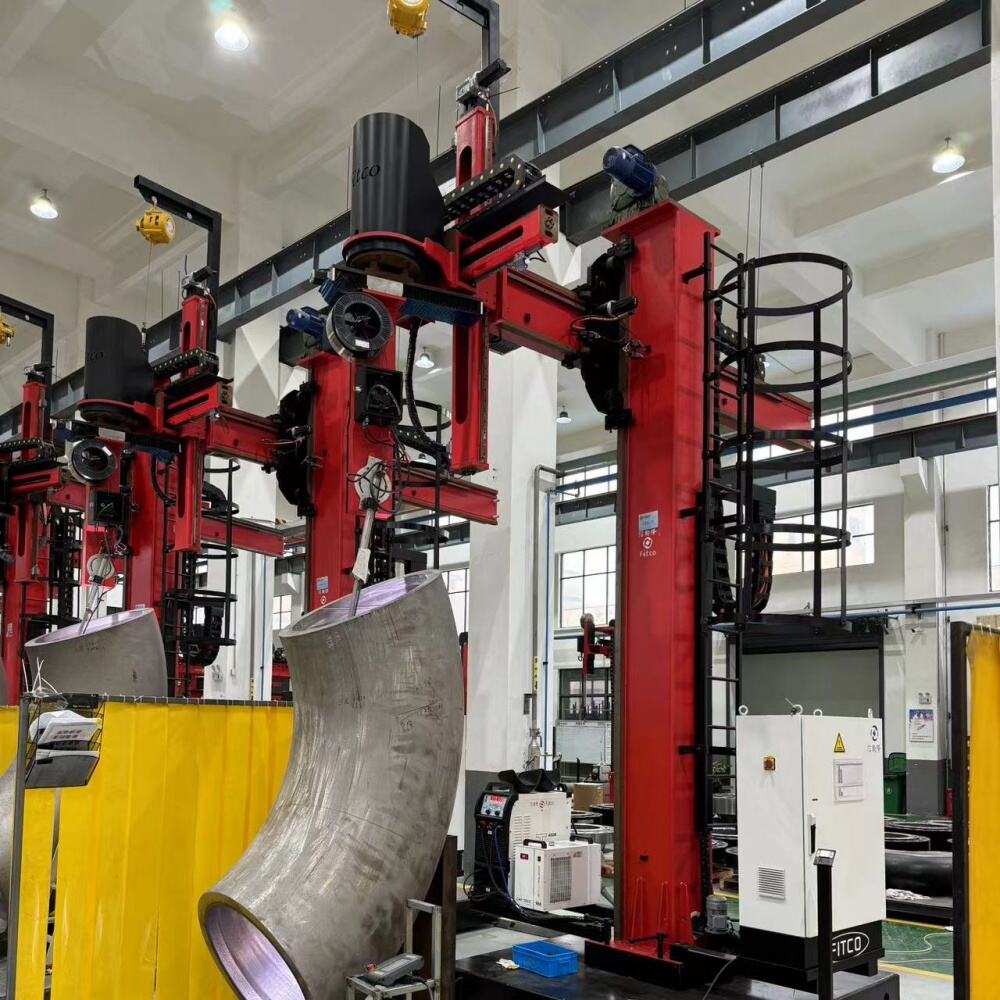
An industrial mig welder represents a sophisticated metal joining system designed for heavy-duty manufacturing and fabrication environments. This advanced welding equipment utilizes the Metal Inert Gas (MIG) process, feeding a continuous wire electrode through a welding gun while simultaneously delivering protective shielding gas to create strong, precise welds. The industrial mig welder operates by establishing an electric arc between the wire electrode and the workpiece, melting both materials to form a permanent metallurgical bond. Modern industrial mig welder units feature digital controls that allow operators to adjust voltage, wire feed speed, and gas flow rates with exceptional precision. These machines typically handle wire diameters ranging from 0.6mm to 2.4mm, accommodating various material thicknesses from thin sheet metal to heavy structural components. The robust construction of an industrial mig welder includes heavy-duty transformers, advanced cooling systems, and durable housing designed to withstand continuous operation in demanding production environments. Key technological features include inverter-based power sources that provide superior arc stability, synergic control systems that automatically optimize welding parameters, and advanced wire feeding mechanisms that ensure consistent electrode delivery. Many industrial mig welder models incorporate pulsed welding capabilities, reducing heat input while maintaining penetration quality, making them ideal for welding thin materials or heat-sensitive alloys. The versatility of an industrial mig welder extends across multiple industries, including automotive manufacturing, shipbuilding, construction, pipeline installation, and general fabrication. These machines excel in welding carbon steel, stainless steel, aluminum, and various alloy combinations, providing manufacturers with a single solution for diverse welding requirements. The industrial mig welder's ability to produce high-quality welds at impressive speeds makes it indispensable for production lines where efficiency and consistency are paramount.

New Products

The industrial mig welder delivers exceptional productivity benefits that directly impact manufacturing efficiency and profitability. Operators can achieve welding speeds up to three times faster than traditional stick welding methods, significantly reducing production time and labor costs. This speed advantage stems from the continuous wire feed system that eliminates frequent stops for electrode changes, allowing for uninterrupted welding of long seams and complex assemblies. The industrial mig welder produces minimal spatter and requires less post-weld cleanup, further enhancing overall productivity and reducing finishing time. Quality consistency represents another major advantage, as the industrial mig welder maintains uniform penetration and bead appearance across extended welding sessions. The automated parameter control systems ensure that each weld meets specified standards, reducing reject rates and rework requirements that can drain resources and delay project completion. Operators experience reduced fatigue when using an industrial mig welder due to its ergonomic design and smooth arc characteristics. The stable arc reduces eye strain and produces less smoke compared to other welding processes, creating a more comfortable working environment that supports sustained productivity. Training requirements are significantly lower for industrial mig welder operation, enabling manufacturers to quickly develop skilled operators and reduce the learning curve associated with complex welding techniques. The versatility of an industrial mig welder allows facilities to consolidate multiple welding processes into a single system, reducing equipment investment and maintenance costs while simplifying inventory management for consumables. Energy efficiency represents a substantial cost advantage, as modern industrial mig welder units utilize advanced inverter technology that consumes up to 40% less power than conventional transformer-based systems. This efficiency translates into lower operating costs and reduced environmental impact, supporting sustainability initiatives while maintaining production targets. The precise heat control offered by an industrial mig welder minimizes material distortion and reduces the need for post-weld straightening or machining operations, preserving material integrity and dimensional accuracy in finished products.

Practical Tips

How Do Pipe Cladding Machines Improve Welding Consistency and Quality?

27

Nov

How Do Pipe Cladding Machines Improve Welding Consistency and Quality?

Modern industrial welding operations demand exceptional precision and consistency, particularly in applications involving corrosion-resistant overlays and specialized pipe systems. Pipe cladding machines have emerged as revolutionary solutions that t...
View More
Why igbt inverter welder Technology is the Industry Standard in 2026

16

Mar

Why igbt inverter welder Technology is the Industry Standard in 2026

The welding industry has undergone a transformative evolution, with igbt inverter welder technology emerging as the definitive standard for professional and industrial applications in 2026. This revolutionary advancement represents a fundamental shif...
View More
Inside an igbt inverter welder: How the High-Frequency Switching Works

16

Mar

Inside an igbt inverter welder: How the High-Frequency Switching Works

The high-frequency switching mechanism within an igbt inverter welder represents one of the most significant technological advances in modern welding equipment. This sophisticated power conversion process transforms standard AC mains power into preci...
View More
Why Are Pressure-Vessel Plants Using Circumferential TIG Systems?

13

Jan

Why Are Pressure-Vessel Plants Using Circumferential TIG Systems?

The pressure vessel manufacturing industry has witnessed a significant shift toward advanced welding technologies, with circumferential TIG systems emerging as the preferred solution for critical applications. These sophisticated welding systems deli...
View More

Get a Free Quote

Our representative will contact you soon.
Email
Mobile/WhatsApp
Name
Company Name
Message
0/1000

industrial mig welder

Advanced Digital Control System for Precision Welding

Advanced Digital Control System for Precision Welding

The sophisticated digital control system integrated into modern industrial mig welder units revolutionizes welding precision and consistency across diverse manufacturing applications. This advanced technology replaces traditional analog controls with microprocessor-based systems that provide unprecedented accuracy in parameter adjustment and monitoring. The digital interface allows operators to input specific material types, thicknesses, and joint configurations, automatically calculating optimal voltage, current, and wire feed speed settings for superior weld quality. Real-time monitoring capabilities enable the industrial mig welder to detect and compensate for variations in arc length, travel speed, and material conditions, maintaining consistent penetration and bead profile throughout the welding process. The system stores multiple welding programs, allowing operators to quickly switch between different applications without manual recalibration, significantly reducing setup time and potential human error. Advanced algorithms within the digital control system analyze arc characteristics continuously, making microsecond adjustments to maintain optimal welding conditions even when encountering surface contamination or joint fit-up variations. This intelligent response capability ensures that the industrial mig welder produces uniform results regardless of operator skill level or environmental factors that might affect traditional welding equipment. The digital system also provides comprehensive data logging and reporting functions, recording welding parameters, arc-on time, and quality metrics for each weld cycle. This information proves invaluable for quality assurance programs, process optimization, and regulatory compliance in industries with strict documentation requirements. Predictive maintenance features analyze operating patterns and component wear, alerting maintenance personnel to potential issues before they cause production disruptions. The user-friendly touchscreen interface simplifies operation while providing access to advanced features, enabling both novice and experienced operators to maximize the capabilities of the industrial mig welder efficiently.
Superior Arc Stability and Penetration Control

Superior Arc Stability and Penetration Control

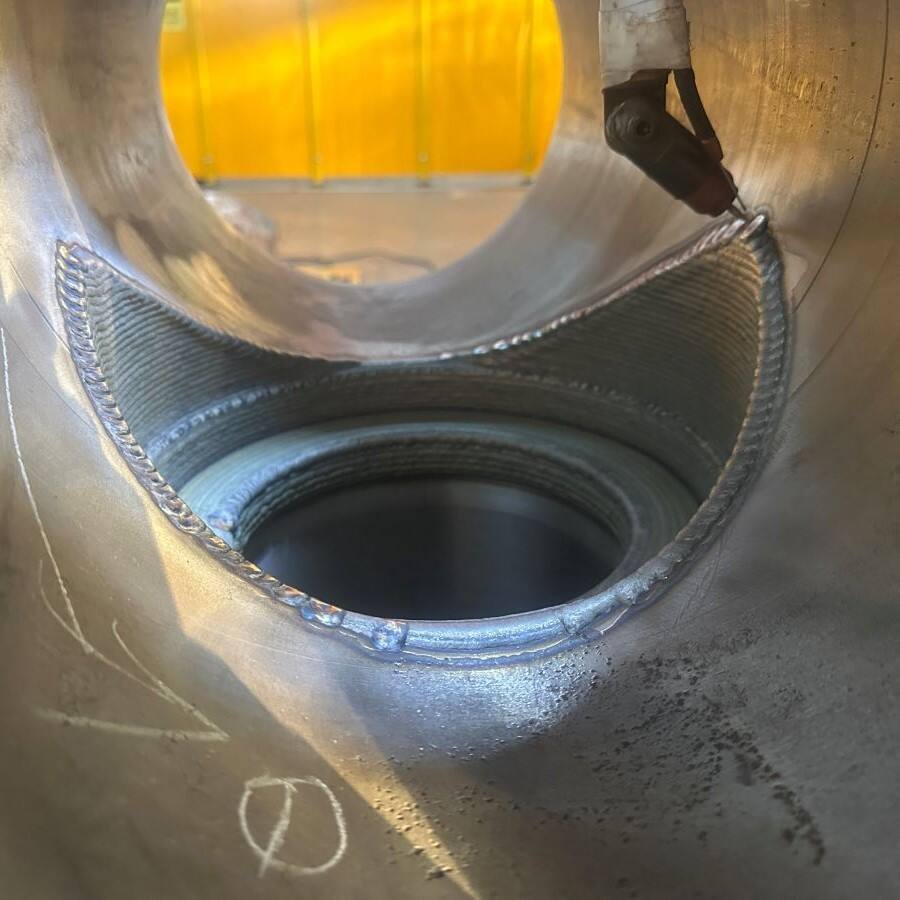
The exceptional arc stability achieved by industrial mig welder systems directly translates to superior weld quality and enhanced manufacturing capabilities across challenging applications. Advanced inverter technology generates precise, stable electrical output that maintains consistent arc characteristics regardless of input voltage fluctuations or load variations commonly encountered in industrial environments. This stability ensures that the industrial mig welder produces uniform penetration depths and bead profiles, critical factors in structural welding applications where joint integrity directly impacts safety and performance. The controlled arc transfer modes available in modern industrial mig welder units include short circuit, globular, spray, and pulsed transfer, each optimized for specific material combinations and joint configurations. Short circuit transfer excels in thin material applications and out-of-position welding, providing precise heat input control that prevents burn-through while ensuring adequate fusion. Spray transfer mode enables high-speed welding of thicker materials with deep penetration and minimal spatter generation, maximizing productivity in heavy fabrication applications. Pulsed transfer combines the benefits of both modes, allowing the industrial mig welder to achieve spray transfer characteristics at lower average currents, expanding the operational envelope for various material thicknesses and positions. The superior penetration control offered by advanced industrial mig welder systems enables manufacturers to achieve full joint penetration with minimal preparation requirements, reducing machining and fitting costs while maintaining structural integrity. Precise heat input management prevents excessive dilution in overlay applications and minimizes heat-affected zone formation in heat-sensitive materials, preserving base material properties and dimensional stability. The consistent arc behavior reduces sensitivity to operator technique variations, enabling manufacturers to maintain quality standards across multiple shifts and operators with varying skill levels. This reliability proves essential in high-volume production environments where consistent quality directly impacts delivery schedules and customer satisfaction.
Comprehensive Material Compatibility and Versatility

Comprehensive Material Compatibility and Versatility

The remarkable material compatibility and operational versatility of industrial mig welder systems provide manufacturers with unparalleled flexibility to address diverse welding requirements within a single equipment investment. These advanced systems accommodate an extensive range of materials including carbon steels, low-alloy steels, stainless steel grades, aluminum alloys, and specialized metals used in aerospace, marine, and chemical processing applications. The industrial mig welder's ability to weld dissimilar materials opens opportunities for innovative design solutions and cost-effective material substitution strategies that can significantly impact product performance and manufacturing economics. Aluminum welding capabilities represent a particular strength, as the industrial mig welder handles various aluminum grades from thin architectural applications to thick marine and transportation structures. The precise heat control and inert gas protection prevent oxidation and contamination issues that plague other welding processes when working with aluminum, ensuring strong, porosity-free joints that meet stringent quality standards. Stainless steel welding performance demonstrates the industrial mig welder's capability in corrosion-resistant applications, maintaining material properties while achieving excellent cosmetic appearance required in food processing, pharmaceutical, and architectural applications. The system's ability to switch between different shielding gases extends material compatibility further, using argon for aluminum and stainless steel, carbon dioxide or argon mixtures for carbon steel, and specialized gas blends for exotic alloys. Position welding versatility enables the industrial mig welder to perform effectively in flat, horizontal, vertical, and overhead positions, accommodating complex assemblies and field repair applications where workpiece manipulation is limited. Thickness range capabilities span from thin gauge sheet metal applications requiring precise heat input control to heavy section welding demanding deep penetration and high deposition rates. This versatility eliminates the need for multiple welding processes and associated equipment, simplifying production planning, operator training, and consumable inventory management while reducing overall capital investment requirements for comprehensive welding capabilities.

Get a Free Quote

Our representative will contact you soon.
Email
Mobile/WhatsApp
Name
Company Name
Message
0/1000