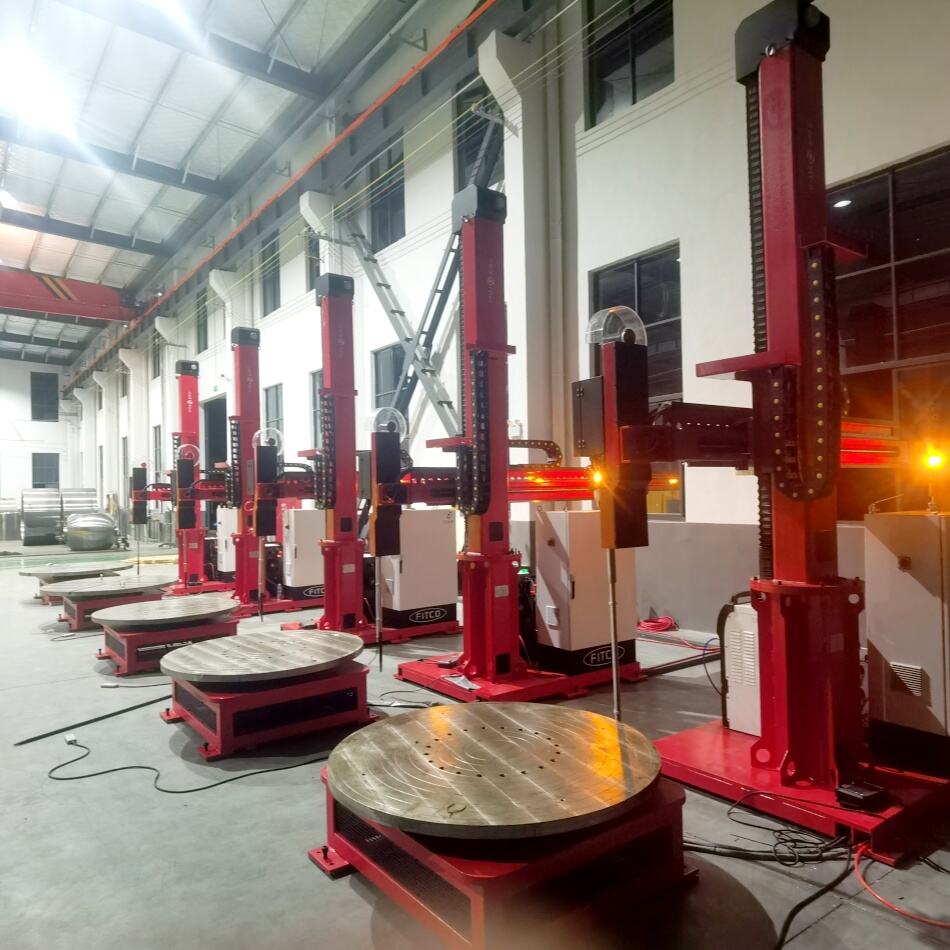
स्वचालित वेल्डिंग प्रणाली
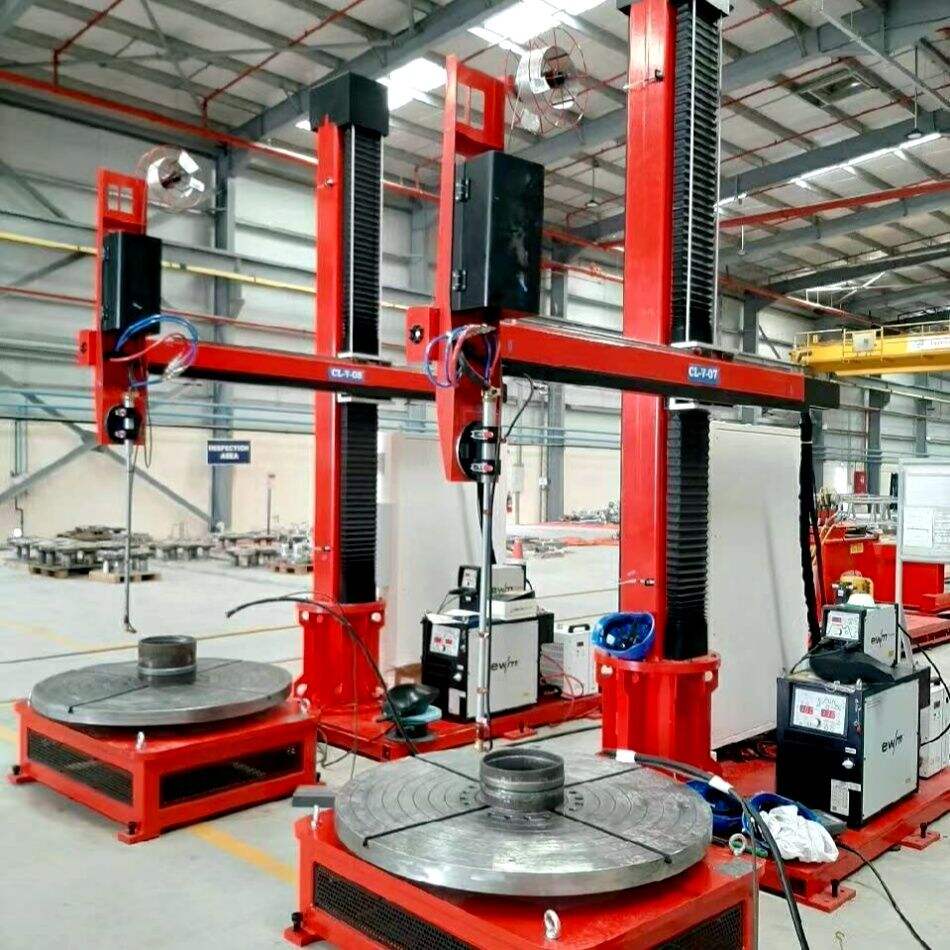
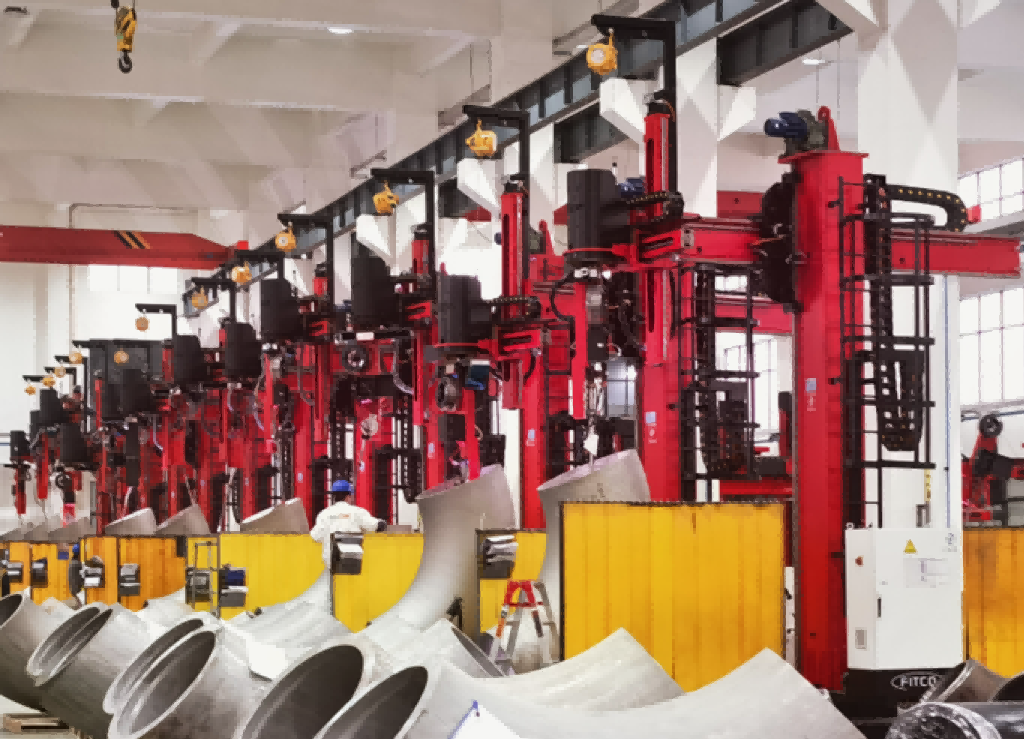
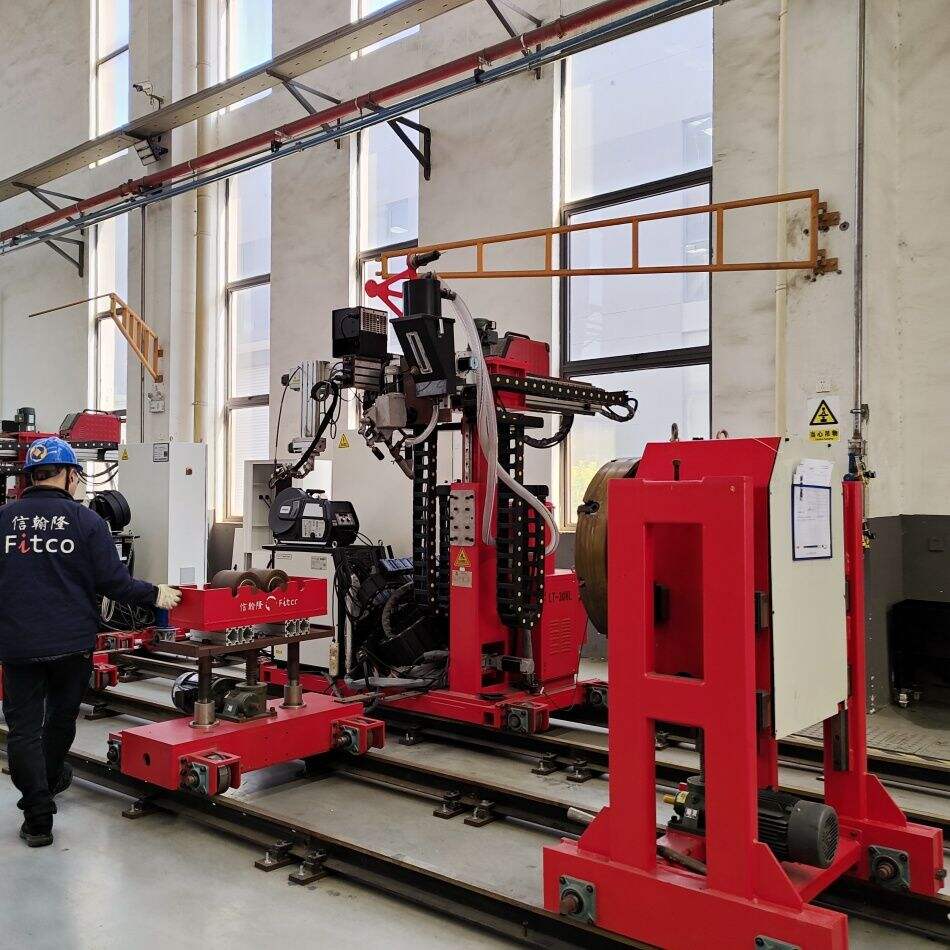
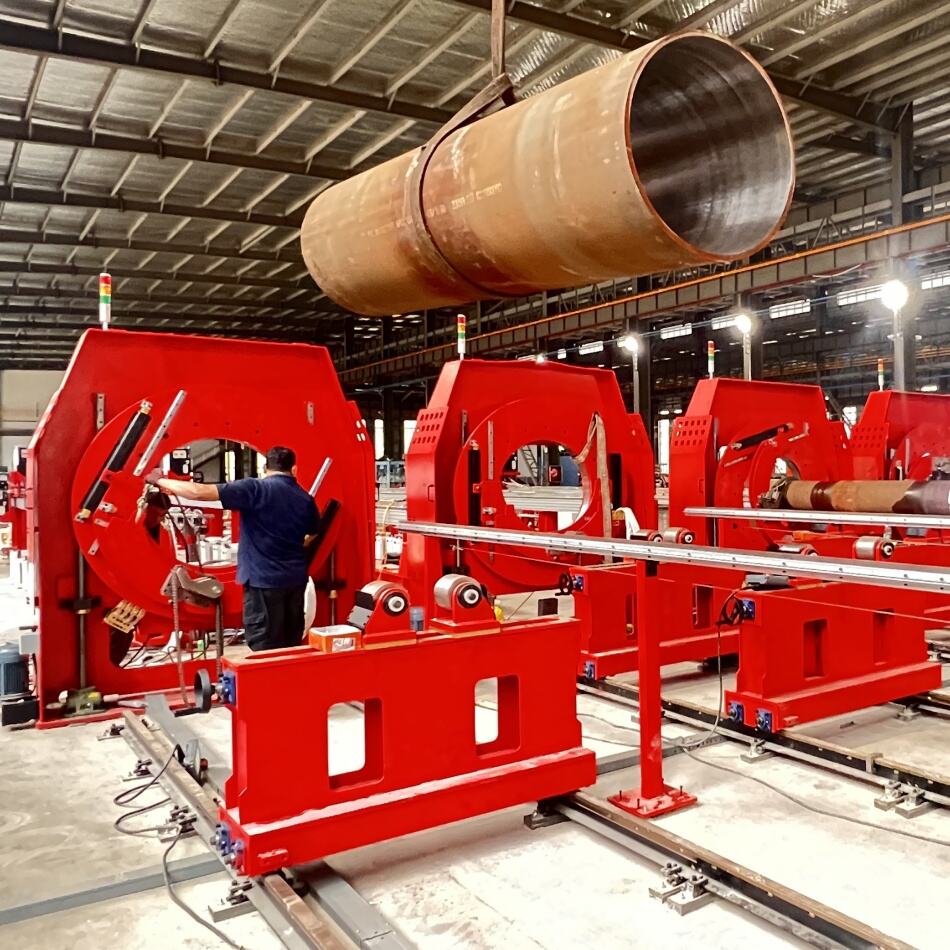
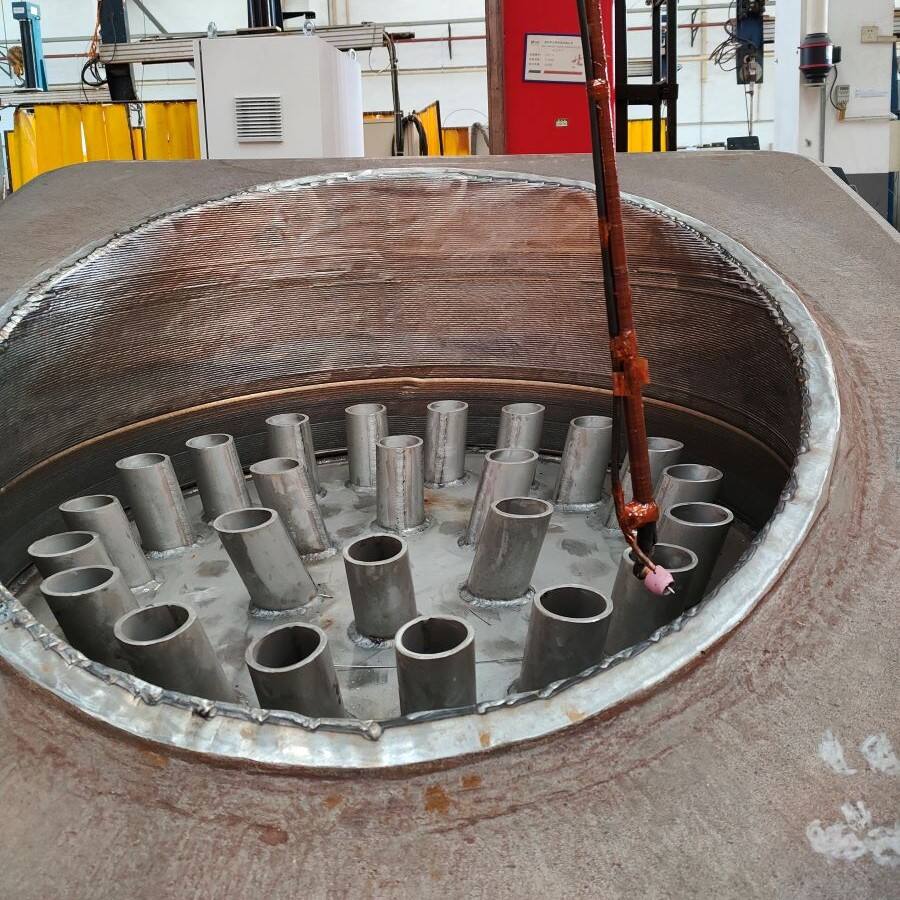
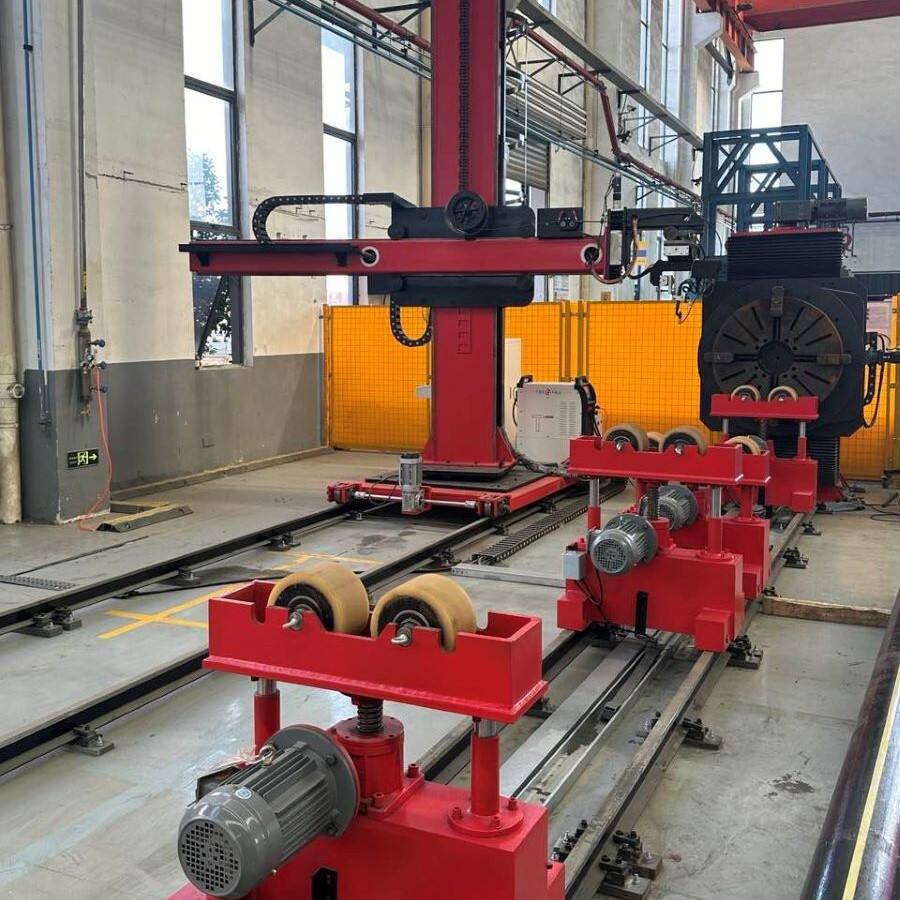
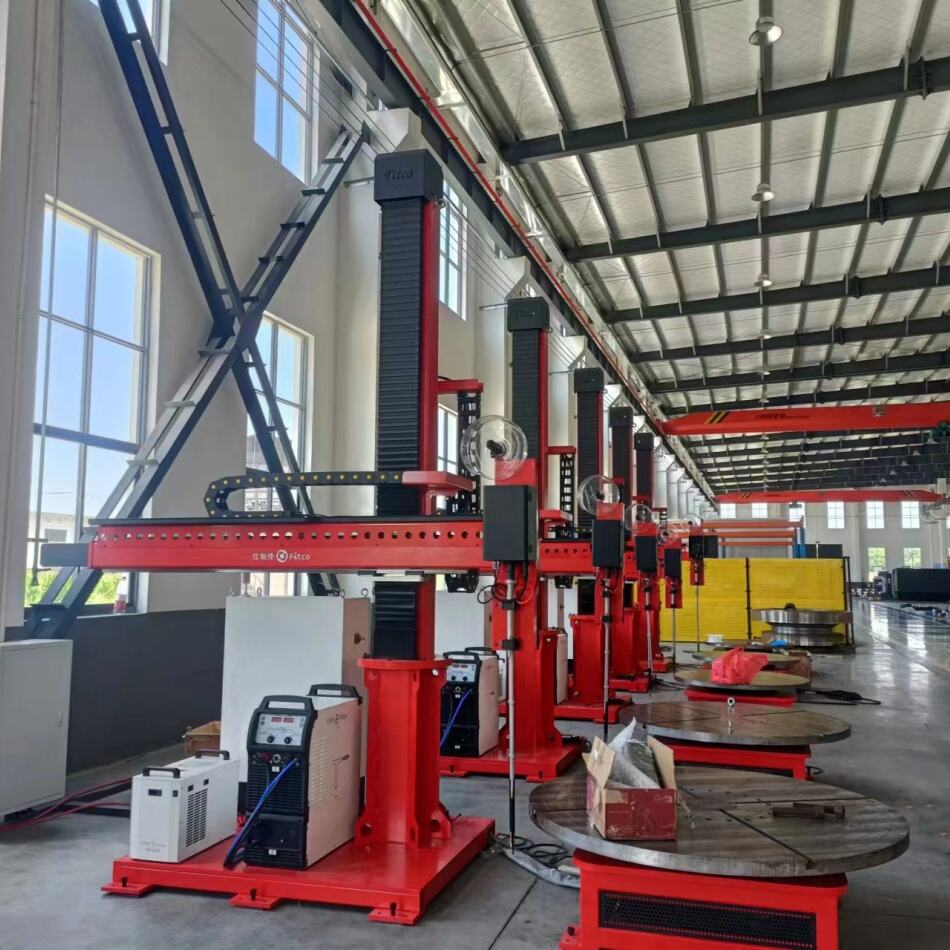
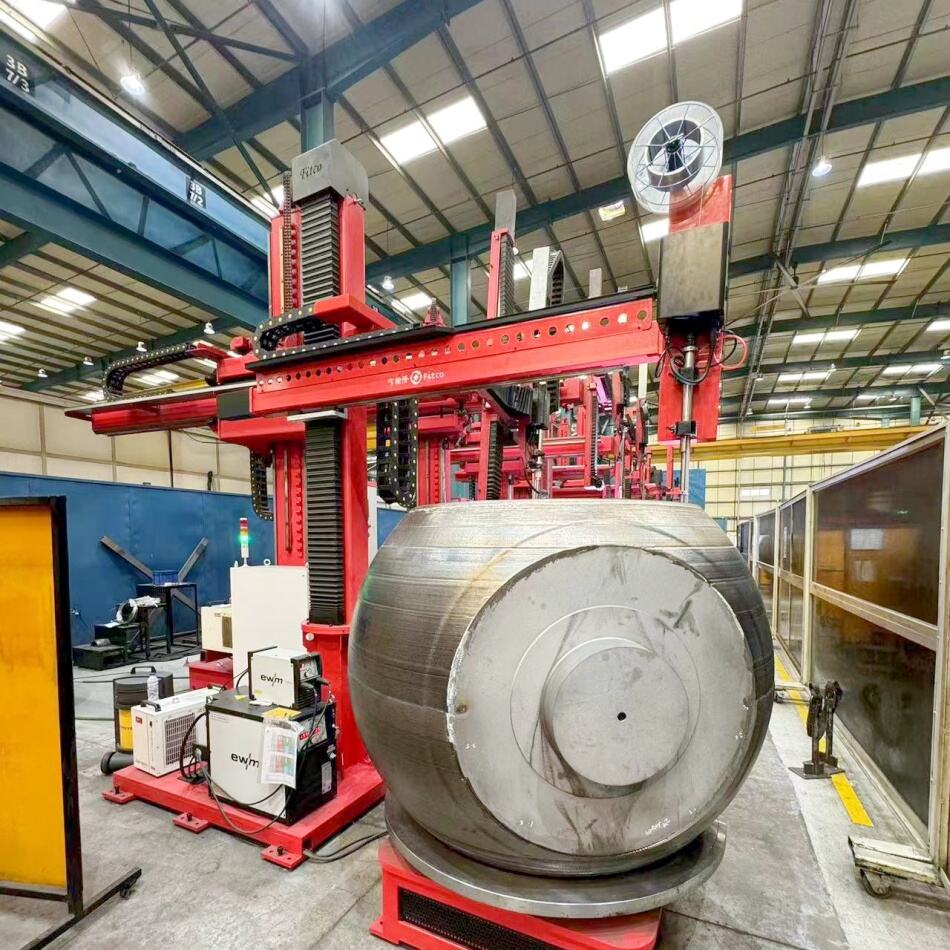
एक स्वचालित वेल्डिंग प्रणाली एक उन्नत विनिर्माण समाधान का प्रतिनिधित्व करती है जो रोबोटिक्स, उन्नत सेंसर और सटीक नियंत्रण तंत्रों को एकीकृत करती है ताकि न्यूनतम मानव हस्तक्षेप के साथ वेल्डिंग कार्यों को किया जा सके। यह प्रौद्योगिकी पारंपरिक हस्तचालित वेल्डिंग प्रक्रियाओं को कंप्यूटर-नियंत्रित उपकरणों के एकीकरण द्वारा बदल देती है, जो अत्यधिक सुसंगतता और सटीकता के साथ वेल्ड को निष्पादित करते हैं। स्वचालित वेल्डिंग प्रणाली में कई मुख्य घटक शामिल हैं, जिनमें रोबोटिक भुजाएँ, वेल्डिंग शक्ति स्रोत, तार फीडर, गैस वितरण प्रणालियाँ और पूरे संचालन को समन्वित करने वाला उन्नत नियंत्रण सॉफ़्टवेयर शामिल हैं। स्वचालित वेल्डिंग प्रणाली के मुख्य कार्यों में सटीक जॉइंट तैयारी, वास्तविक समय में आर्क निगरानी, अनुकूली पैरामीटर समायोजन और गुणवत्ता नियंत्रण सत्यापन शामिल हैं। इन प्रणालियों में अनुप्रयोग की आवश्यकताओं के आधार पर विभिन्न वेल्डिंग प्रक्रियाओं जैसे गैस मेटल आर्क वेल्डिंग (GMAW), गैस टंगस्टन आर्क वेल्डिंग (GTAW) और सबमर्ज्ड आर्क वेल्डिंग (SAW) का उपयोग किया जाता है। प्रौद्योगिकीगत विशेषताओं में प्रोग्राम करने योग्य वेल्डिंग अनुक्रम, बहु-अक्ष स्थिति निर्धारण क्षमता, सीम ट्रैकिंग सेंसर और एकीकृत सुरक्षा प्रोटोकॉल शामिल हैं। उन्नत दृष्टि प्रणालियाँ स्वचालित वेल्डिंग प्रणाली को जॉइंट के स्थान की पहचान करने, प्रवेश गहराई की निगरानी करने और वेल्डिंग प्रक्रिया के दौरान संभावित दोषों का पता लगाने में सक्षम बनाती हैं। इनके अनुप्रयोग ऑटोमोटिव विनिर्माण, जहाज निर्माण, पाइपलाइन निर्माण, एयरोस्पेस निर्माण और भारी मशीनरी उत्पादन सहित विभिन्न क्षेत्रों में फैले हुए हैं। ऑटोमोटिव संयंत्रों में, स्वचालित वेल्डिंग प्रणालियाँ शरीर पैनल जॉइंट्स और संरचनात्मक कनेक्शन बनाने के लिए उपयोग की जाती हैं। जहाज निर्माण यार्ड इन प्रणालियों का उपयोग हल वेल्डिंग और डेक असेंबली कार्यों के लिए करते हैं। पाइपलाइन परियोजनाएँ बड़े व्यास के पाइपों पर सुसंगत परिधीय वेल्ड के लिए स्वचालित वेल्डिंग प्रणालियों का उपयोग करती हैं। एयरोस्पेस निर्माता इस प्रौद्योगिकी पर आधारित महत्वपूर्ण घटकों के निर्माण के लिए निर्भर करते हैं, जहाँ सटीकता और दोहराव की क्षमता अत्यंत महत्वपूर्ण है। स्वचालित वेल्डिंग प्रणाली का उपयोग निर्माण उपकरण विनिर्माण, दबाव पात्र निर्माण और संरचनात्मक इस्पात असेंबली में भी किया जाता है। ये बहुमुखी प्रणालियाँ कार्बन स्टील, स्टेनलेस स्टील, एल्यूमीनियम मिश्र धातुओं और विशिष्ट धातुओं सहित विभिन्न प्रकार के सामग्री प्रकारों के अनुकूल होती हैं, जिससे वे आधुनिक विनिर्माण वातावरणों में अपरिहार्य उपकरण बन जाती हैं, जहाँ गुणवत्ता, दक्षता और सुरक्षा शीर्ष प्राथमिकताएँ बनी रहती हैं।

 EN
EN
 AR
AR BG
BG HR
HR CS
CS DA
DA NL
NL FI
FI FR
FR DE
DE EL
EL HI
HI IT
IT JA
JA KO
KO NO
NO PL
PL PT
PT RO
RO RU
RU ES
ES SV
SV TL
TL IW
IW ID
ID LT
LT UK
UK SQ
SQ HU
HU TH
TH TR
TR FA
FA AF
AF CY
CY MK
MK LA
LA MN
MN KK
KK UZ
UZ KY
KY