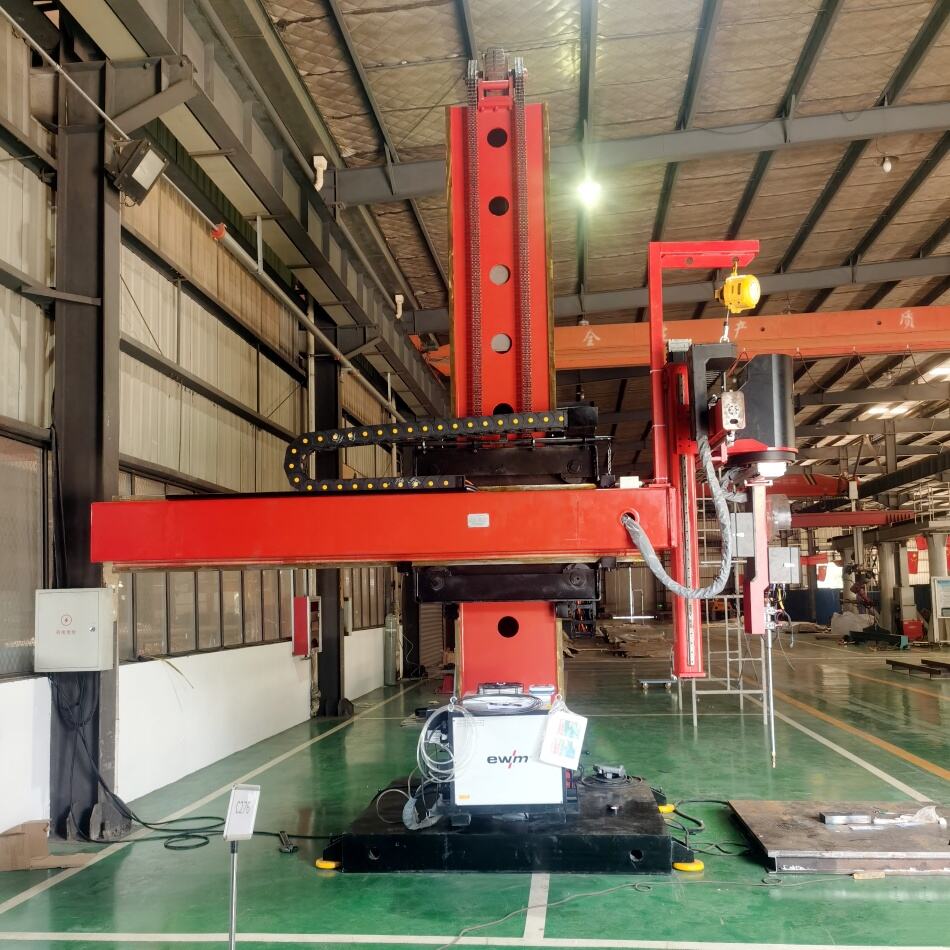
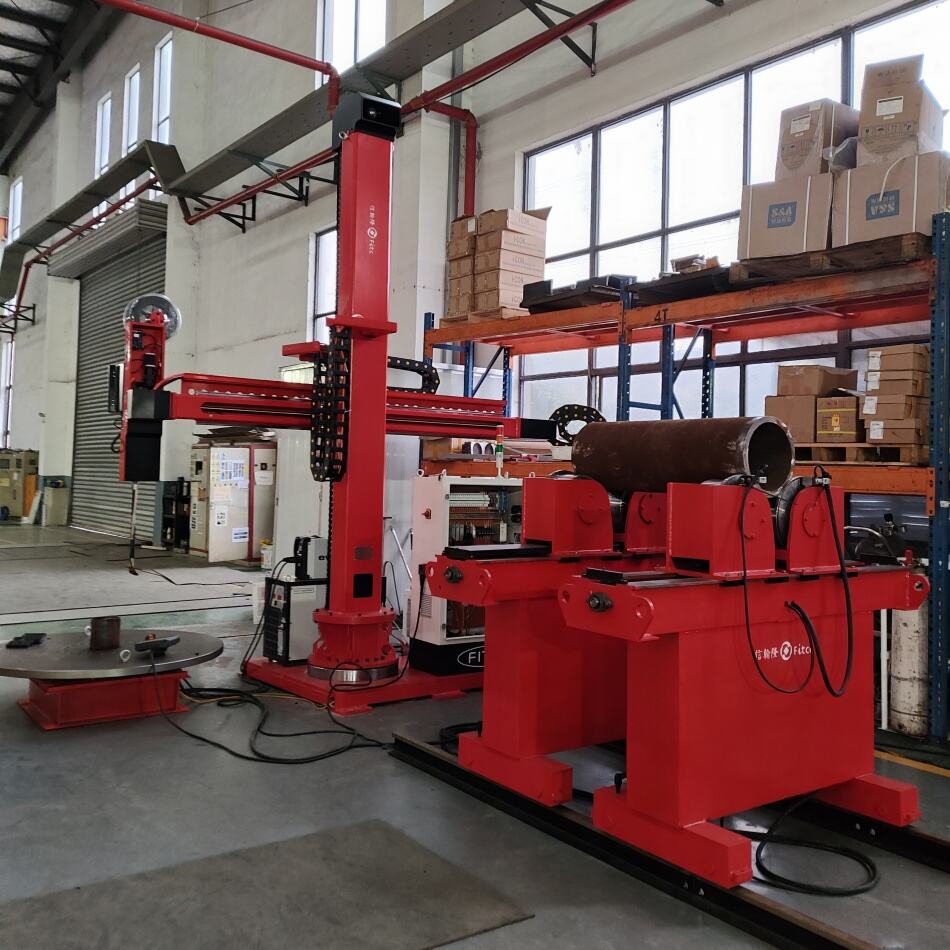
Professional Welding Machine Equipment - Advanced Industrial Solutions for Superior Metal Fabrication

Contact me immediately if you encounter problems!

All Categories

Get a Free Quote

Our representative will contact you soon.
Email
Mobile/WhatsApp
Name
Company Name
Message
0/1000

Get a Free Quote

Our representative will contact you soon.
Email
Mobile/WhatsApp
Name
Company Name
Message
0/1000

welding machine equipment

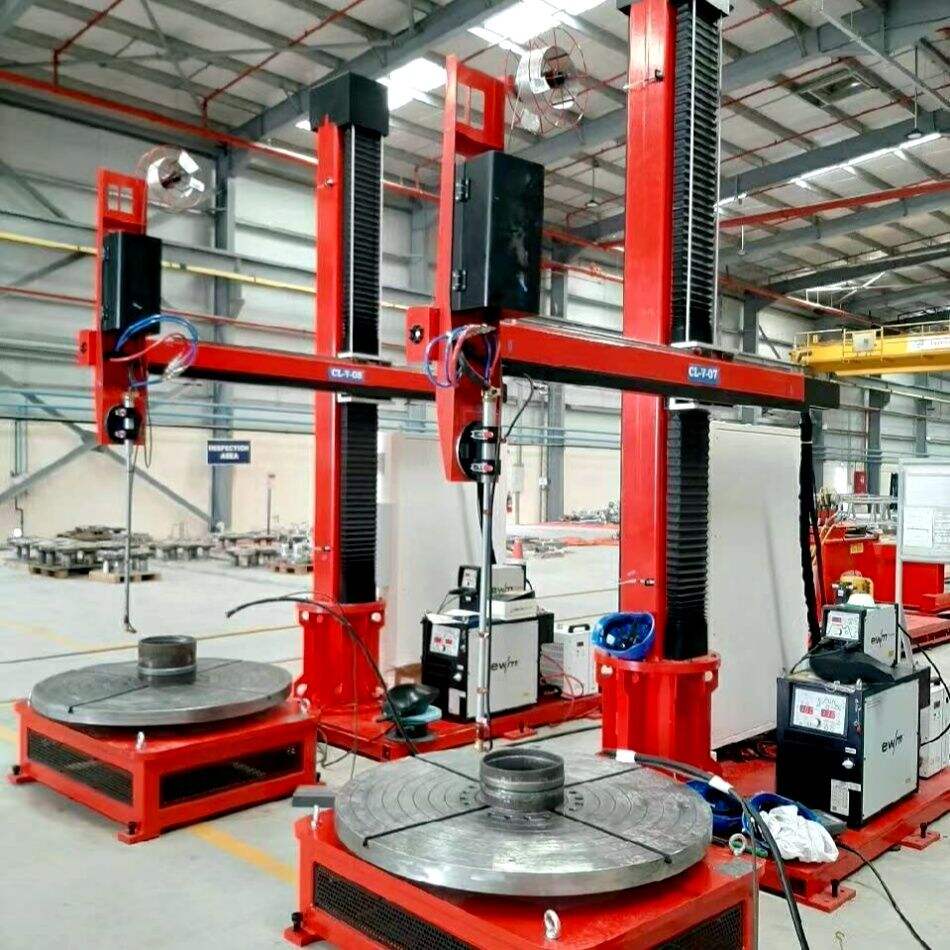
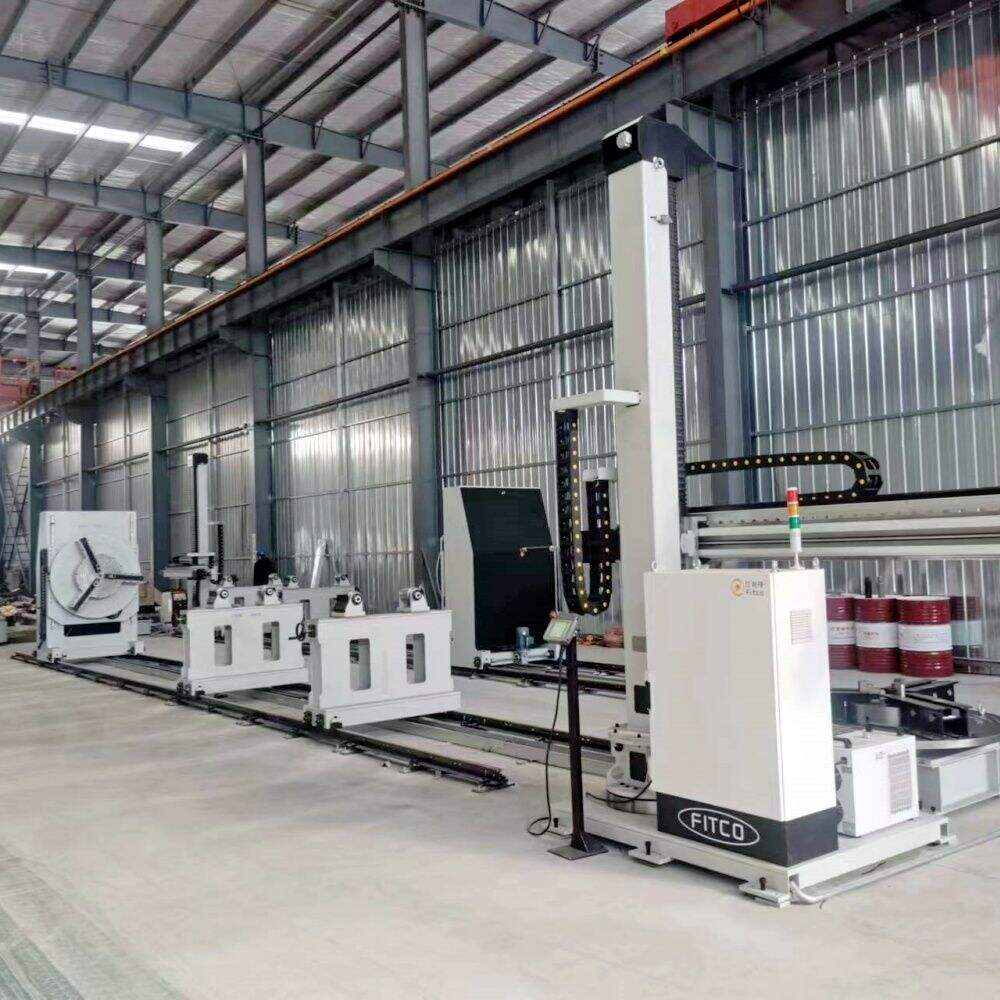
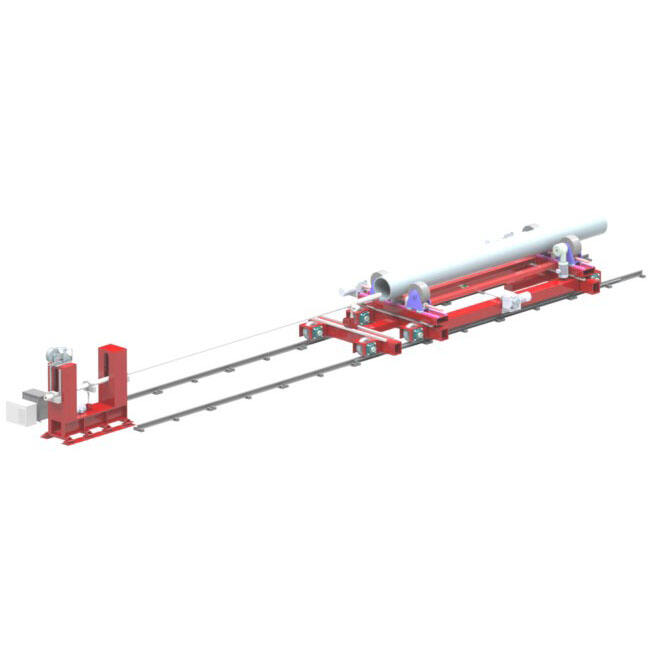
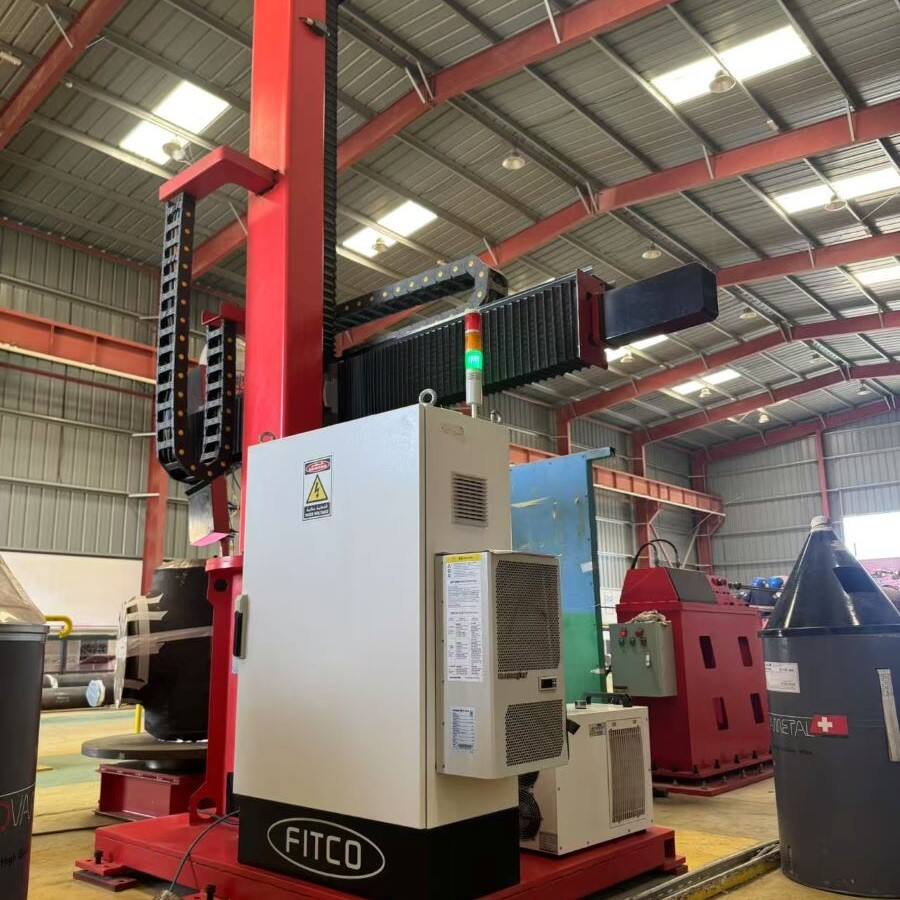
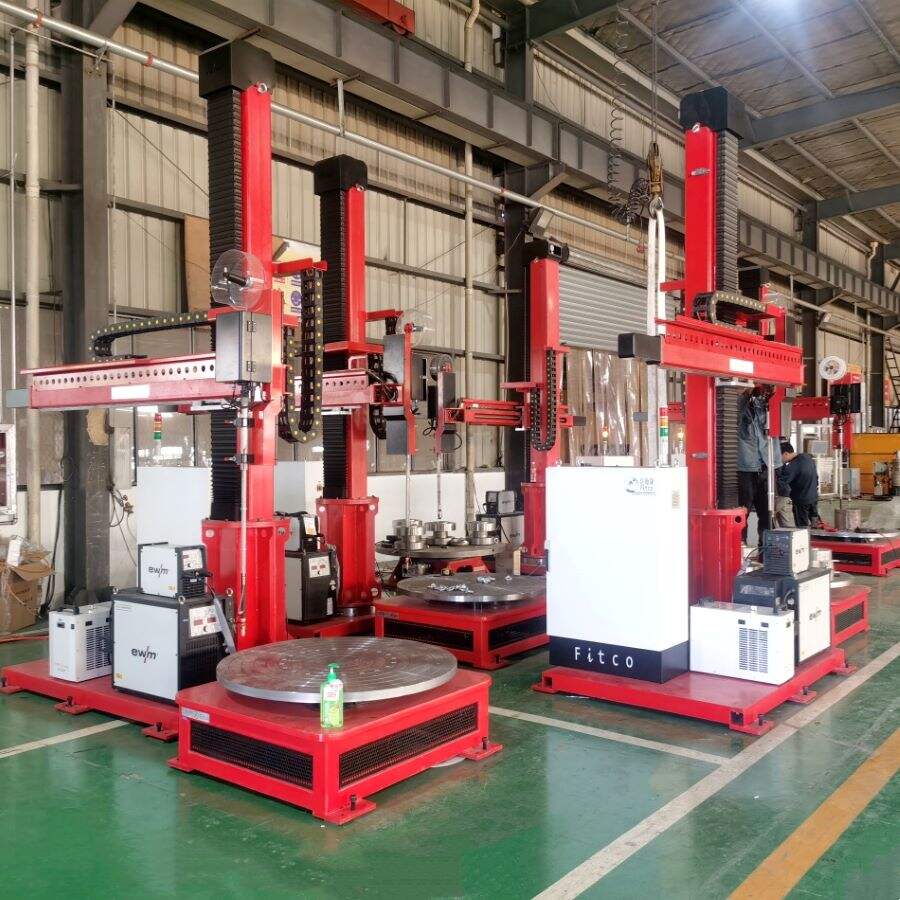
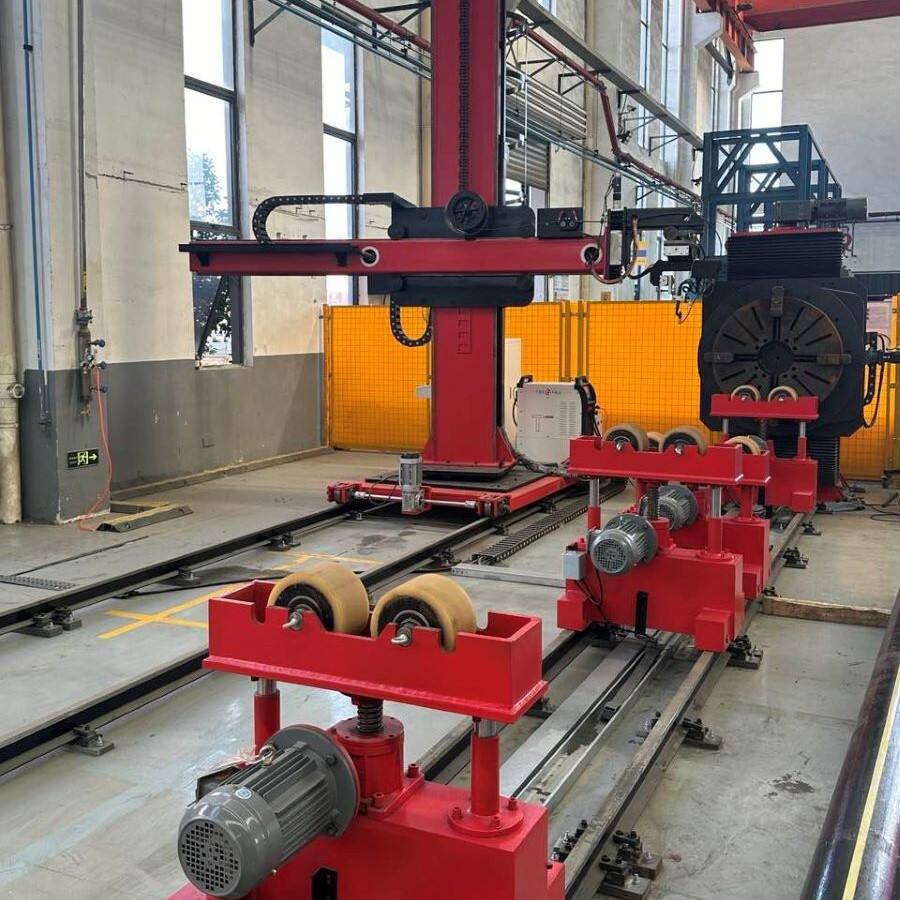
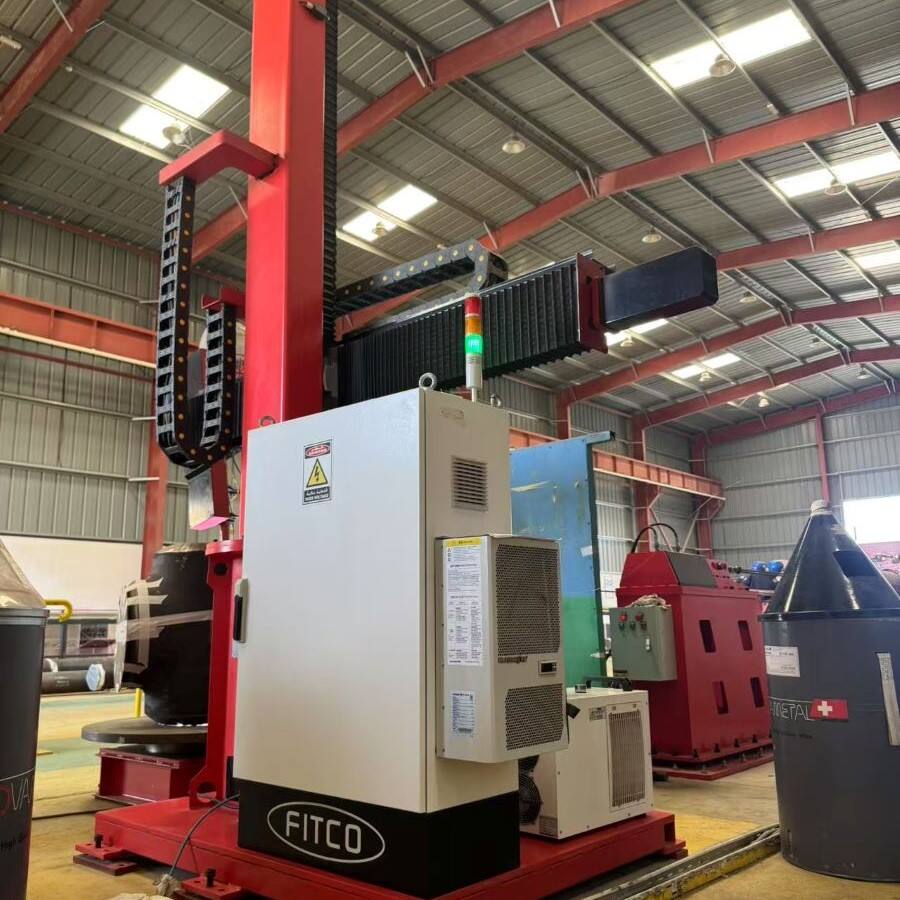
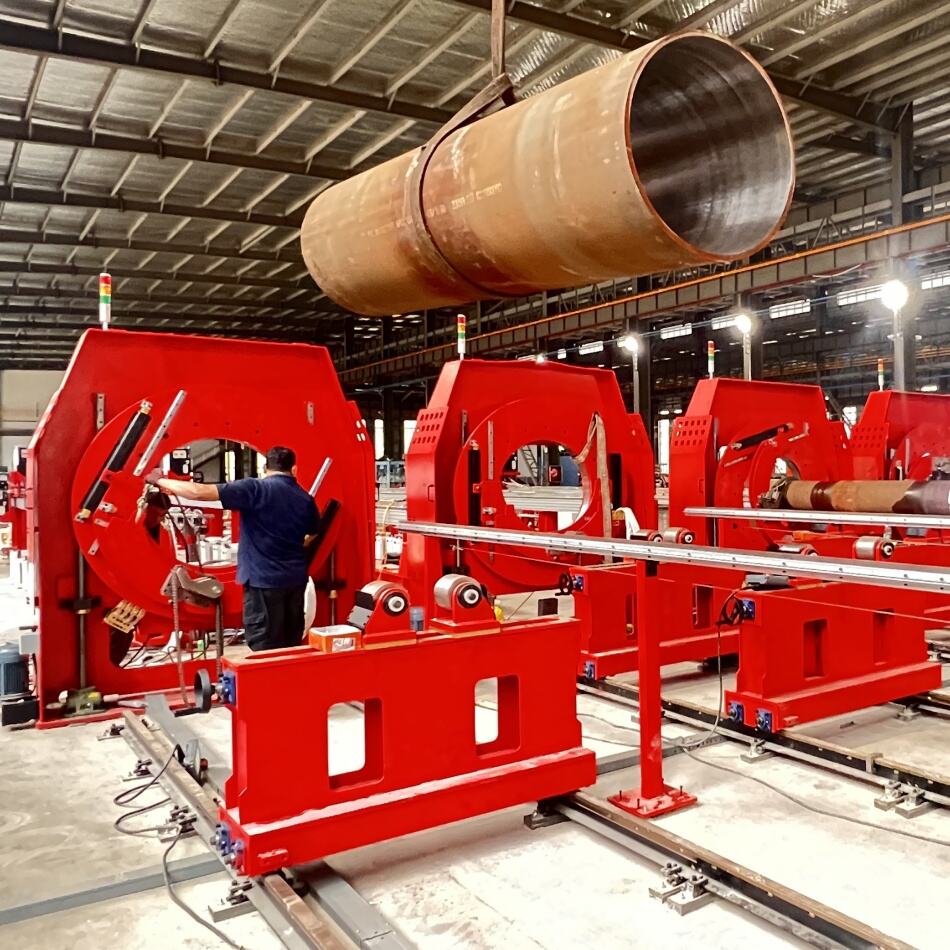
Welding machine equipment represents the cornerstone of modern metal fabrication and industrial manufacturing processes. These sophisticated devices create permanent joints between metal components through various technological approaches, including arc welding, MIG welding, TIG welding, and resistance welding methods. Contemporary welding machine equipment incorporates advanced digital controls, precise amperage regulation, and automated feeding systems that deliver consistent, high-quality results across diverse applications. The core functionality revolves around generating controlled electrical energy that melts base metals and filler materials, forming strong metallurgical bonds upon cooling. Modern welding machine equipment features inverter technology that significantly reduces weight while increasing efficiency and portability compared to traditional transformer-based units. These machines typically offer variable voltage and current settings, allowing operators to customize parameters for different material thicknesses, joint configurations, and welding positions. Advanced welding machine equipment includes built-in safety systems such as thermal overload protection, voltage surge protection, and automatic shut-off mechanisms that prevent equipment damage and enhance operator safety. Digital displays provide real-time monitoring of welding parameters, ensuring optimal performance and enabling precise adjustments during operation. Many contemporary models incorporate synergistic control systems that automatically adjust wire speed and voltage based on operator-selected material types and thicknesses. The technological sophistication extends to pulse welding capabilities, which reduce heat input and minimize distortion in thin materials. Professional-grade welding machine equipment often includes advanced features like slope control for crater filling, pre-flow and post-flow gas timing, and hot start functions that facilitate arc initiation. These machines serve critical roles in automotive manufacturing, construction projects, shipbuilding, pipeline installation, and general fabrication work, making them indispensable tools for professional welders and industrial operations worldwide.

Popular Products

Professional welding machine equipment delivers exceptional value through superior performance capabilities that directly translate into increased productivity and cost savings for operators. These machines enable faster completion of welding projects through consistent arc stability and optimal heat distribution, reducing the time required for each joint while maintaining superior quality standards. The advanced inverter technology found in modern welding machine equipment provides remarkable energy efficiency, consuming significantly less electricity compared to older transformer-based alternatives, resulting in reduced operational costs over time. This efficiency improvement can decrease energy consumption by up to forty percent, making these machines environmentally responsible choices for businesses focused on sustainability. The lightweight design of contemporary welding machine equipment enhances portability, allowing operators to easily transport equipment between job sites and work positions without excessive physical strain or additional lifting equipment. Digital control systems eliminate guesswork by providing precise parameter settings and real-time feedback, enabling even novice operators to achieve professional-quality results with minimal training time. The enhanced arc stability reduces spatter formation and creates cleaner welds with less post-weld cleanup required, saving both time and consumable materials. Superior duty cycle ratings in professional welding machine equipment enable continuous operation for extended periods without mandatory cooling breaks, significantly improving productivity in high-volume manufacturing environments. The machines incorporate advanced safety features that protect both operators and equipment from electrical hazards, thermal damage, and operational errors, reducing workplace accidents and insurance costs. Consistent welding parameters ensure repeatable results, eliminating the variability that leads to rework and material waste in production environments. The versatility of modern welding machine equipment allows single units to handle multiple welding processes, eliminating the need for separate machines and reducing capital investment requirements. Built-in diagnostics and error codes simplify troubleshooting and maintenance procedures, minimizing downtime and extending equipment lifespan. These advantages combine to create compelling economic benefits, including reduced labor costs, decreased material waste, improved quality control, and enhanced workplace safety, making professional welding machine equipment a smart investment for businesses seeking to optimize their fabrication operations and maintain competitive advantage in demanding markets.

Latest News

Mastering Aluminum: Why an acdc tig welder is Non-Negotiable

16

Mar

Mastering Aluminum: Why an acdc tig welder is Non-Negotiable

Aluminum welding presents unique challenges that demand specialized equipment, making the choice of welding technology critical for achieving professional results. The metallurgical properties of aluminum, including its high thermal conductivity, oxi...
View More
How Can a TIG Welder Deliver Cleaner Industrial Welds?

22

Dec

How Can a TIG Welder Deliver Cleaner Industrial Welds?

Industrial welding operations demand precision, reliability, and exceptional quality standards that can make or break critical infrastructure projects. Among the various welding technologies available today, tungsten inert gas welding stands out as a...
View More
How to Maintain Heating Plates on a butt fusion welding machine

16

Mar

How to Maintain Heating Plates on a butt fusion welding machine

Proper maintenance of heating plates on a butt fusion welding machine is critical for achieving consistent, high-quality pipe joints and extending equipment lifespan. These heating plates serve as the primary heat transfer component that brings therm...
View More
How Can Longitudinal TIG Equipment Improve Weld Uniformity?

13

Jan

How Can Longitudinal TIG Equipment Improve Weld Uniformity?

Achieving consistent weld quality across extended seams remains one of the most challenging aspects of modern fabrication. Manufacturing industries demand precision welding solutions that deliver uniform penetration, minimal distortion, and reliable ...
View More

Get a Free Quote

Our representative will contact you soon.
Email
Mobile/WhatsApp
Name
Company Name
Message
0/1000

welding machine equipment

Advanced Digital Control Systems for Precision Welding

Advanced Digital Control Systems for Precision Welding

Modern welding machine equipment incorporates sophisticated digital control systems that revolutionize welding precision and consistency across all applications. These intelligent systems utilize microprocessor technology to continuously monitor and adjust welding parameters in real-time, ensuring optimal performance regardless of material variations or environmental conditions. The digital interface provides operators with intuitive controls that display exact voltage, current, and wire speed settings, eliminating guesswork and enabling precise parameter selection for different materials and joint configurations. These advanced control systems feature synergistic programming that automatically coordinates multiple welding variables simultaneously, maintaining perfect balance between wire feed speed, voltage output, and gas flow rates. Professional welding machine equipment with digital controls includes memory settings that store frequently used parameter combinations, allowing operators to quickly recall optimal settings for specific applications without manual adjustment. The systems incorporate adaptive arc control technology that automatically compensates for arc length variations, maintaining consistent penetration and bead appearance even when operators experience slight hand movement during welding. Error detection capabilities within the digital control systems identify potential issues before they affect weld quality, providing audible and visual alerts when parameters drift outside acceptable ranges. The precision offered by these digital systems significantly reduces operator skill requirements while simultaneously improving weld quality consistency, making professional-level results achievable for operators with varying experience levels. Advanced welding machine equipment often includes connectivity features that enable data logging and remote monitoring capabilities, allowing supervisors to track welding parameters and productivity metrics for quality assurance purposes. The digital control systems also provide diagnostic information that simplifies troubleshooting and maintenance procedures, reducing downtime and extending equipment operational life. These sophisticated control systems represent a quantum leap forward in welding technology, transforming welding machine equipment from simple power sources into intelligent manufacturing tools that enhance productivity, quality, and operator capability across diverse industrial applications.
Superior Energy Efficiency with Inverter Technology

Superior Energy Efficiency with Inverter Technology

Contemporary welding machine equipment leverages cutting-edge inverter technology that delivers unprecedented energy efficiency while maintaining superior welding performance across all applications. This revolutionary technology converts input power through high-frequency switching circuits, achieving efficiency rates exceeding ninety percent compared to traditional transformer-based welding systems that typically operate at sixty to seventy percent efficiency. The inverter design in professional welding machine equipment significantly reduces power consumption during idle periods through intelligent standby modes that minimize energy waste between welding operations. This efficiency improvement translates directly into reduced electrical operating costs, particularly beneficial for high-volume production environments where welding machine equipment operates continuously throughout production shifts. The lightweight construction enabled by inverter technology eliminates heavy iron transformers, reducing equipment weight by up to seventy percent while maintaining equivalent power output capabilities. This weight reduction enhances portability and reduces transportation costs for mobile welding operations and field service applications. Inverter-based welding machine equipment provides superior arc stability through precise current control that maintains consistent welding parameters regardless of input voltage fluctuations or load variations. The technology enables faster response times to operator input changes, improving arc starting characteristics and reducing the occurrence of cold starts that can compromise weld quality. Professional welding machine equipment with inverter technology operates effectively across wider input voltage ranges, accommodating various power supply conditions without performance degradation. The reduced electromagnetic interference generated by modern inverter systems minimizes disruption to nearby electronic equipment and communication systems, making these machines suitable for sensitive work environments. The compact design facilitated by inverter technology allows manufacturers to incorporate additional features and controls within smaller equipment footprints, maximizing functionality while minimizing workspace requirements. Environmental benefits include reduced carbon footprint through decreased energy consumption and elimination of hazardous materials traditionally used in transformer construction. The superior efficiency and performance characteristics of inverter technology position modern welding machine equipment as essential tools for businesses seeking to optimize energy consumption while maintaining highest quality standards in their fabrication operations.
Exceptional Durability and Reliability for Industrial Applications

Exceptional Durability and Reliability for Industrial Applications

Professional welding machine equipment demonstrates exceptional durability and reliability through robust construction designed to withstand demanding industrial environments and continuous operation cycles. These machines incorporate heavy-duty components including reinforced chassis, industrial-grade circuit boards, and high-temperature resistant insulation materials that maintain performance integrity under extreme operational conditions. The thermal management systems in quality welding machine equipment utilize advanced cooling technologies including forced air circulation, heat sinks, and thermal monitoring circuits that prevent overheating during extended welding sessions. Professional-grade machines feature duty cycle ratings that indicate continuous operation capabilities, with premium models achieving one hundred percent duty cycles at maximum output, enabling non-stop production without mandatory cooling periods. The electrical components within reliable welding machine equipment undergo rigorous testing and quality control procedures to ensure consistent performance throughout extended operational lifespans measured in years rather than months. These machines incorporate multiple protection systems including overcurrent protection, thermal overload circuits, and voltage spike suppression that safeguard internal components from electrical damage and external power anomalies. The mechanical construction utilizes corrosion-resistant materials and protective coatings that maintain equipment integrity in harsh environments including outdoor construction sites, marine applications, and chemical processing facilities. Quality welding machine equipment features modular component designs that facilitate easy maintenance and component replacement, minimizing downtime and extending overall equipment life through efficient service procedures. The reliability engineering approach includes redundant safety systems and fail-safe mechanisms that prevent catastrophic failures and protect both equipment and operators from potential hazards. Professional welding machine equipment undergoes extensive field testing and validation procedures that verify performance consistency across diverse operating conditions and applications. The combination of superior component quality, advanced protection systems, and robust mechanical construction ensures that professional welding machine equipment delivers consistent performance throughout demanding production schedules while maintaining minimal maintenance requirements. This exceptional durability provides significant economic value through reduced replacement costs, minimized downtime, and consistent production output that supports business profitability and customer satisfaction in competitive manufacturing environments where reliability directly impacts operational success and market reputation.

Get a Free Quote

Our representative will contact you soon.
Email
Mobile/WhatsApp
Name
Company Name
Message
0/1000