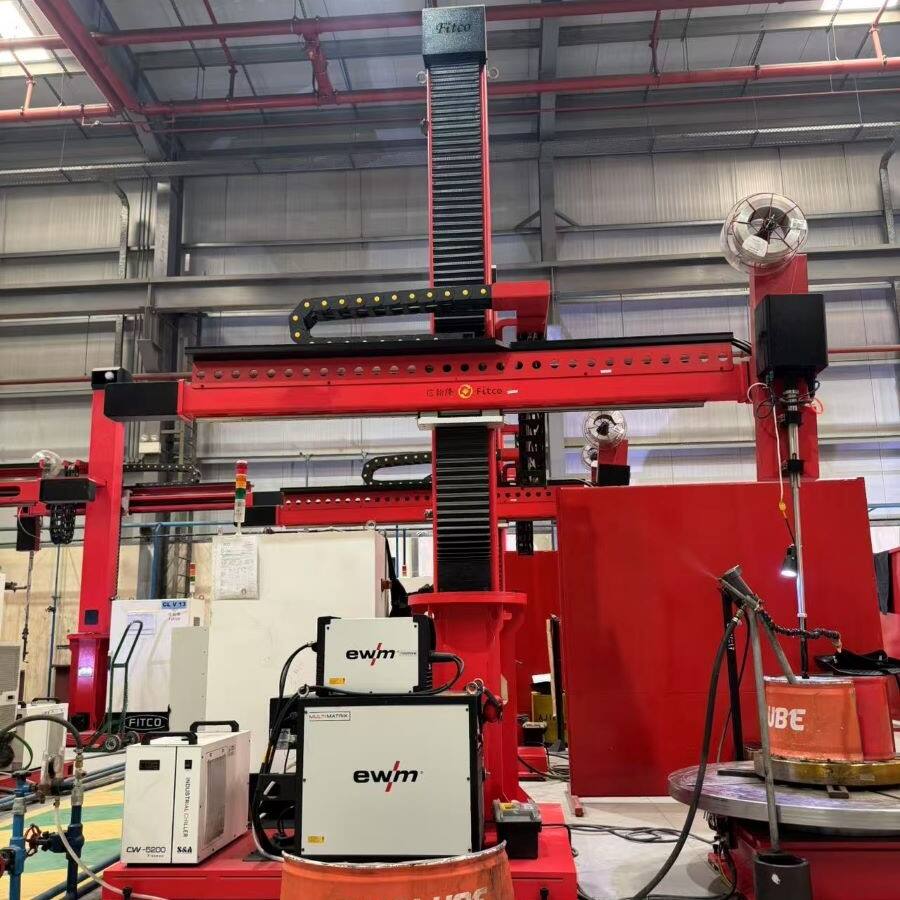
máquina de soldadura TIG CA/CC
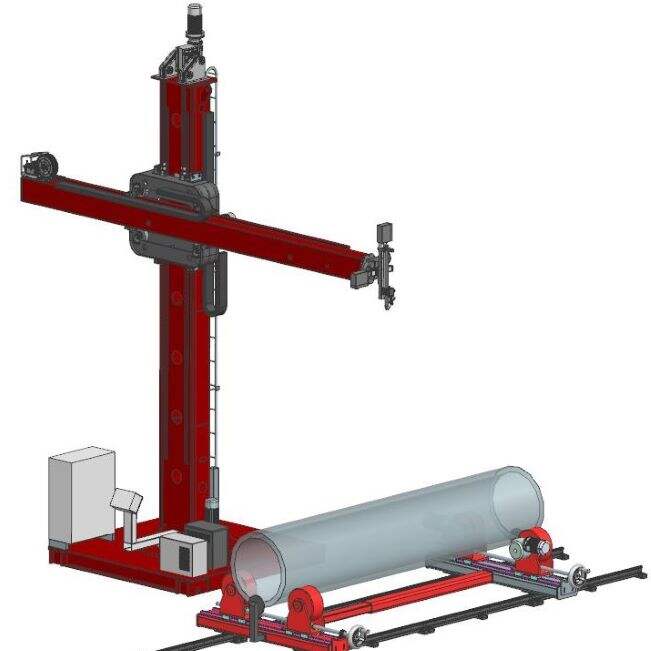
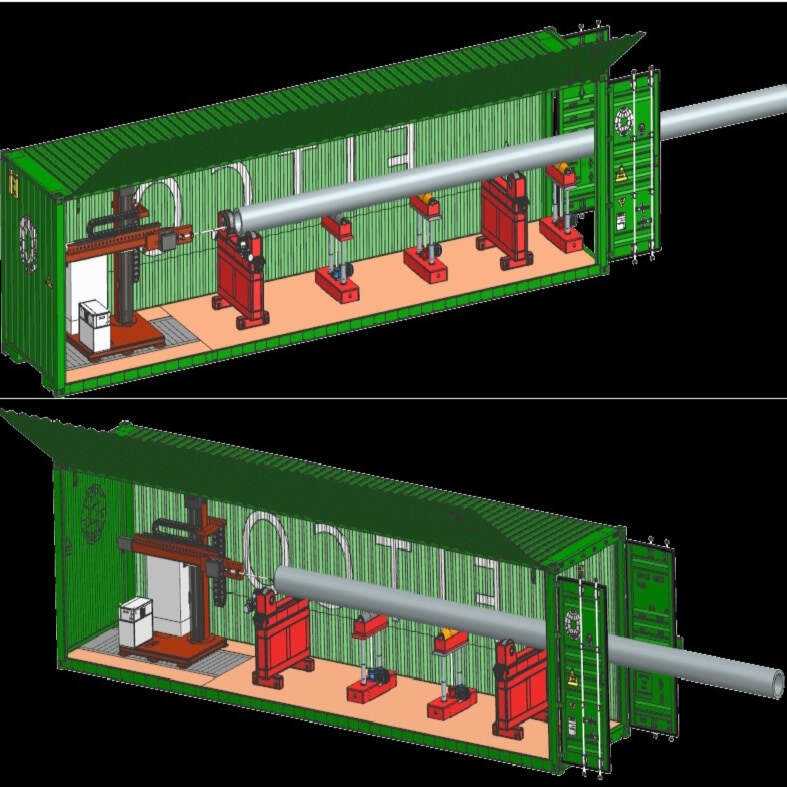
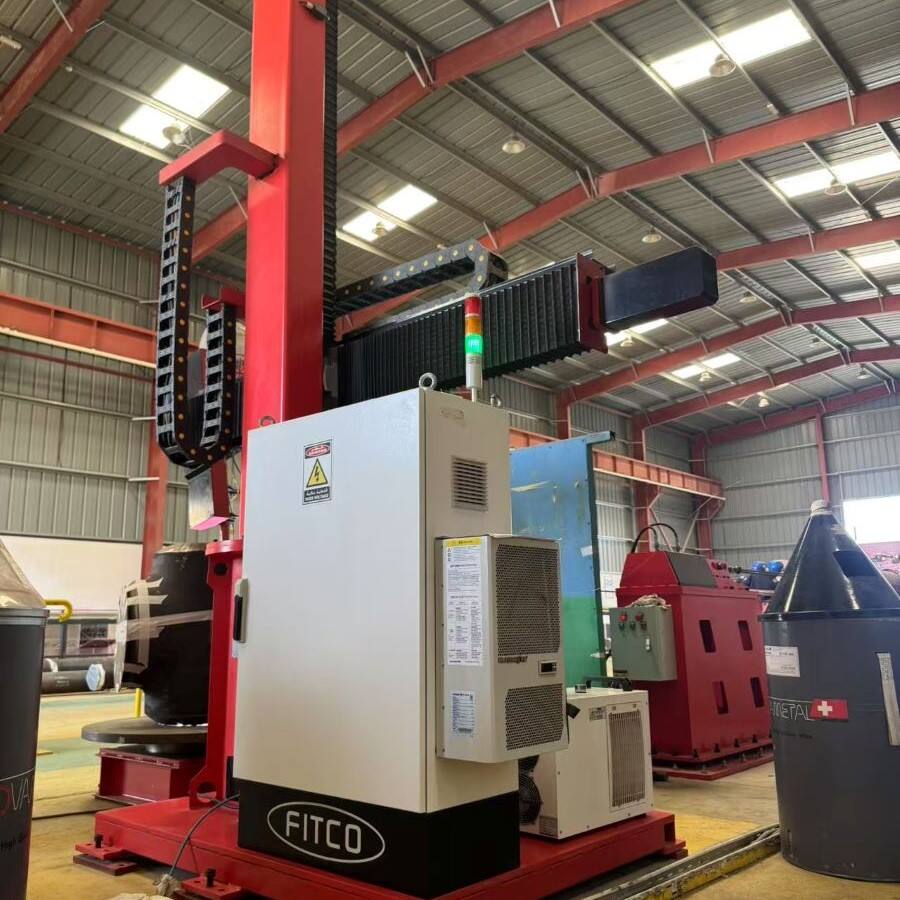
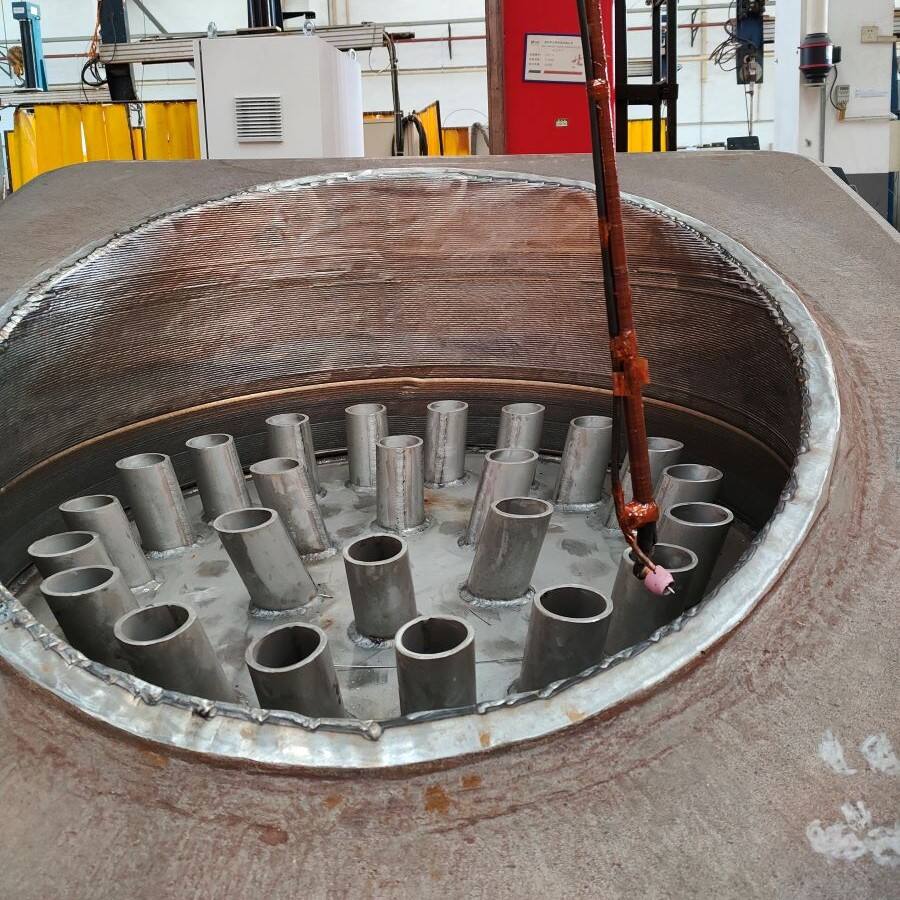
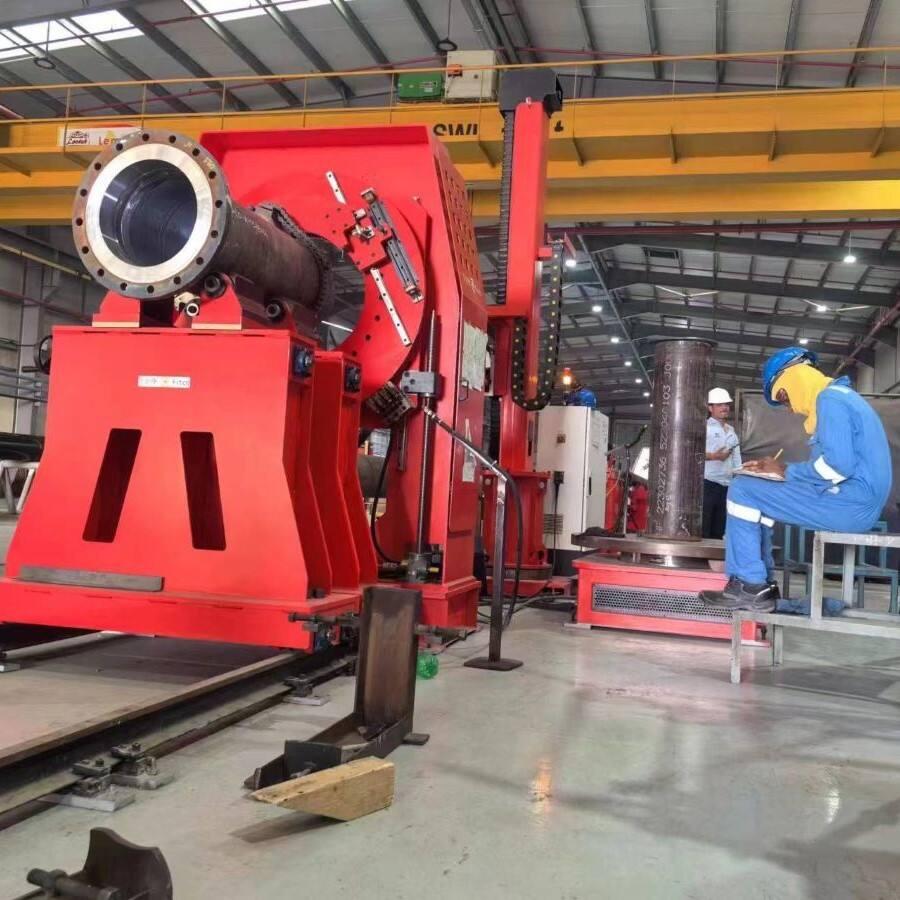
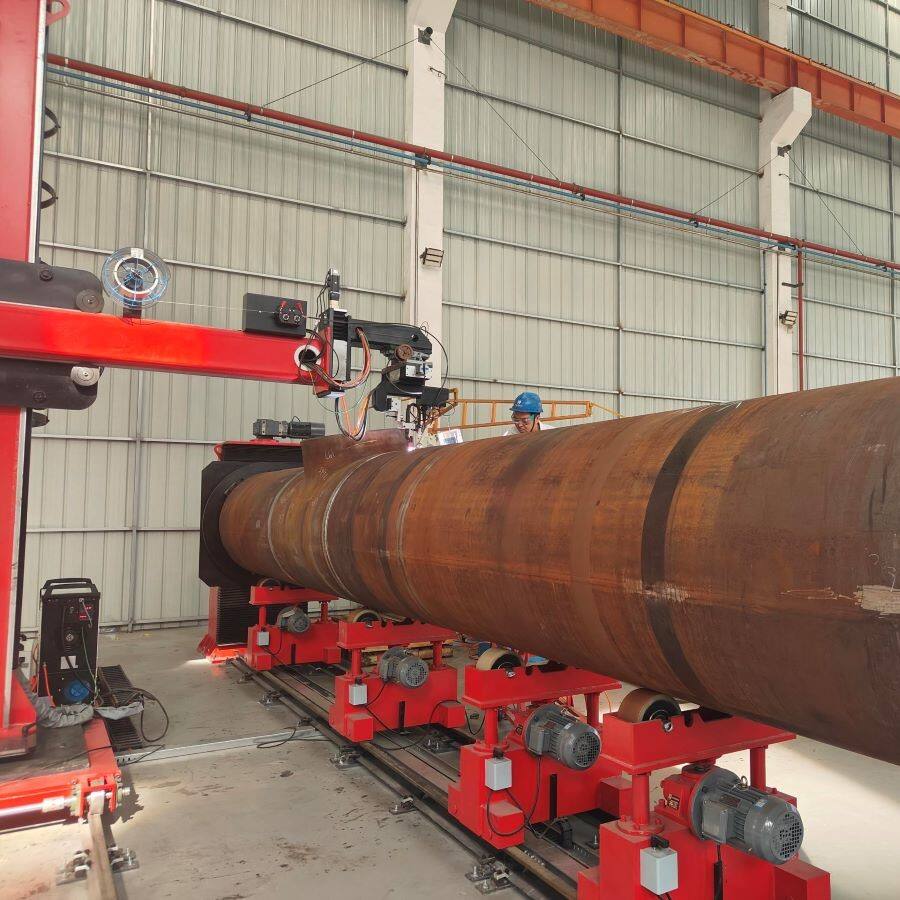
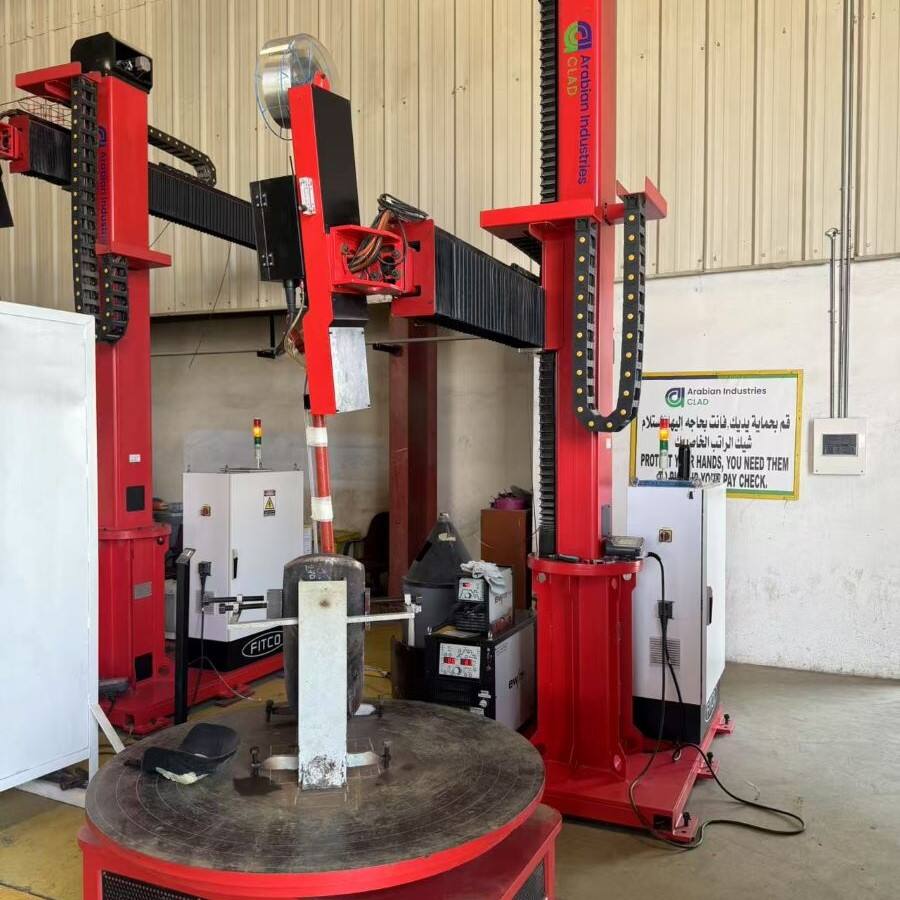
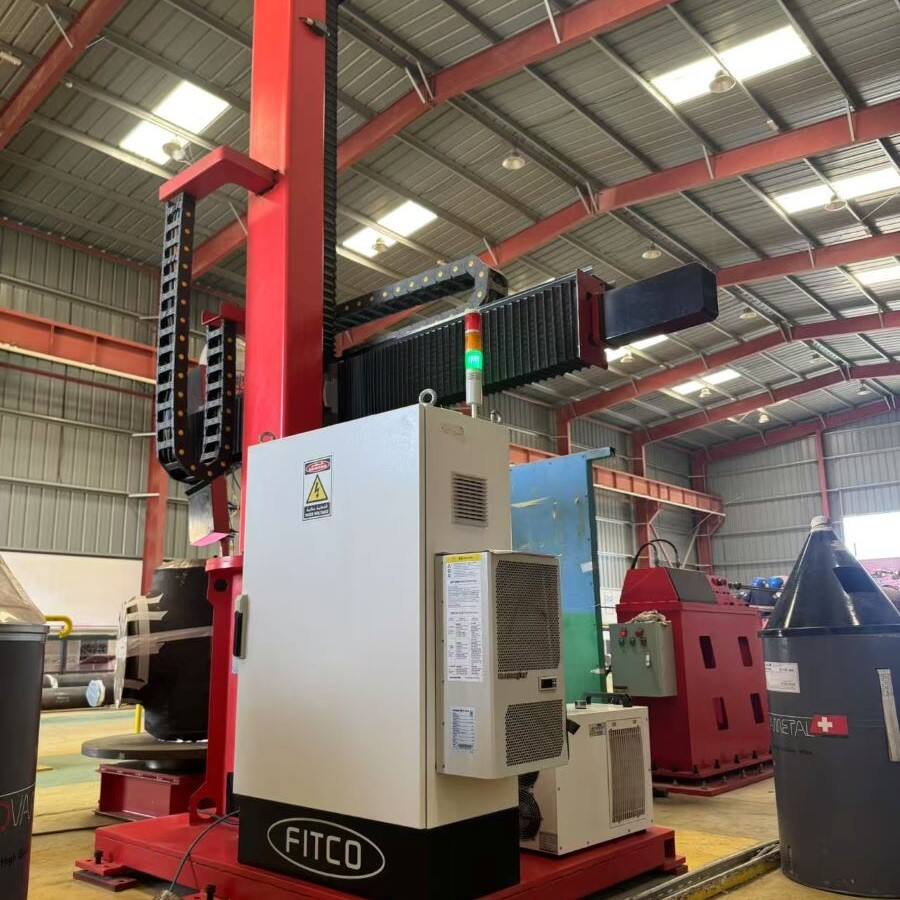
La máquina de soldadura TIG AC/CC representa un punto culminante de la tecnología de soldadura, que combina capacidades de corriente alterna y corriente continua en una única unidad versátil. Este equipo de soldadura avanzado ofrece un rendimiento excepcional para soldadores profesionales que exigen precisión y fiabilidad en su trabajo. La máquina de soldadura TIG AC/CC opera mediante tecnología de soldadura por arco con tungsteno y gas inerte (TIG), que crea una atmósfera protectora alrededor de la zona de soldadura utilizando gases inertes como el argón o el helio. Este proceso garantiza soldaduras limpias y de alta calidad, con mínima contaminación y resultados estéticos superiores. La máquina incorpora controles electrónicos sofisticados que permiten a los soldadores cambiar sin interrupciones entre los modos CA y CC, según el material a soldar. Al trabajar con aleaciones de aluminio y magnesio, el modo CA proporciona una excelente acción de limpieza de óxidos gracias al efecto catódico de limpieza. El modo CC destaca al soldar acero, acero inoxidable, titanio y otros metales ferrosos, ofreciendo una penetración profunda y características estables del arco. Las modernas máquinas de soldadura TIG AC/CC incorporan tecnología inversora que reduce significativamente el peso, al tiempo que mejora la eficiencia energética y la estabilidad del arco. Estas unidades suelen incluir pantallas digitales que brindan retroalimentación en tiempo real sobre los parámetros de soldadura, como amperaje, voltaje y longitud del arco. Los modelos avanzados incluyen capacidades de soldadura por pulsos, lo que ayuda a controlar la entrada de calor y a reducir la distorsión en materiales delgados. Las máquinas suelen equiparse con sistemas de encendido de alta frecuencia que eliminan la necesidad de iniciar el arco por raspado, protegiendo así los electrodos de tungsteno y asegurando una iniciación constante del arco. La compatibilidad con controles remotos permite a los operadores ajustar los parámetros mientras mantienen su concentración en la junta de soldadura. Muchas unidades cuentan con procedimientos de soldadura preprogramados para distintos materiales y espesores, lo que las hace adecuadas tanto para profesionales experimentados como para operadores en formación. La máquina de soldadura TIG AC/CC encuentra aplicaciones en diversos sectores industriales, como la aeroespacial, la automotriz, la construcción naval, la construcción de tuberías y la carpintería metálica arquitectónica, donde la precisión y la calidad son fundamentales.

 EN
EN
 AR
AR BG
BG HR
HR CS
CS DA
DA NL
NL FI
FI FR
FR DE
DE EL
EL HI
HI IT
IT JA
JA KO
KO NO
NO PL
PL PT
PT RO
RO RU
RU ES
ES SV
SV TL
TL IW
IW ID
ID LT
LT UK
UK SQ
SQ HU
HU TH
TH TR
TR FA
FA AF
AF CY
CY MK
MK LA
LA MN
MN KK
KK UZ
UZ KY
KY