
 EN
EN
 AR
AR BG
BG HR
HR CS
CS DA
DA NL
NL FI
FI FR
FR DE
DE EL
EL HI
HI IT
IT JA
JA KO
KO NO
NO PL
PL PT
PT RO
RO RU
RU ES
ES SV
SV TL
TL IW
IW ID
ID LT
LT UK
UK SQ
SQ HU
HU TH
TH TR
TR FA
FA AF
AF CY
CY MK
MK LA
LA MN
MN KK
KK UZ
UZ KY
KY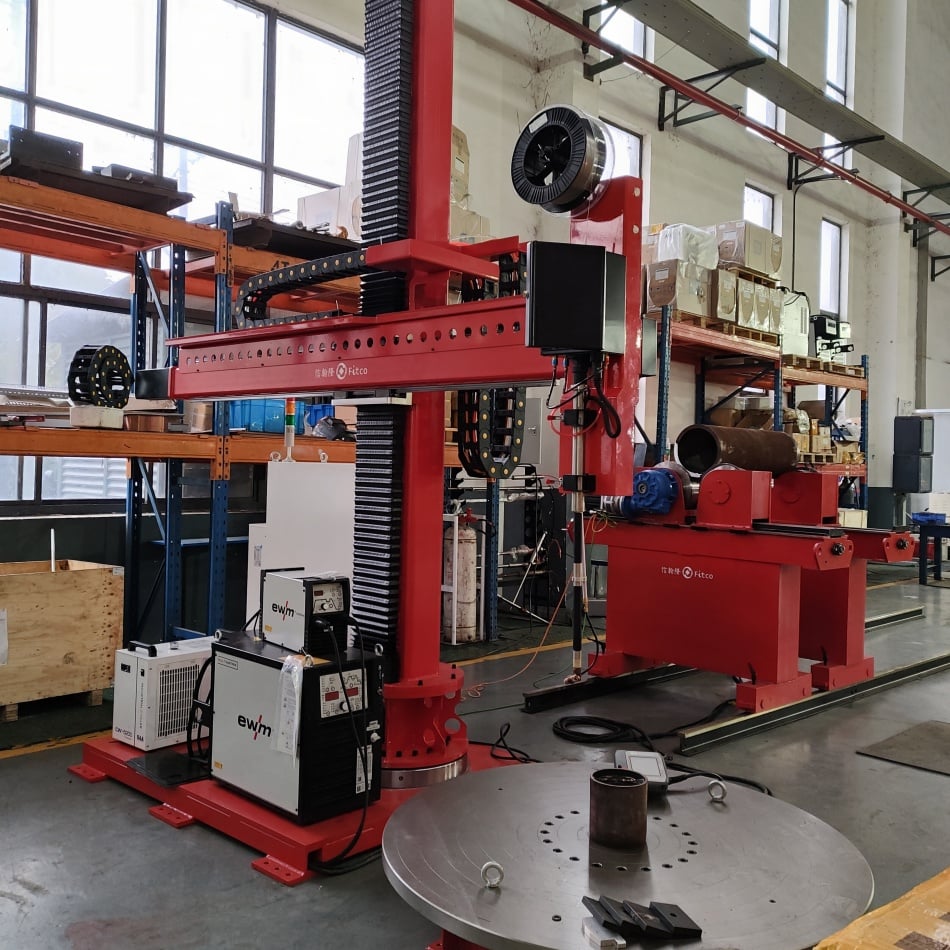
Moderne Fertigungsanlagen stehen zunehmend unter Druck, die Betriebskosten zu senken, ohne dabei die Produktionsqualität einzubüßen. Eine der bedeutendsten Möglichkeiten hierfür besteht darin, auf eine hochwirksame Schweißmaschine umzusteigen, die den Energieverbrauch in Ihren Fertigungsprozessen deutlich reduzieren kann. Eine Schweißmaschine stellt eine erhebliche Kapitalinvestition dar; allein die Energieeinsparungen können die Anschaffungskosten jedoch bereits nach wenigen Monaten oder innerhalb weniger Jahre amortisieren – je nach Ihrer Produktionsmenge. Unternehmen, die auf moderne Schweißtechnologie umsteigen, verzeichnen durchgängig niedrigere Energiekosten und eine verbesserte Gesamtrentabilität. Für Betriebsleiter, Anlageningenieure und Einkaufsverantwortliche, die ihre Ergebnisrechnung optimieren möchten, ist es daher entscheidend zu verstehen, warum eine besonders effiziente Schweißmaschine von zentraler Bedeutung ist.
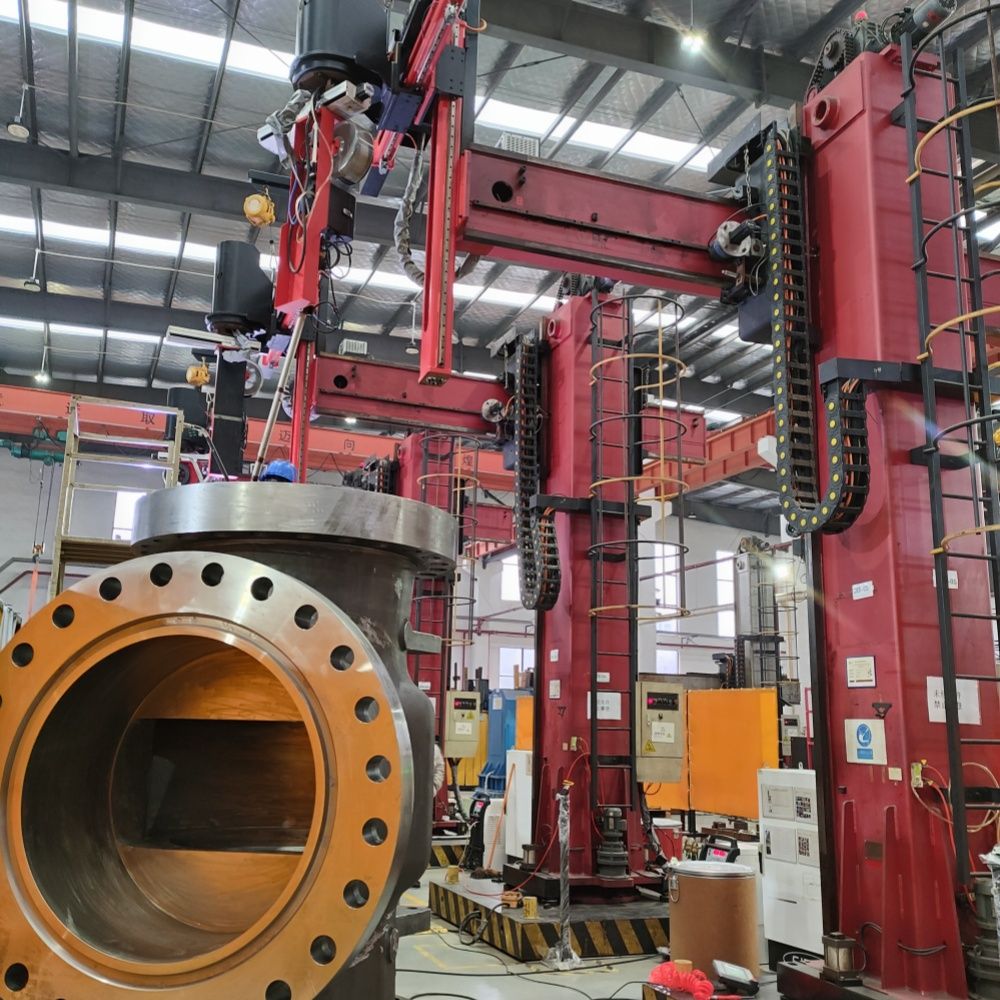
Die finanzielle Rechtfertigung für die Investition in eine hochwirksame Schweißmaschine reicht weit über eine bloße Senkung des Energieverbrauchs hinaus. Bei Betrieb einer älteren oder standardwirksamen Schweißmaschine geht Energie durch ineffiziente Stromumwandlung, übermäßige Wärmeabgabe und veraltete Elektrodentechnologien verloren. Diese Ineffizienzen summieren sich über Tausende von Schweißstunden hinweg und führen zu Kosten in Höhe von mehreren Tausend Dollar, die sich leicht vermeiden ließen. Eine moderne, hochwirksame Schweißmaschine hingegen nutzt fortschrittliche Wechselrichtertechnologie, optimierte Kühlsysteme sowie intelligente Leistungssteuerung, um dieselbe Schweißqualität mit 20 bis 40 Prozent geringerem Stromverbrauch zu liefern. Dieser Artikel beleuchtet konkrete Gründe, warum der Austausch gegen eine schweißtechnisch überlegene Maschine sowohl aus finanzieller als auch aus betrieblicher Sicht sinnvoll ist – insbesondere für industrielle und gewerbliche Schweißbetriebe.
Energieeffizienz und Kostensenkung durch moderne Schweißmaschinentechnologie
Wie modernes Schweißmaschinendesign den Stromverbrauch senkt
Die heutige hochwirksame Schweißmaschine basiert auf Wechselrichter-Stromversorgungen – ein grundlegender technologischer Wandel weg von herkömmlichen Transformator-Gleichrichter-Konstruktionen. Eine Wechselrichter-Schweißmaschine wandelt die zugeführte Wechselstrom-Energie in Hochfrequenz-Schaltkreise um, wodurch die Effizienz der Energieübertragung zum Lichtbogen erheblich gesteigert wird. Diese Umwandlungsmethode minimiert ungenutzte Wärme und elektrische Verluste, die herkömmliche Schweißmaschinen beeinträchtigen. Eine Standard-Schweißmaschine erreicht möglicherweise eine elektrische Effizienz von 60 bis 70 Prozent, während eine moderne, hochwirksame Schweißmaschine 85 bis 95 Prozent Effizienz erreicht. Der Unterschied bedeutet: Bei jeder Ausgangsstromstärke von 100 Ampere verliert eine ältere Schweißmaschine deutlich mehr Energie als Wärme in den Transformator- und Gleichrichter-Stufen, während eine hochwirksame Schweißmaschine mehr nutzbare Leistung mit weniger Abfall liefert. Multipliziert man diesen Effizienzgewinn über Hunderte oder Tausende täglicher Schweißvorgänge, werden die kumulierten Energieeinsparungen beträchtlich und senken Ihre monatlichen Stromkosten direkt.
Betriebliche Kosteneinsparungen jenseits des Stromverbrauchs
Die Aufrüstung auf eine hochwirksame Schweißmaschine bietet Kostenvorteile, die über den reinen elektrischen Energieverbrauch hinausgehen. Da eine hochwirksame Schweißmaschine weniger Abwärme erzeugt, verringern sich die Anforderungen an Kühl- und Lüftungssysteme und senken so die Betriebskosten für Heizungs-, Lüftungs- und Klimatechnik (HVAC) in Ihrem Fertigungsbereich. Viele Betriebe stellen fest, dass sie bei Einsatz einer modernen Schweißmaschine die Klimaanlagenlast oder die Lüfterdrehzahl reduzieren können, was zu zusätzlichen Energieeinsparungen führt. Zudem verfügen fortschrittliche Schweißmaschinen über thermische Managementsysteme, die Überhitzung verhindern, wodurch die Lebensdauer der Geräte verlängert und die Wartungskosten gesenkt werden. Eine hochwirksame Schweißmaschine verbraucht zudem weniger Schutzgas, da die optimierte Lichtbogenstabilität Spritzer reduziert und die Materialabscheidungsrate verbessert – dies senkt die Kosten für Verbrauchsmaterialien. Diese kumulativen Einsparungen bedeuten, dass der Vorteil der Gesamtbetriebskosten (Total Cost of Ownership) einer Schweißmaschine weit über die alleinigen Stromkosteneinsparungen hinausgeht.
Umwelt- und regulatorische Vorteile beim Upgrade Ihrer Schweißmaschine
Verringerung der CO2-Bilanz und Erreichung der Nachhaltigkeitsziele
Führungsvertreter in der Fertigung erkennen zunehmend, dass der Energieverbrauch unmittelbar mit Kohlenstoffemissionen und ökologischer Verantwortung verknüpft ist. Der Wechsel zu einer hochwirksamen Schweißmaschine senkt den elektrischen Energiebedarf Ihres Betriebs – und verringert damit anteilig Ihren CO₂-Fußabdruck, da zur Stromversorgung Ihrer Anlagen weniger stromerzeugung aus fossilen Brennstoffen erforderlich ist. Falls Ihr regionales Stromnetz erneuerbare Energiequellen umfasst, fällt dieser Effekt noch günstiger aus. Viele Unternehmen erfassen mittlerweile Scope-2-Emissionen aus bezogenem Strom; eine hochwirksame Schweißmaschine ist daher ein messbares Instrument für Nachhaltigkeitsberichte. Eine Schweißmaschine mit einem um 20 bis 40 Prozent niedrigeren Energieverbrauch kann die jährliche CO₂-Emission Ihres Betriebs um mehrere Tonnen reduzieren – abhängig von Produktionsvolumen und Zusammensetzung des Stromnetzes. Jenseits finanzieller Kennzahlen unterstreicht die Umstellung auf energieeffiziente Geräte Ihr Engagement für Energieeffizienz und stärkt so Ihre Markenreputation bei umweltbewussten Kunden und Stakeholdern.
Einhaltung branchenüblicher Standards und zukunftssichere Betriebsführung
Regulierungsbehörden weltweit verschärfen schrittweise die Energieeffizienzanforderungen für Industrieausrüstung, darunter auch Schweißtechnik. Eine Investition in eine hocheffiziente Schweißmaschine heute stellt Ihren Betrieb bereits vor möglichen künftigen Vorschriften und gewährleistet die Einhaltung neuer Umweltvorschriften. Eine moderne Schweißmaschine übertrifft typischerweise die aktuellen Effizienzstandards und ist so konstruiert, dass sie zukünftige Anforderungen berücksichtigt – Ihr Kapitalinvestment bleibt damit geschützt. Zudem bieten Versorgungsunternehmen und staatliche Stellen häufig Rabatte, steuerliche Anreize oder Finanzierungsprogramme für Unternehmen, die auf energieeffiziente Industrieausrüstung umsteigen – darunter auch Schweißmaschinen. Eine hocheffiziente Schweißmaschine könnte in Ihrer Region für solche Fördermaßnahmen in Frage kommen und senkt so die Netto-Kosten des Upgrades weiter. Durch eine proaktive Wahl einer besonders effizienten Schweißmaschine vermeiden Sie später teure Notersatzmaßnahmen für nicht konforme Geräte.
Implementierungsstrategie und Rentabilität für Ihr Schweißmaschinen-Upgrade
Berechnung der Amortisationsdauer und der langfristigen Einsparungen
Die finanzielle Rechtfertigung für den Kauf einer hochwirksamen Schweißmaschine beginnt mit einer einfachen Berechnung: jährliche Energieeinsparungen geteilt durch die zusätzlichen Anschaffungskosten der Maschine. Um die jährliche Stromersparnis abzuschätzen, multiplizieren Sie die durchschnittliche jährliche Schweißzeit Ihres Betriebs mit der Leistungsaufnahme Ihrer derzeitigen Schweißmaschine und Ihrem lokalen Stromtarif. Multiplizieren Sie dieselbe Schweißzeit anschließend mit dem niedrigeren Stromverbrauch einer modernen, hochwirksamen Schweißmaschine bei identischer Leistungsabgabe. Die Differenz, multipliziert mit Ihrem Stromtarif, ergibt die jährliche Einsparung. Die meisten Betriebe berichten, dass sich ein Austausch der Schweißmaschine allein durch Energieeinsparungen innerhalb von zwei bis vier Jahren amortisiert; zusätzliche Einsparungen bei Kühlung, Verbrauchsmaterialien und Wartung verkürzen die Amortisationsdauer weiter. Eine hochwirksame Schweißmaschine hat üblicherweise eine Einsatzdauer von 10 bis 15 Jahren – nach Erreichen der Amortisation erwirtschaften Sie also mehrere Jahre lang reine Gewinne durch gesunkene Betriebskosten.
Integration und Personalaspekte
Der Übergang zu einer modernen, hocheffizienten Schweißmaschine erfordert nur minimale Weiterbildung des Personals, da die Bedienoberfläche und die Schweißparameter für erfahrene Schweißer intuitiv bleiben. Eine Schweißmaschine eines renommierten Herstellers umfasst einfache Einrichtungsverfahren sowie Dokumentation, die erfahrene Schweißer und Techniker rasch nachvollziehen können. Viele Anbieter stellen vor Ort stattfindende Schulungen oder Fernunterstützung bereit, um sicherzustellen, dass Ihr Team die Möglichkeiten der neuen Schweißmaschine optimal ausschöpft. Der Installationsprozess einer hocheffizienten Schweißmaschine ist in der Regel unkompliziert und erfordert lediglich Standard-Elektroanschlüsse sowie gegebenenfalls Kühlwasseranschlüsse. Da eine Schweißmaschine in den meisten Fällen als direkter Ersatz für Ihre bestehende Ausrüstung fungiert, fälle , vermeiden Sie eine umfangreiche Neukonfiguration Ihrer Anlage. Wenn Sie den Übergang während Phasen mit geringerer Produktion planen, minimieren Sie Störungen, und Ihr Team wird sofort die Zuverlässigkeit und Benutzerfreundlichkeit eines modernen, hocheffizienten Schweißgeräts zu schätzen wissen.
Häufig gestellte Fragen
Wie viel Energie spart ein hocheffizientes Schweißgerät im Vergleich zu älteren Modellen tatsächlich?
Eine moderne, hocheffiziente Schweißmaschine verbraucht typischerweise 20 bis 40 Prozent weniger elektrische Energie als eine herkömmliche Transformator-Gleichrichter-Schweißmaschine mit vergleichbarer Leistungsabgabe. Die genauen Einsparungen hängen von Ihrem Nutzungsmuster, dem Einschaltdauerzyklus (Duty Cycle) und dem Alter der ausgetauschten Geräte ab. Betriebe mit hohem Schweißvolumen, langen Betriebszeiten und kontinuierlichen Produktionsabläufen erzielen die höchsten absoluten Einsparungen. Für eine mittelgroße Fertigungswerkstatt, die eine Schweißmaschine täglich 8 bis 10 Stunden betreibt, können allein die jährlichen Stromkosteneinsparungen je nach lokalen Stromtarifen und Produktionsumfang zwischen 5.000 USD und 20.000 USD oder mehr liegen. Zudem tragen geringere Kühl- und Verbrauchsmaterialkosten weitere 15 bis 25 Prozent zu den gesamten Betriebseinsparungen bei, wodurch der Austausch auf eine hocheffiziente Schweißmaschine finanziell äußerst attraktiv wird.
Welche Art von hocheffizienter Schweißmaschine eignet sich am besten für meinen Betrieb?
Die ideale hocheffiziente Schweißmaschine hängt von Ihren spezifischen Anwendungen, Werkstoffen und Produktionsanforderungen ab. Betriebe, die hauptsächlich Stahlkonstruktionen schweißen, profitieren von einer hocheffizienten MIG- oder Elektrodenschweißmaschine, während Betriebe, die präzise Arbeiten an Edelstahl- oder Aluminiumwerkstoffen durchführen, möglicherweise eine WIG-Schweißmaschine bevorzugen. Moderne Invertertechnologie ist für alle Schweißverfahren verfügbar, sodass jede von Ihnen ausgewählte Schweißmaschine eine deutlich höhere Effizienz als ältere Konstruktionen bietet. Die Beratung durch Gerätespezialisten zu Ihrer aktuellen Auftragslage stellt sicher, dass Sie eine Schweißmaschine wählen, die sowohl Effizienzsteigerungen als auch Produktionskapazität optimal maximiert. Die beste hocheffiziente Schweißmaschine für Ihren Betrieb vereint Energieeinsparungen mit Ihren Ausgabeanforderungen sowie der Verträglichkeit mit den verwendeten Werkstoffen.
Gibt es Finanzierungs- oder Förderprogramme für den Kauf einer hocheffizienten Schweißmaschine?
Viele Regionen bieten Steuergutschriften, Rabatte oder zinsgünstige Finanzierungen für industrielle Unternehmen, die auf energieeffiziente Ausrüstung umsteigen – darunter auch hochwirksame Schweißmaschinen. Bundesweite Steueranreize, staatliche Programme zur Energieeffizienz sowie Rabattinitiativen der Versorgungsunternehmen können Ihre Nettokosten erheblich senken. Einige Lieferanten arbeiten mit Finanzierungsinstituten zusammen, um günstige Konditionen für den Kauf von Geräten anzubieten, die bestimmte Energiestandards erfüllen. Zusätzlich schweißmaschine bieten Hersteller häufig Komplettpakete, erweiterte Garantien oder Schulungsbündel an, die einen Mehrwert jenseits der Grundkosten für die Ausrüstung schaffen. Bevor Sie kaufen, recherchieren Sie lokale und nationale Anreizprogramme, die für Ihre Branche und Region gelten, um den finanziellen Nutzen Ihrer Investition in eine hochwirksame Schweißmaschine optimal auszuschöpfen.